

Tested Applications
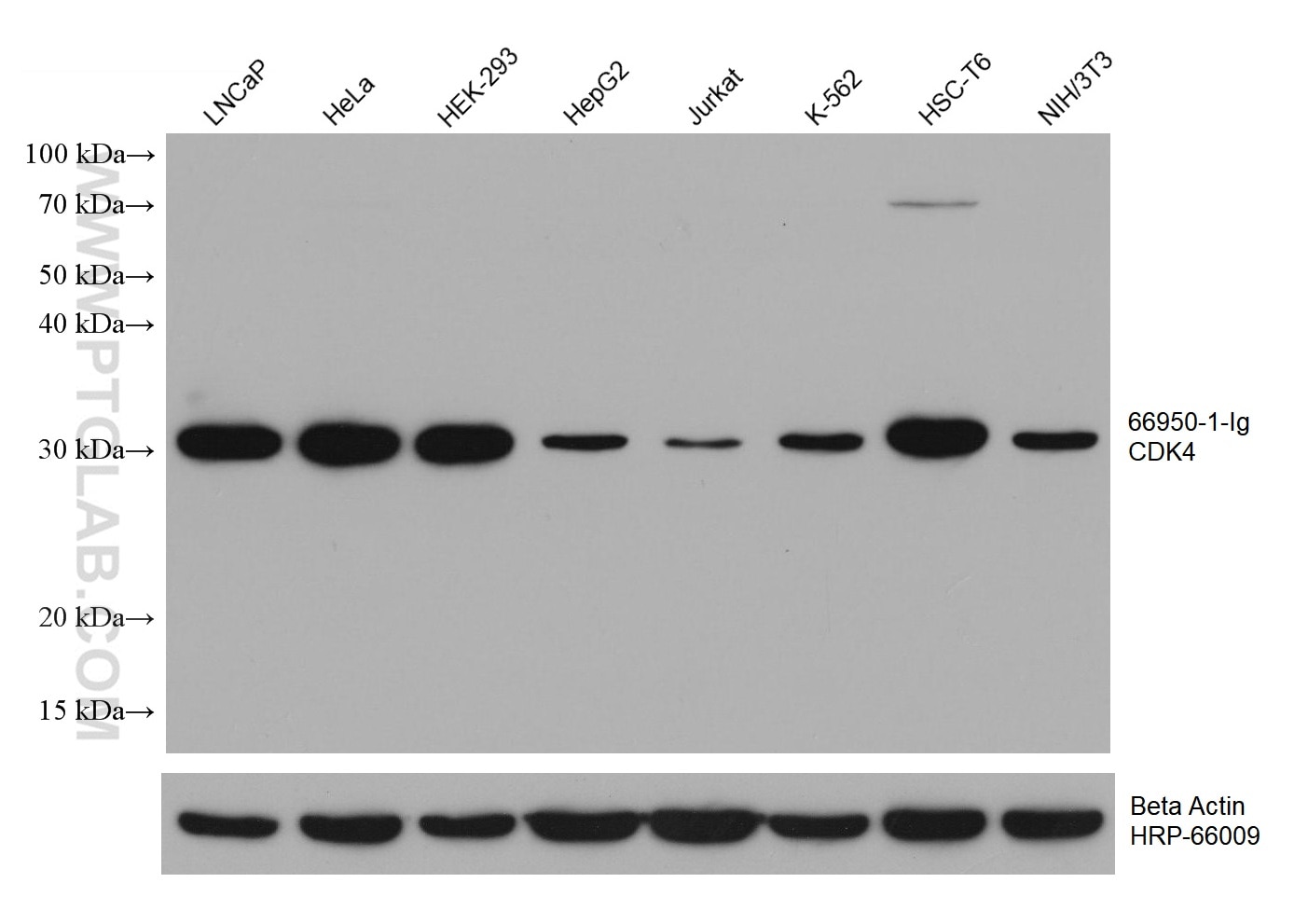
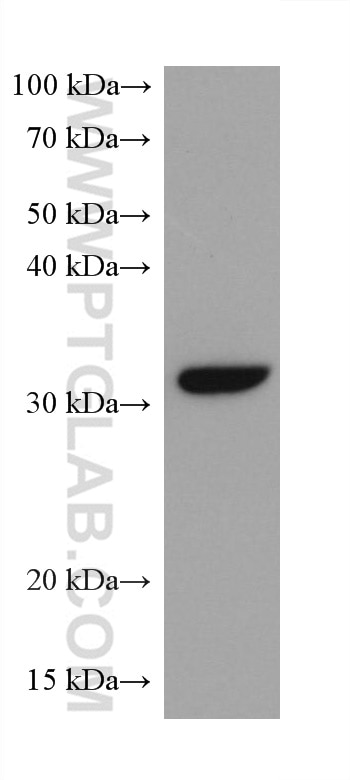
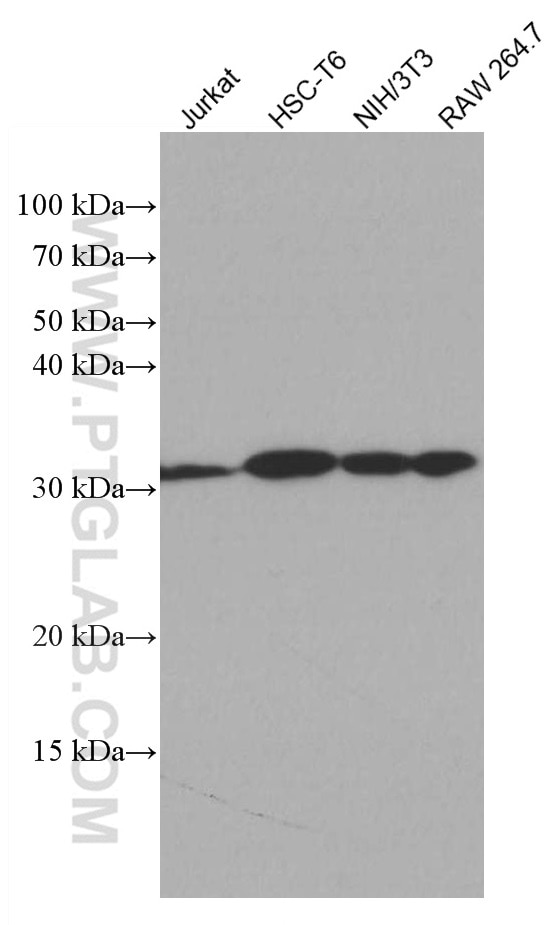
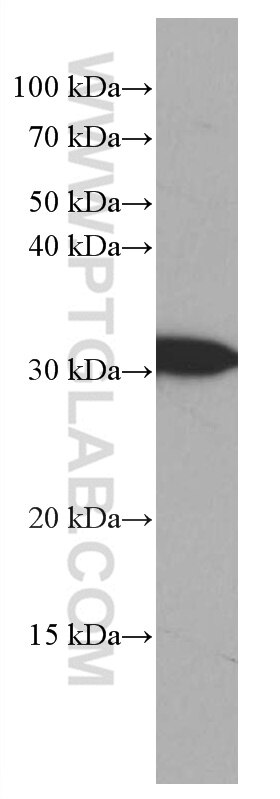
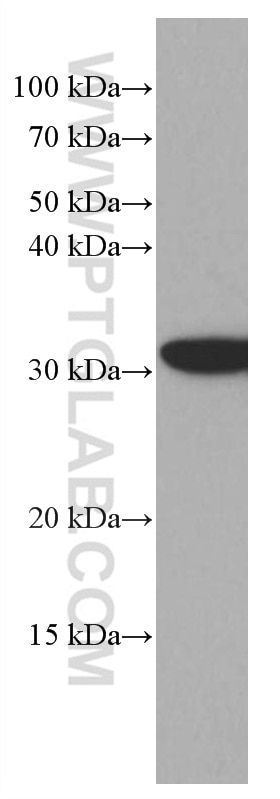
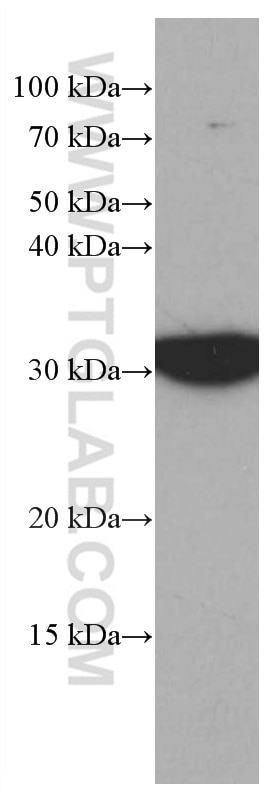
| Positive WB detected in | LNCaP cells, HeLa cells, HEK-293 cells, 4T1 cells, Jurkat cells, MCF-7 cells, HepG2 cells, K-562 cells, HSC-T6 cells, NIH/3T3 cells, RAW 264.7 cells |
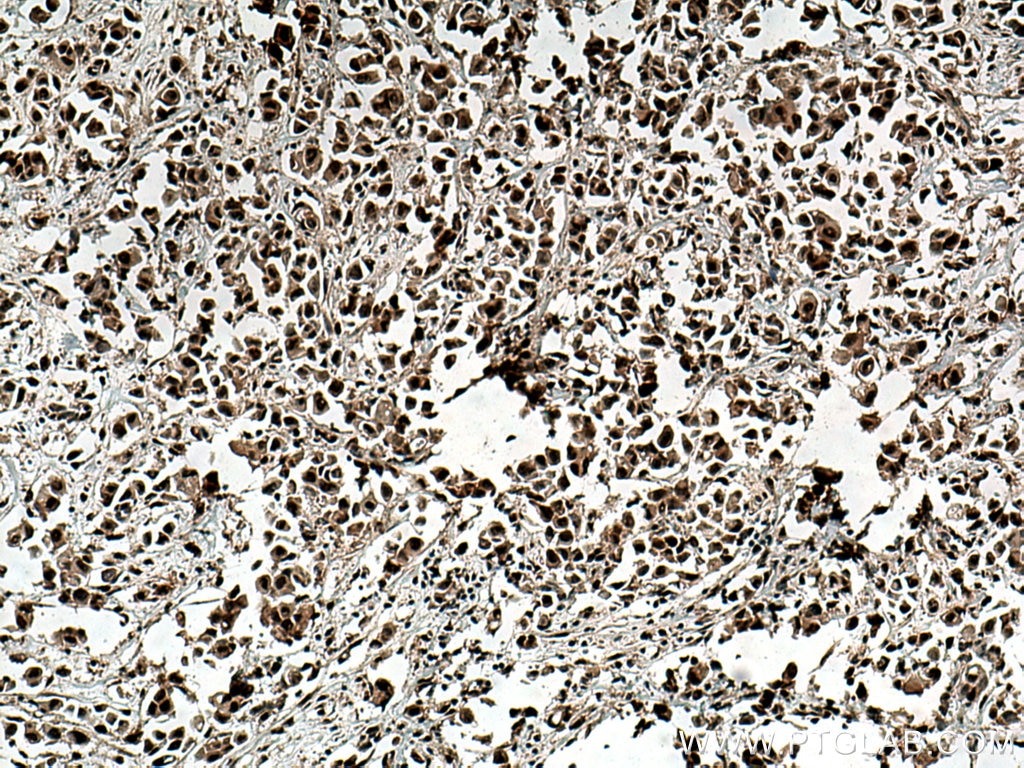
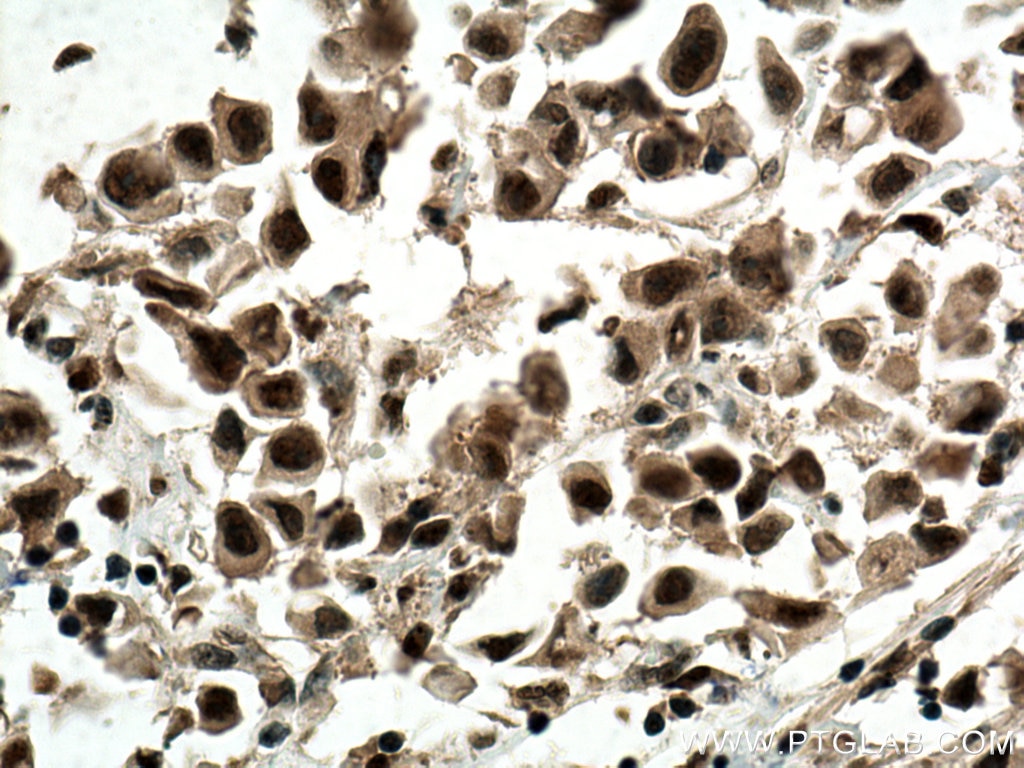
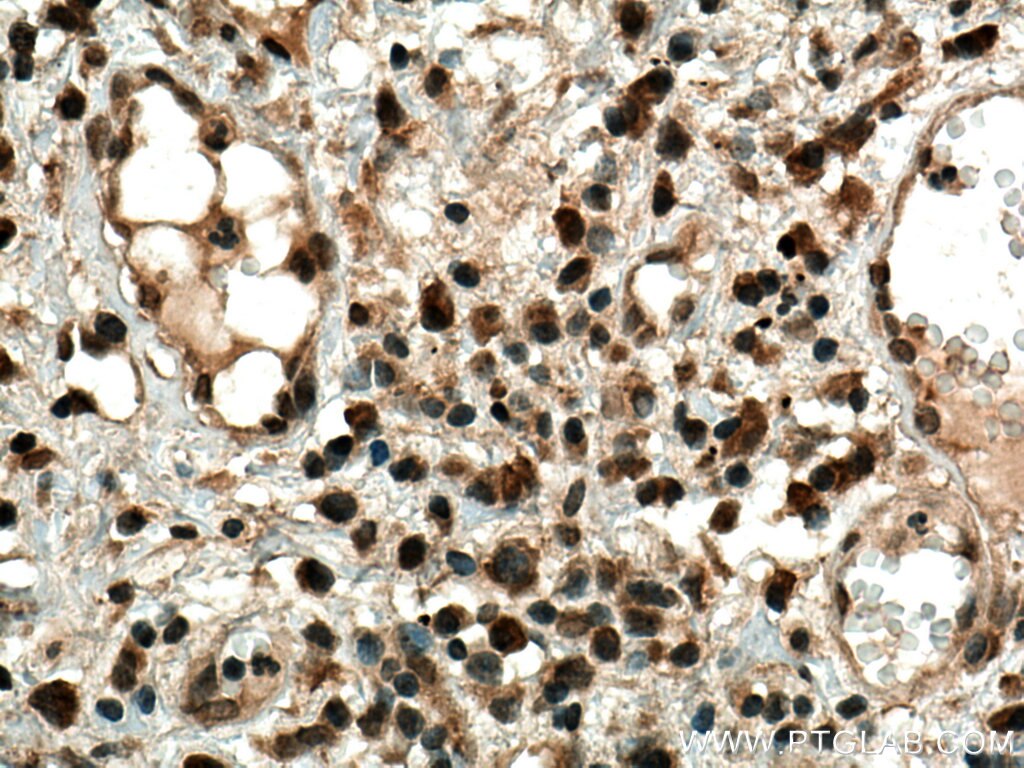
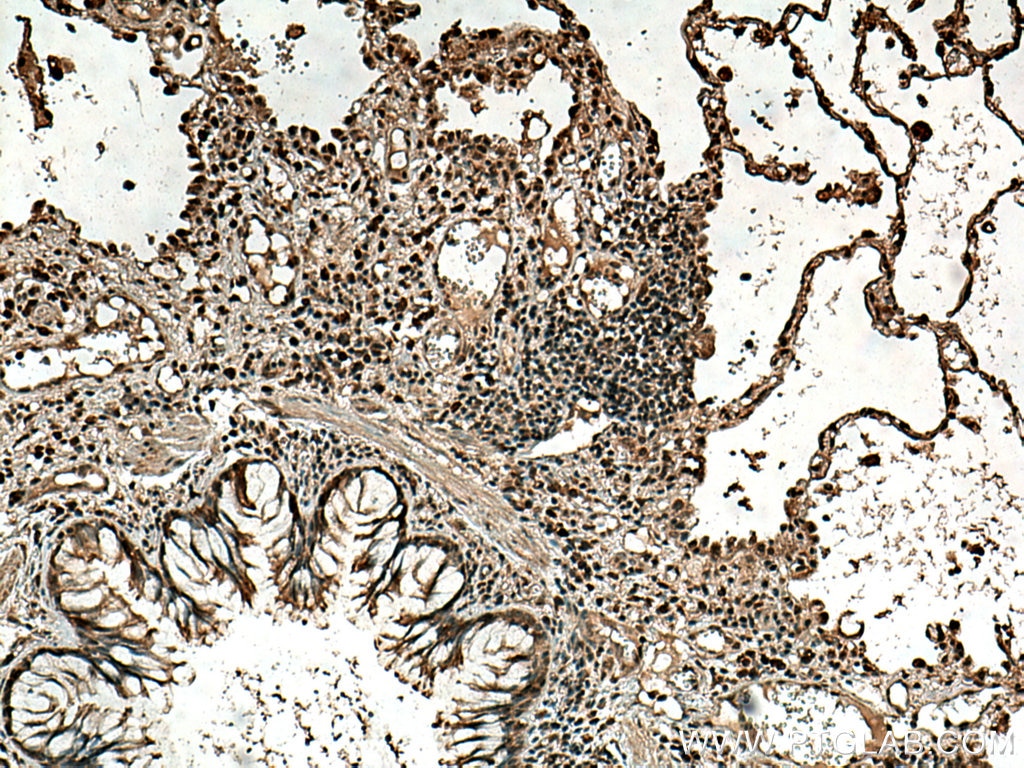
| Positive IHC detected in | human breast cancer tissue, human lung cancer tissue Note: suggested antigen retrieval with TE buffer pH 9.0; (*) Alternatively, antigen retrieval may be performed with citrate buffer pH 6.0 |
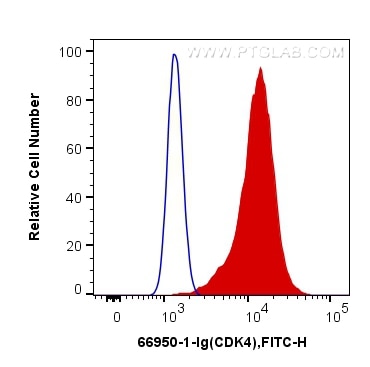
| Positive FC (Intra) detected in | MCF-7 cells |
Recommended dilution
| Application | Dilution |
|---|---|
| Western Blot (WB) | WB : 1:5000-1:50000 |
| Immunohistochemistry (IHC) | IHC : 1:200-1:1000 |
| Flow Cytometry (FC) (INTRA) | FC (INTRA) : 0.20 ug per 10^6 cells in a 100 µl suspension |
| It is recommended that this reagent should be titrated in each testing system to obtain optimal results. | |
| Sample-dependent, Check data in validation data gallery. | |
Product Information
66950-1-Ig targets CDK4 in WB, IHC, IF, FC (Intra), ELISA applications and shows reactivity with human, mouse, rat samples.
| Tested Reactivity | human, mouse, rat |
| Cited Reactivity | human, mouse, rat |
| Host / Isotype | Mouse / IgG1 |
| Class | Monoclonal |
| Type | Antibody |
| Immunogen |
CatNo: Ag20538 Product name: Recombinant human CDK4 protein Source: e coli.-derived, PET28a Tag: 6*His Domain: 1-303 aa of BC010153 Sequence: MATSRYEPVAEIGVGAYGTVYKARDPHSGHFVALKSVRVPNGGGGGGGLPISTVREVALLRRLEAFEHPNVVRLMDVCATSRTDREIKVTLVFEHVDQDLRTYLDKAPPPGLPAETIKDLMRQFLRGLDFLHANCIVHRDLKPENILVTSGGTVKLADFGLARIYSYQMALTPVVVTLWYRAPEVLLQSTYATPVDMWSVGCIFAEMFRRKPLFCGNSEADQLGKIFDLIGLPPEDDWPRDVSLPRGAFPPRGPRPVQSVVPEMEESGAQLLLEMLTFNPHKRISAFRALQHSYLHKDEGNPE Predict reactive species |
| Full Name | cyclin-dependent kinase 4 |
| Calculated Molecular Weight | 34 kDa |
| Observed Molecular Weight | 34 kDa |
| GenBank Accession Number | BC010153 |
| Gene Symbol | CDK4 |
| Gene ID (NCBI) | 1019 |
| RRID | AB_2882273 |
| Conjugate | Unconjugated |
| Form | Liquid |
| Purification Method | Protein A purification |
| UNIPROT ID | P11802 |
| Storage Buffer | PBS with 0.02% sodium azide and 50% glycerol, pH 7.3. |
| Storage Conditions | Store at -20°C. Stable for one year after shipment. Aliquoting is unnecessary for -20oC storage. 20ul sizes contain 0.1% BSA. |
Background Information
Cyclin-dependent kinase-4 (CDK4) is a protein-serine kinase involved in the cell cycle. It is essential for the G1- to S-phase transition during the cell cycle and its expression is primarily controlled at the transcriptional level(PMID:17253961). CCND1-CDK4 axis is not only critical in glial tumor cells but also in stromal-derived cells in the surrounding tumor microenvironment that are vital to sustain tumor outgrowth(PMID:21844184).
Protocols
| Product Specific Protocols | |
|---|---|
| FC protocol for CDK4 antibody 66950-1-Ig | Download protocol |
| IHC protocol for CDK4 antibody 66950-1-Ig | Download protocol |
| WB protocol for CDK4 antibody 66950-1-Ig | Download protocol |
| Standard Protocols | |
|---|---|
| Click here to view our Standard Protocols |
Publications
What published studies show
The CDK4 Monoclonal antibody (1G2C12), catalog number 66950-1-Ig, has 50 citations. These appear in journals including Protein Cell, Advanced Science, International Journal of Biological Sciences, Phytomedicine, Journal of Translational Medicine, Genes & Development, Journal of Medicinal Chemistry, iScience, and others. Research fields span oncology (breast, colorectal, ovarian, pancreatic, melanoma, prostate, lung, gastric, and liver cancers), cell cycle regulation, autophagy, apoptosis, signaling pathways (PI3K-AKT, Wnt/β-catenin, JAK2/STAT3, p53, mTOR), drug discovery, and stem cell biology.
| Species | Application | Title |
|---|---|---|
Protein Cell CARM1 drives triple-negative breast cancer progression by coordinating with HIF1A | ||
Adv Sci (Weinh) Icaritin Represses Autophagy to Promote Colorectal Cancer Cell Apoptosis and Sensitized Low-Temperature Photothermal Therapy via Targeting HSP90-TXNDC9 Interactions | ||
Int J Biol Sci Discovery of a novel HDACi structure that inhibits the proliferation of ovarian cancer cells in vivo and in vitro. | ||
Int J Biol Sci Ebastine exerts antitumor activity and induces autophagy by activating AMPK/ULK1 signaling in an IPMK-dependent manner in osteosarcoma | ||
Phytomedicine Transcriptomics and molecular docking reveal the potential mechanism of lycorine against pancreatic cancer | ||
Phytomedicine Morusinol extracted from Morus alba induces cell cycle arrest and apoptosis via inhibition of DNA damage response in melanoma by CHK1 degradation through the ubiquitin-proteasome pathway |












