

Tested Applications
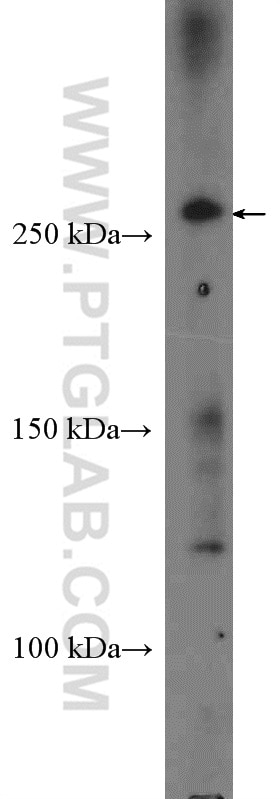
| Positive WB detected in | HeLa cells |
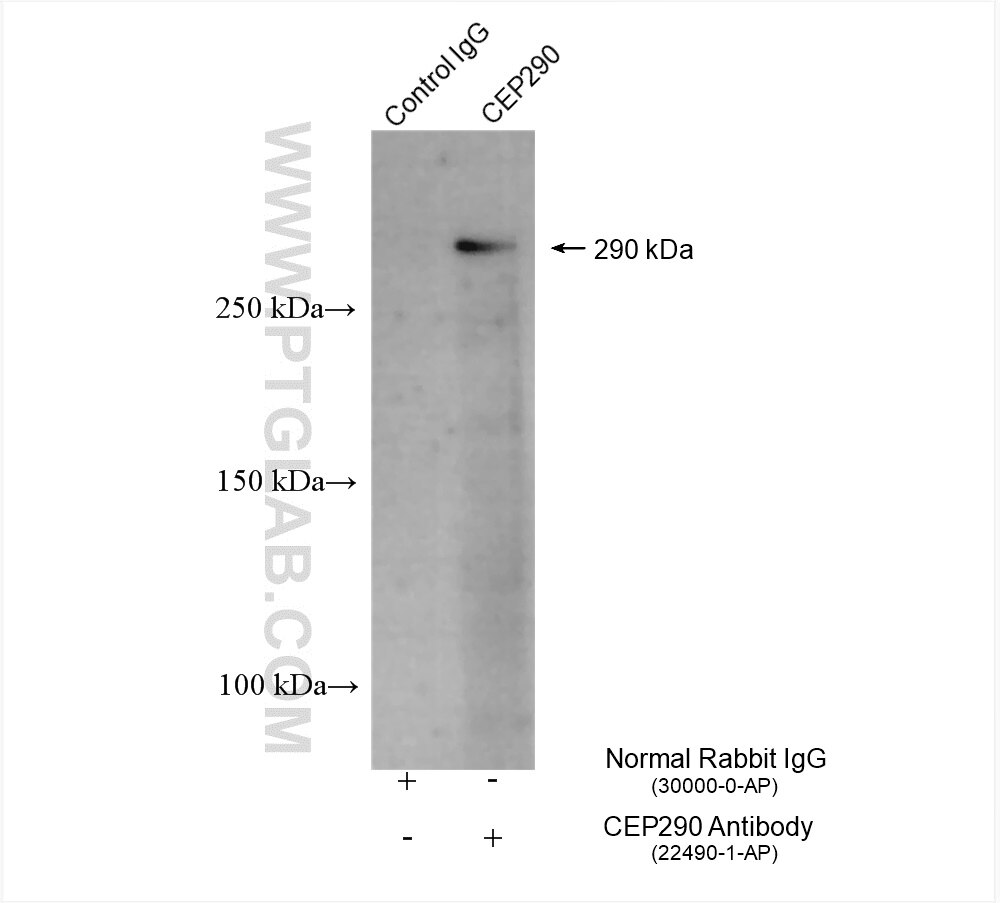
| Positive IP detected in | HeLa cells |
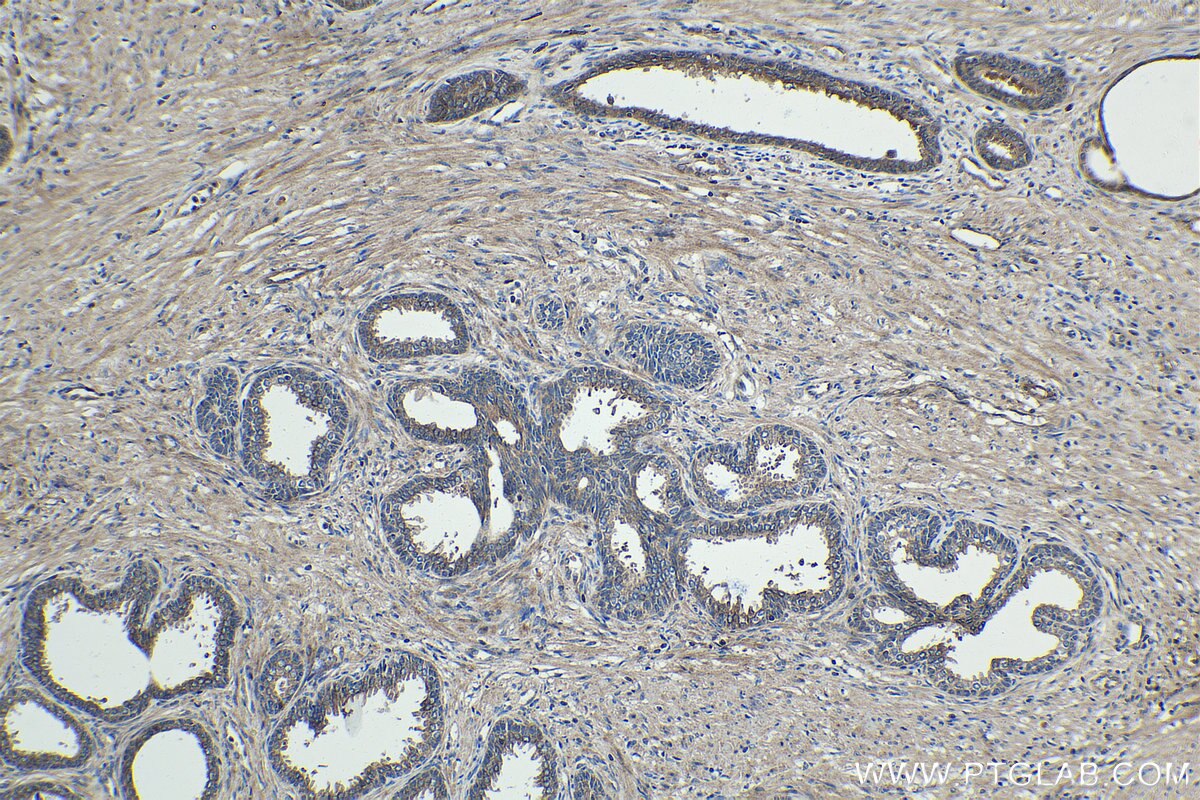
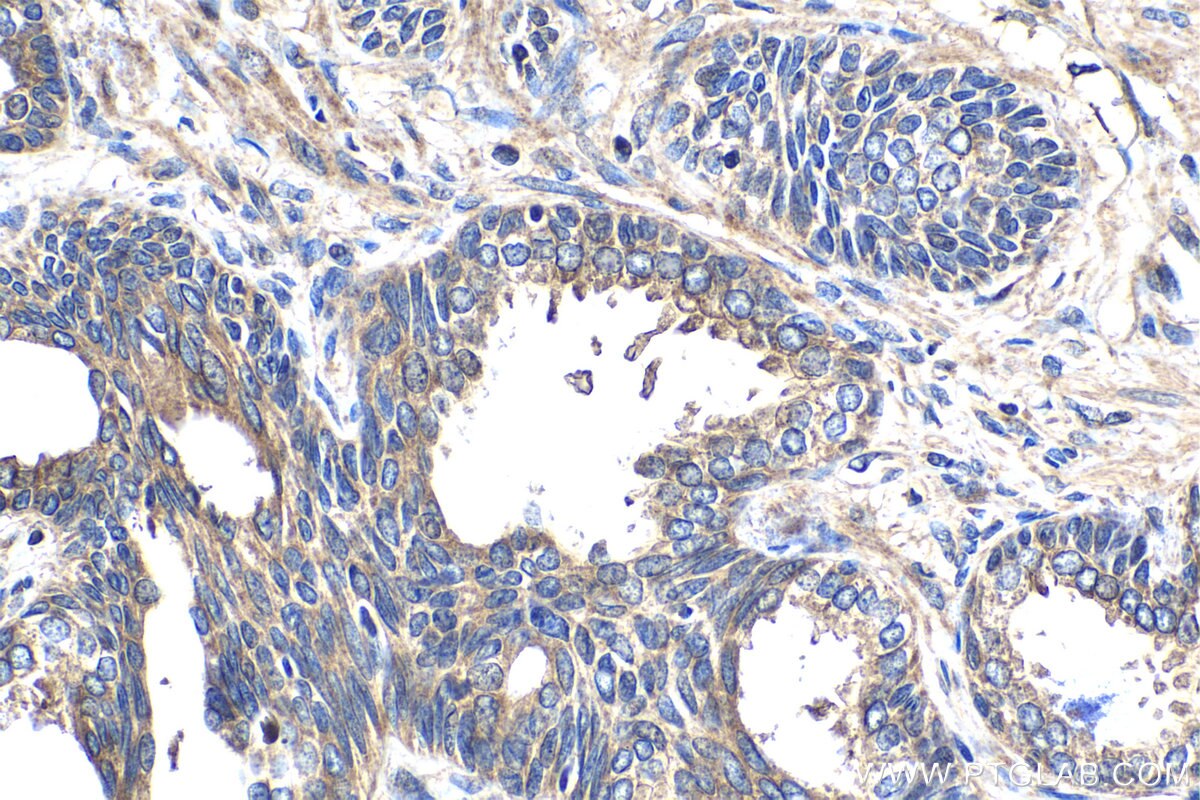
| Positive IHC detected in | human prostate cancer tissue Note: suggested antigen retrieval with TE buffer pH 9.0; (*) Alternatively, antigen retrieval may be performed with citrate buffer pH 6.0 |
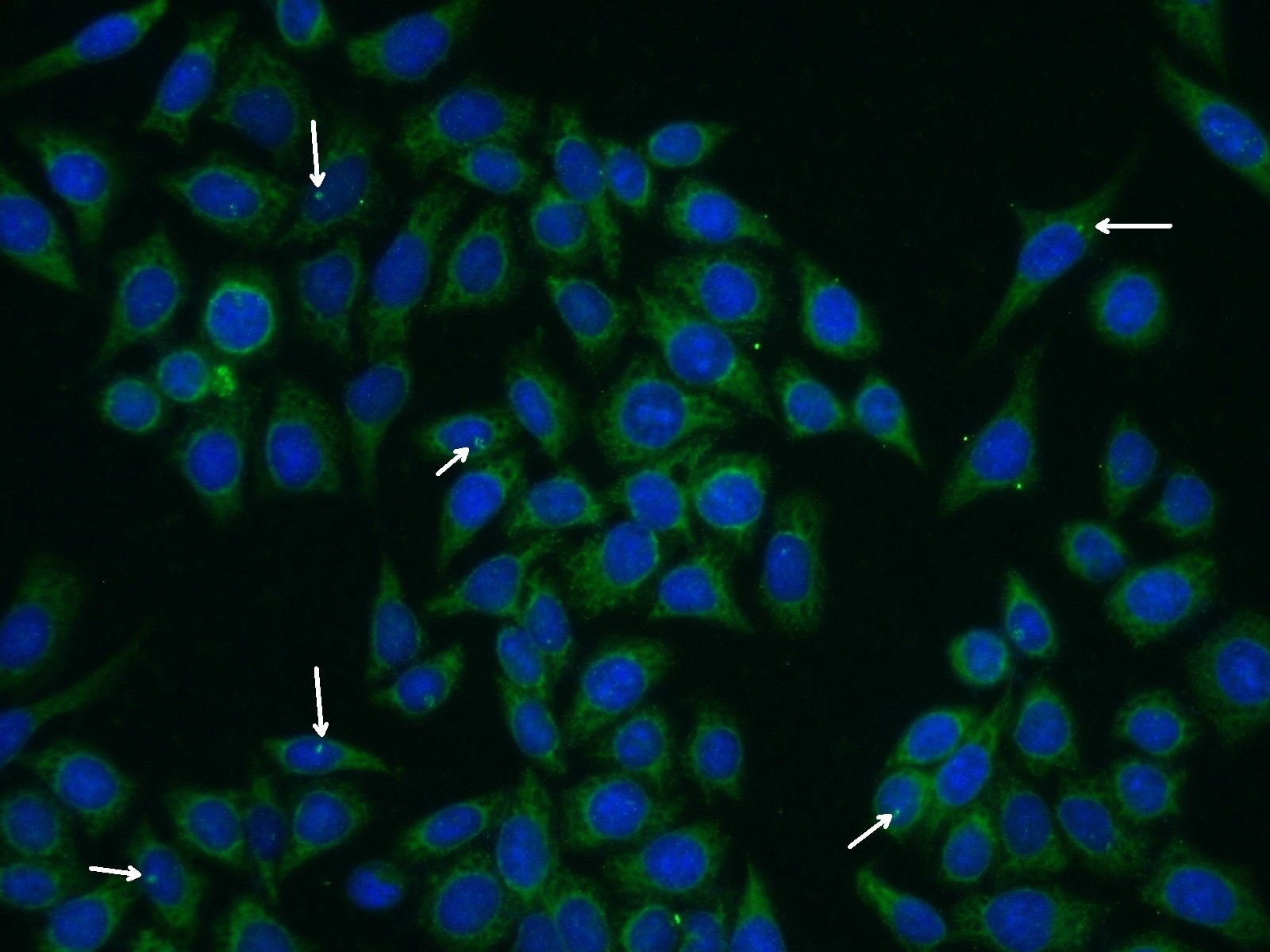
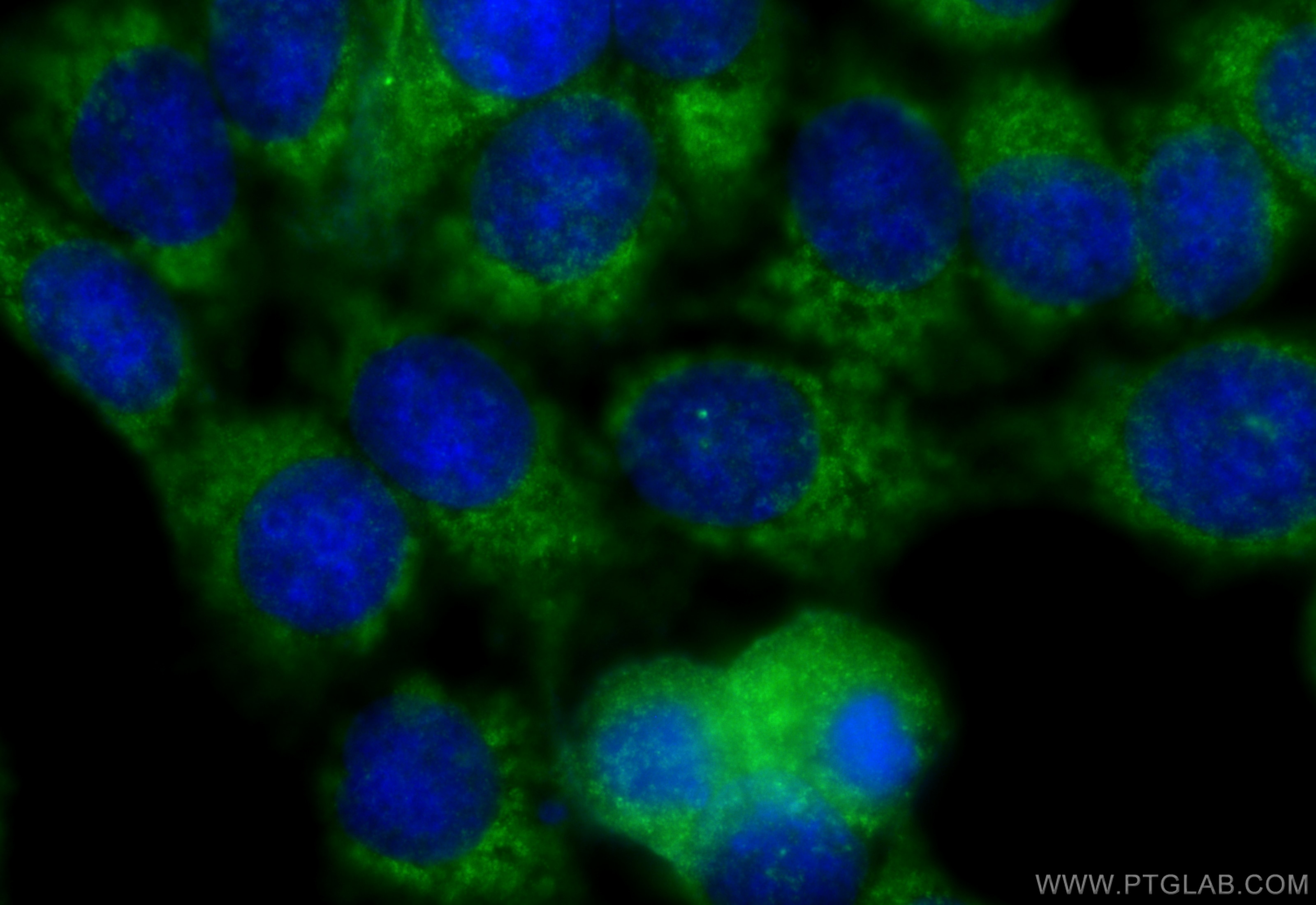
| Positive IF/ICC detected in | MCF-7 cells, HeLa cells |
Recommended dilution
| Application | Dilution |
|---|---|
| Western Blot (WB) | WB : 1:500-1:1000 |
| Immunoprecipitation (IP) | IP : 0.5-4.0 ug for 1.0-3.0 mg of total protein lysate |
| Immunohistochemistry (IHC) | IHC : 1:500-1:2000 |
| Immunofluorescence (IF)/ICC | IF/ICC : 1:200-1:800 |
| It is recommended that this reagent should be titrated in each testing system to obtain optimal results. | |
| Sample-dependent, Check data in validation data gallery. | |
Product Information
22490-1-AP targets CEP290 in WB, IHC, IF/ICC, IP, ELISA applications and shows reactivity with human samples.
| Tested Reactivity | human |
| Cited Reactivity | human, mouse |
| Host / Isotype | Rabbit / IgG |
| Class | Polyclonal |
| Type | Antibody |
| Immunogen |
CatNo: Ag17457 Product name: Recombinant human CEP290 protein Source: e coli.-derived, PET28a Tag: 6*His Domain: 1-237 aa of BC008641 Sequence: QMDSDEMKKILAENSRKITVLQVNEKSLIRQYTTLVELERQLRKENEKQKNELLSMEAEVCEKIGCLQRFKEMAIFKIAALQKVVDNSVSLSELELANKQYNELTAKYRDILQKDNMLVQRTSNLEHLECENISLKEQVESINKELEITKEKLHTIEQAWEQETKLGNESSMDKAKKSITNSDIVSISKKITMLEMKELNERQRAEHCQKMYEHLRTSLKQMEERNFELETKFAEV Predict reactive species |
| Full Name | centrosomal protein 290kDa |
| Calculated Molecular Weight | 2479 aa, 290 kDa |
| Observed Molecular Weight | 290 kDa |
| GenBank Accession Number | BC008641 |
| Gene Symbol | CEP290 |
| Gene ID (NCBI) | 80184 |
| RRID | AB_10973679 |
| Conjugate | Unconjugated |
| Form | Liquid |
| Purification Method | Antigen affinity purification |
| UNIPROT ID | O15078 |
| Storage Buffer | PBS with 0.02% sodium azide and 50% glycerol, pH 7.3. |
| Storage Conditions | Store at -20°C. Stable for one year after shipment. Aliquoting is unnecessary for -20oC storage. 20ul sizes contain 0.1% BSA. |
Background Information
Studies in the Chlamydomonas model system has shown that the ciliary protein CEP290 is a critical component of these Y-link junctions. Additionally, numerous studies have demonstrated that CEP290's function is critical for IFT-in CEP290 knockdown experiments, many proteins that would normally localize to the cilium fail to do so, and cilium formation is disrupted or absent. Mutations in CEP290 are accountable for cases of nephronophthisis, Leber congenital amaurosis and Joubert syndrome. In IF analtsis of HeLa cells, the white arrows show centrosome and cilium staining. Two isoforms were produced by alternative splicing with predicted MW of 290 and 180 kDa according to UniProt. Catalog#22490-1-AP can recognise both.
Protocols
| Product Specific Protocols | |
|---|---|
| IF protocol for CEP290 antibody 22490-1-AP | Download protocol |
| IHC protocol for CEP290 antibody 22490-1-AP | Download protocol |
| IP protocol for CEP290 antibody 22490-1-AP | Download protocol |
| WB protocol for CEP290 antibody 22490-1-AP | Download protocol |
| Standard Protocols | |
|---|---|
| Click here to view our Standard Protocols |
Publications
What published studies show
The CEP290 Polyclonal antibody (Cat# 22490-1-AP) has 21 citations. They appear in journals including Science, Nature Communications, Journal of Clinical Investigation, EMBO Journal, EMBO Molecular Medicine, EMBO Reports, Cell Reports, Journal of Cell Biology, Journal of Biological Chemistry, Molecular Biology of the Cell, Journal of Cell Science, Neural Regeneration Research, Aging, Scientific Reports, Annals of Medicine, and bioRxiv. Research fields span ciliogenesis and centrosome biology, retinal/photoreceptor degeneration, and cancer (liver cancer ferroptosis, lymphoma prognosis).
| Species | Application | Title |
|---|---|---|
Nat Commun iU-ExM: nanoscopy of organelles and tissues with iterative ultrastructure expansion microscopy | ||
J Clin Invest Loss of RPGR disrupts motile cilia and causes primary ciliary dyskinesia by affecting F-actin dynamics. | ||
J Clin Invest Ciliopathy-related B9 protein complex regulates ciliary axonemal microtubule posttranslational modifications and initiation of ciliogenesis. | ||
Neural Regen Res CNKSR2 interactome analysis indicates its association with the centrosome/microtubule system | ||
EMBO J Glutamylation imbalance impairs the molecular architecture of the photoreceptor cilium |
Reviews
What customers say
The single review describes an immunofluorescence experiment on human RPE1 cells fixed with methanol. The antibody (used at 1:100) showed CEP290 localizing to the centrosome, with CEP164 as the centrosome marker and DAPI for the nucleus. The reviewer noted that the antibody appeared to detect additional nucleoli signals. Overall, the rating was moderate, reflecting both the useful centrosome staining and the concern about off-target nucleoli detection.
The reviews below have been submitted by verified Proteintech customers who received an incentive for providing their feedback.
Jay (Verified Customer) (11-08-2019) | Human RPE1 cell line with Methanol fixation.Immunostaining result shows that CEP290 localizes to centrosome (Red; CEP290, Green; CEP164 for Centrosome marker, Blue;DAPI for Nucleus).The antibody seems to detect additional nucleoli signals.
 |







