

Tested Applications
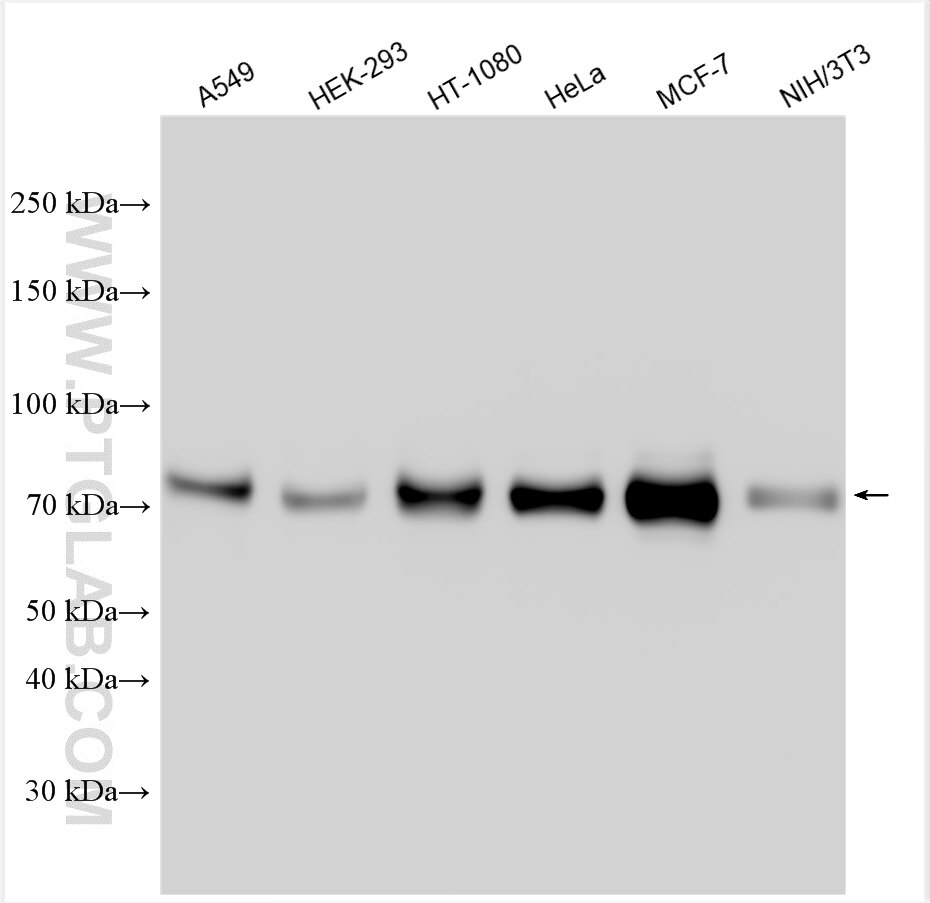
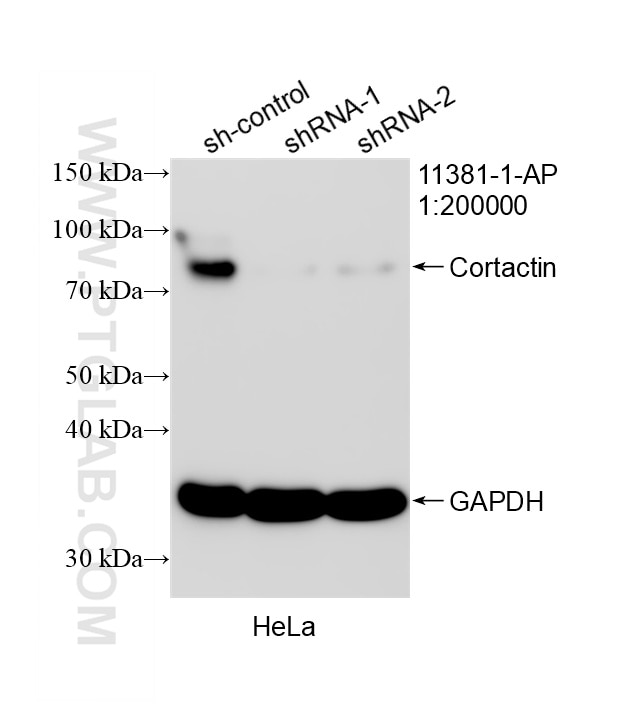
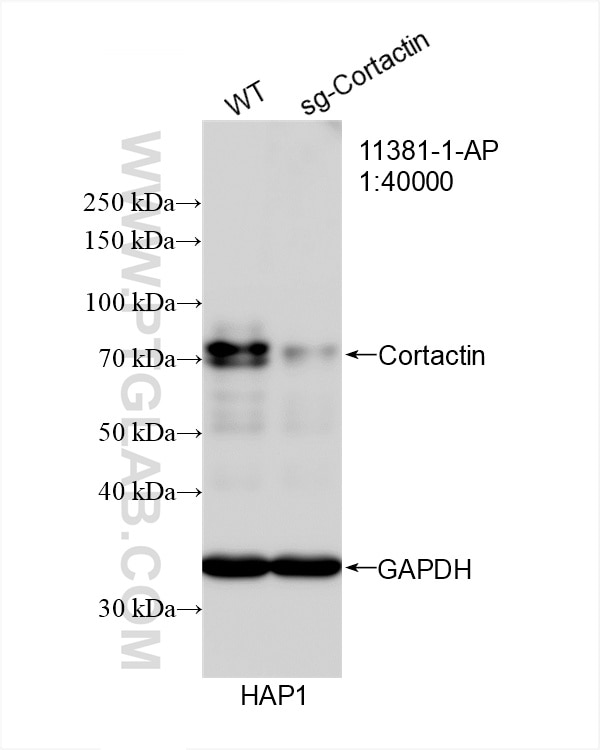
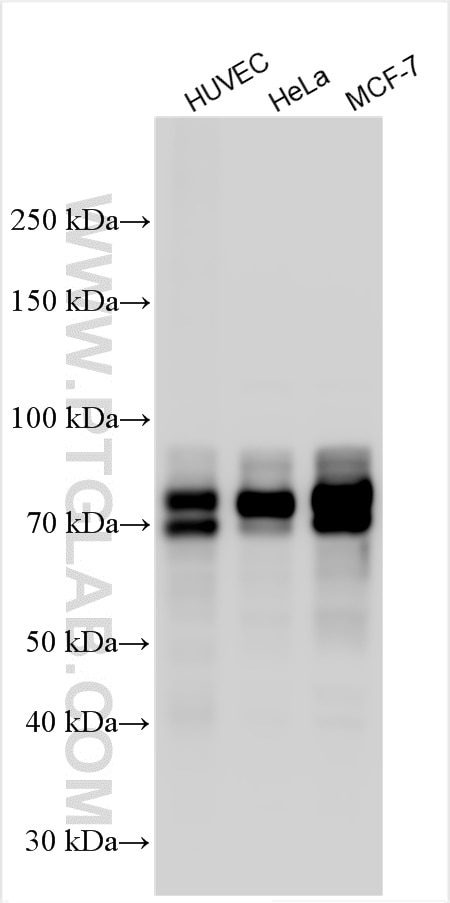
| Positive WB detected in | A549 cells, HAP1 cells, HeLa cells, HUVEC cells, HEK-293 cells, HT-1080 cells, MCF-7 cells, NIH/3T3 cells |
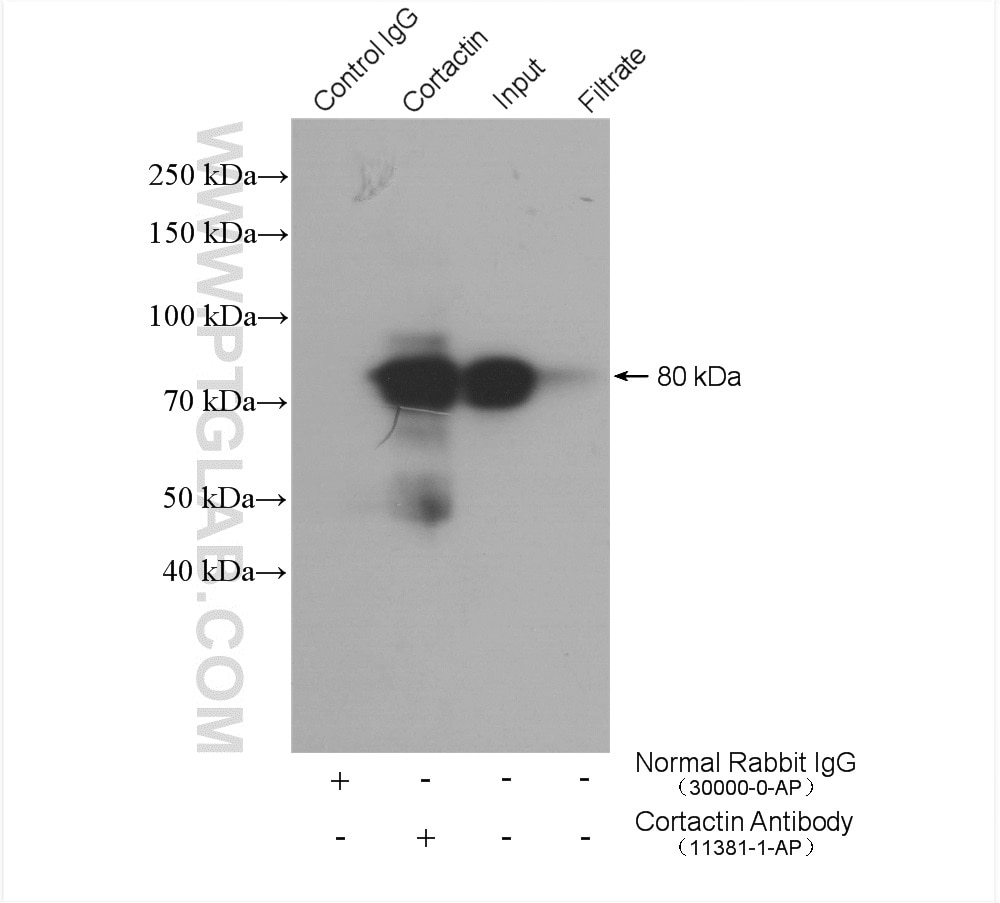
| Positive IP detected in | MCF-7 cells |
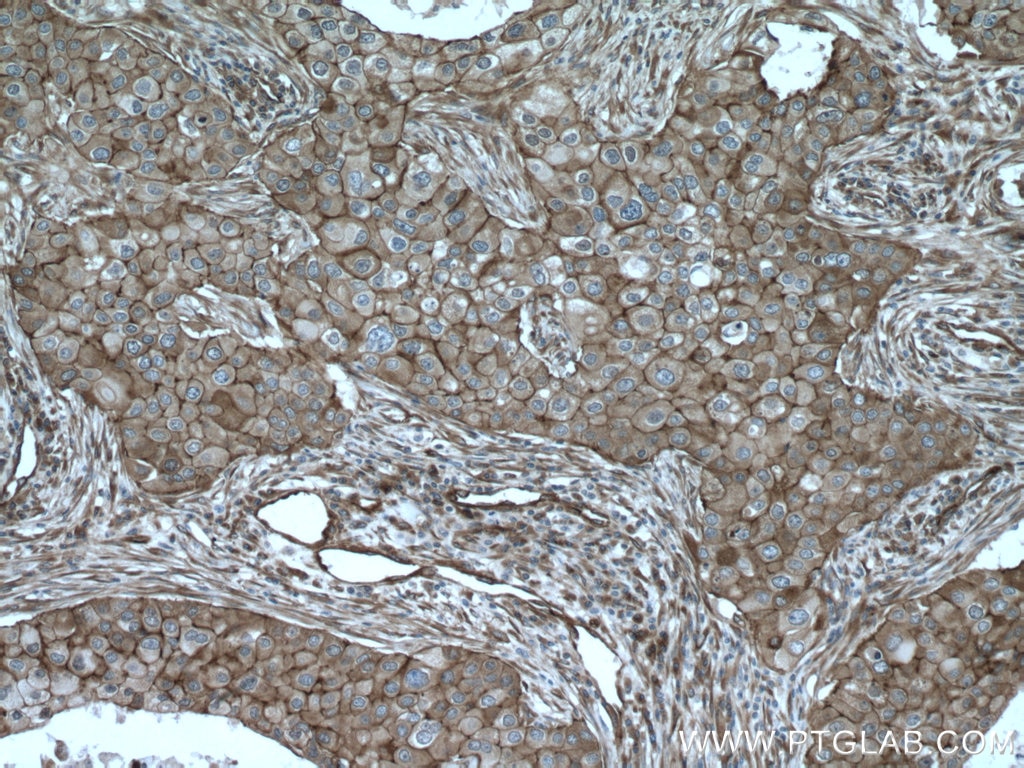
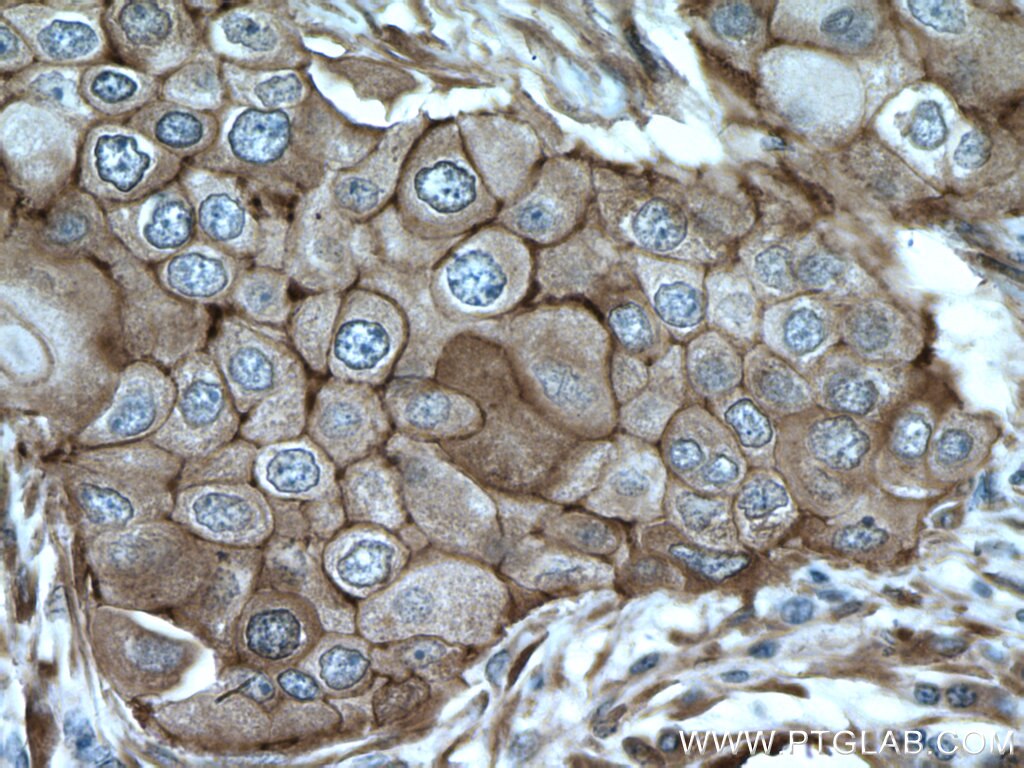
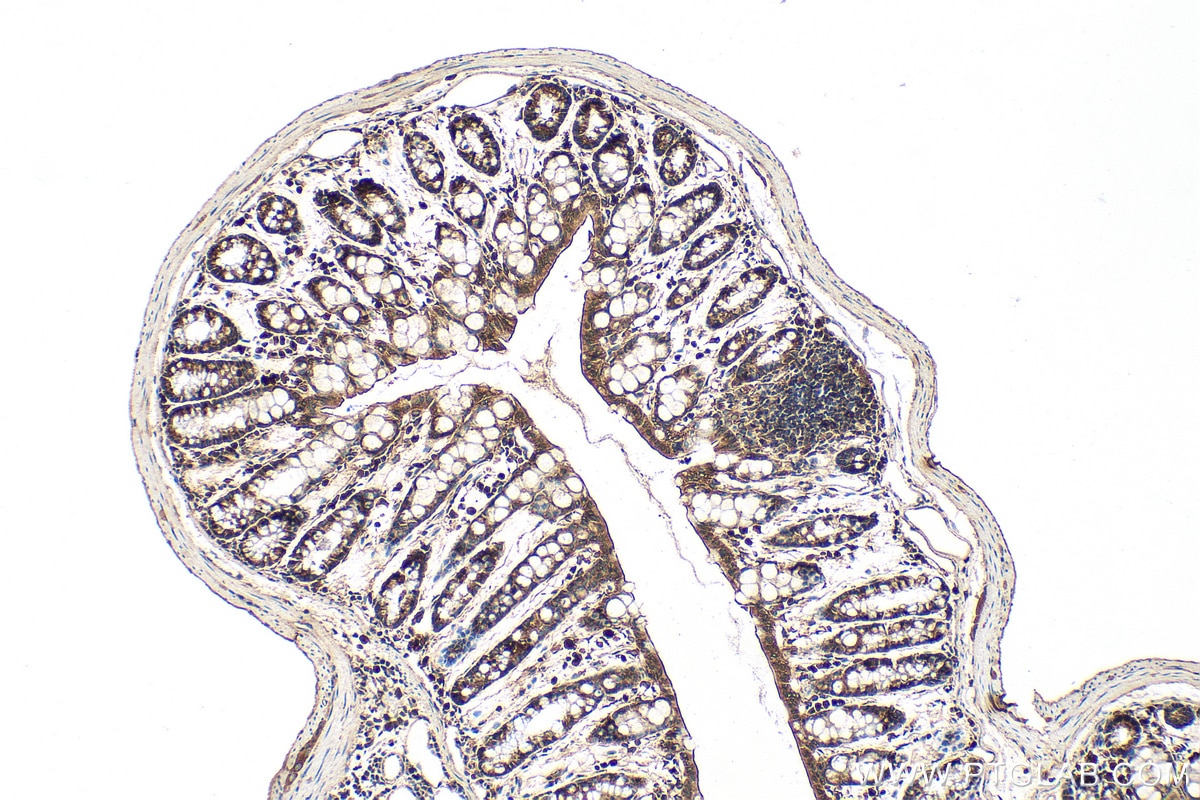
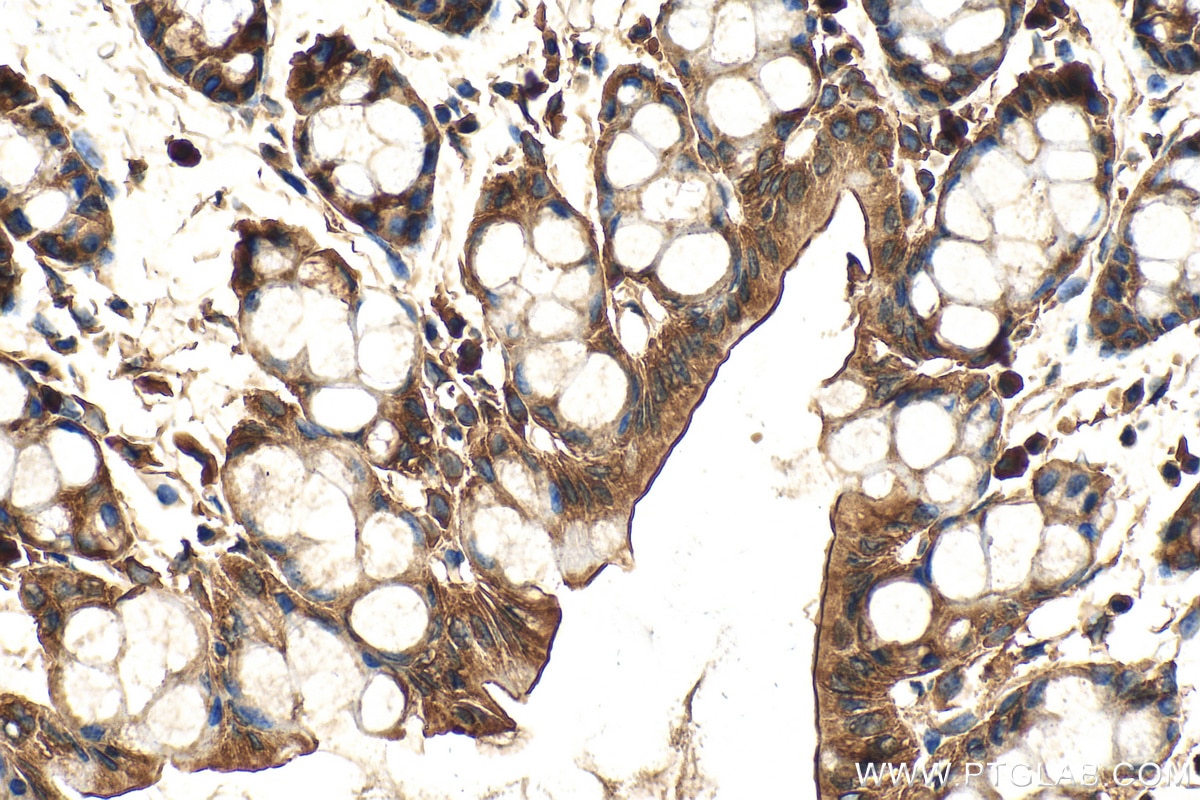
| Positive IHC detected in | human breast cancer tissue, mouse colon tissue Note: suggested antigen retrieval with TE buffer pH 9.0; (*) Alternatively, antigen retrieval may be performed with citrate buffer pH 6.0 |
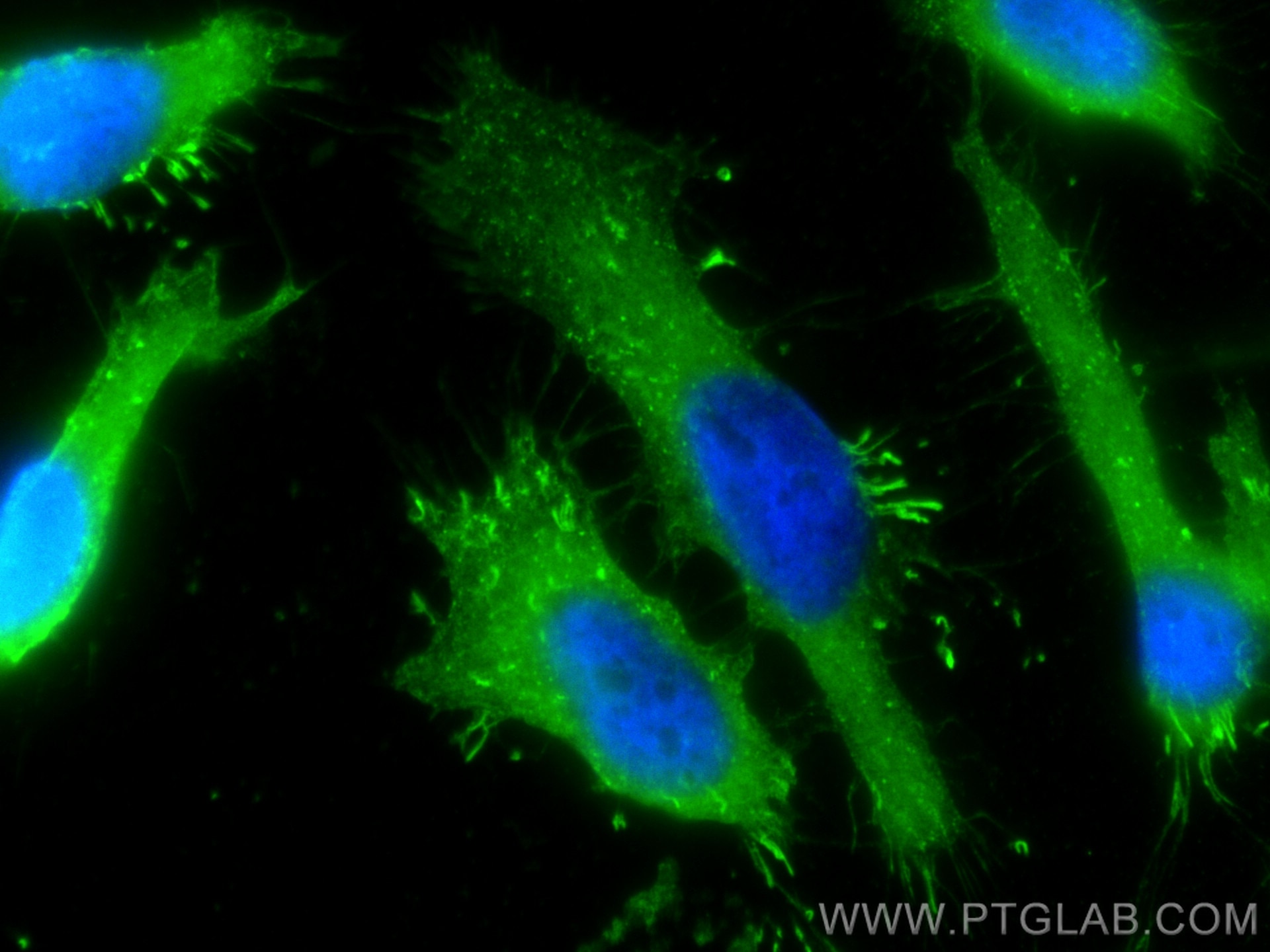
| Positive IF/ICC detected in | HeLa cells |
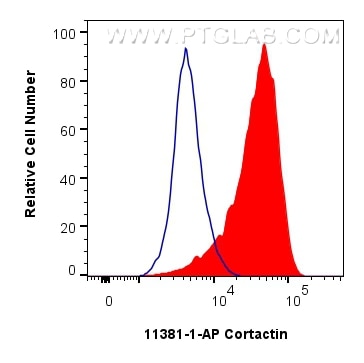
| Positive FC (Intra) detected in | HeLa cells |
Recommended dilution
| Application | Dilution |
|---|---|
| Western Blot (WB) | WB : 1:5000-1:50000 |
| Immunoprecipitation (IP) | IP : 0.5-4.0 ug for 1.0-3.0 mg of total protein lysate |
| Immunohistochemistry (IHC) | IHC : 1:200-1:1000 |
| Immunofluorescence (IF)/ICC | IF/ICC : 1:200-1:800 |
| Flow Cytometry (FC) (INTRA) | FC (INTRA) : 0.25 ug per 10^6 cells in a 100 µl suspension |
| It is recommended that this reagent should be titrated in each testing system to obtain optimal results. | |
| Sample-dependent, Check data in validation data gallery. | |
Product Information
11381-1-AP targets Cortactin in WB, IHC, IF/ICC, FC (Intra), IP, CoIP, ELISA applications and shows reactivity with human, mouse, rat samples.
| Tested Reactivity | human, mouse, rat |
| Cited Reactivity | human, mouse, rat |
| Host / Isotype | Rabbit / IgG |
| Class | Polyclonal |
| Type | Antibody |
| Immunogen |
CatNo: Ag1940 Product name: Recombinant human Cortactin protein Source: e coli.-derived, PGEX-4T Tag: GST Domain: 206-513 aa of BC008799 Sequence: VDKSAVGFEYQGKTEKHESQKDYVKGFGGKFGVQTDRQDKCALGWDHQEKLQLHESQKDYSKGFGGKYGVQKDRMDKNASTFEDVTQVSSAYQKTVPVEAVTSKTSNIRANFENLAKEKEQEDRRKAEAERAQRMAKERQEQEEARRKLEEQARAKTQTPPVSPAPQPTEERLPSSPVYEDAASFKAELSYRGPVSGTEPEPVYSMEAADYREASSQQGLAYATEAVYESAEAPGHYPAEDSTYDEYENDLGITAVALYDYQAAGDDEISFDPDDIITNIEMIDDGWWRGVCKGRYGLFPANYVELRQ Predict reactive species |
| Full Name | cortactin |
| Calculated Molecular Weight | 57 kDa |
| Observed Molecular Weight | 70-85 kDa |
| GenBank Accession Number | BC008799 |
| Gene Symbol | Cortactin |
| Gene ID (NCBI) | 2017 |
| RRID | AB_2088125 |
| Conjugate | Unconjugated |
| Form | Liquid |
| Purification Method | Antigen affinity purification |
| UNIPROT ID | Q14247 |
| Storage Buffer | PBS with 0.02% sodium azide and 50% glycerol, pH 7.3. |
| Storage Conditions | Store at -20°C. Stable for one year after shipment. Aliquoting is unnecessary for -20oC storage. 20ul sizes contain 0.1% BSA. |
Background Information
Cortactin, encoded by CTTN gene (formerly EMS1), was originally identified as a substrate of the Src kinase. It is a cytoskeletal protein that interacts with F-actin and Arp2/3 complex and plays an important role in regulation of actin assembly and cytoskeleton dynamics. Overexpression of cortactin increases cell migration, and is thought to contribute to the invasive phenotype of breast cancer and several other tumors. Three isoforms of cortactin exist due to the alternative splicing. Although cortactin has a predicted molecular weight around 65 kDa, it was detected as 80/85 doublet or as multiple bands between 75 and 85 kDa on SDS-PAGE (PMID: 18607838, 19089942).
Protocols
| Product Specific Protocols | |
|---|---|
| FC protocol for Cortactin antibody 11381-1-AP | Download protocol |
| IF protocol for Cortactin antibody 11381-1-AP | Download protocol |
| IHC protocol for Cortactin antibody 11381-1-AP | Download protocol |
| IP protocol for Cortactin antibody 11381-1-AP | Download protocol |
| WB protocol for Cortactin antibody 11381-1-AP | Download protocol |
| Standard Protocols | |
|---|---|
| Click here to view our Standard Protocols |
Publications
What published studies show
The Cortactin (CTTN) antibody, catalog number 11381-1-AP, has 30 citations. These appear in journals including Cell Host Microbe, Circulation Research, Molecular Cell, EMBO Journal, EMBO Reports, Genes & Development, Journal of Experimental & Clinical Cancer Research, Cancer Letters, and JCI Insight. Research fields span cancer biology (metastasis, invasion, EMT across lung, gastric, breast, pancreatic, and glioblastoma cancers), actin cytoskeleton dynamics, and related areas such as cardiovascular disease, fibrosis, and neuroscience. Applications include WB, IF, IHC, and CoIP.
| Species | Application | Title |
|---|---|---|
Cell Host Microbe Lactate production by tumor-resident Staphylococcus promotes metastatic colonization in lung adenocarcinoma | ||
Circ. Res. Inhibition of KLF5-Myo9b-RhoA Pathway-Mediated Podosome Formation in Macrophages Ameliorates Abdominal Aortic Aneurysm. | ||
Mol Cell Spliceosomal proofreading factors safeguard 3' splice-site fidelity and prevent proteotoxicity and inflammation | ||
J Exp Clin Cancer Res Tumor cell-derived SPON2 promotes M2-polarized tumor-associated macrophage infiltration and cancer progression by activating PYK2 in CRC. | ||
Cell Death Dis ACAT2 suppresses the ubiquitination of YAP1 to enhance the proliferation and metastasis ability of gastric cancer via the upregulation of SETD7 | ||
Cancer Lett Sulforaphane suppresses bladder cancer metastasis via blocking actin nucleation-mediated pseudopodia formation |
Reviews
What customers say
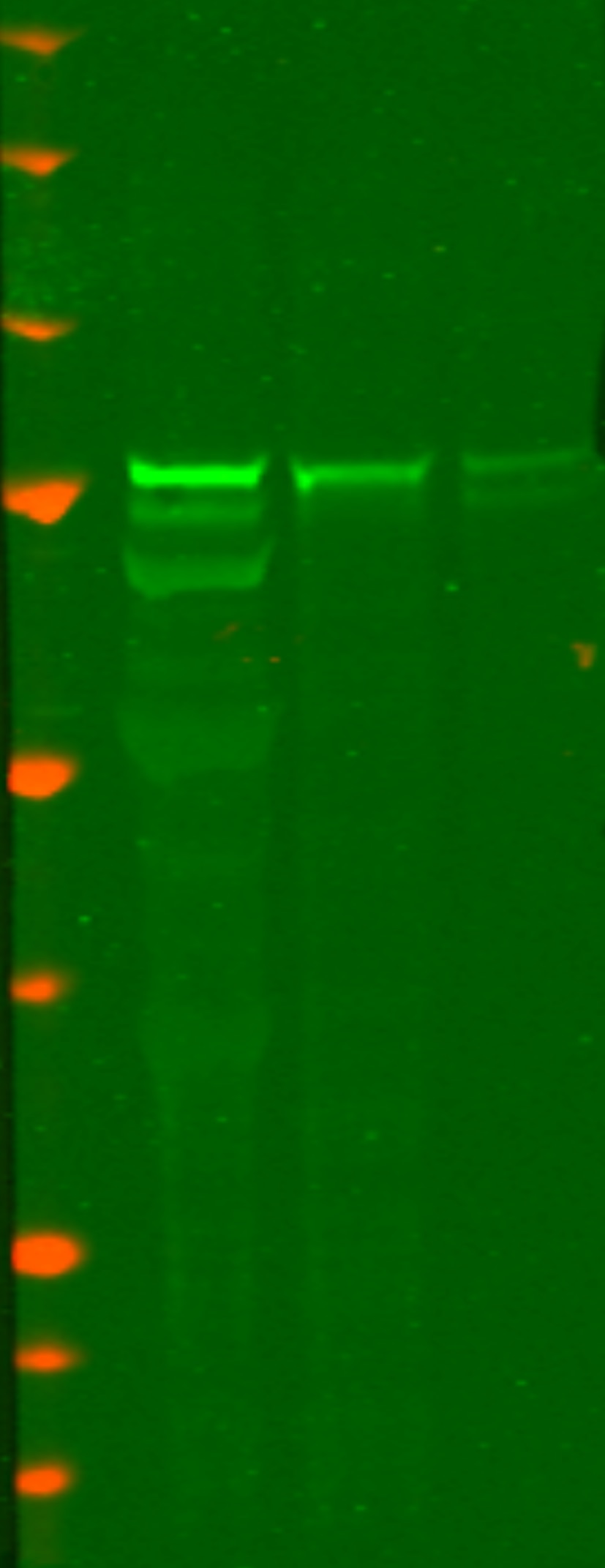
The antibody performed well in Western Blot on A549, HEK293, and SHSY-5Y cells, detecting a clear band around 80 kD. It was used at a 1:5000 dilution with a 2-hour room-temperature incubation, followed by a donkey-anti-rabbit secondary antibody at 1:20000 for 1 hour at room temperature. The reviewer rated it 4 out of 5 stars, indicating reliable performance under these conditions.
The reviews below have been submitted by verified Proteintech customers who received an incentive for providing their feedback.
Angie (Verified Customer) (03-11-2024) | The antibody detected a band around 80 kD at dilution of 1:5000 incubated at room temperature for 2 hour followed by secondary antibody donkey-anti-rabbit (Alexa Fluor 800) at 1:20000 dilution, incubated 1 hour at room temperature.
 |












