


Tested Applications
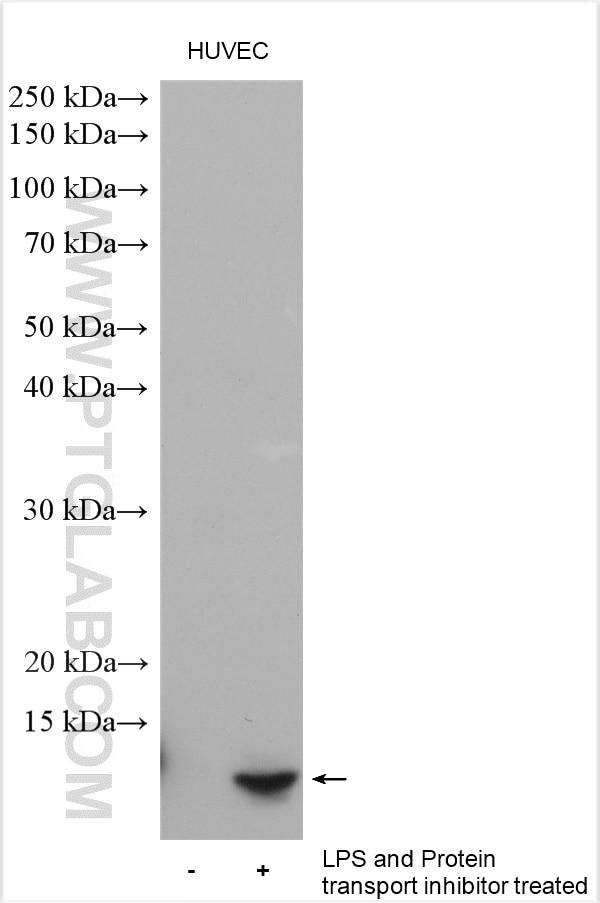
| Positive WB detected in | LPS and Protein transport inhibitor treated HUVEC cells |
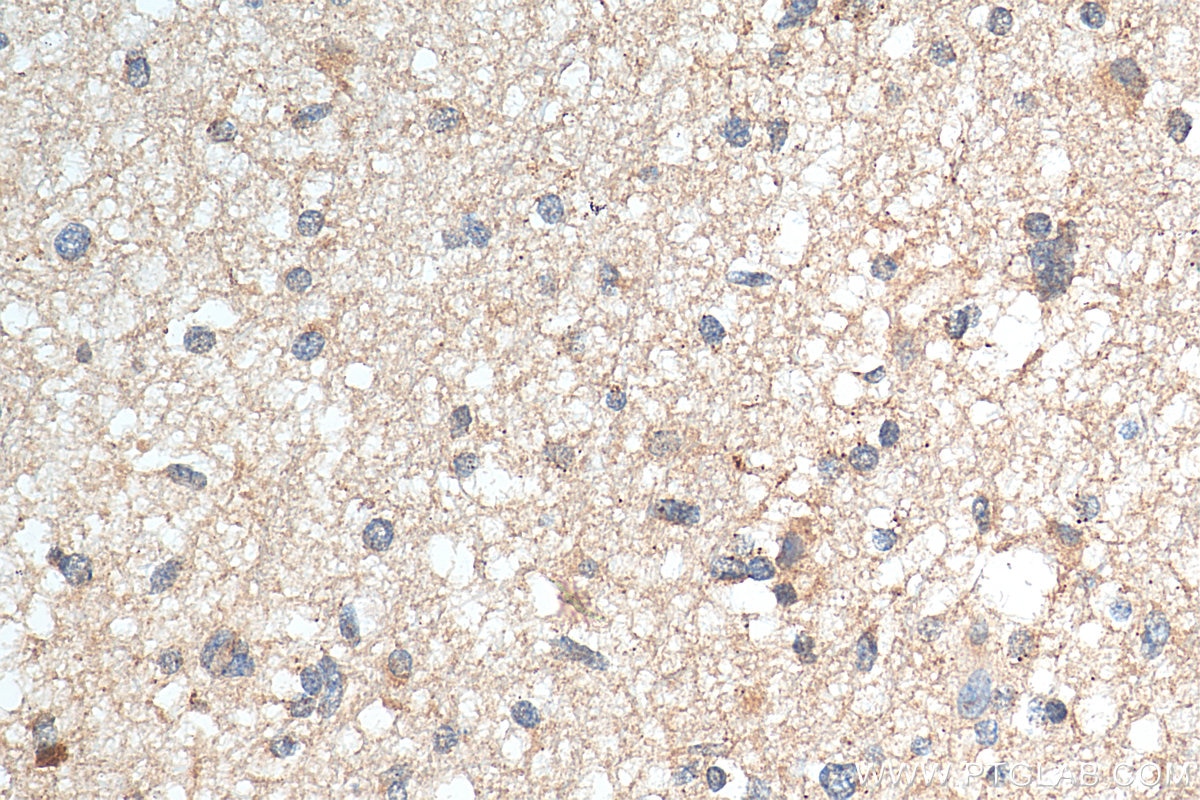
| Positive IHC detected in | human gliomas tissue Note: suggested antigen retrieval with TE buffer pH 9.0; (*) Alternatively, antigen retrieval may be performed with citrate buffer pH 6.0 |
Recommended dilution
| Application | Dilution |
|---|---|
| Western Blot (WB) | WB : 1:500-1:2000 |
| Immunohistochemistry (IHC) | IHC : 1:50-1:500 |
| It is recommended that this reagent should be titrated in each testing system to obtain optimal results. | |
| Sample-dependent, Check data in validation data gallery. | |
Product Information
12335-1-AP targets CXCL1 in WB, IHC, IF, ELISA, Cell treatment applications and shows reactivity with human samples.
| Tested Reactivity | human |
| Cited Reactivity | human |
| Host / Isotype | Rabbit / IgG |
| Class | Polyclonal |
| Type | Antibody |
| Immunogen |
CatNo: Ag2917 Product name: Recombinant human CXCL1 protein Source: e coli.-derived, PGEX-4T Tag: GST Domain: 1-107 aa of BC011976 Sequence: MARAALSAAPSNPRLLRVALLLLLLVAAGRRAAGASVATELRCQCLQTLQGIHPKNIQSVNVKSPGPHCAQTEVIATLKNGRKACLNPASPIVKKIIEKMLNSDKSN Predict reactive species |
| Full Name | chemokine (C-X-C motif) ligand 1 (melanoma growth stimulating activity, alpha) |
| Calculated Molecular Weight | 8 kDa to 14 kDa |
| Observed Molecular Weight | 12 kDa |
| GenBank Accession Number | BC011976 |
| Gene Symbol | CXCL1 |
| Gene ID (NCBI) | 2919 |
| RRID | AB_2087568 |
| Conjugate | Unconjugated |
| Form | Liquid |
| Purification Method | Antigen affinity purification |
| UNIPROT ID | P09341 |
| Storage Buffer | PBS with 0.02% sodium azide and 50% glycerol, pH 7.3. |
| Storage Conditions | Store at -20°C. Stable for one year after shipment. Aliquoting is unnecessary for -20oC storage. 20ul sizes contain 0.1% BSA. |
Background Information
CXCL1 a is a member of CXC family and also known as keratinocyte-derived chemokines (KC) or growth-related oncogene (GRO). CXCL1 is expressed by macrophages, neutrophils and epithelial cells. CXCL1 binding specifically to the CXC chemokine receptor CXCR2, is involved in fibrogenesis and angiogenesis. This protein also plays a role in inflammation and as a chemoattractant for neutrophils. CXCL1 is upregulated in some types of human cancer, including colorectal, bladder, breast, prostate and skin cancers.
Protocols
| Product Specific Protocols | |
|---|---|
| IHC protocol for CXCL1 antibody 12335-1-AP | Download protocol |
| WB protocol for CXCL1 antibody 12335-1-AP | Download protocol |
| Standard Protocols | |
|---|---|
| Click here to view our Standard Protocols |
Publications
What published studies show
Anti-CXCL1 antibody (Cat# 12335-1-AP) has accumulated 108 citations published in high-impact journals including Nature Communications, Cancer Cell, Cell Reports, Science Advances, Gastroenterology, Cell Host & Microbe, Journal of Experimental Medicine, EMBO Journal, and Frontiers in Immunology. Associated research fields span oncology (pancreatic, breast, esophageal, colorectal, melanoma cancers), immunology and inflammation (neutrophil recruitment, macrophage polarization, MDSCs), metabolic diseases (diabetes, diabetic nephropathy), liver fibrosis, cardiovascular injury, neuroinflammation, infectious diseases, and gastrointestinal disorders.
| Species | Application | Title |
|---|---|---|
Signal Transduct Target Ther Aberrant Notch-signaling promotes tumor angiogenesis in esophageal squamous-cell carcinoma | ||
Gastroenterology Cancer-associated endocrine cells participate in pancreatic carcinogenesis | ||
Cell Mol Immunol Inflammation-triggered Gli1+ stem cells engage with extracellular vesicles to prime aberrant neutrophils to exacerbate periodontal immunopathology | ||
Bioact Mater Integrated apoptotic extracellular vesicle-recruitment peptide coating reprograms the diabetic bone microenvironment and orchestrates enhanced implant osseointegration. | ||
Cell Host Microbe Induction of bone loss by pathobiont-mediated Nod1 signaling in the oral cavity. |




