

Tested Applications
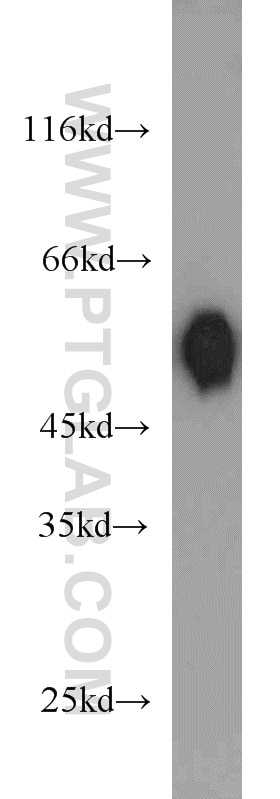
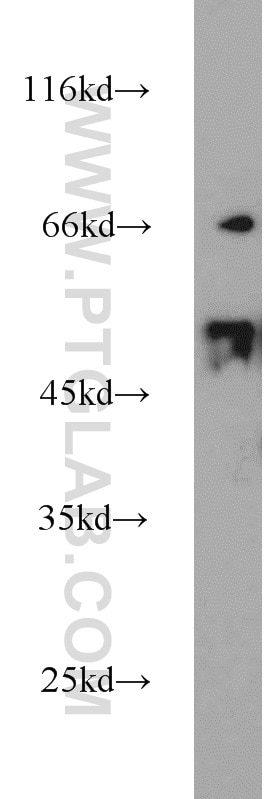
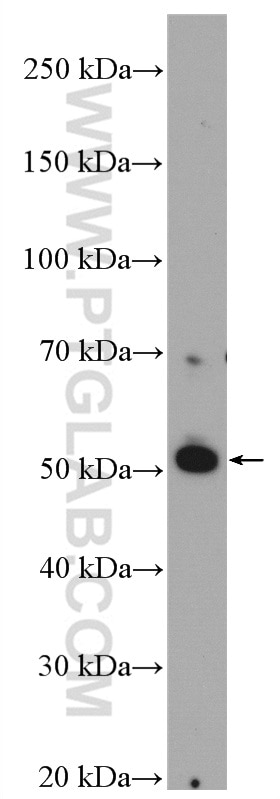
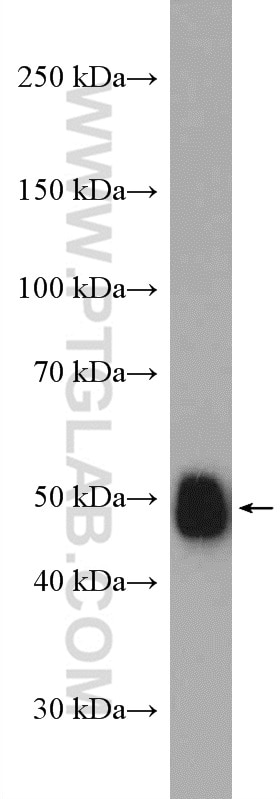
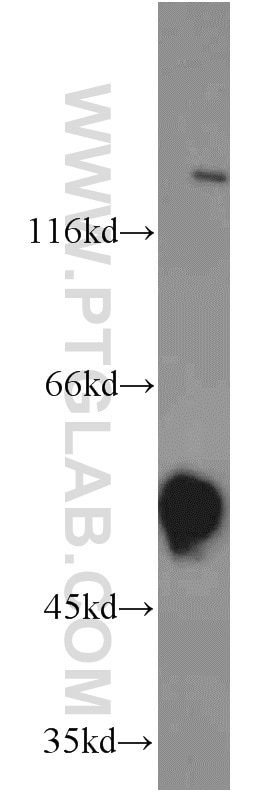
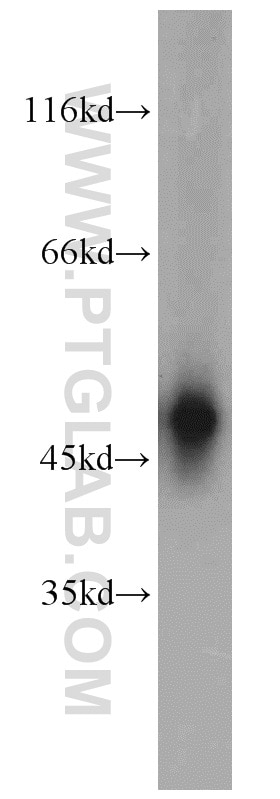
| Positive WB detected in | mouse placenta tissue, mouse ovary tissue, 3T3-L1 cells, MCF-7 cells, A549 cells, mouse brain tissue |
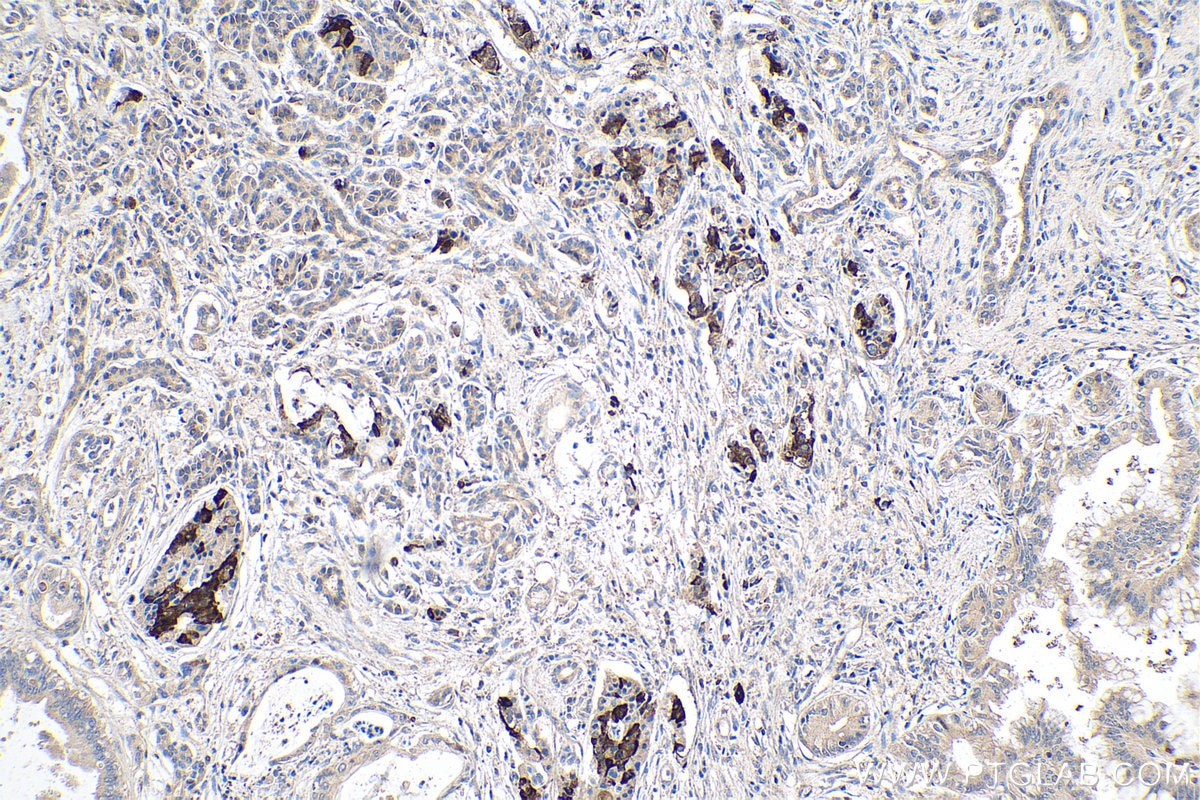
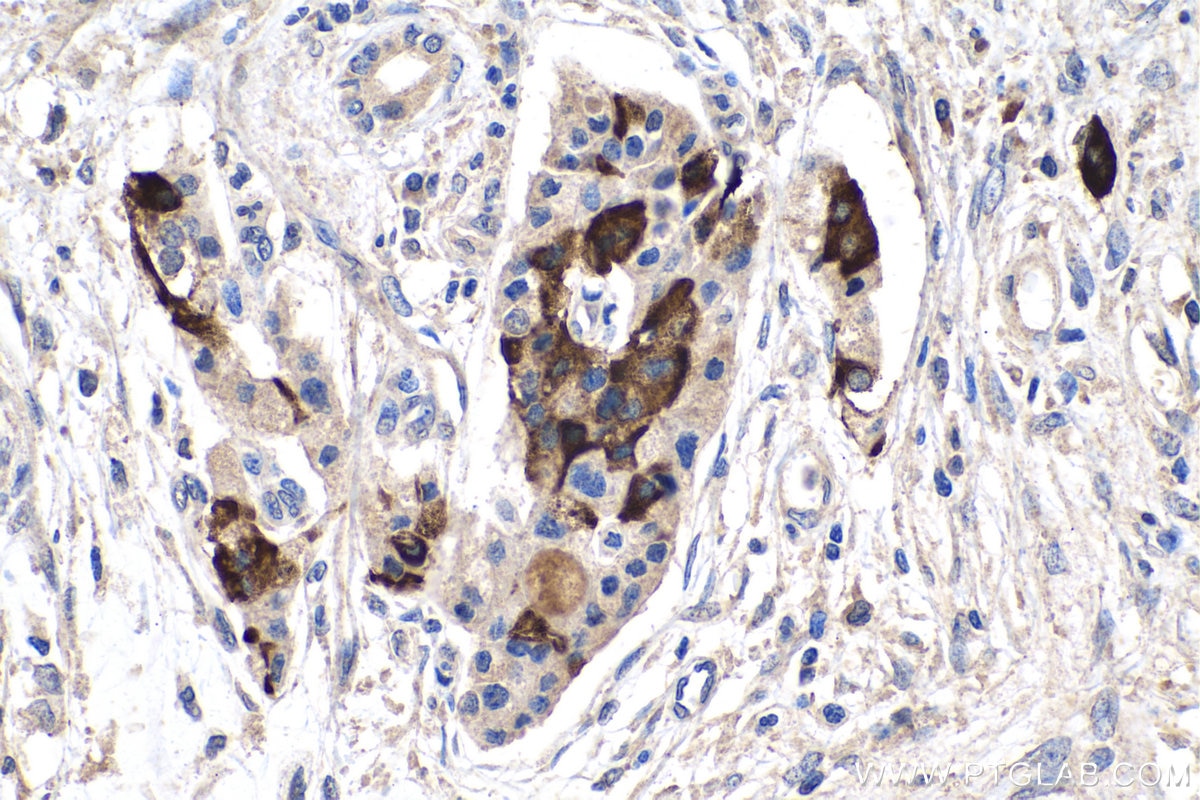
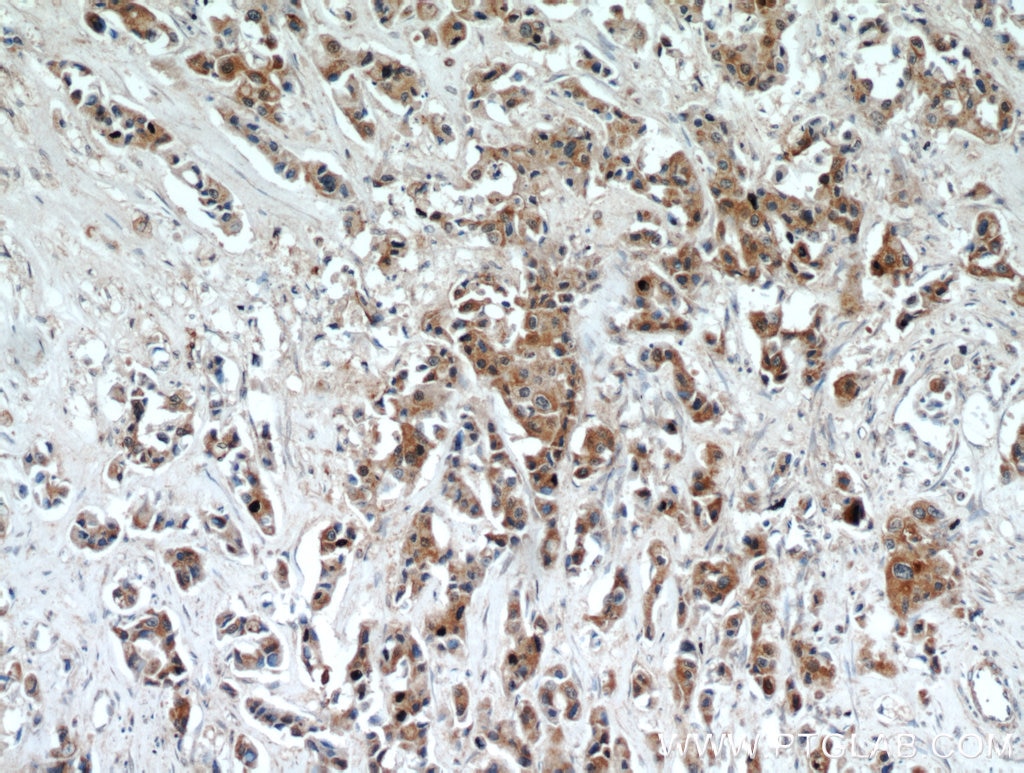
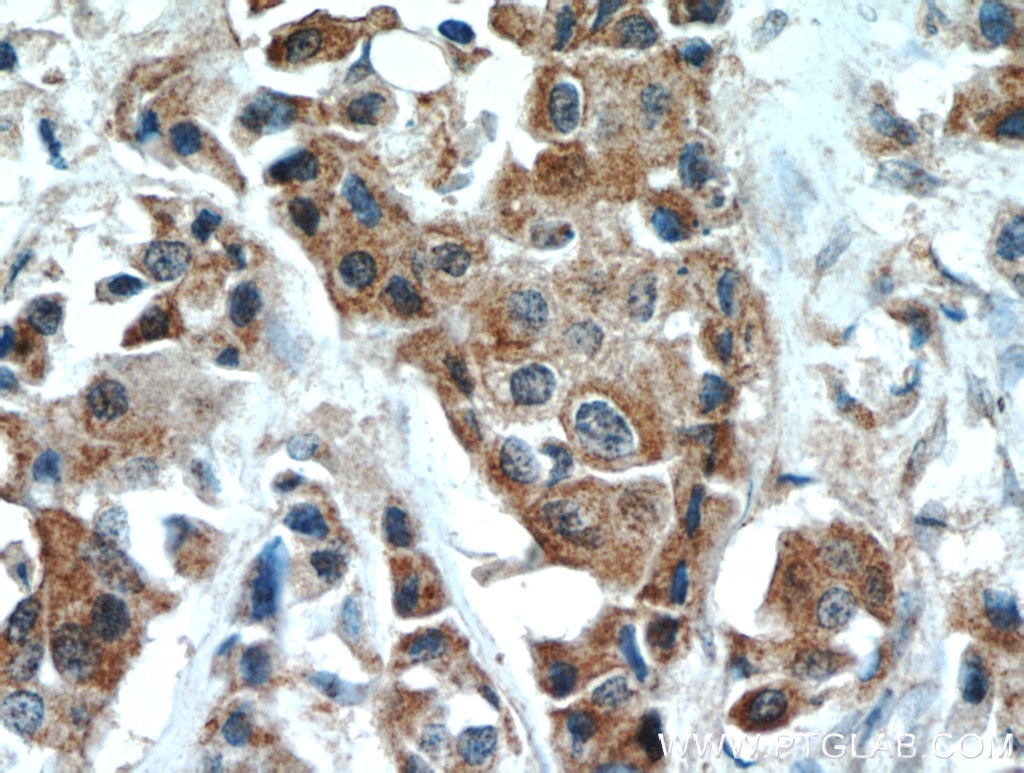
| Positive IHC detected in | human pancreas cancer tissue, human breast cancer tissue Note: suggested antigen retrieval with TE buffer pH 9.0; (*) Alternatively, antigen retrieval may be performed with citrate buffer pH 6.0 |
Recommended dilution
| Application | Dilution |
|---|---|
| Western Blot (WB) | WB : 1:500-1:1000 |
| Immunohistochemistry (IHC) | IHC : 1:500-1:2000 |
| It is recommended that this reagent should be titrated in each testing system to obtain optimal results. | |
| Sample-dependent, Check data in validation data gallery. | |
Product Information
10636-1-AP targets DLK1 in WB, IHC, IF, ELISA applications and shows reactivity with human, mouse, rat samples.
| Tested Reactivity | human, mouse, rat |
| Cited Reactivity | human, mouse, rat, pig, goat |
| Host / Isotype | Rabbit / IgG |
| Class | Polyclonal |
| Type | Antibody |
| Immunogen |
CatNo: Ag0991 Product name: Recombinant human DLK1 protein Source: e coli.-derived, PGEX-4T Tag: GST Domain: 83-383 aa of BC007741 Sequence: ELCDRDVRACSSAPCANNGTCVSLDDGLYECSCAPGYSGKDCQKKDGPCVINGSPCQHGGTCVDDEGRASHASCLCPPGFSGNFCEIVANSCTPNPCENDGVCTDIGGDFRCRCPAGFIDKTCSRPVTNCASSPCQNGGTCLQHTQVSYECLCKPEFTGLTCVKKRALSPQQVTRLPNGYGLAYRLTPGVHELPVQQPEHRILKVSMKELNKKTPLLTEGQAICFTILGVLTSLVVLGTVGIVFLNKCETWVSNLRYNHMLRKKKNLLLQYNSGEDLAVNIIFPEKIDMTTFSKEAGDEEI Predict reactive species |
| Full Name | delta-like 1 homolog (Drosophila) |
| Calculated Molecular Weight | 41 kDa |
| Observed Molecular Weight | 45-60 kDa |
| GenBank Accession Number | BC007741 |
| Gene Symbol | DLK1 |
| Gene ID (NCBI) | 8788 |
| RRID | AB_2092679 |
| Conjugate | Unconjugated |
| Form | Liquid |
| Purification Method | Antigen affinity purification |
| UNIPROT ID | P80370 |
| Storage Buffer | PBS with 0.02% sodium azide and 50% glycerol, pH 7.3. |
| Storage Conditions | Store at -20°C. Stable for one year after shipment. Aliquoting is unnecessary for -20oC storage. 20ul sizes contain 0.1% BSA. |
Background Information
DLK1, also named PREF1, FA1, or pG2, is a transmembrane protein belonging to the epidermal growth factor (EGF)-like superfamily (PMID: 8095043). It contains six EGF-like repeats in the extracellular region. DLK1 is abundant in preadipocytes and regulate adipocyte differentiation negatively (PMID: 8500166). Deficiency of DLK1 gives rise to growth retardation and accelerated adiposity in mouse model. Expression of DLK1 is found in tumors with neuroendocrine features that implies DLK1 may be involved in neuroendocrine differentiation (PMID: 8095043). It has been reported overexpression of DLK1 could lead to the development of metabolic abnormalities by impairment of adipocyte function in mice (PMID: 12588883). The gene of DLK1 maps to chromosome 14q32, and encodes a 383-amino acid protein with a calculated molecular mass of 41 kDa. In preadipocytes, multiple discrete forms of DLK1 protein of 45-60 kDa are present, owing in part to N-linked glycosylation (PMID: 8500166).
Protocols
| Product Specific Protocols | |
|---|---|
| IHC protocol for DLK1 antibody 10636-1-AP | Download protocol |
| WB protocol for DLK1 antibody 10636-1-AP | Download protocol |
| Standard Protocols | |
|---|---|
| Click here to view our Standard Protocols |
Publications
What published studies show
The DLK1 Polyclonal antibody (Cat# 10636-1-AP) has 32 citations. Journals include Cell, Gastroenterology, Nature Communications, Cell Death & Differentiation, Clinical Cancer Research, Oncogene, Developmental Cell, Aging Cell, PLoS Genetics, PLoS One, Journal of Biological Chemistry, and others. Research fields span cancer biology (hepatoblastoma, sarcoma, lung and liver cancer), adipogenesis and metabolism, neurology (ALS, neuroblastoma, stroke), developmental biology, placental/epigenetic studies, and single-cell/spatial transcriptomics. Applications include WB, IHC, IF, and flow cytometry.
| Species | Application | Title |
|---|---|---|
Cell Spatiotemporal transcriptome atlas reveals the regional specification of the developing human brain | ||
Gastroenterology Activation of β-catenin and Yap1 in human hepatoblastoma and induction of hepatocarcinogenesis in mice. | ||
Nat Commun GREB1 induced by Wnt signaling promotes development of hepatoblastoma by suppressing TGFβ signaling. | ||
Cell Death Differ The miR-181d-regulated metalloproteinase Adamts1 enzymatically impairs adipogenesis via ECM remodeling. | ||
Int J Biol Sci LAMC1-mediated preadipocytes differentiation promoted peritoneum pre-metastatic niche formation and gastric cancer metastasis. | ||
Clin Cancer Res DLK1 distinguishes subsets of NF1-associated malignant peripheral nerve sheath tumors with divergent molecular signatures
|
Reviews
What customers say
The single review for this antibody is highly positive, rated 5 stars. The reviewer used it at 1/100 dilution for IHC and 1/500 for Western Blot on mouse hepatocytes and liver tumor sections. They reported a good, specific signal with no background staining in IHC. Overall, the feedback highlights strong specificity and clean results across both tested applications.
The reviews below have been submitted by verified Proteintech customers who received an incentive for providing their feedback.
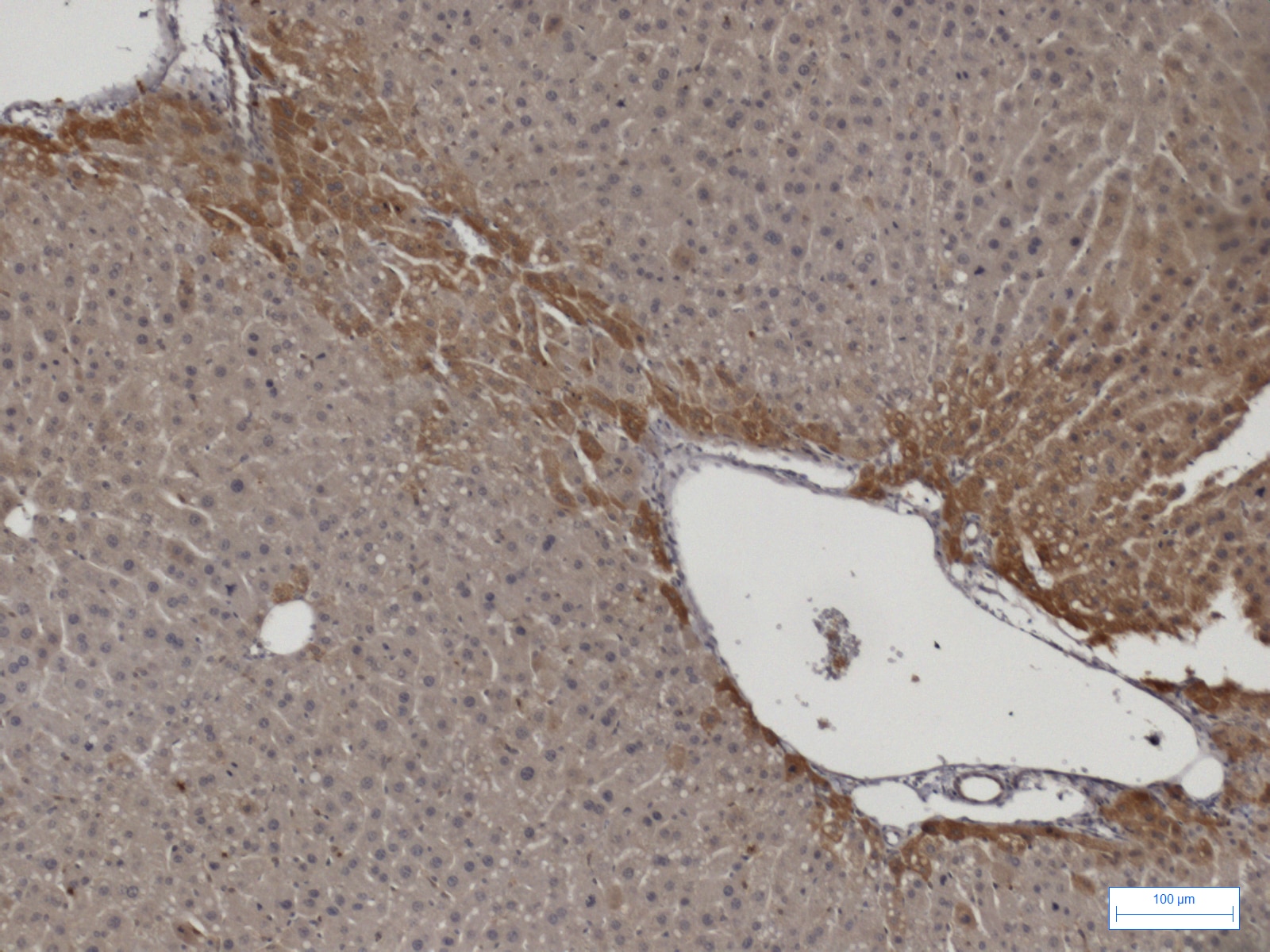
Angélique (Verified Customer) (12-04-2019) | Good specific signal without background staining in IHC on mouse liver and liver tumor sections.
 |











