

Tested Applications
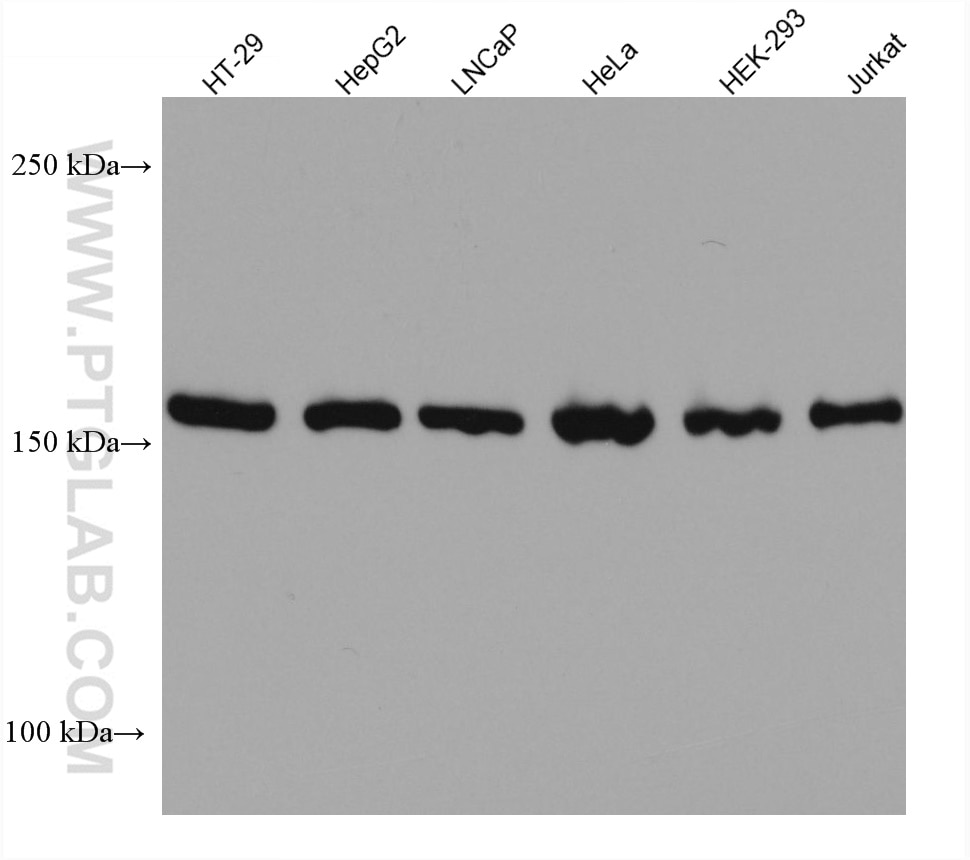
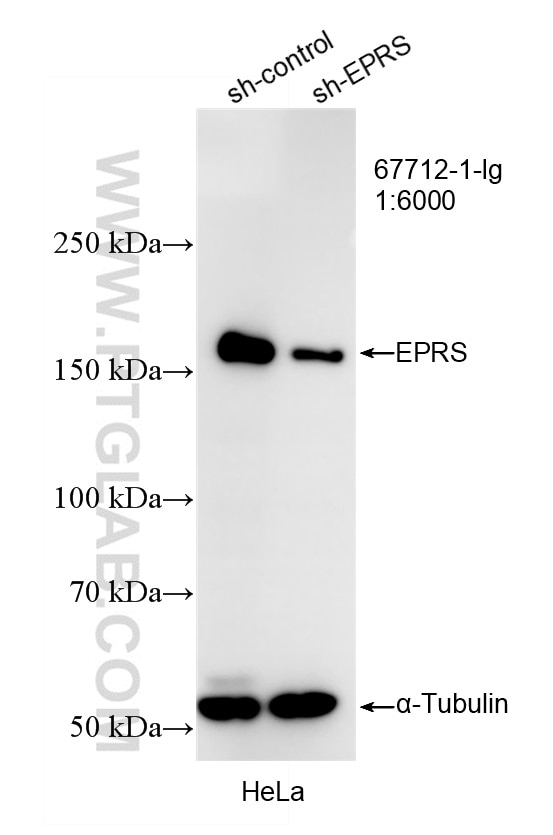
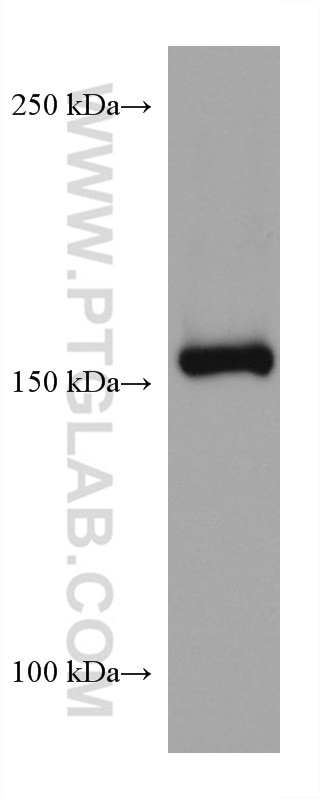
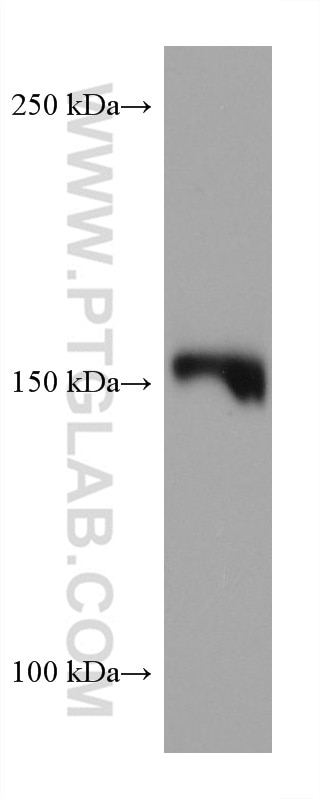
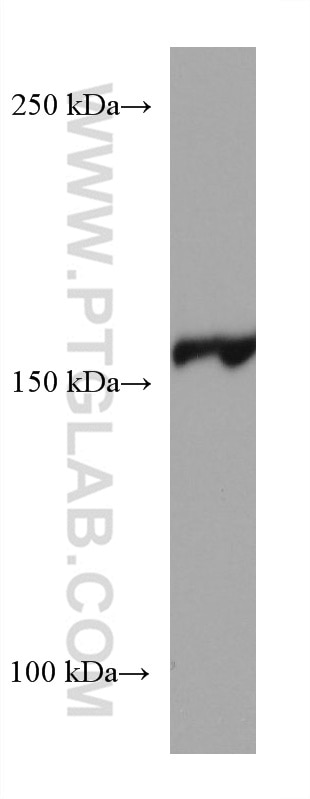
| Positive WB detected in | HT-29 cells, HeLa cells, HSC-T6 cells, NIH/3T3 cells, PC-12 cells, HEK-293 cells, HepG2 cells, LNCaP cells, Jurkat cells |
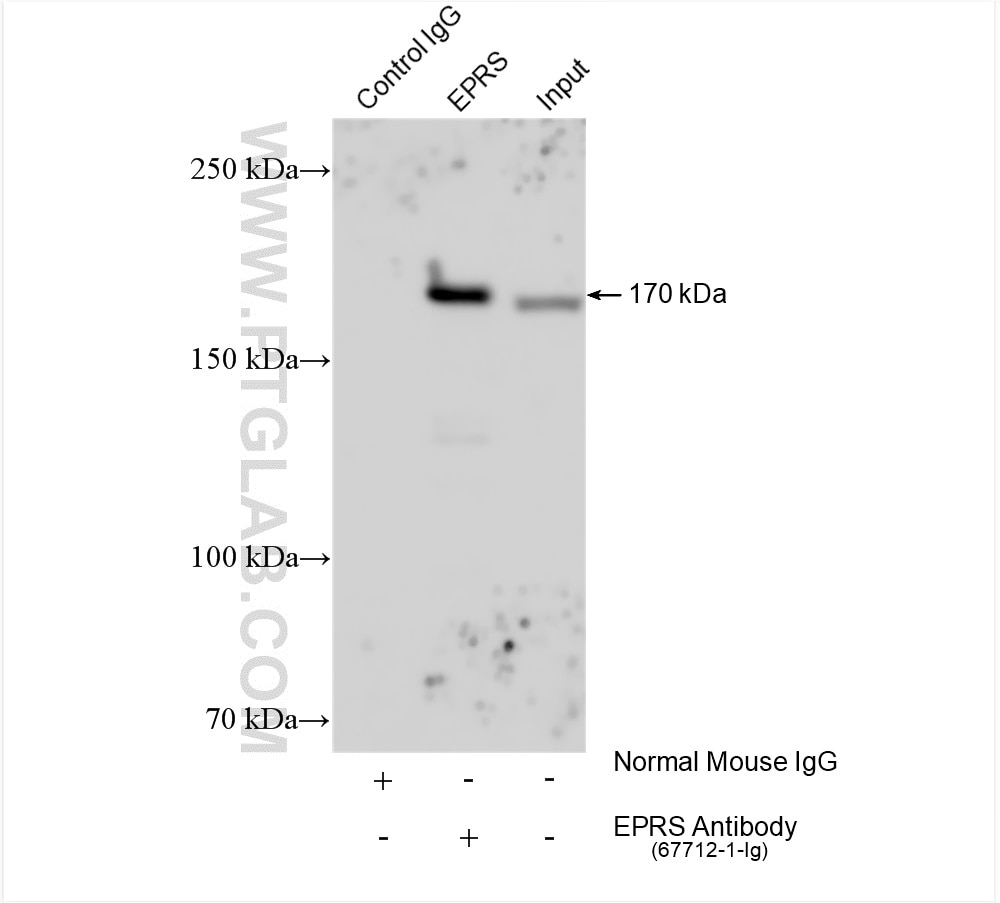
| Positive IP detected in | HeLa cells |
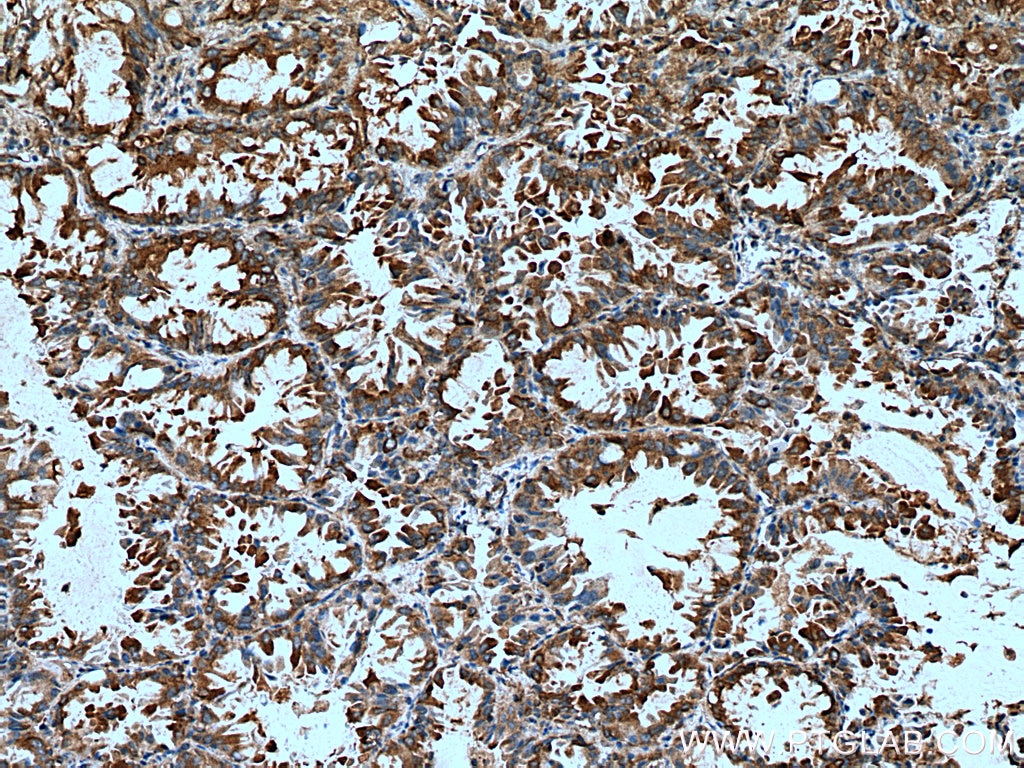
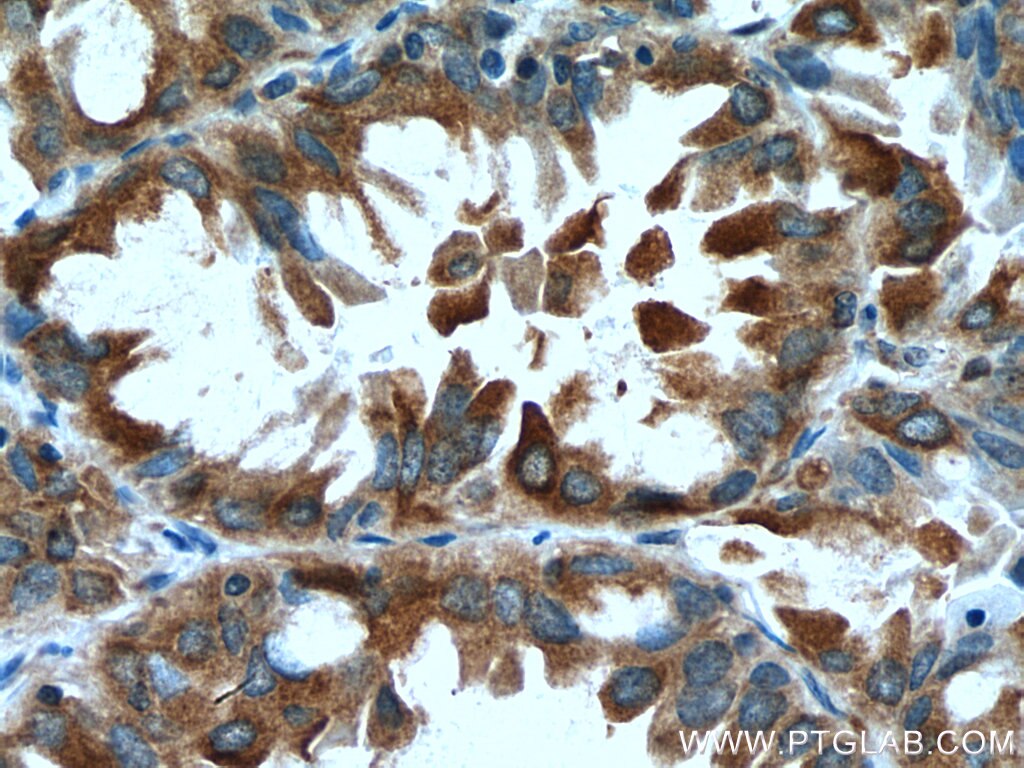
| Positive IHC detected in | human lung cancer tissue Note: suggested antigen retrieval with TE buffer pH 9.0; (*) Alternatively, antigen retrieval may be performed with citrate buffer pH 6.0 |
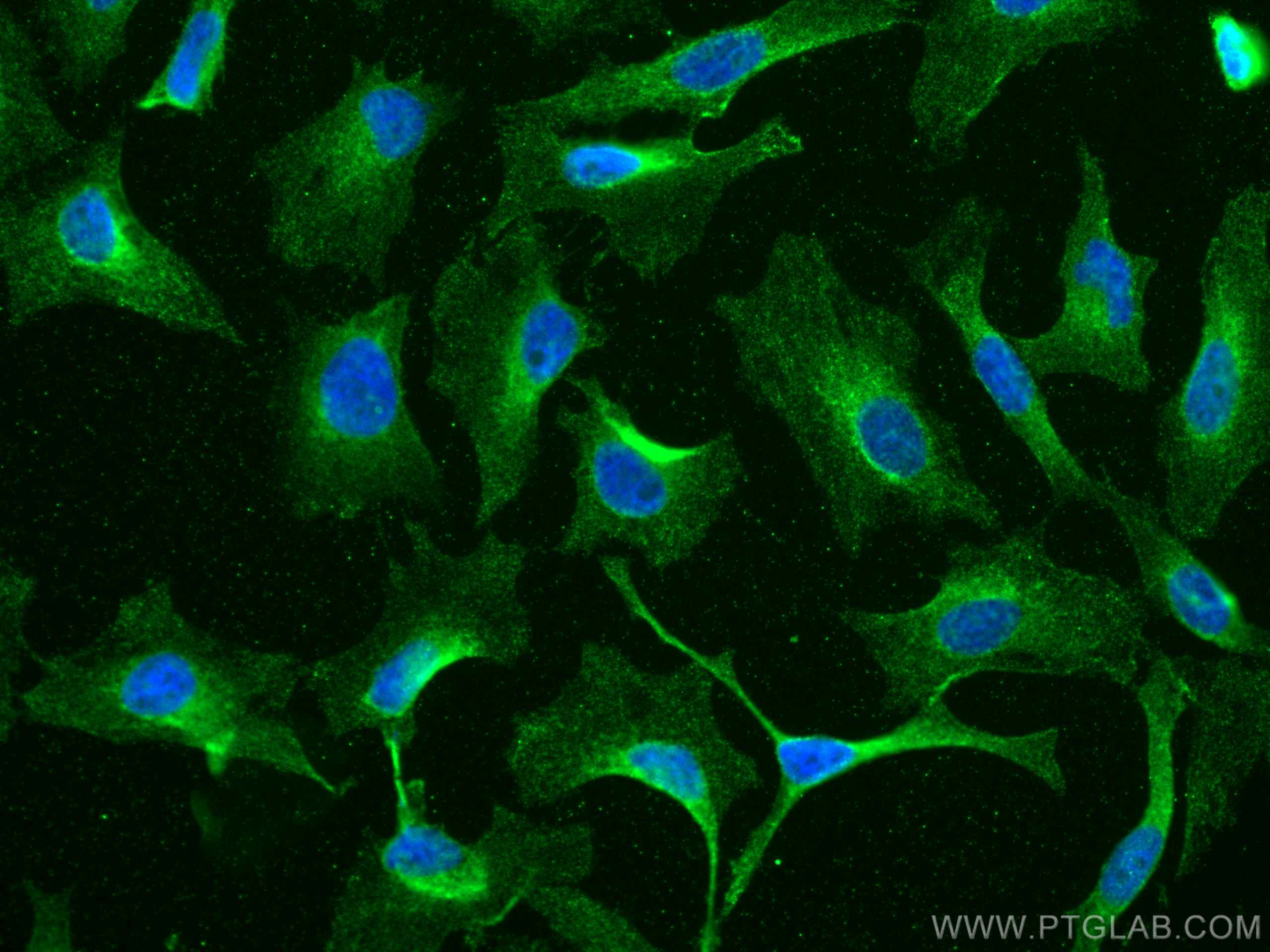
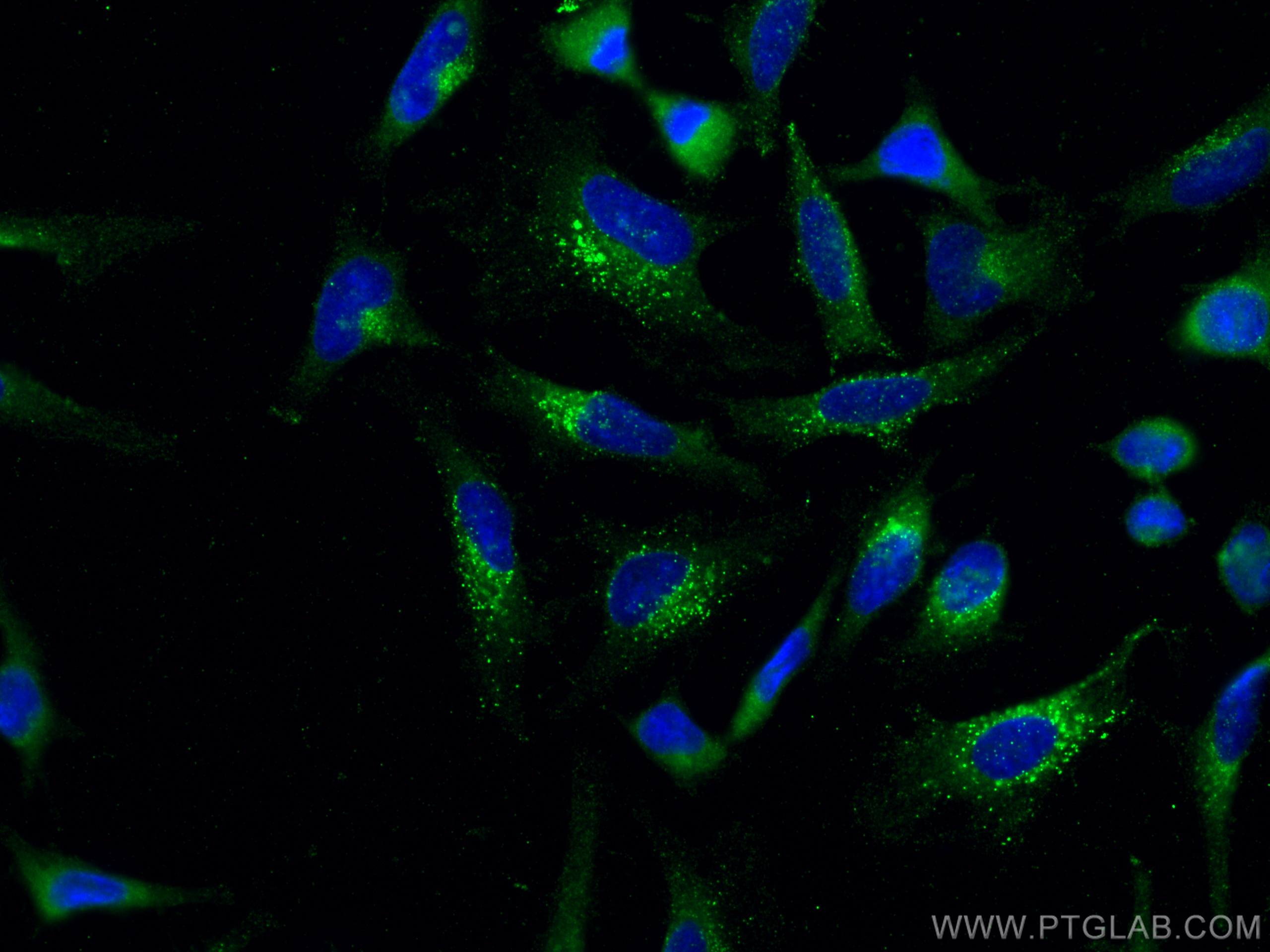
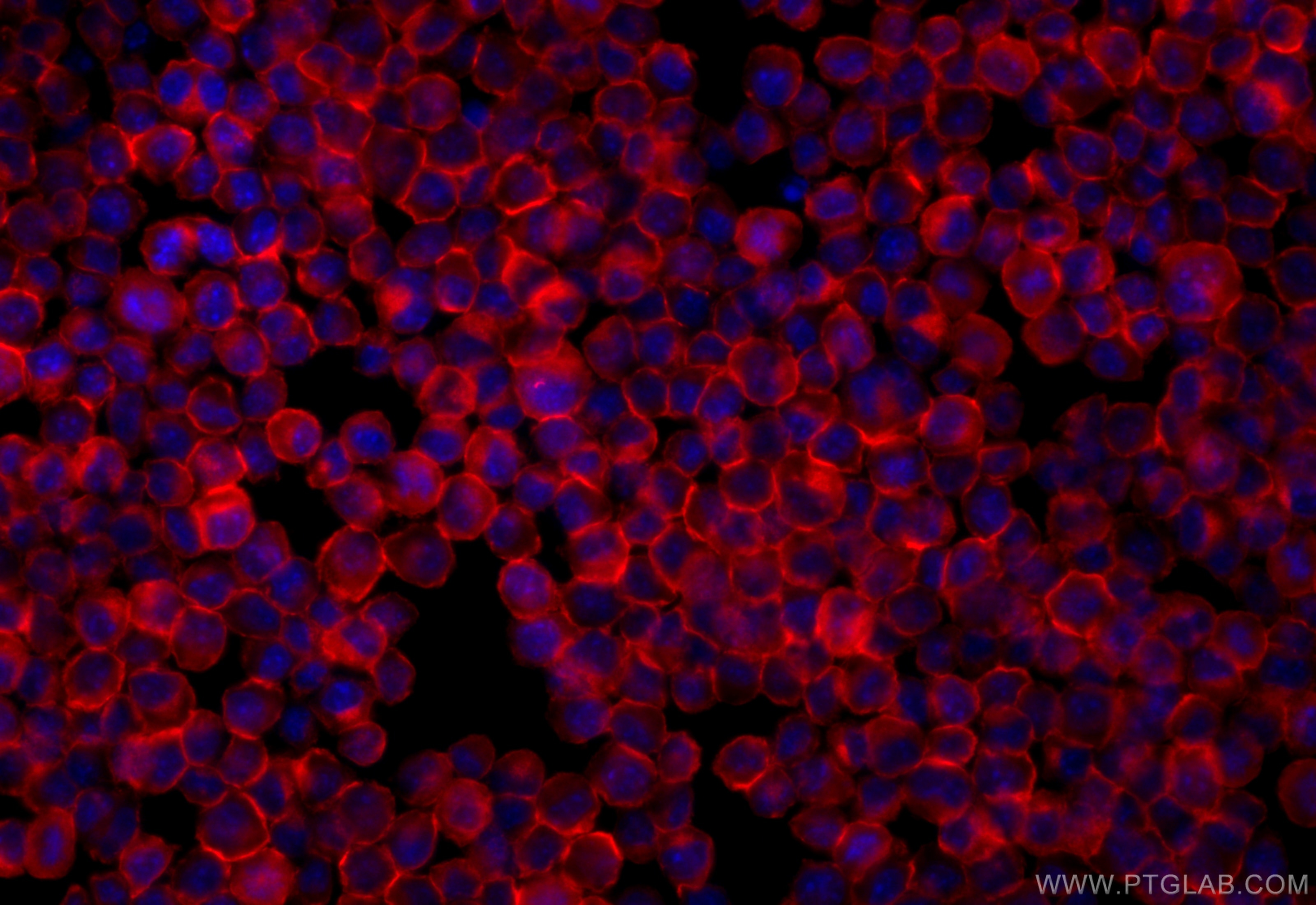
| Positive IF/ICC detected in | HeLa cells, BV-2 cells |
Recommended dilution
| Application | Dilution |
|---|---|
| Western Blot (WB) | WB : 1:5000-1:50000 |
| Immunoprecipitation (IP) | IP : 0.5-4.0 ug for 1.0-3.0 mg of total protein lysate |
| Immunohistochemistry (IHC) | IHC : 1:500-1:2000 |
| Immunofluorescence (IF)/ICC | IF/ICC : 1:50-1:500 |
| It is recommended that this reagent should be titrated in each testing system to obtain optimal results. | |
| Sample-dependent, Check data in validation data gallery. | |
Product Information
67712-1-Ig targets EPRS in WB, IHC, IF/ICC, IP, ELISA applications and shows reactivity with human, mouse, rat samples.
| Tested Reactivity | human, mouse, rat |
| Cited Reactivity | human, mouse, rat |
| Host / Isotype | Mouse / IgG2a |
| Class | Monoclonal |
| Type | Antibody |
| Immunogen |
CatNo: Ag19184 Product name: Recombinant human EPRS protein Source: e coli.-derived, PET28a Tag: 6*His Domain: 1163-1512 aa of BC126275 Sequence: RTREFLWQEGHSAFATMEEAAEEVLQILDLYAQVYEELLAIPVVKGRKTEKEKFAGGDYTTTIEAFISASGRAIQGGTSHHLGQNFSKMFEIVFEDPKIPGEKQFAYQNSWGLTTRTIGVMTMVHGDNMGLVLPPRVACVQVVIIPCGITNALSEEDKEALIAKCNDYRRRLLSVNIRVRADLRDNYSPGWKFNHWELKGVPIRLEVGPRDMKSCQFVAVRRDTGEKLTVAENEAETKLQAILEDIQVTLFTRASEDLKTHMVVANTMEDFQKILDSGKIVQIPFCGEIDCEDWIKKTTARDQDLEPGAPSMGAKSLCIPFKPLCELQPGAKCVCGKNPAKYYTLFGRSY Predict reactive species |
| Full Name | glutamyl-prolyl-tRNA synthetase |
| Calculated Molecular Weight | 1512 aa, 171 kDa |
| Observed Molecular Weight | 171 kDa |
| GenBank Accession Number | BC126275 |
| Gene Symbol | EPRS |
| Gene ID (NCBI) | 2058 |
| RRID | AB_2882902 |
| Conjugate | Unconjugated |
| Form | Liquid |
| Purification Method | Protein A purification |
| UNIPROT ID | P07814 |
| Storage Buffer | PBS with 0.02% sodium azide and 50% glycerol, pH 7.3. |
| Storage Conditions | Store at -20°C. Stable for one year after shipment. Aliquoting is unnecessary for -20oC storage. 20ul sizes contain 0.1% BSA. |
Background Information
Human EPRS is a 172 kDa, 1512 amino acid polypeptide consisting of three major domains. The N and C termini contain ERS and PRS catalytic domains, respectively, joined by a 300 amino acid linker containing three tandem WHEP-TRS (referred to as WHEP) domains. EPRS is a bifunctional aminoacyl-tRNA synthetase that catalyzes the aminoacylation of glutamic acid and proline tRNA species. EPRS has a special role in GAIT-mediated translational control, as it is solely responsible for recognition and interaction with GAIT elements in target mRNAs. (PMID: 29576217, PMID: 22386318, PMID: 19647514)
Protocols
| Product Specific Protocols | |
|---|---|
| IF protocol for EPRS antibody 67712-1-Ig | Download protocol |
| IHC protocol for EPRS antibody 67712-1-Ig | Download protocol |
| IP protocol for EPRS antibody 67712-1-Ig | Download protocol |
| WB protocol for EPRS antibody 67712-1-Ig | Download protocol |
| Standard Protocols | |
|---|---|
| Click here to view our Standard Protocols |
Publications
What published studies show
The EPRS Monoclonal antibody (1B7G2), catalog number 67712-1-Ig, has 5 citations published in Nature Biotechnology, Genes & Development, iScience, Toxicology and Applied Pharmacology, and Kaohsiung Journal of Medical Sciences. The associated research fields include mRNA translation regulation, stress granule biology, tRNA synthetase complex and ER organization, colon cancer treatment, and oral squamous cell carcinoma.
| Species | Application | Title |
|---|---|---|
Genes Dev Ribosome association inhibits stress-induced gene mRNA localization to stress granules | ||
iScience Variant-specific interaction of kinectin 1 with the multi-tRNA synthetase complex regulates ER sheet organization. | ||
Toxicol Appl Pharmacol The glutamyl-prolyl-tRNA synthetase 1 inhibitor halofuginone exerts synergistic antitumor effects with bortezomib in colon cancer cells.
| ||
Kaohsiung J Med Sci Evodiamine inhibits EPRS expression to regulate glutamate metabolism and proliferation of oral squamous cell carcinoma cells |












