

Tested Applications
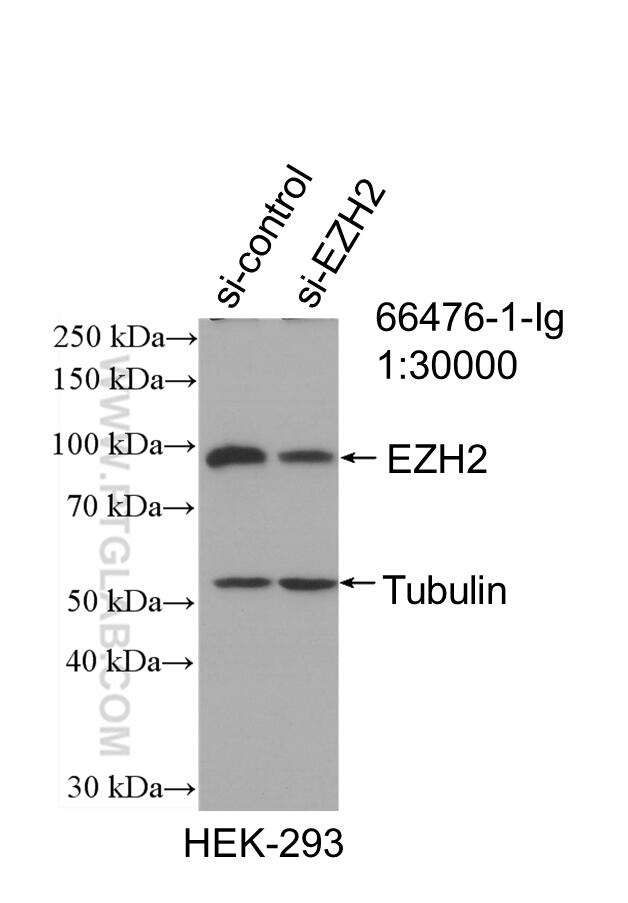
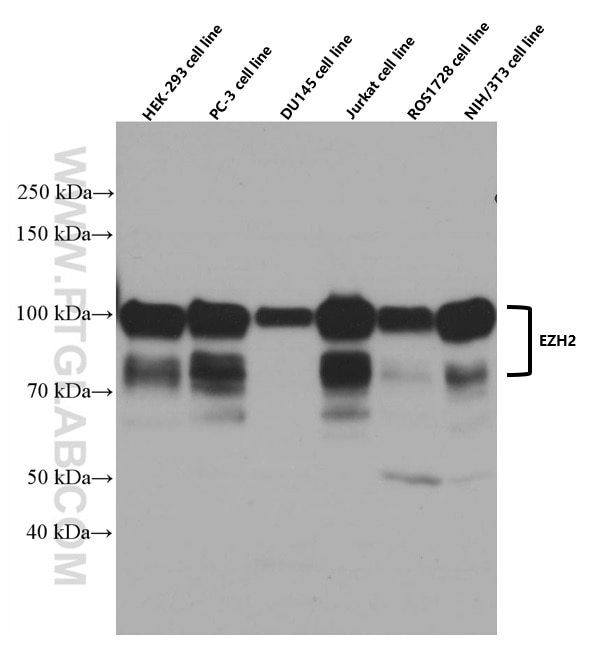
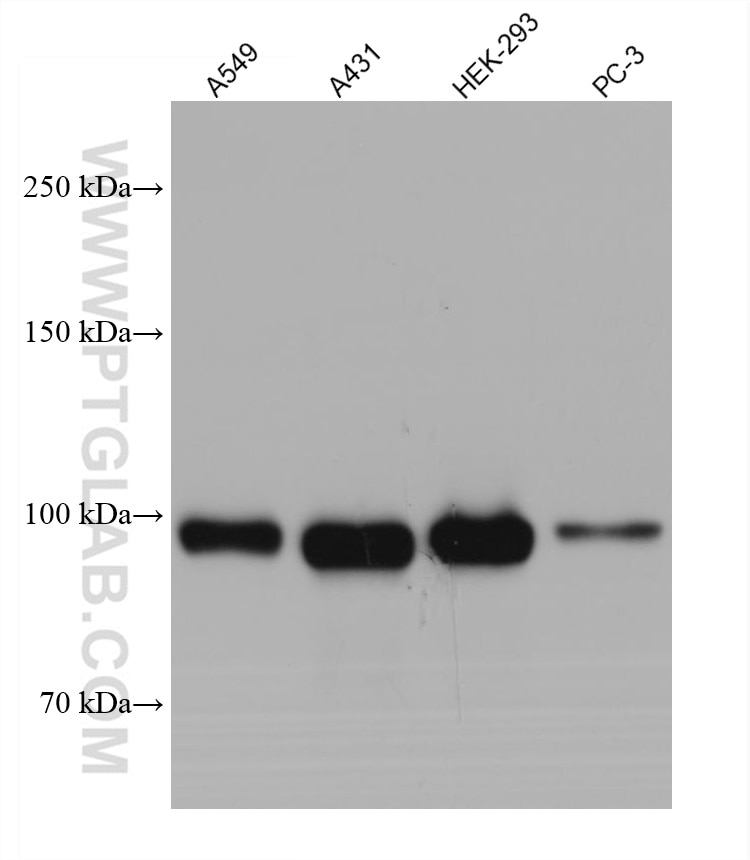
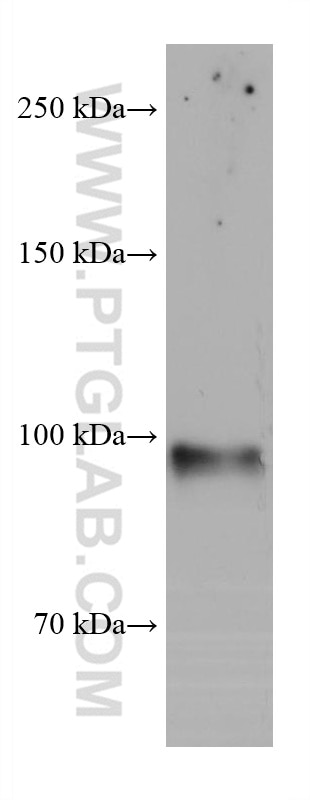
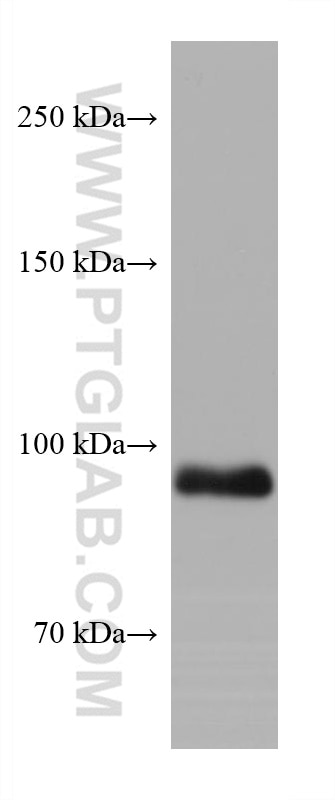
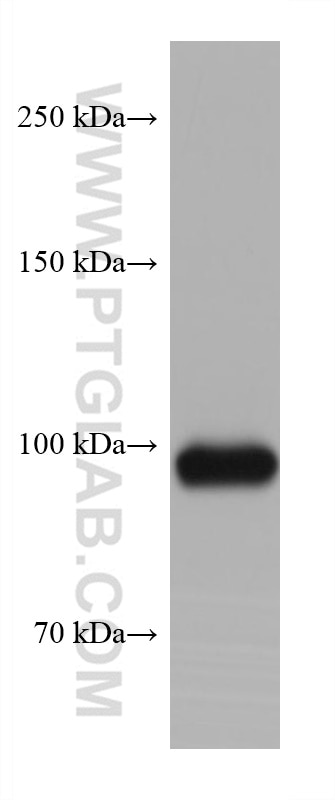
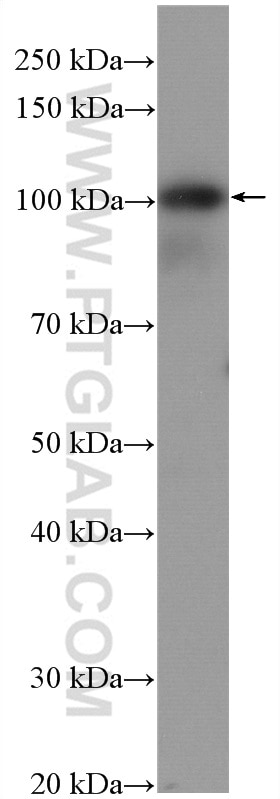
| Positive WB detected in | HEK-293 cells, A549 cells, Jurkat cells, ROS1728 cells, NIH/3T3 cells, 4T1 cells, A431 cells, PC-3 cells, DU145 cells |
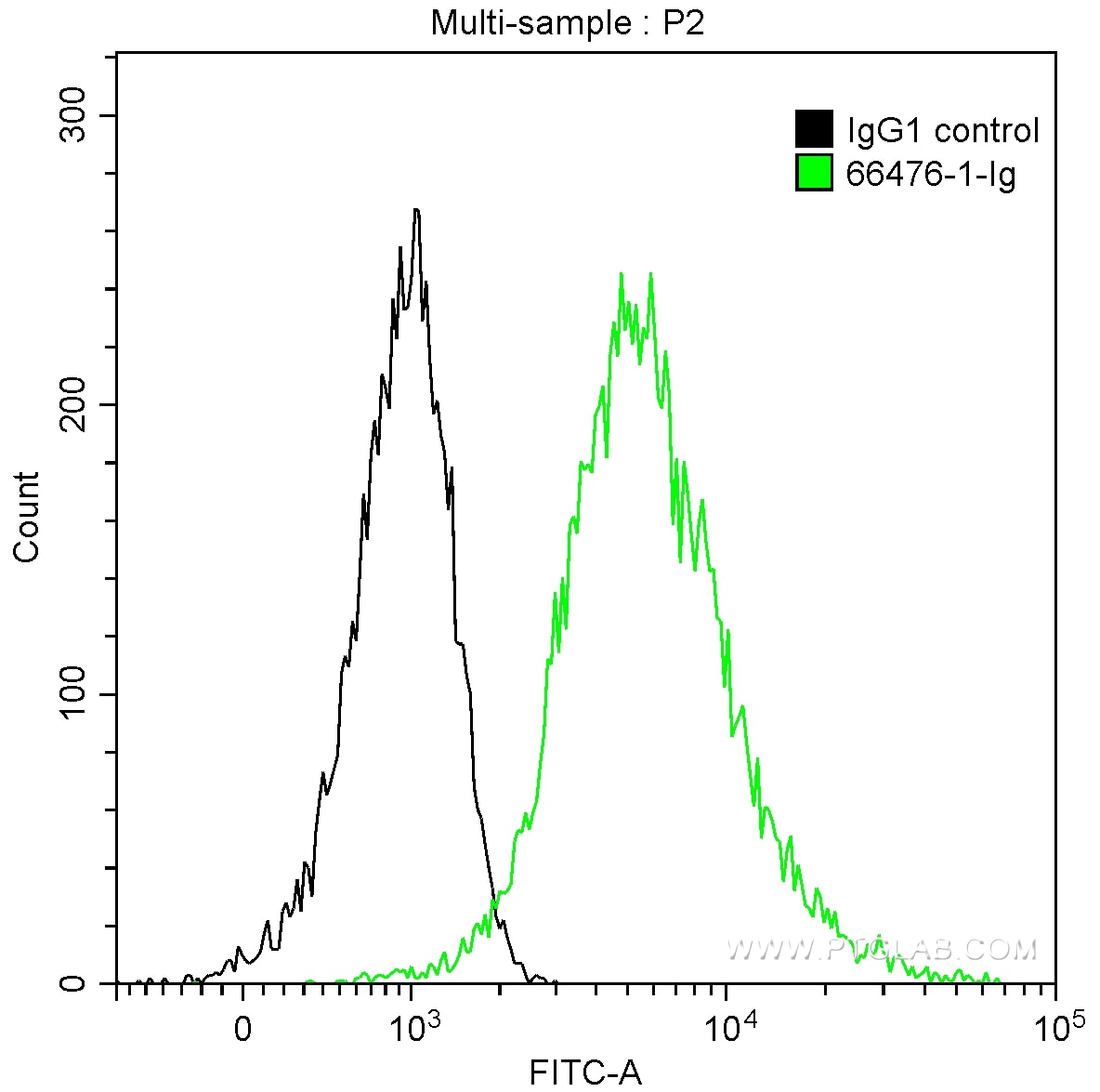
| Positive FC (Intra) detected in | HepG2 cells |
Recommended dilution
| Application | Dilution |
|---|---|
| Western Blot (WB) | WB : 1:5000-1:20000 |
| Flow Cytometry (FC) (INTRA) | FC (INTRA) : 0.20 ug per 10^6 cells in a 100 µl suspension |
| It is recommended that this reagent should be titrated in each testing system to obtain optimal results. | |
| Sample-dependent, Check data in validation data gallery. | |
Product Information
66476-1-Ig targets EZH2 in WB, IHC, IF, FC (Intra), ELISA applications and shows reactivity with human, mouse, rat samples.
| Tested Reactivity | human, mouse, rat |
| Cited Reactivity | human, mouse, rat |
| Host / Isotype | Mouse / IgG1 |
| Class | Monoclonal |
| Type | Antibody |
| Immunogen |
CatNo: Ag16789 Product name: Recombinant human EZH2 protein Source: e coli.-derived, PGEX-4T Tag: GST Domain: 158-261 aa of BC010858 Sequence: HGDRECGFINDEIFVELVNALGQYNDDDDDDDGDDPEEREEKQKDLEDHRDDKESRPPRKFPSDKIFEAISSMFPDKGTAEELKEKYKELTEQQLPGALPPECT Predict reactive species |
| Full Name | enhancer of zeste homolog 2 (Drosophila) |
| Calculated Molecular Weight | 751 aa, 86 kDa |
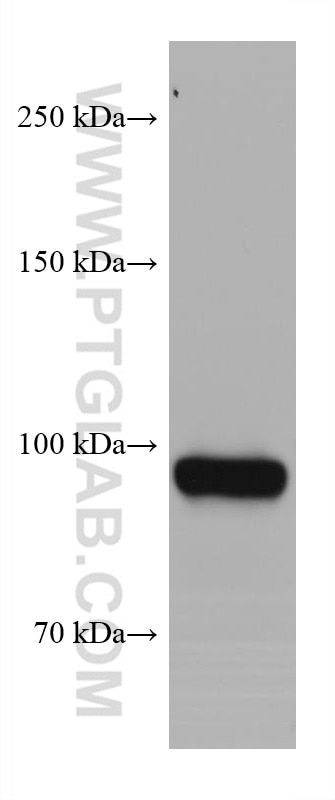
| Observed Molecular Weight | 90-102 kDa |
| GenBank Accession Number | BC010858 |
| Gene Symbol | EZH2 |
| Gene ID (NCBI) | 2146 |
| RRID | AB_2881842 |
| Conjugate | Unconjugated |
| Form | Liquid |
| Purification Method | Protein G purification |
| UNIPROT ID | Q15910 |
| Storage Buffer | PBS with 0.02% sodium azide and 50% glycerol, pH 7.3. |
| Storage Conditions | Store at -20°C. Stable for one year after shipment. Aliquoting is unnecessary for -20oC storage. 20ul sizes contain 0.1% BSA. |
Background Information
EZH2 (enhancer of zeste homologue 2, also known as KMT6) is a member of Polycomb group (PcG) family and encodes a histone methyl transferase that has an essential role in promoting histone H3 lysine 27 trimethylation (H3K27me3) and epigenetic gene silencing. EZH2 is important for cell proliferation and inhibition of cell differentiation, and is implicated in cancer progression. Overexpression of EZH2 is a marker of advanced and metastatic disease in many solid tumors, including prostate and breast cancer. This antibody detected EZH2 protein as a single band with a molecular weight (MW) of 91-100 kDa in multiple cell lines. The phosphorylation may result in the higher molecular weight (calculated MW as 80-86 kDa). (20935635, 21367748)
Protocols
| Product Specific Protocols | |
|---|---|
| FC protocol for EZH2 antibody 66476-1-Ig | Download protocol |
| WB protocol for EZH2 antibody 66476-1-Ig | Download protocol |
| Standard Protocols | |
|---|---|
| Click here to view our Standard Protocols |
Publications
What published studies show
The EZH2 antibody (Cat# 66476-1-Ig) has 18 total citations spanning 15 journals, including Nature Communications, Bioactive Materials, Cell Death & Disease, and International Immunopharmacology. Research fields encompass epigenetics and chromatin regulation, oncology (breast, gastric, colorectal, glioma, hepatocellular, osteosarcoma, and lymphoma cancers), ferroptosis, diabetic complications, spinal cord injury, and endometriosis. Applications include WB, IHC, and IF across human, mouse, and rat species.
| Species | Application | Title |
|---|---|---|
Bioact Mater Engineered mesenchymal stem cell-derived small extracellular vesicles for diabetic retinopathy therapy through HIF-1α/EZH2/PGC-1α pathway | ||
Nat Commun Improving erectile function in diabetic male mice by rescuing depalmitoylated FBP1 to reduce cavernosal lactate. | ||
Nat Commun Epigenomic modifications define chromatin states to regulate cell-free DNA fragmentomics. | ||
Cell Death Dis Long noncoding RNA MEG3 regulates LATS2 by promoting the ubiquitination of EZH2 and inhibits proliferation and invasion in gallbladder cancer. | ||
Cell Death Dis BMSC-derived extracellular vesicles enhance osteosarcoma proliferation and metastasis via the circRNA-0010220/β-catenin pathway. | ||
Cell Commun Signal VprBP drives prostate tumorigenesis by its kinase activity targeting histone H2A. |










