
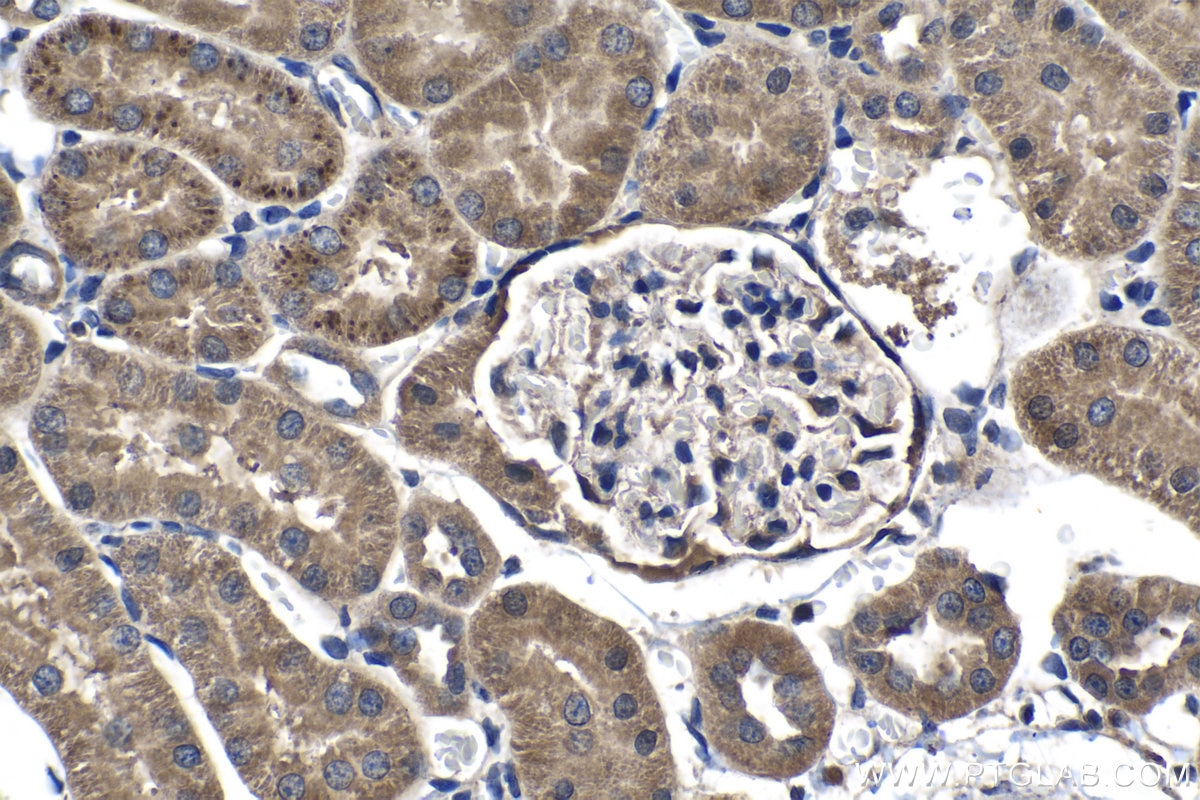
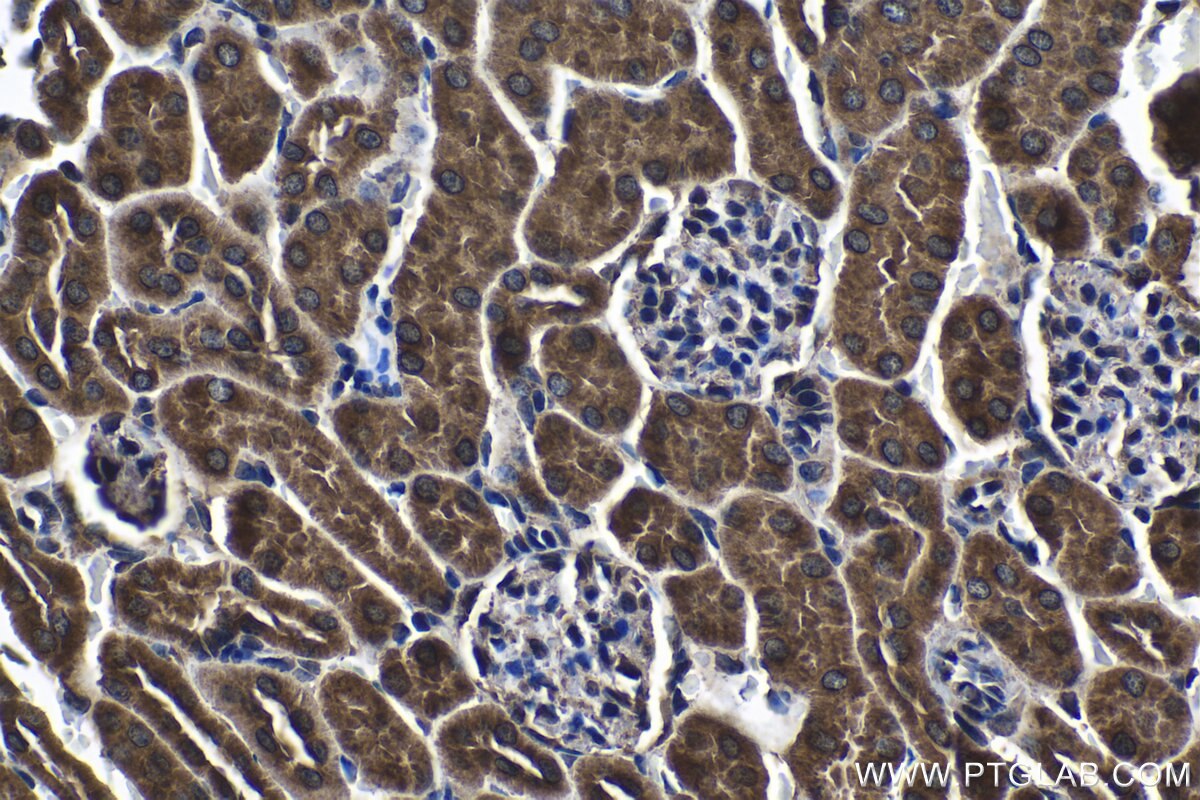
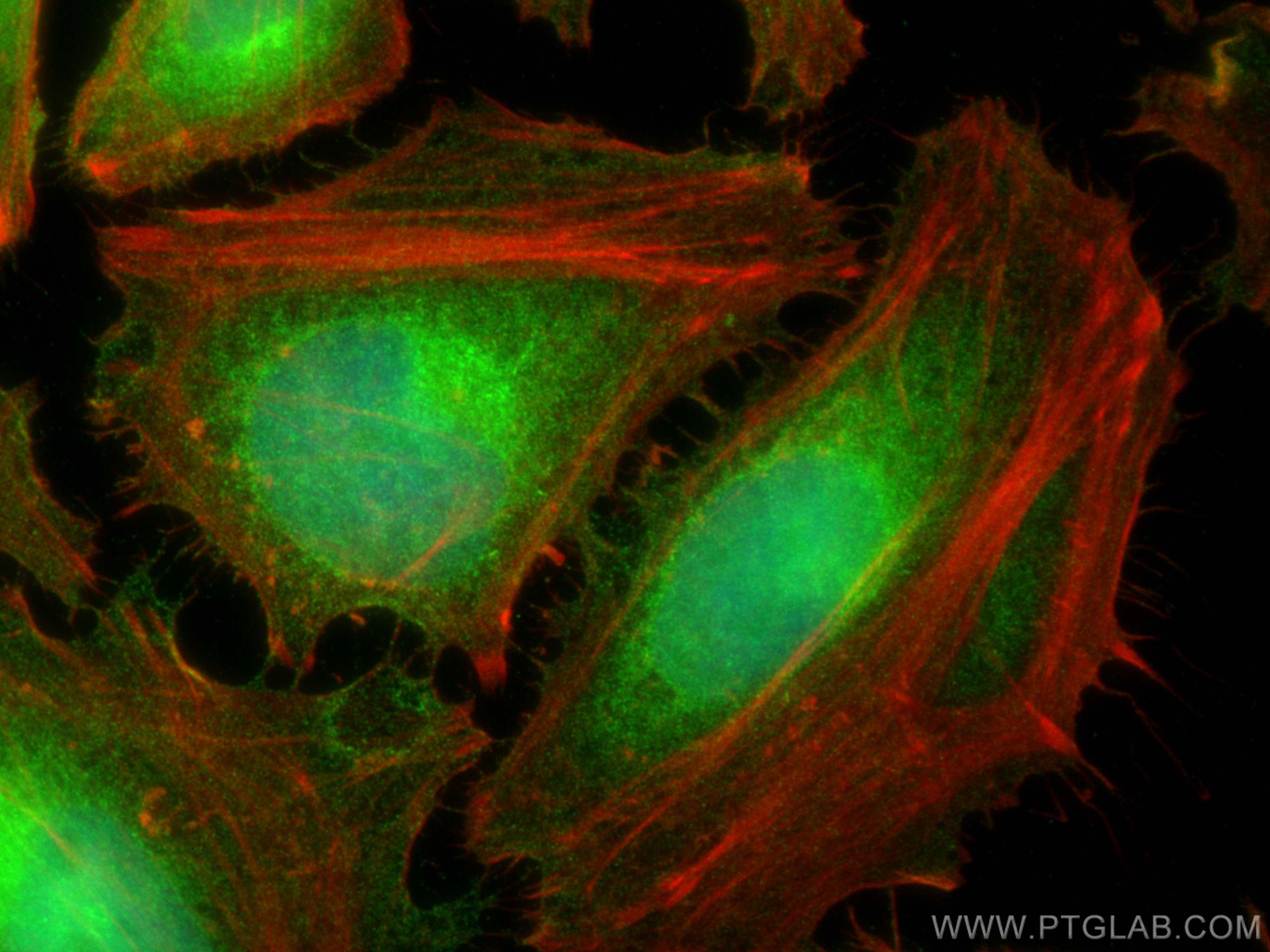

Tested Applications
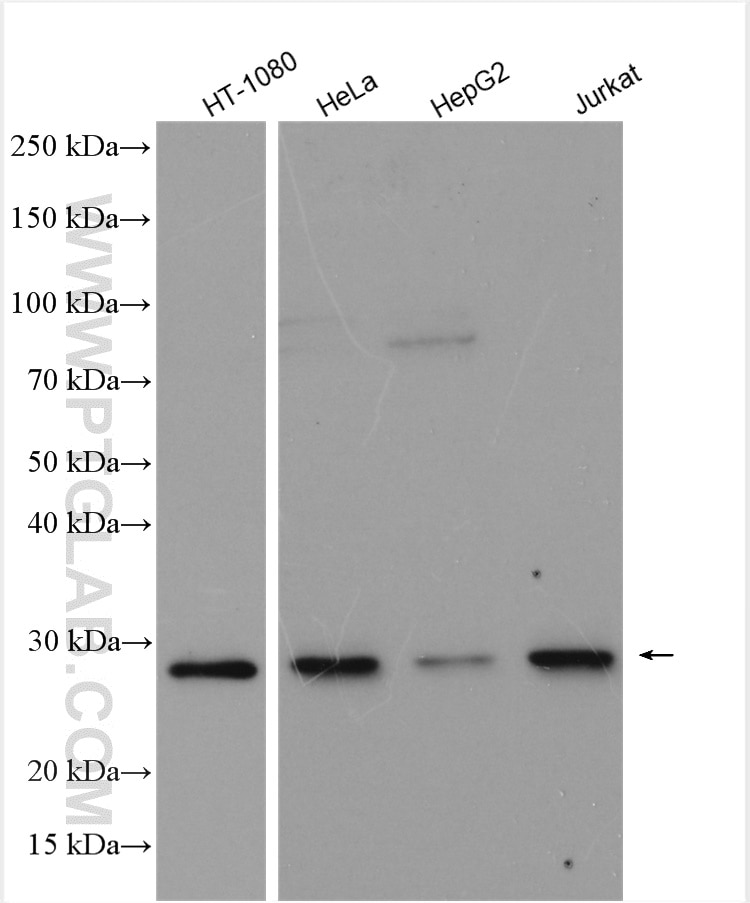
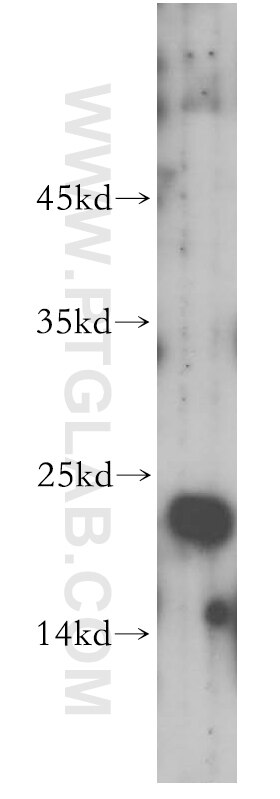
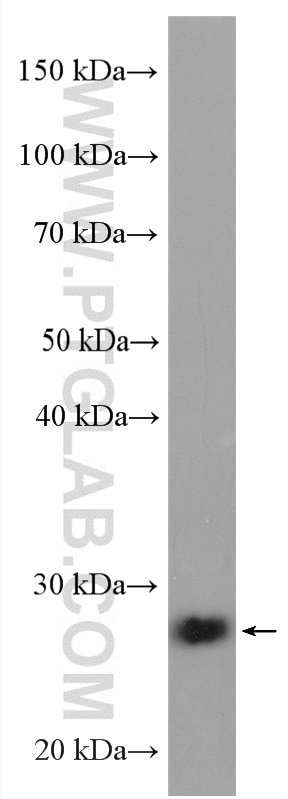
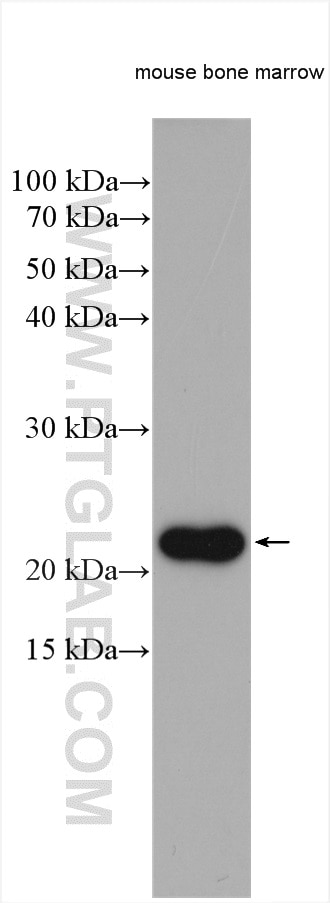
| Positive WB detected in | HT-1080 cells, mouse pancreas tissue, A549 cells, mouse bone marrow, HeLa cells, HepG2 cells, Jurkat cells |
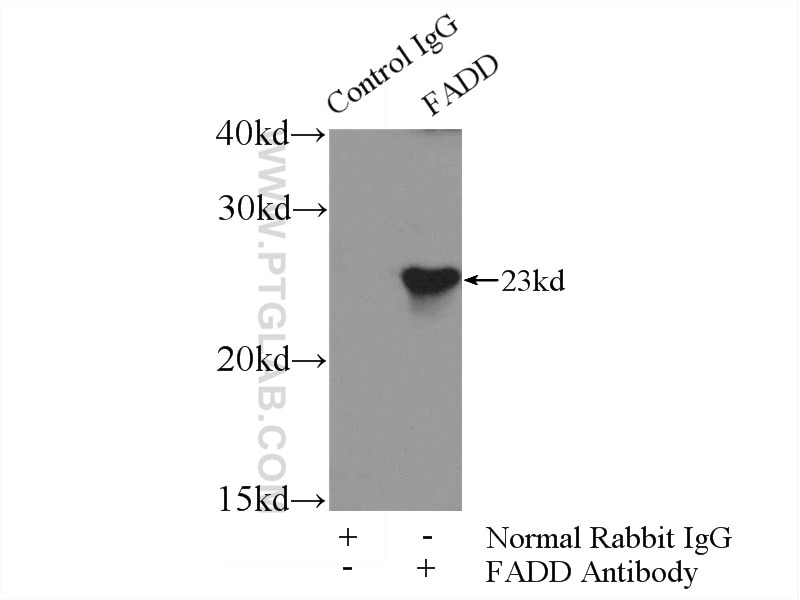
| Positive IP detected in | A549 cells |
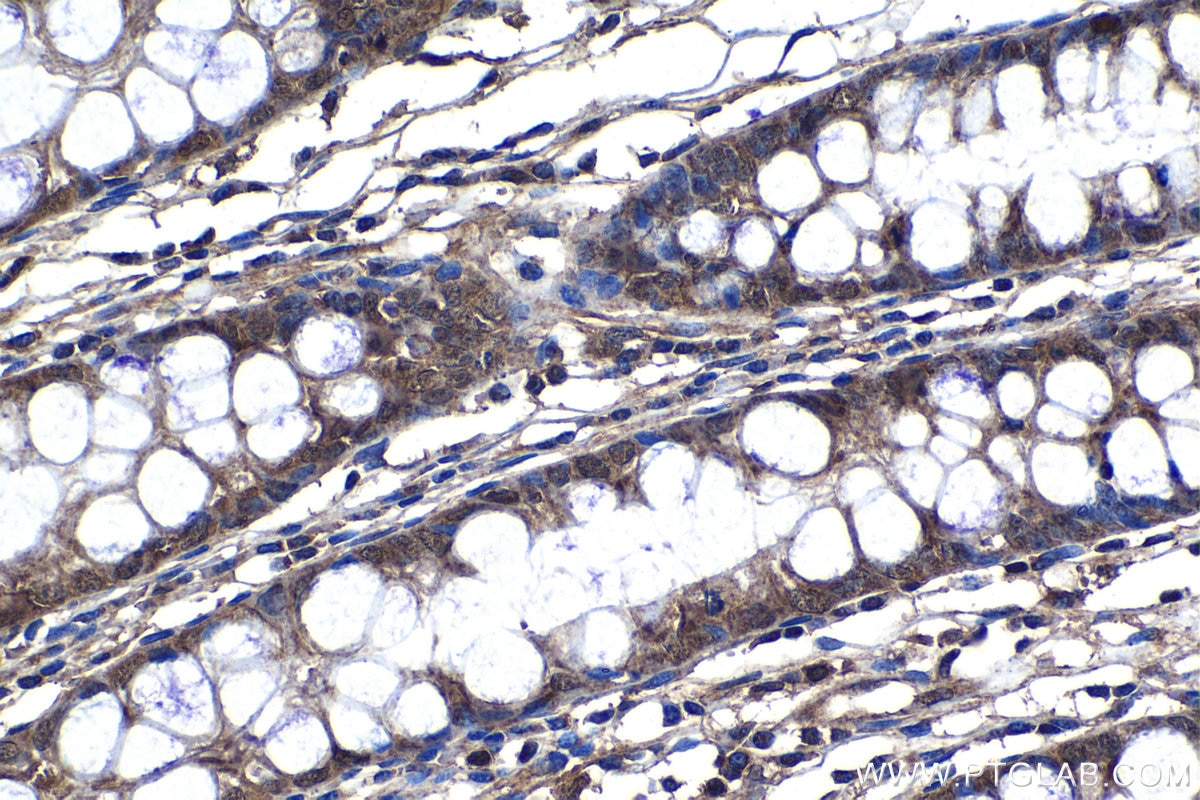
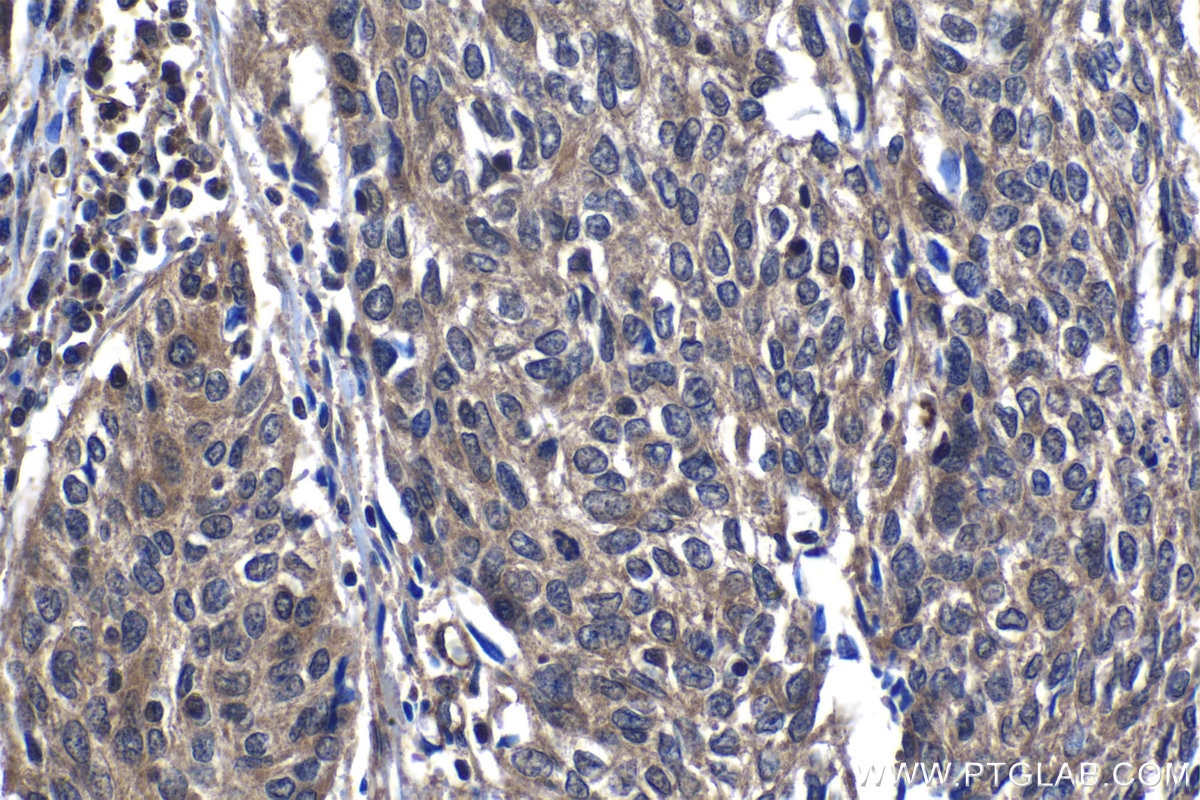
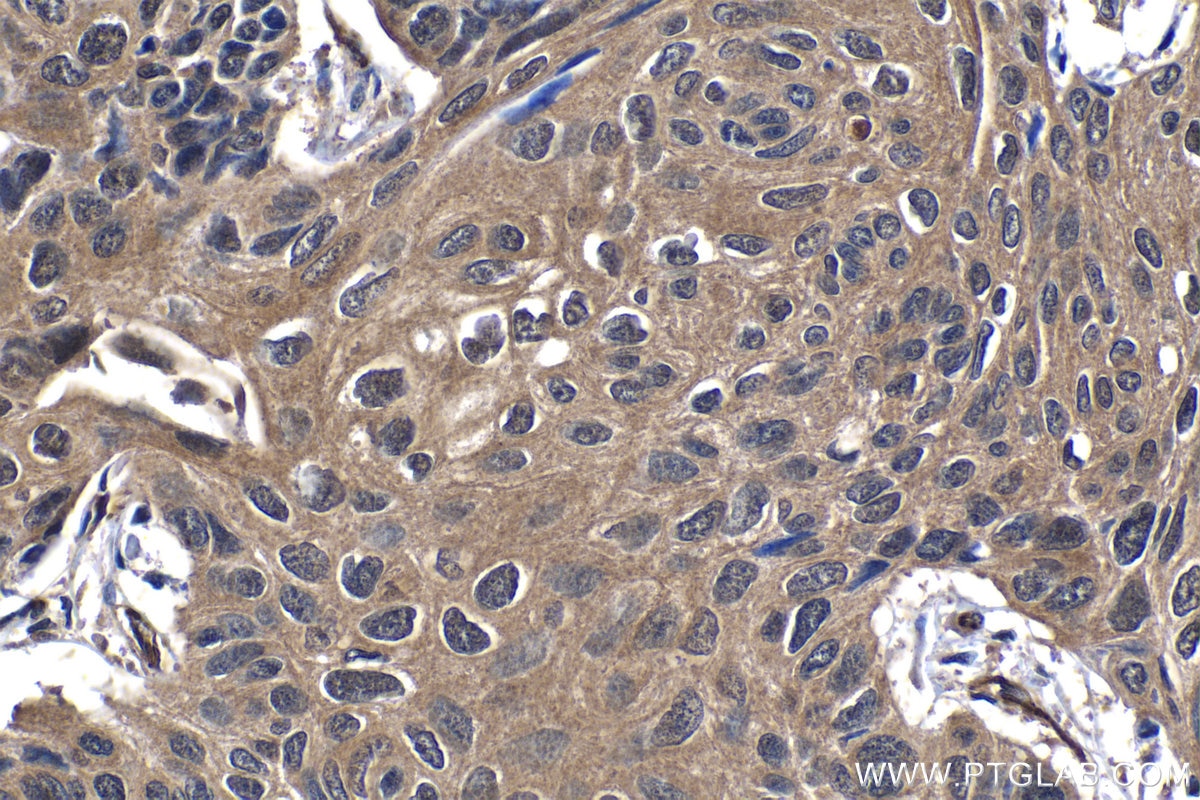
| Positive IHC detected in | human lung cancer tissue, human colon tissue, human cervical cancer tissue, rat kidney tissue, mouse kidney tissue Note: suggested antigen retrieval with TE buffer pH 9.0; (*) Alternatively, antigen retrieval may be performed with citrate buffer pH 6.0 |
| Positive IF/ICC detected in | HeLa cells |
Recommended dilution
| Application | Dilution |
|---|---|
| Western Blot (WB) | WB : 1:2000-1:10000 |
| Immunoprecipitation (IP) | IP : 0.5-4.0 ug for 1.0-3.0 mg of total protein lysate |
| Immunohistochemistry (IHC) | IHC : 1:500-1:2000 |
| Immunofluorescence (IF)/ICC | IF/ICC : 1:200-1:800 |
| It is recommended that this reagent should be titrated in each testing system to obtain optimal results. | |
| Sample-dependent, Check data in validation data gallery. | |
Product Information
14906-1-AP targets FADD in WB, IHC, IF/ICC, IP, CoIP, ELISA applications and shows reactivity with human, mouse samples.
| Tested Reactivity | human, mouse |
| Cited Reactivity | human, mouse, rat, monkey, bovine, sheep |
| Host / Isotype | Rabbit / IgG |
| Class | Polyclonal |
| Type | Antibody |
| Immunogen |
CatNo: Ag6701 Product name: Recombinant human FADD protein Source: e coli.-derived, PGEX-4T Tag: GST Domain: 1-208 aa of BC000334 Sequence: MDPFLVLLHSVSSSLSSSELTELKFLCLGRVGKRKLERVQSGLDLFSMLLEQNDLEPGHTELLRELLASLRRHDLLRRVDDFEAGAAAGAAPGEEDLCAAFNVICDNVGKDWRRLARQLKVSDTKIDSIEDRYPRNLTERVRESLRIWKNTEKENATVAHLVGALRSCQMNLVADLVQEVQQARDLQNRSGAMSPMSWNSDASTSEAS Predict reactive species |
| Full Name | Fas (TNFRSF6)-associated via death domain |
| Calculated Molecular Weight | 23 kDa |
| Observed Molecular Weight | 23-30 kDa |
| GenBank Accession Number | BC000334 |
| Gene Symbol | FADD |
| Gene ID (NCBI) | 8772 |
| RRID | AB_2100486 |
| Conjugate | Unconjugated |
| Form | Liquid |
| Purification Method | Antigen affinity purification |
| UNIPROT ID | Q13158 |
| Storage Buffer | PBS with 0.02% sodium azide and 50% glycerol, pH 7.3. |
| Storage Conditions | Store at -20°C. Stable for one year after shipment. Aliquoting is unnecessary for -20oC storage. 20ul sizes contain 0.1% BSA. |
Background Information
Fas-Associated protein with Death Domain (FADD), also called MORT1 or GIG3, is encoded by the FADD gene. FADD is an adaptor protein that bridges members of the tumor necrosis factor receptor superfamily, such as the Fas-receptor, to procaspases 8 and 10 to form the death-inducing signaling complex (DISC) during apoptosis. As well as its most well known role in apoptosis, FADD has also been seen to play a role in other processes including proliferation, cell cycle regulation and development. FADD has a calculated molecular mass of 23 kDa and always can be detected as 23-30 kDa (PMID: 15390286, 22864571, 17977957)
Protocols
| Product Specific Protocols | |
|---|---|
| IF protocol for FADD antibody 14906-1-AP | Download protocol |
| IHC protocol for FADD antibody 14906-1-AP | Download protocol |
| IP protocol for FADD antibody 14906-1-AP | Download protocol |
| WB protocol for FADD antibody 14906-1-AP | Download protocol |
| Standard Protocols | |
|---|---|
| Click here to view our Standard Protocols |
Publications
What published studies show
The FADD Polyclonal antibody (Cat# 14906-1-AP) has 67 citations across journals including Cell Research, Nature Immunology, Blood, Cell Death & Disease, FASEB Journal, Journal of Cell Biology, and PLoS Biology. Research fields span apoptosis, pyroptosis, necroptosis, and PANoptosis; oncology (lung, breast, colon, ovarian, prostate cancers); inflammatory and immune signaling; cardiovascular injury; neuroprotection; toxicology; and infectious disease mechanisms involving FADD-mediated death pathways.
| Species | Application | Title |
|---|---|---|
Cell Res The metabolite α-KG induces GSDMC-dependent pyroptosis through death receptor 6-activated caspase-8. | ||
Nat Immunol Biallelic human SHARPIN loss of function induces autoinflammation and immunodeficiency | ||
Blood Expression of cFLIP in B cells is essential for diffuse large B-cell lymphoma pathogenesis. | ||
J Exp Clin Cancer Res Glucocorticoid modulatory element-binding protein 1 (GMEB1) interacts with the de-ubiquitinase USP40 to stabilize CFLARL and inhibit apoptosis in human non-small cell lung cancer cells. | ||
Cancer Biol Med A causal variant rs3769823 in 2q33.1 involved in apoptosis pathway leading to a decreased risk of non-small cell lung cancer | ||
Cell Death Dis Hypoxia-mediated SUMOylation of FADD exacerbates endothelial cell injury via the RIPK1-RIPK3-MLKL signaling axis
|
Reviews
What customers say
One reviewer (Isha S.) rated the product 5 stars for Western Blot. Using a 1:800 dilution on kidney lysates (lot 00082200), they reported getting "really good bands." The review was posted on December 15, 2021. Overall, the single review reflects a positive experience with strong signal quality at a moderate dilution in kidney tissue.
The reviews below have been submitted by verified Proteintech customers who received an incentive for providing their feedback.
Isha (Verified Customer) (12-15-2021) | Got really good bands in kidney lysates at 1:800 dilution
|












