
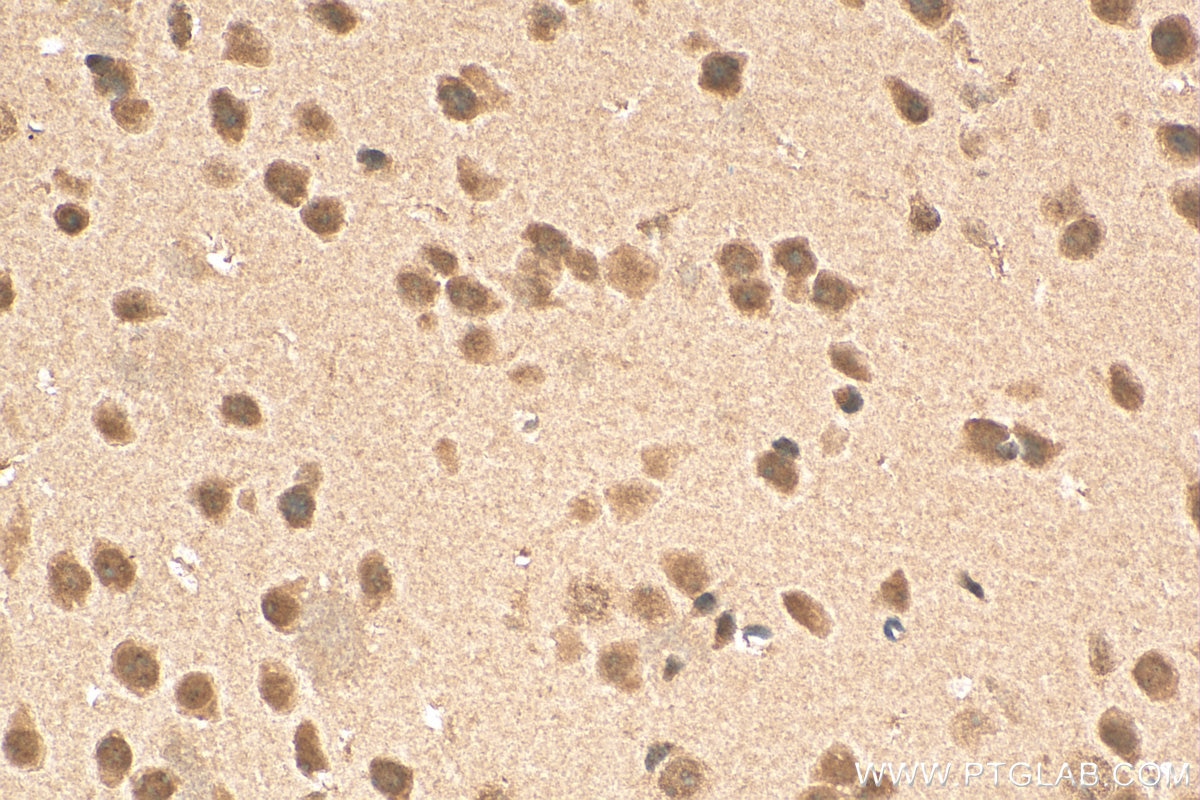
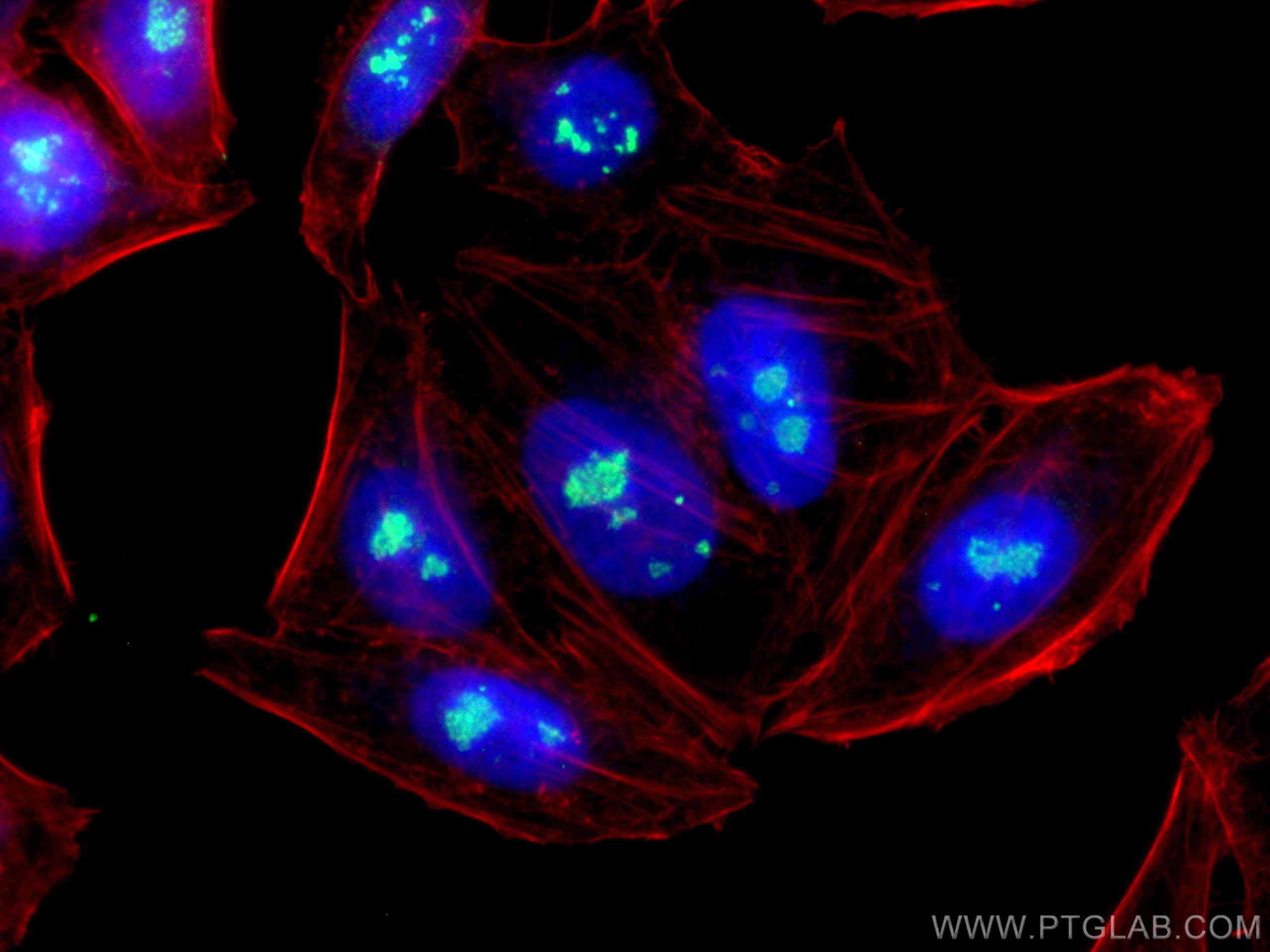
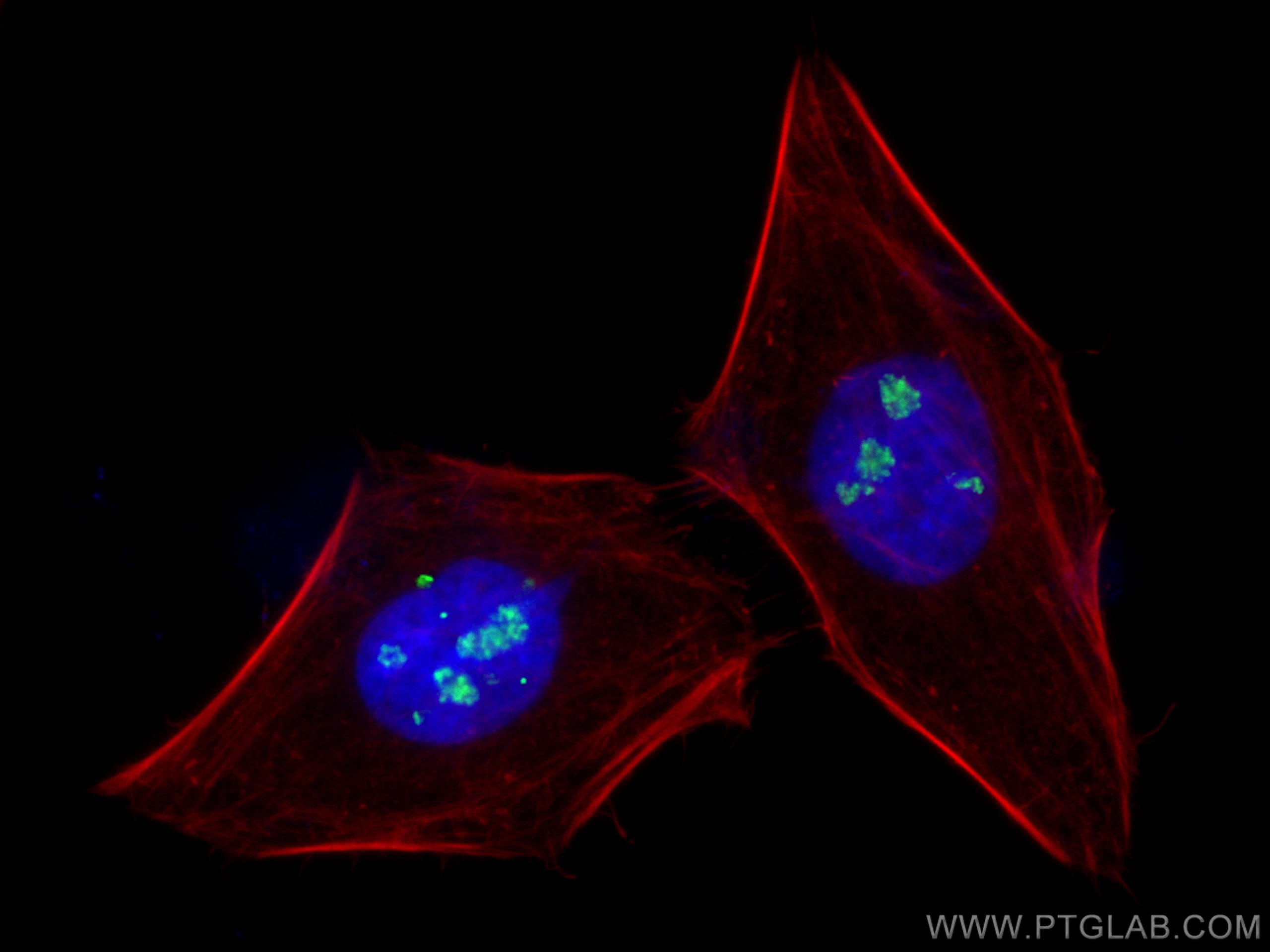
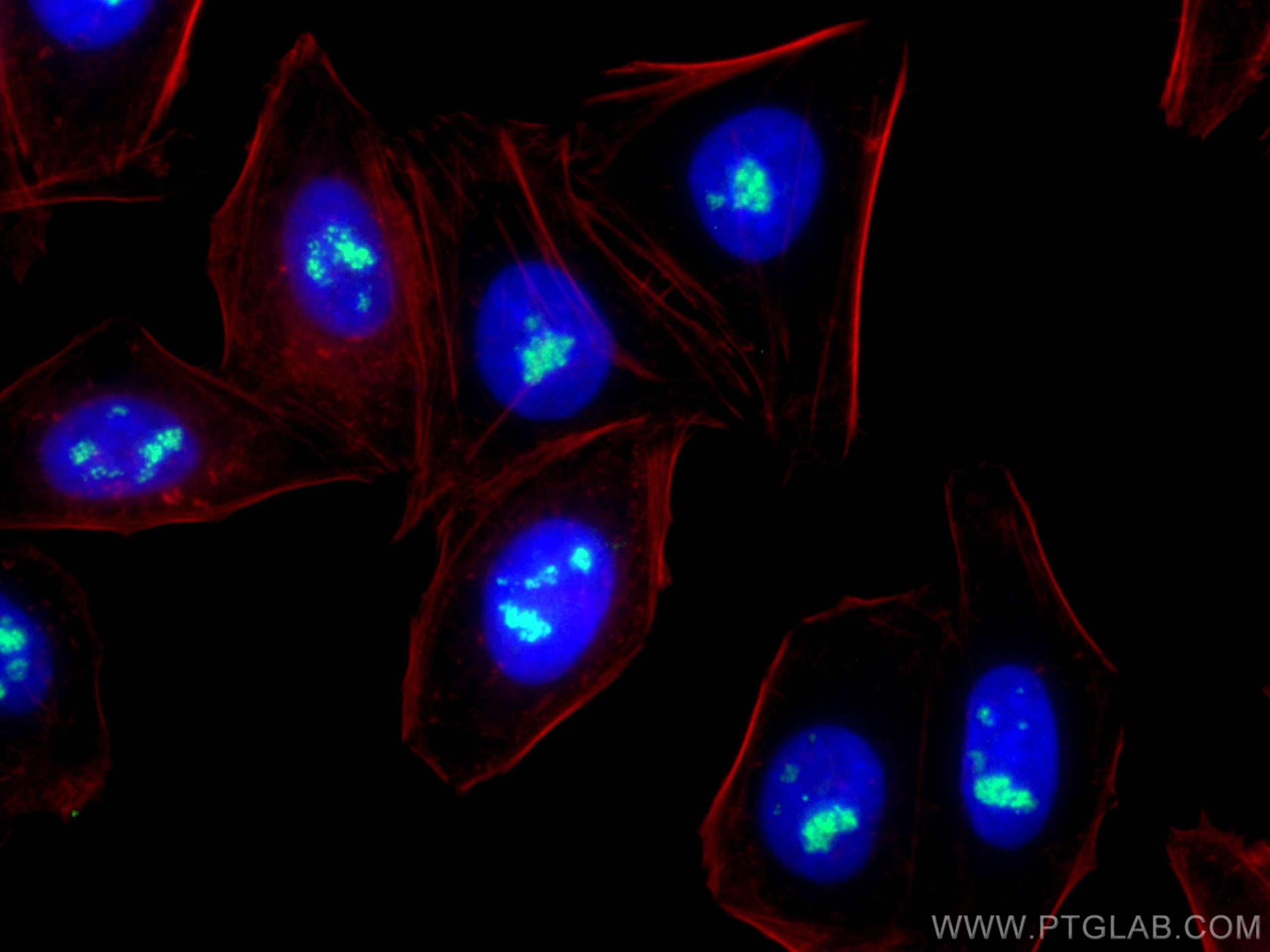

Tested Applications
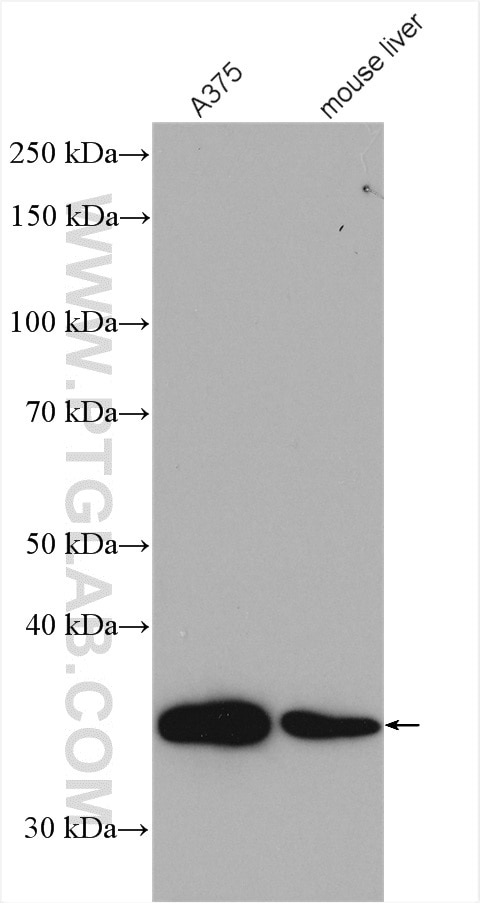
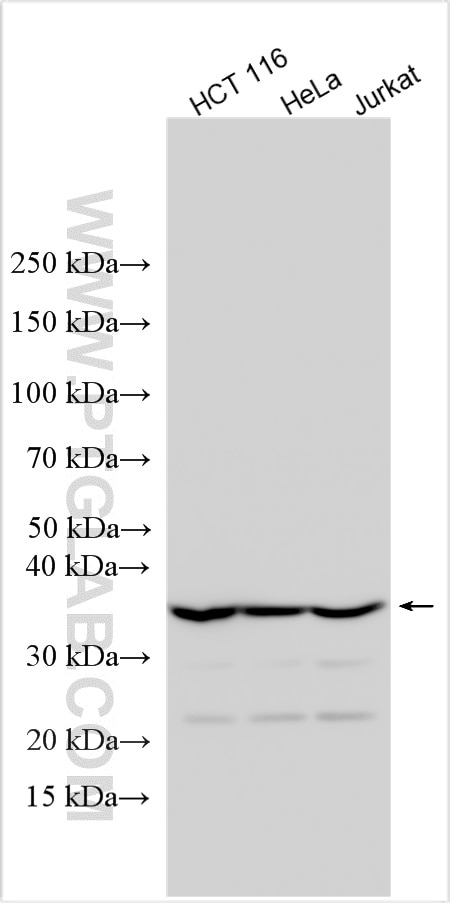
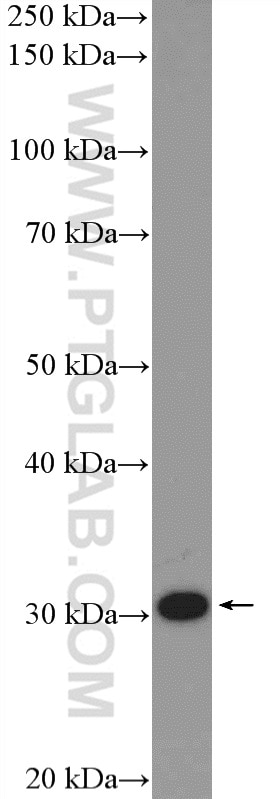
| Positive WB detected in | A375 cells, HCT 116 cells, mouse liver tissue, HeLa cells, Jurkat cells |
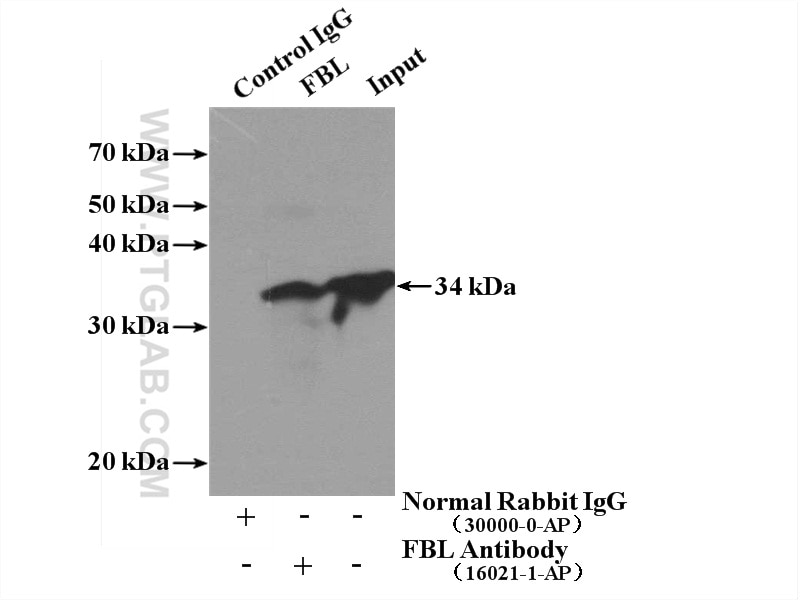
| Positive IP detected in | A375 cells |
| Positive IF/ICC detected in | HepG2 cells |
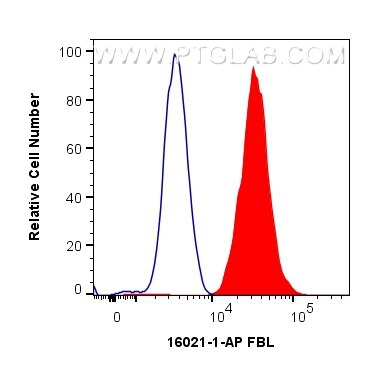
| Positive FC (Intra) detected in | HepG2 cells |
Recommended dilution
| Application | Dilution |
|---|---|
| Western Blot (WB) | WB : 1:1000-1:6000 |
| Immunoprecipitation (IP) | IP : 0.5-4.0 ug for 1.0-3.0 mg of total protein lysate |
| Immunofluorescence (IF)/ICC | IF/ICC : 1:400-1:1600 |
| Flow Cytometry (FC) (INTRA) | FC (INTRA) : 0.4 ug per 10^6 cells in a 100 µl suspension |
| It is recommended that this reagent should be titrated in each testing system to obtain optimal results. | |
| Sample-dependent, Check data in validation data gallery. | |
Product Information
16021-1-AP targets Fibrillarin in WB, IF/ICC, FC (Intra), IP, RIP, ELISA applications and shows reactivity with human, mouse, rat samples.
| Tested Reactivity | human, mouse, rat |
| Cited Reactivity | human, mouse, rat |
| Host / Isotype | Rabbit / IgG |
| Class | Polyclonal |
| Type | Antibody |
| Immunogen |
CatNo: Ag8841 Product name: Recombinant human FBL protein Source: e coli.-derived, PET28a Tag: 6*His Domain: 1-321 aa of BC019260 Sequence: MKPGFSPRGGGFGGRGGFGDRGGRGGRGGFGGGRGRGGGFRGRGRGGGGGGGGGGGGGRGGGGFHSGGNRGRGRGGKRGNQSGKNVMVEPHRHEGVFICRGKEDALVTKNLVPGESVYGEKRVSISEGDDKIEYRAWNPFRSKLAAAILGGVDQIHIKPGAKVLYLGAASGTTVSHVSDIVGPDGLVYAVEFSHRSGRDLINLAKKRTNIIPVIEDARHPHKYRMLIAMVDVIFADVAQPDQTRIVALNAHTFLRNGGHFVISIKANCIDSTASAEAVFASEVKKMQQENMKPQEQLTLEPYERDHAVVVGVYRPPPKVKN Predict reactive species |
| Full Name | fibrillarin |
| Calculated Molecular Weight | 321 aa, 34 kDa |
| Observed Molecular Weight | 34 kDa |
| GenBank Accession Number | BC019260 |
| Gene Symbol | FBL |
| Gene ID (NCBI) | 2091 |
| RRID | AB_2105788 |
| Conjugate | Unconjugated |
| Form | Liquid |
| Purification Method | Antigen affinity purification |
| UNIPROT ID | P22087 |
| Storage Buffer | PBS with 0.02% sodium azide and 50% glycerol, pH 7.3. |
| Storage Conditions | Store at -20°C. Stable for one year after shipment. Aliquoting is unnecessary for -20oC storage. 20ul sizes contain 0.1% BSA. |
Background Information
Fibrillarin (Fbl) is an essential nucleolar protein that plays an essential role in ribosome biogenesis and more particularly in the methylation of ribosomal RNAs and rDNA histones. FBL is highly expressed in various cancers and correlates with poor survival outcomes in cancer patients,such as hepatocellular carcinoma(PMID: 33376525). Knockdown of FBL sensitizes tumor cells and xenografts to DNA crosslinking agents, and leads to homologous recombination-mediated DNA repair defects(PMID: 37489617).
Protocols
| Product Specific Protocols | |
|---|---|
| FC protocol for Fibrillarin antibody 16021-1-AP | Download protocol |
| IF protocol for Fibrillarin antibody 16021-1-AP | Download protocol |
| IHC protocol for Fibrillarin antibody 16021-1-AP | Download protocol |
| IP protocol for Fibrillarin antibody 16021-1-AP | Download protocol |
| WB protocol for Fibrillarin antibody 16021-1-AP | Download protocol |
| Standard Protocols | |
|---|---|
| Click here to view our Standard Protocols |
Publications
What published studies show
The Fibrillarin Polyclonal antibody (Cat# 16021-1-AP) has 55 citations spanning journals such as Nature, Cell, Molecular Cell, Nature Communications, EMBO Journal, Cell Reports, and Nucleic Acids Research. Research fields include nucleolar biology, ribosome biogenesis, rRNA methylation, phase separation, various cancers (glioma, breast, renal, endometrial, lung), cellular senescence, viral infection, stroke, and atherosclerosis. Cited applications are WB, IF, IP, and RIP across human, mouse, and rat samples.
| Species | Application | Title |
|---|---|---|
Nat Cell Biol METTL3 preferentially enhances non-m6A translation of epigenetic factors and promotes tumourigenesis | ||
Nat Commun ASO therapy rescues NOTCH2NLC GGC repeat expansion-induced genomic damage, 3D chromatin structural abnormalities, and senescence. | ||
Redox Biol Reduced dynamicity and increased high-order protein assemblies in dense fibrillar component of the nucleolus under cellular senescence | ||
Mol Cell lncRNAs maintain the functional phase state of nucleolar prion-like protein to facilitate rRNA processing |
Reviews
What customers say
All four reviews rate the antibody 5 stars. Users report strong, specific signals in both Western blot and immunofluorescence across human and mouse samples. The antibody performed well at dilutions of 1:100 and 1:1000. One reviewer tested multiple fixation methods (2% and 4% formaldehyde, methanol) and found it compatible with all, noting that 4% formaldehyde yielded the cleanest signal. Overall, customers describe reliable performance with clear banding in WB and crisp nucleolar/cellular staining in IF, with no reported issues across different cell types and tissues.
The reviews below have been submitted by verified Proteintech customers who received an incentive for providing their feedback.
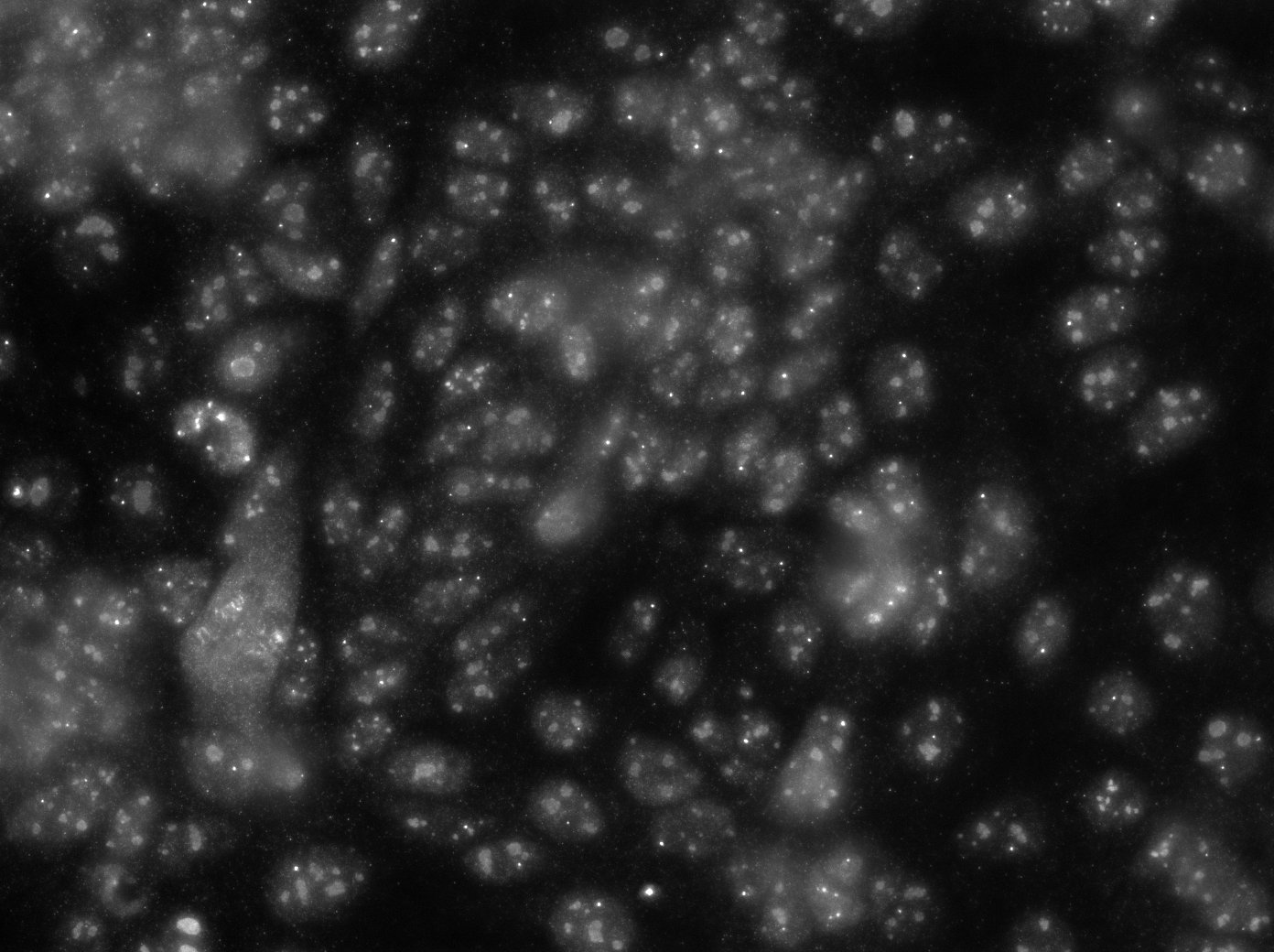
Tatyana (Verified Customer) (03-11-2023) | Very strong, specific nucleolar signal in ICC. 4% PFA fixation followed by methanol permeabilization; antibody prepared in 5% goat serum in PBST; 2 h RT incubation (no blocking step).
|
WEI (Verified Customer) (03-12-2020) | Good, strong band for WB and correct staining for cardiomyocytes.
|
Lauren (Verified Customer) (02-20-2020) | Fixations tested include 2% and 4% formaldehyde for 20 minutes, and -20'C methanol for 10 minutes. Antibody works in all three fixations, but 4% formaldehyde gave the cleanest signal.
 |
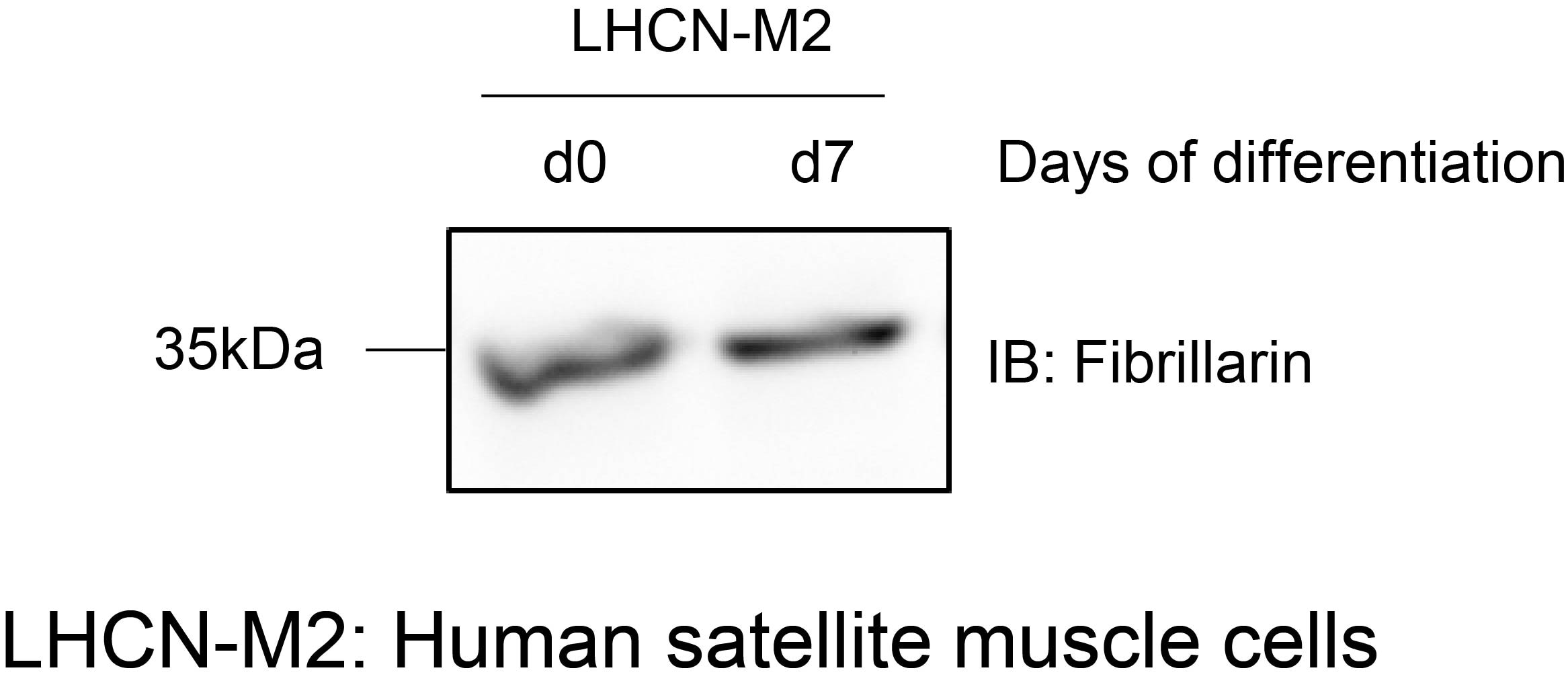
Baptiste (Verified Customer) (09-05-2019) | This antibody works well in western blot
 |










