

Tested Applications
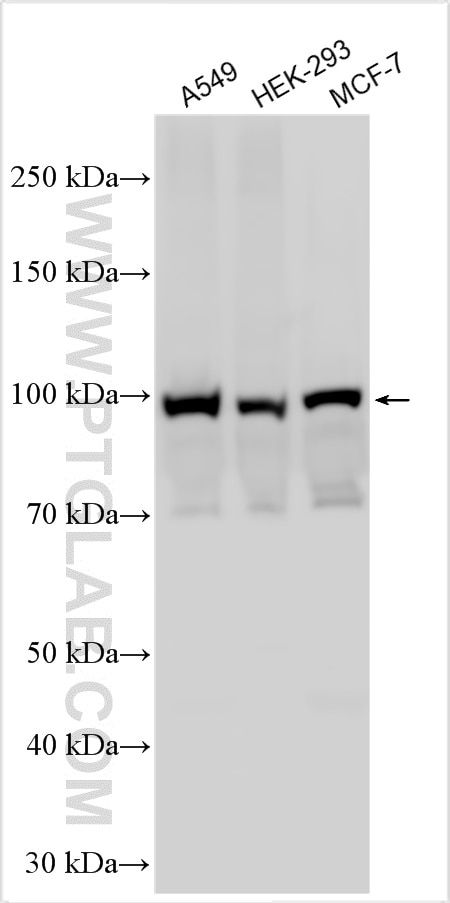
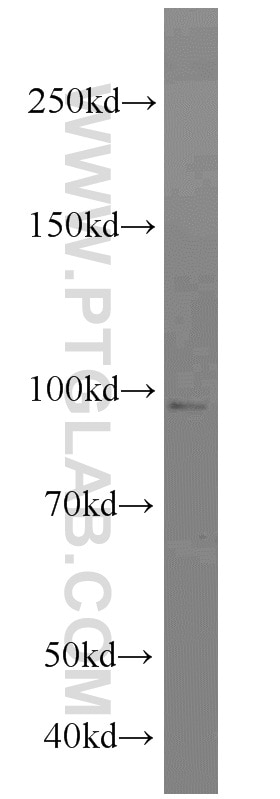
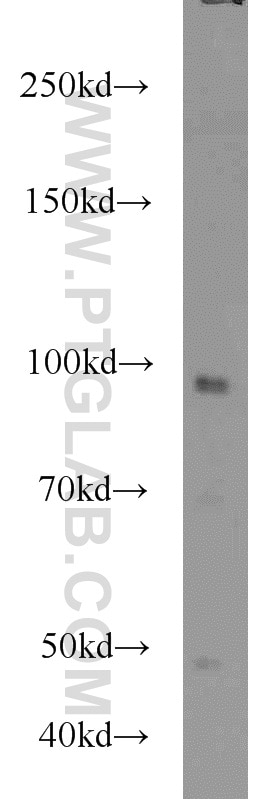
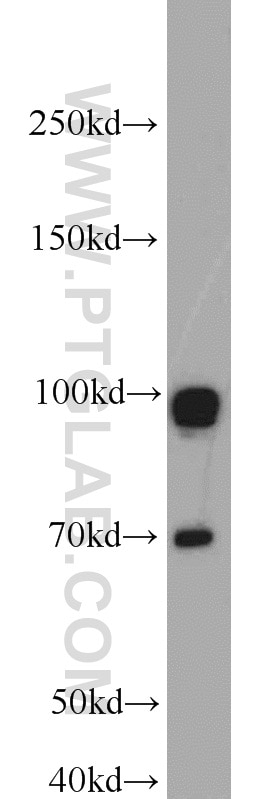
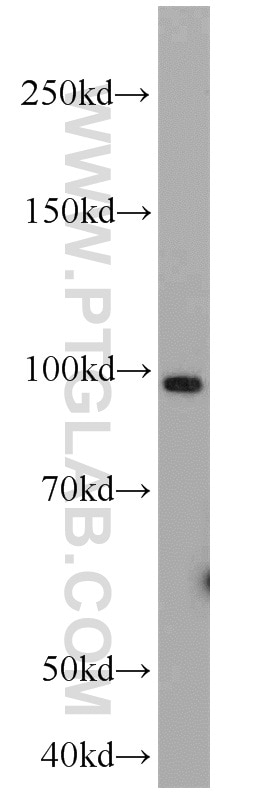
| Positive WB detected in | A549 cells, HEK-293 cells, K-562 cells, MCF-7 cells, NIH/3T3 cells |
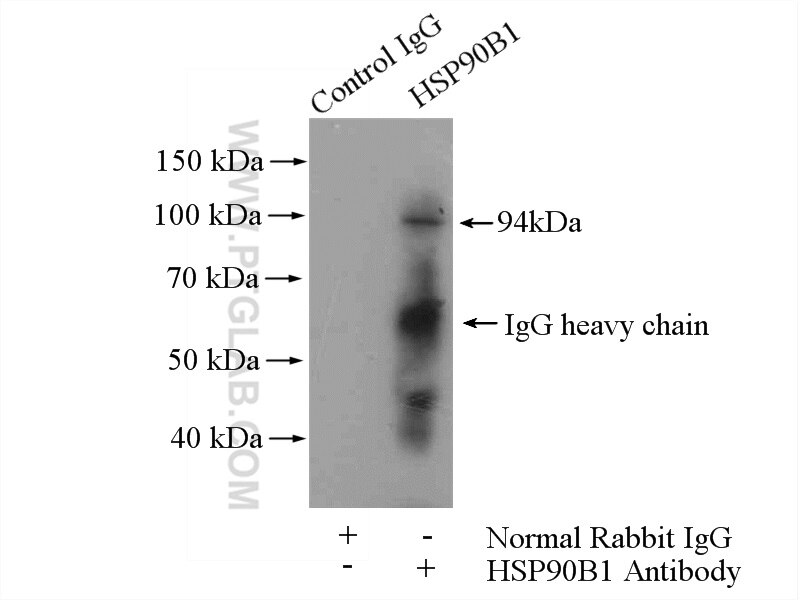
| Positive IP detected in | MCF-7 cells |
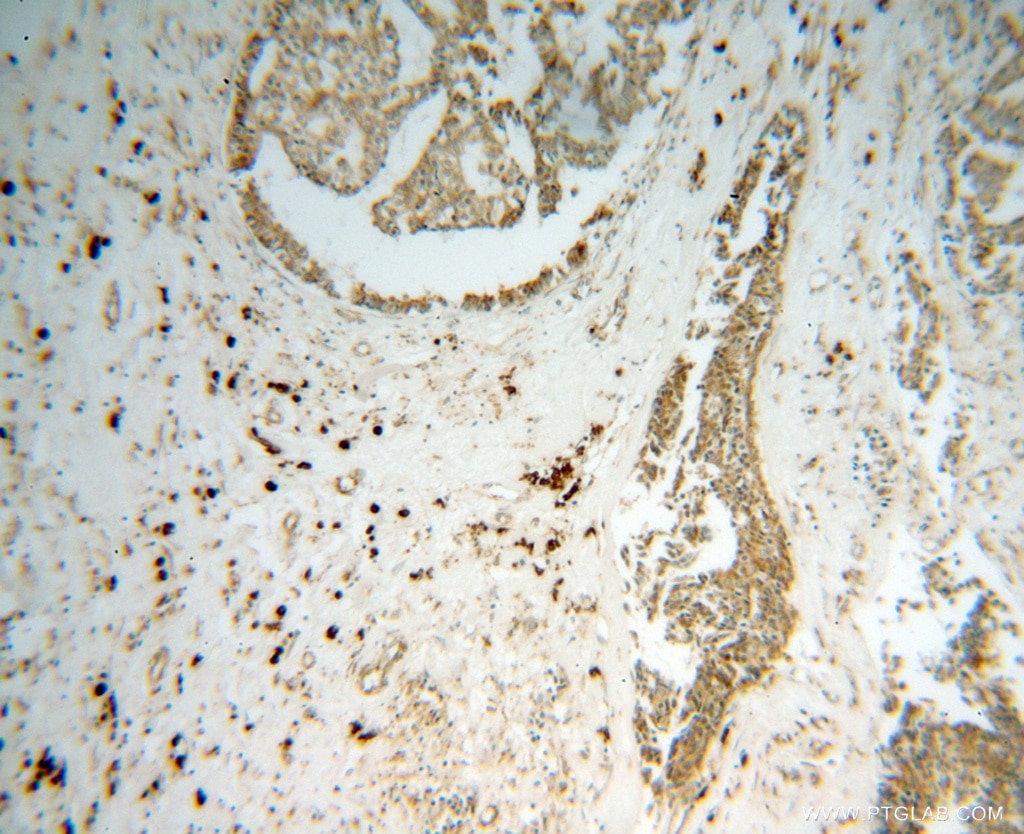
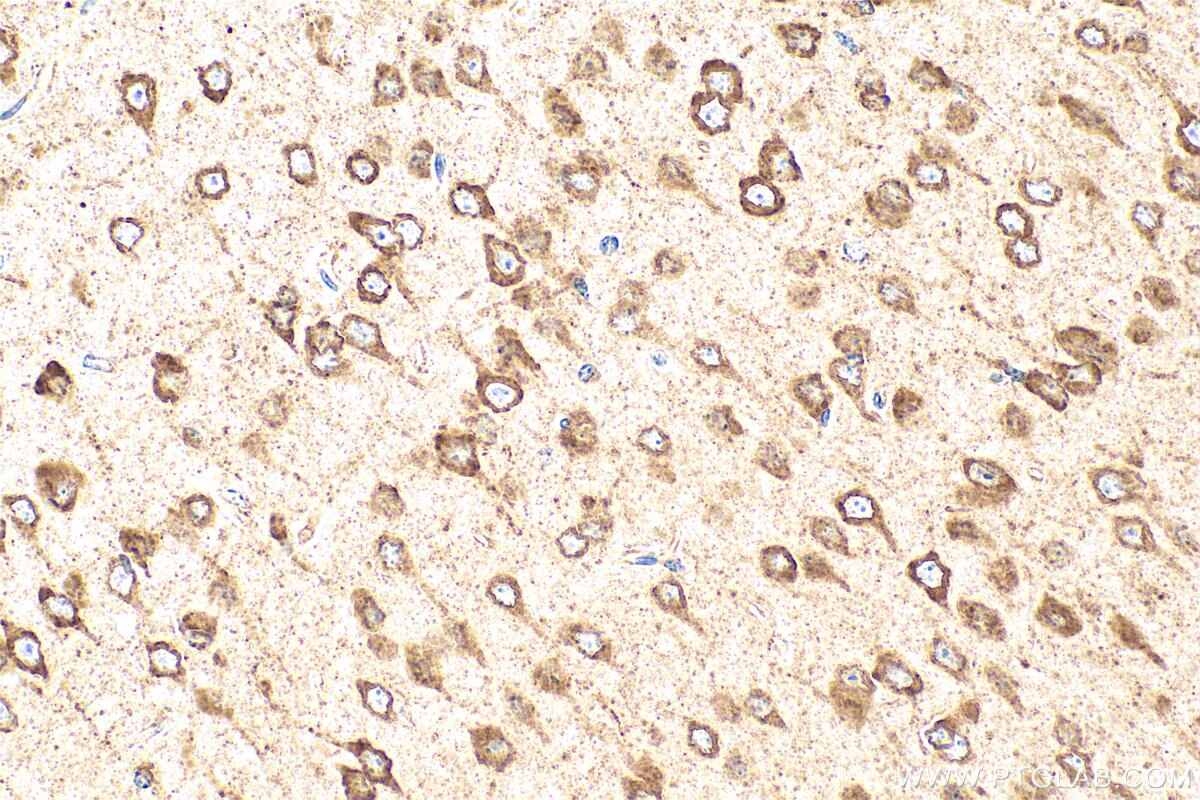
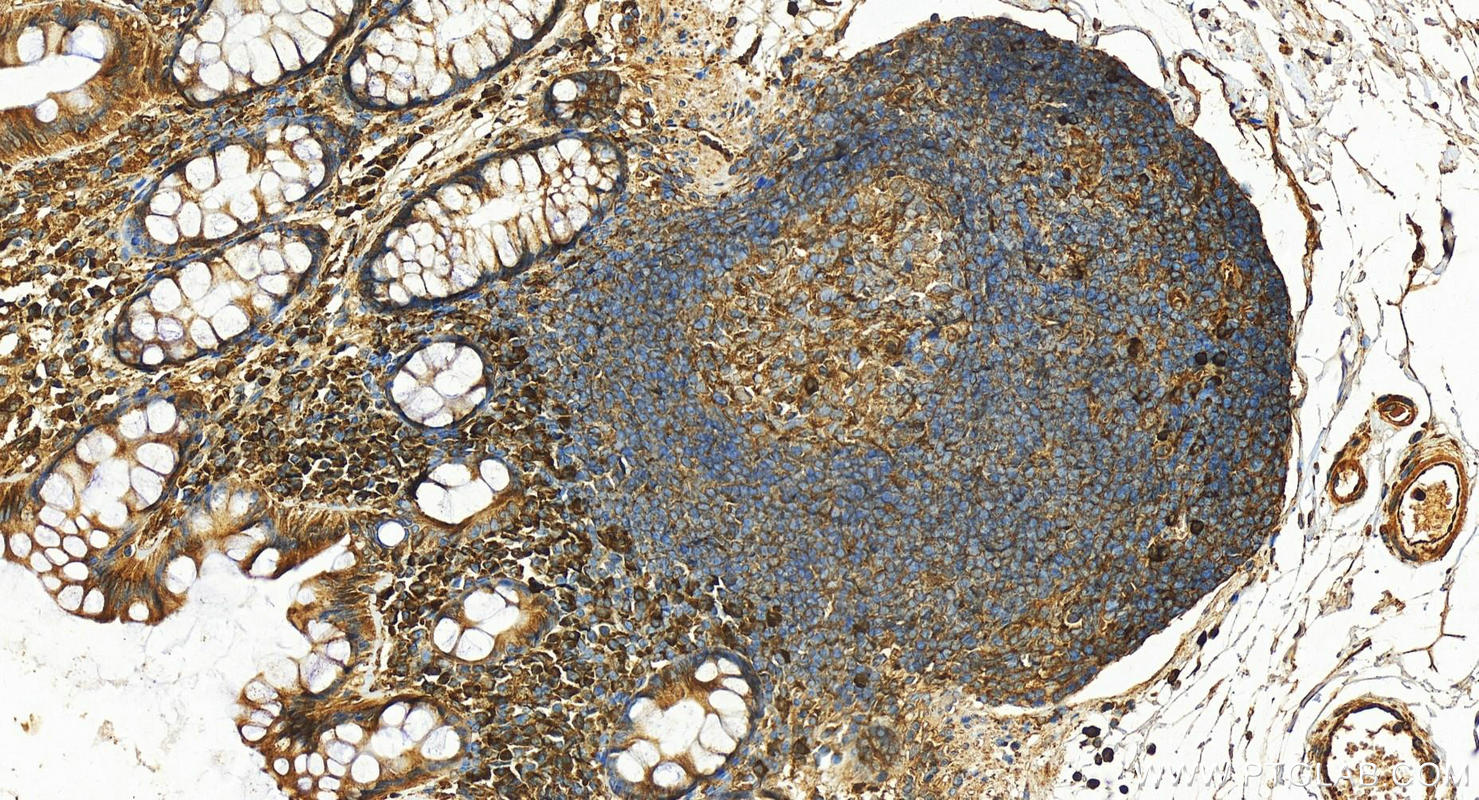
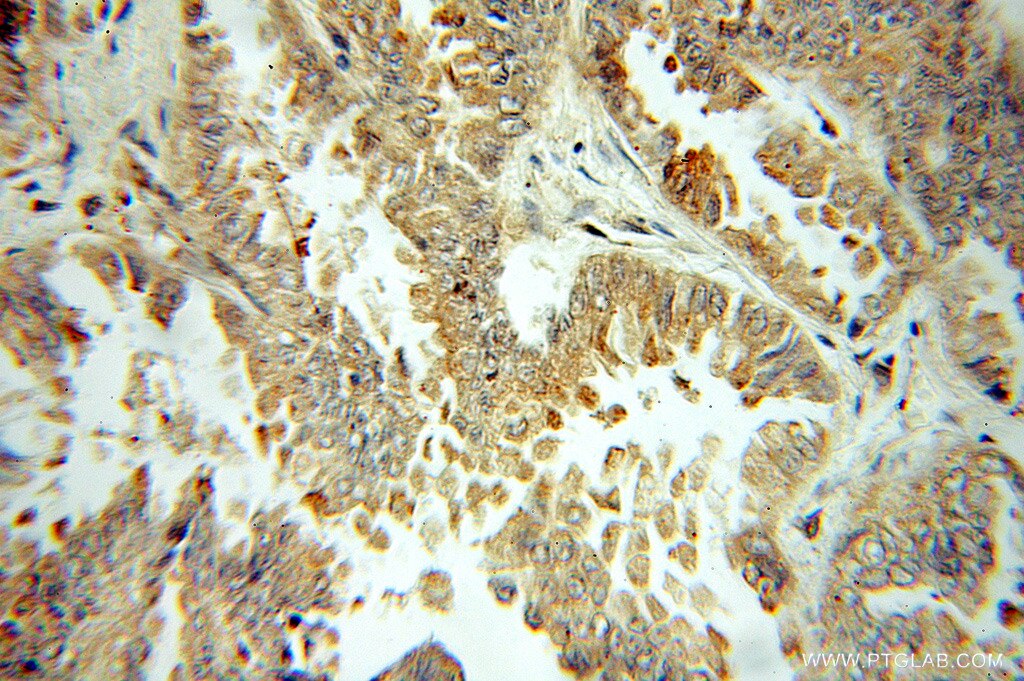
| Positive IHC detected in | human colon tissue, human breast cancer tissue, human lung cancer tissue, mouse brain tissue Note: suggested antigen retrieval with TE buffer pH 9.0; (*) Alternatively, antigen retrieval may be performed with citrate buffer pH 6.0 |
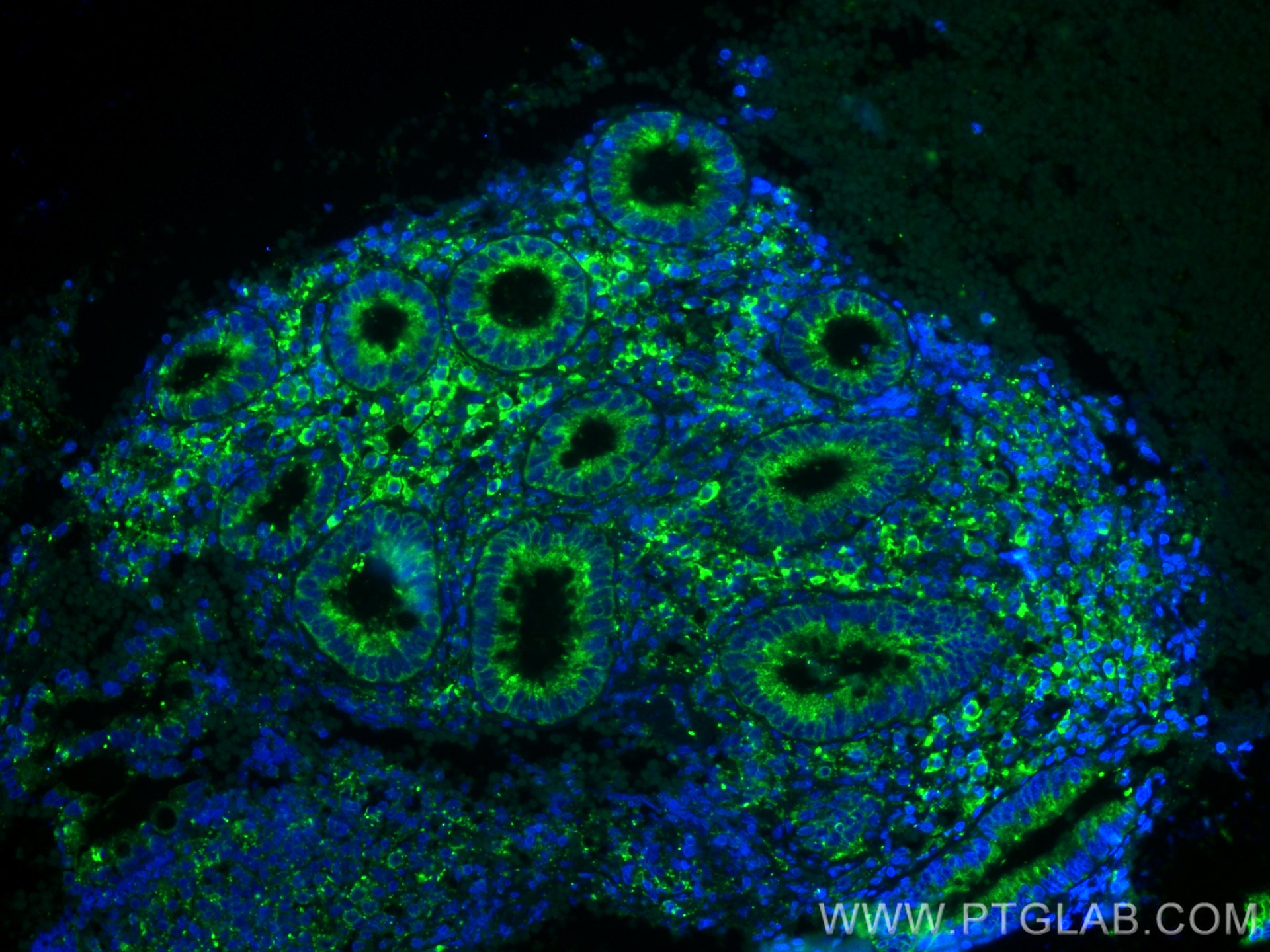
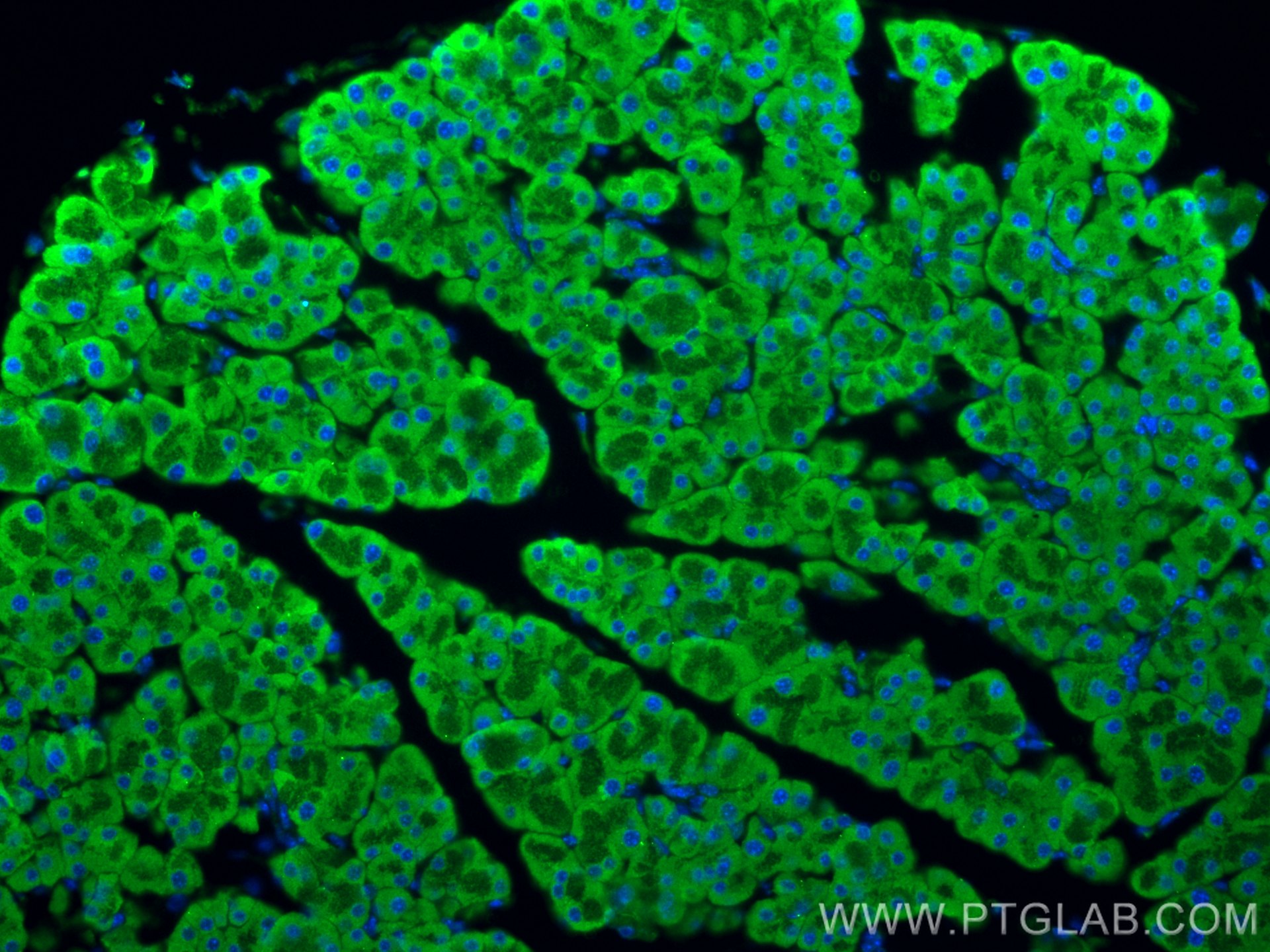
| Positive IF-P detected in | mouse pancreas tissue, human appendicitis tissue |
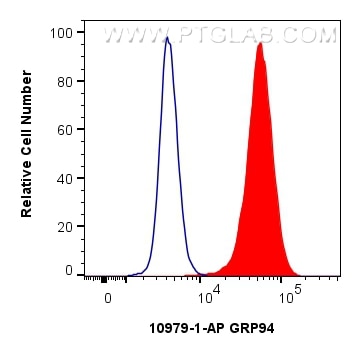
| Positive FC (Intra) detected in | MCF-7 cells |
Recommended dilution
| Application | Dilution |
|---|---|
| Western Blot (WB) | WB : 1:1000-1:4000 |
| Immunoprecipitation (IP) | IP : 0.5-4.0 ug for 1.0-3.0 mg of total protein lysate |
| Immunohistochemistry (IHC) | IHC : 1:50-1:500 |
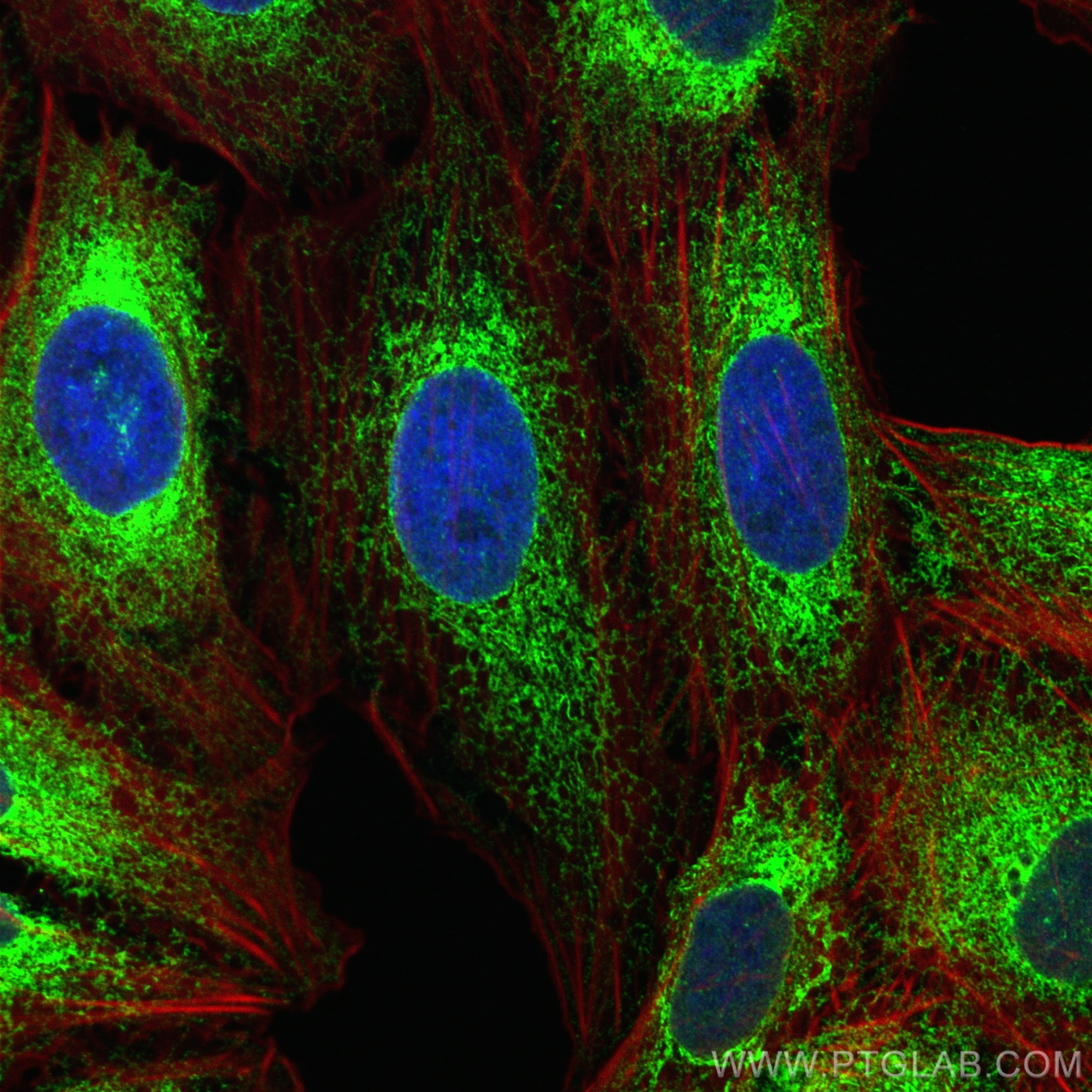
| Immunofluorescence (IF)-P | IF-P : 1:50-1:500 |
| Flow Cytometry (FC) (INTRA) | FC (INTRA) : 0.80 ug per 10^6 cells in a 100 µl suspension |
| It is recommended that this reagent should be titrated in each testing system to obtain optimal results. | |
| Sample-dependent, Check data in validation data gallery. | |
Product Information
10979-1-AP targets GRP94 in WB, IHC, IF-P, FC (Intra), IP, ELISA applications and shows reactivity with human, mouse, rat samples.
| Tested Reactivity | human, mouse, rat |
| Cited Reactivity | human, mouse, rat, pig |
| Host / Isotype | Rabbit / IgG |
| Class | Polyclonal |
| Type | Antibody |
| Immunogen |
CatNo: Ag1439 Product name: Recombinant human GRP94 protein Source: e coli.-derived, PGEX-4T Tag: GST Domain: 1-315 aa of BC009195 Sequence: MRALWVLGLCCVLLTFGSVRADDEVDVDGTVEEDLGKSREGSRTDDEVVQREEEAIQLDGLNASQIRELREKSEKFAFQAEVNRMMKLIINSLYKNKEIFLRELISNASDALDKIRLISLTDENALSGNEELTVKIKCDKEKNLLHVTDTGVGMTREELVKNLGTIAKSGTSEFLNKMTEAQEDGQSTSELIGQFGVGFYSAFLVADKVIVTSKHNNDTQHIWESDSNEFSVIADPRGNTLGRGTTITLVLKEEASDYLELDTIKNLVKKYSQFINFPIYVWSSKTETVEEPMEEEEAAKEEKEESDDEAAARRR Predict reactive species |
| Full Name | heat shock protein 90kDa beta (Grp94), member 1 |
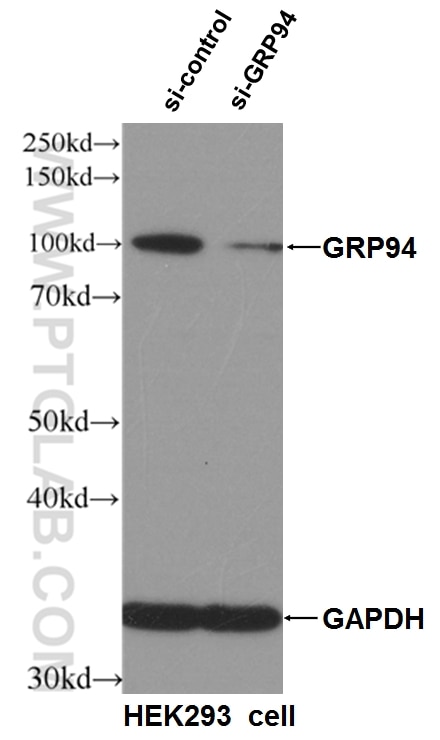
| Calculated Molecular Weight | 96 kDa |
| Observed Molecular Weight | 94 kDa |
| GenBank Accession Number | BC009195 |
| Gene Symbol | GRP94 |
| Gene ID (NCBI) | 7184 |
| RRID | AB_2119057 |
| Conjugate | Unconjugated |
| Form | Liquid |
| Purification Method | Antigen affinity purification |
| UNIPROT ID | P14625 |
| Storage Buffer | PBS with 0.02% sodium azide and 50% glycerol, pH 7.3. |
| Storage Conditions | Store at -20°C. Stable for one year after shipment. Aliquoting is unnecessary for -20oC storage. 20ul sizes contain 0.1% BSA. |
Background Information
Glucose-regulated protein 94 (GRP94), also called HSP90B1 and GP96, is an endoplasmic reticulum (ER)-resident member of the heat shock protein 90 (HSP90) family (PMID: 33802964; 24658275). Under ER stress conditions, GRP94 accelerates its function as a molecular chaperone. Client proteins of GRP94 include toll-like receptors (TLRs), glycoprotein (GP) IX subunit, insulin-like growth factors (IGFs), proinsulin, and integrins (PMID: 7913987; 32781621; 22079671). As well as being an ER chaperone, GRP94 can also participate in Calcium regulation and is also a regulator of innate and adaptive immunity (PMID: 33802964; 11584270).
Protocols
| Product Specific Protocols | |
|---|---|
| FC protocol for GRP94 antibody 10979-1-AP | Download protocol |
| IF protocol for GRP94 antibody 10979-1-AP | Download protocol |
| IHC protocol for GRP94 antibody 10979-1-AP | Download protocol |
| IP protocol for GRP94 antibody 10979-1-AP | Download protocol |
| WB protocol for GRP94 antibody 10979-1-AP | Download protocol |
| Standard Protocols | |
|---|---|
| Click here to view our Standard Protocols |
Publications
What published studies show
The GRP94 Polyclonal antibody (Cat# 10979-1-AP) has 8 citations published in journals including Nature Communications, Journal of Neuroinflammation, Molecular Medicine Reports, Carcinogenesis, Journal of Clinical Medicine, Journal of Immunology Research, Veterinary Microbiology, and Experimental Brain Research. The associated research fields span ER stress and neurodegeneration (Parkinson's disease, Pelizaeus-Merzbacher disease), cardiac fibrosis in diabetes, cancer biomarker discovery, B-cell lymphoma prognosis, pulmonary fibrosis, viral replication, and neuronal injury protection.
| Species | Application | Title |
|---|---|---|
Nat Commun Integrated stress response inhibition prolongs the lifespan of a Pelizaeus-Merzbacher disease mouse model by increasing oligodendrocyte survival. | ||
J Neuroinflammation TRPV4 contributes to ER stress and inflammation: implications for Parkinson's disease. | ||
Mol Med Rep Gaseous signalling molecule SO2 via Hippo‑MST pathway to improve myocardial fibrosis of diabetic rats. | ||
Carcinogenesis Extracellular Vesicles Long RNA Profiling Identifies Abundant mRNA, circRNA and lncRNA in Human Bile as Potential Biomarkers for Cancer Diagnosis | ||
J Immunol Res Negative Feedback of the cAMP/PKA Pathway Regulates the Effects of Endoplasmic Reticulum Stress-Induced NLRP3 Inflammasome Activation on Type II Alveolar Epithelial Cell Pyroptosis as a Novel Mechanism of BLM-Induced Pulmonary Fibrosis |
















