

Tested Applications
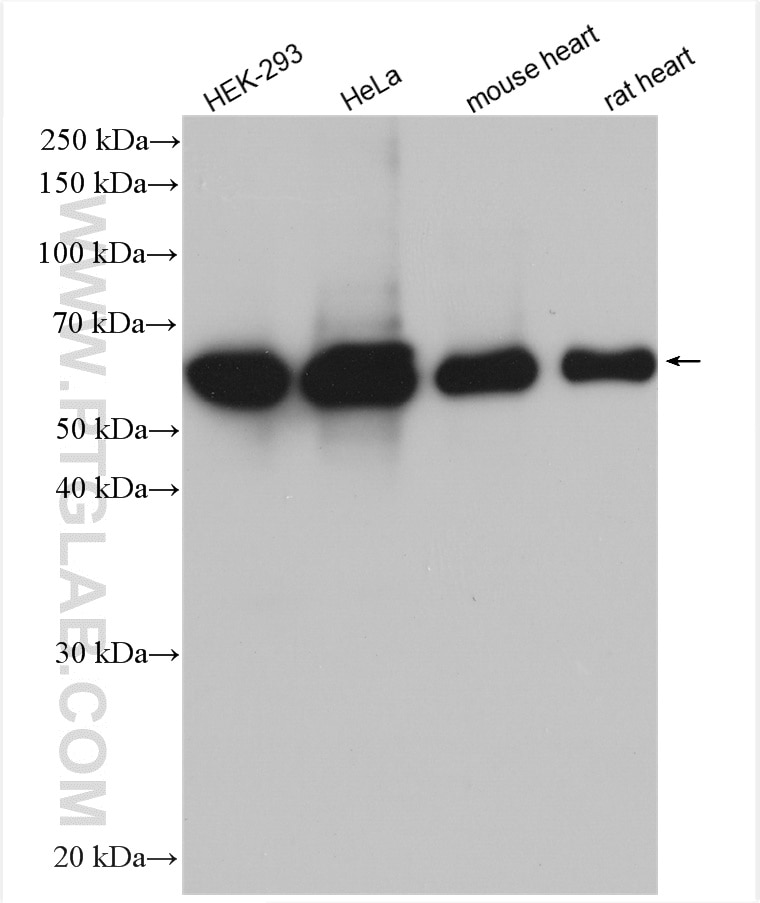
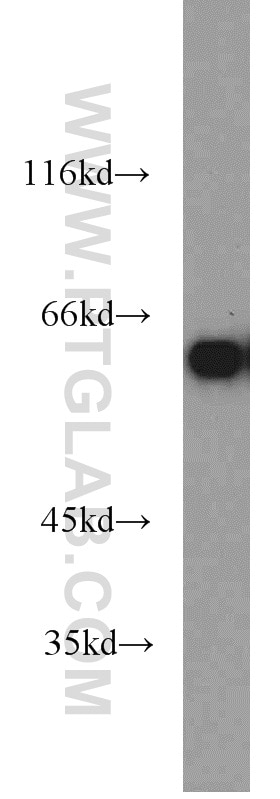
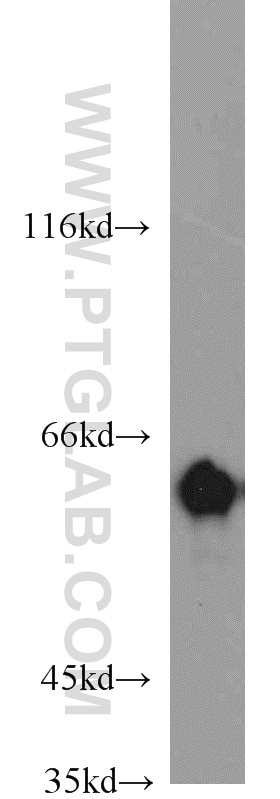
| Positive WB detected in | HEK-293 cells, HepG2 cells, NIH/3T3 cells, HeLa, mouse heart, rat heart |
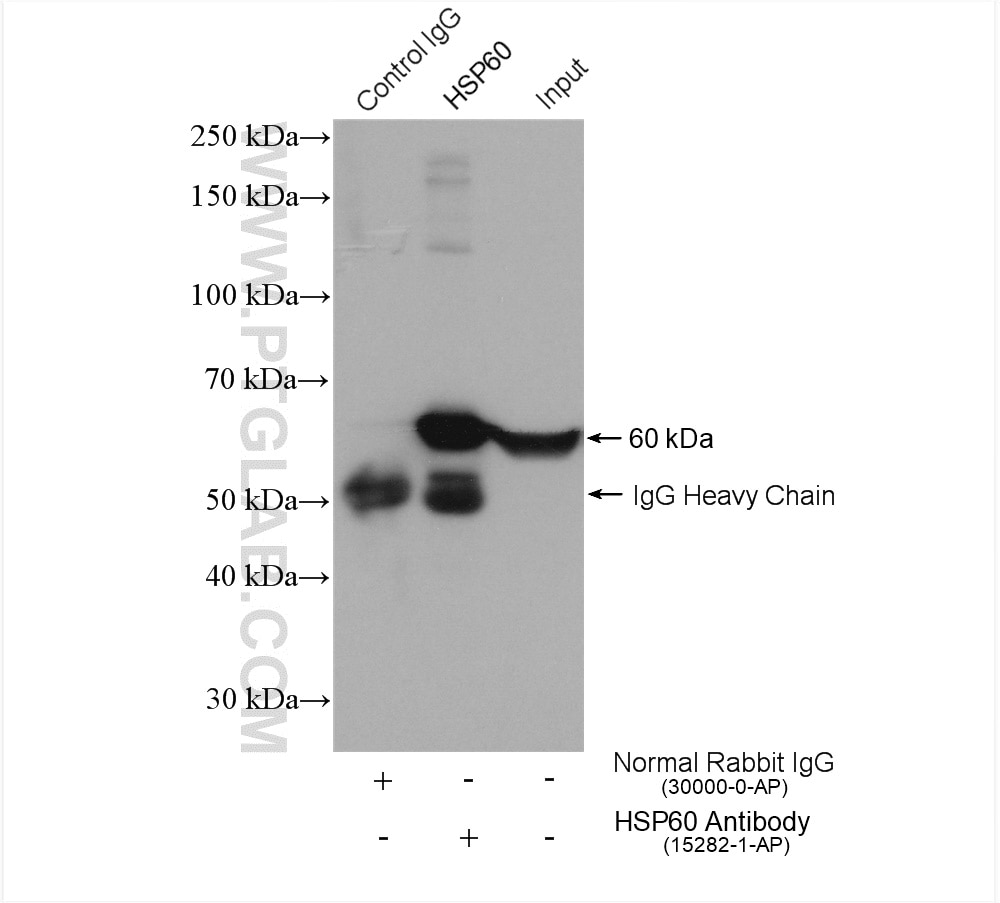
| Positive IP detected in | HEK-293 cells |
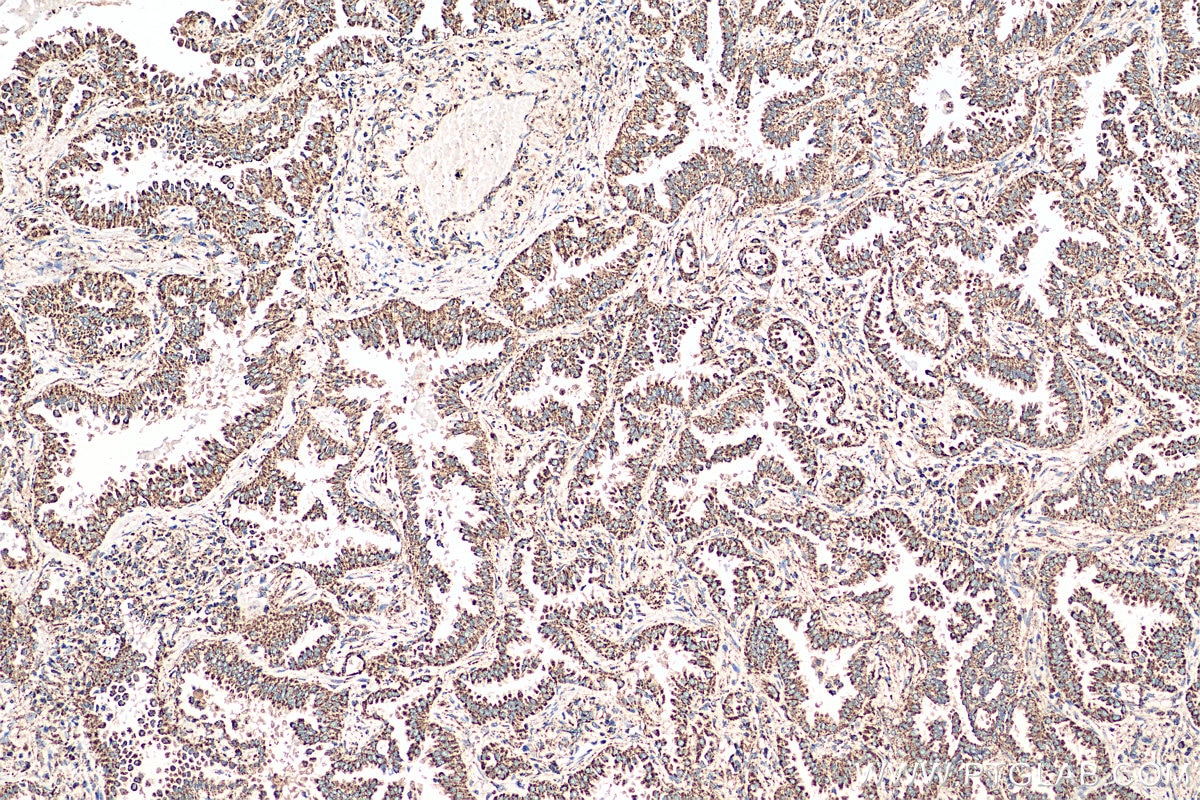
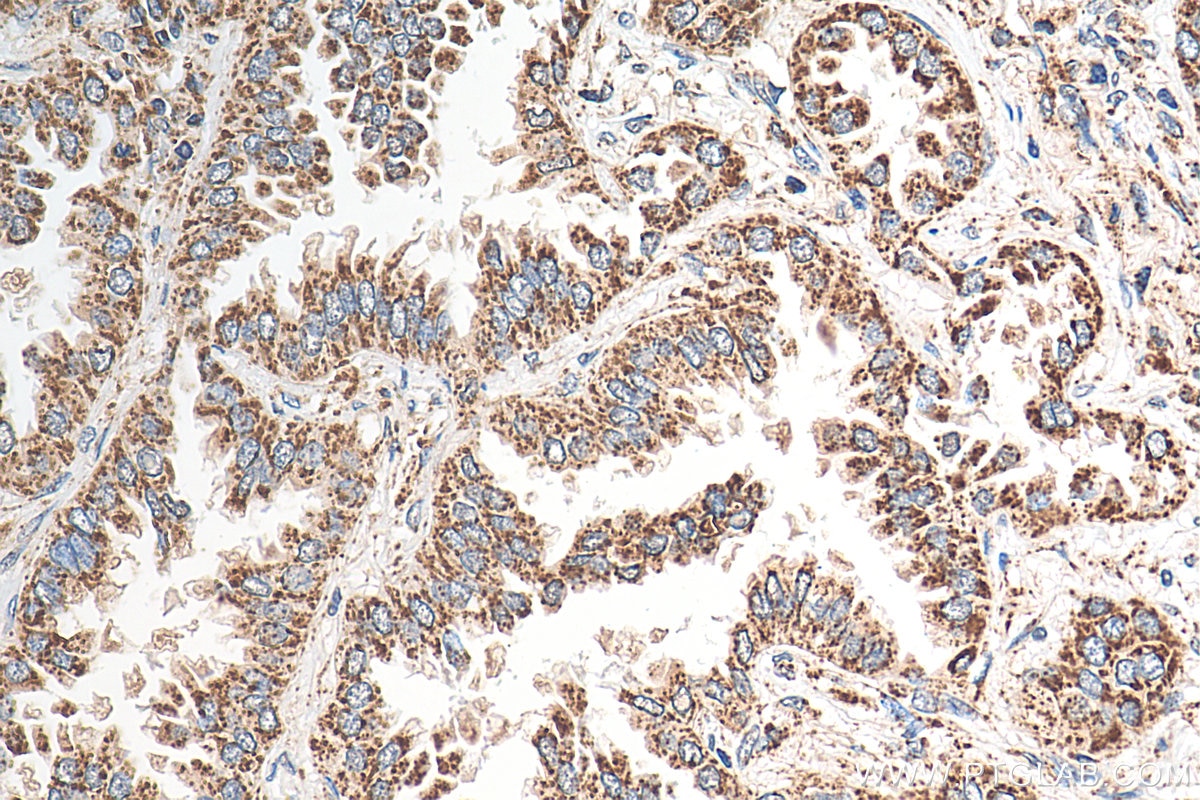
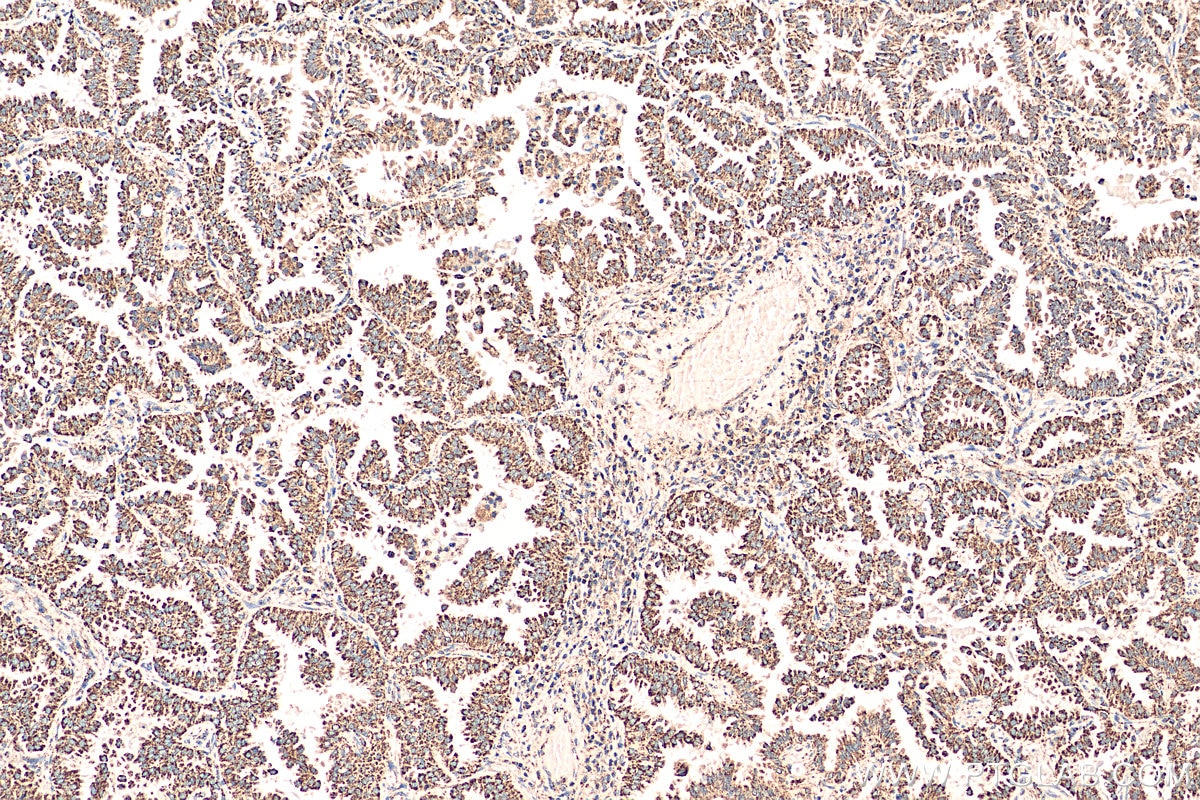
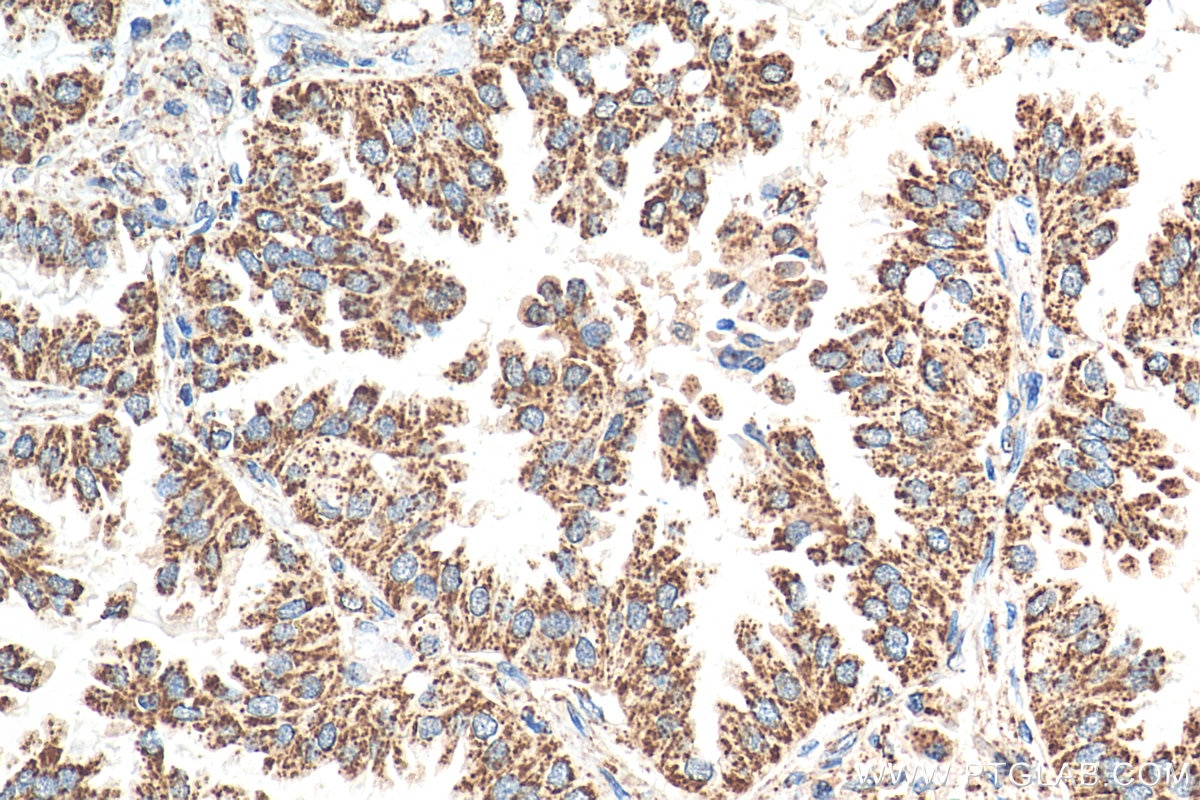
| Positive IHC detected in | human lung cancer tissue Note: suggested antigen retrieval with TE buffer pH 9.0; (*) Alternatively, antigen retrieval may be performed with citrate buffer pH 6.0 |
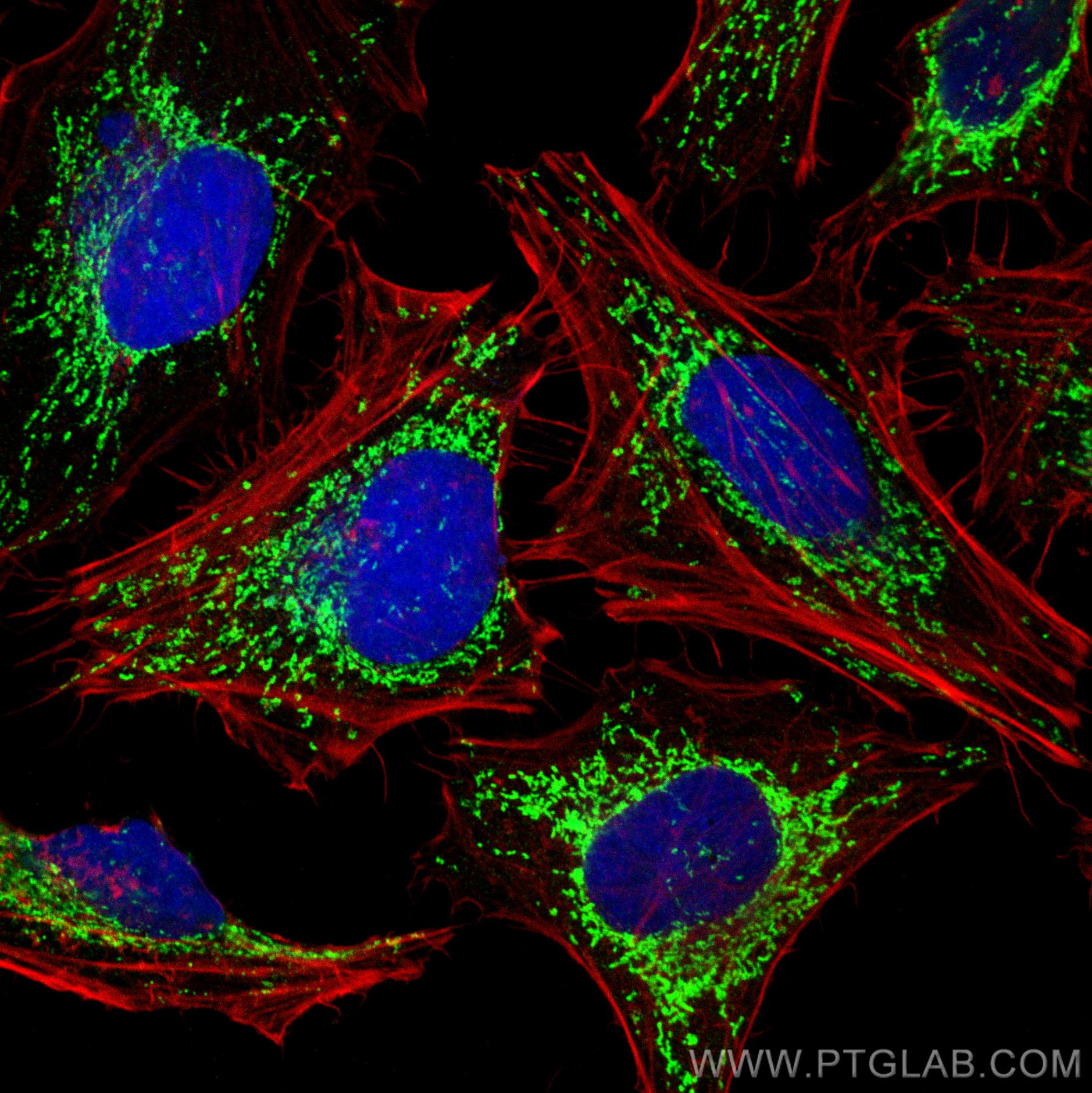
| Positive IF/ICC detected in | HeLa cells |
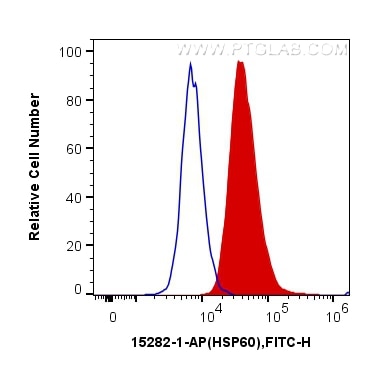
| Positive FC (Intra) detected in | HepG2 cells |
Recommended dilution
| Application | Dilution |
|---|---|
| Western Blot (WB) | WB : 1:2000-1:16000 |
| Immunoprecipitation (IP) | IP : 0.5-4.0 ug for 1.0-3.0 mg of total protein lysate |
| Immunohistochemistry (IHC) | IHC : 1:50-1:500 |
| Immunofluorescence (IF)/ICC | IF/ICC : 1:50-1:500 |
| Flow Cytometry (FC) (INTRA) | FC (INTRA) : 0.40 ug per 10^6 cells in a 100 µl suspension |
| It is recommended that this reagent should be titrated in each testing system to obtain optimal results. | |
| Sample-dependent, Check data in validation data gallery. | |
Product Information
15282-1-AP targets HSP60 in WB, IHC, IF/ICC, FC (Intra), IP, CoIP, ELISA applications and shows reactivity with human, mouse, rat samples.
| Tested Reactivity | human, mouse, rat |
| Cited Reactivity | human, mouse, pig, rabbit, chicken, bovine, goat, fish, duck |
| Host / Isotype | Rabbit / IgG |
| Class | Polyclonal |
| Type | Antibody |
| Immunogen |
CatNo: Ag7401 Product name: Recombinant human HSPD1 protein Source: e coli.-derived, PGEX-4T Tag: GST Domain: 225-573 aa of BC003030 Sequence: SPYFINTSKGQKCEFQDAYVLLSEKKISSIQSIVPALEIANAHRKPLVIIAEDVDGEALSTLVLNRLKVGLQVVAVKAPGFGDNRKNQLKDMAIATGGAVFGEEGLTLNLEDVQPHDLGKVGEVIVTKDDAMLLKGKGDKAQIEKRIQEIIEQLDVTTSEYEKEKLNERLAKLSDGVAVLKVGGTSDVEVNEKKDRVTDALNATRAAVEEGIVLGGGCALLRCIPALDSLTPANEDQKIGIEIIKRTLKIPAMTIAKNAGVEGSLIVEKIMQSSSEVGYDAMAGDFVNMVEKGIIDPTKVVRTALLDAAGVASLLTTAEVVVTEIPKEEKDPGMGAMGGMGGGMGGGMF Predict reactive species |
| Full Name | heat shock 60kDa protein 1 (chaperonin) |
| Calculated Molecular Weight | 61 kDa |
| Observed Molecular Weight | 60 kDa |
| GenBank Accession Number | BC003030 |
| Gene Symbol | HSP60 |
| Gene ID (NCBI) | 3329 |
| RRID | AB_2121440 |
| Conjugate | Unconjugated |
| Form | Liquid |
| Purification Method | Antigen affinity purification |
| UNIPROT ID | P10809 |
| Storage Buffer | PBS with 0.02% sodium azide and 50% glycerol, pH 7.3. |
| Storage Conditions | Store at -20°C. Stable for one year after shipment. Aliquoting is unnecessary for -20oC storage. 20ul sizes contain 0.1% BSA. |
Background Information
HSPD1, also known as HSP60, belongs to the chaperonin family and acts as a chaperone to enhance cell survival under physiological stresses. Hsp60 has been shown to be connected with many aspects of cell functions such as protein folding and assembling of polypeptide chains in mitochondria. Recently it has been reported that HSP60 is associated with apoptosis or inhibition of cancer cell growth. (21822415)
Protocols
| Product Specific Protocols | |
|---|---|
| IF protocol for HSP60 antibody 15282-1-AP | Download protocol |
| IHC protocol for HSP60 antibody 15282-1-AP | Download protocol |
| IP protocol for HSP60 antibody 15282-1-AP | Download protocol |
| WB protocol for HSP60 antibody 15282-1-AP | Download protocol |
| Standard Protocols | |
|---|---|
| Click here to view our Standard Protocols |
Publications
What published studies show
Anti-HSPD1 (HSP60) antibody, catalog number 15282-1-AP, has accumulated 219 citations across high-impact journals including Cell, Nature Neuroscience, Nature Communications, Science Advances, Cancer Research, Autophagy, Cell Death & Disease, Theranostics, Current Biology, and Journal of Biological Chemistry. Research fields span mitochondrial biology, mitophagy, the mitochondrial unfolded protein response (UPRmt), cancer biology, neurodegeneration, cardiometabolic disease, inflammation, ferroptosis, apoptosis, immunology, proteomics, toxicology, and veterinary medicine, reflecting its broad utility as a mitochondrial quality control marker.
| Species | Application | Title |
|---|---|---|
Signal Transduct Target Ther FGF1ΔHBS prevents diabetic cardiomyopathy by maintaining mitochondrial homeostasis and reducing oxidative stress via AMPK/Nur77 suppression. | ||
Cell Metab Pyruvate metabolism enzyme DLAT promotes tumorigenesis by suppressing leucine catabolism | ||
Nat Metab The aldolase inhibitor aldometanib mimics glucose starvation to activate lysosomal AMPK | ||
Cell Mol Immunol Fusobacterium nucleatum-induced mitophagy in macrophages supports intracellular bacterial persistence and promotes esophageal squamous cell carcinoma metastasis. | ||
Nat Cell Biol A programmed decline in ribosome levels governs human early neurodevelopment |
Reviews
What customers say
All five reviews are 5-star ratings. Users consistently report that the antibody performs well across multiple applications including Western blot, immunofluorescence, immunohistochemistry, immunoprecipitation, cell culture, and protein purification. One reviewer highlighted strong, specific signal with minimal background and expressed satisfaction with the overall quality and reliability. Another confirmed good performance at a 1:2000 dilution in Beas 2B cells. Overall, customers find the antibody effective, reliable, and suitable for diverse experimental needs.
The reviews below have been submitted by verified Proteintech customers who received an incentive for providing their feedback.
Danyan (Verified Customer) (11-06-2025) | I used this antibody for Western blot and immunofluorescence, and it performed very well. The signal was strong and specific, with minimal background. I’m very satisfied with the quality and reliability of Proteintech antibodies.
|
SONAL (Verified Customer) (10-29-2025) | works good
|
SONAL (Verified Customer) (10-29-2025) | works good
|
Danyan (Verified Customer) (09-04-2025) | it works well
|
SONAL (Verified Customer) (09-02-2025) | GOOD
|











