

Tested Applications
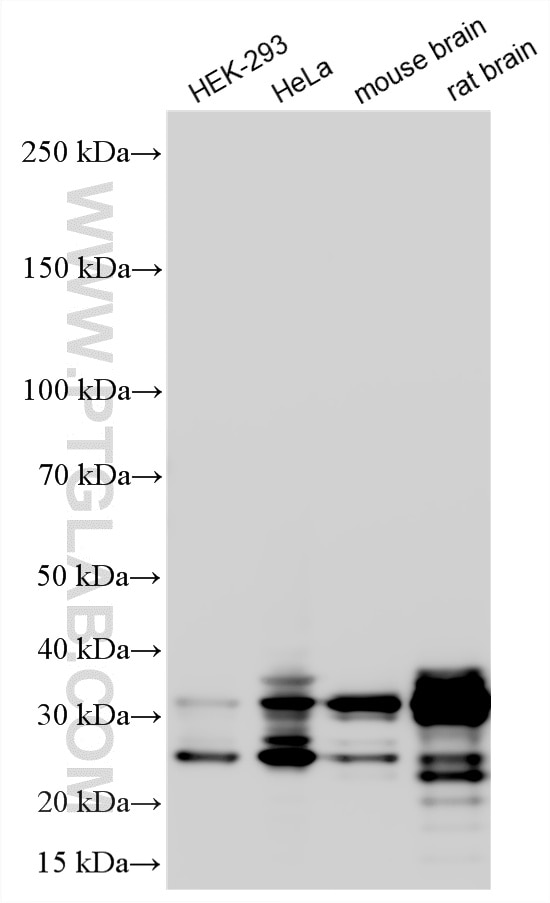
| Positive WB detected in | HEK-293 cells, HeLa cells, mouse brain tissue, rat brain tissue |
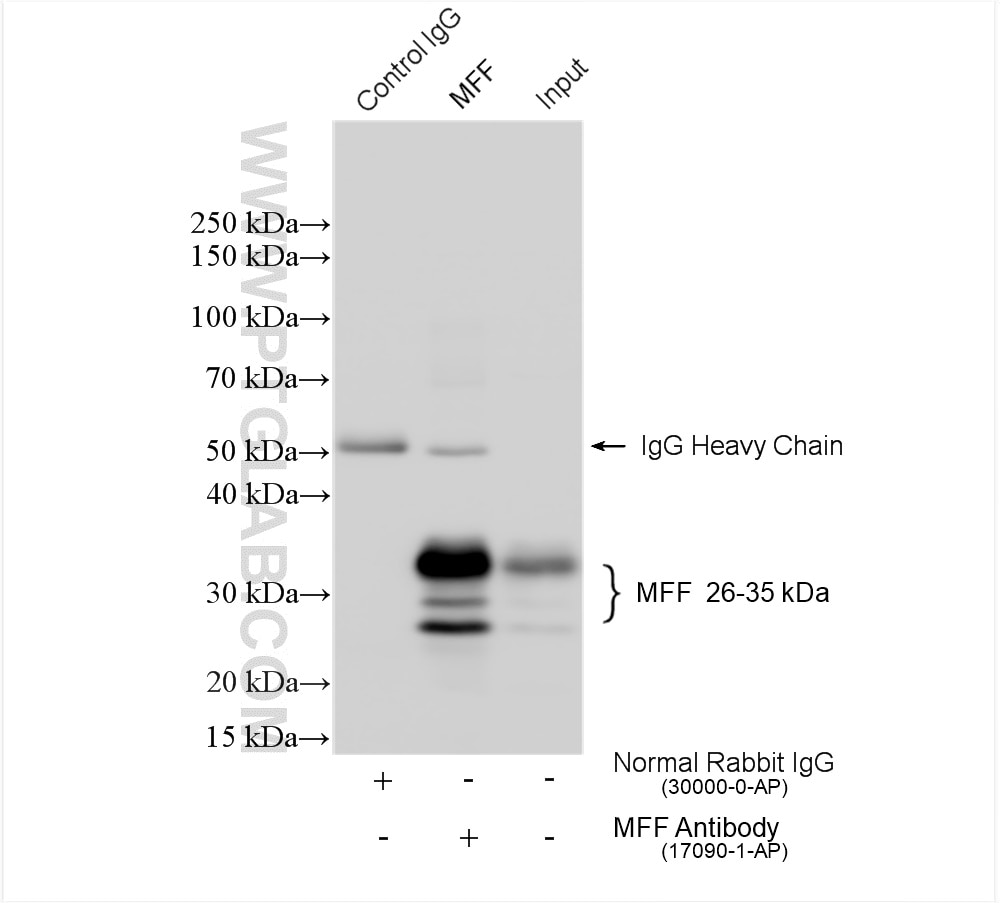
| Positive IP detected in | mouse brain tissue |
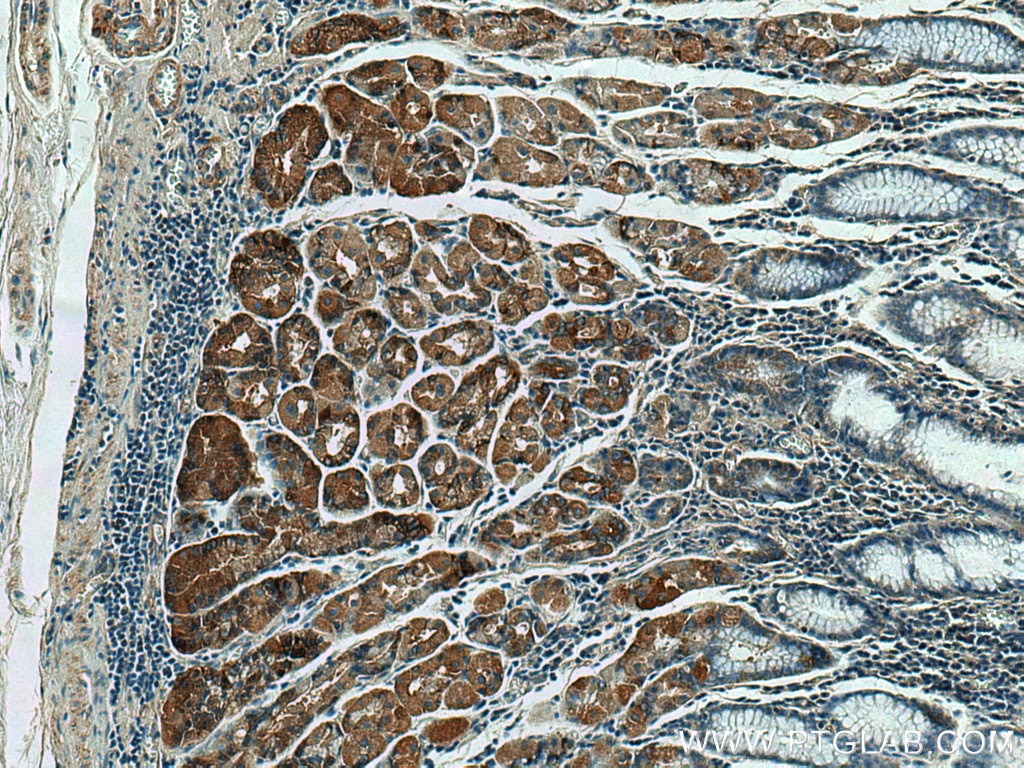
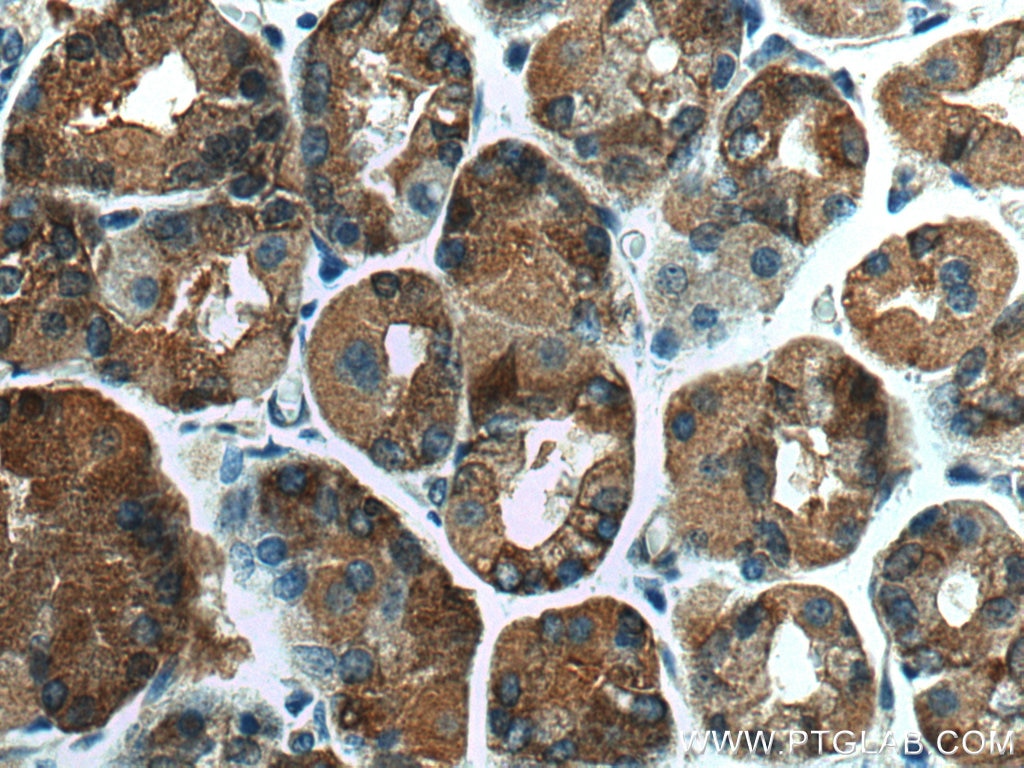
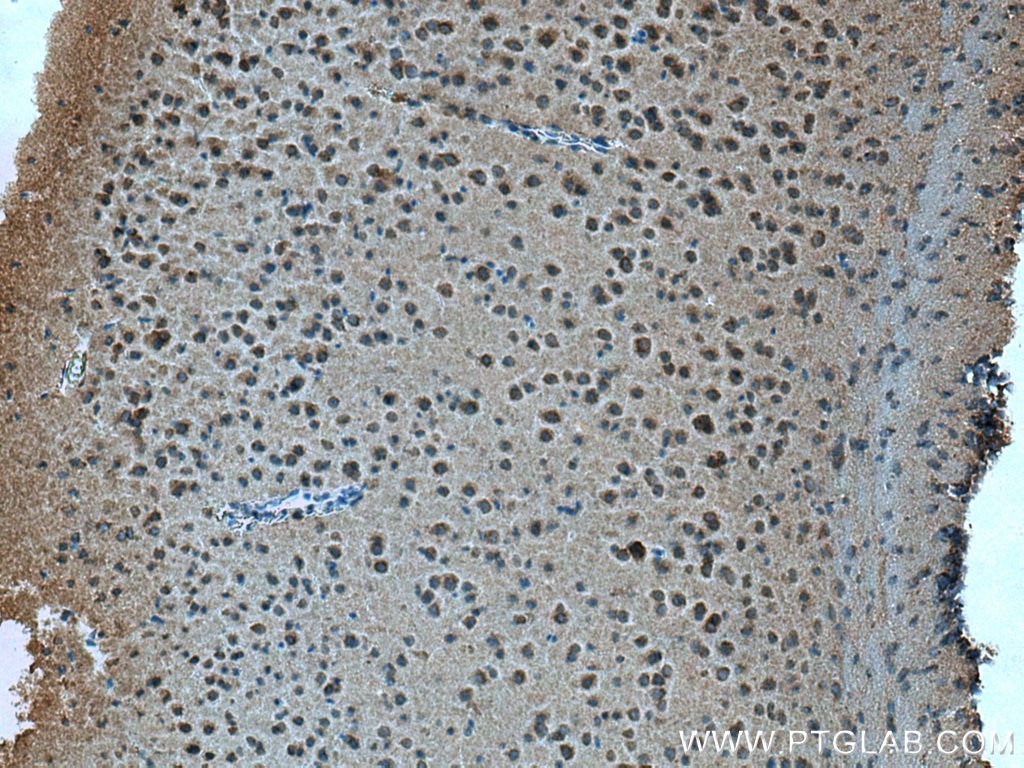
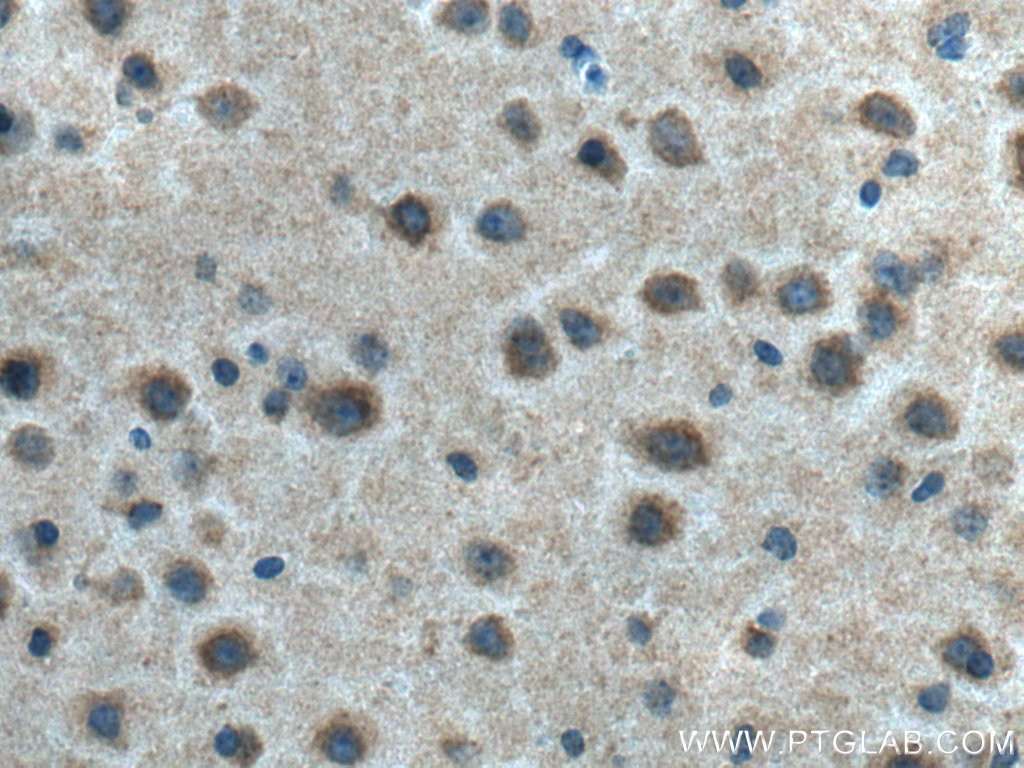
| Positive IHC detected in | human stomach tissue, mouse brain tissue Note: suggested antigen retrieval with TE buffer pH 9.0; (*) Alternatively, antigen retrieval may be performed with citrate buffer pH 6.0 |
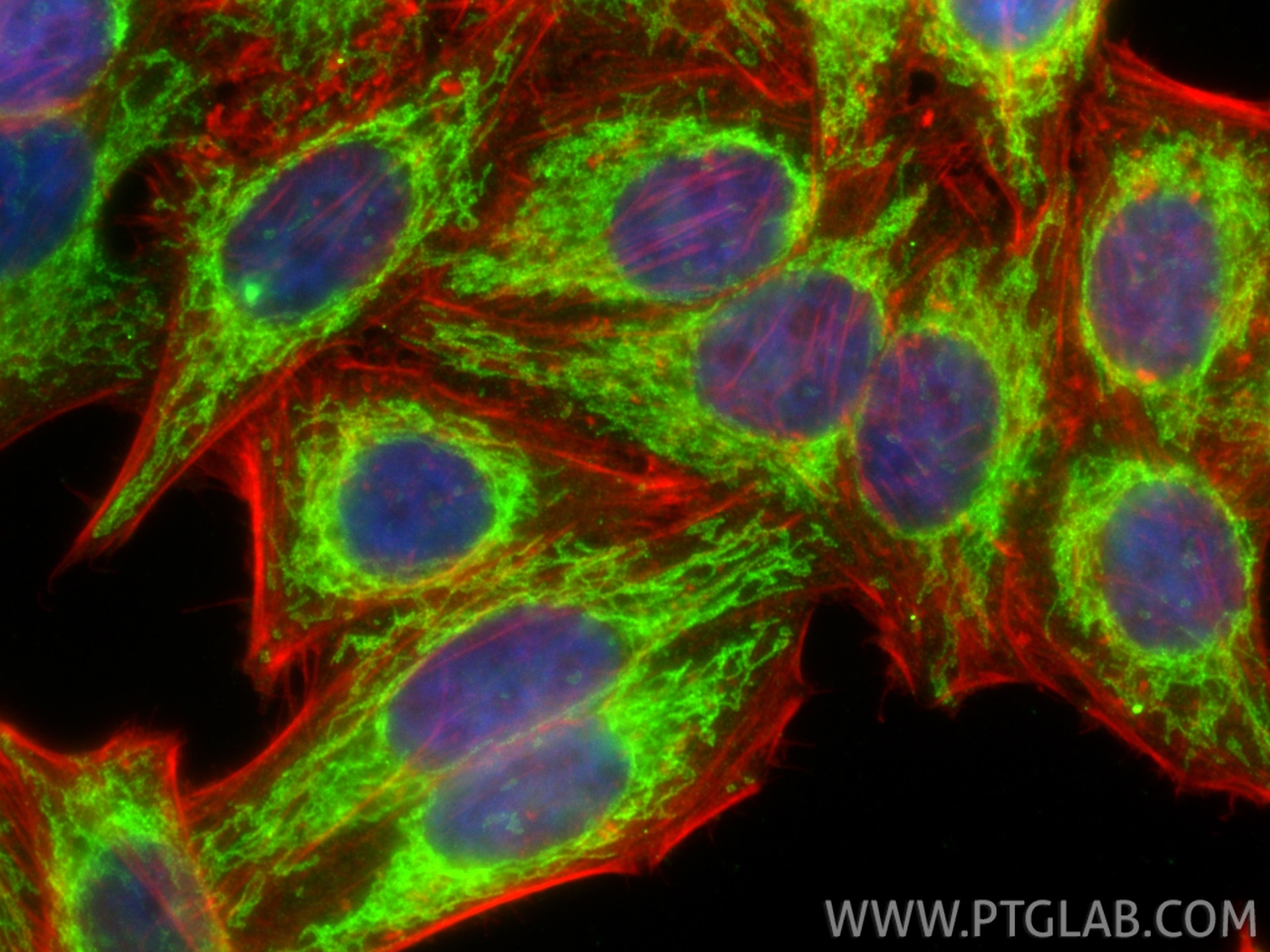
| Positive IF/ICC detected in | HepG2 cells |
Recommended dilution
| Application | Dilution |
|---|---|
| Western Blot (WB) | WB : 1:5000-1:50000 |
| Immunoprecipitation (IP) | IP : 0.5-4.0 ug for 1.0-3.0 mg of total protein lysate |
| Immunohistochemistry (IHC) | IHC : 1:500-1:2000 |
| Immunofluorescence (IF)/ICC | IF/ICC : 1:200-1:800 |
| It is recommended that this reagent should be titrated in each testing system to obtain optimal results. | |
| Sample-dependent, Check data in validation data gallery. | |
Product Information
17090-1-AP targets MFF in WB, IHC, IF/ICC, IP, ELISA applications and shows reactivity with human, mouse, rat samples.
| Tested Reactivity | human, mouse, rat |
| Cited Reactivity | human, mouse, rat, pig, monkey, hamster, goat, squirrel |
| Host / Isotype | Rabbit / IgG |
| Class | Polyclonal |
| Type | Antibody |
| Immunogen |
CatNo: Ag9990 Product name: Recombinant human MFF protein Source: e coli.-derived, PGEX-4T Tag: GST Domain: 1-238 aa of BC000797 Sequence: MAEISRIQYEMEYTEGISQRMRVPEKLKVAPPNADLEQGFQEGVPNASVIMQVPERIVVAGNNEDVSFSRPADLDLIQSTPFKPLALKTPPRVLTLSERPLDFLDLERPPTTPQNEEIRAVGRLKRERSMSENAVRQNGQLVRNDSLPVLRGGSAAATSNPHHDNVRYGISNIDTTIEGTSDDLTVVDAASLRRQIIKLNRRLQLLEEENKERAKREMVMYSITVAFWLLNSWLWFRR Predict reactive species |
| Full Name | mitochondrial fission factor |
| Calculated Molecular Weight | 38 kDa |
| Observed Molecular Weight | 27-38 kDa |
| GenBank Accession Number | BC000797 |
| Gene Symbol | MFF |
| Gene ID (NCBI) | 56947 |
| RRID | AB_2142463 |
| Conjugate | Unconjugated |
| Form | Liquid |
| Purification Method | Antigen affinity purification |
| UNIPROT ID | Q9GZY8 |
| Storage Buffer | PBS with 0.02% sodium azide and 50% glycerol, pH 7.3. |
| Storage Conditions | Store at -20°C. Stable for one year after shipment. Aliquoting is unnecessary for -20oC storage. 20ul sizes contain 0.1% BSA. |
Background Information
Mitochondrial Fission Factor (MFF) is a critical regulator of organelle division, specifically playing a central role in the fission of mitochondria and peroxisomes. DRP1, MiD, and MFF form a trimeric complex in which MiD proteins facilitate the MFF-DRP1 interaction. Moreover, MiD51 can inhibit MFF-induced activation of DRP1 GTPase activity. Multiple isoforms of MFF exist due to the alternative splicing. This antibody recognizes the endogenous MFF protein around 26-29 kDa and 35-38 kDa.(PMID: 39365854, PMID: 37291333)
Protocols
| Product Specific Protocols | |
|---|---|
| IF protocol for MFF antibody 17090-1-AP | Download protocol |
| IHC protocol for MFF antibody 17090-1-AP | Download protocol |
| IP protocol for MFF antibody 17090-1-AP | Download protocol |
| WB protocol for MFF antibody 17090-1-AP | Download protocol |
| Standard Protocols | |
|---|---|
| Click here to view our Standard Protocols |
Publications
What published studies show
The MFF Polyclonal antibody (Cat# 17090-1-AP) has accumulated 242 citations across high-impact journals including Nature, Science, Cell, Nature Cell Biology, Nature Communications, Cell Death & Differentiation, Autophagy, and Free Radical Biology and Medicine. Research fields span mitochondrial fission and dynamics, mitophagy, neurodegeneration (Alzheimer's, Parkinson's), cancer, cardiovascular disease, metabolic disorders, aging, and oxidative stress. Cited applications include WB, IHC, IF, and IP across human, mouse, rat, and other species.
| Species | Application | Title |
|---|---|---|
Signal Transduct Target Ther Targeting CRL4 suppresses chemoresistant ovarian cancer growth by inducing mitophagy | ||
Science Golgi-derived PI(4)P-containing vesicles drive late steps of mitochondrial division. | ||
Cell CerS6-Derived Sphingolipids Interact with Mff and Promote Mitochondrial Fragmentation in Obesity. |
Reviews
What customers say
Overall, reviewers rate this antibody favorably for Western Blot and Immunoprecipitation. One user found it performed well at 1:200 for WB. Another noted strong IP performance at 1:1,000 but observed some non-specific bands in WB. A third user, testing across multiple cancer cell lines at 1:3,000, highlighted its high titer and specificity, stating it outperformed other antibodies they tried for the same target. The consensus is that the antibody works reliably for IP and WB, with occasional non-specific signals in blotting at lower dilutions.
The reviews below have been submitted by verified Proteintech customers who received an incentive for providing their feedback.
Parmita (Verified Customer) (07-23-2025) | working very good
|
Chun (Verified Customer) (09-07-2020) | This antibody is good for IP, and there are non-specific band(s) detected when it is used for immunoblotting.
|
JAE HO (Verified Customer) (04-22-2019) | I used couple of antibodies for MFF proteins. Only this antibody was working nicely. I satisfied its higher titer and specificity. I have tested and used this antibody for WB and IP.
|








