
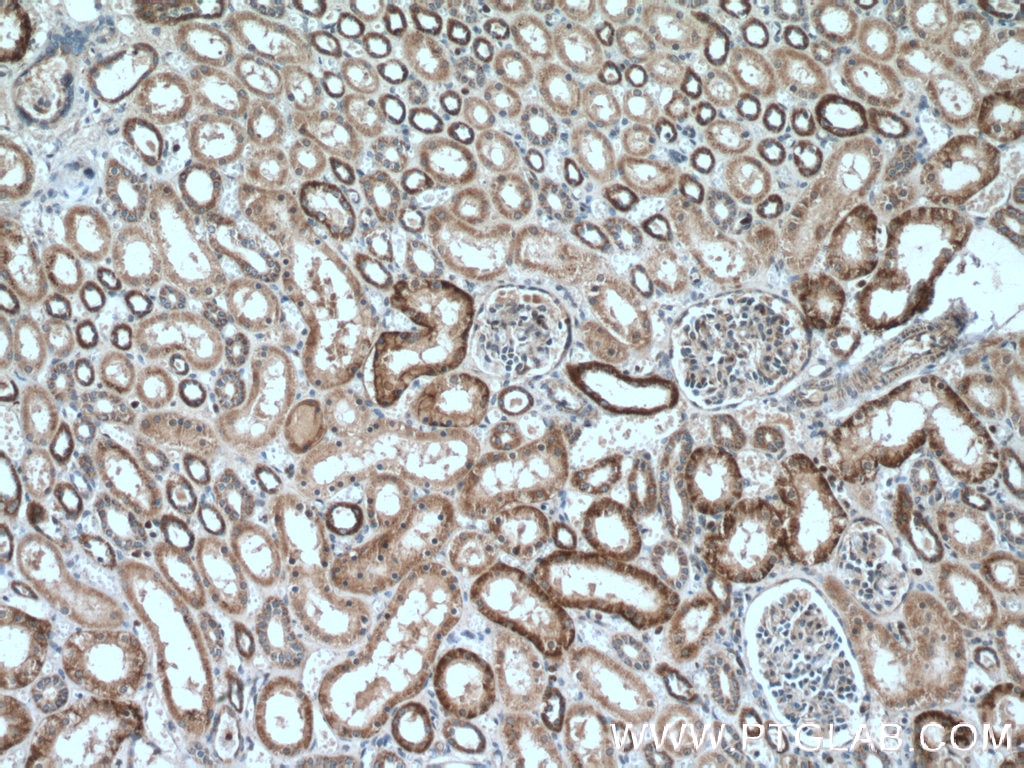
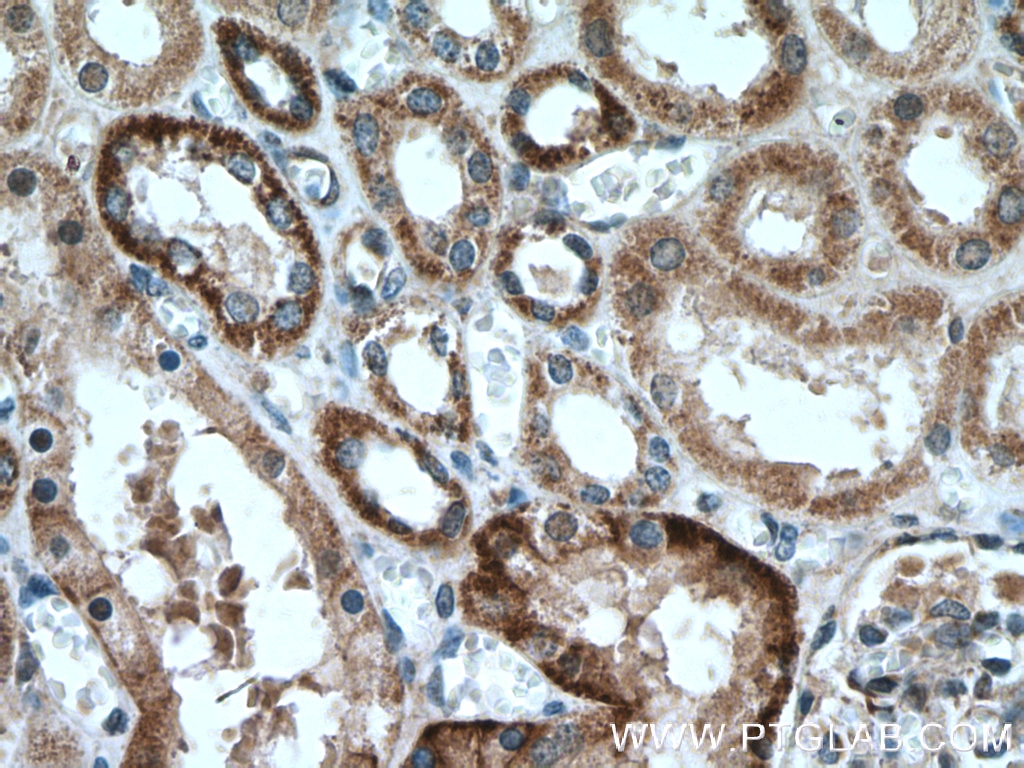
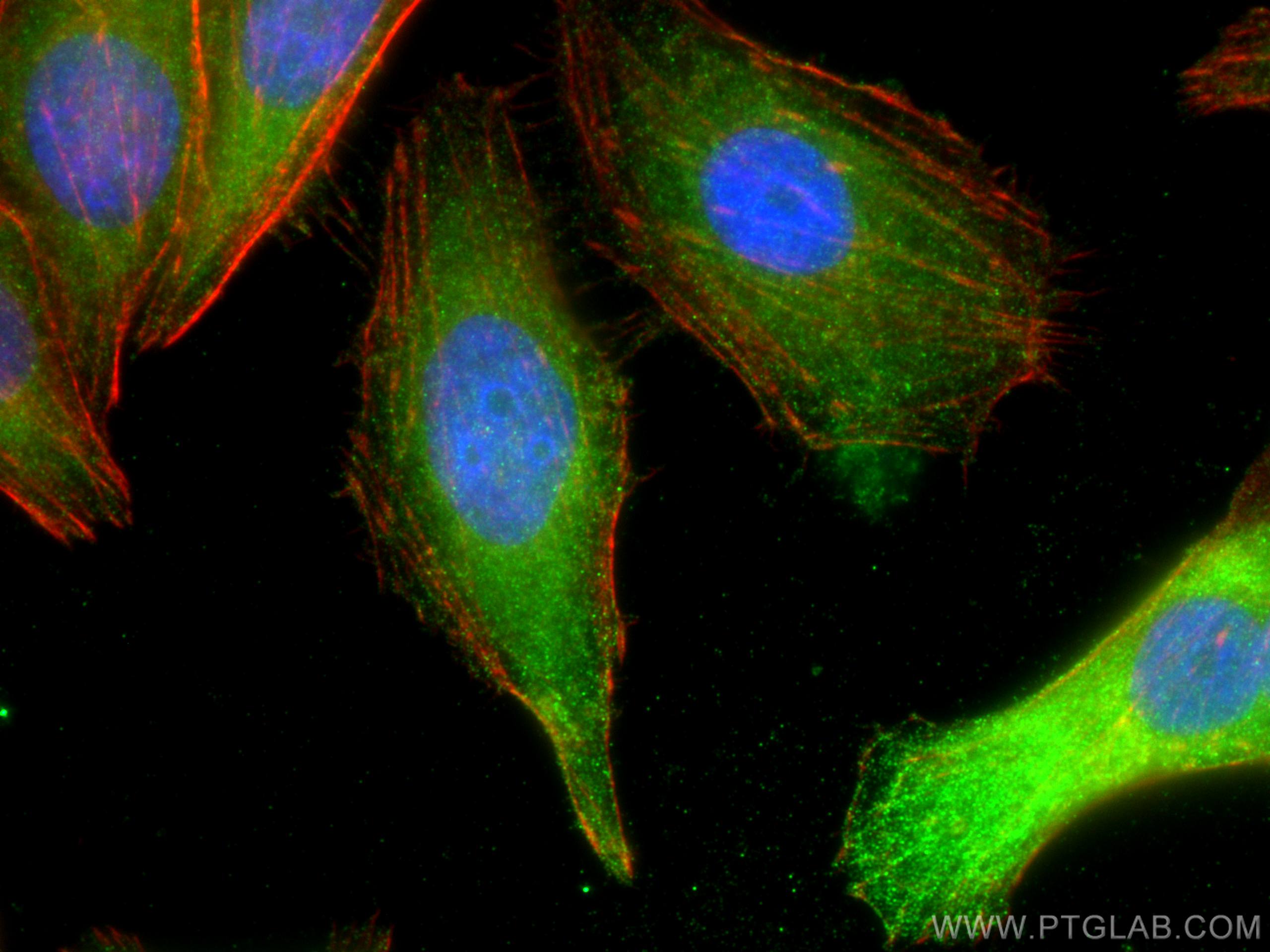

Tested Applications
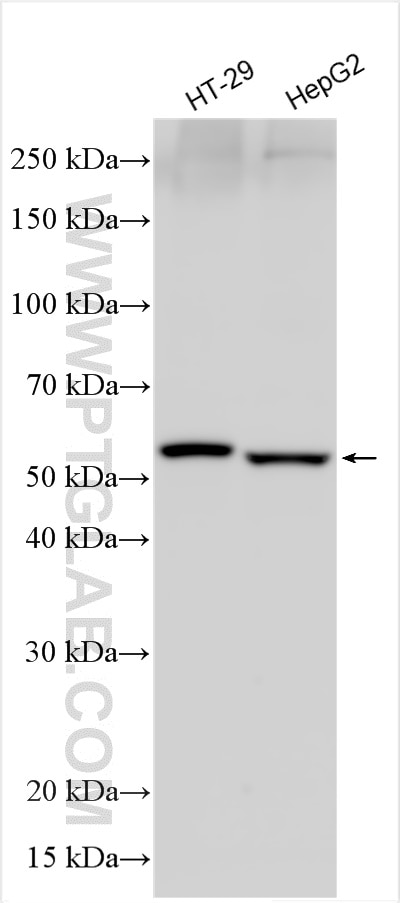
| Positive WB detected in | HT-29 cells, HepG2 cells |
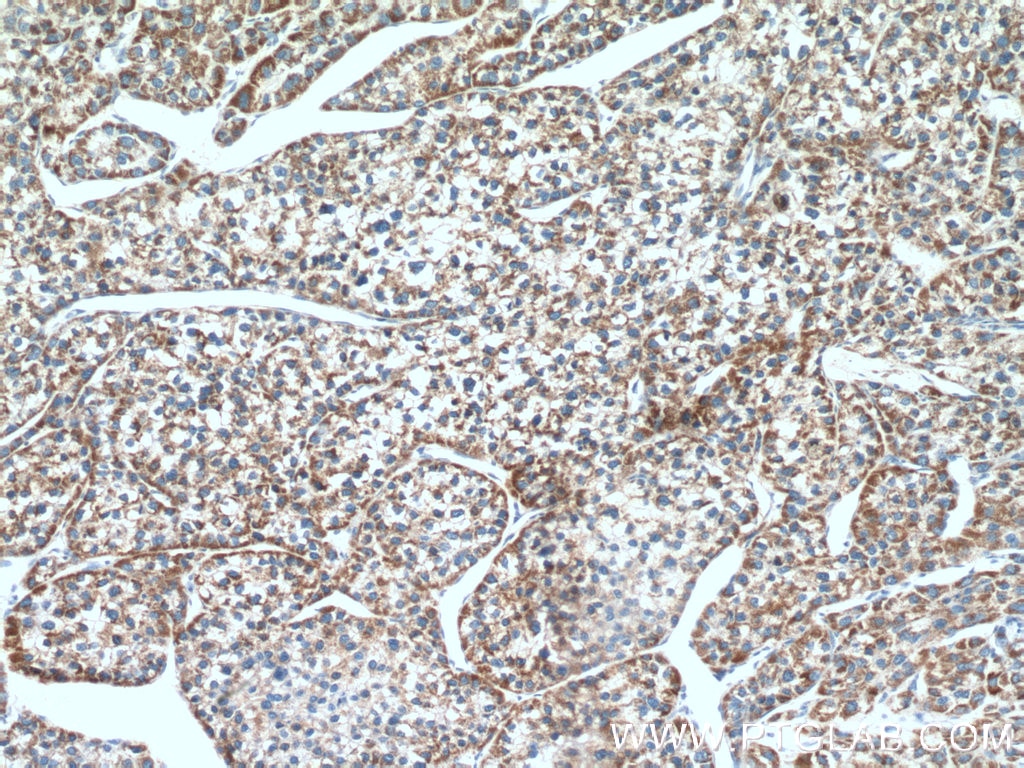
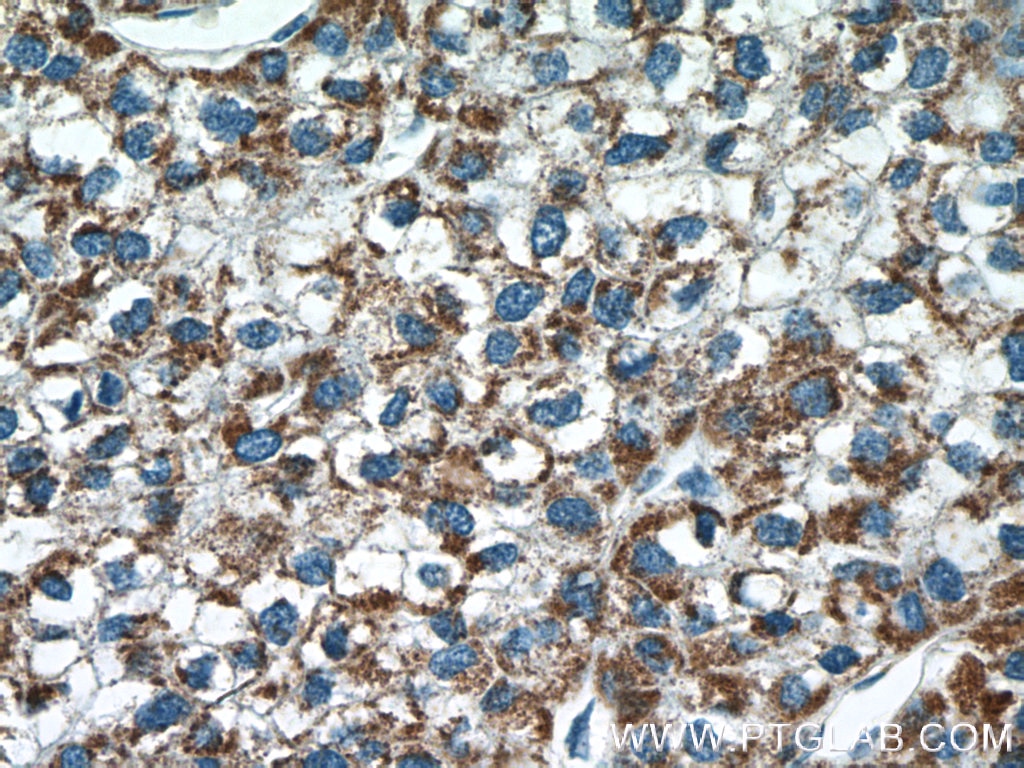
| Positive IHC detected in | human liver cancer tissue, human kidney tissue Note: suggested antigen retrieval with TE buffer pH 9.0; (*) Alternatively, antigen retrieval may be performed with citrate buffer pH 6.0 |
| Positive IF/ICC detected in | HepG2 cells |
Recommended dilution
| Application | Dilution |
|---|---|
| Western Blot (WB) | WB : 1:500-1:3000 |
| Immunohistochemistry (IHC) | IHC : 1:50-1:500 |
| Immunofluorescence (IF)/ICC | IF/ICC : 1:50-1:500 |
| It is recommended that this reagent should be titrated in each testing system to obtain optimal results. | |
| Sample-dependent, Check data in validation data gallery. | |
Product Information
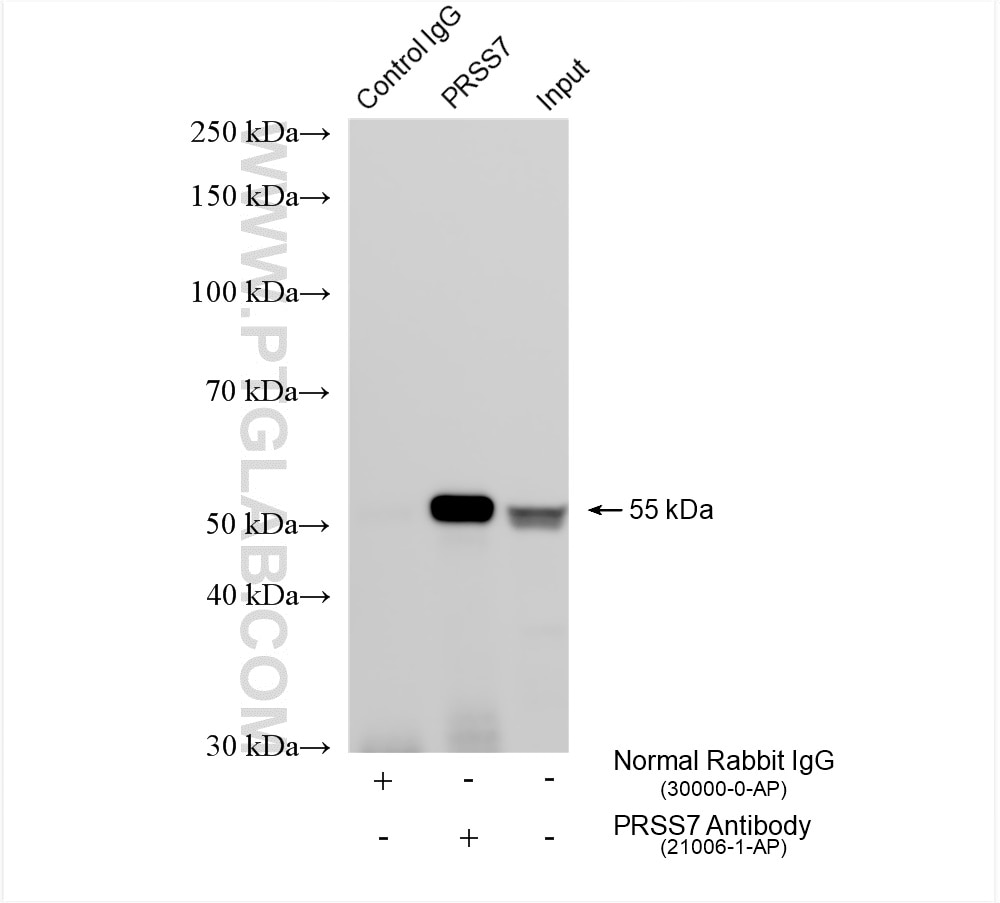
21066-1-AP targets MLKL in WB, IHC, IF/ICC, IP, CoIP, ELISA applications and shows reactivity with human samples.
| Tested Reactivity | human |
| Cited Reactivity | human, rat, pig, chicken, bovine |
| Host / Isotype | Rabbit / IgG |
| Class | Polyclonal |
| Type | Antibody |
| Immunogen |
CatNo: Ag15188 Product name: Recombinant human MLKL protein Source: e coli.-derived, PGEX-4T Tag: GST Domain: 1-263 aa of BC028141 Sequence: MENLKHIITLGQVIHKRCEEMKYCKKQCRRLGHRVLGLIKPLEMLQDQGKRSVPSEKLTTAMNRFKAALEEANGEIEKFSNRSNICRFLTASQDKILFKDVNRKLSDVWKELSLLLQVEQRMPVSPISQGASWAQEDQQDADEDRRAFQMLRRDNEKIEASLRRLEINMKEIKETLRQSLESSSGKSPLEISRFKVKNVKTGSASGCNSEKIRKLVAVKRQQEPLGEDCPSELREIIDECRAHDPSVRPSVDEILKKLSTFSK Predict reactive species |
| Full Name | mixed lineage kinase domain-like |
| Calculated Molecular Weight | 471 aa, 54 kDa |
| Observed Molecular Weight | 54 kDa |
| GenBank Accession Number | BC028141 |
| Gene Symbol | MLKL |
| Gene ID (NCBI) | 197259 |
| RRID | AB_2878804 |
| Conjugate | Unconjugated |
| Form | Liquid |
| Purification Method | Antigen affinity purification |
| UNIPROT ID | Q8NB16 |
| Storage Buffer | PBS with 0.02% sodium azide and 50% glycerol, pH 7.3. |
| Storage Conditions | Store at -20°C. Stable for one year after shipment. Aliquoting is unnecessary for -20oC storage. 20ul sizes contain 0.1% BSA. |
Background Information
Mixed lineage kinase domain like pseudokinase (MLKL), belongs to the protein kinase superfamily, has two MW of 54 and 30 kDa. MLKL plays a critical role in tumor necrosis factor (TNF)-induced necroptosis, a programmed cell death process, via interaction with receptor-interacting protein 3 (RIP3), which is a key signaling molecule in necroptosis pathway. High levels of this protein and RIP3 are associated with inflammatory bowel disease in children.
Protocols
| Product Specific Protocols | |
|---|---|
| IF protocol for MLKL antibody 21066-1-AP | Download protocol |
| IHC protocol for MLKL antibody 21066-1-AP | Download protocol |
| IP protocol for MLKL antibody 21066-1-AP | Download protocol |
| WB protocol for MLKL antibody 21066-1-AP | Download protocol |
| Standard Protocols | |
|---|---|
| Click here to view our Standard Protocols |
Publications
What published studies show
RIPK3 antibody (Cat# 21066-1-AP) has accumulated 102 citations across high-impact journals including Nature Cell Biology, Science Advances, Cell Host & Microbe, Cell Death & Differentiation, and Biomaterials. Research fields span programmed cell death (necroptosis, PANoptosis, ferroptosis), oncology, neurodegeneration, cardiovascular disease, liver injury, infectious diseases, and immunology. Applications are predominantly Western blot, with IHC, IF, IP, and CoIP also represented.
| Species | Application | Title |
|---|---|---|
Cell Host Microbe Toxoplasma gondii secreted effectors co-opt host repressor complexes to inhibit necroptosis.
| ||
J Adv Res PERK drives aflatoxin B1-induced chicken cellular senescence by promoting NLRP3-mediated PANoptosis. | ||
J Nanobiotechnology Ultrasound-responsive Bi2MoO6-MXene heterojunction as ferroptosis inducers for stimulating immunogenic cell death against ovarian cancer | ||
Microbiome Faecalibacterium prausnitzii-derived outer membrane vesicles reprogram gut microbiota metabolism to alleviate Porcine Epidemic Diarrhea Virus infection | ||
Theranostics Oxidative stress-mediated PANoptosis and ferroptosis: Exploration of multimodal cell death triggered by an AIE-active nano-photosensitizer via photodynamic therapy. |








