

Tested Applications
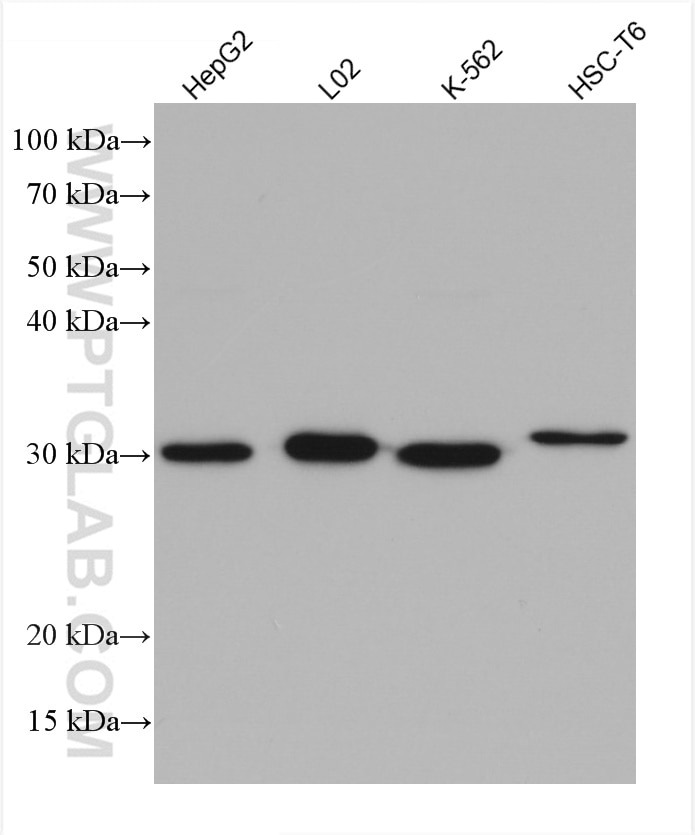
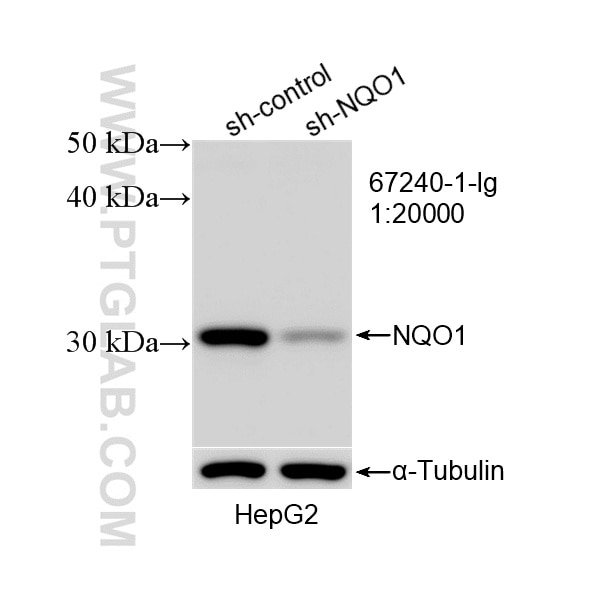
| Positive WB detected in | HepG2 cells, HSC-T6 cells, L02 cells, K-562 cells |
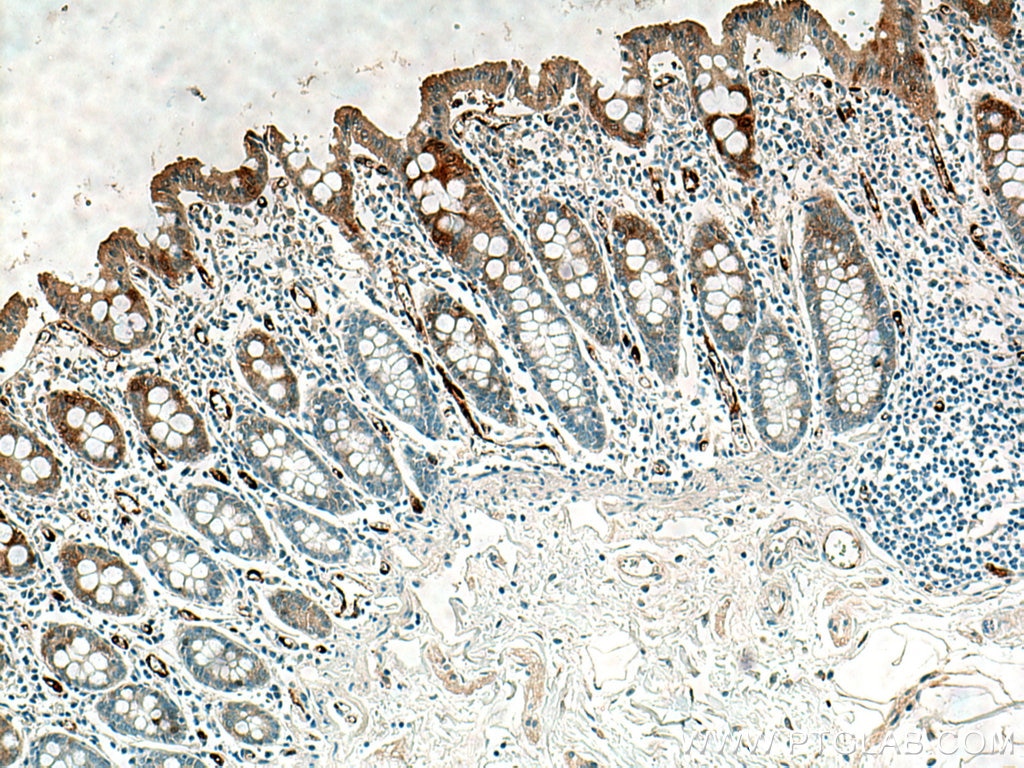
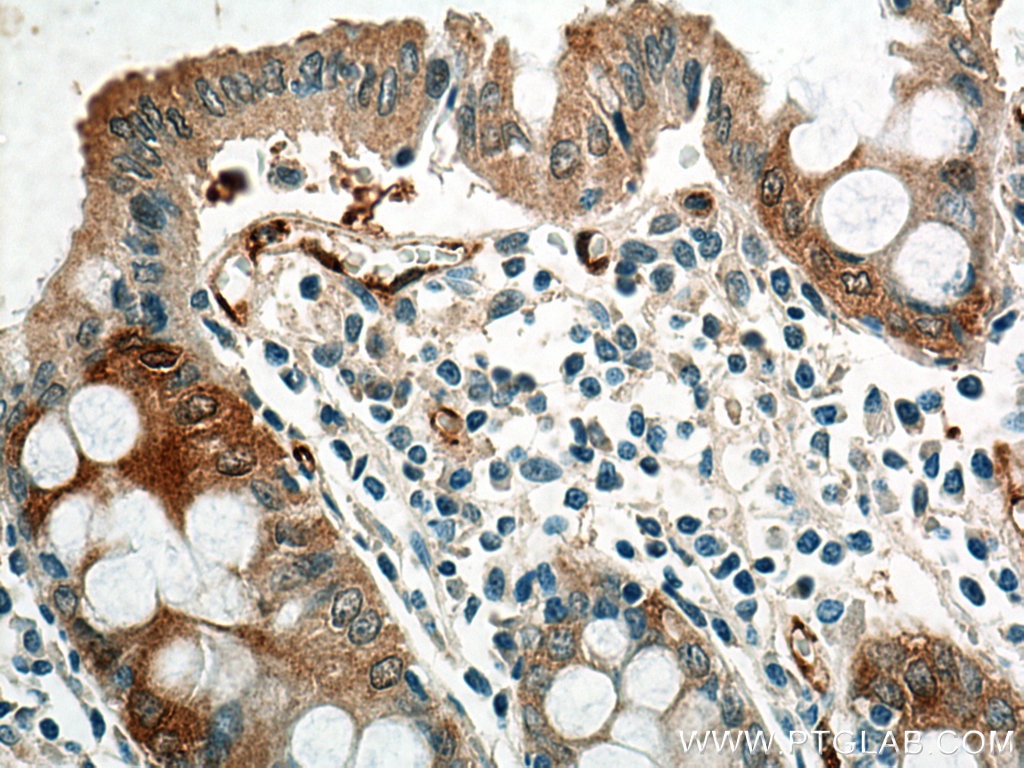
| Positive IHC detected in | human colon tissue Note: suggested antigen retrieval with TE buffer pH 9.0; (*) Alternatively, antigen retrieval may be performed with citrate buffer pH 6.0 |
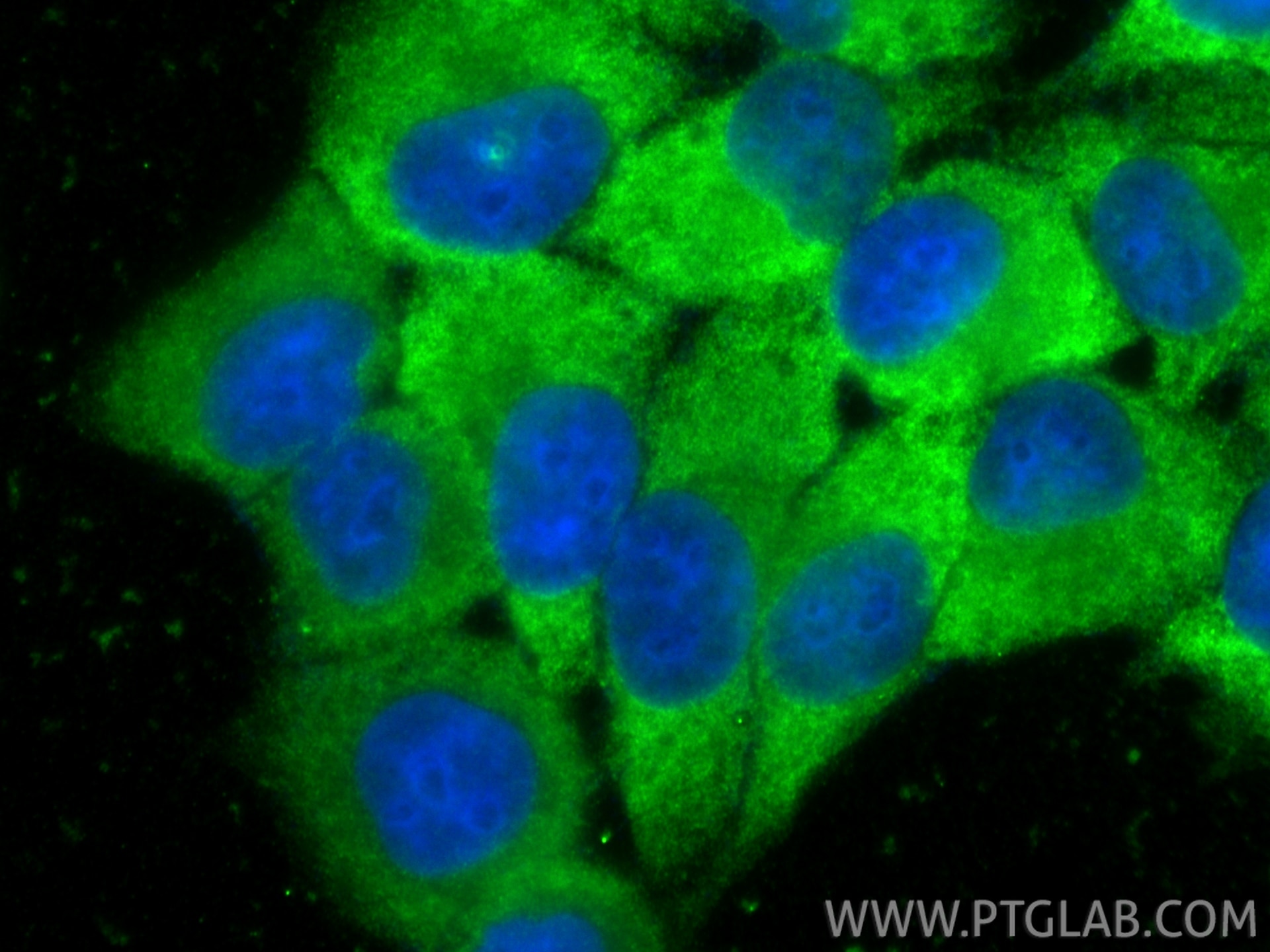
| Positive IF/ICC detected in | HepG2 cells |
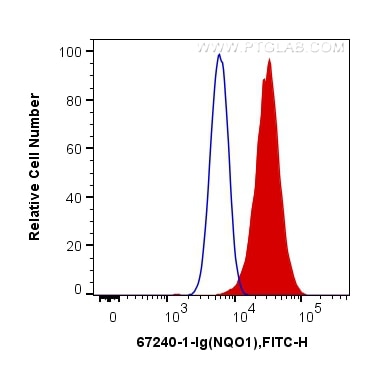
| Positive FC (Intra) detected in | MCF-7 cells |
Recommended dilution
| Application | Dilution |
|---|---|
| Western Blot (WB) | WB : 1:5000-1:50000 |
| Immunohistochemistry (IHC) | IHC : 1:2500-1:10000 |
| Immunofluorescence (IF)/ICC | IF/ICC : 1:400-1:1600 |
| Flow Cytometry (FC) (INTRA) | FC (INTRA) : 0.40 ug per 10^6 cells in a 100 µl suspension |
| It is recommended that this reagent should be titrated in each testing system to obtain optimal results. | |
| Sample-dependent, Check data in validation data gallery. | |
Product Information
67240-1-Ig targets NQO1 in WB, IHC, IF/ICC, FC (Intra), ELISA applications and shows reactivity with human, rat samples.
| Tested Reactivity | human, rat |
| Cited Reactivity | human, rat, pig |
| Host / Isotype | Mouse / IgG2a |
| Class | Monoclonal |
| Type | Antibody |
| Immunogen |
CatNo: Ag28933 Product name: Recombinant human NQO1 protein Source: e coli.-derived, PET28a Tag: 6*His Domain: 1-144 aa of BC007659 Sequence: MVGRRALIVLAHSERTSFNYAMKEAAAAALKKKGWEVVESDLYAMNFNPIISRKDITGKLKDPANFQYPAESVLAYKEGHLSPDIVAEQKKLEAADLVIFQFPLQWFGVPAILKGWFERVFIGEFAYTYAAMYDKGPFRSKKAV Predict reactive species |
| Full Name | NAD(P)H dehydrogenase, quinone 1 |
| Calculated Molecular Weight | 274 aa, 31 kDa |
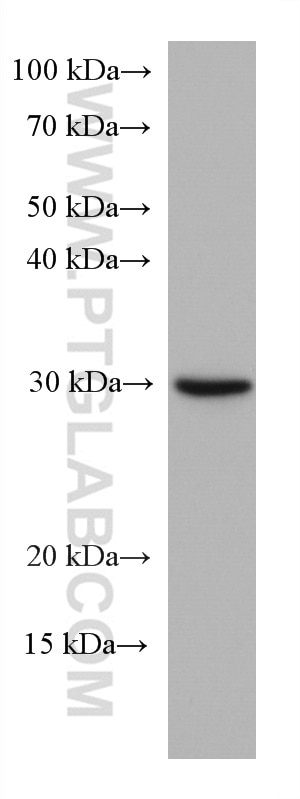
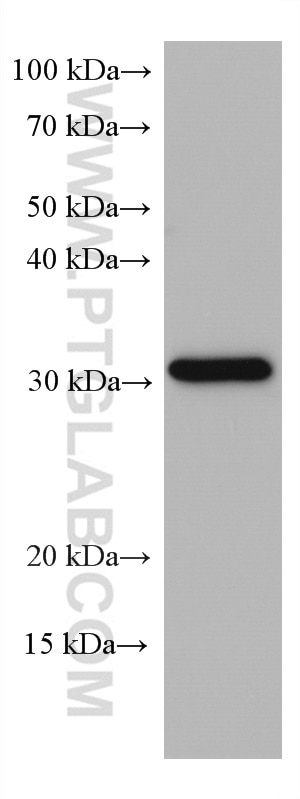
| Observed Molecular Weight | 29-31 kDa |
| GenBank Accession Number | BC007659 |
| Gene Symbol | NQO1 |
| Gene ID (NCBI) | 1728 |
| RRID | AB_2882519 |
| Conjugate | Unconjugated |
| Form | Liquid |
| Purification Method | Protein A purification |
| UNIPROT ID | P15559 |
| Storage Buffer | PBS with 0.02% sodium azide and 50% glycerol, pH 7.3. |
| Storage Conditions | Store at -20°C. Stable for one year after shipment. Aliquoting is unnecessary for -20oC storage. 20ul sizes contain 0.1% BSA. |
Background Information
NQO1, also named as DIA4, NMOR1, DTD and QR1, belongs to the NAD(P)H dehydrogenase (quinone) family. This enzyme apparently serves as a quinone reductase in connection with conjugation reactions of hydroquinons involved in detoxification pathways as well as in biosynthetic processes such as the vitamin K-dependent gamma-carboxylation of glutamate residues in prothrombin synthesis. It is known to be involved in benzene metabolism. In human studies of ozone exposure, polymorphisms in oxidative stress genes (NQO1, GSTM1, GSTP1) modify respiratory symptoms, lung function, biomarkers and risk of asthma. (PMID:18511640; 18848868 )
Protocols
| Product Specific Protocols | |
|---|---|
| FC protocol for NQO1 antibody 67240-1-Ig | Download protocol |
| IF protocol for NQO1 antibody 67240-1-Ig | Download protocol |
| IHC protocol for NQO1 antibody 67240-1-Ig | Download protocol |
| WB protocol for NQO1 antibody 67240-1-Ig | Download protocol |
| Standard Protocols | |
|---|---|
| Click here to view our Standard Protocols |
Publications
What published studies show
The NQO1 Monoclonal antibody (1E5G7), catalog number 67240-1-Ig, has accumulated 176 citations across journals including Nature, Nature Communications, Redox Biology, Advanced Science, Free Radical Biology and Medicine, Journal of Ethnopharmacology, and Antioxidants. Research fields span oxidative stress and the Nrf2/Keap1/NQO1/HO-1 signaling pathway, ferroptosis, hepatotoxicity, nephrotoxicity, cardiotoxicity, neuroprotection, cancer biology, inflammation, food science and nutrition, traditional Chinese medicine, and bone/joint disorders.
| Species | Application | Title |
|---|---|---|
Nat Chem Eng Hydrogen evolution and dynamics in hydrogel electrochemical cells for ischemia-reperfusion therapy. | ||
Nat Commun Intelligence-responsive wettability switch coating on magnesium implants for treating osteoporotic fracture. | ||
Nat Commun FGF4-FGFR1 signaling promotes podocyte survival and glomerular function to ameliorate diabetic kidney disease in male mice | ||
Redox Biol Remote ischemic conditioning attenuates oxidative stress and inflammation via the Nrf2/HO-1 pathway in MCAO mice | ||
J Nanobiotechnology Macrophage-mimetic liposomes co-delivering ceria and Ac2-26 peptide for penumbra protection in ischemic stroke |
Reviews
What customers say
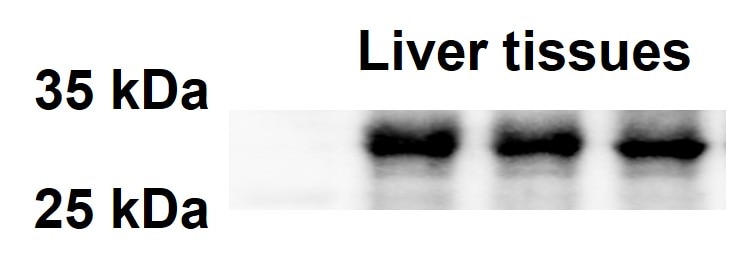
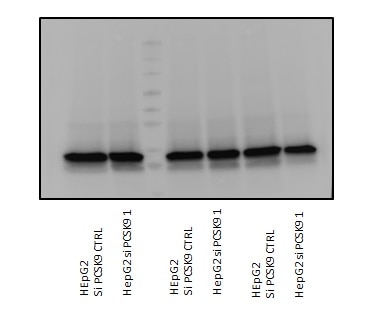
All three reviewers gave 5-star ratings for Western Blot applications across mouse liver tissue, H9C2 cells, and HepG2 cells. Users consistently reported clear, clean bands with no non-specific binding at dilutions ranging from 1:5000 to 1:10000. One reviewer noted that even at 1:7000 the signal was strong enough that a higher dilution might work well. Overall, the antibody is praised for its specificity and reliable performance in WB.
The reviews below have been submitted by verified Proteintech customers who received an incentive for providing their feedback.
Kamal (Verified Customer) (10-15-2025) | Antibody was diluted 1:10000 in 1xTBST. Bands were clear and appeared around 31 kDa.
 |
YINGJIAN (Verified Customer) (06-24-2025) | Clean bands, no non-specific binding observed
 |
Hala (Verified Customer) (07-28-2021) | incubation 1.5 hours at room temperature dilution 1/7000 could use more diluted concentration
 |









