
Tested Applications
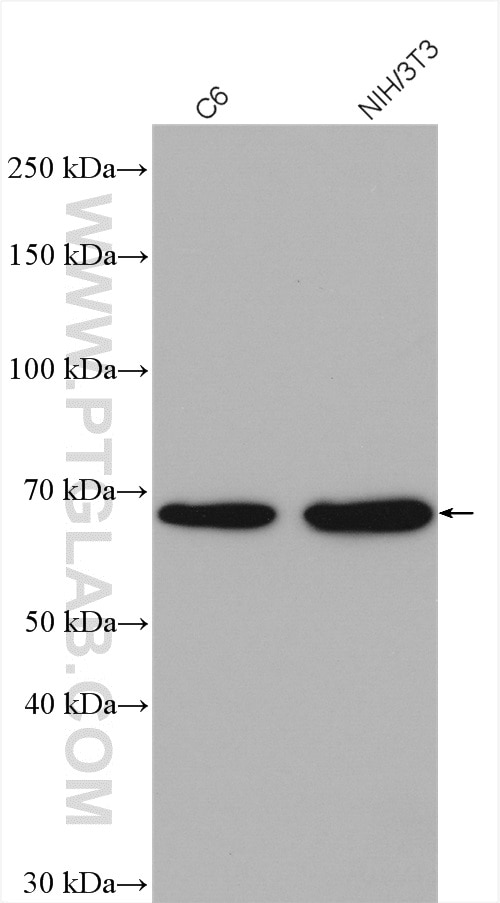
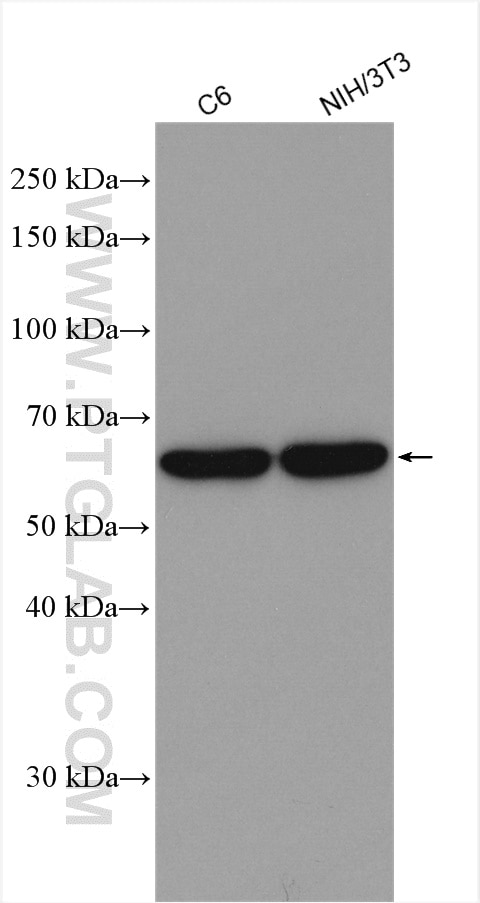
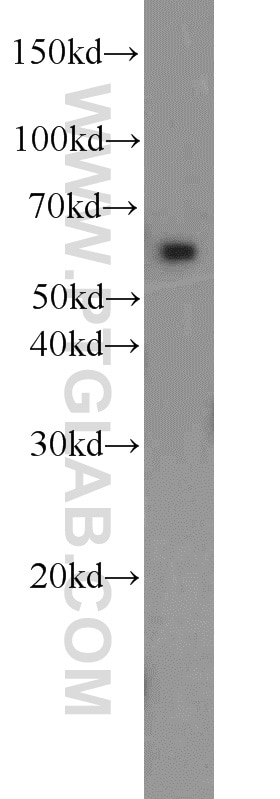
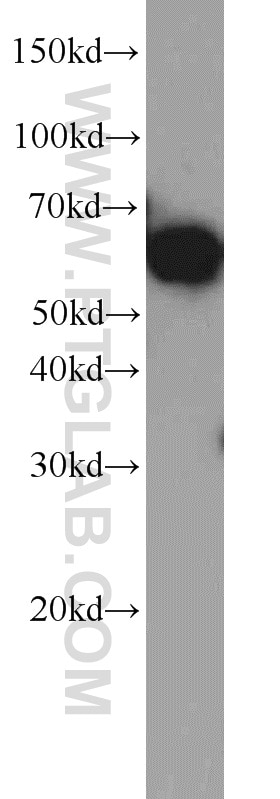
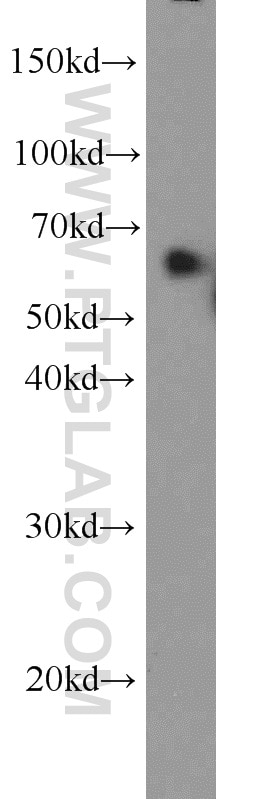
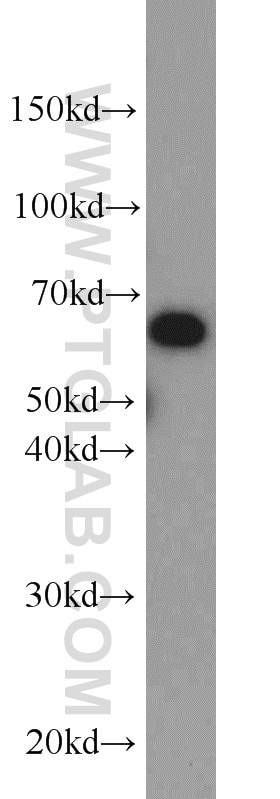
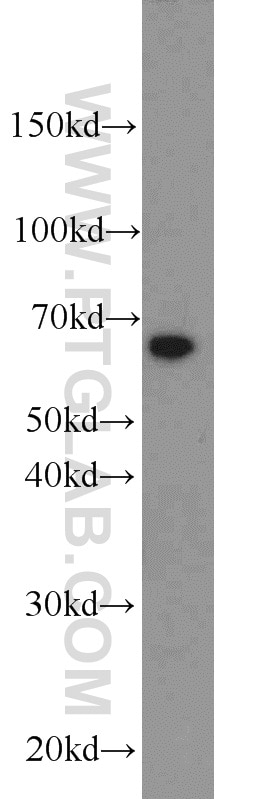
| Positive WB detected in | C6 cells, Jurkat cells, NIH/3T3 cells, MCF-7 cells, HeLa cells, K-562 cells |
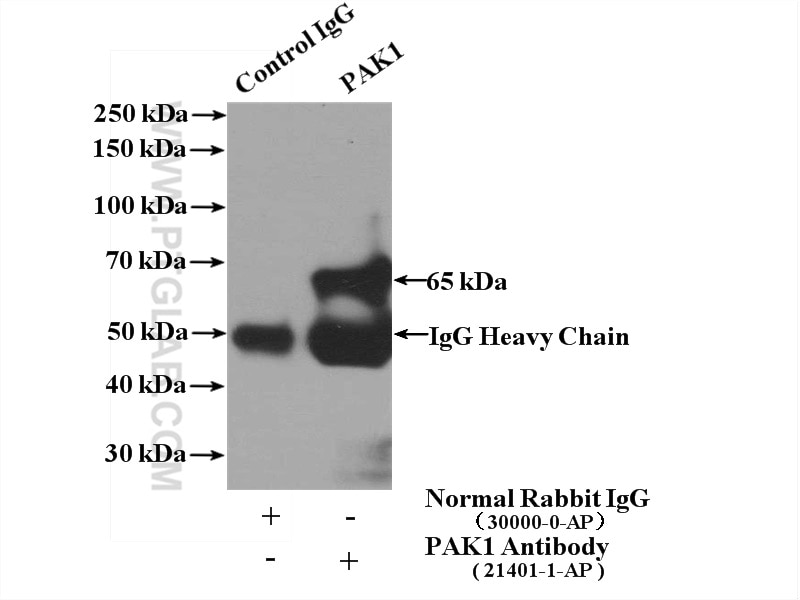
| Positive IP detected in | K-562 cells |
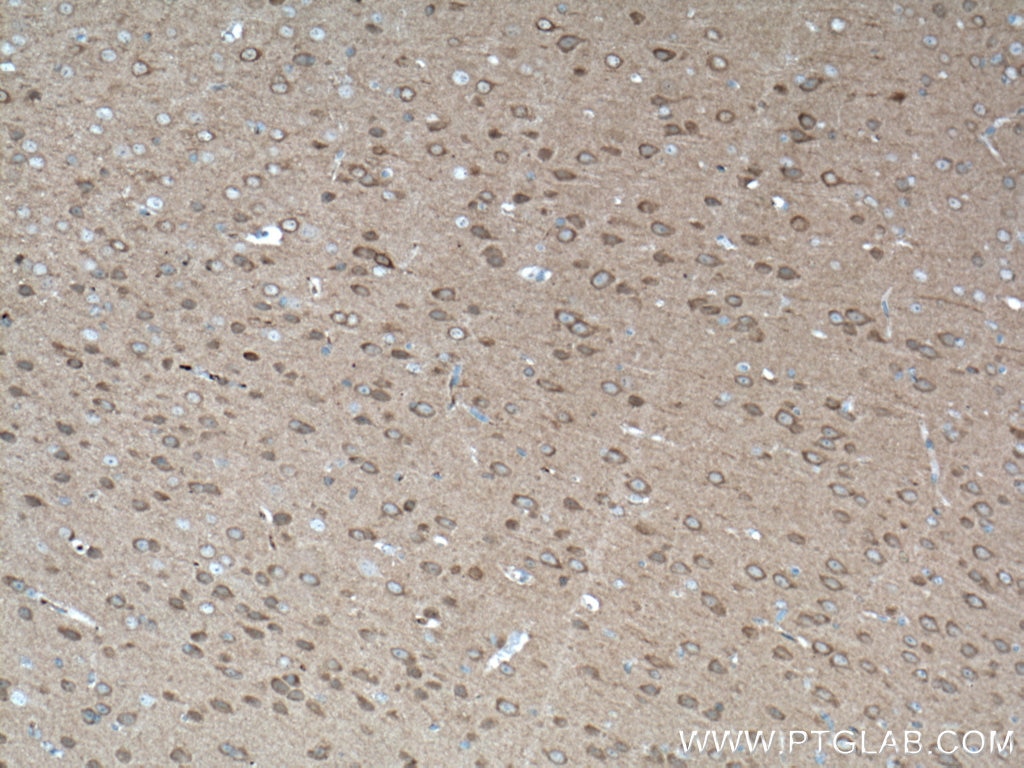
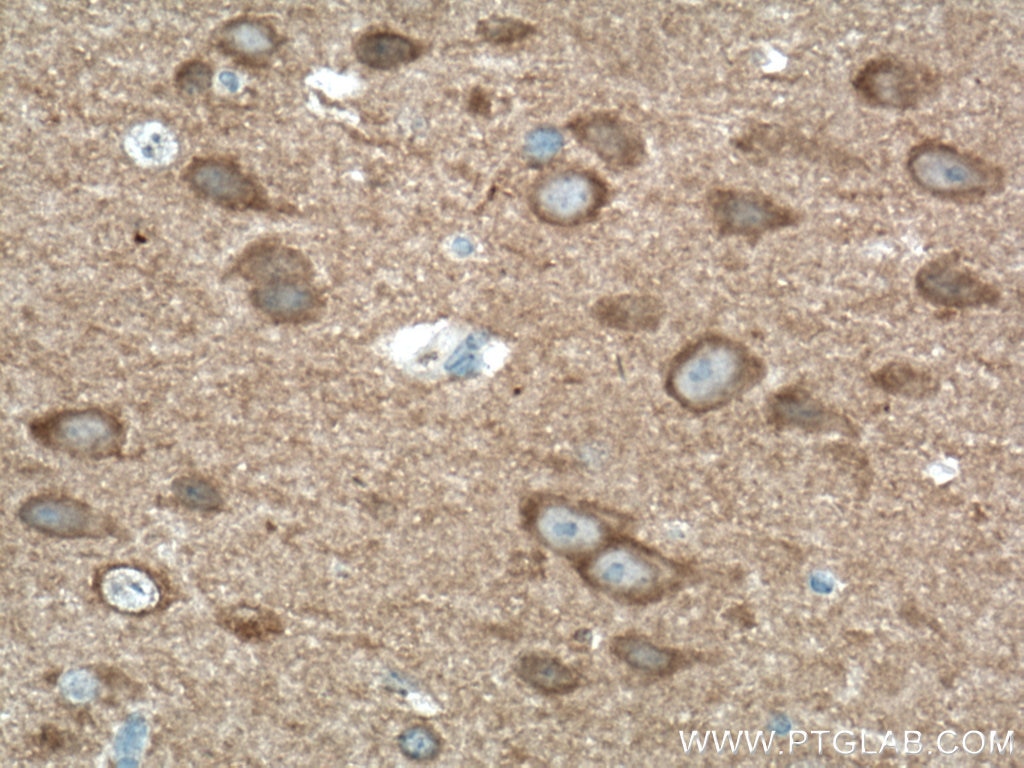
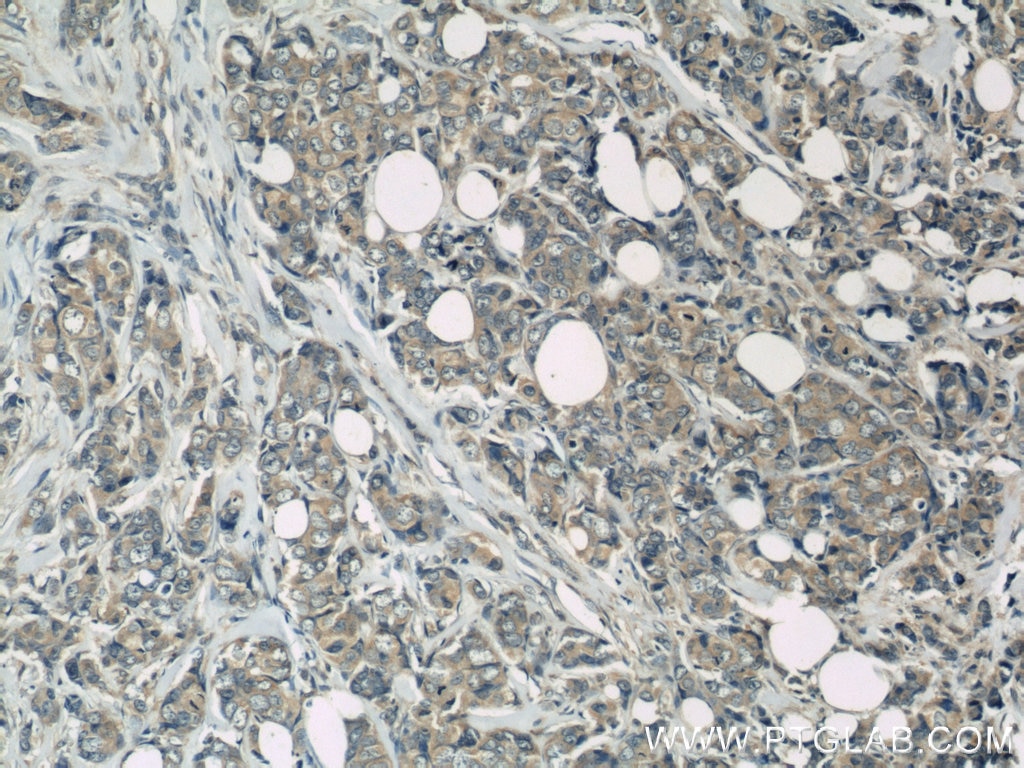
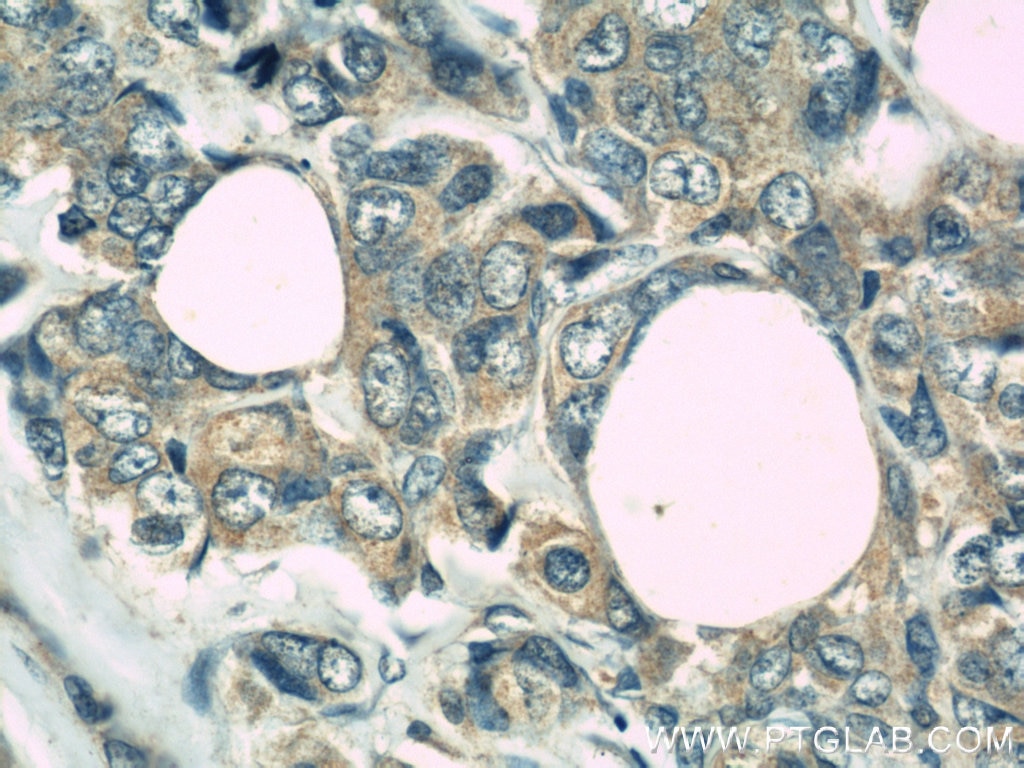
| Positive IHC detected in | mouse brain tissue, human breast cancer tissue Note: suggested antigen retrieval with TE buffer pH 9.0; (*) Alternatively, antigen retrieval may be performed with citrate buffer pH 6.0 |
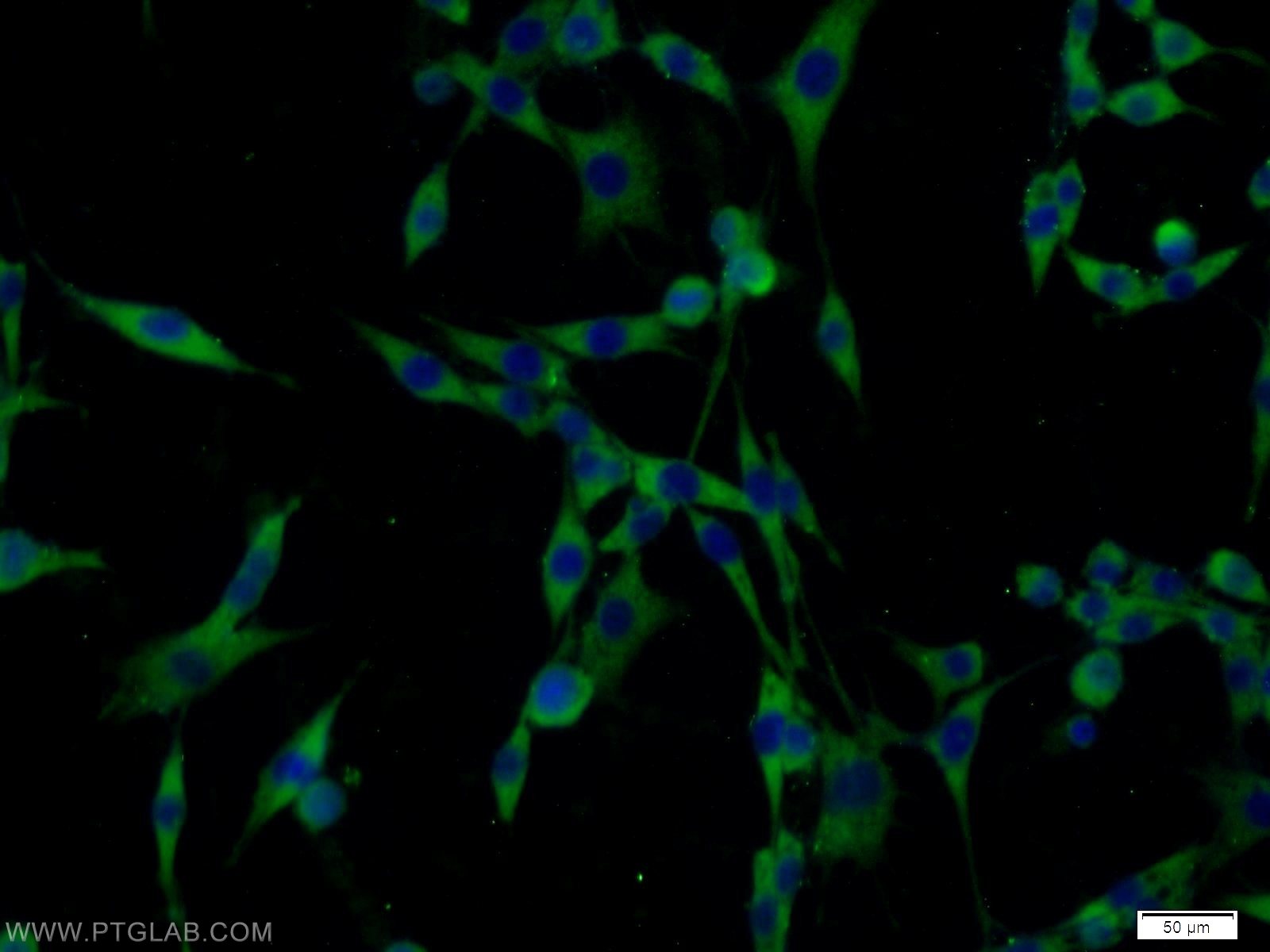
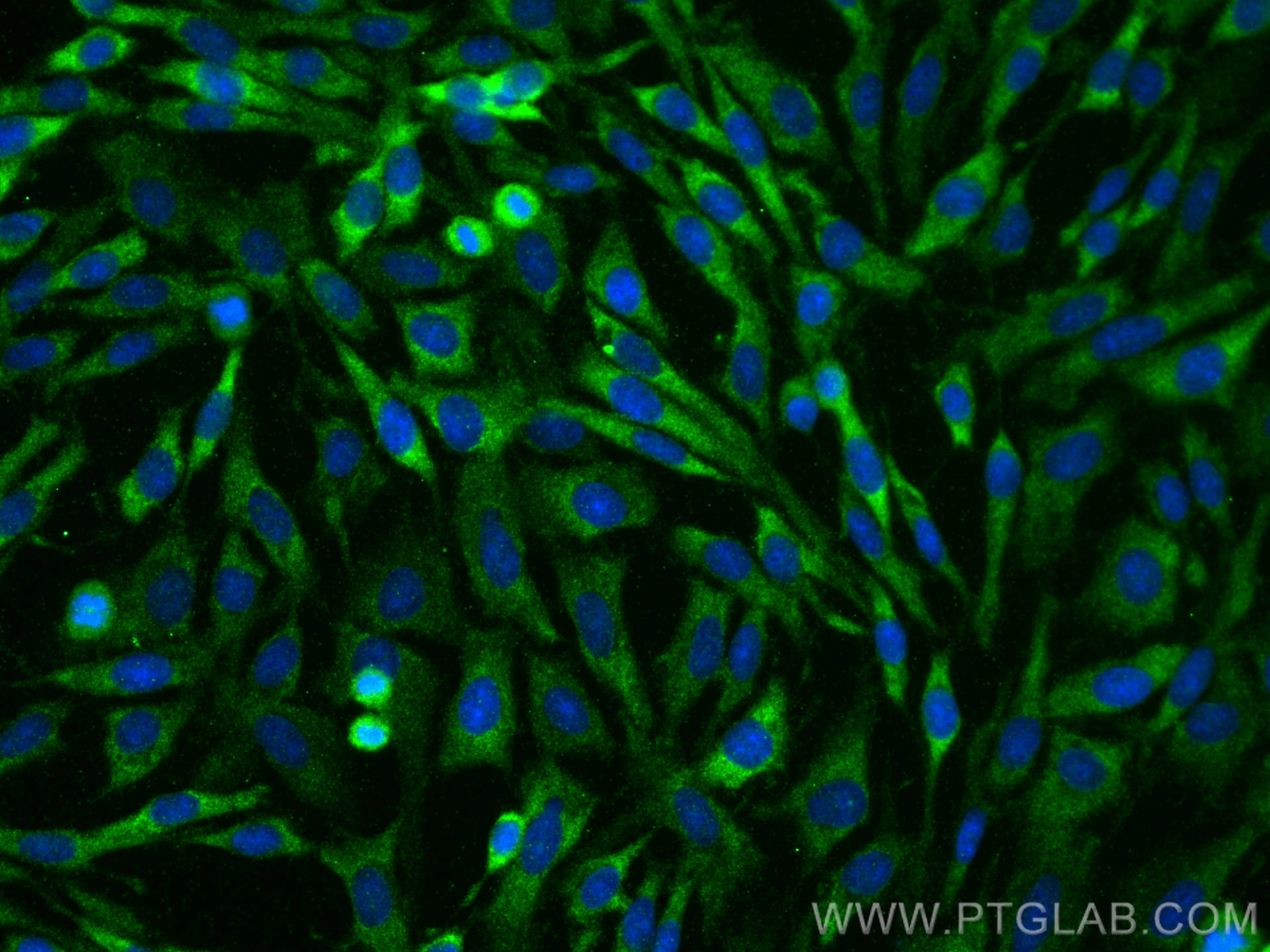
| Positive IF/ICC detected in | C6 cells |
Recommended dilution
| Application | Dilution |
|---|---|
| Western Blot (WB) | WB : 1:1000-1:6000 |
| Immunoprecipitation (IP) | IP : 0.5-4.0 ug for 1.0-3.0 mg of total protein lysate |
| Immunohistochemistry (IHC) | IHC : 1:50-1:500 |
| Immunofluorescence (IF)/ICC | IF/ICC : 1:200-1:800 |
| It is recommended that this reagent should be titrated in each testing system to obtain optimal results. | |
| Sample-dependent, Check data in validation data gallery. | |
Product Information
21401-1-AP targets PAK1 in WB, IHC, IF/ICC, IP, CoIP, ELISA applications and shows reactivity with human, mouse, rat samples.
| Tested Reactivity | human, mouse, rat |
| Cited Reactivity | human, mouse, rat, chicken |
| Host / Isotype | Rabbit / IgG |
| Class | Polyclonal |
| Type | Antibody |
| Immunogen |
CatNo: Ag16102 Product name: Recombinant human PAK1 protein Source: e coli.-derived, PGEX-4T Tag: GST Domain: 14-65 aa of BC109299 Sequence: APPMRNTSTMIGAGSKDAGTLNHGSKPLPPNPEEKKKKDRFYRSILPGDKTN Predict reactive species |
| Full Name | p21 protein (Cdc42/Rac)-activated kinase 1 |
| Calculated Molecular Weight | 553 aa, 62 kDa |
| Observed Molecular Weight | 61-65 kDa |
| GenBank Accession Number | BC109299 |
| Gene Symbol | PAK1 |
| Gene ID (NCBI) | 5058 |
| RRID | AB_11232232 |
| Conjugate | Unconjugated |
| Form | Liquid |
| Purification Method | Antigen affinity purification |
| UNIPROT ID | Q13153 |
| Storage Buffer | PBS with 0.02% sodium azide and 50% glycerol, pH 7.3. |
| Storage Conditions | Store at -20°C. Stable for one year after shipment. Aliquoting is unnecessary for -20oC storage. 20ul sizes contain 0.1% BSA. |
Background Information
The p21-Activated kinase 1 (PAK1), a member of serine-threonine kinases family, was initially identified as an interactor of the Rho GTPases RAC1 and CDC42, which affect a wide range of processes associated with cell motility, survival, metabolism, cell cycle, proliferation, transformation, stress, inflammation, and gene expression(PMID: 32863957). PAK1 is over-expressed in various malignancies such as ovarian, breast, lung, and bladder cancers, and is closely associated with tumor invasion.
Protocols
| Product Specific Protocols | |
|---|---|
| IF protocol for PAK1 antibody 21401-1-AP | Download protocol |
| IHC protocol for PAK1 antibody 21401-1-AP | Download protocol |
| IP protocol for PAK1 antibody 21401-1-AP | Download protocol |
| WB protocol for PAK1 antibody 21401-1-AP | Download protocol |
| Standard Protocols | |
|---|---|
| Click here to view our Standard Protocols |
Publications
What published studies show
| Species | Application | Title |
|---|---|---|
Nucleic Acids Res DOCK7 protects against replication stress by promoting RPA stability on chromatin. | ||
ACS Appl Mater Interfaces Novel Thermosensitive Hydrogel Promotes Spinal Cord Repair by Regulating Mitochondrial Function. | ||
Theranostics Cdc42 Deficiency Leads To Epidermal Barrier Dysfunction by Regulating Intercellular Junctions and Keratinization of Epidermal Cells during Mouse Skin Development. | ||
Acta Pharmacol Sin Salvianolic acid A prevented cerebrovascular endothelial injury caused by acute ischemic stroke through inhibiting the Src signaling pathway. | ||
Microbiol Spectr Avian Hepatitis E Virus ORF2 Protein Interacts with Rap1b to Induce Cytoskeleton Rearrangement That Facilitates Virus Internalization. | ||
Sci Rep Nicotine facilitates VSMC dysfunction through a miR-200b/RhoGDIA/cytoskeleton module. |















