

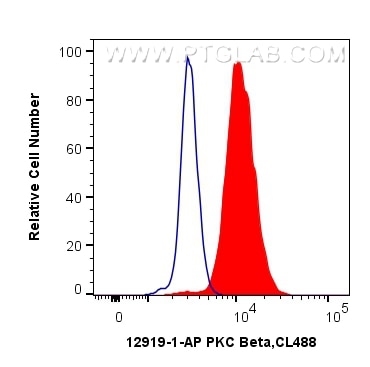

Tested Applications
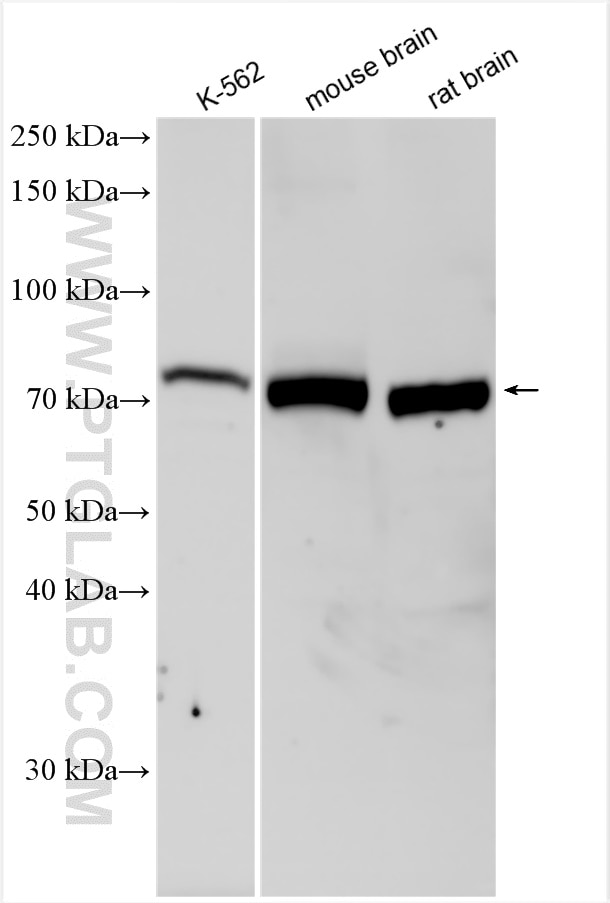
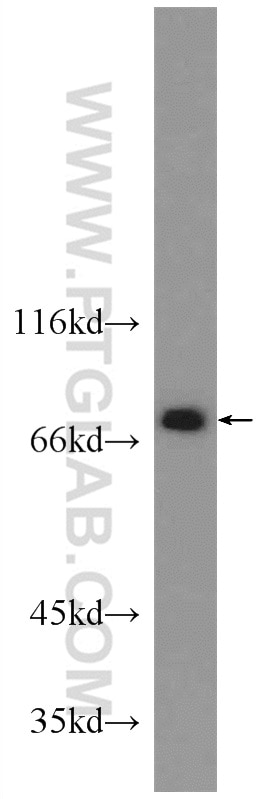
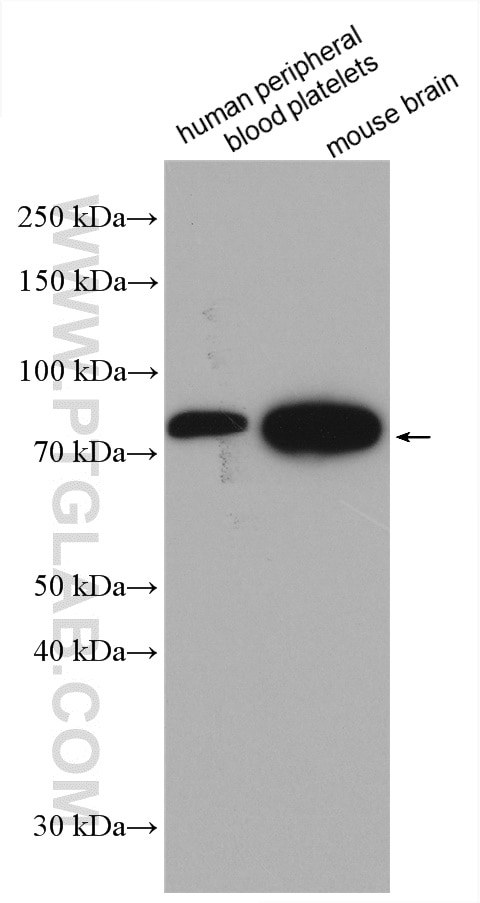
| Positive WB detected in | K-562 cells, mouse thymus tissue, human peripheral blood platelets, mouse brain tissue, rat brain tissue |
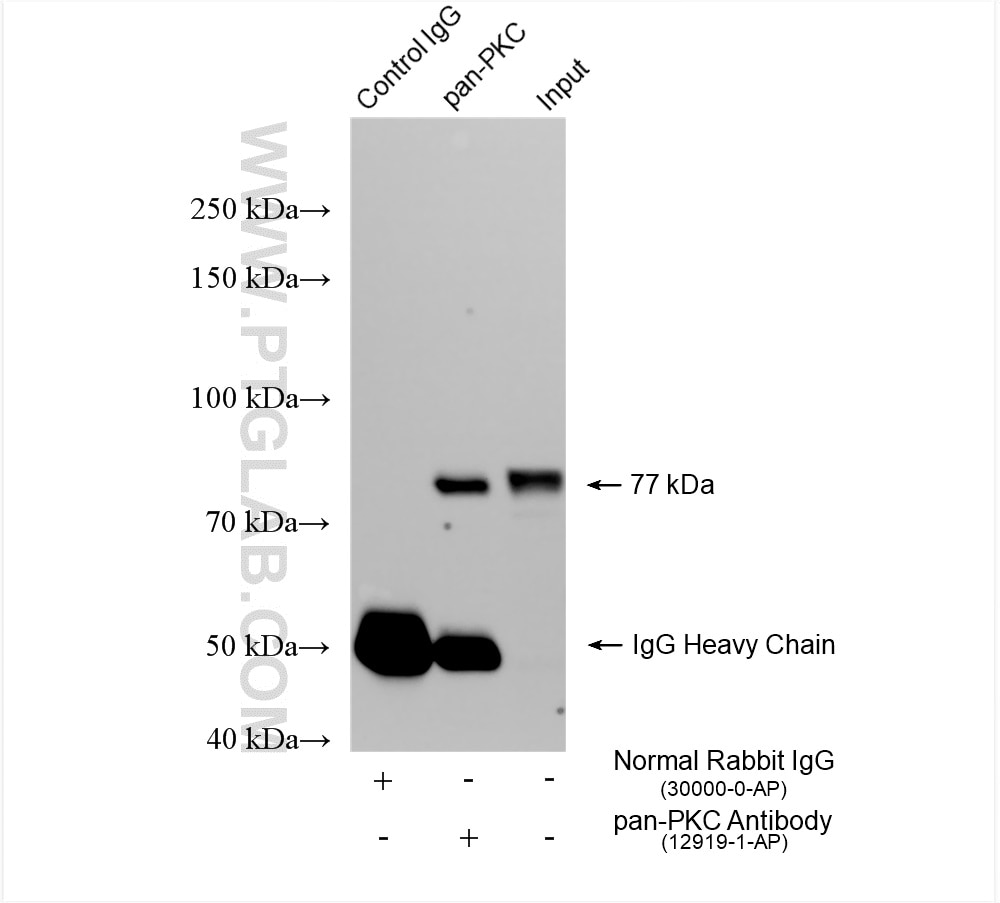
| Positive IP detected in | mouse brain tissue |
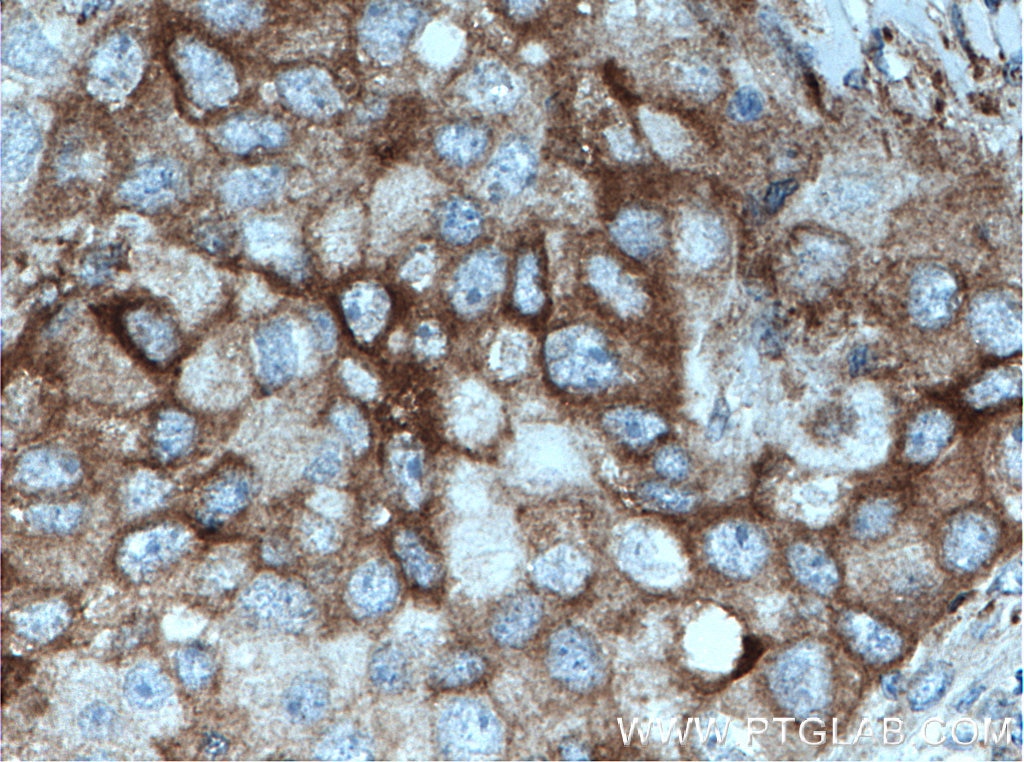
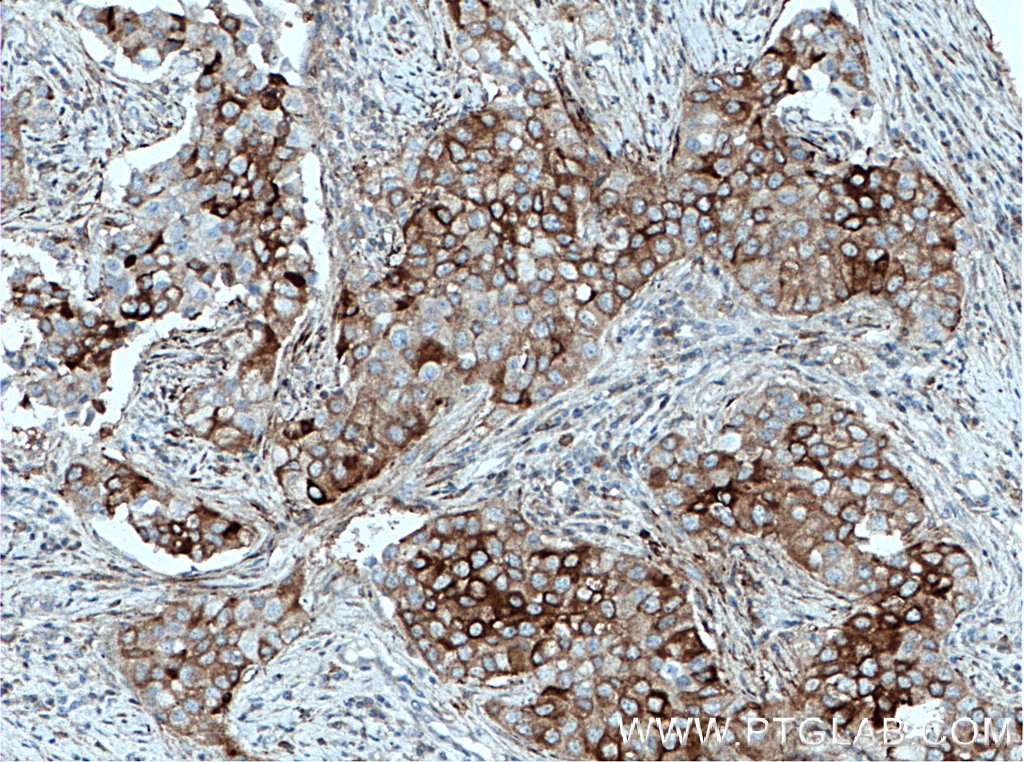
| Positive IHC detected in | human colon tissue, human breast cancer tissue Note: suggested antigen retrieval with TE buffer pH 9.0; (*) Alternatively, antigen retrieval may be performed with citrate buffer pH 6.0 |
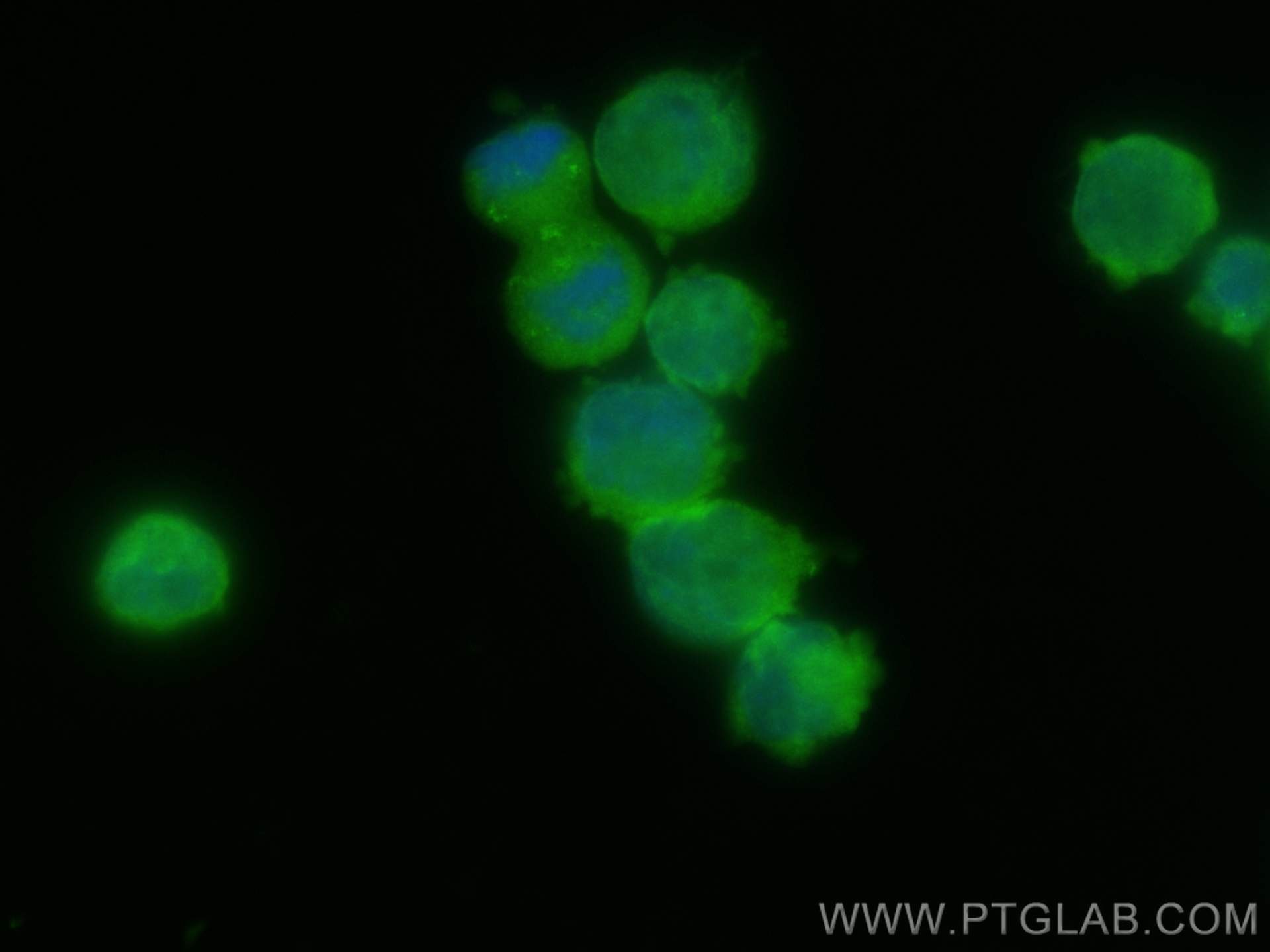
| Positive IF/ICC detected in | K-562 cells |
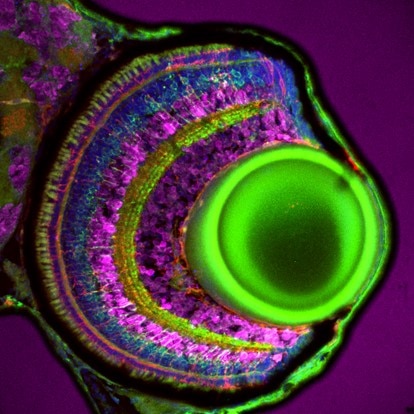
| Positive IF detected in | zebrafish retina |
| Positive FC (Intra) detected in | K-562 cells |
Recommended dilution
| Application | Dilution |
|---|---|
| Western Blot (WB) | WB : 1:1000-1:8000 |
| Immunoprecipitation (IP) | IP : 0.5-4.0 ug for 1.0-3.0 mg of total protein lysate |
| Immunohistochemistry (IHC) | IHC : 1:200-1:800 |
| Immunofluorescence (IF)/ICC | IF/ICC : 1:200-1:800 |
| Immunofluorescence (IF) | IF : 1:150-1:600 |
| Flow Cytometry (FC) (INTRA) | FC (INTRA) : 0.40 ug per 10^6 cells in a 100 µl suspension |
| It is recommended that this reagent should be titrated in each testing system to obtain optimal results. | |
| Sample-dependent, Check data in validation data gallery. | |
Product Information
12919-1-AP targets pan-PKC in WB, IHC, IF, IF/ICC, FC (Intra), IP, CoIP, ELISA applications and shows reactivity with human, mouse, rat, zebrafish samples.
| Tested Reactivity | human, mouse, rat, zebrafish |
| Cited Reactivity | human, mouse, rat, chicken, zebrafish |
| Host / Isotype | Rabbit / IgG |
| Class | Polyclonal |
| Type | Antibody |
| Immunogen |
CatNo: Ag3591 Product name: Recombinant human PRKCB protein Source: e coli.-derived, PGEX-4T Tag: GST Domain: 342-598 aa of BC036472 Sequence: FNFLMVLGKGSFGKVMLSERKGTDELYAVKILKKDVVIQDDDVECTMVEKRVLALPGKPPFLTQLHSCFQTMDRLYFVMEYVNGGDLMYHIQQVGRFKEPHAVFYAAEIAIGLFFLQSKGIIYRDLKLDNVMLDSEGHIKIADFGMCKENIWDGVTTKTFCGTPDYIAPEIIAYQPYGKSVDWWAFGVLLYEMLAGQAPFEGEDEDELFQSIMEHNVAYPKSMSKEAVAICKGLMTKHPGKRLGCGPEGERDIKEHA Predict reactive species |
| Full Name | protein kinase C, beta |
| Calculated Molecular Weight | 673 aa, 77 kDa |
| Observed Molecular Weight | 77 kDa |
| GenBank Accession Number | BC036472 |
| Gene Symbol | PRKCB |
| Gene ID (NCBI) | 5579 |
| RRID | AB_2237469 |
| Conjugate | Unconjugated |
| Form | Liquid |
| Purification Method | Antigen affinity purification |
| UNIPROT ID | P05771 |
| Storage Buffer | PBS with 0.02% sodium azide and 50% glycerol, pH 7.3. |
| Storage Conditions | Store at -20°C. Stable for one year after shipment. Aliquoting is unnecessary for -20oC storage. 20ul sizes contain 0.1% BSA. |
Background Information
Protein kinase C (PKC) is a family of serine- and threonine-specific protein kinases that can be activated by calcium and second messenger diacylglycerol. Protein kinase Cs (PKCs) are signaling molecules that play key roles in many cellular processes, including secretion, gene expression, proliferation, and muscle contraction. The PKC family is broadly divided into three subgroups: classical, novel, and atypical PKCs. These subgroups differ in both protein sequences and mechanistic requirements for catalytic activity. PKC beta is one of the PKC family members. PKC beta has been reported to be involved in many different cellular functions, such as B cell activation, apoptosis induction, endothelial cell proliferation, and intestinal sugar absorption. Studies in mice also suggest that this kinase may also regulate neuronal functions and correlate fear-induced conflict behavior after stress. This antibody can recognize PKC beta, PKC alpha, PKC gamma, PKC epsilon and PKC delta.
Protocols
| Product Specific Protocols | |
|---|---|
| FC protocol for pan-PKC antibody 12919-1-AP | Download protocol |
| IF protocol for pan-PKC antibody 12919-1-AP | Download protocol |
| IHC protocol for pan-PKC antibody 12919-1-AP | Download protocol |
| IP protocol for pan-PKC antibody 12919-1-AP | Download protocol |
| WB protocol for pan-PKC antibody 12919-1-AP | Download protocol |
| Standard Protocols | |
|---|---|
| Click here to view our Standard Protocols |
Publications
What published studies show
The pan-PKC Polyclonal antibody (12919-1-AP) has 40 citations. It appears in journals including Nature Communications, Acta Pharm Sin B, Cell Reports Medicine, Cell Death & Disease, Cell Communications & Signaling, Phytomedicine, Acta Pharmacol Sin, Scientific Reports, Journal of Molecular and Cellular Cardiology, Inflammatory Bowel Diseases, and American Journal of Respiratory Cell and Molecular Biology. Research fields span cancer (breast, lung, liver, colorectal, gastric, esophageal), ferroptosis, cardiovascular and pulmonary physiology, neurology (Parkinson's, Alzheimer's), inflammation, fibrosis, and reproductive biology, using mainly WB, IHC, IF, and Co-IP.
| Species | Application | Title |
|---|---|---|
J Hematol Oncol Integrated proteogenomic characterization of urothelial carcinoma of the bladder. | ||
Nat Commun AAK1 activation-mediated iron trafficking drives ferroptotic cell death.
| ||
Acta Pharm Sin B PKCα inhibitors promote breast cancer immune evasion by maintaining PD-L1 stability | ||
Cell Rep Med A genome-wide association study identified PRKCB as a causal gene and therapeutic target for Mycobacterium avium complex disease | ||
Cell Death Dis POU6F1 cooperates with RORA to suppress the proliferation of lung adenocarcinoma by downregulation HIF1A signaling pathway. | ||
Cell Commun Signal Disruption of FGL2 induces TFEB-dependent lysosomal degradation of PD-L1 and enhances the efficacy of anti-PD1 therapy in hepatocellular carcinoma. |
Reviews
What customers say
All three reviews rate the antibody 5 stars. Users report clear, strong results across applications: one achieved sharp protein bands in murine colon samples by Western blot at 1:3000, another observed very clear staining in lung tissue by IHC at 1:300, and a third confirmed reliable performance at a high dilution of 1:5000 in Western blot on primary mouse SMCs, aorta, and HEK293 cells. Overall, reviewers describe it as an easy-to-use antibody that delivers clear, reproducible signals even at high dilutions.
The reviews below have been submitted by verified Proteintech customers who received an incentive for providing their feedback.
Gaurav (Verified Customer) (12-05-2025) | Very good antibody working on higher dilution
|
Ashish (Verified Customer) (05-21-2021) | This antibody gave very clear staining results in lung tissue. Very nice antibody to work.
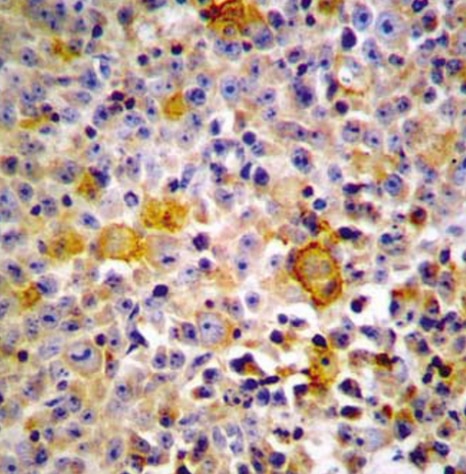 |
Amy (Verified Customer) (09-06-2019) | This antibody dilution gave very clear protein bands in all murine colon samples used to date. Following ECL addition, the imager took ~240 seconds to detect PKCbeta (automatic exposure). Very easy antibody to work with
|











