

Tested Applications
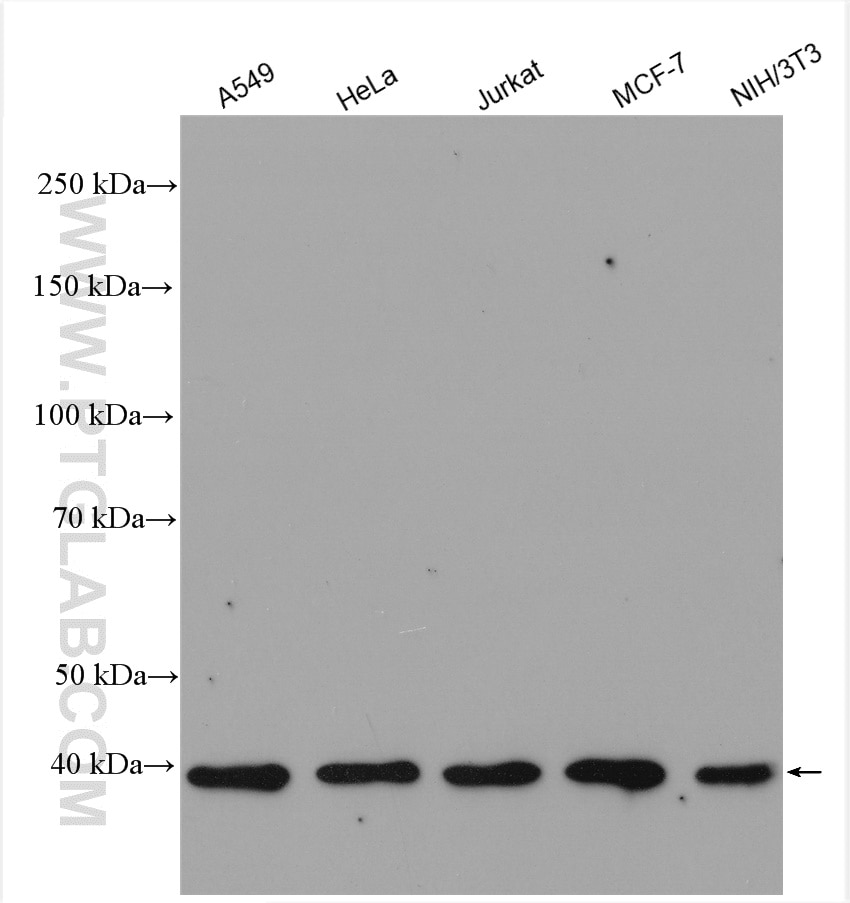
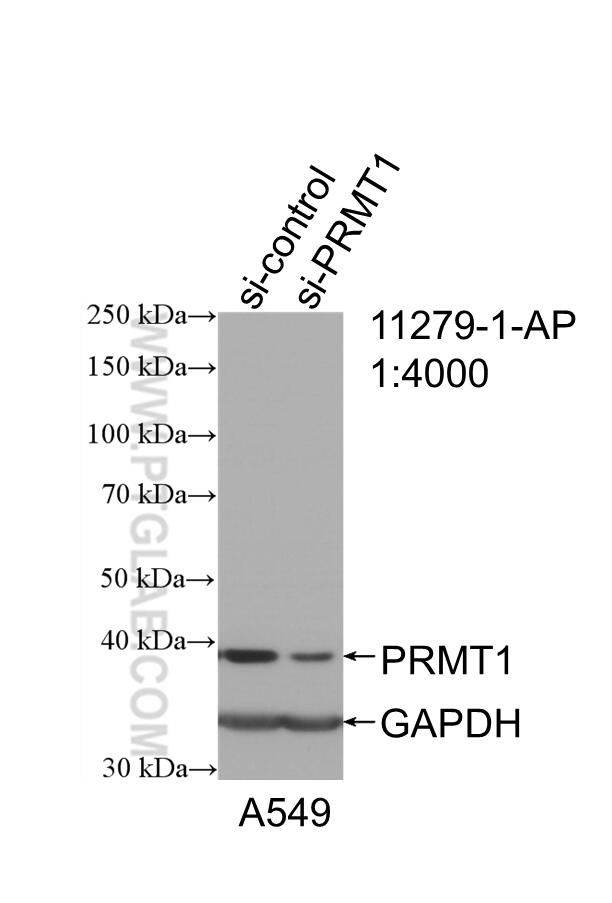
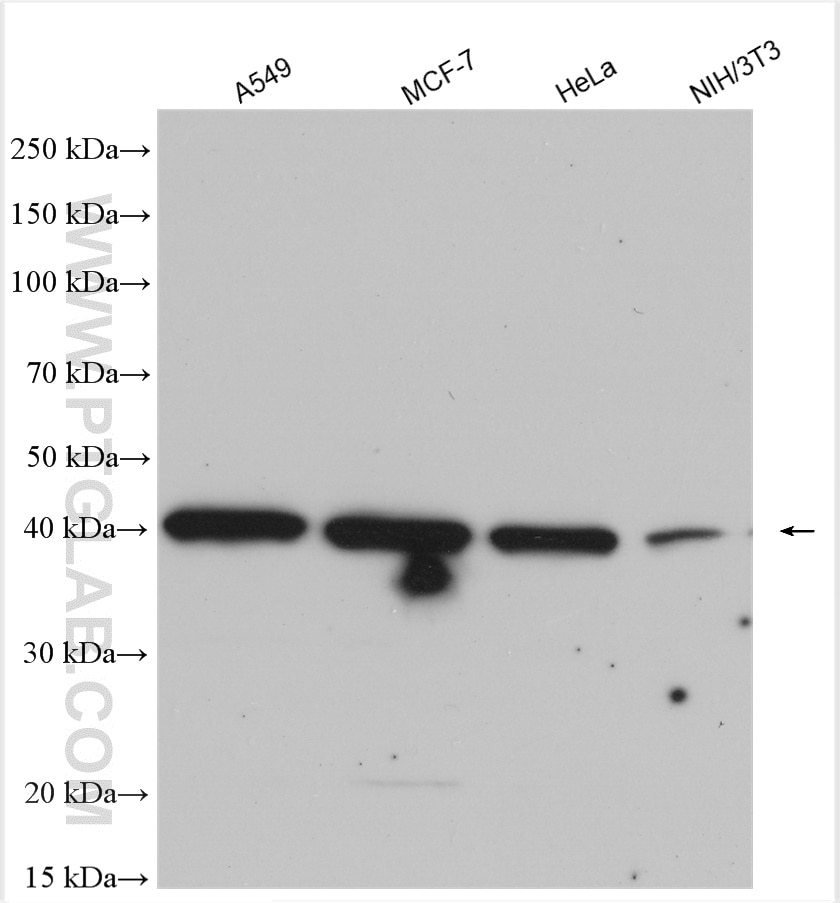
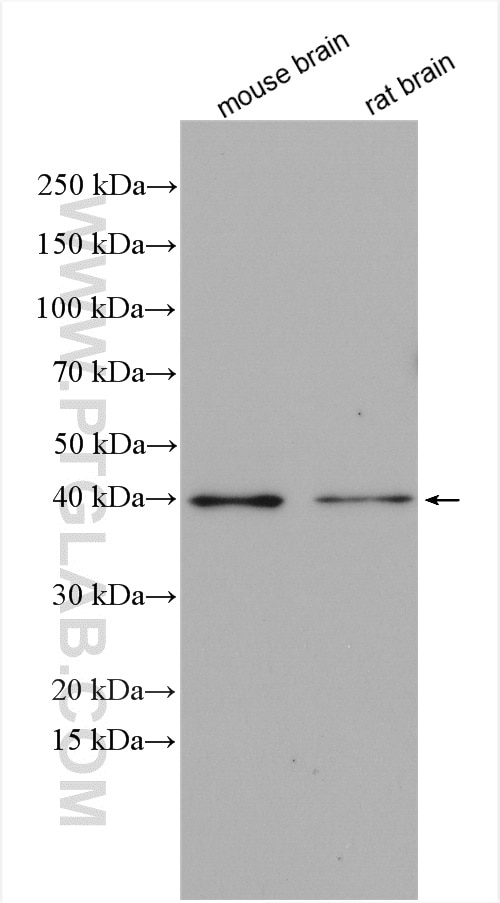
| Positive WB detected in | A549 cells, mouse brain tissue, MCF-7 cells, HeLa cells, NIH/3T3 cells, rat brain tissue, Jurkat cells |
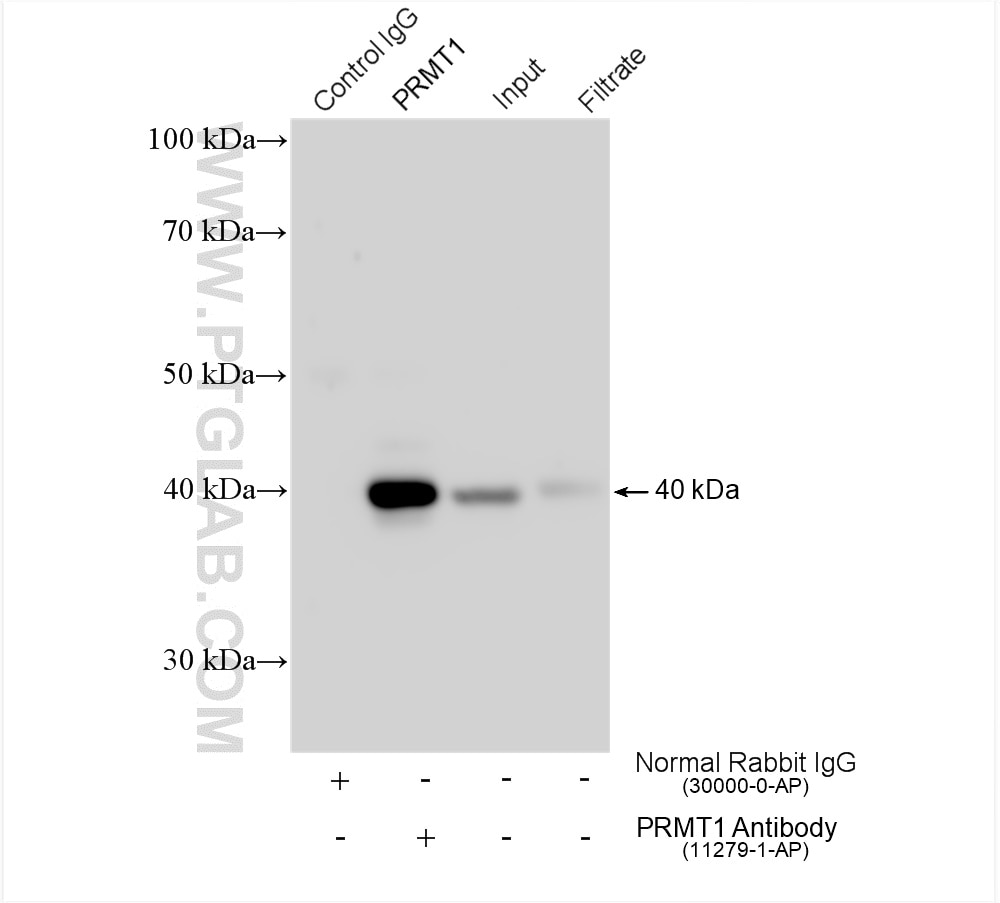
| Positive IP detected in | A549 cells |
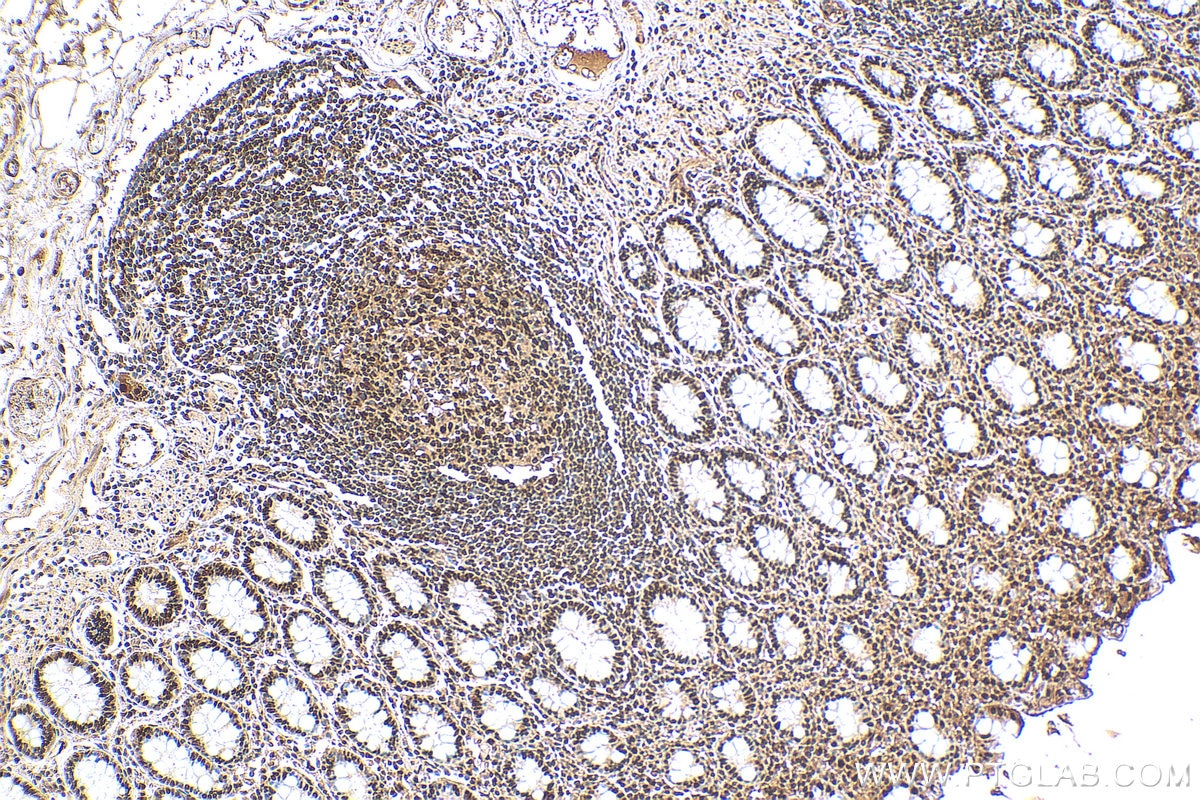
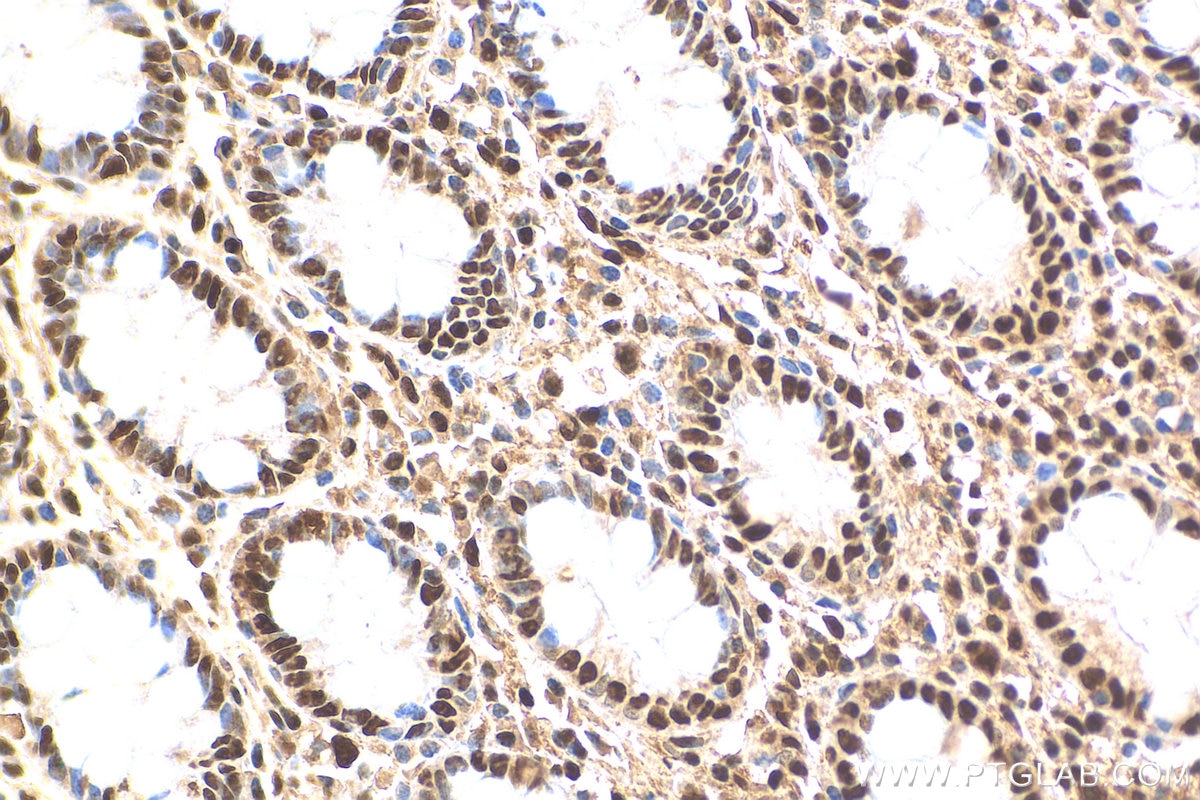
| Positive IHC detected in | human colon tissue Note: suggested antigen retrieval with TE buffer pH 9.0; (*) Alternatively, antigen retrieval may be performed with citrate buffer pH 6.0 |
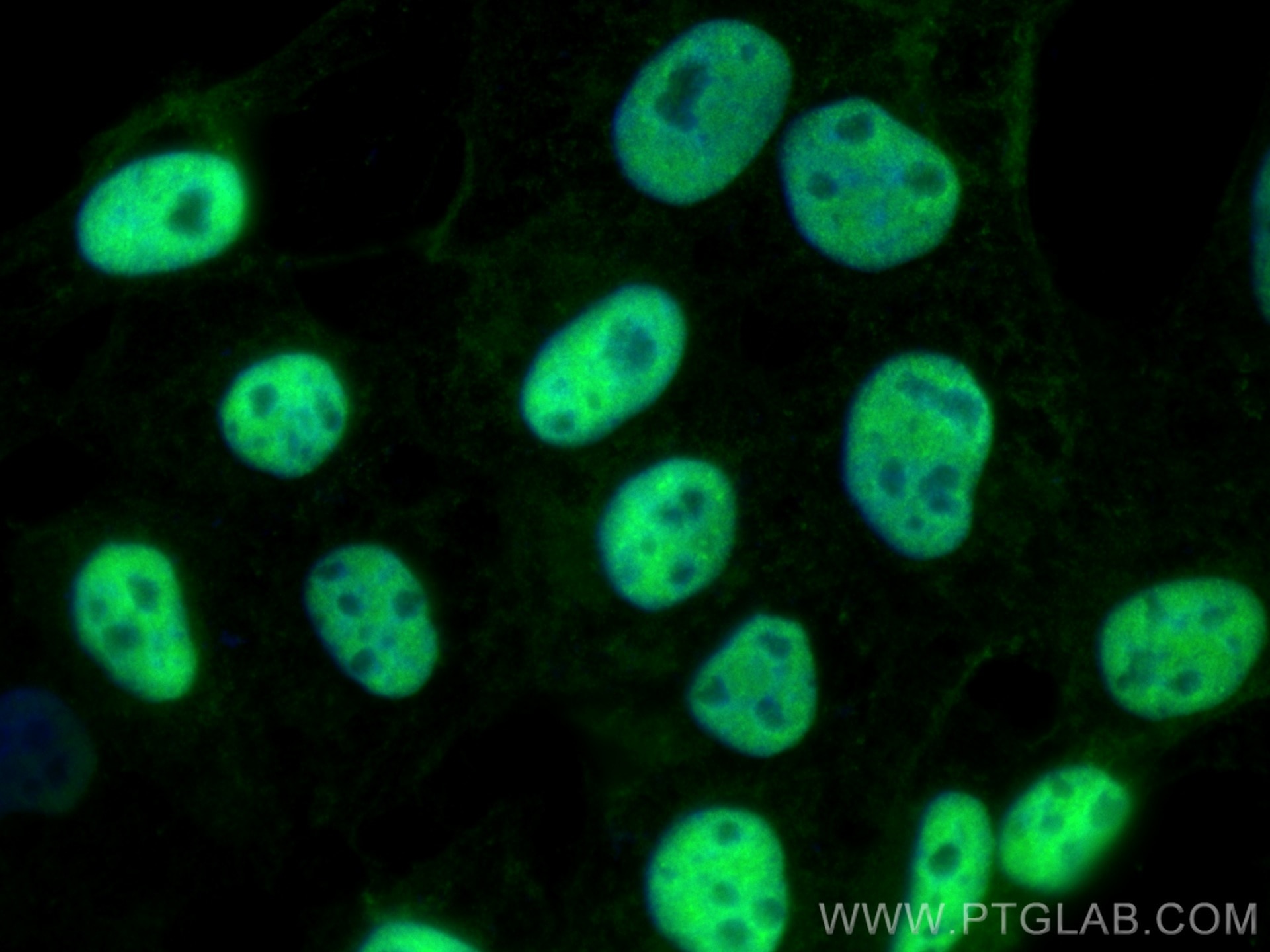
| Positive IF/ICC detected in | A431 cells |
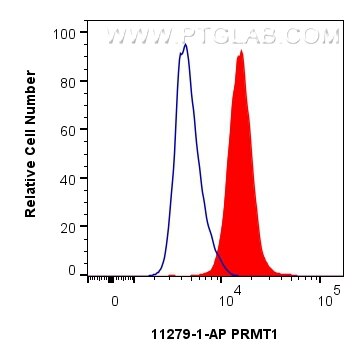
| Positive FC (Intra) detected in | HepG2 cells |
Recommended dilution
| Application | Dilution |
|---|---|
| Western Blot (WB) | WB : 1:2000-1:16000 |
| Immunoprecipitation (IP) | IP : 0.5-4.0 ug for 1.0-3.0 mg of total protein lysate |
| Immunohistochemistry (IHC) | IHC : 1:50-1:500 |
| Immunofluorescence (IF)/ICC | IF/ICC : 1:50-1:500 |
| Flow Cytometry (FC) (INTRA) | FC (INTRA) : 0.25 ug per 10^6 cells in a 100 µl suspension |
| It is recommended that this reagent should be titrated in each testing system to obtain optimal results. | |
| Sample-dependent, Check data in validation data gallery. | |
Product Information
11279-1-AP targets PRMT1 in WB, IHC, IF/ICC, FC (Intra), IP, CoIP, ChIP, ELISA applications and shows reactivity with human, mouse, rat samples.
| Tested Reactivity | human, mouse, rat |
| Cited Reactivity | human, mouse, rat |
| Host / Isotype | Rabbit / IgG |
| Class | Polyclonal |
| Type | Antibody |
| Immunogen |
CatNo: Ag1790 Product name: Recombinant human PRMT1 protein Source: e coli.-derived, PGEX-4T Tag: GST Domain: 1-343 aa of BC019268 Sequence: MEVSCGQAESSEKPNAEDMTSKDYYFDSYAHFGIHEEMLKDEVRTLTYRNSMFHNRHLFKDKVVLDVGSGTGILCMFAAKAGARKVIGIECSSISDYAVKIVKANKLDHVVTIIKGKVEEVELPVEKVDIIISEWMGYCLFYESMLNTVLYARDKWLAPDGLIFPDRATLYVTAIEDRQYKDYKIHWWENVYGFDMSCIKDVAIKEPLVDVVDPKQLVTNACLIKEVDIYTVKVEDLTFTSPFCLQVKRNDYVHALVAYFNIEFTRCHKRTGFSTSPESPYTHWKQTVFYMEDYLTVKTGEEIFGTIGMRPNAKNNRDLDFTIDLDFKGQLCELSCSTDYRMR Predict reactive species |
| Full Name | protein arginine methyltransferase 1 |
| Calculated Molecular Weight | 42 kDa |
| Observed Molecular Weight | 40-42 kDa |
| GenBank Accession Number | BC019268 |
| Gene Symbol | PRMT1 |
| Gene ID (NCBI) | 3276 |
| RRID | AB_2171319 |
| Conjugate | Unconjugated |
| Form | Liquid |
| Purification Method | Antigen affinity purification |
| UNIPROT ID | Q99873 |
| Storage Buffer | PBS with 0.02% sodium azide and 50% glycerol, pH 7.3. |
| Storage Conditions | Store at -20°C. Stable for one year after shipment. Aliquoting is unnecessary for -20oC storage. 20ul sizes contain 0.1% BSA. |
Background Information
PRMT1, the major protein arginine methyltransferase in mammals, catalyzes monomethylation and asymmetric dimethylation of arginine side chains in proteins. Human PRMT1 is encoded by the PRMT1 gene located on chromosome 19 (19q13.3) and composed of 12 exons and 11 introns. At the protein level, human PRMT1 shares a high degree of homology with the different members of the PRMT family that is conserved in eukaryotes. Phylogenetic studies based on the methyltransferase domain highlighted that PRMT1 is closely related to PRMT8.
Protocols
| Product Specific Protocols | |
|---|---|
| FC protocol for PRMT1 antibody 11279-1-AP | Download protocol |
| IF protocol for PRMT1 antibody 11279-1-AP | Download protocol |
| IHC protocol for PRMT1 antibody 11279-1-AP | Download protocol |
| IP protocol for PRMT1 antibody 11279-1-AP | Download protocol |
| WB protocol for PRMT1 antibody 11279-1-AP | Download protocol |
| Standard Protocols | |
|---|---|
| Click here to view our Standard Protocols |
Publications
What published studies show
Anti-PRMT1 antibody (Cat# 11279-1-AP) has 25 citations across 21 journals including Cell Metabolism, Nucleic Acids Research, Nature Structural & Molecular Biology, Cell Reports, Oncogene, Cell Death & Disease, Molecular Psychiatry, and FASEB Journal. Research fields span oncology (hepatocellular, breast, colorectal, and pancreatic cancers), epigenetics, metabolism, cardiovascular disease, neuroscience, and immunotherapy.
| Species | Application | Title |
|---|---|---|
Cell Metab PRMT1 orchestrates with SAMTOR to govern mTORC1 methionine sensing via Arg-methylation of NPRL2
| ||
Cell Metab Thymidine kinase 1 drives hepatocellular carcinoma in enzyme-dependent and -independent manners | ||
Metabolism Fructose-induced progression of steatohepatitis involves disrupting aldolase B-AMPK signaling in methionine adenosyltransferase 1A deficient mice | ||
Nucleic Acids Res RNA helicase D1PAS1 resolves R-loops and forms a complex for mouse pachytene piRNA biogenesis required for male fertility | ||
Nucleic Acids Res PRMT5-mediated arginine methylation of FXR1 is essential for RNA binding in cancer cells | ||
Biomaterials A biomimetic arsenic-based nanozyme enhances dual epigenetic regulation to improve the efficacy of immunotherapy for acute myeloid leukaemia. |
Reviews
What customers say
The product has received one review from a user named Kyosuke Kazama (2019). The reviewer used the antibody at a 1:1000 dilution for Western Blot on HUVECs and gave it a 5-star rating, noting that it works well for this application. Overall, the feedback is positive, confirming reliable performance in Western blot experiments on human umbilical vein endothelial cells.
The reviews below have been submitted by verified Proteintech customers who received an incentive for providing their feedback.
Kyosuke (Verified Customer) (06-12-2019) | It works well on HUVECs for Western blot.
|










