

Tested Applications
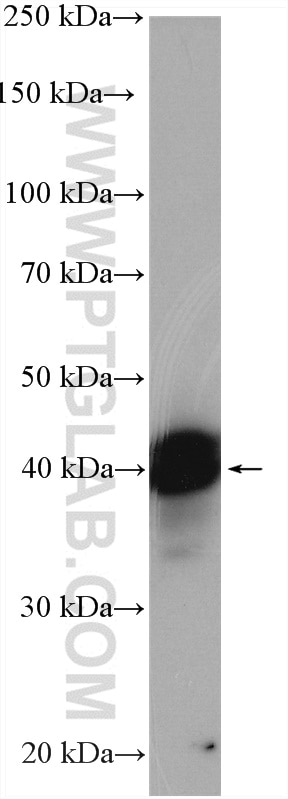
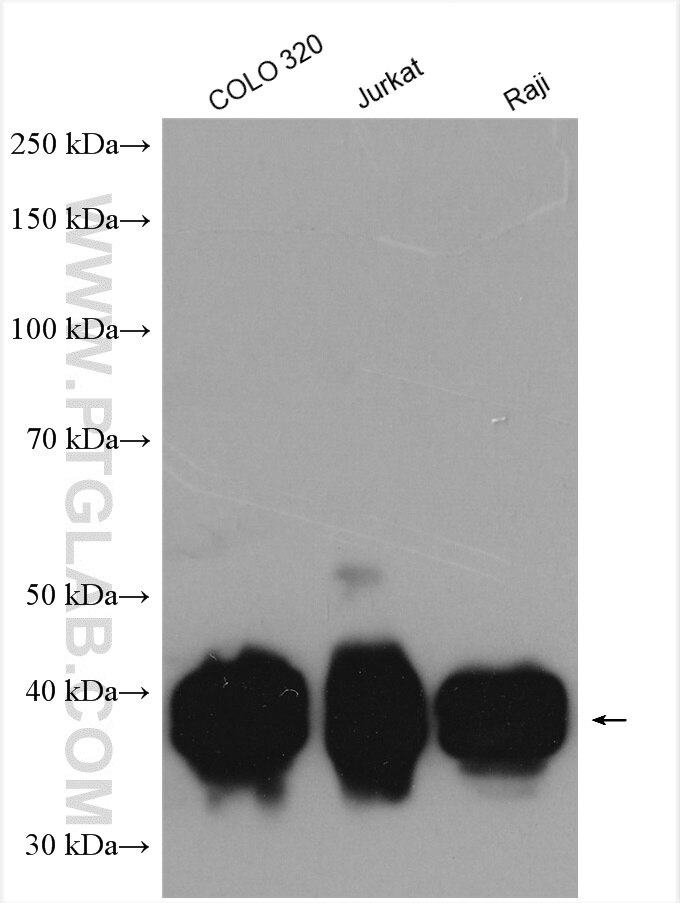
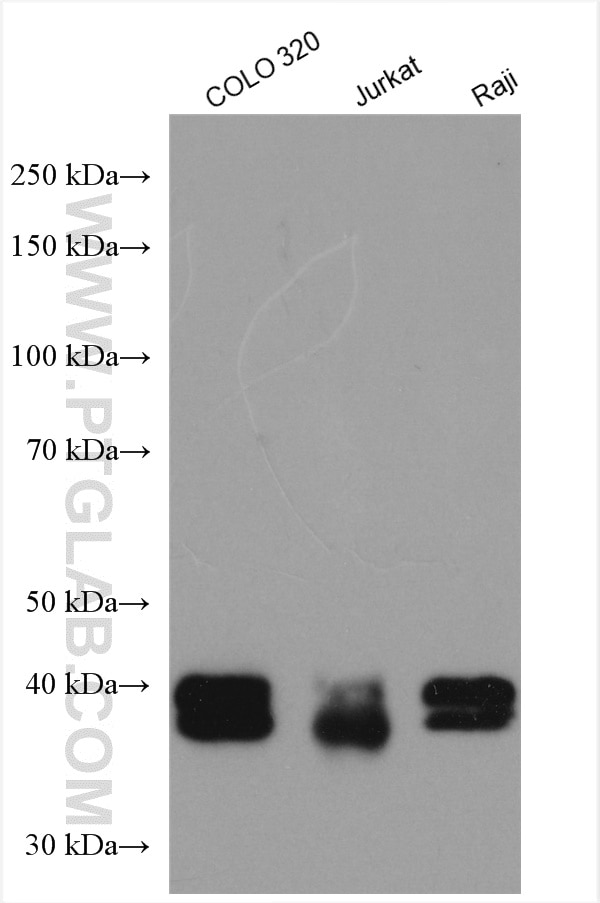
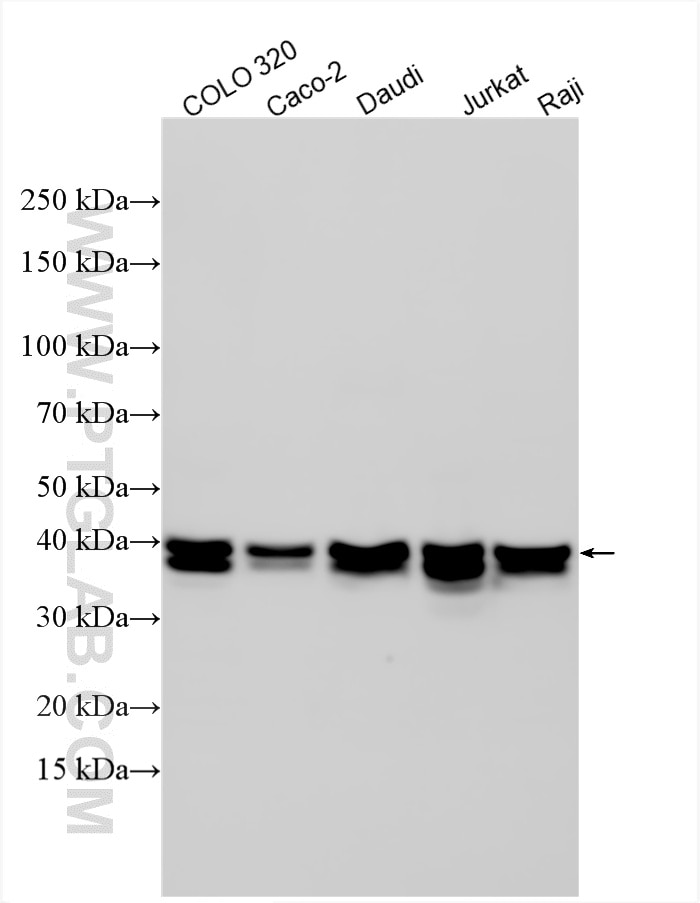
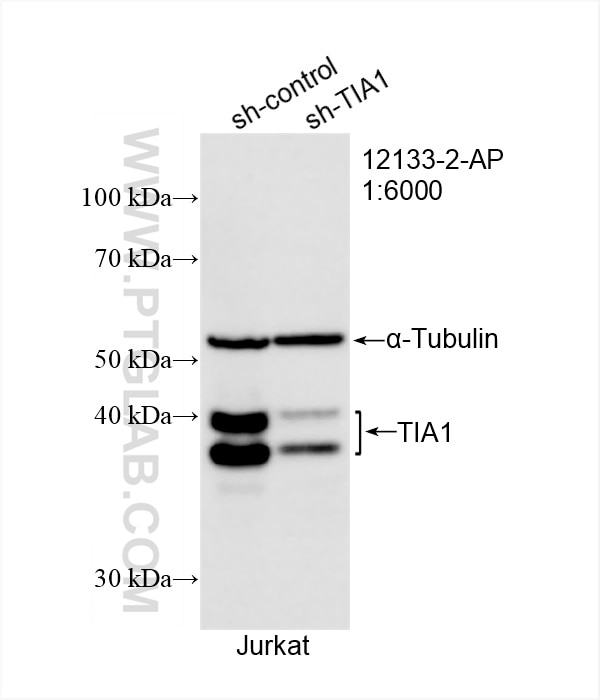
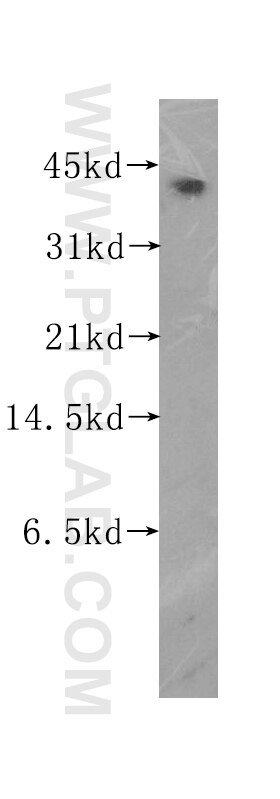
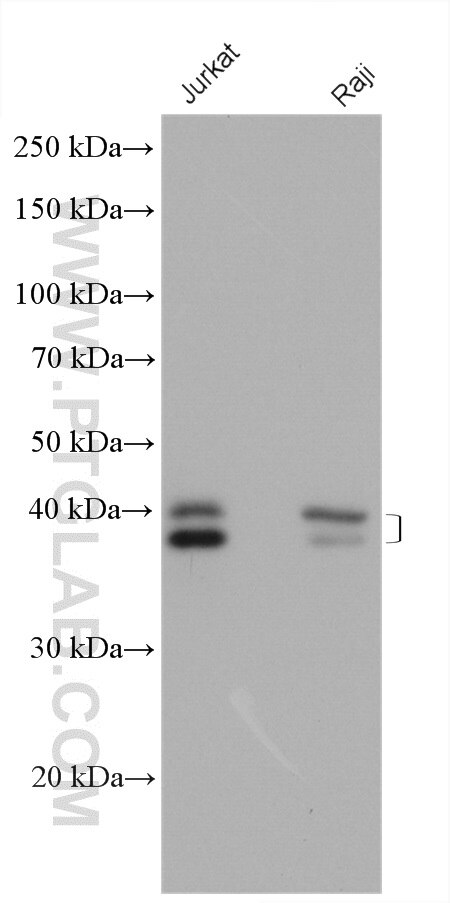
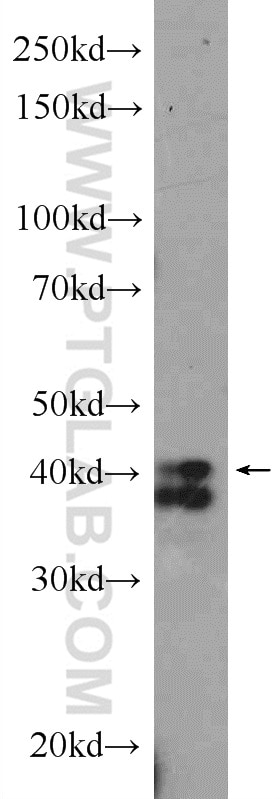
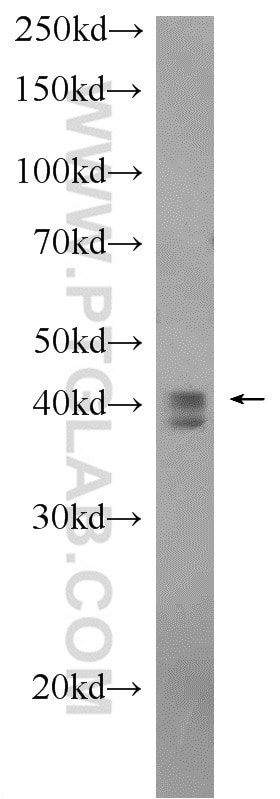
| Positive WB detected in | COLO 320 cells, Jurkat cells, mouse spleen tissue, mouse thymus tissue, Raji cells, Caco-2 cells, Daudi cells |
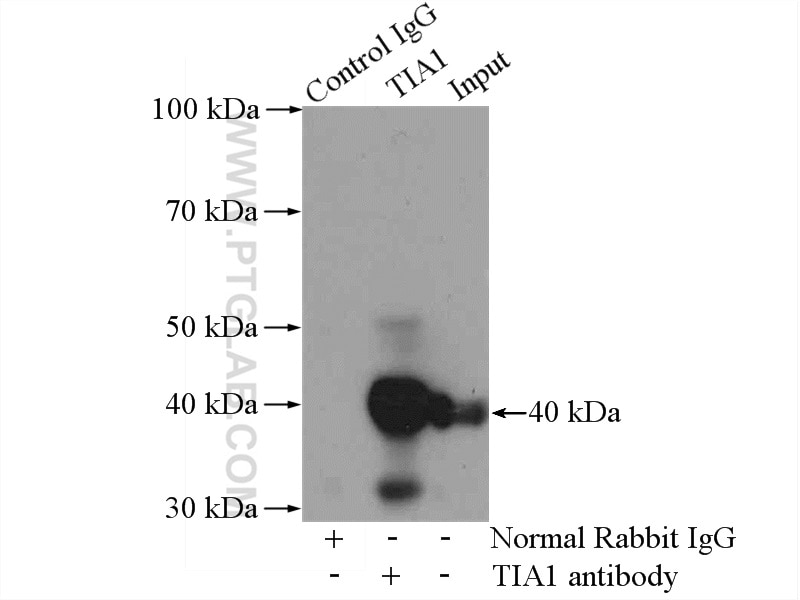
| Positive IP detected in | Jurkat cells |
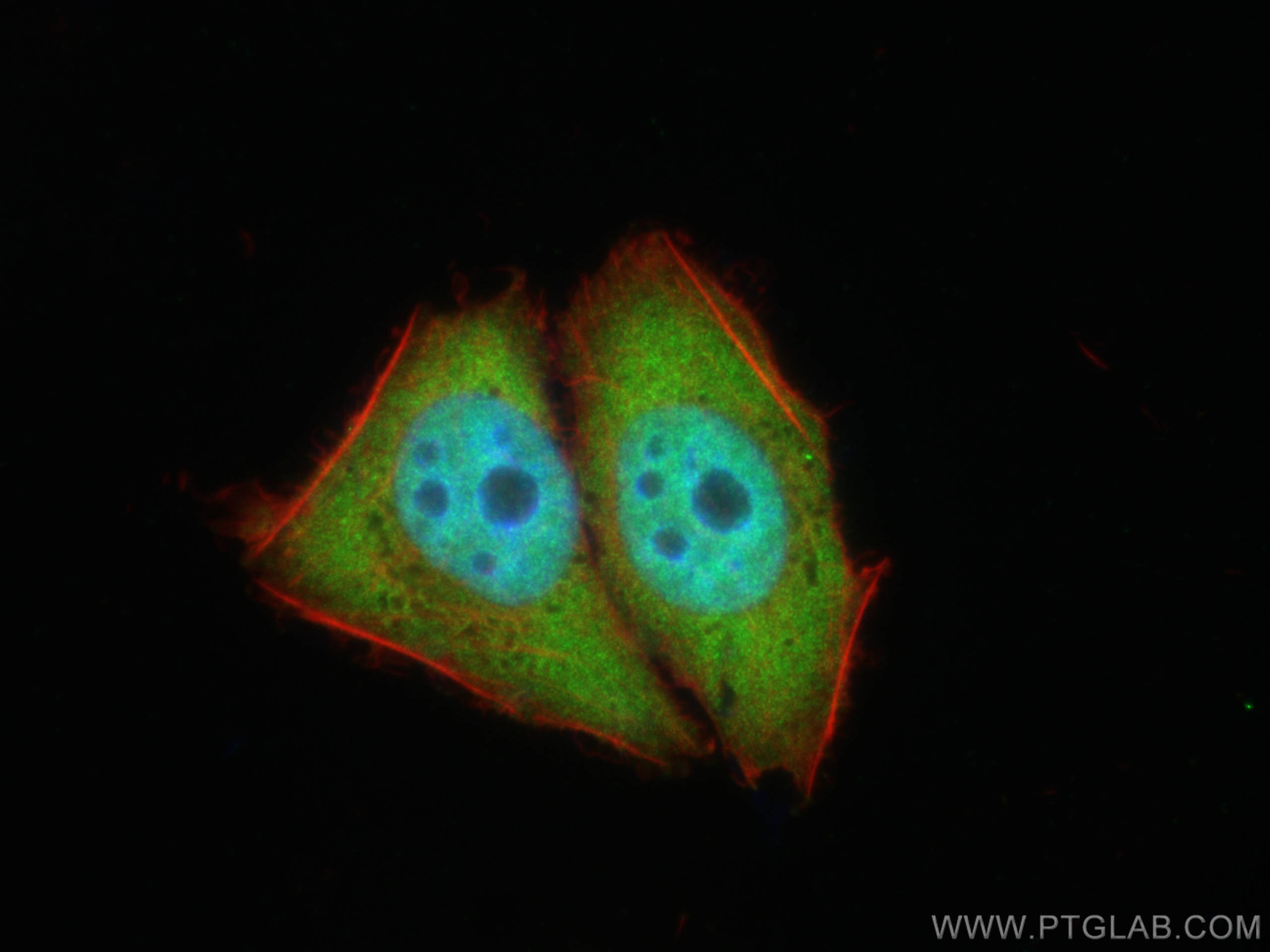
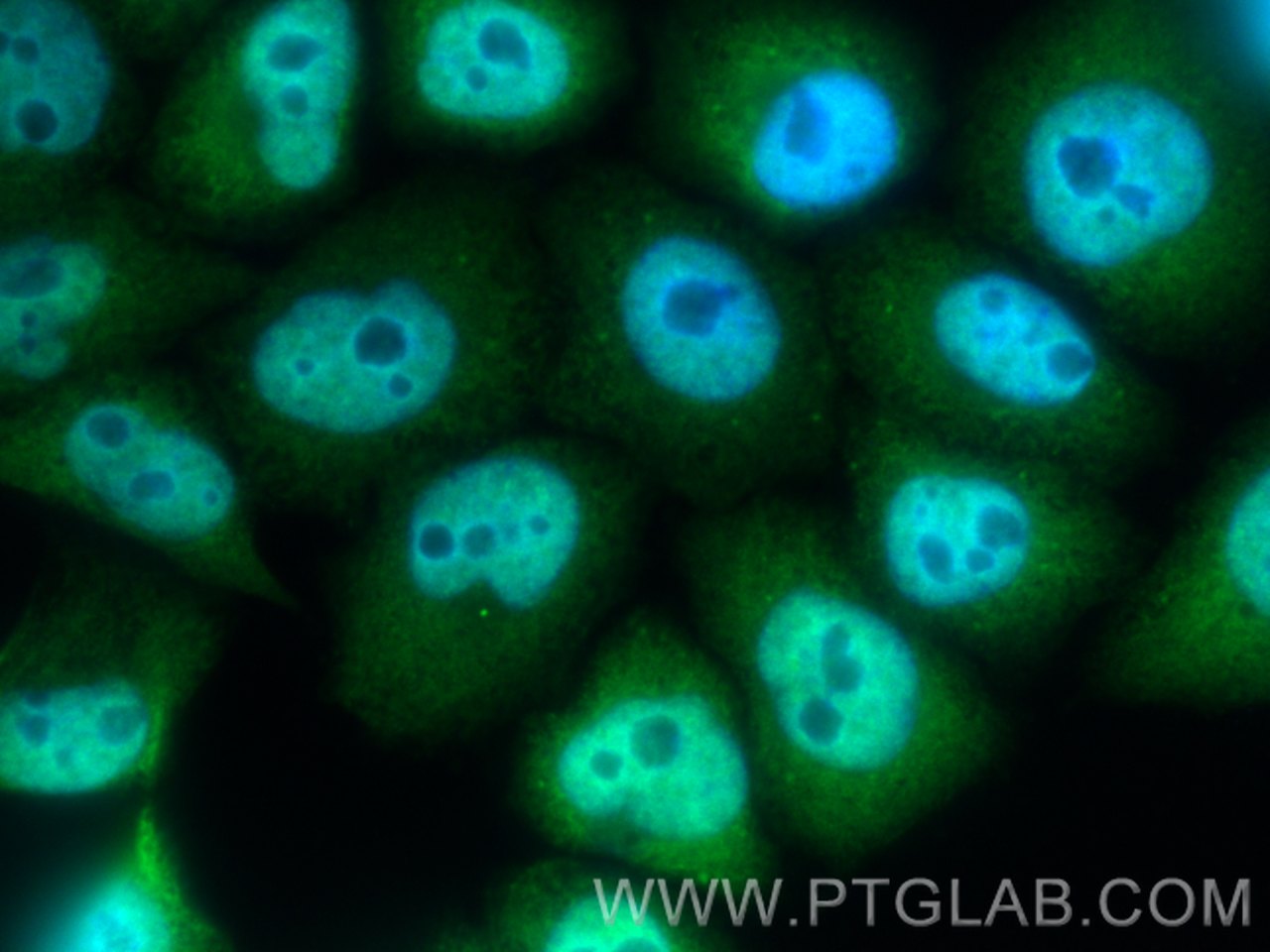
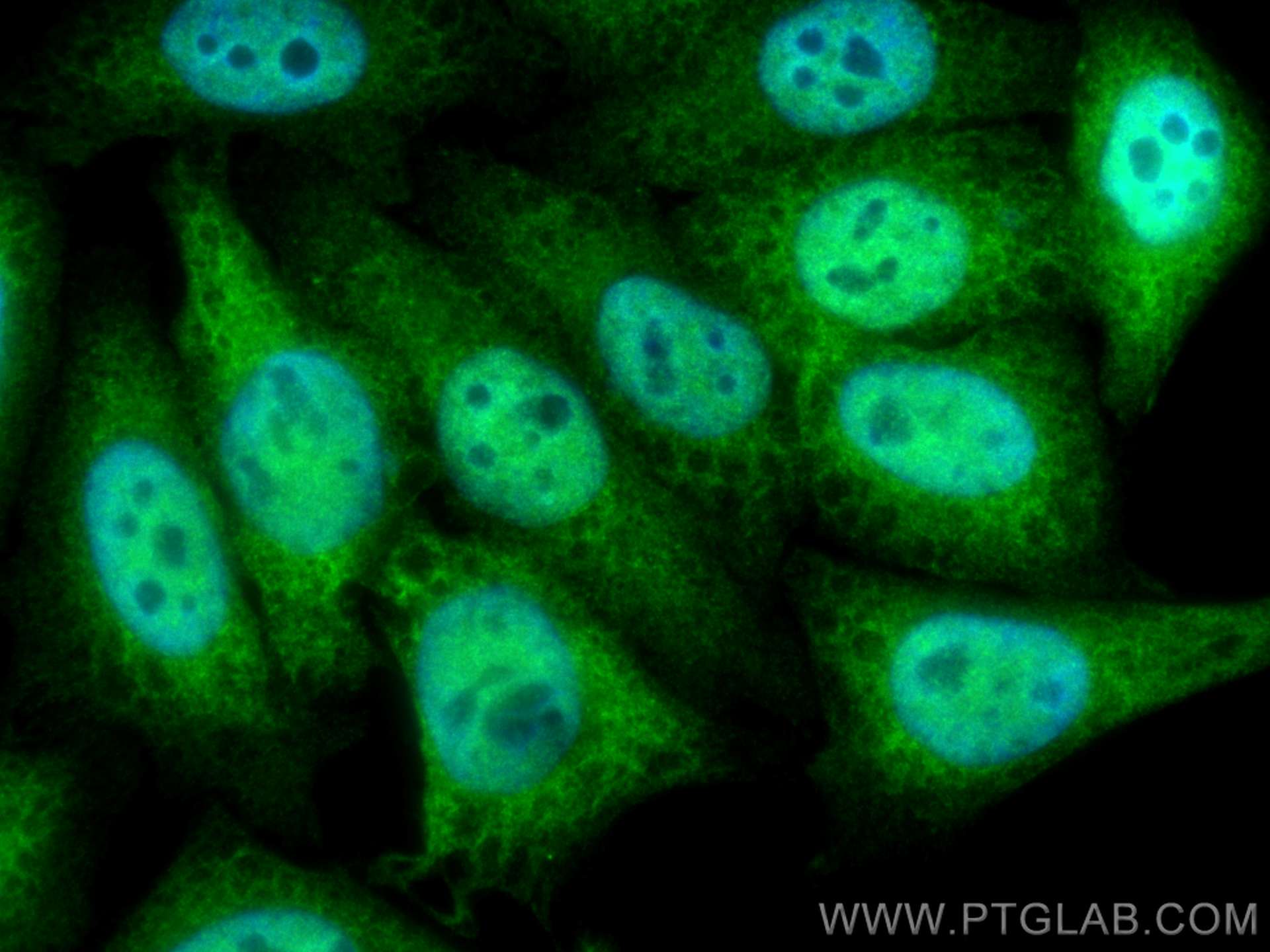
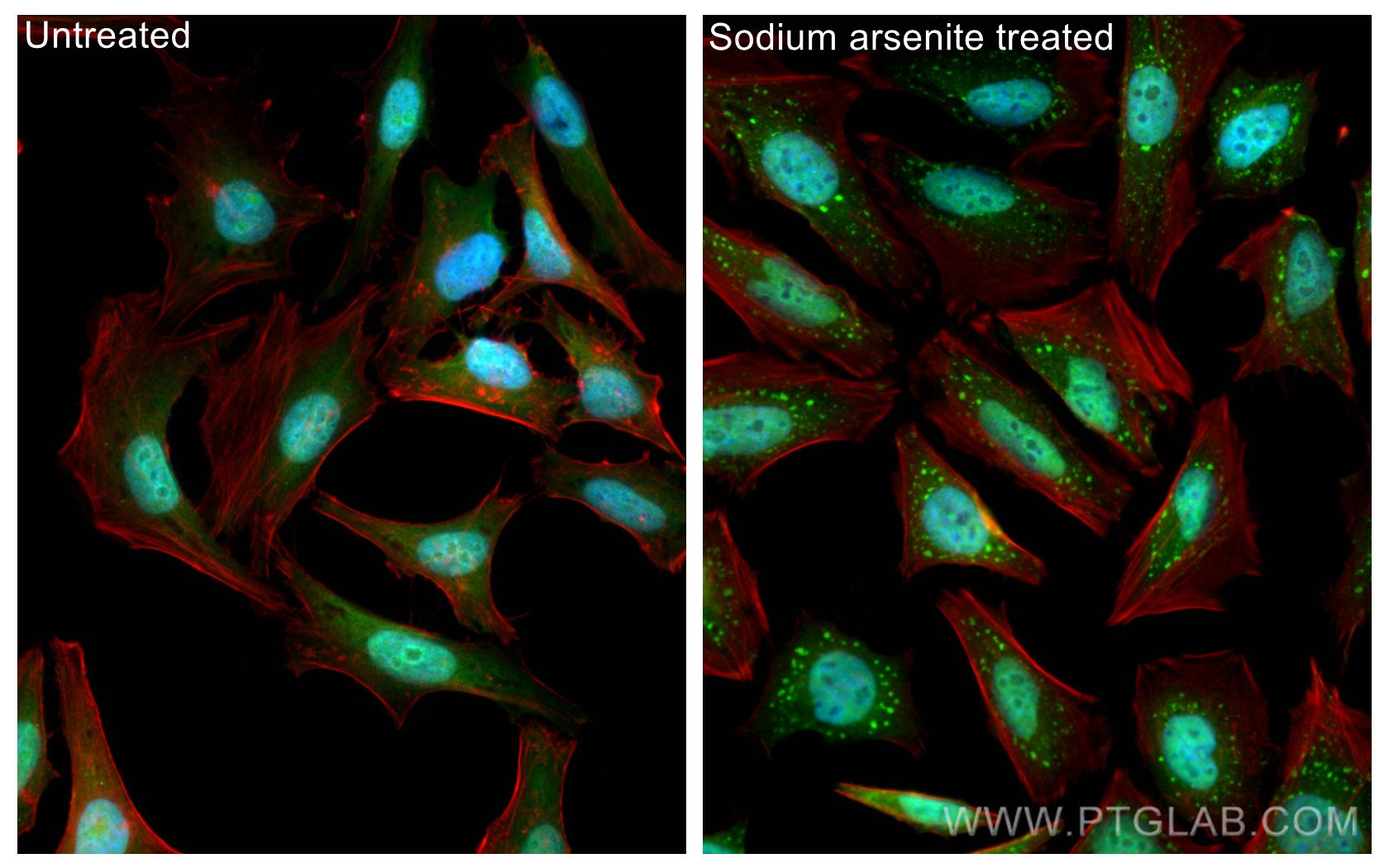
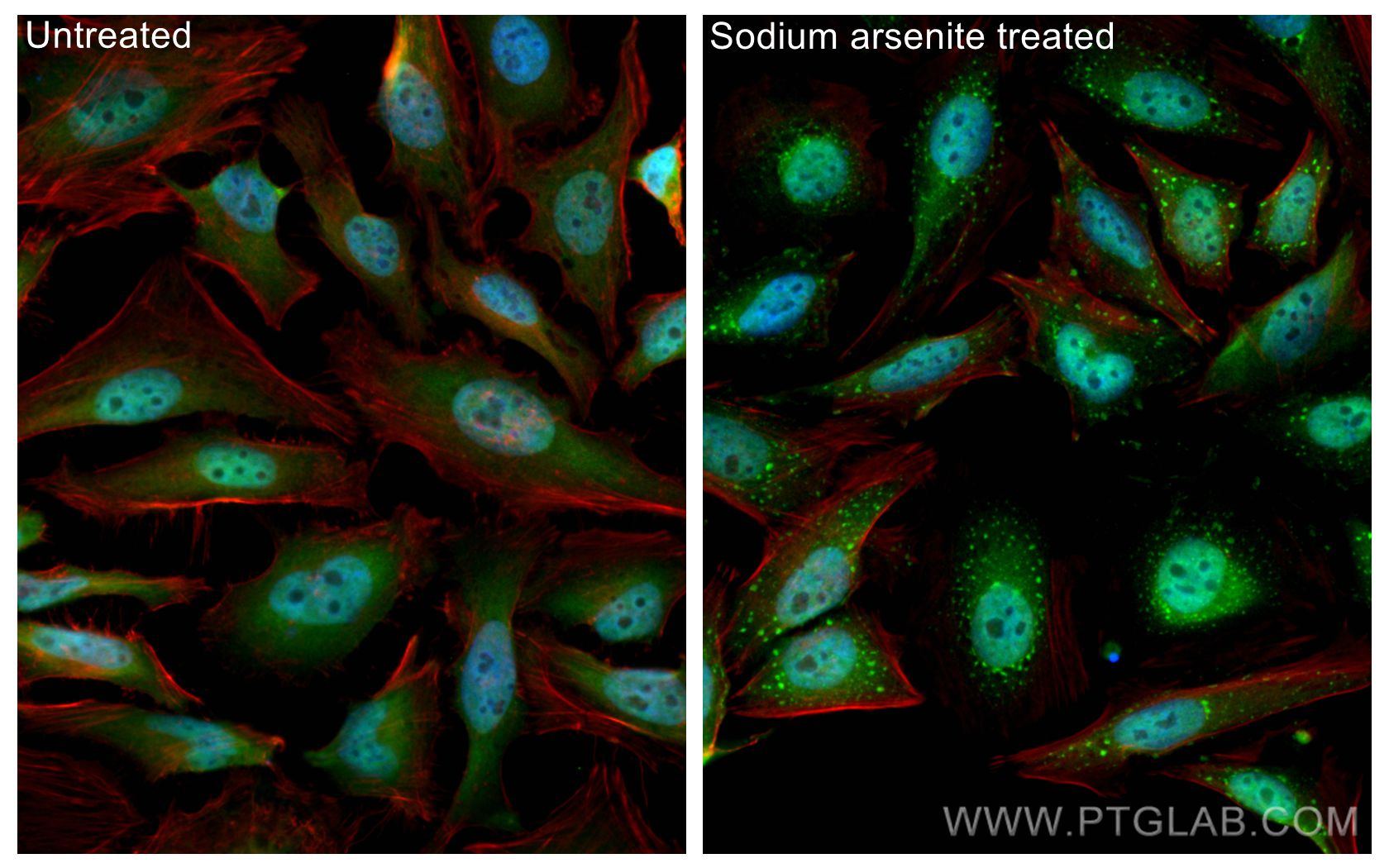
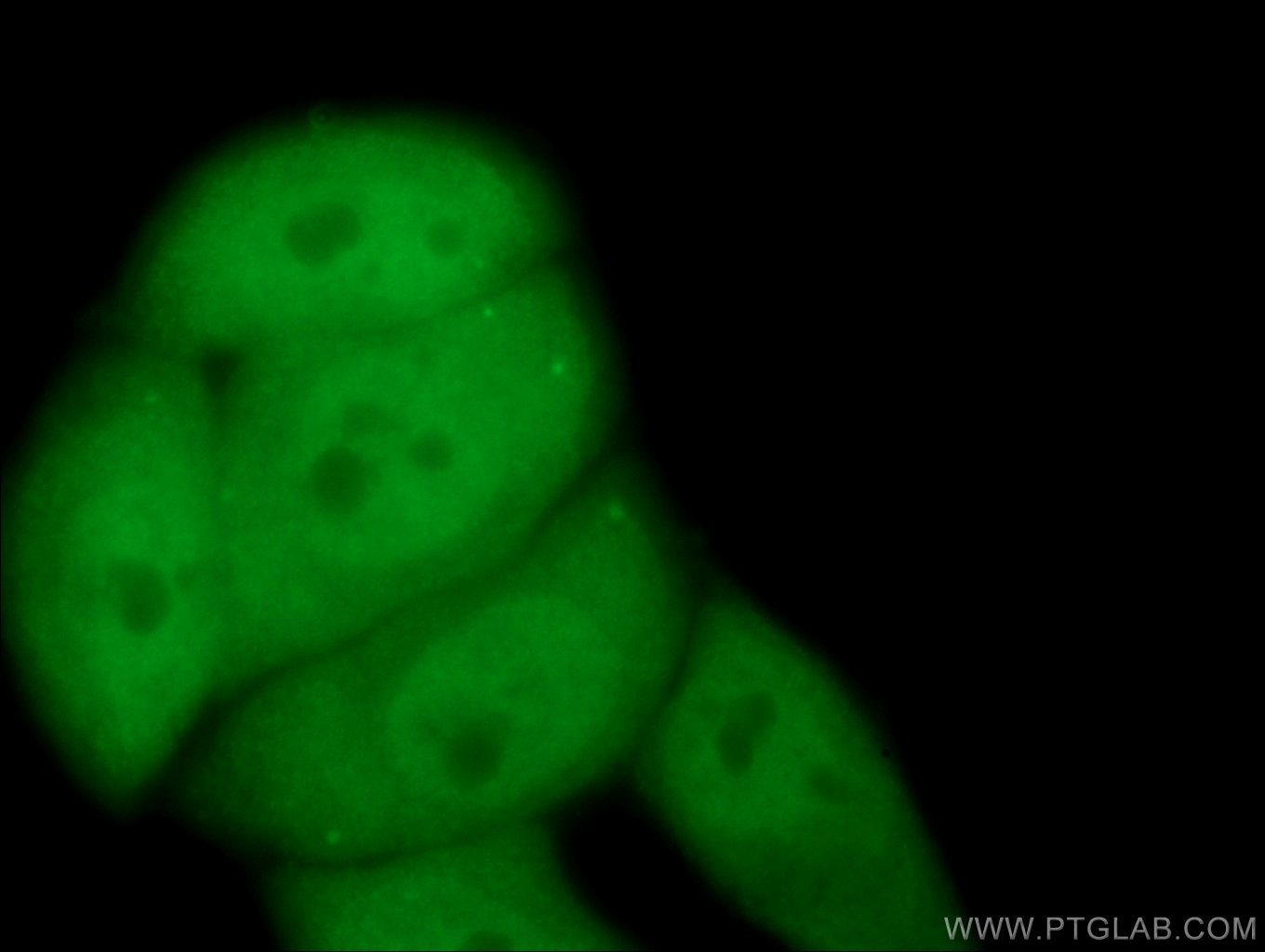
| Positive IF/ICC detected in | L02 cells, HepG2 cells, HeLa cells, sodium arsenite treated HeLa cells |
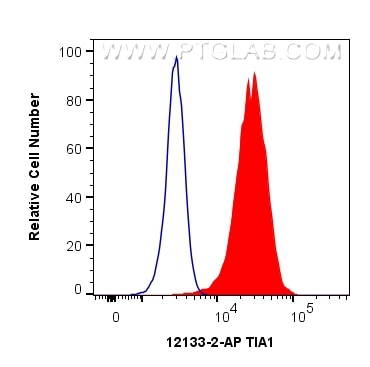
| Positive FC (Intra) detected in | HeLa cells |
Recommended dilution
| Application | Dilution |
|---|---|
| Western Blot (WB) | WB : 1:5000-1:50000 |
| Immunoprecipitation (IP) | IP : 0.5-4.0 ug for 1.0-3.0 mg of total protein lysate |
| Immunofluorescence (IF)/ICC | IF/ICC : 1:50-1:500 |
| Flow Cytometry (FC) (INTRA) | FC (INTRA) : 0.40 ug per 10^6 cells in a 100 µl suspension |
| It is recommended that this reagent should be titrated in each testing system to obtain optimal results. | |
| Sample-dependent, Check data in validation data gallery. | |
Product Information
12133-2-AP targets TIA1 in WB, IHC, IF/ICC, FC (Intra), IP, CoIP, ChIP, RIP, ELISA applications and shows reactivity with human, mouse, rat samples.
| Tested Reactivity | human, mouse, rat |
| Cited Reactivity | human, mouse, rat, pig, chicken |
| Host / Isotype | Rabbit / IgG |
| Class | Polyclonal |
| Type | Antibody |
| Immunogen |
CatNo: Ag2778 Product name: Recombinant human TIA1 protein Source: e coli.-derived, PGEX-4T Tag: GST Domain: 1-214 aa of BC015944 Sequence: MEDEMPKTLYVGNLSRDVTEALILQLFSQIGPCKNCKMIMDTAGNDPYCFVEFHEHRHAAAALAAMNGRKIMGKEVKVNWATTPSSQKKDTSSSTVVSTQRSQDHFHVFVGDLSPEITTEDIKAAFAPFGRISDARVVKDMATGKSKGYGFVSFFNKWDAENAIQQMGGQWLGGRQIRTNWATRKPPAPKSTYECRCIGEEKEMWNFGEKYARF Predict reactive species |
| Full Name | TIA1 cytotoxic granule-associated RNA binding protein |
| Calculated Molecular Weight | 214 aa, 24 kDa, 43 kDa |
| Observed Molecular Weight | ~40 kDa |
| GenBank Accession Number | BC015944 |
| Gene Symbol | TIA1 |
| Gene ID (NCBI) | 7072 |
| RRID | AB_2201427 |
| Conjugate | Unconjugated |
| Form | Liquid |
| Purification Method | Antigen affinity purification |
| UNIPROT ID | P31483 |
| Storage Buffer | PBS with 0.02% sodium azide and 50% glycerol, pH 7.3. |
| Storage Conditions | Store at -20°C. Stable for one year after shipment. Aliquoting is unnecessary for -20oC storage. 20ul sizes contain 0.1% BSA. |
Background Information
TIA1, also named as p40-TIA-1, is involved in alternative pre-RNA splicing and regulation of mRNA translation by binding to AU-rich elements (AREs) located in mRNA 3' untranslated regions (3' UTRs). It possesses nucleolytic activity against cytotoxic lymphocyte target cells. TIA1 may be involved in apoptosis. Two isoforms of this protein exist - 41kDa and 42kDa. one of these was a missense variant (P362L) in TIA1. Similar to the ALS-related disease proteins TDP-43, hnRNPA1, and FUS, TIA1 is an RNA-binding protein containing a prionlike LCD and assembles into membrane-less organelles, including SGs. Postmortem neuropathology of five TIA1mutations carriers showed a consistent pathological signature with numerous round, hyaline, TAR DNA-binding protein 43 (TDP-43)-positive inclusions.TIA1mutations significantly increased the propensity of TIA1 protein to undergo phase transition. In live cells,TIA1mutations delayed stress granule (SG) disassembly and promoted the accumulation of non-dynamic SGs that harbored TDP-43. Moreover, TDP-43 in SGs became less mobile and insoluble.
Protocols
| Product Specific Protocols | |
|---|---|
| FC protocol for TIA1 antibody 12133-2-AP | Download protocol |
| IF protocol for TIA1 antibody 12133-2-AP | Download protocol |
| IP protocol for TIA1 antibody 12133-2-AP | Download protocol |
| WB protocol for TIA1 antibody 12133-2-AP | Download protocol |
| Standard Protocols | |
|---|---|
| Click here to view our Standard Protocols |
Publications
What published studies show
Anti-TIA1 antibody (Cat# 12133-2-AP) has 100 total citations published in journals including Nature, Cell, Neuron, EMBO Journal, Nature Communications, Brain, Nucleic Acids Research, and Cell Reports. Associated research fields include stress granule biology, neurodegeneration (ALS/FTD/C9orf72), virology, cancer, RNA splicing and translation, ischemic stroke, metabolic disorders, ferroptosis, and innate immune signaling.
| Species | Application | Title |
|---|---|---|
Cell In vivo structural characterization of the SARS-CoV-2 RNA genome identifies host proteins vulnerable to repurposed drugs.
| ||
Nat Nanotechnol Polystyrene nanoparticles trigger aberrant condensation of TDP-43 and amyotrophic lateral sclerosis-like symptoms | ||
Cell Res Predicting dynamic cellular protein-RNA interactions by deep learning using in vivo RNA structures. | ||
Nat Cell Biol An mRNA processing pathway suppresses metastasis by governing translational control from the nucleus | ||
Sci Bull (Beijing) SARS-CoV-2 nucleocapsid protein phase separates with G3BPs to disassemble stress granules and facilitate viral production. |
Reviews
What customers say
Users report strong Western blot performance (rated 5/5 at 1:1000 dilution with 1% milk blocking). For immunofluorescence, results are generally positive with bright nuclear and stress granule staining observed in PANC1 cells at 1:500 dilution. One user noted that acetone fixation outperformed paraformaldehyde for IF in fibroblasts. However, one reviewer found IF signal less clear in fibroblast cells despite good WB results. Overall, the antibody performs well for WB and IF applications, with fixation method being a key factor for optimal IF results.
The reviews below have been submitted by verified Proteintech customers who received an incentive for providing their feedback.
haibo (Verified Customer) (09-28-2020) | Western blotting was good. But can not see clear granule signal even after treatment by IF. The cells used were fibroblasts.
|
Manohar (Verified Customer) (09-23-2020) | Used 1% Milk for blocking
|
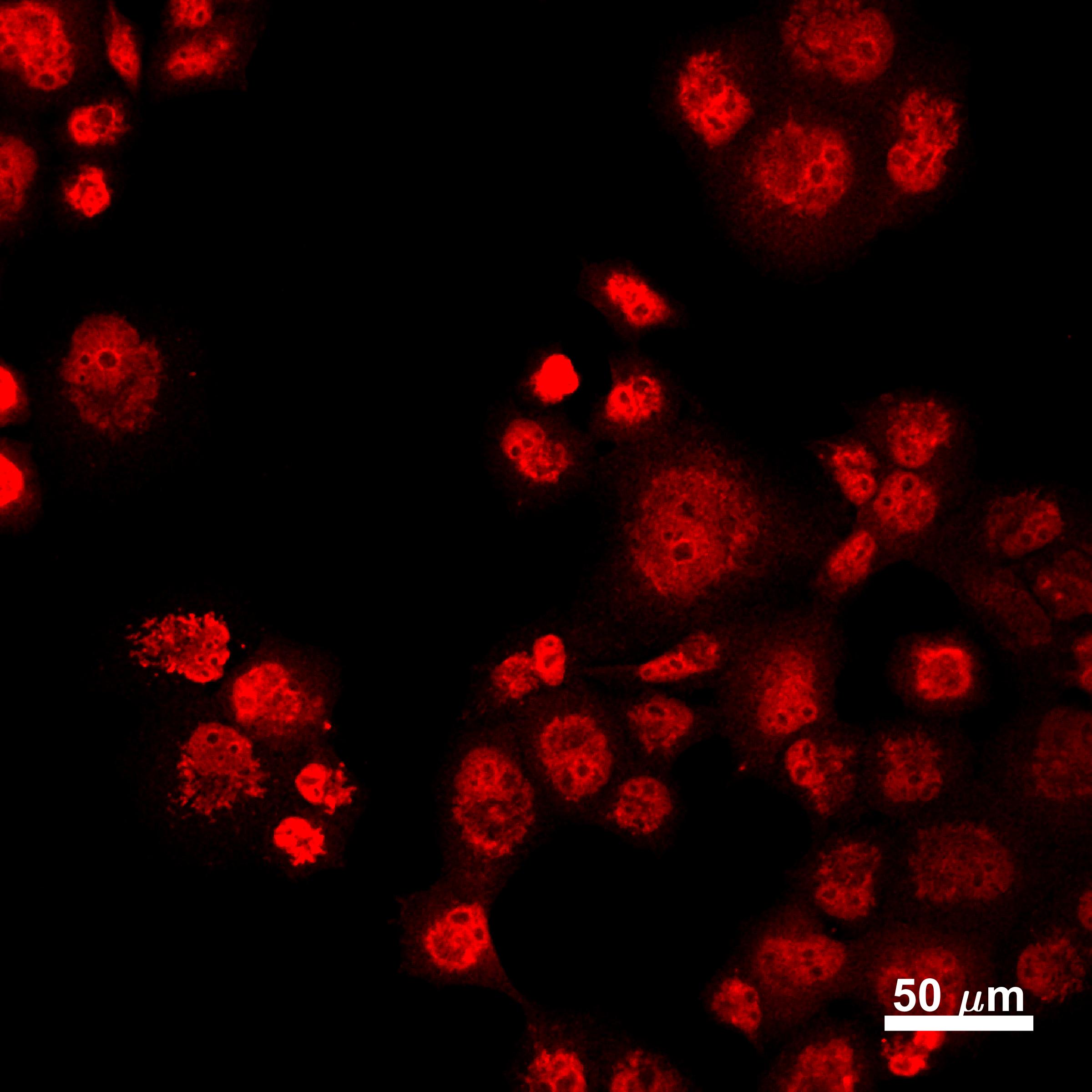
Joshua (Verified Customer) (12-28-2019) | PANC1 cells fixed in 4% paraformaldehyde and stained overnight at 4C. Bright staining, mix of nuclear and stress granule localization as expected.
 |
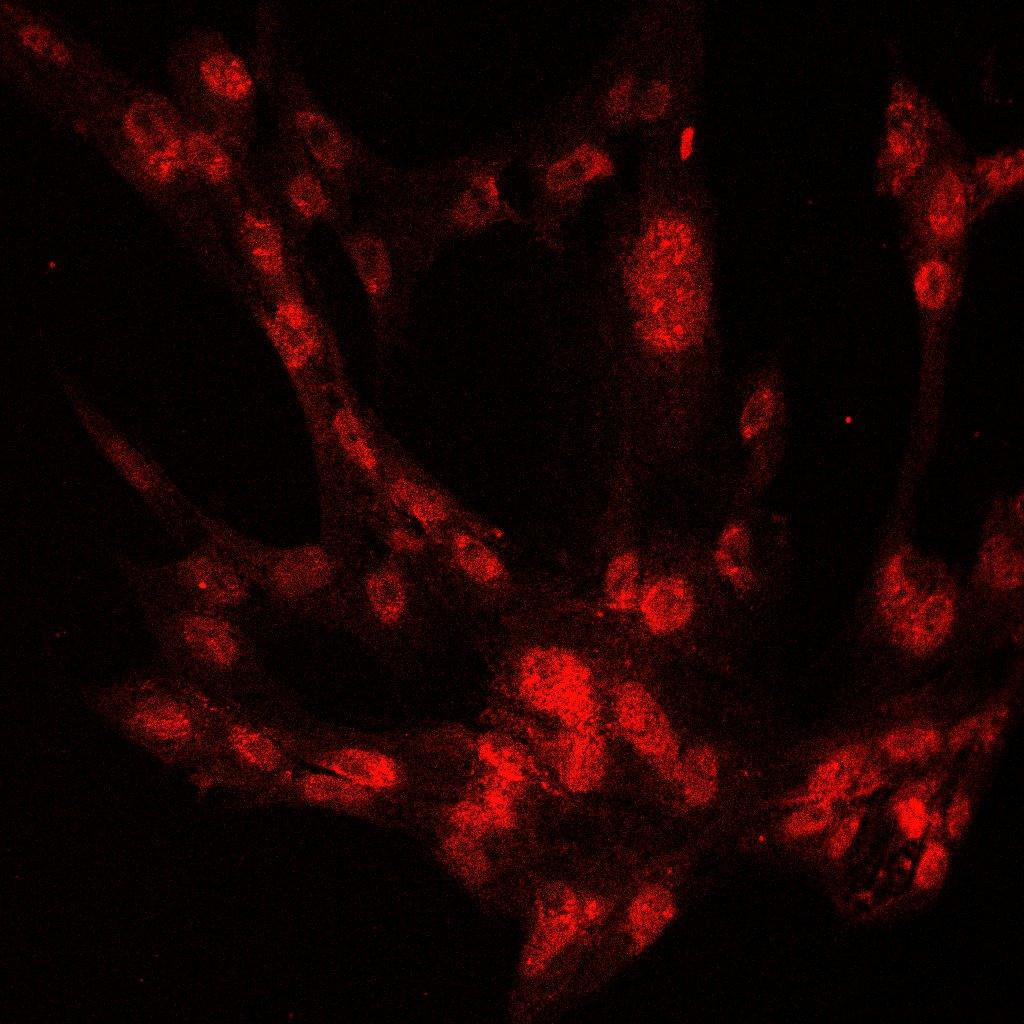
Joshua (Verified Customer) (12-12-2018) | We found acetone fixation (20 min in 100% acetone at -20C) worked better than paraformaldehyde.
 |


















