
Tested Applications
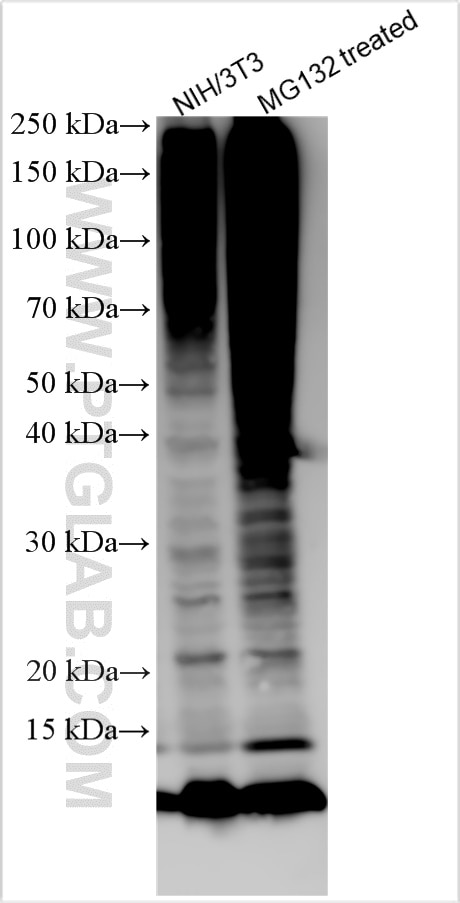
| Positive WB detected in | NIH/3T3 cells, MG132 treated NIH/3T3 cells |
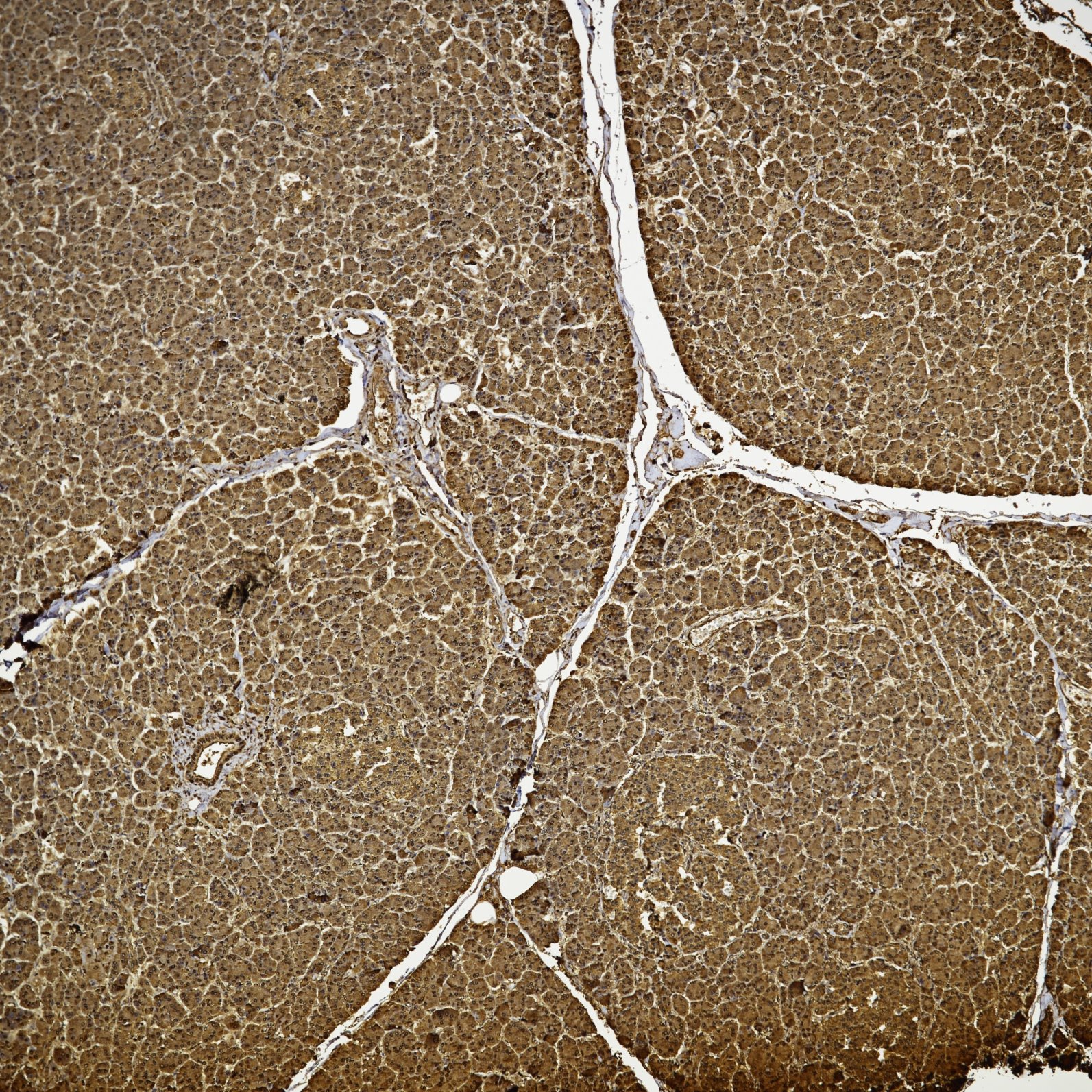
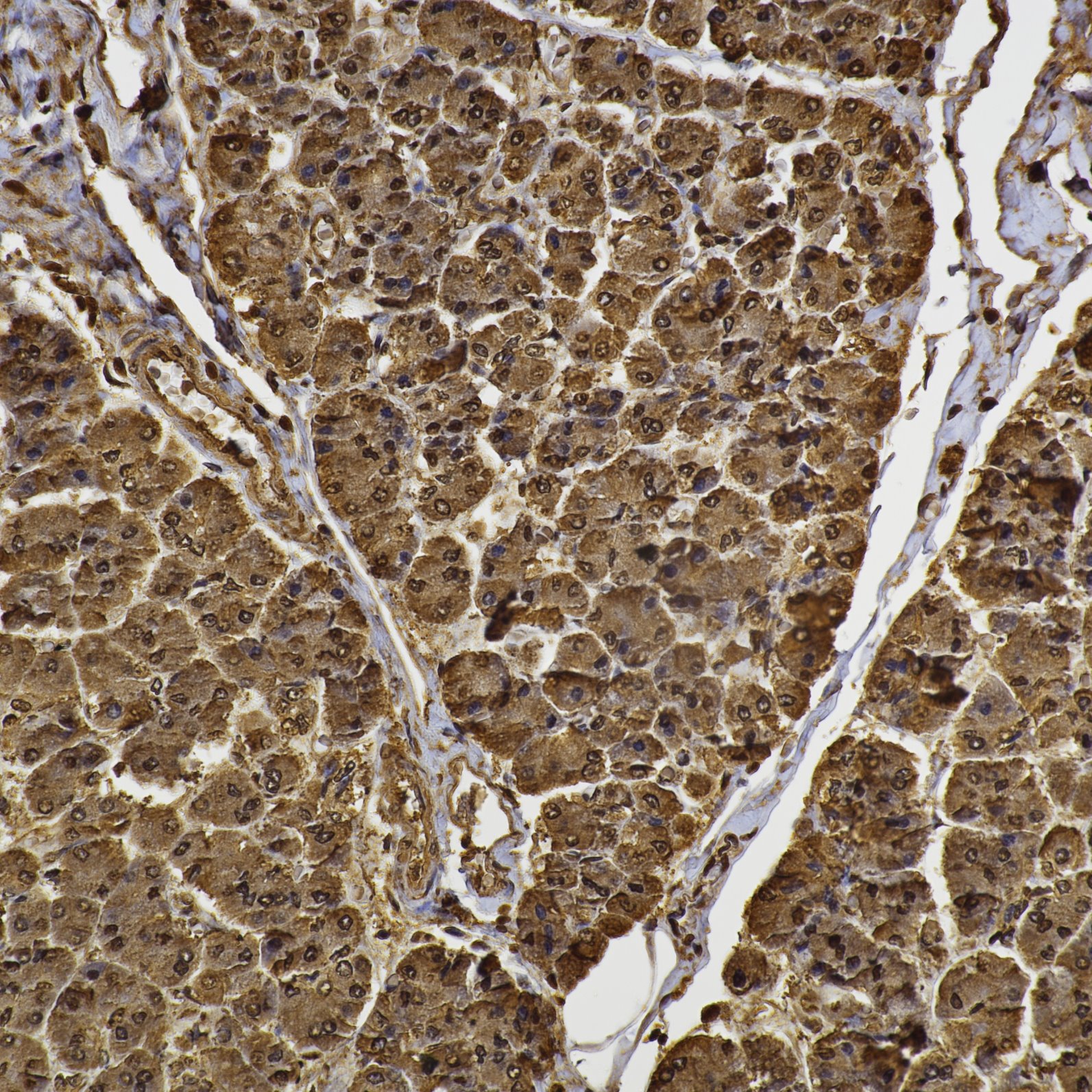
| Positive IHC-Autostainer detected in | human pancreas tissue |
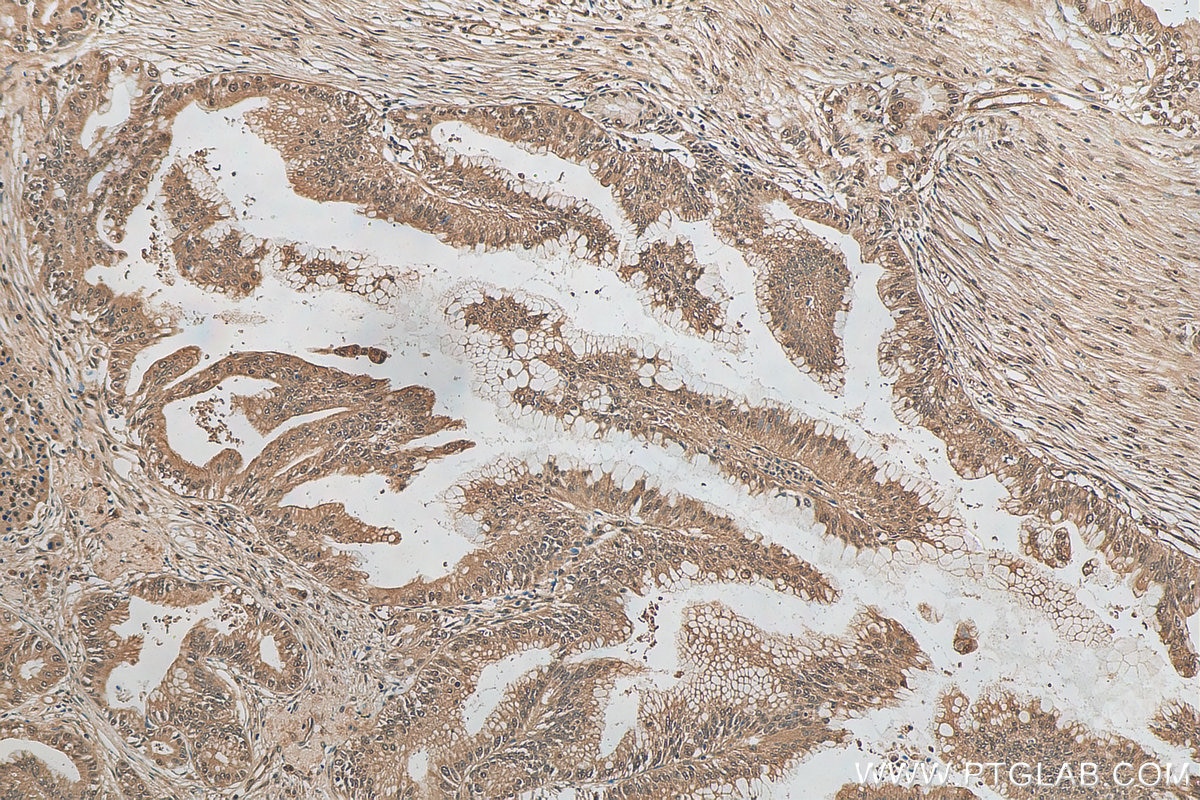
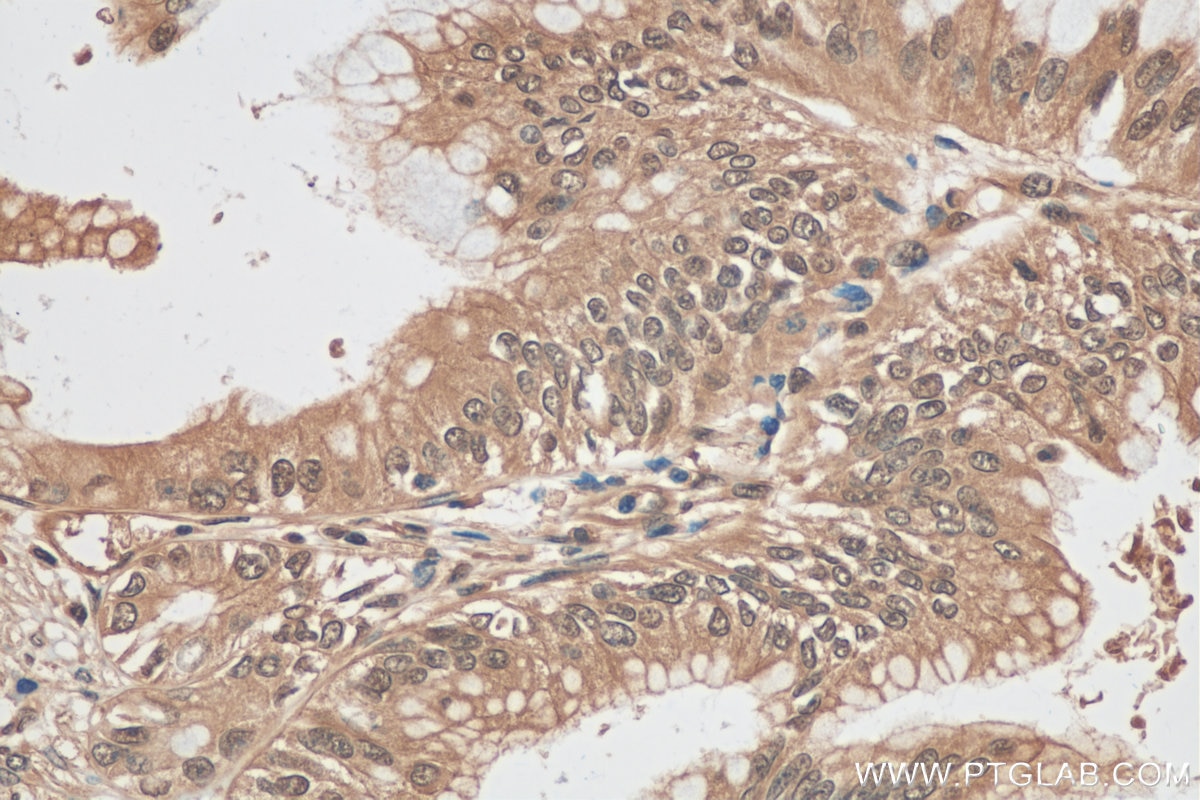
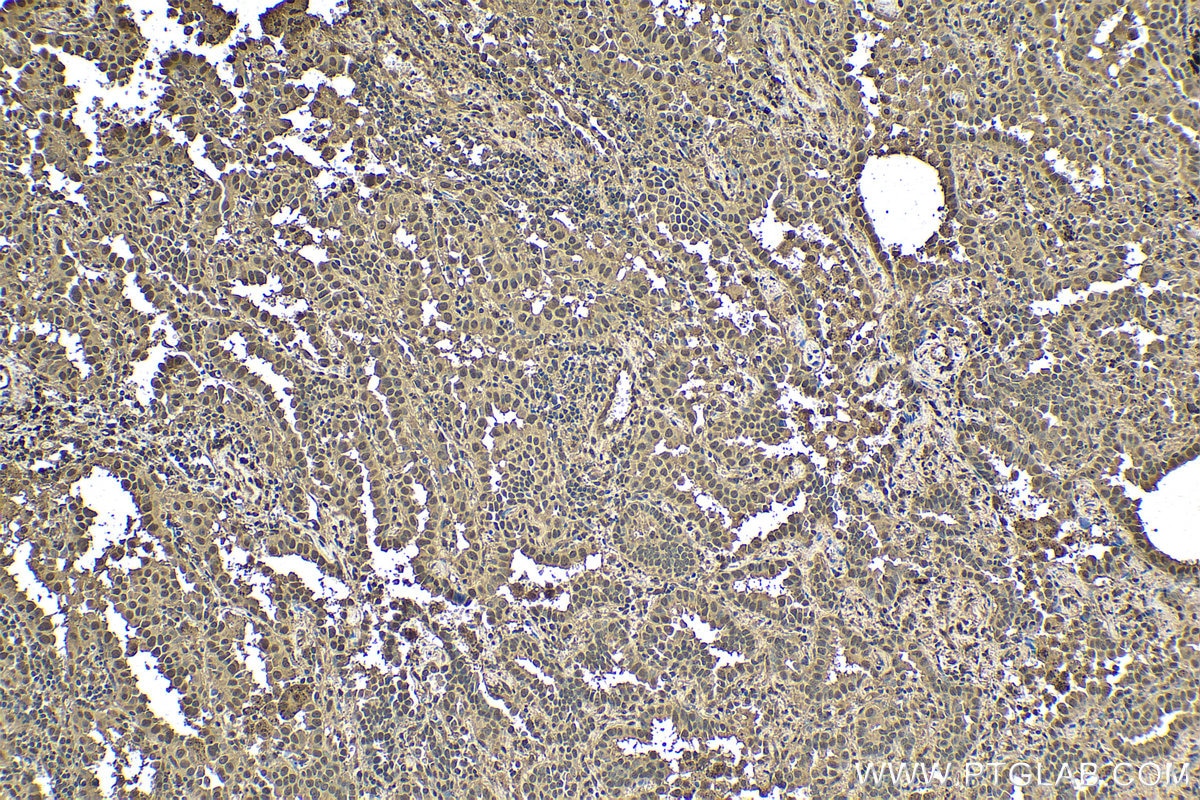
| Positive IHC detected in | human pancreas cancer tissue, human lung cancer tissue Note: suggested antigen retrieval with TE buffer pH 9.0; (*) Alternatively, antigen retrieval may be performed with citrate buffer pH 6.0 |
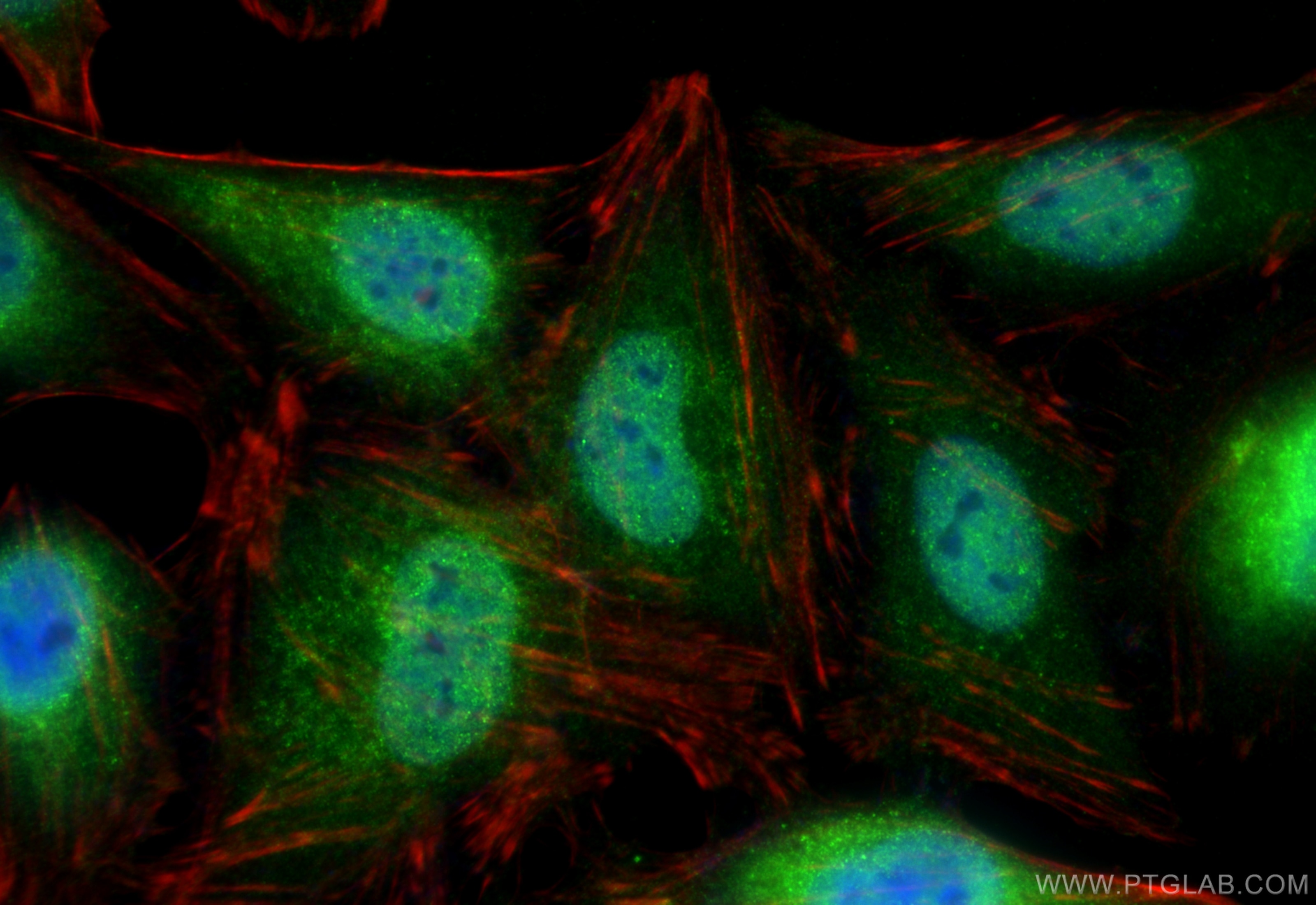
| Positive IF/ICC detected in | HeLa cells |
Recommended dilution
| Application | Dilution |
|---|---|
| Western Blot (WB) | WB : 1:10000-1:100000 |
| Immunohistochemistry (IHC)-AUTOSTAINER | IHC-AUTOSTAINER : 1:50-1:500 |
| Immunohistochemistry (IHC) | IHC : 1:50-1:500 |
| Immunofluorescence (IF)/ICC | IF/ICC : 1:50-1:500 |
| It is recommended that this reagent should be titrated in each testing system to obtain optimal results. | |
| Sample-dependent, Check data in validation data gallery. | |
Product Information
80992-1-RR targets ubiquitin in WB, IHC, IHC-Autostainer, IF/ICC, IP, CoIP, ELISA applications and shows reactivity with human, mouse, rat, canine, hamster, yeast, spinach samples.
| Tested Reactivity | human, mouse, rat, canine, hamster, yeast, spinach |
| Cited Reactivity | human, mouse, rat |
| Host / Isotype | Rabbit / IgG |
| Class | Recombinant |
| Type | Antibody |
| Immunogen |
CatNo: Ag0260 Product name: Recombinant human ubiquitin protein Source: e coli.-derived, PGEX-4T Tag: GST Domain: 104-229 aa of BC000379 Sequence: AKIQDKEGIPPDQQRLIFAGKQLEDGRTLSDYNIQKESTLHLVLRLRGGMQIFVKTLTGKTITLEVEPSDTIENVKAKIQDKEGIPPDQQRLIFAGKQLEDGRTLSDYNIQKESTLHLVLRLRGGC Predict reactive species |
| Full Name | ubiquitin B |
| GenBank Accession Number | BC000379 |
| Gene Symbol | ubiquitin |
| Gene ID (NCBI) | 7314 |
| RRID | AB_2923694 |
| Conjugate | Unconjugated |
| Form | Liquid |
| Purification Method | Protein A purification |
| UNIPROT ID | P0CG47 |
| Storage Buffer | PBS with 0.02% sodium azide and 50% glycerol, pH 7.3. |
| Storage Conditions | Store at -20°C. Stable for one year after shipment. Aliquoting is unnecessary for -20oC storage. 20ul sizes contain 0.1% BSA. |
Background Information
Ubiquitin B (UBB) is a member of ubiquitin family, one of the most conserved proteins known. Ubiquitin B is required for ATP-dependent, non-lysosomal intracellular protein degradation of abnormal proteins and normal proteins with a rapid turnover. Ubiquitin B is covalently bound to proteins to be degraded, and presumably labels these proteins for degradation. Ubiquitin also binds to histone H2A in actively transcribed regions but does not cause histone H2A degradation, suggesting that ubiquitin is also involved in regulation of gene expression.When polyubiquitin is free (unanchored-polyubiquitin), it also has distinct roles, such as in activation of protein kinases, and in signaling. This gene consists of three direct repeats of the ubiquitin coding sequence with no spacer sequence. Consequently, the protein is expressed as a polyubiquitin precursor with a final amino acid after the last repeat. Aberrant form of this protein has been noticed in patients with Alzheimer's and Down syndrome. Interestingly ubiquitin also becomes covalently bonded to many types of pathological inclusions which appear to be resistant to normal degradation.
Protocols
| Product Specific Protocols | |
|---|---|
| IF protocol for ubiquitin antibody 80992-1-RR | Download protocol |
| IHC protocol for ubiquitin antibody 80992-1-RR | Download protocol |
| WB protocol for ubiquitin antibody 80992-1-RR | Download protocol |
| Standard Protocols | |
|---|---|
| Click here to view our Standard Protocols |
Publications
What published studies show
| Species | Application | Title |
|---|---|---|
Autophagy Dual roles of CXCR4 (C-X-C motif chemokine receptor 4) in promoting entry of ebolavirus and targeting excessive glycoprotein for reticulophagic degradation to facilitate viral fitness | ||
Redox Biol Activation of nuclear receptor pregnane-X-receptor protects against abdominal aortic aneurysm by inhibiting oxidative stress | ||
Mol Cell Global profiling of nascent chain interactors reveals TRIM25 as a co-translational E3 ubiquitin ligase. | ||
Acta Pharm Sin B STK39 inhibits antiviral immune response by inhibiting DCAF1-mediated PP2A degradation | ||
Adv Sci (Weinh) ERβ/circAHNAK Axis Inhibits USP10-FMR1 Deubiquitination to Prevent m⁶A-Mediated ADAM17 Decay and Promote Angiogenesis in Clear Cell Renal Cell Carcinoma. | ||
Adv Sci (Weinh) SV2B Promotes the Progression of TFE3-Rearranged Renal Cell Carcinoma by Interacting with HERC2 to Impede the Degradation of NF-κB Subunits. |









