


Tested Applications
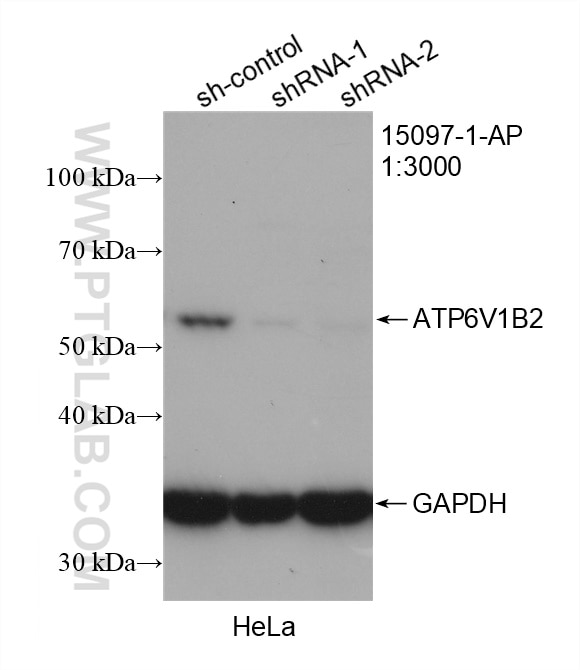
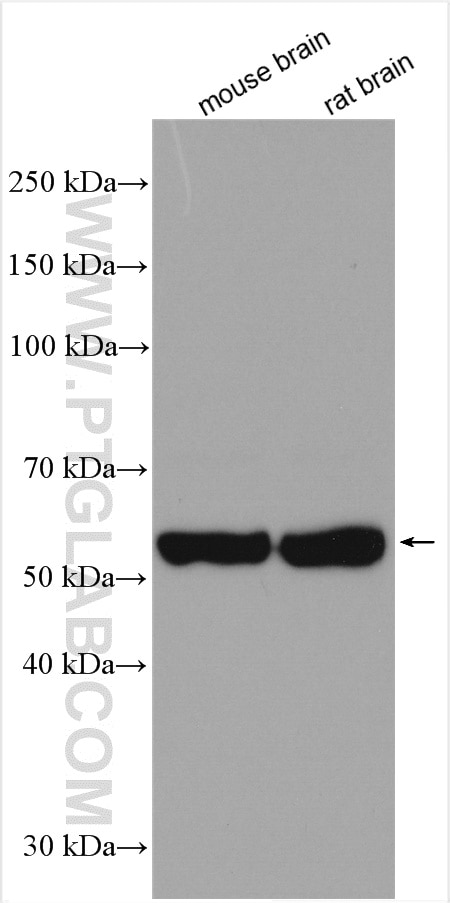
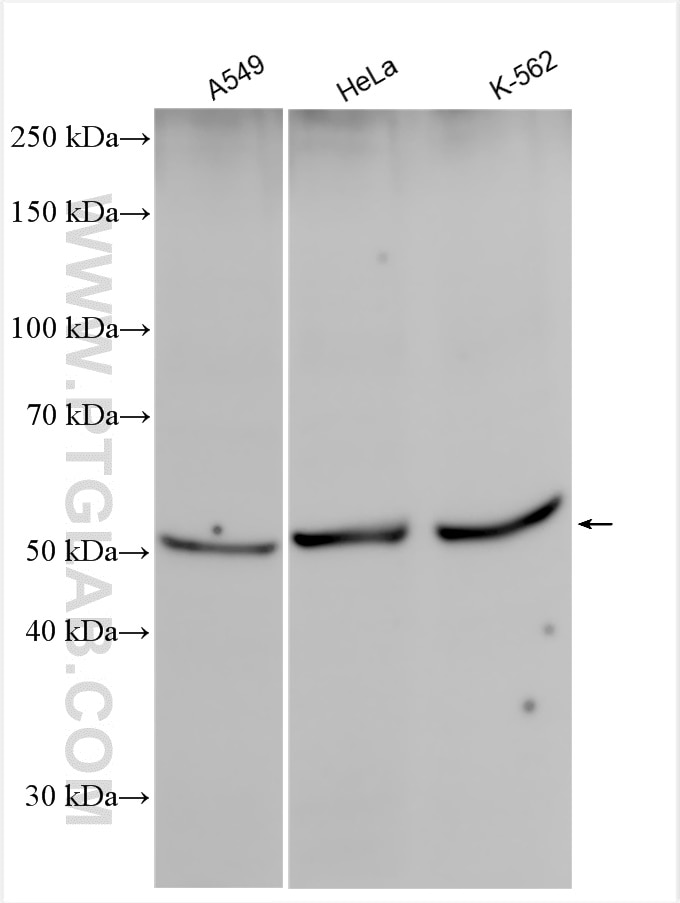
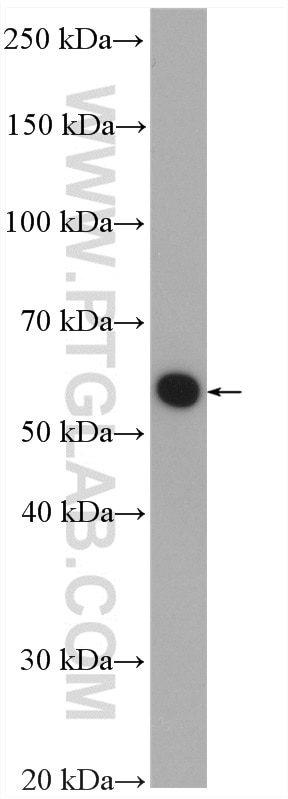
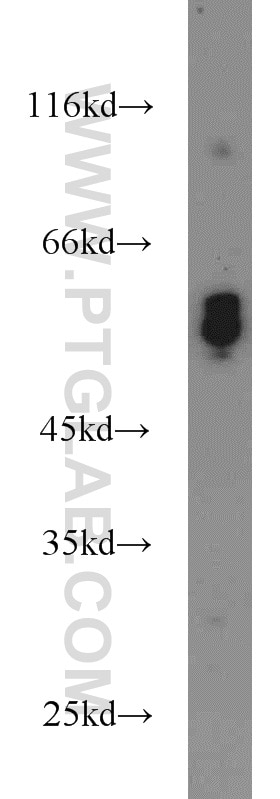
| Positive WB detected in | HepG2 cells, A549 cells, HeLa cells, mouse brain tissue, mouse heart tissue, mouse skeletal muscle tissue, K-562 cells, L02 cells, rat brain tissue |
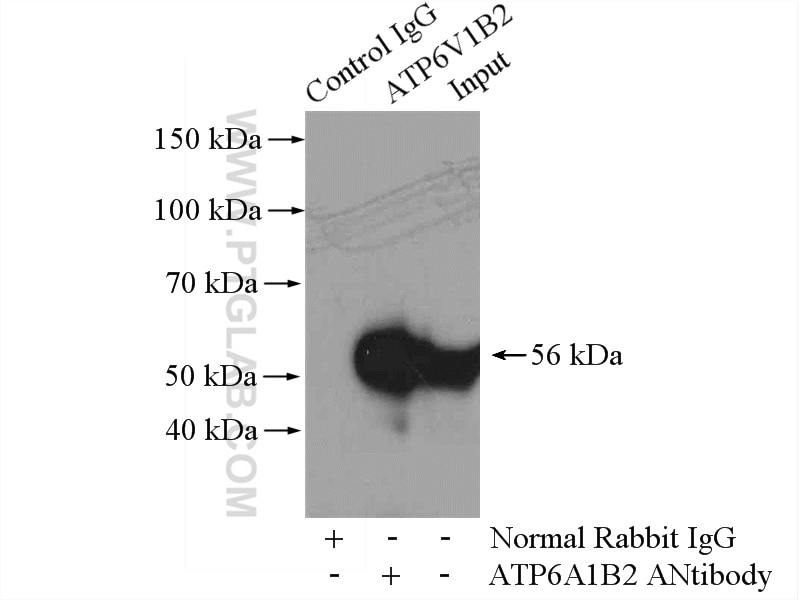
| Positive IP detected in | mouse brain tissue |
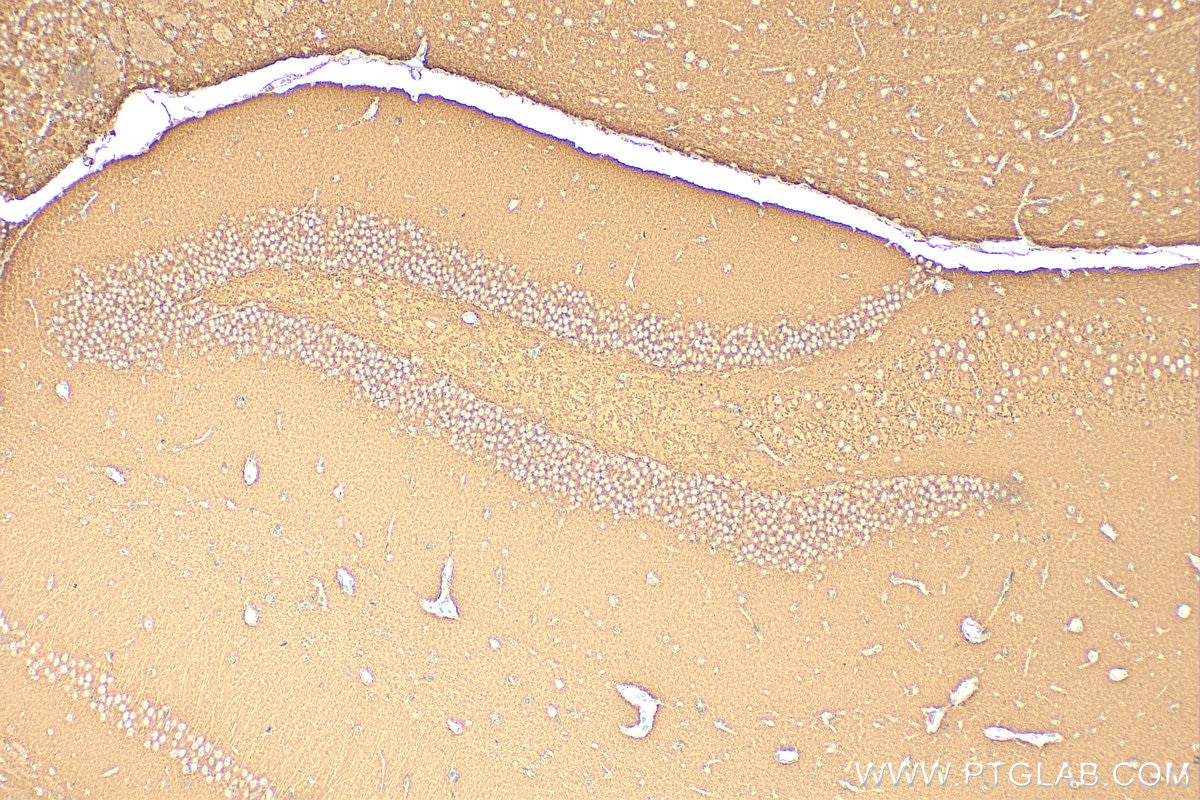
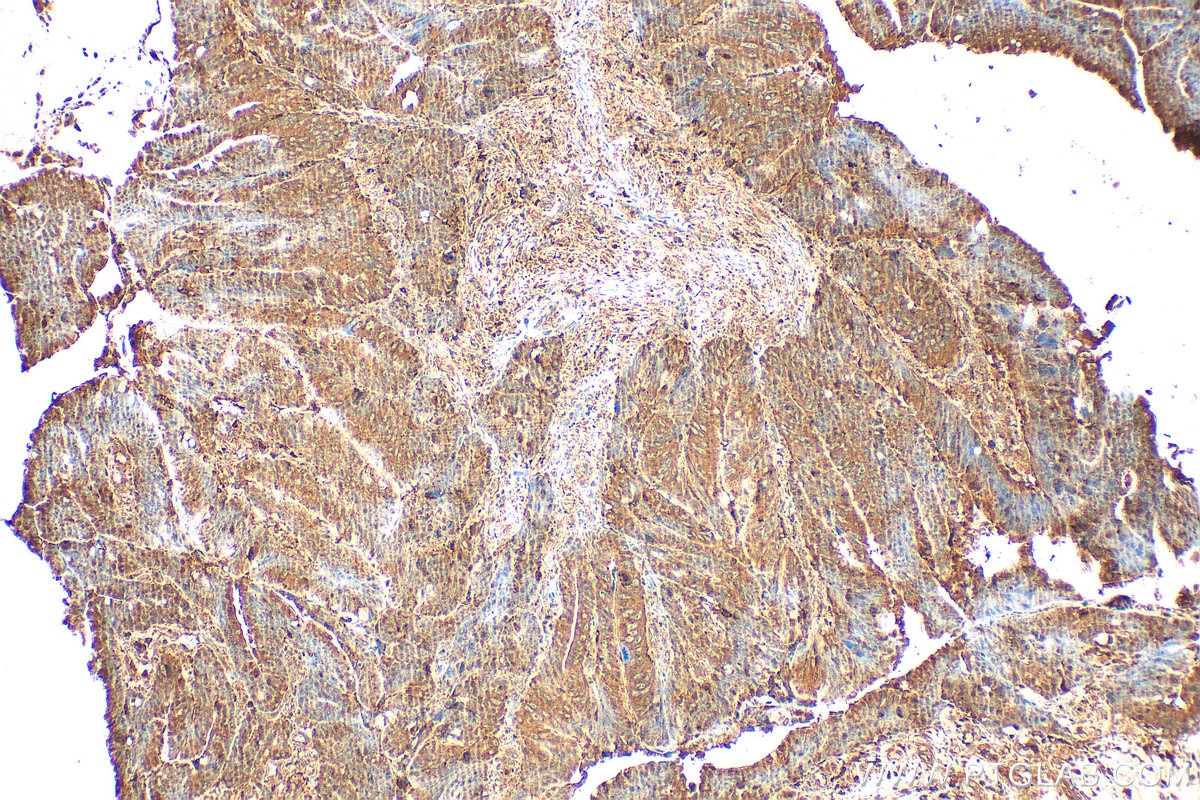
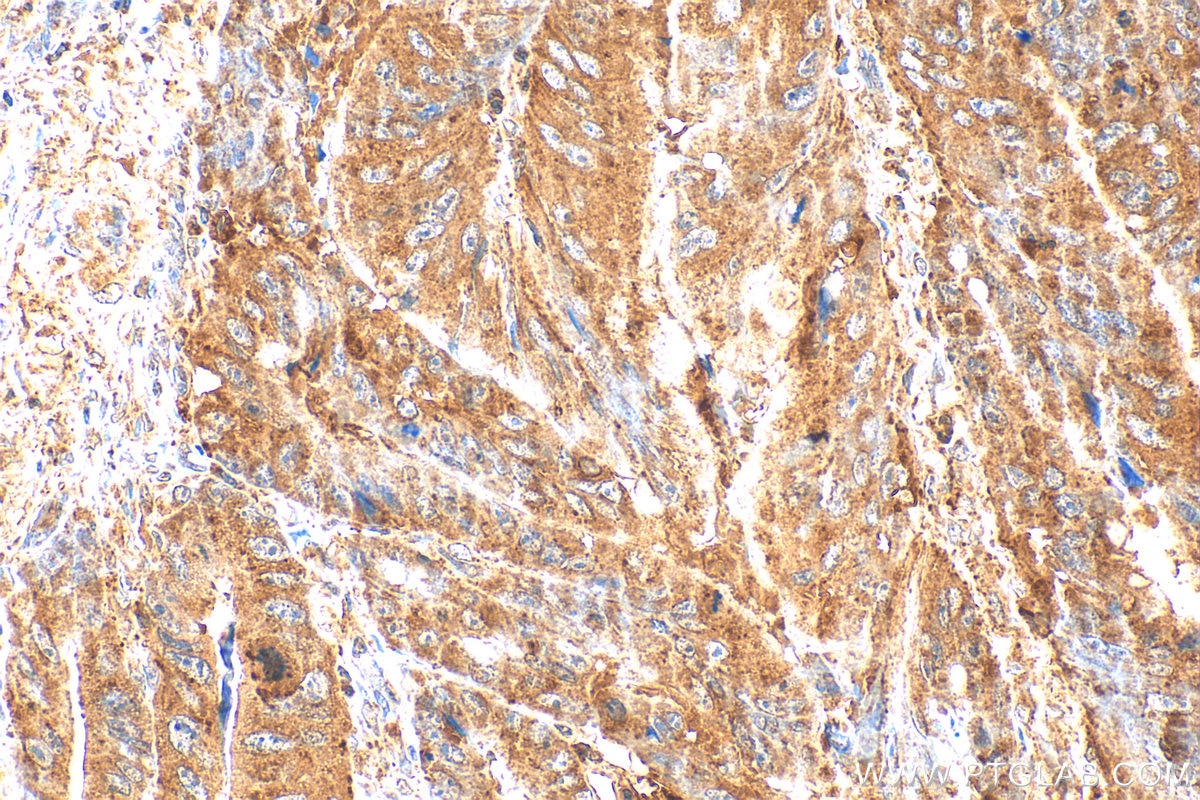
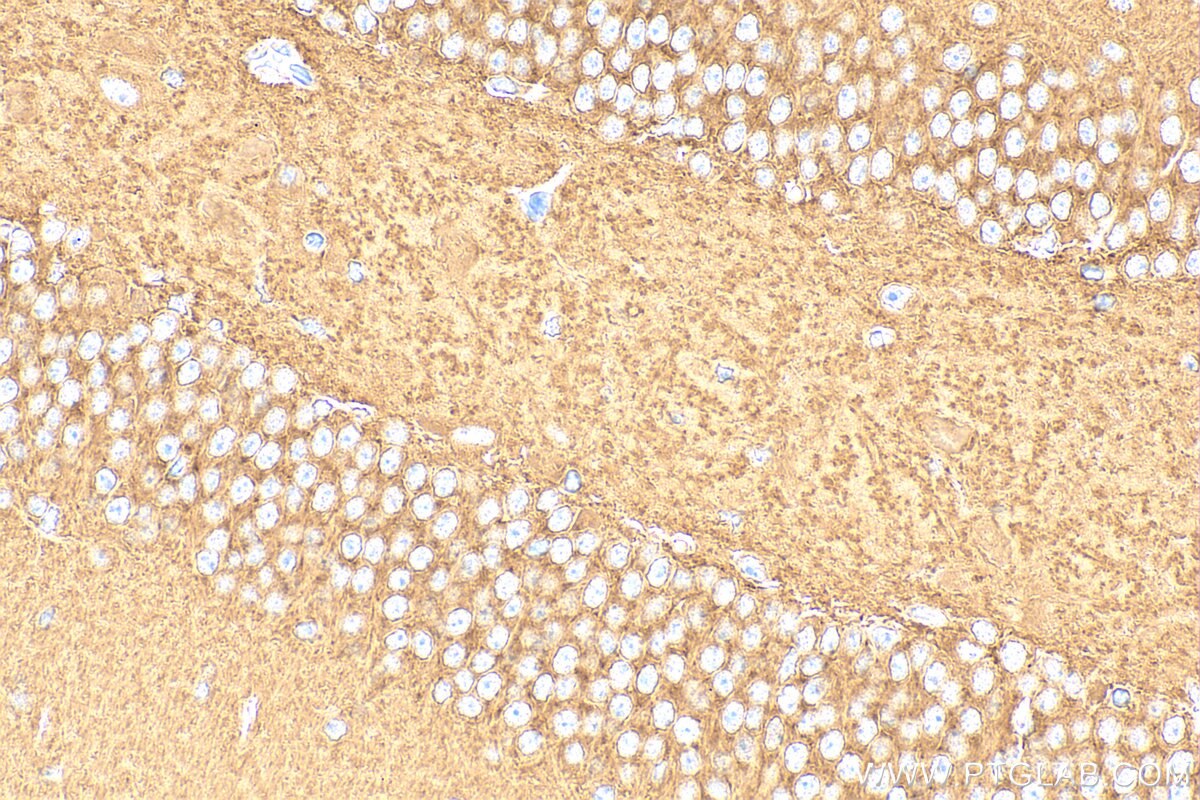
| Positive IHC detected in | human colon cancer tissue, mouse brain tissue Note: suggested antigen retrieval with TE buffer pH 9.0; (*) Alternatively, antigen retrieval may be performed with citrate buffer pH 6.0 |
Recommended dilution
| Application | Dilution |
|---|---|
| Western Blot (WB) | WB : 1:2000-1:10000 |
| Immunoprecipitation (IP) | IP : 0.5-4.0 ug for 1.0-3.0 mg of total protein lysate |
| Immunohistochemistry (IHC) | IHC : 1:200-1:800 |
| It is recommended that this reagent should be titrated in each testing system to obtain optimal results. | |
| Sample-dependent, Check data in validation data gallery. | |
Product Information
15097-1-AP targets ATP6V1B1/2 in WB, IHC, IP, ELISA applications and shows reactivity with human, mouse, rat samples.
| Tested Reactivity | human, mouse, rat |
| Cited Reactivity | human, mouse, pig, monkey, c.elegans |
| Host / Isotype | Rabbit / IgG |
| Class | Polyclonal |
| Type | Antibody |
| Immunogen |
CatNo: Ag7174 Product name: Recombinant human ATP6V1B2 protein Source: e coli.-derived, PGEX-4T Tag: GST Domain: 162-511 aa of BC003100 Sequence: CRIYPEEMIQTGISAIDGMNSIARGQKIPIFSAAGLPHNEIAAQICRQAGLVKKSKDVVDYSEENFAIVFAAMGVNMETARFFKSDFEENGSMDNVCLFLNLANDPTIERIITPRLALTTAEFLAYQCEKHVLVILTDMSSYAEALREVSAAREEVPGRRGFPGYMYTDLATIYERAGRVEGRNGSITQIPILTMPNDDITHPIPDLTGYITEGQIYVDRQLHNRQIYPPINVLPSLSRLMKSAIGEGMTRKDHADVSNQLYACYAIGKDVQAMKAVVGEEALTSDDLLYLEFLQKFERNFIAQGPYENRTVFETLDIGWQLLRIFPKEMLKRIPQSTLSEFYPRDSAKH Predict reactive species |
| Full Name | ATPase, H+ transporting, lysosomal 56/58kDa, V1 subunit B2 |
| Calculated Molecular Weight | 57 kDa |
| Observed Molecular Weight | 56-58 kDa |
| GenBank Accession Number | BC003100 |
| Gene Symbol | ATP6V1B2 |
| Gene ID (NCBI) | 526 |
| RRID | AB_2243297 |
| Conjugate | Unconjugated |
| Form | Liquid |
| Purification Method | Antigen affinity purification |
| UNIPROT ID | P21281 |
| Storage Buffer | PBS with 0.02% sodium azide and 50% glycerol, pH 7.3. |
| Storage Conditions | Store at -20°C. Stable for one year after shipment. Aliquoting is unnecessary for -20oC storage. 20ul sizes contain 0.1% BSA. |
Background Information
ATP6V1B2(V-type proton ATPase subunit B, brain isoform) is also named as ATP6B2, VPP3,HO57. It belongs to the ATPase alpha/beta chains family.V-ATPase is an heteromultimeric enzyme composed of a peripheral catalytic V1 complex attached to an integral membrane V0 proton pore complex.The quasi-ubiquitous ATP6V1B2 is one of 2 isoforms of ATP6V1 and is expressed in most cell types, where it plays a major role in organelle acidification(PMID:18667600). This antibody can cross-react with ATP6V1B1 due to the high homology between ATP6V1B1 and ATP6V1B2.
Protocols
| Product Specific Protocols | |
|---|---|
| IHC protocol for ATP6V1B1/2 antibody 15097-1-AP | Download protocol |
| IP protocol for ATP6V1B1/2 antibody 15097-1-AP | Download protocol |
| WB protocol for ATP6V1B1/2 antibody 15097-1-AP | Download protocol |
| Standard Protocols | |
|---|---|
| Click here to view our Standard Protocols |
Publications
What published studies show
The anti-ATP6AP1 (NCOA7) antibody (Cat# 15097-1-AP) has 25 citations published in journals including Nature Cell Biology, Nature Microbiology, Autophagy, ACS Nano, JCI, Cell Death & Differentiation, PNAS, EMBO Journal, Cell Reports, JBC, and others. Research fields encompass mTORC1 signaling, lysosomal acidification, autophagy, neurodegeneration (Alzheimer's, Parkinson's), cancer (breast, thyroid, HCC), viral entry, Golgi function, lipid metabolism, placental development, and SARS-CoV-2 infection.
| Species | Application | Title |
|---|---|---|
Nat Cell Biol Genome-wide CRISPR screens identify ILF3 as a mediator of mTORC1-dependent amino acid sensing | ||
Nat Microbiol The interferon-inducible isoform of NCOA7 inhibits endosome-mediated viral entry. | ||
Autophagy KAT7-mediated CANX (calnexin) crotonylation regulates leucine-stimulated MTORC1 activity. | ||
ACS Nano Acidic Nanoparticles Restore Lysosomal Acidification and Rescue Metabolic Dysfunction in Pancreatic β-Cells under Lipotoxic Conditions | ||
J Clin Invest Non-canonical mTORC1-TFEB activation promotes hepatocyte plasticity and high-grade malignancy in hepatocellular carcinoma. | ||
Adv Sci (Weinh) Oral Exposure to Food-Grade Nanoparticles Poses a Risk of Alzheimer's Disease-Like Symptoms by Triggering Autophagy Defects in Neurons. |












