
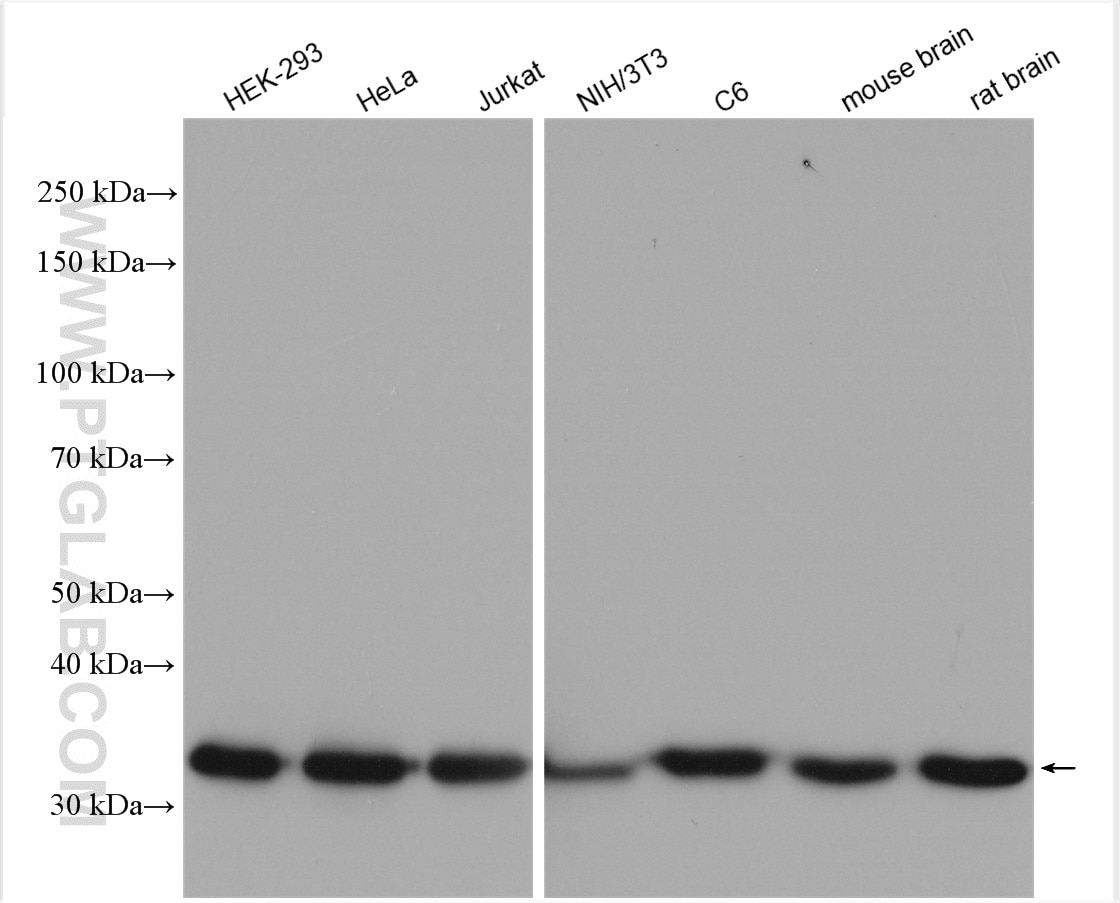
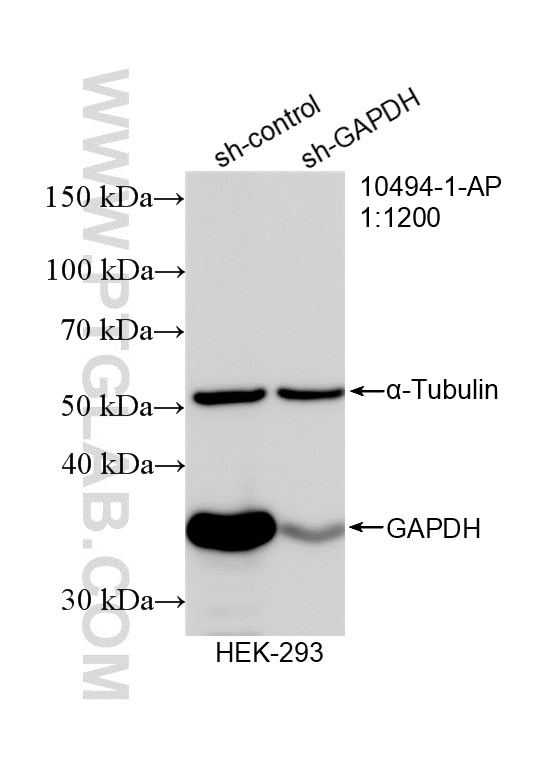
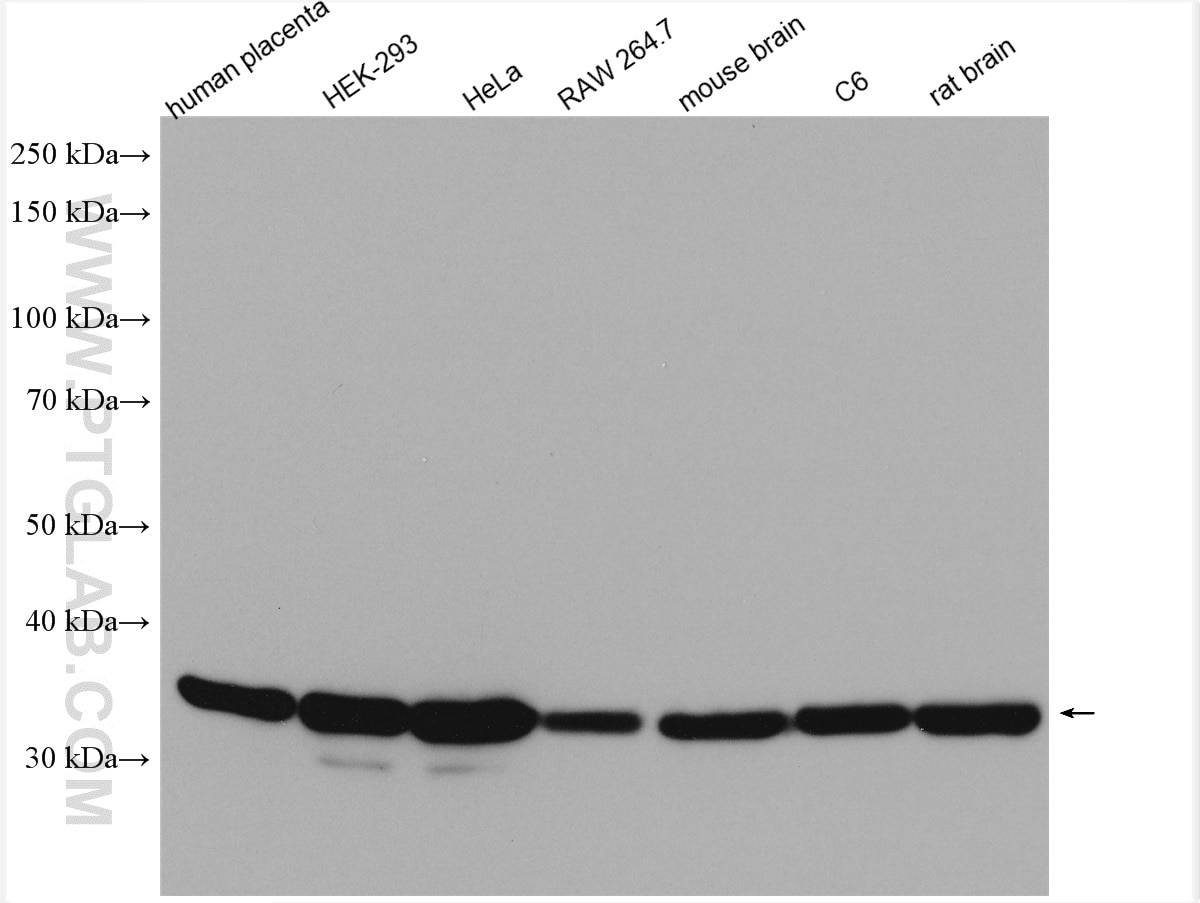
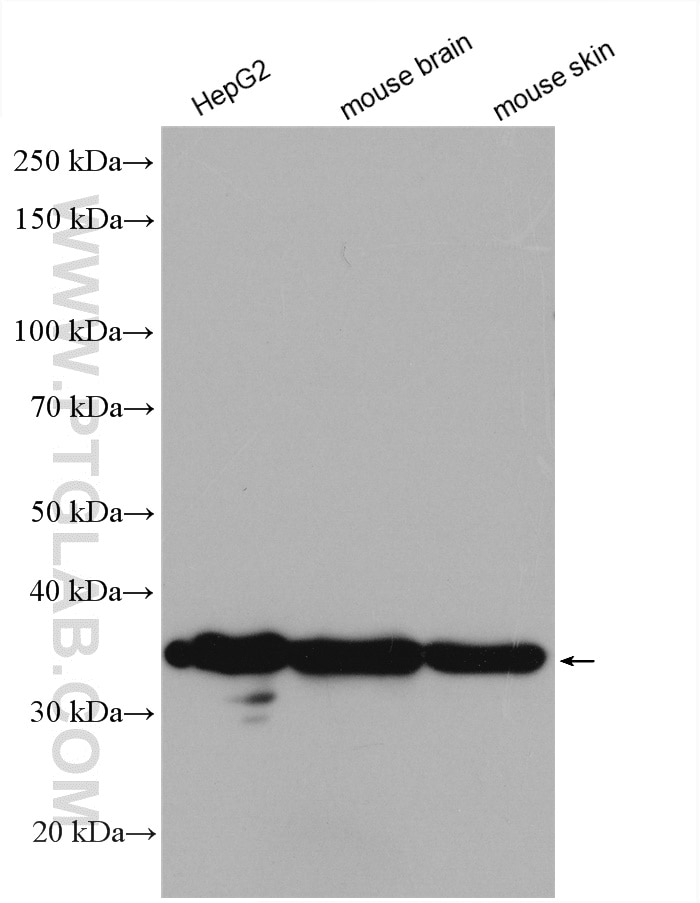
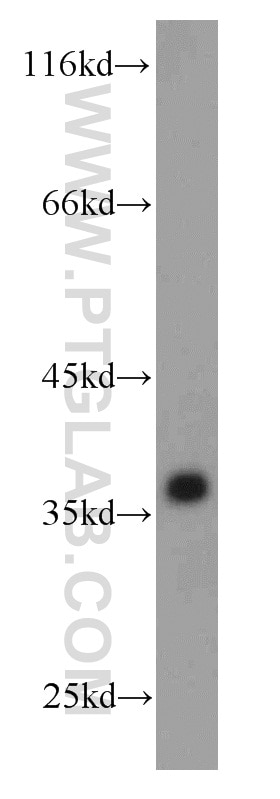
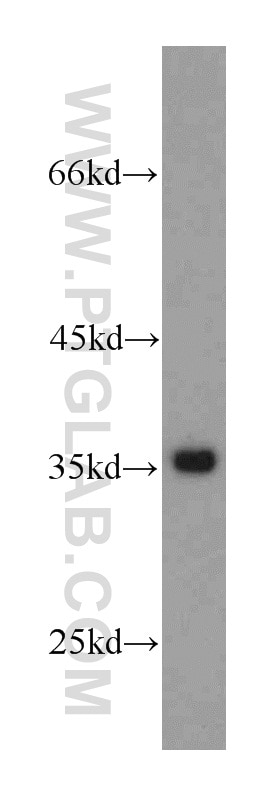
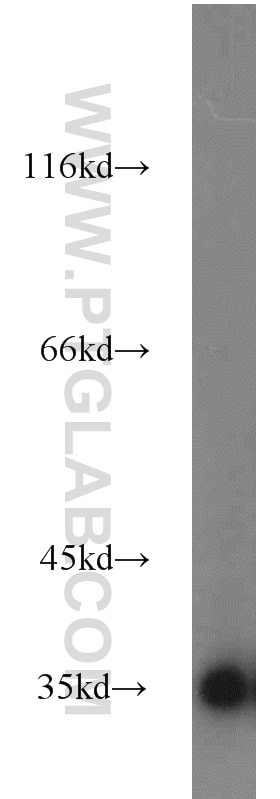
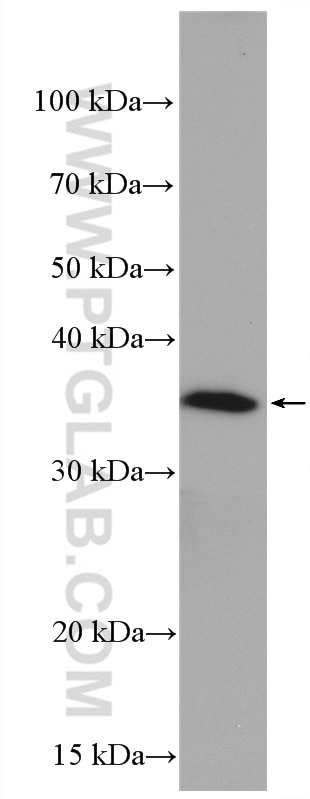

Tested Applications
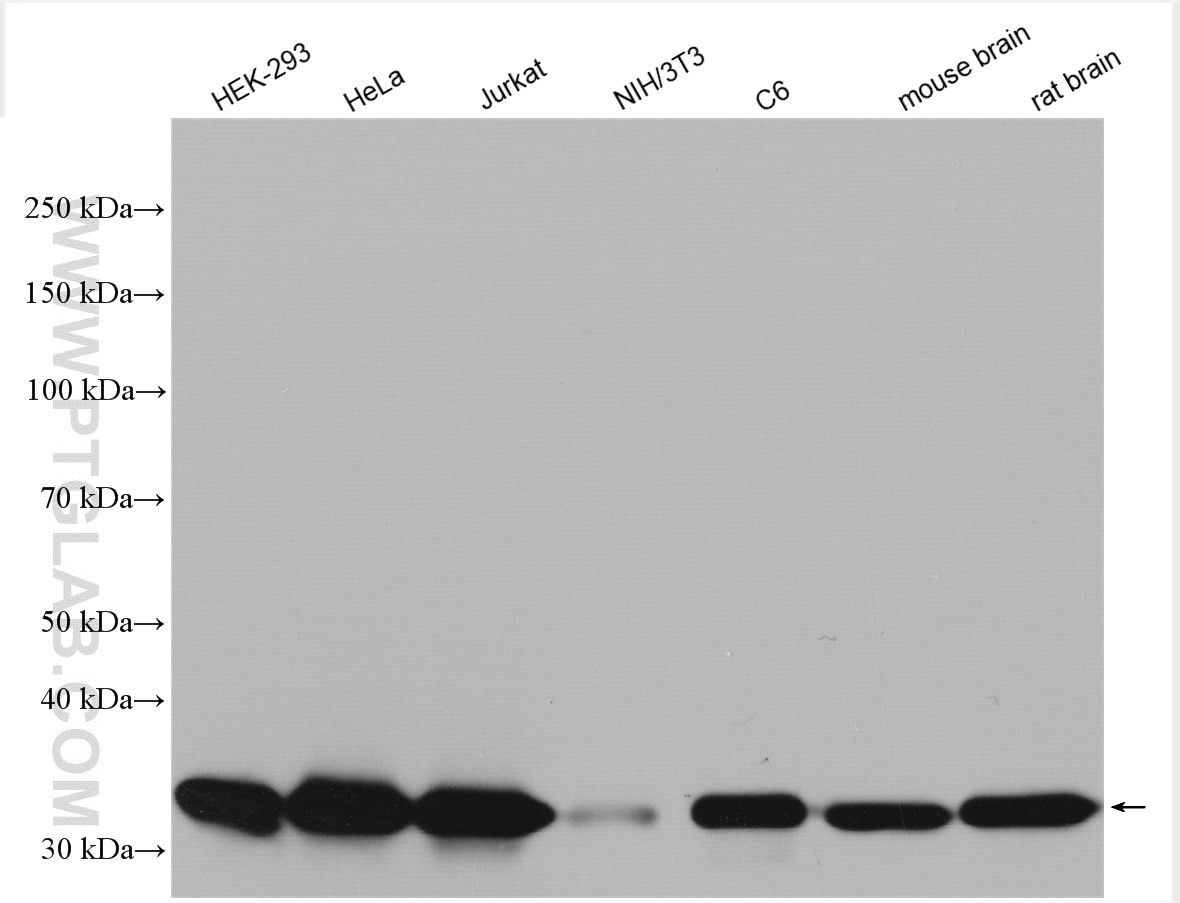
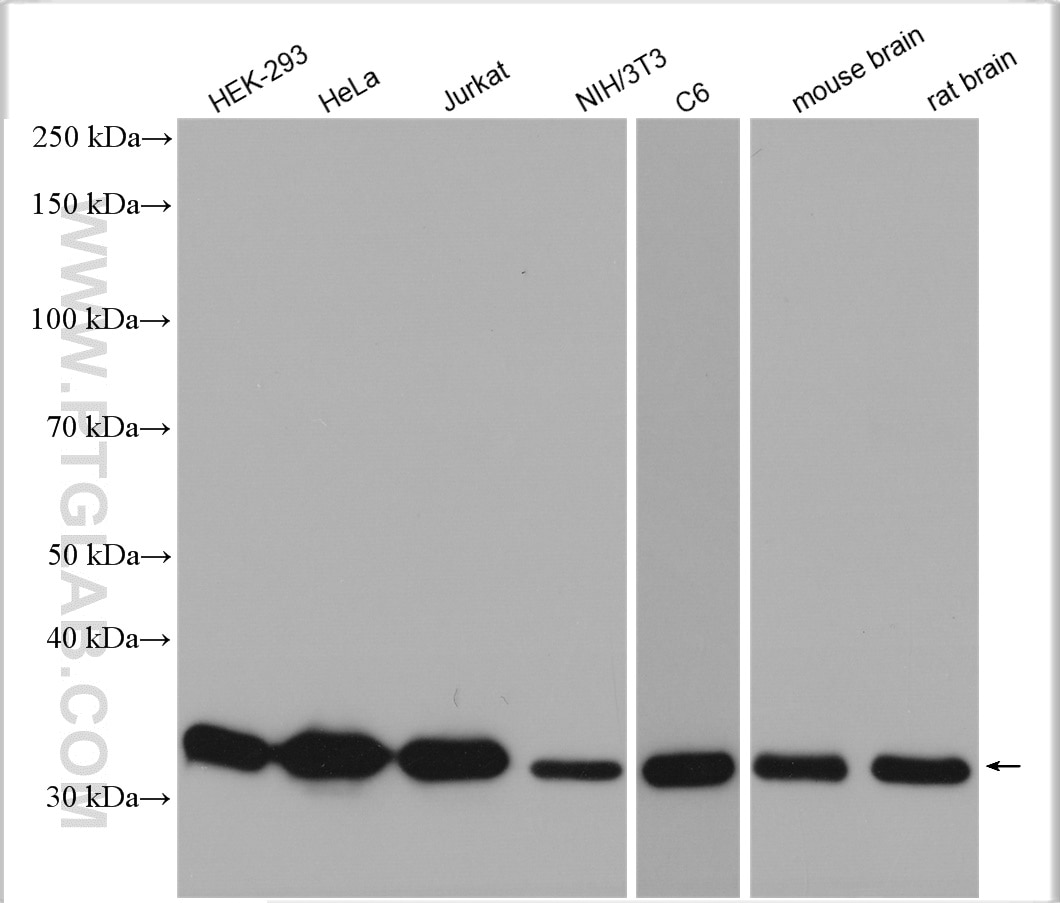
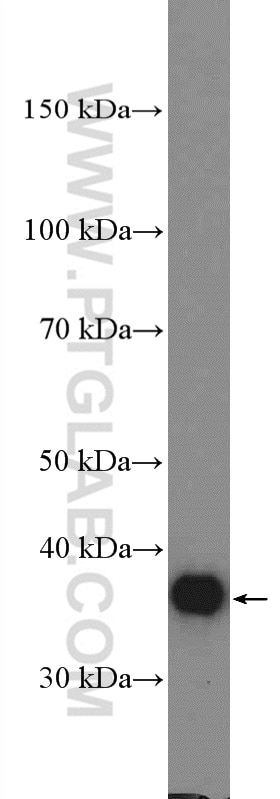
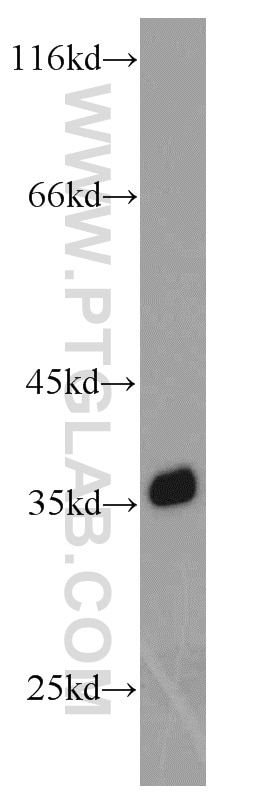
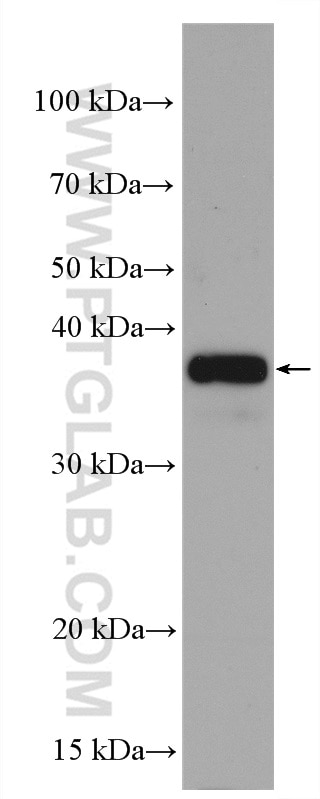
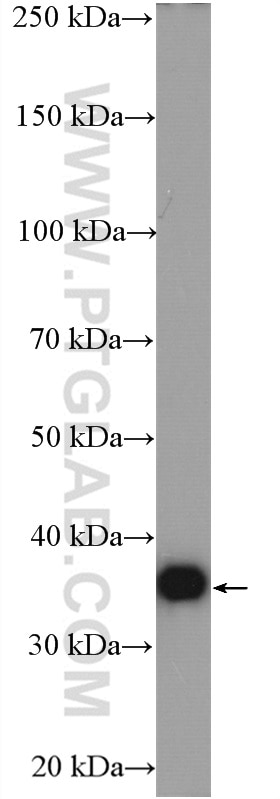
| Positive WB detected in | human placenta tissue, Raji cells, K-562 cells, mouse heart tissue, PC-13 cells, HeLa cells, mouse brain tissue, arabidopsis whole plant tissue, corn whole plant tissue, HEK-293 cells, HepG2 cells, mouse skin tissue, RAW 264.7 cells, C6 cells, rat brain tissue, Jurkat cells, NIH/3T3 cells |
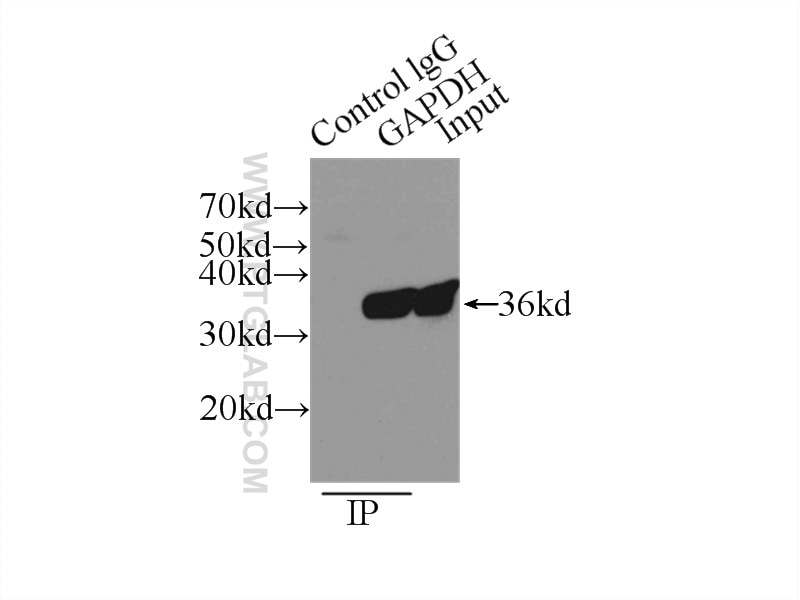
| Positive IP detected in | A549 cells |
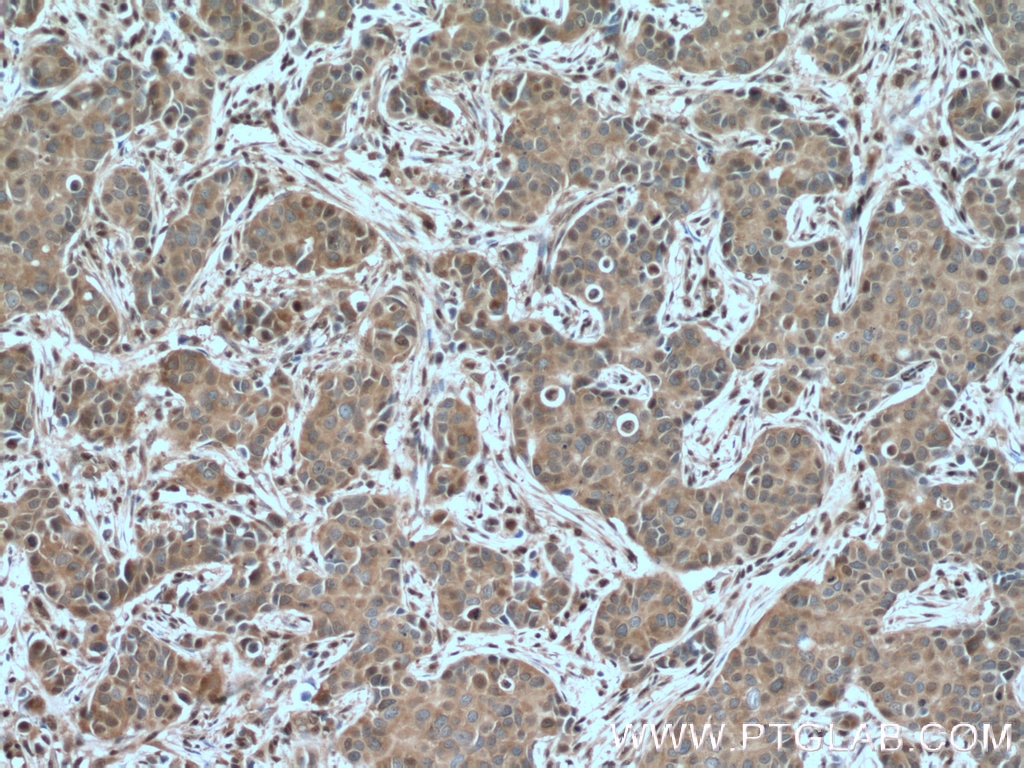
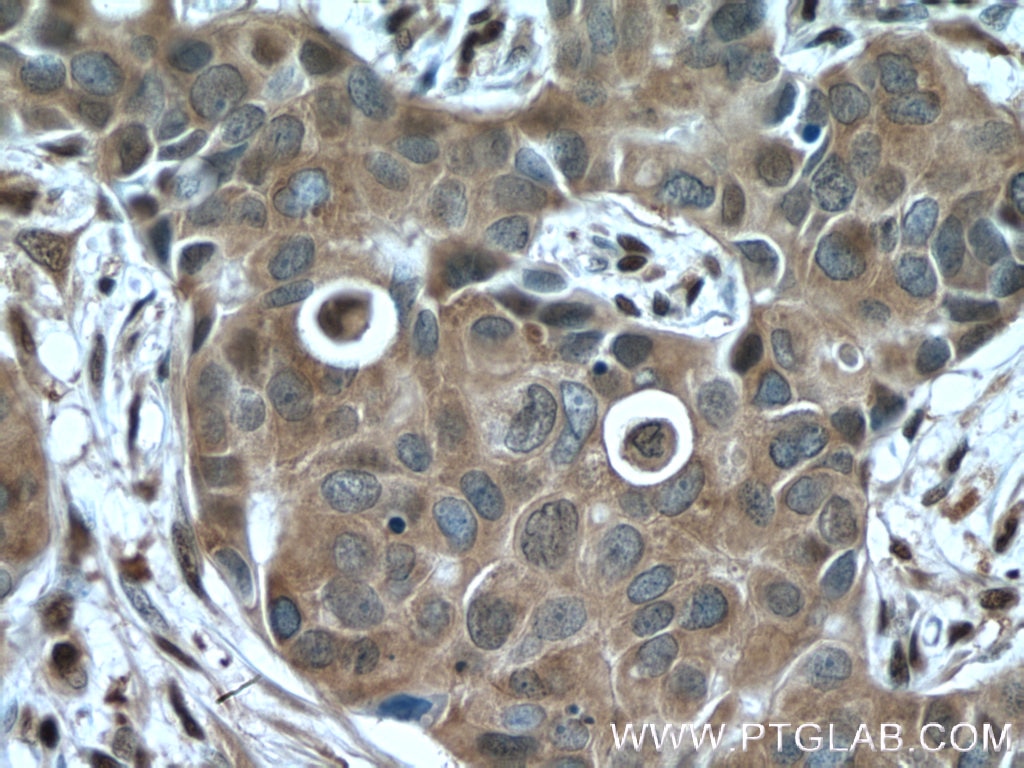
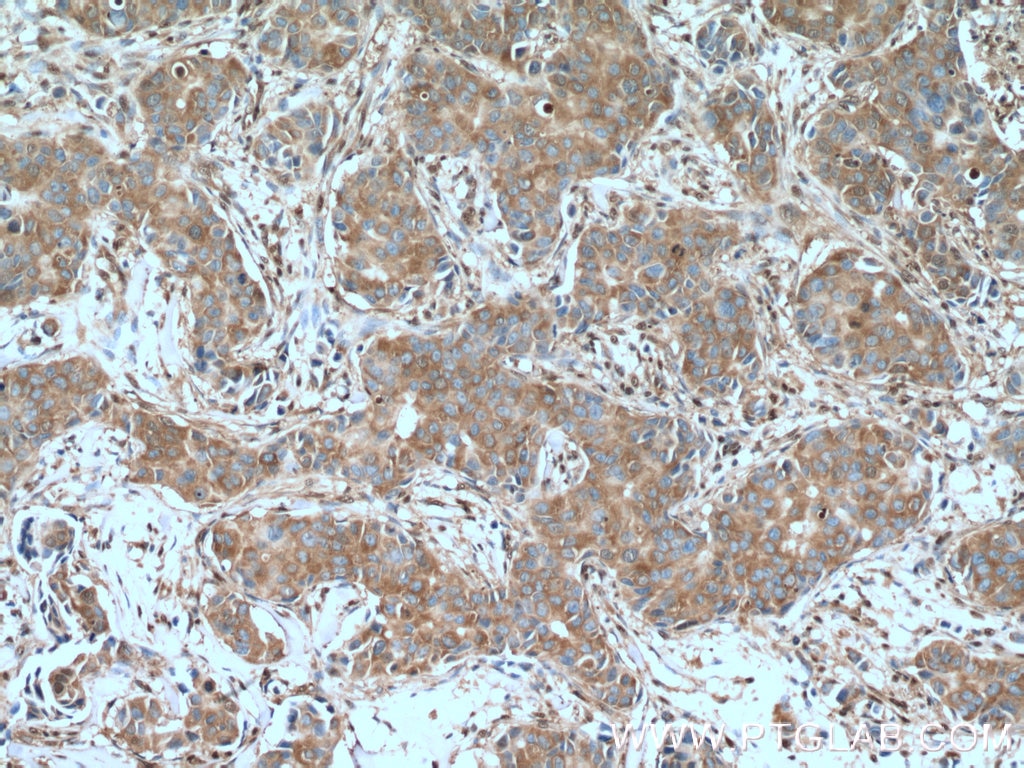
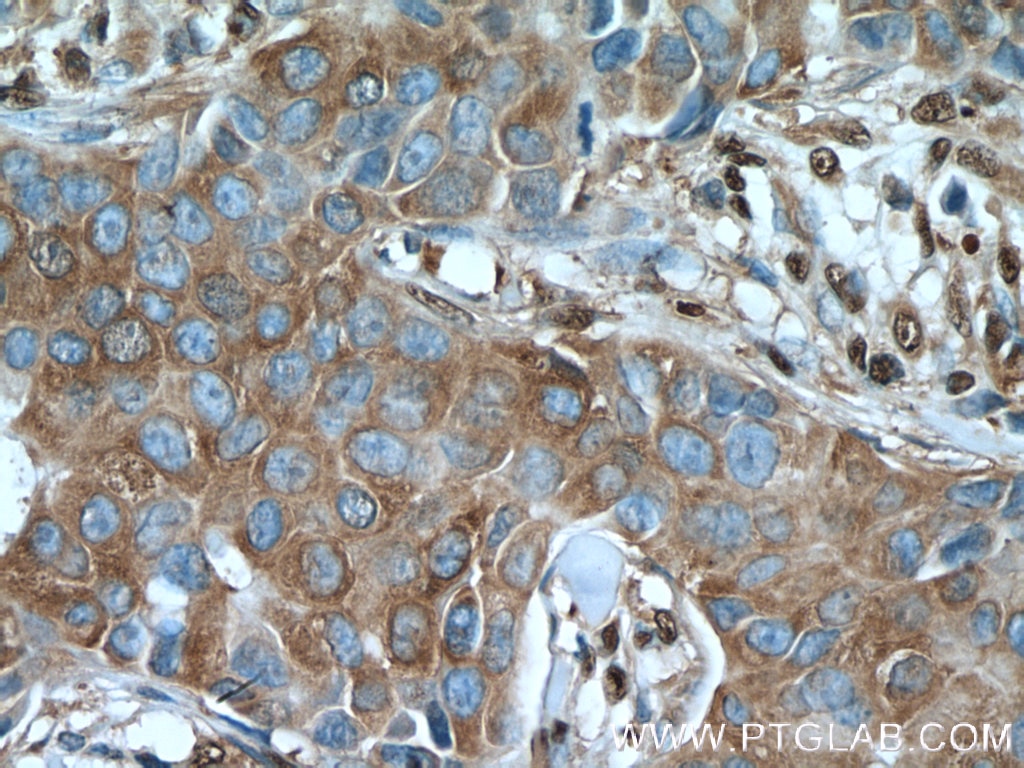
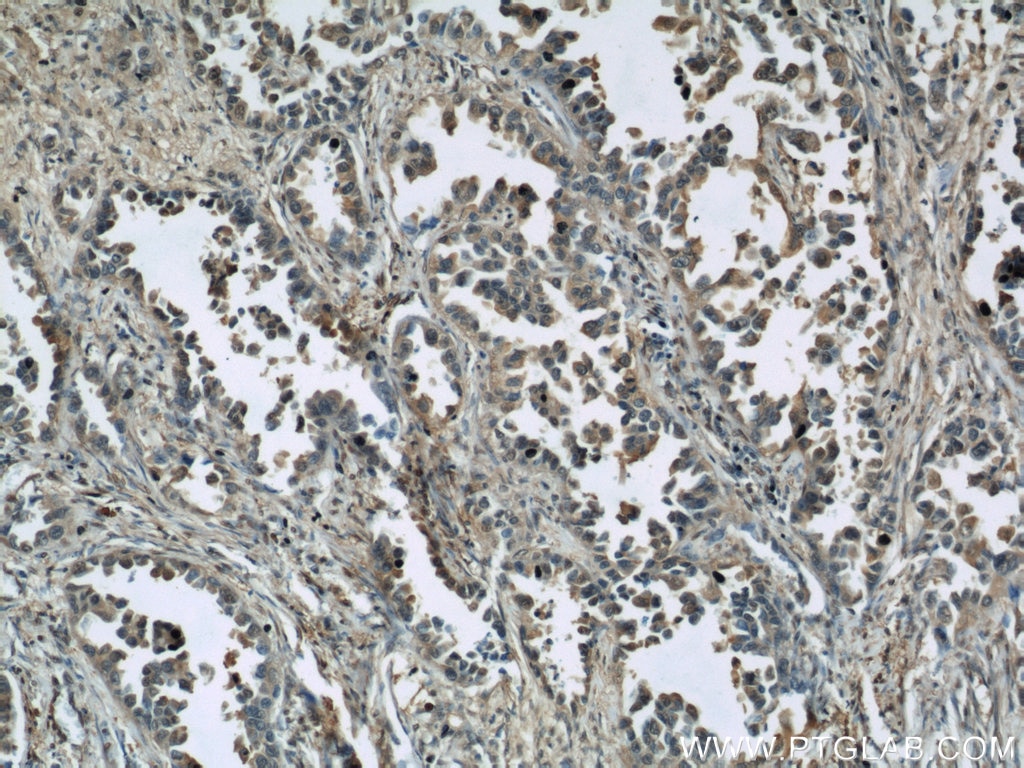
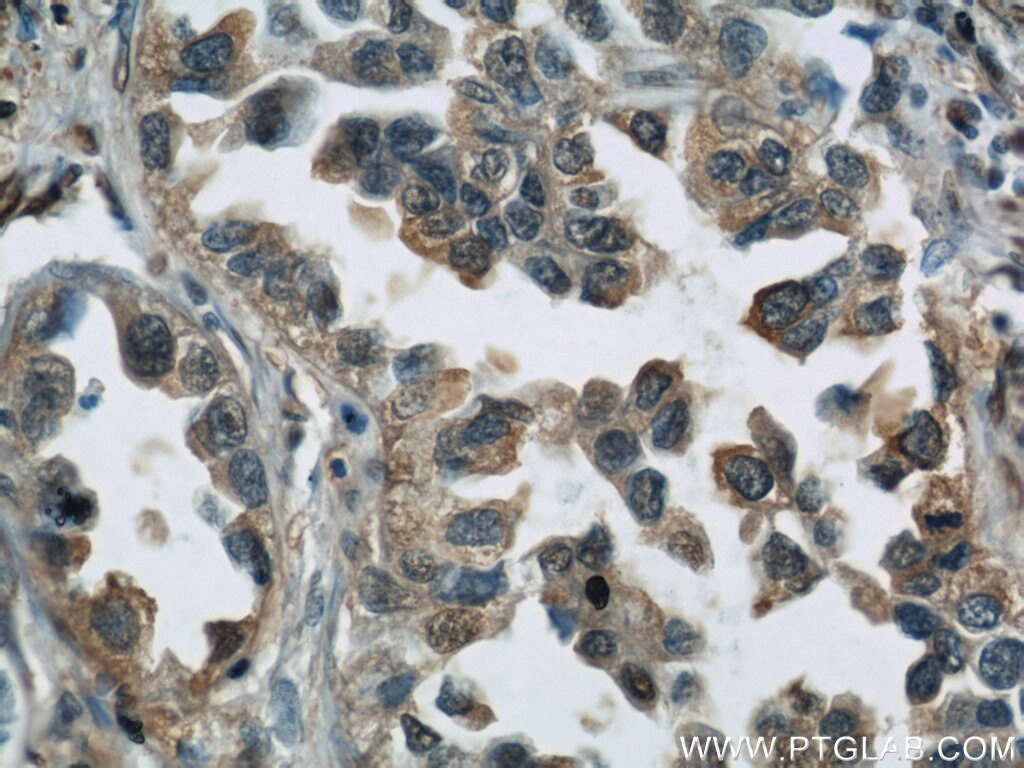
| Positive IHC detected in | human breast cancer tissue, human lung cancer tissue Note: suggested antigen retrieval with TE buffer pH 9.0; (*) Alternatively, antigen retrieval may be performed with citrate buffer pH 6.0 |
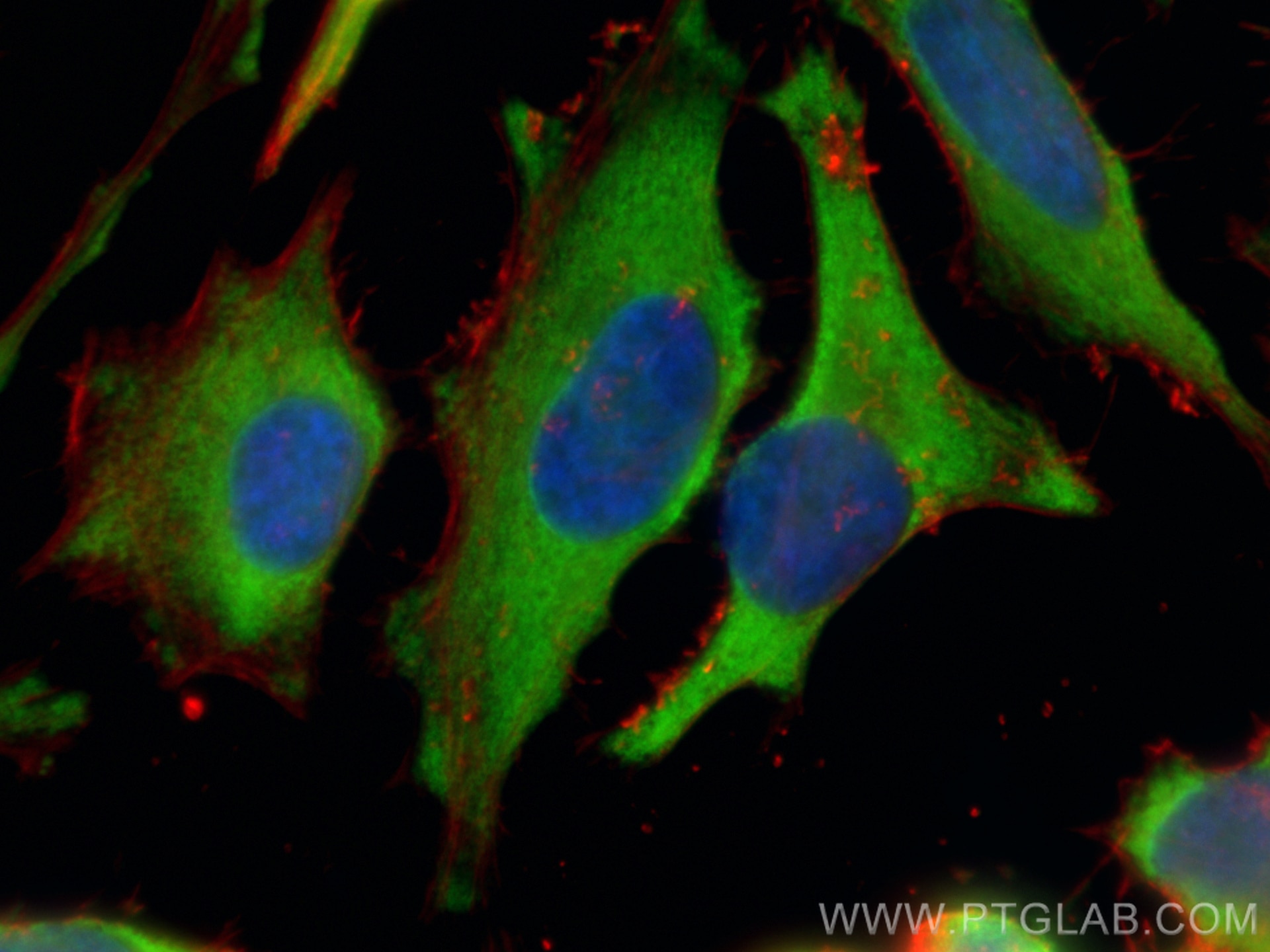
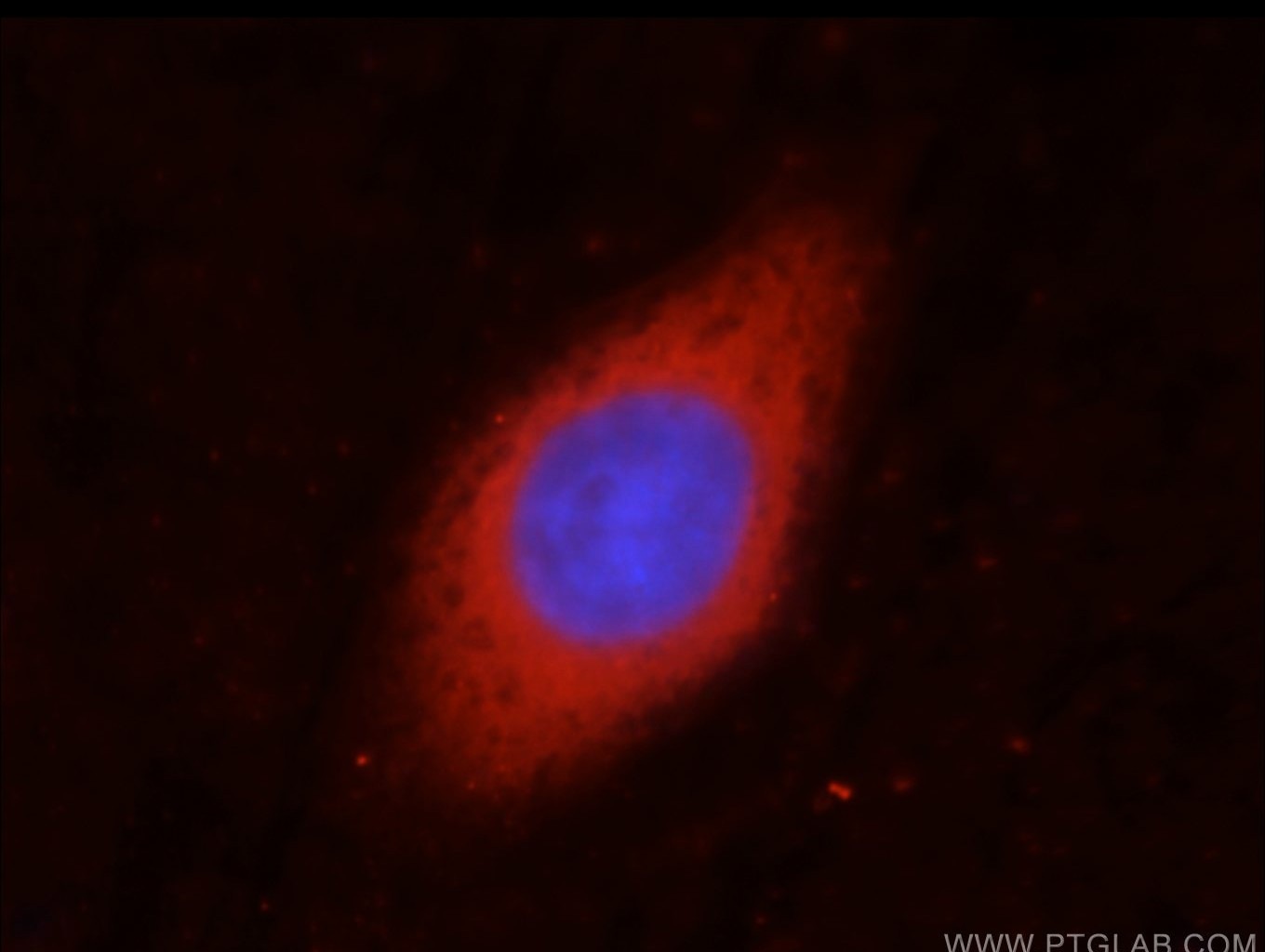
| Positive IF/ICC detected in | HeLa cells, HepG2 cells |
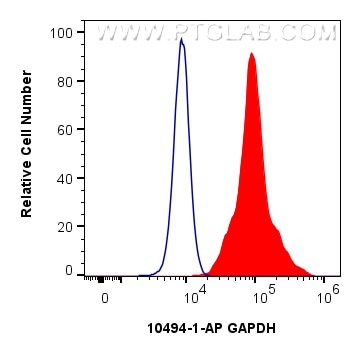
| Positive FC (Intra) detected in | HEK-293 cells |
Recommended dilution
| Application | Dilution |
|---|---|
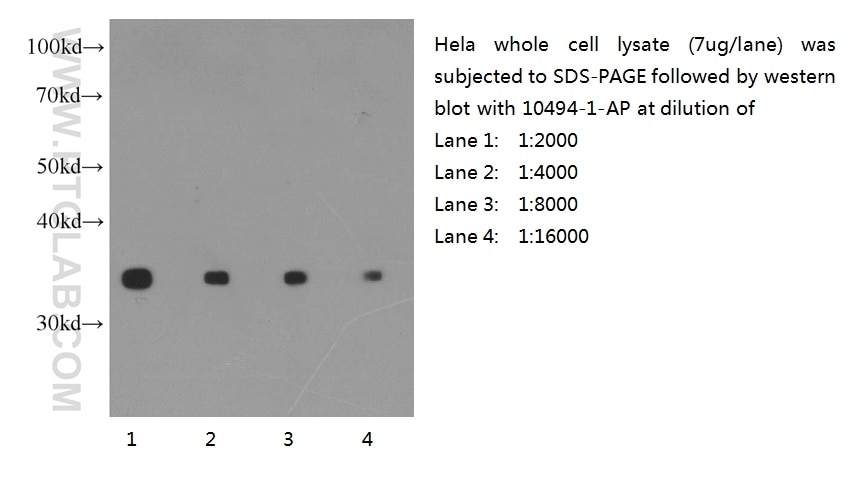
| Western Blot (WB) | WB : 1:5000-1:40000 |
| Immunoprecipitation (IP) | IP : 0.5-4.0 ug for 1.0-3.0 mg of total protein lysate |
| Immunohistochemistry (IHC) | IHC : 1:200-1:800 |
| Immunofluorescence (IF)/ICC | IF/ICC : 1:500-1:2000 |
| Flow Cytometry (FC) (INTRA) | FC (INTRA) : 0.50 ug per 10^6 cells in a 100 µl suspension |
| It is recommended that this reagent should be titrated in each testing system to obtain optimal results. | |
| Sample-dependent, Check data in validation data gallery. | |
Product Information
10494-1-AP targets GAPDH in WB, IHC, IF/ICC, FC (Intra), IP, CoIP, ChIP, RIP, ELISA applications and shows reactivity with human, mouse, rat samples.
| Tested Reactivity | human, mouse, rat |
| Cited Reactivity | human, rat, chicken, goat, yeast, leech, treeshrew, cavia porcellus (domestic guinea pig), arabidopsis, zebra finches |
| Host / Isotype | Rabbit / IgG |
| Class | Polyclonal |
| Type | Antibody |
| Immunogen |
CatNo: Ag0766 Product name: Recombinant human GAPDH protein Source: e coli.-derived, PGEX-4T Tag: GST Domain: 1-335 aa of BC004109 Sequence: MGKVKVGVNGFGRIGRLVTRAAFNSGKVDIVAINDPFIDLNYMVYMFQYDSTHGKFHGTVKAENGKLVINGNPITIFQERDPSKIKWGDAGAEYVVESTGVFTTMEKAGAHLQGGAKRVIISAPSADAPMFVMGVNHEKYDNSLKIISNASCTTNCLAPLAKVIHDNFGIVEGLMTTVHAITATQKTVDGPSGKLWRDGRGALQNIIPASTGAAKAVGKVIPELNGKLTGMAFRVPTANVSVVDLTCRLEKPAKYDDIKKVVKQASEGPLKGILGYTEHQVVSSDFNSDTHSSTFDAGAGIALNDHFVKLISWYDNEFGYSNRVVDLMAHMASKE Predict reactive species |
| Full Name | glyceraldehyde-3-phosphate dehydrogenase |
| Calculated Molecular Weight | 36 kDa |
| Observed Molecular Weight | 36 kDa |
| GenBank Accession Number | BC004109 |
| Gene Symbol | GAPDH |
| Gene ID (NCBI) | 2597 |
| RRID | AB_2263076 |
| Conjugate | Unconjugated |
| Form | Liquid |
| Purification Method | Antigen affinity purification |
| UNIPROT ID | P04406 |
| Storage Buffer | PBS with 0.02% sodium azide and 50% glycerol, pH 7.3. |
| Storage Conditions | Store at -20°C. Stable for one year after shipment. Aliquoting is unnecessary for -20oC storage. 20ul sizes contain 0.1% BSA. |
Background Information
Glyceraldehyde-3-phosphate dehydrogenase (GAPDH) catalyzes the phosphorylation of glyceraldehyde-3-phosphate during glycolysis. GAPDH participates in nuclear events including transcription, binding RNA, RNA transportation, DNA replication, DNA repair and apoptosis. Being stably and constitutively expressed at high levels in most tissues and cells, GAPDH is considered a housekeeping protein. It is widely used as a control for RT-PCR and also loading control in electrophoresis and Western blotting. GAPDH is normally expressed in cellular cytoplasm or membrane, but can occasionally translocate to the nucleus after the addition of post-translational modifications such as S-nitrosylation. This antibody is raised against full length GAPDH of human origin. It can recognize the 36 kDa GAPDH protein in most cells/tissues. In addition, a band below 36 kDa can always be detected as the isoform or spliced product of GAPDH (PMID: 23885286, 23877755, 19368702). Please note that some physiological factors, such as hypoxia and diabetes, increase GAPDH expression in certain cell types.
Protocols
| Product Specific Protocols | |
|---|---|
| FC protocol for GAPDH antibody 10494-1-AP | Download protocol |
| IF protocol for GAPDH antibody 10494-1-AP | Download protocol |
| IHC protocol for GAPDH antibody 10494-1-AP | Download protocol |
| IP protocol for GAPDH antibody 10494-1-AP | Download protocol |
| WB protocol for GAPDH antibody 10494-1-AP | Download protocol |
| Standard Protocols | |
|---|---|
| Click here to view our Standard Protocols |
Publications
What published studies show
The GAPDH Polyclonal antibody (catalog number 10494-1-AP) has garnered 11,284 citations published in top-tier journals including Nature, Cell, Science, Cancer Cell, Nature Metabolism, Cell Metabolism, Immunity, Nature Immunology, Gastroenterology, Autophagy, and Bone Research. These citations span a wide range of research fields, including oncology, cellular metabolism, immunology, neurodegeneration, autophagy, ferroptosis, stem cell biology, extracellular vesicle research, cardiovascular disease, aging, infectious disease, and tissue engineering, underscoring its widespread use as a reliable loading control.
| Species | Application | Title |
|---|---|---|
Signal Transduct Target Ther Both IDO1 and TDO contribute to the malignancy of gliomas via the Kyn-AhR-AQP4 signaling pathway. | ||
Signal Transduct Target Ther FGF1ΔHBS prevents diabetic cardiomyopathy by maintaining mitochondrial homeostasis and reducing oxidative stress via AMPK/Nur77 suppression. | ||
Signal Transduct Target Ther The interferon-stimulated exosomal hACE2 potently inhibits SARS-CoV-2 replication through competitively blocking the virus entry. | ||
Signal Transduct Target Ther Gefitinib and fostamatinib target EGFR and SYK to attenuate silicosis: a multi-omics study with drug exploration. | ||
Signal Transduct Target Ther Elaiophylin triggers paraptosis and preferentially kills ovarian cancer drug-resistant cells by inducing MAPK hyperactivation | ||
Signal Transduct Target Ther TRAF3 activates STING-mediated suppression of EV-A71 and target of viral evasion |
Reviews
What customers say
All 13 reviews are highly positive (12 five-star, 1 four-star). Users consistently praise this GAPDH antibody as an excellent Western blot loading control, highlighting strong, specific bands with minimal background across mouse, human, and rat samples including cells, plasma, and tissue. It performs well over a wide dilution range (1:500–1:15,000). Several reviewers noted its flexibility for probing blots alongside other species-specific antibodies. Multiple users stated they would repurchase and recommend it for precise protein loading normalization.
The reviews below have been submitted by verified Proteintech customers who received an incentive for providing their feedback.
Bruna (Verified Customer) (06-18-2026) | very good
 |
kis (Verified Customer) (02-21-2025) | works well for WB
|
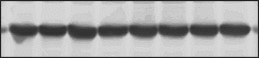
Parisa (Verified Customer) (09-26-2023) | High sensitivy and specificity. We were using a anti mouse-GAPDH antibody and this anti rabbit-GAPDH antibody gave us more flexibility for probing the blot.
 |
Sathyanarayani (Verified Customer) (05-12-2023) | This GADPH loading control antibody produced strong bands at 36kDa and I would definitely recommend using it for western blots.
|
Verena (Verified Customer) (11-09-2022) | Gives a nice, strong and specific signal in Western Blot.
|
Christine (Verified Customer) (10-27-2022) | Very good loading control antibody, strong signal when used at 1:15,000 over night, can probably be diluted much more.
|
Janelle (Verified Customer) (09-12-2022) | Perfect for WB!
|
Jake (Verified Customer) (11-30-2021) | GAPDH Ab works perfectly on western blot at low dilutions, will definitely buy again.
|
Meg (Verified Customer) (02-25-2020) | It worked well for western blotting.
|
Yuan (Verified Customer) (10-15-2019) | GAPDH is working very well on seminal plasma and blood plasma.
|
Hailey (Verified Customer) (10-07-2019) | This antibody is a fantastic loading control! I use this as a loading control for all my western blots where protein loading needs to be precise.
 |
Prasanth (Verified Customer) (08-19-2019) | The band is so clear, and very specific band with almost no background noise for GAPDH
|
Shannon (Verified Customer) (12-11-2018) |
|


























