

Tested Applications
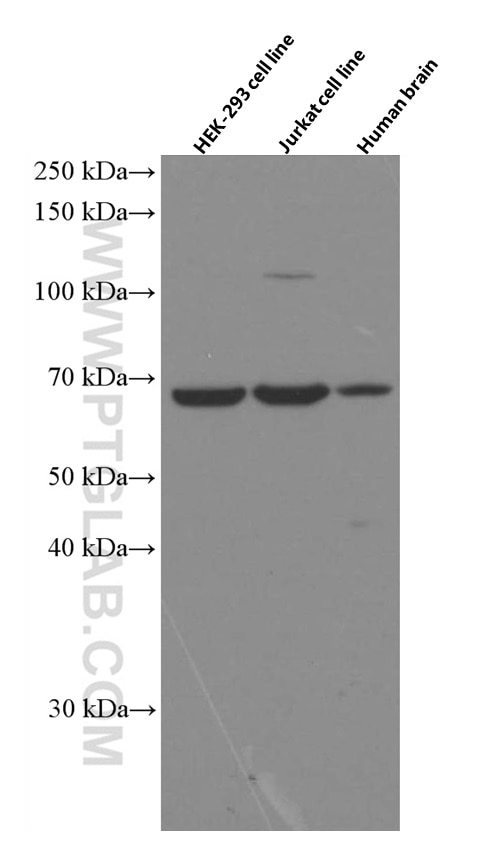
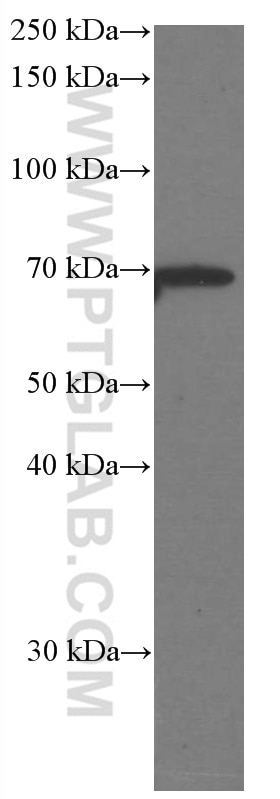
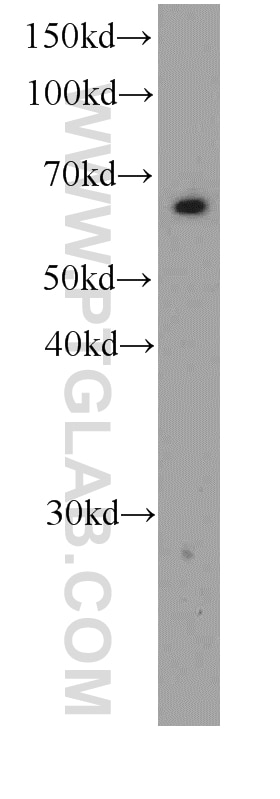
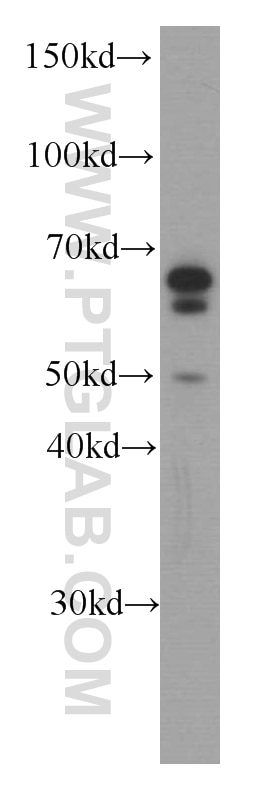
| Positive WB detected in | HEK-293 cells, pig brain tissue, PC-3 cells, Jurkat cells, human brain tissue |
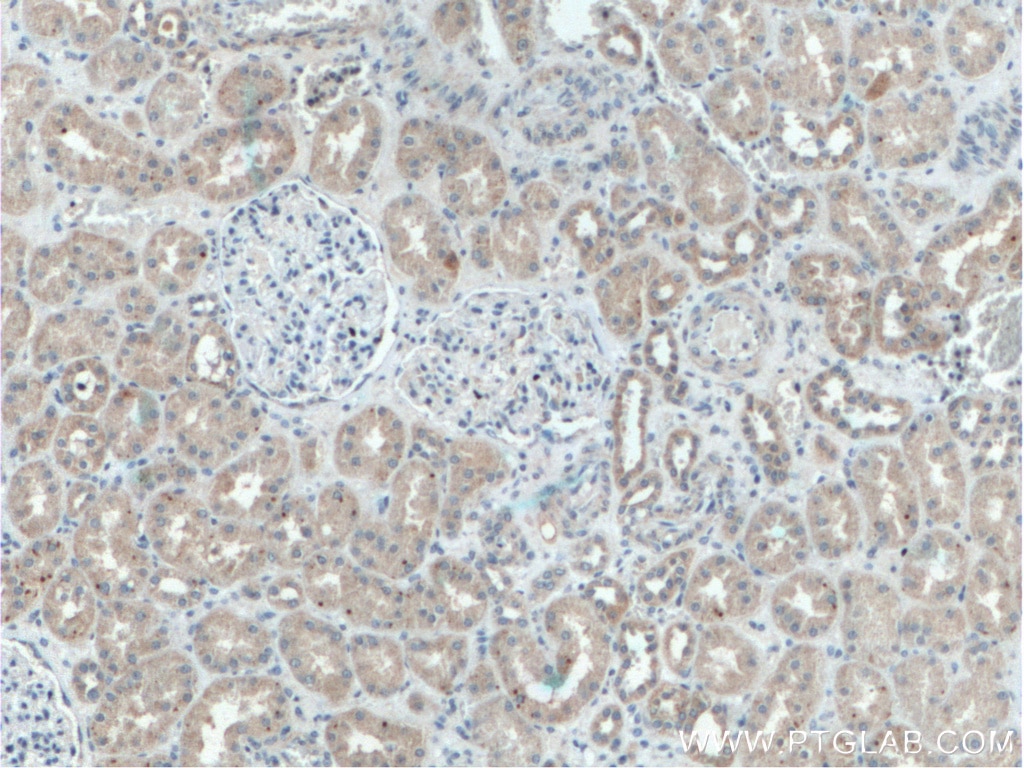
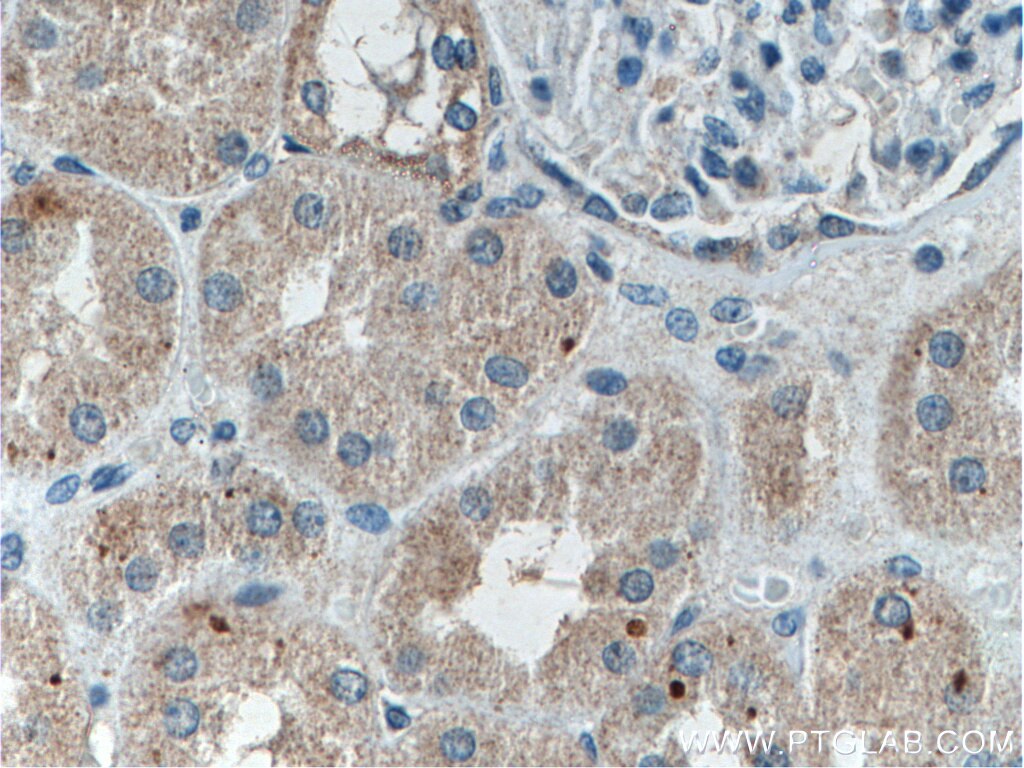
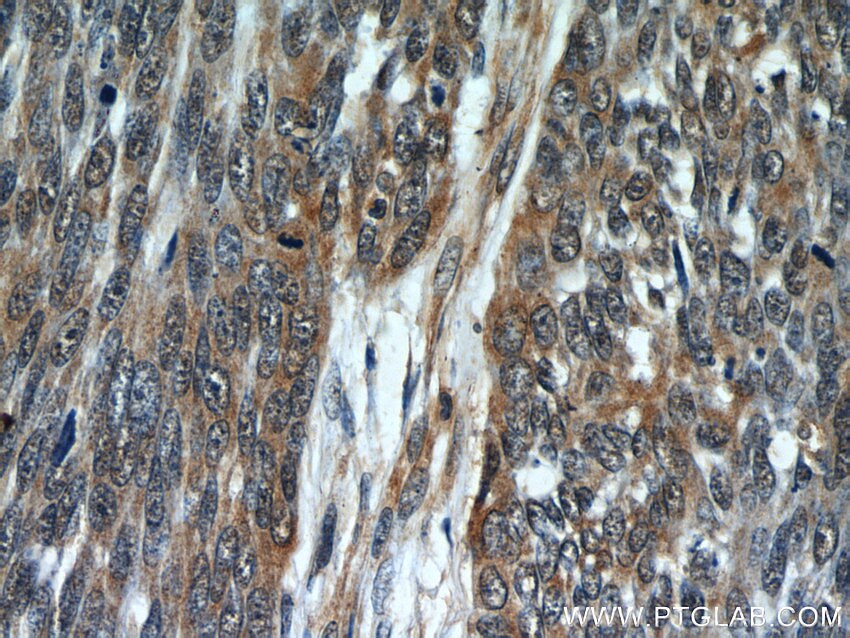
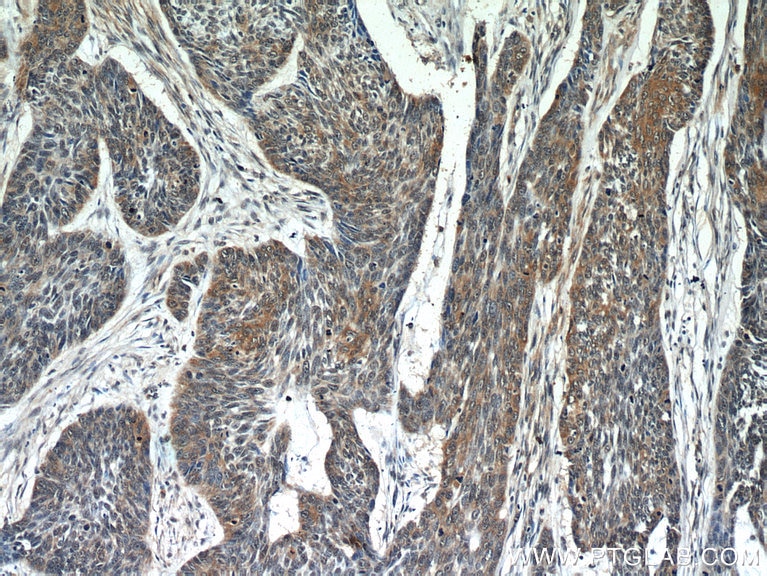
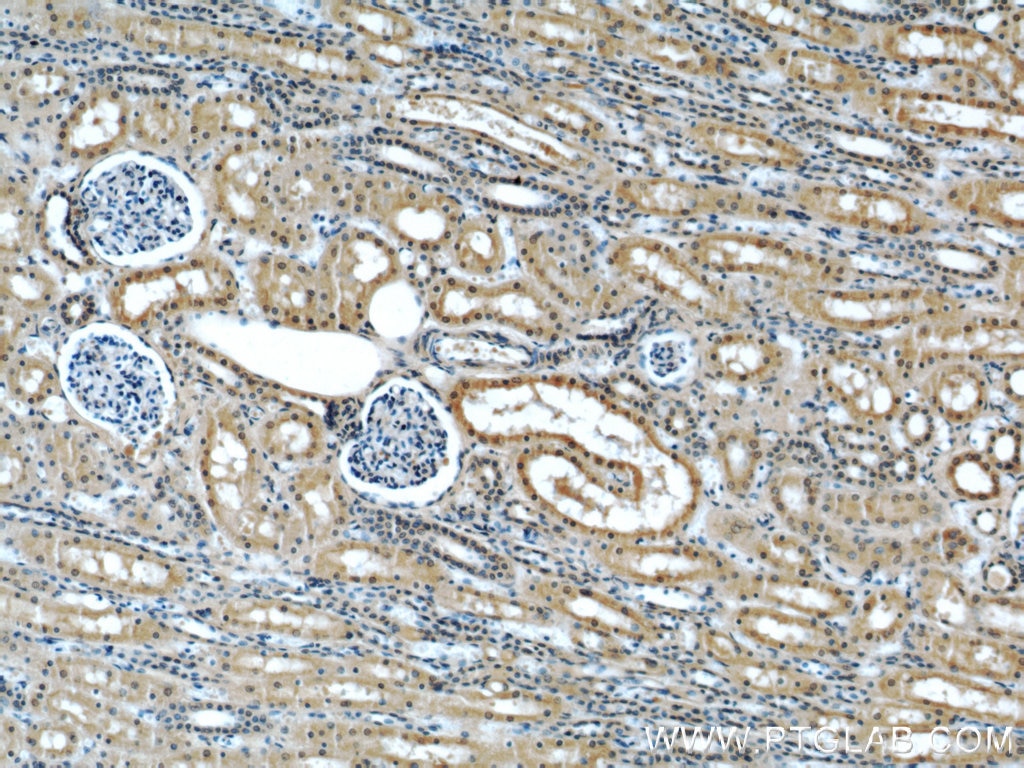
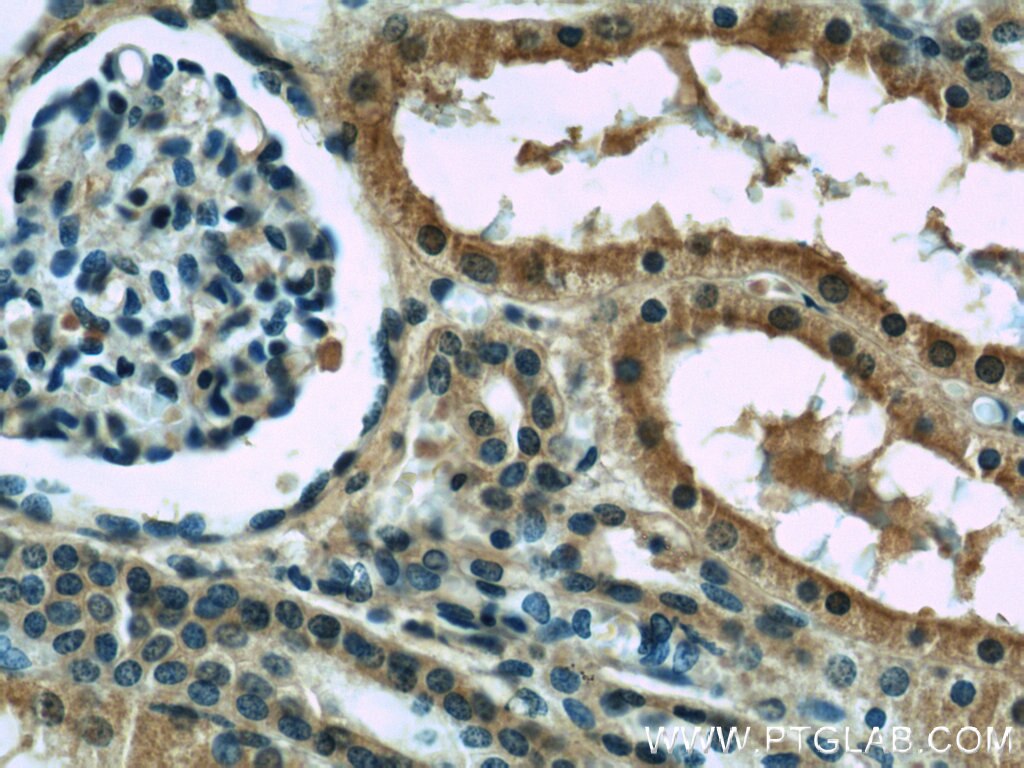
| Positive IHC detected in | human kidney tissue, human skin cancer tissue Note: suggested antigen retrieval with TE buffer pH 9.0; (*) Alternatively, antigen retrieval may be performed with citrate buffer pH 6.0 |
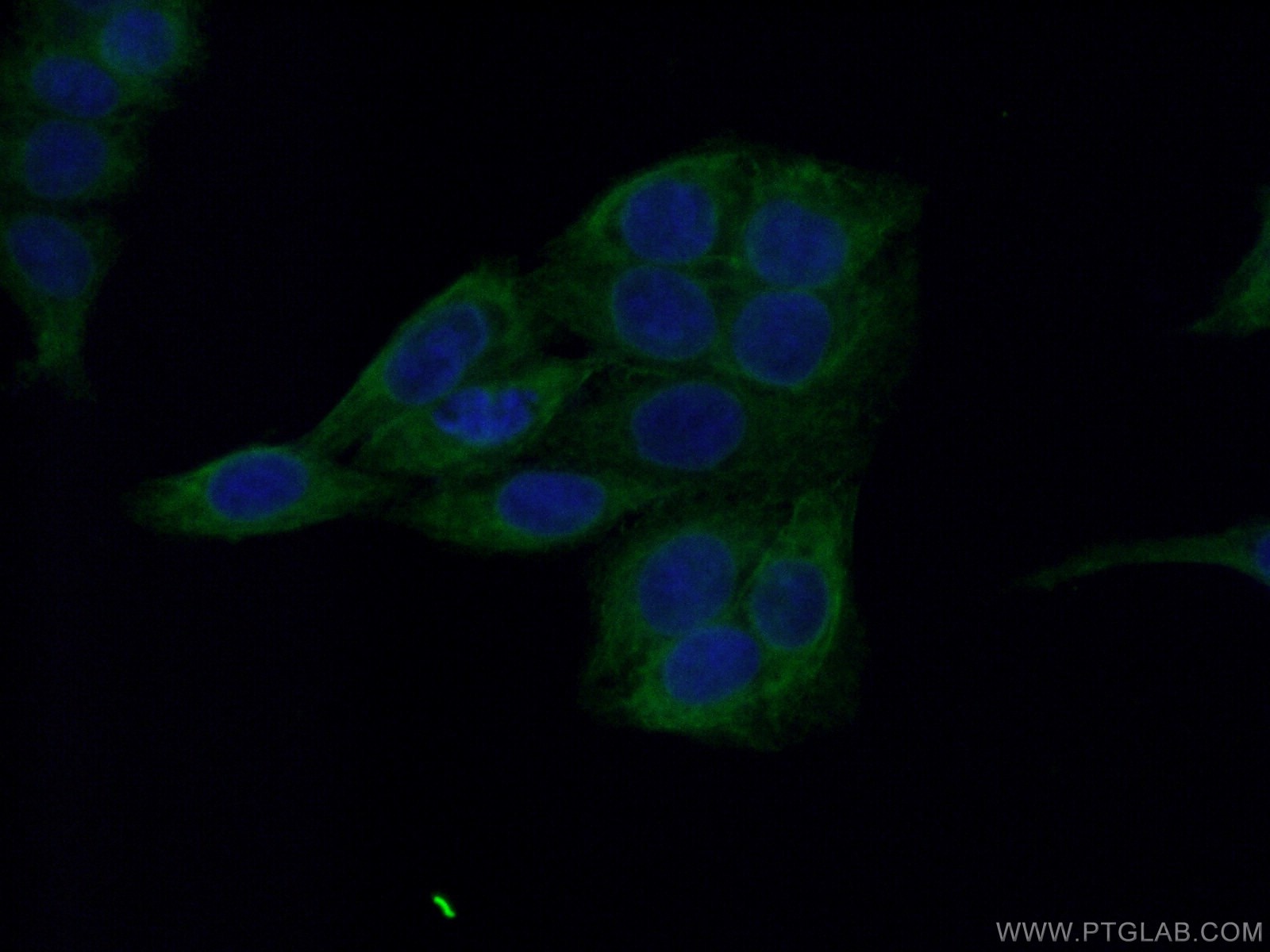
| Positive IF/ICC detected in | HepG2 cells |
Recommended dilution
| Application | Dilution |
|---|---|
| Western Blot (WB) | WB : 1:1000-1:6000 |
| Immunohistochemistry (IHC) | IHC : 1:50-1:500 |
| Immunofluorescence (IF)/ICC | IF/ICC : 1:50-1:500 |
| It is recommended that this reagent should be titrated in each testing system to obtain optimal results. | |
| Sample-dependent, Check data in validation data gallery. | |
Product Information
66092-1-Ig targets MLPH in WB, IHC, IF/ICC, ELISA applications and shows reactivity with human, pig samples.
| Tested Reactivity | human, pig |
| Cited Reactivity | human, rat |
| Host / Isotype | Mouse / IgG1 |
| Class | Monoclonal |
| Type | Antibody |
| Immunogen |
CatNo: Ag19286 Product name: Recombinant human MLPH protein Source: e coli.-derived, PET28a Tag: 6*His Domain: 8-236 aa of BC001653 Sequence: SKLTDEEAQHVLEVVQRDFDLRRKEEERLEALKGKIKKESSKRELLSDTAHLNETHCARCLQPYQLLVNSKRQCLECGLFTCKSCGRVHPEEQGWICDPCHLARVVKIGSLEWYYEHVKARFKRFGSAKVIRSLHGRLQGGAGPELISEERSGDSDQTDEDGEPGSEAQAQAQPFGSKKKRLLSVHDFDFEGDSDDSTQPQGHSLHLSSVPEARDSPQSLTDESCSEKA Predict reactive species |
| Full Name | melanophilin |
| Calculated Molecular Weight | 66 kDa |
| Observed Molecular Weight | 66 kDa |
| GenBank Accession Number | BC001653 |
| Gene Symbol | MLPH |
| Gene ID (NCBI) | 79083 |
| RRID | AB_11232039 |
| Conjugate | Unconjugated |
| Form | Liquid |
| Purification Method | Protein G purification |
| UNIPROT ID | Q9BV36 |
| Storage Buffer | PBS with 0.02% sodium azide and 50% glycerol, pH 7.3. |
| Storage Conditions | Store at -20°C. Stable for one year after shipment. Aliquoting is unnecessary for -20oC storage. 20ul sizes contain 0.1% BSA. |
Background Information
Melanophilin (MLPH) is a member of the exophilin subfamily of Rab effector proteins. MLPH is a modular protein, forming a ternary complex with the small Ras-related GTPase Rab27A in its GTP-bound form and the motor protein myosin Va. It regulates retention of melanosomes at the peripheral actin cytoskeleton of melanocytes, a process essential for normal mammalian pigmentation. Defects in MLPH are a cause of Griscelli syndrome type 3 (GS3), which is characterized by a silver-gray hair color and abnormal pigment distribution in the hair shaft.
Protocols
| Product Specific Protocols | |
|---|---|
| IF protocol for MLPH antibody 66092-1-Ig | Download protocol |
| IHC protocol for MLPH antibody 66092-1-Ig | Download protocol |
| WB protocol for MLPH antibody 66092-1-Ig | Download protocol |
| Standard Protocols | |
|---|---|
| Click here to view our Standard Protocols |
Publications
What published studies show
The MLPH Monoclonal antibody (1A8D12), catalog number 66092-1-Ig, has 2 total citations. These appear in International Journal of Biological Macromolecules (2023) and Molecular Medicine Reports (2019). The cited research fields encompass bone tissue engineering (osteoinductive nanoparticle applications) and melanocyte biology (microRNA-mediated pigmentation regulation). Applications used in these citations include Western blotting and immunofluorescence, with species tested in rat and human samples.
| Species | Application | Title |
|---|---|---|
Int J Biol Macromol A multifunctional polydopamine/genipin/alendronate nanoparticle licences fibrin hydrogels osteoinductive and immunomodulatory potencies for repairing bone defects | ||
Mol Med Rep Knockdown of microRNA‑143‑5p by STTM technology affects eumelanin and pheomelanin production in melanocytes. |












