

Tested Applications
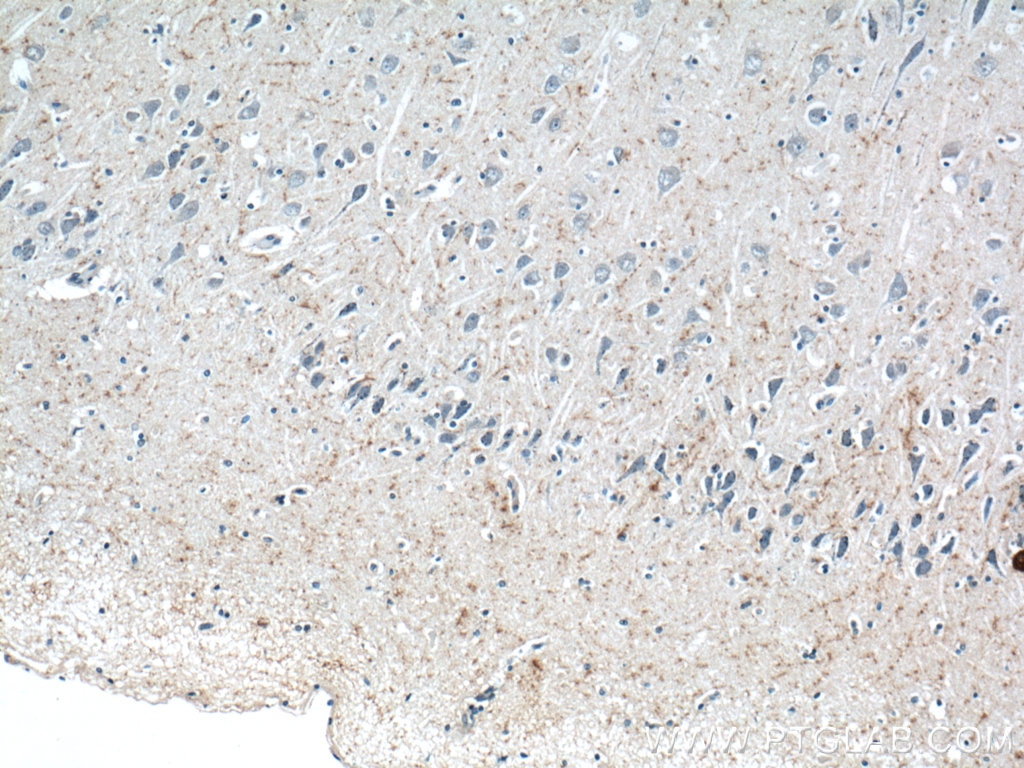
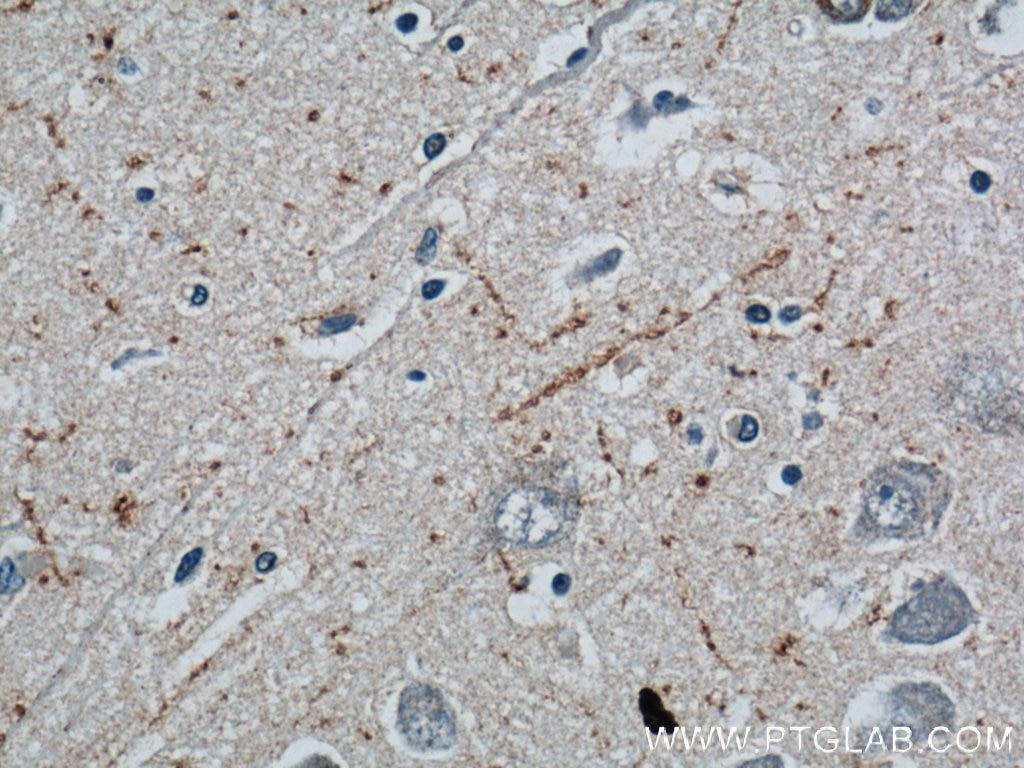
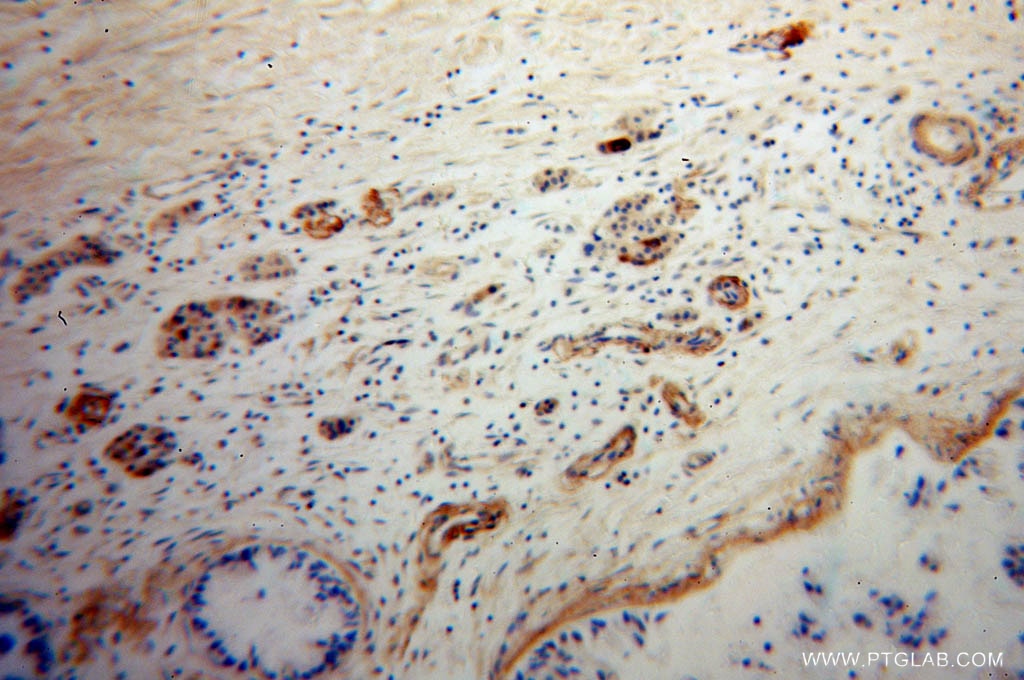
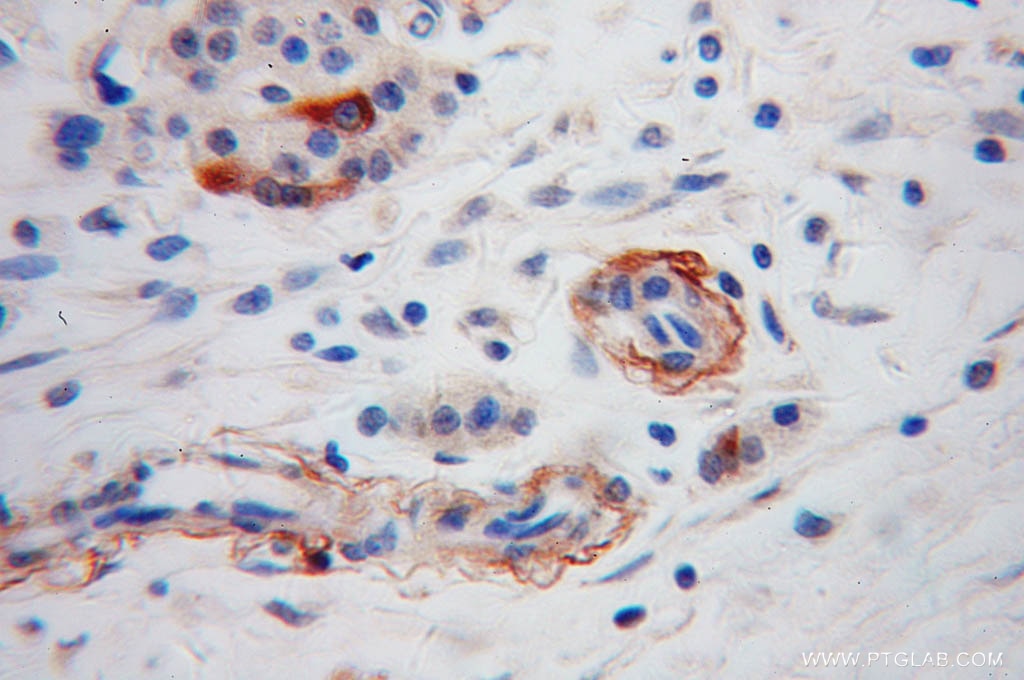
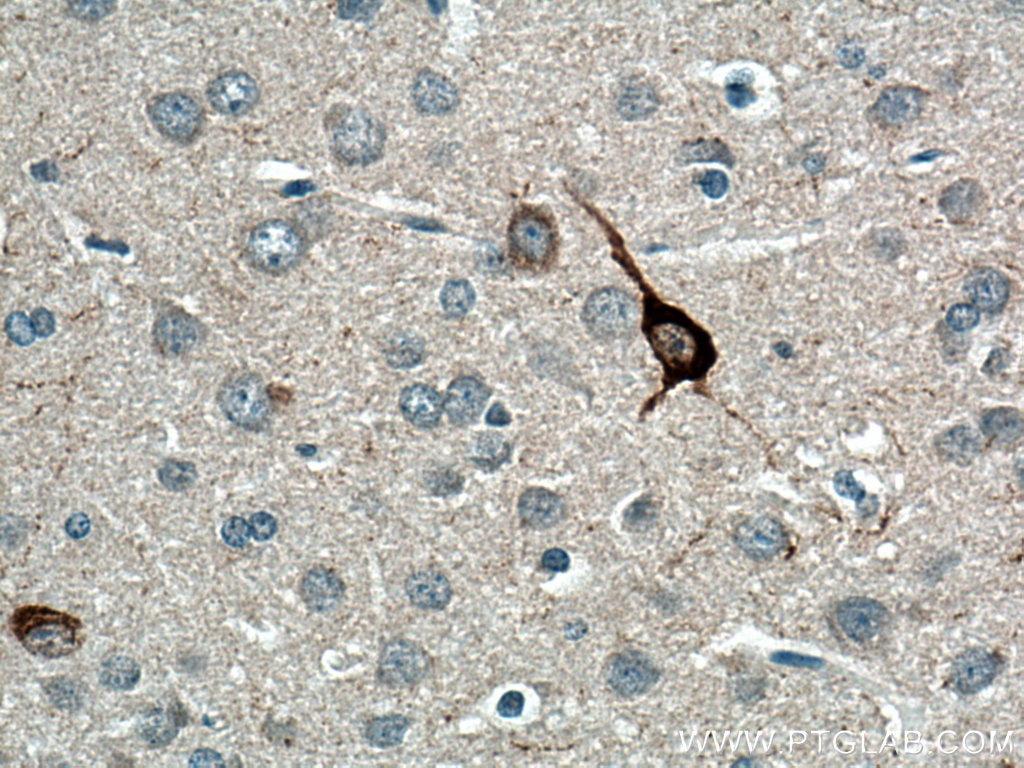
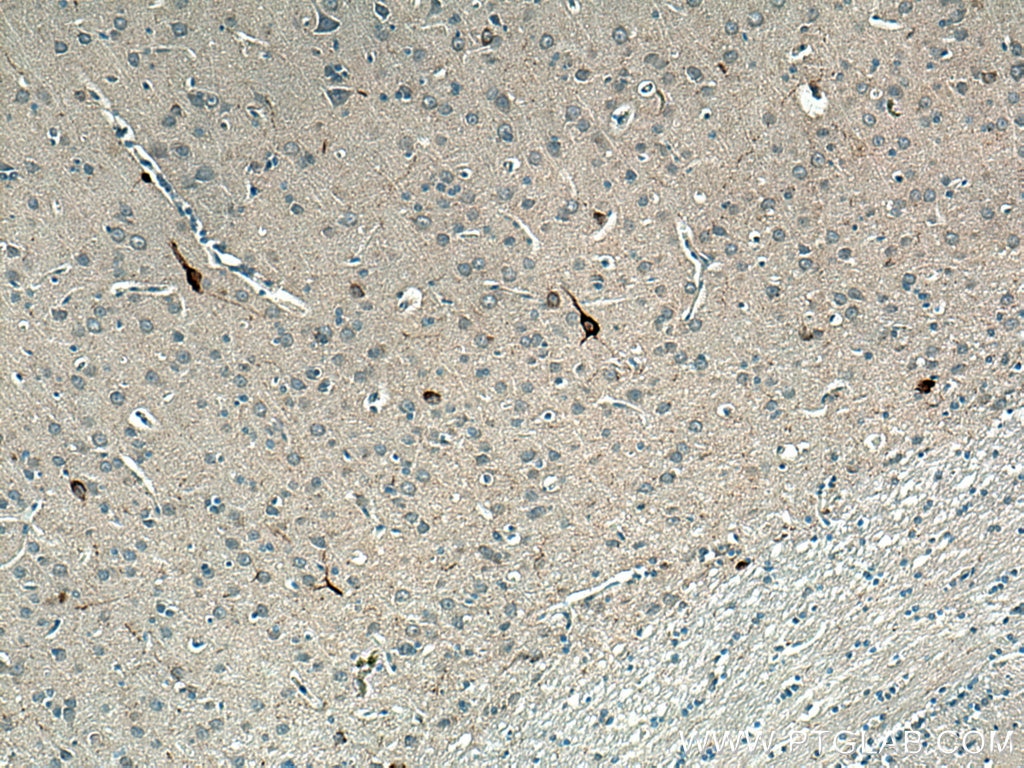
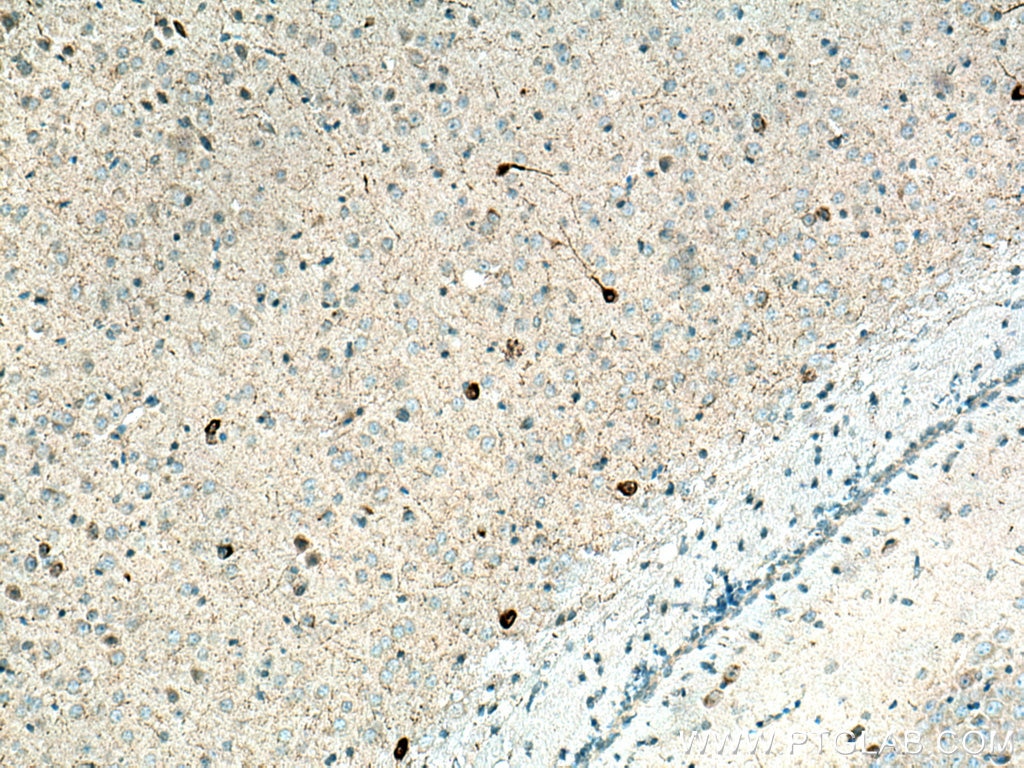
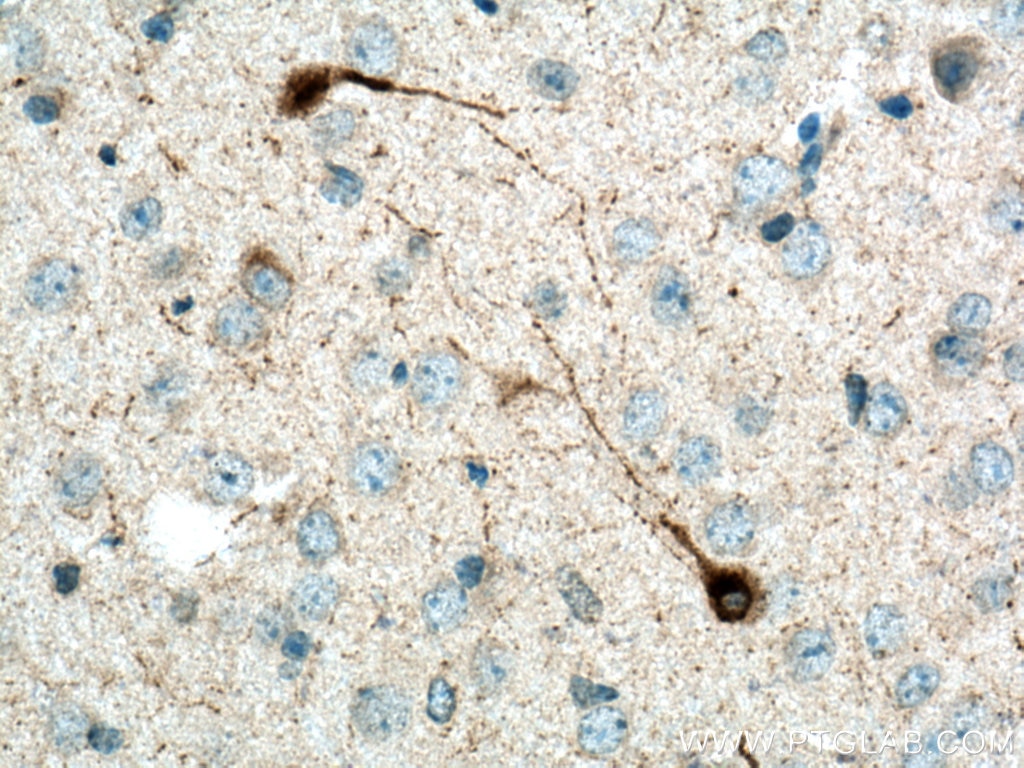
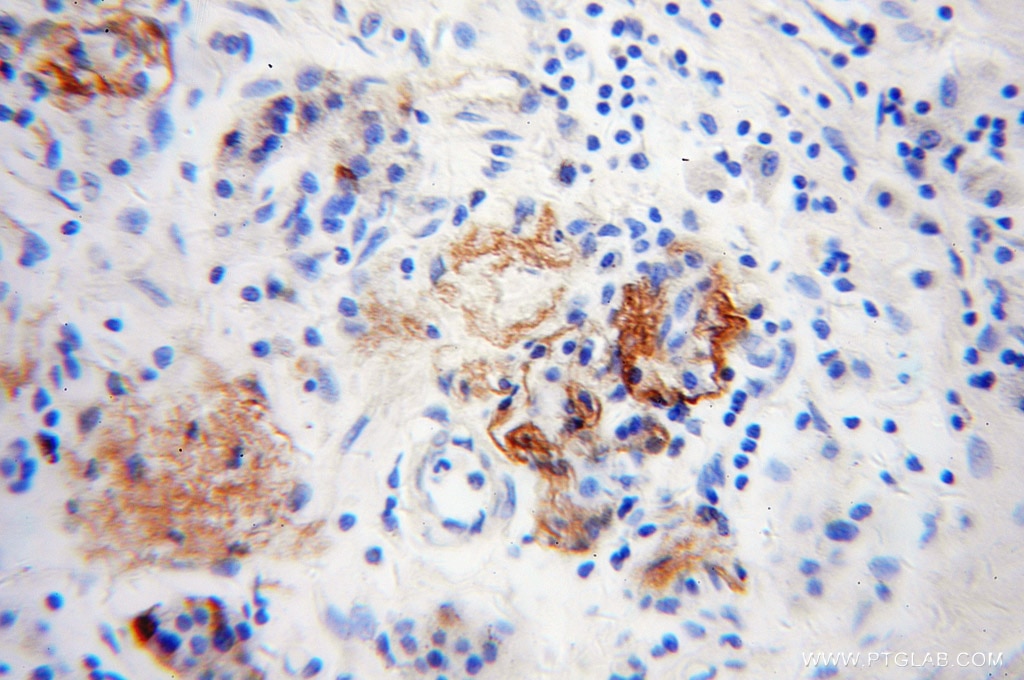
| Positive IHC detected in | human brain tissue, mouse brain tissue, human pancreas cancer tissue, rat brain tissue Note: suggested antigen retrieval with TE buffer pH 9.0; (*) Alternatively, antigen retrieval may be performed with citrate buffer pH 6.0 |
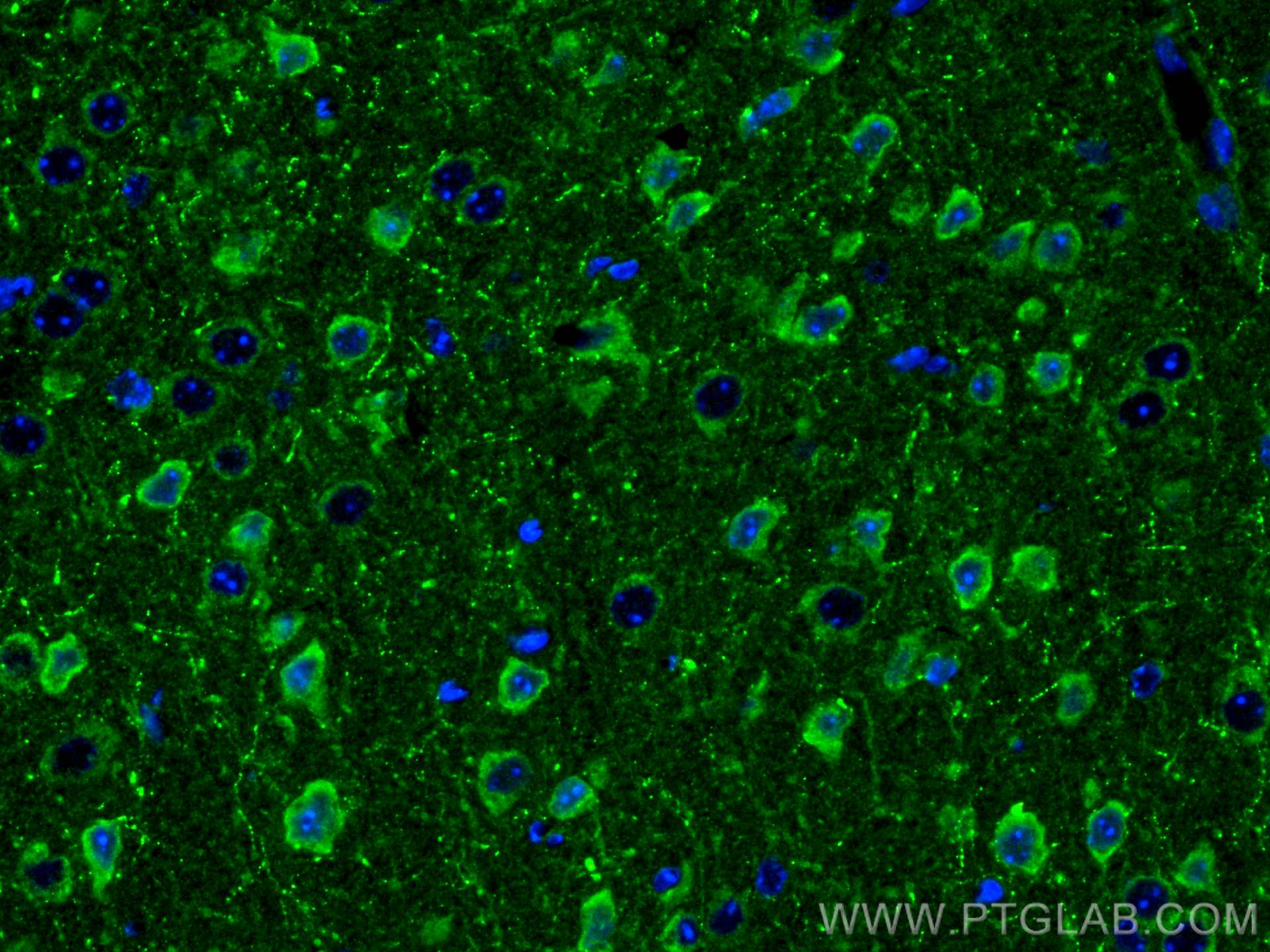
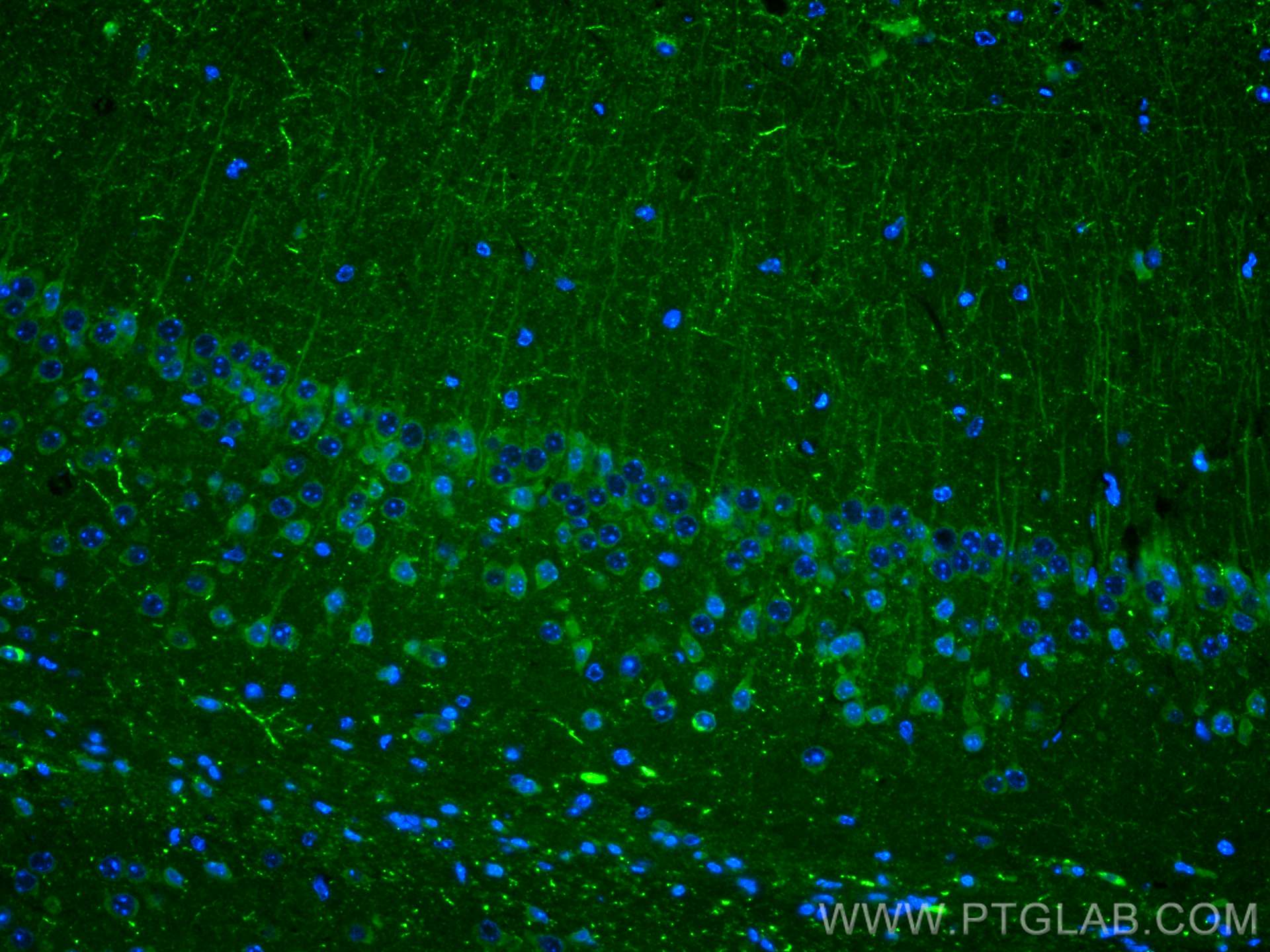
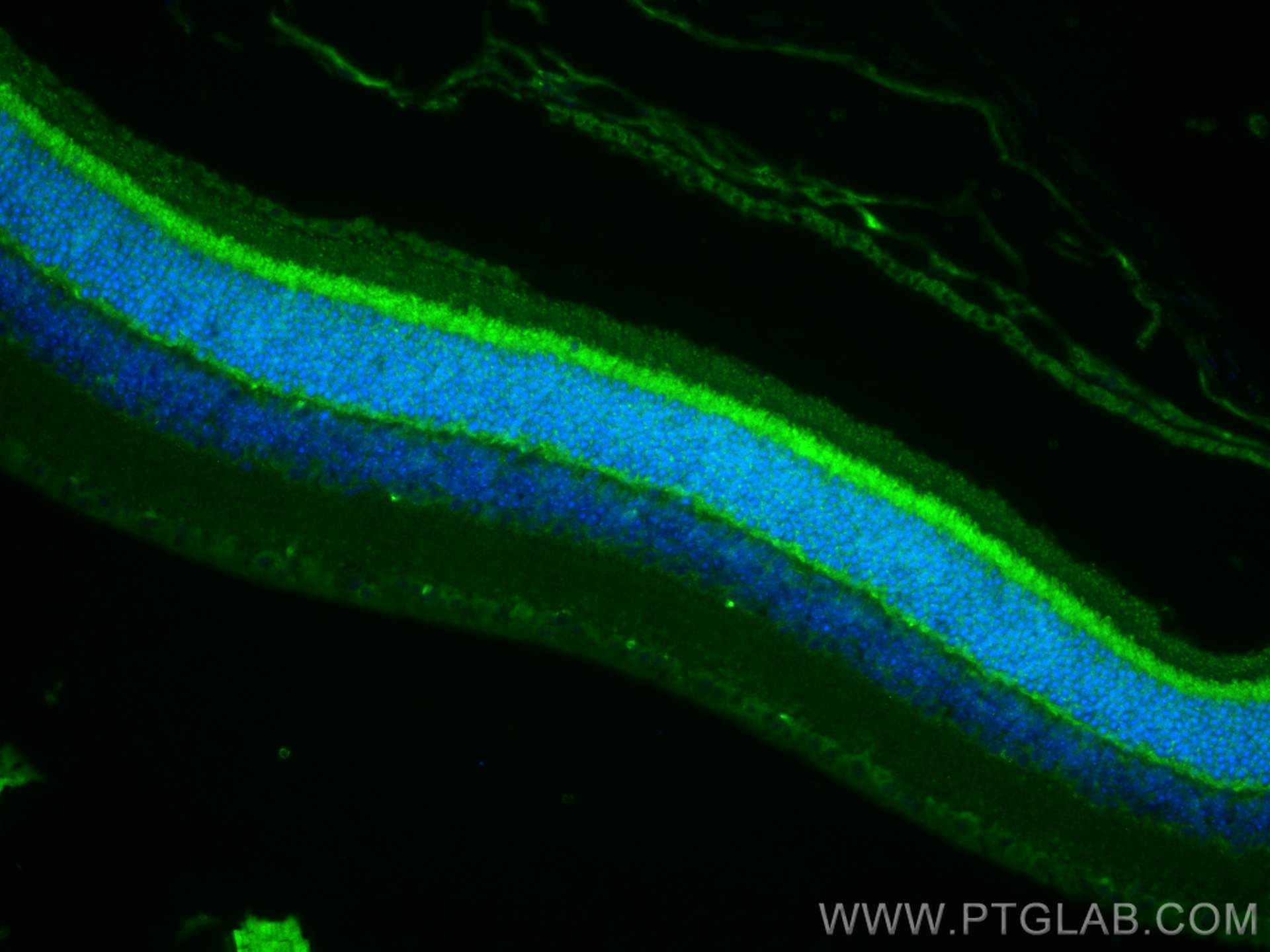
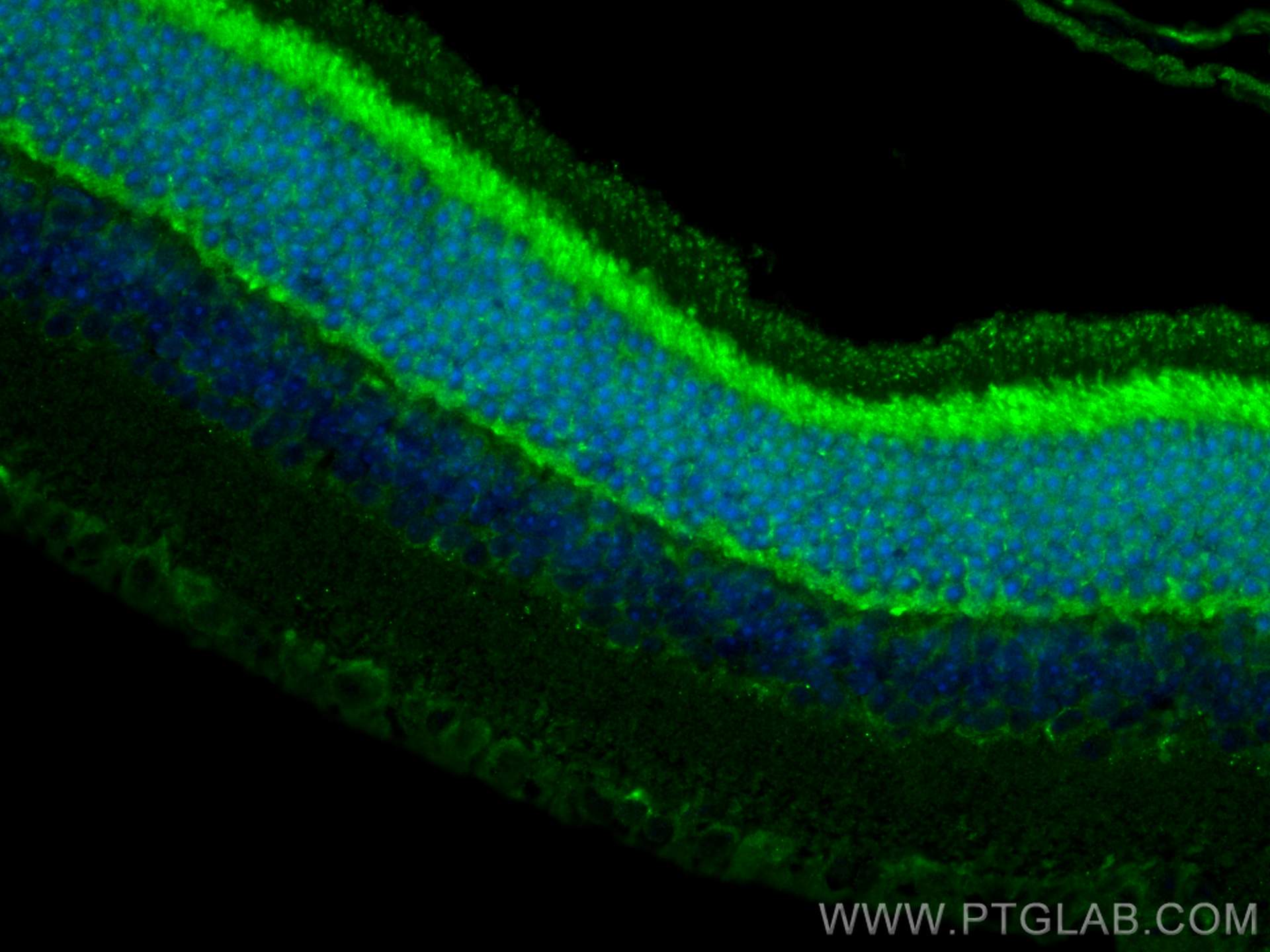
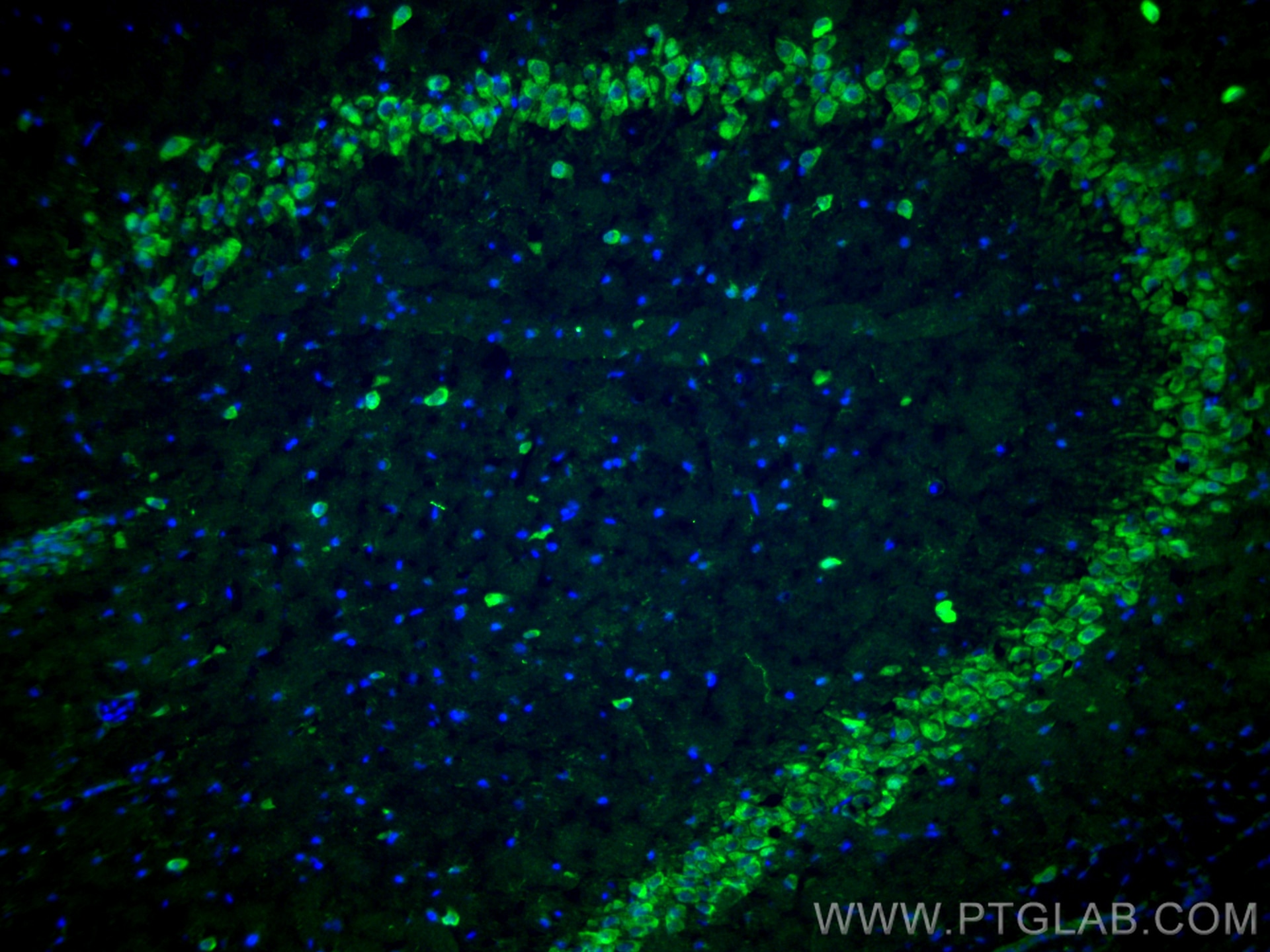
| Positive IF-P detected in | mouse brain tissue, mouse eye tissue |
| Positive IF-Fro detected in | rat brain tissue |
Recommended dilution
| Application | Dilution |
|---|---|
| Immunohistochemistry (IHC) | IHC : 1:50-1:500 |
| Immunofluorescence (IF)-P | IF-P : 1:50-1:500 |
| Immunofluorescence (IF)-FRO | IF-FRO : 1:50-1:500 |
| It is recommended that this reagent should be titrated in each testing system to obtain optimal results. | |
| Sample-dependent, Check data in validation data gallery. | |
Product Information
12833-1-AP targets Neuropeptide Y in WB, IHC, IF-P, IF-Fro, ELISA applications and shows reactivity with human, mouse, rat samples.
| Tested Reactivity | human, mouse, rat |
| Cited Reactivity | human, mouse, rat |
| Host / Isotype | Rabbit / IgG |
| Class | Polyclonal |
| Type | Antibody |
| Immunogen |
CatNo: Ag3568 Product name: Recombinant human NPY protein Source: e coli.-derived, PGEX-4T Tag: GST Domain: 1-97 aa of BC029497 Sequence: MLGNKRLGLSGLTLALSLLVCLGALAEAYPSKPDNPGEDAPAEDMARYYSALRHYINLITRQRYGKRSSPETLISDLLMRESTENVPRTRLEDPAMW Predict reactive species |
| Full Name | neuropeptide Y |
| Calculated Molecular Weight | 97 aa, 11 kDa |
| GenBank Accession Number | BC029497 |
| Gene Symbol | Neuropeptide Y |
| Gene ID (NCBI) | 4852 |
| RRID | AB_10791890 |
| Conjugate | Unconjugated |
| Form | Liquid |
| Purification Method | Antigen affinity purification |
| UNIPROT ID | P01303 |
| Storage Buffer | PBS with 0.02% sodium azide and 50% glycerol, pH 7.3. |
| Storage Conditions | Store at -20°C. Stable for one year after shipment. Aliquoting is unnecessary for -20oC storage. 20ul sizes contain 0.1% BSA. |
Background Information
Neuropeptide Y (NPY) is one of the most abundant peptides in the mammalian central nervous system (CNS). NPY has been linked to several physiological and pathological functions, such as feeding behaviour, memory processing, pain, anxiety, cell proliferation and many other processes in the central and peripheral nervous systems. The neuropeptide functions through G protein-coupled receptors to inhibit adenylyl cyclase, activate mitogen-activated protein kinase (MAPK), regulate intracellular calcium levels, and activate potassium channels. In addition, NPY was suggested as a potential neuroprotective agent in Alzheimer's disease by counteracting the toxic effect of β-amyloid in an in vitro model.
Protocols
| Product Specific Protocols | |
|---|---|
| IF protocol for Neuropeptide Y antibody 12833-1-AP | Download protocol |
| IHC protocol for Neuropeptide Y antibody 12833-1-AP | Download protocol |
| Standard Protocols | |
|---|---|
| Click here to view our Standard Protocols |
Publications
What published studies show
The Neuropeptide Y Polyclonal antibody (Cat# 12833-1-AP) has 21 citations. These appear in journals including Nature Aging, Journal of Orthopaedic Translation, Science of the Total Environment, Free Radical Biology and Medicine, ACS Applied Materials & Interfaces, Cell Reports, Chinese Medicine, Journal of Ethnopharmacology, Ecotoxicology and Environmental Safety, International Immunopharmacology, Scientific Reports, Journal of Inflammation Research, Frontiers in Behavioral Neuroscience, Acta Histochemica, Acupuncture in Medicine, Pharmacology Biochemistry and Behavior, Comparative Biochemistry and Physiology A, Acta Neurobiologiae Experimentalis, Drug Design Development and Therapy, and Frontiers in Endocrinology. Research fields span neuroscience, epilepsy, obesity/metabolism, cancer, inflammation, and environmental toxicology.
| Species | Application | Title |
|---|---|---|
Nat Aging Single-cell and spatial RNA sequencing identify divergent microenvironments and progression signatures in early- versus late-onset prostate cancer | ||
J Orthop Translat Suprascapular nerve injury affects rotator cuff healing: A paired controlled study in a rat model. | ||
Sci Total Environ Micro/nanoplastics impair the feeding of goldfish by disrupting the complicated peripheral and central regulation of appetite | ||
Free Radic Biol Med Inhibition of neuronal nitric oxide synthase protects against hippocampal neuronal injuries by increasing neuropeptide Y expression in temporal lobe epilepsy mice. | ||
ACS Appl Mater Interfaces Lithium-Doped Titanium Dioxide-Based Multilayer Hierarchical Structure for Accelerating Nerve-Induced Bone Regeneration | ||
Cell Rep Greater epithelial ridge cells are the principal organoid-forming progenitors of the mouse cochlea. |
Reviews
What customers say
Able is busy answering your previous question. Please try again later.
The reviews below have been submitted by verified Proteintech customers who received an incentive for providing their feedback.
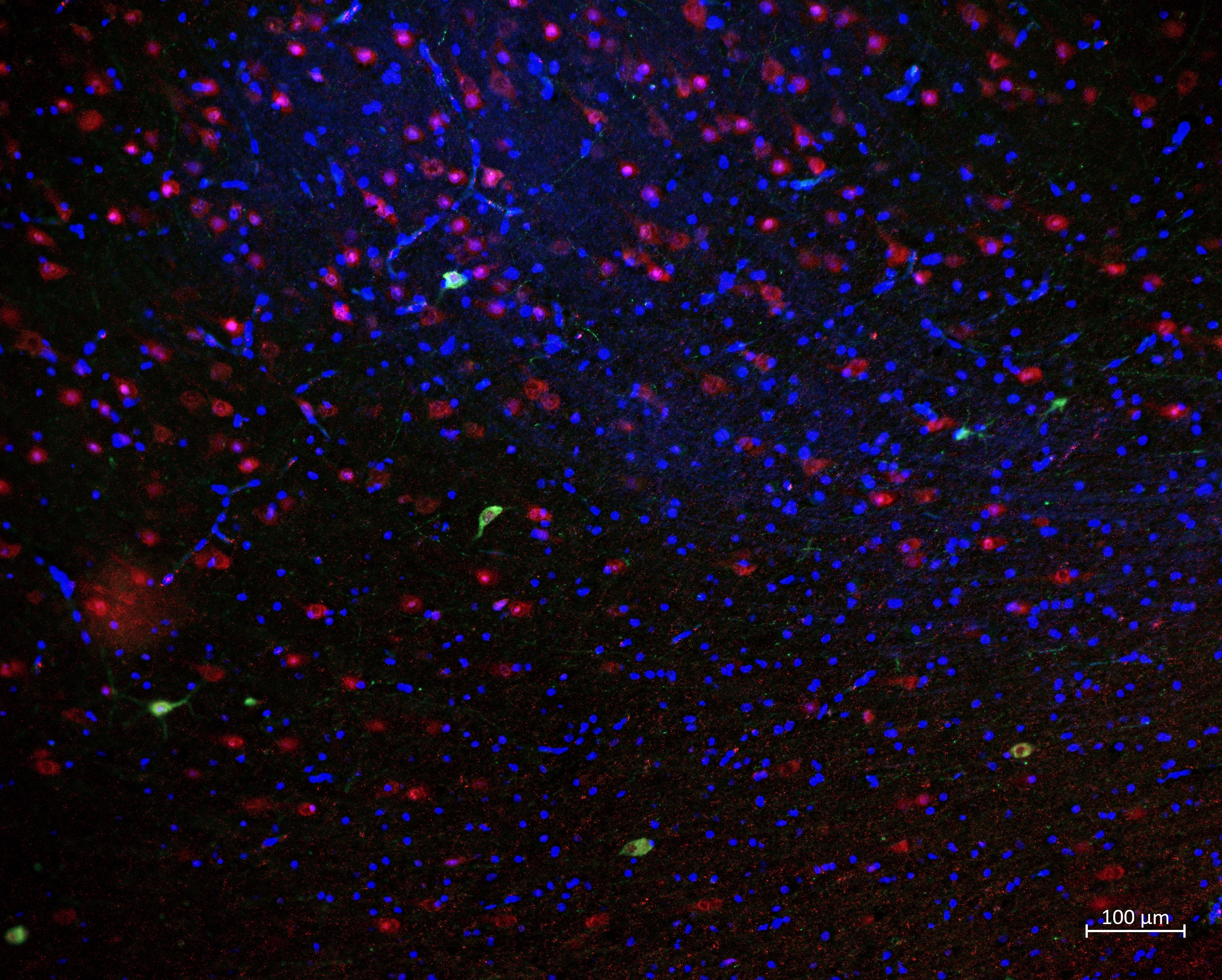
Reyes (Verified Customer) (04-12-2024) | NPY (green) worked nicely marking a subpopulation of interneurons in human brain FFPE cortex tissue.
 |















