

Tested Applications
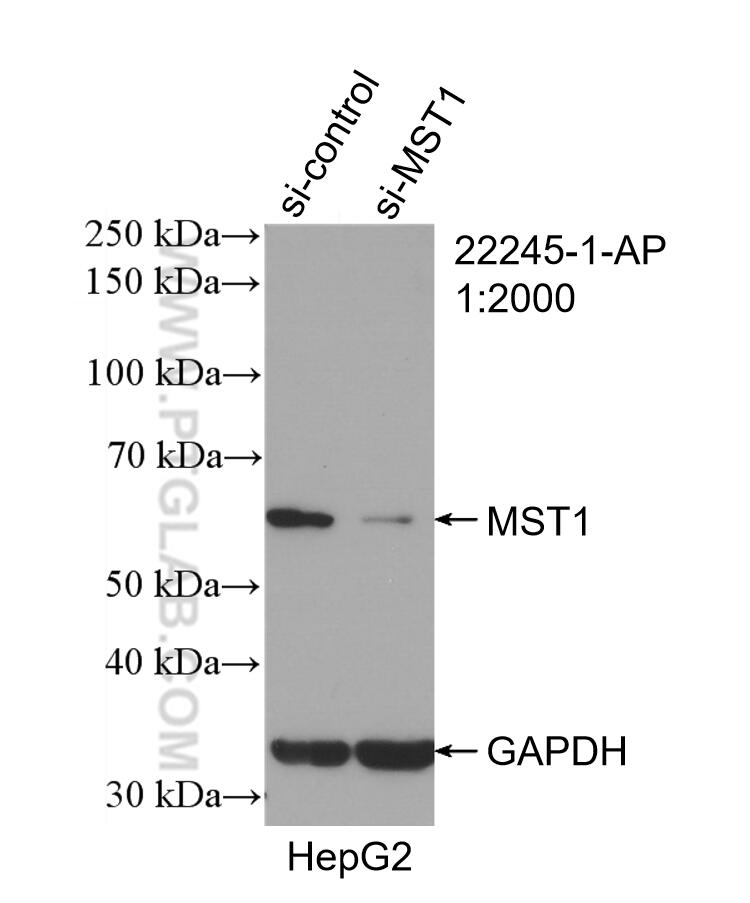
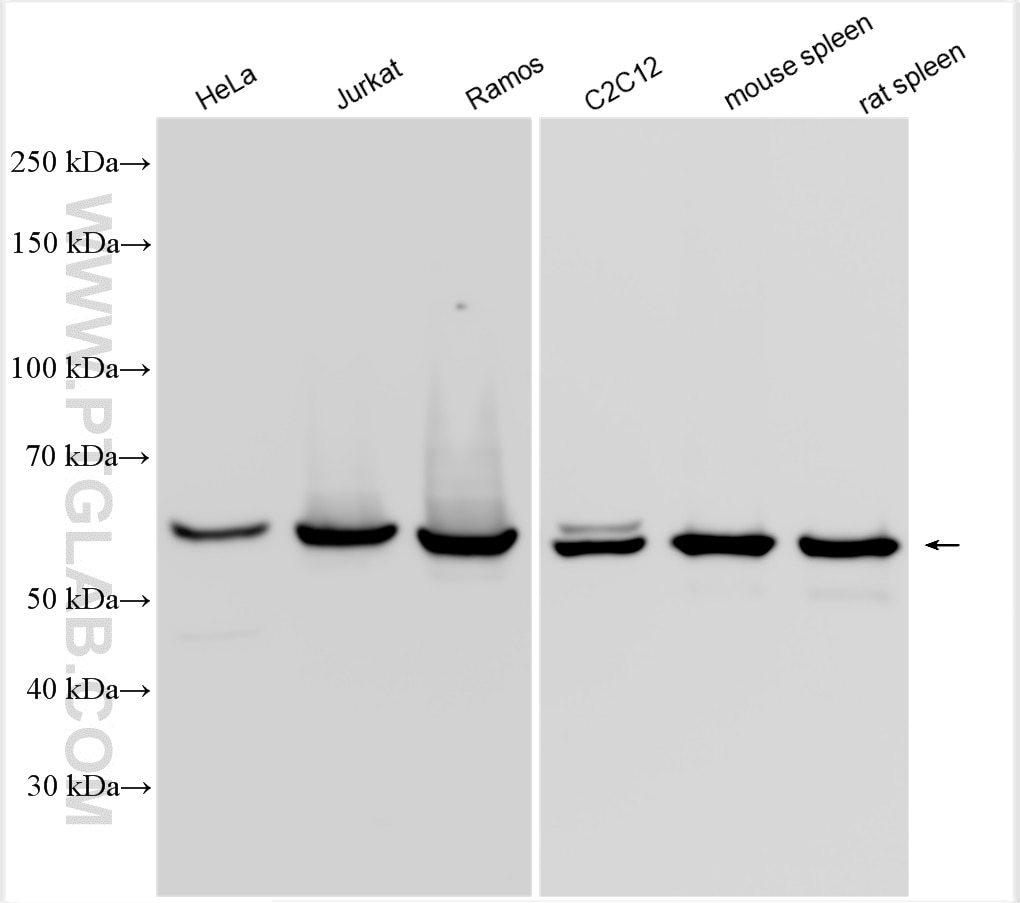
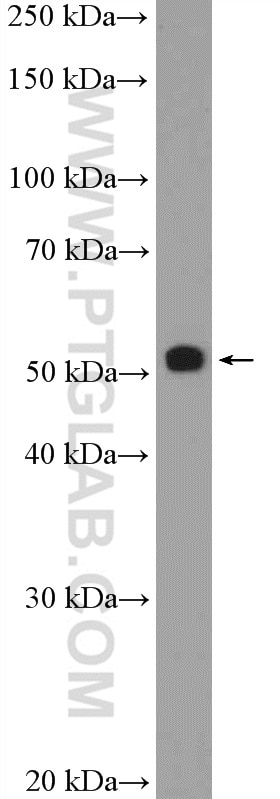
| Positive WB detected in | HeLa cells, HepG2 cells, rat liver tissue, Jurkat cells, Ramos cells, C2C12 cells, mouse spleen tissue, rat spleen tissue |
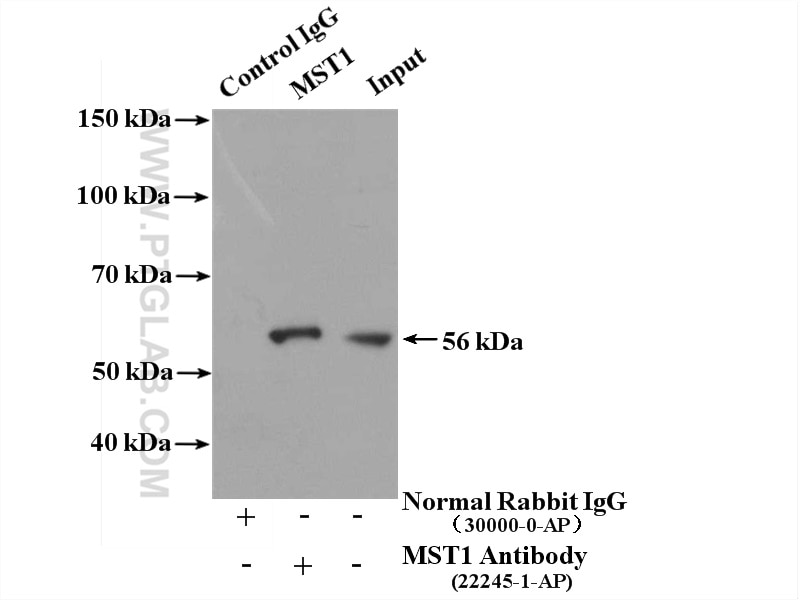
| Positive IP detected in | HeLa cells |
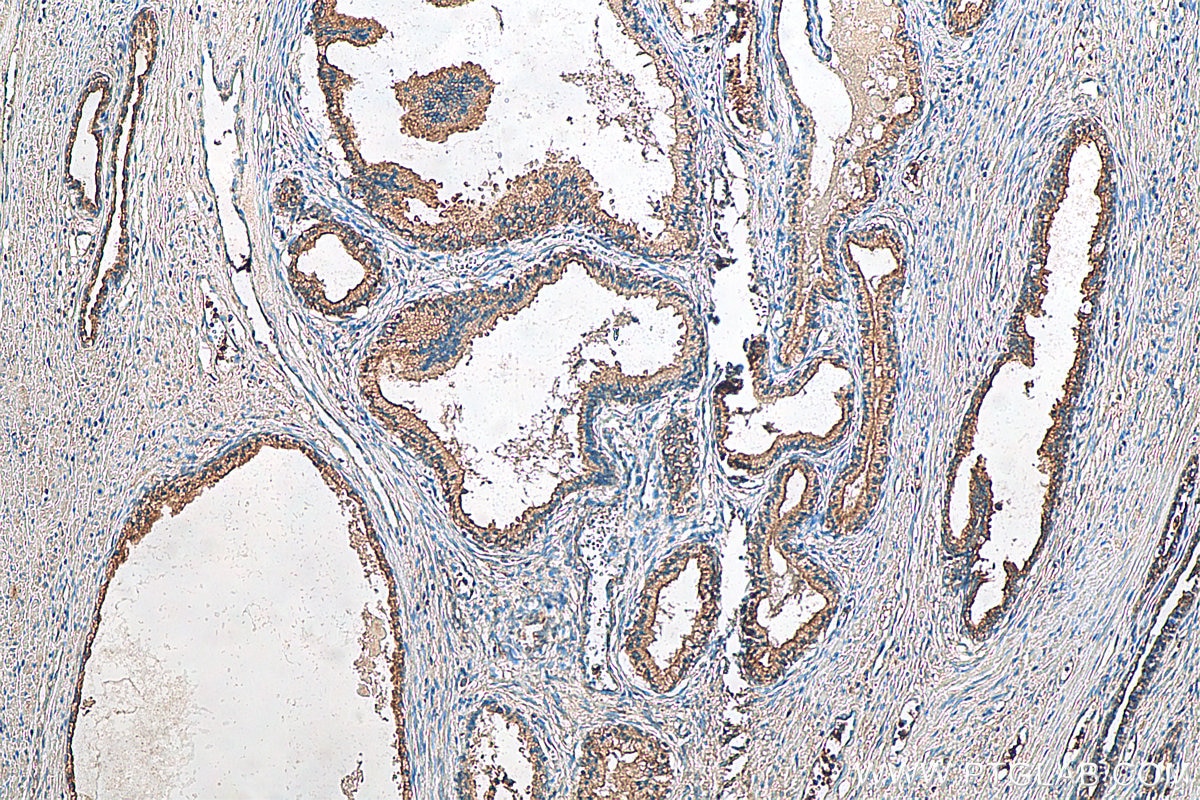
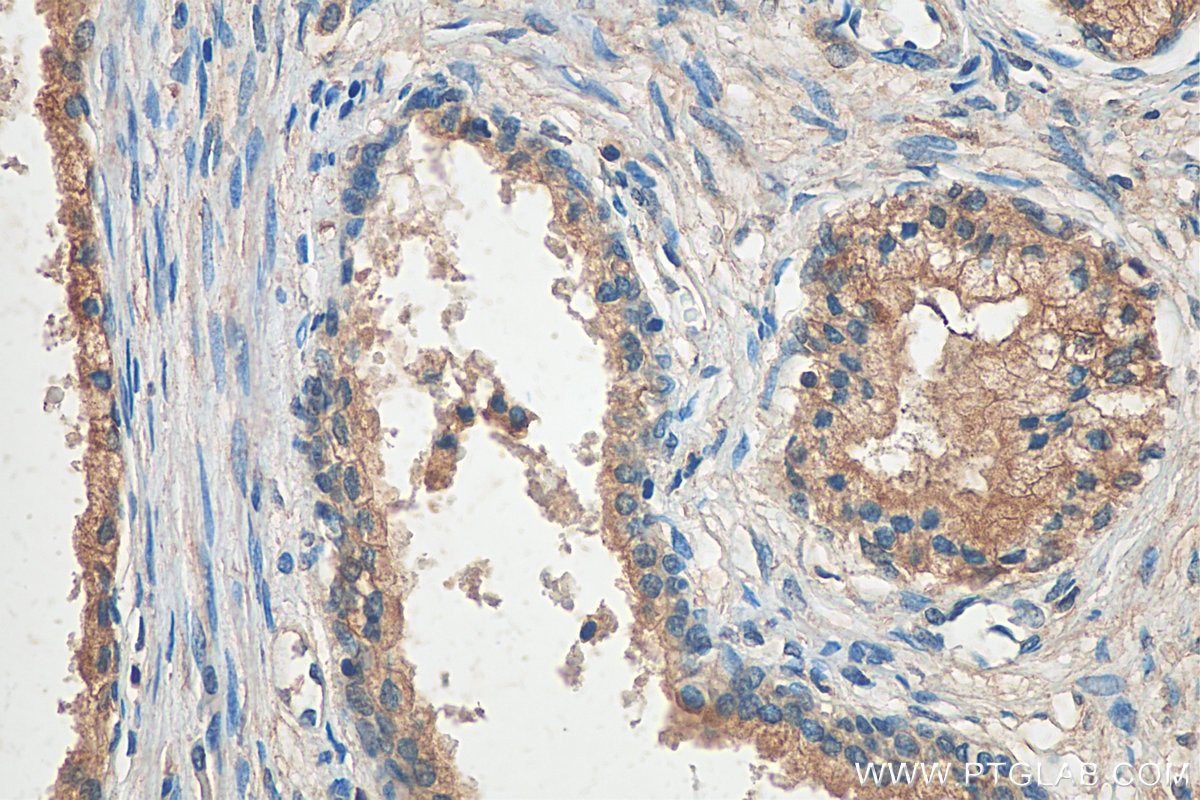
| Positive IHC detected in | human prostate cancer tissue Note: suggested antigen retrieval with TE buffer pH 9.0; (*) Alternatively, antigen retrieval may be performed with citrate buffer pH 6.0 |
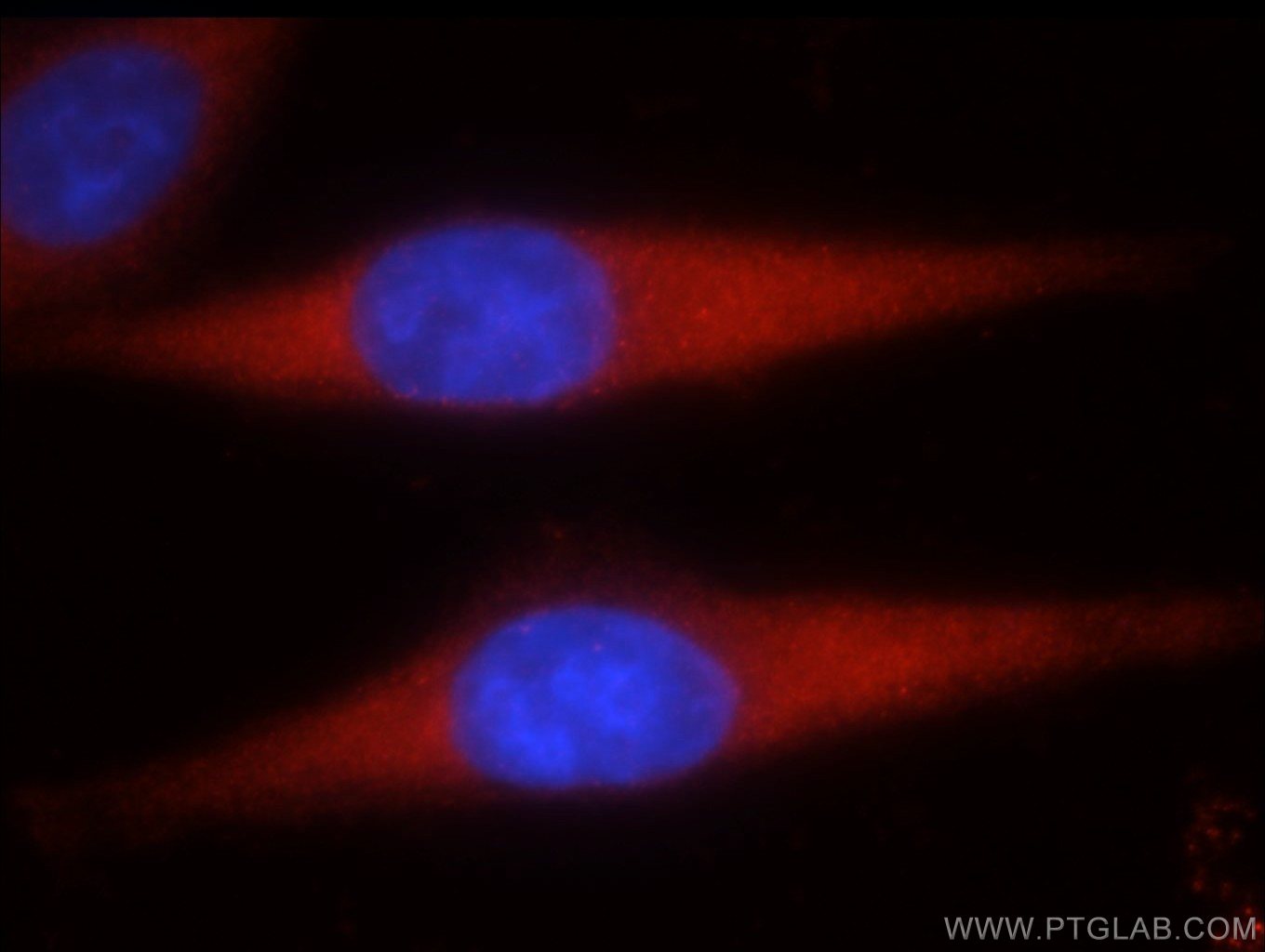
| Positive IF/ICC detected in | HepG2 cells |
Recommended dilution
| Application | Dilution |
|---|---|
| Western Blot (WB) | WB : 1:1000-1:6000 |
| Immunoprecipitation (IP) | IP : 0.5-4.0 ug for 1.0-3.0 mg of total protein lysate |
| Immunohistochemistry (IHC) | IHC : 1:50-1:500 |
| Immunofluorescence (IF)/ICC | IF/ICC : 1:20-1:200 |
| It is recommended that this reagent should be titrated in each testing system to obtain optimal results. | |
| Sample-dependent, Check data in validation data gallery. | |
Product Information
22245-1-AP targets MST1 in WB, IHC, IF/ICC, IP, CoIP, ELISA applications and shows reactivity with human, mouse, rat samples.
| Tested Reactivity | human, mouse, rat |
| Cited Reactivity | human, mouse, rat, sheep |
| Host / Isotype | Rabbit / IgG |
| Class | Polyclonal |
| Type | Antibody |
| Immunogen |
CatNo: Ag17738 Product name: Recombinant human STK4 protein Source: e coli.-derived, PGEX-4T Tag: GST Domain: 383-451 aa of BC093768 Sequence: RRDETMQPAKPSFLEYFEQKEKENQINSFGKSVPGPLKNSSDWKIPQDGDYEFLKSWTVEDLQKRLLAL Predict reactive species |
| Full Name | serine/threonine kinase 4 |
| Calculated Molecular Weight | 487 aa, 56 kDa |
| Observed Molecular Weight | 56 kDa |
| GenBank Accession Number | BC093768 |
| Gene Symbol | MST1 |
| Gene ID (NCBI) | 6789 |
| RRID | AB_11182388 |
| Conjugate | Unconjugated |
| Form | Liquid |
| Purification Method | Antigen affinity purification |
| UNIPROT ID | Q13043 |
| Storage Buffer | PBS with 0.02% sodium azide and 50% glycerol, pH 7.3. |
| Storage Conditions | Store at -20°C. Stable for one year after shipment. Aliquoting is unnecessary for -20oC storage. 20ul sizes contain 0.1% BSA. |
Background Information
Mammalian STE20-like serine-threonine kinase MST1, encoded by the STK4 gene, is a multifunctional protein. MST1 and its closest paralogs MST2 (encoded by the STK3 gene), MST3, and MST4 are members of the Class II Germinal Center Family of Protein Kinases . STK3/4 and LATS1/2 (large tumor suppressor 1 and 2) are core kinase components of the Hippo tumor suppressor pathway in mammalians . In the conventional Hippo pathway, the STK3/4 and LATS1/2 signaling cascade phosphorylates and inactivates the transcriptional coactivator YAP1 (yes associated protein 1) and its close paralog WWTR1]. YAP1 and WWTR1 do not have DNA binding domains and they exert their biological outputs, such as cell proliferation and survival, by interacting with the TEAD1-4 transcription factors. Lines of evidence have indicated that dysregulation or loss of STK4/Hippo signaling is linked to developmental disorders and carcinogenesis with poor prognosis. STK4 is a stress-induced kinase and it can be activated in response to cell-death inducers. Autophosphorylation of STK4 at Thr183 (Thr180 in STK3) in the activation loop is a key activation mechanism for STK4/3 because phosphorylation of Thr183/180 causes the cleavage of STK4 by caspases under apoptotic conditions. The caspase-cleavage results in a more active STK4 protein (STK4-N, an amino-terminally truncated STK4), which localizes into the nucleus and induces apoptosis through histone modifications and chromatin condensations.
Protocols
| Product Specific Protocols | |
|---|---|
| IF protocol for MST1 antibody 22245-1-AP | Download protocol |
| IHC protocol for MST1 antibody 22245-1-AP | Download protocol |
| IP protocol for MST1 antibody 22245-1-AP | Download protocol |
| WB protocol for MST1 antibody 22245-1-AP | Download protocol |
| Standard Protocols | |
|---|---|
| Click here to view our Standard Protocols |
Publications
What published studies show
The MST1 antibody (Cat# 22245-1-AP) has accumulated 65 citations in journals including Cell, Nature Communications, Oncogene, Autophagy, Science Advances, Advanced Science, Cell Death & Differentiation, Cell Death & Disease, FASEB Journal, and Journal of Immunotherapy of Cancer. Research fields span the Hippo signaling pathway, hepatocellular carcinoma, liver fibrosis, autophagy, cancer progression (lung, colorectal, gastric, breast, bladder), cardiac hypertrophy, bone degeneration, neuroprotection, ophthalmology, reproductive biology, diabetes, and immune regulation.
| Species | Application | Title |
|---|---|---|
Bioact Mater Mesenchymal stromal/stem cell spheroid-derived extracellular vesicles advance the therapeutic efficacy of 3D-printed vascularized artificial liver lobules in liver failure treatment | ||
Autophagy Phase separation of OPTN initiates mitophagy to orchestrate craniofacial bone mineralization. | ||
Autophagy Mechanical stress-mediated ferritinophagy aggravates cartilage endplate degeneration via a PIEZO1-NCOA4-ZBP1 axis. | ||
Nat Commun KK-LC-1 as a therapeutic target to eliminate ALDH+ stem cells in triple negative breast cancer | ||
Nat Commun Fusobacterium nucleatum reduces METTL3-mediated m6A modification and contributes to colorectal cancer metastasis. |
Reviews
What customers say
One user (Pierre D.) reviewed this antibody for Western Blot on T cells, rating it 4 out of 5 stars with the comment "Very Good" (lot 00075987, September 2025). Overall, the single review reflects a positive experience with the product performing well for WB applications.
The reviews below have been submitted by verified Proteintech customers who received an incentive for providing their feedback.
Pierre (Verified Customer) (09-26-2025) | Very Good
|








