


Tested Applications
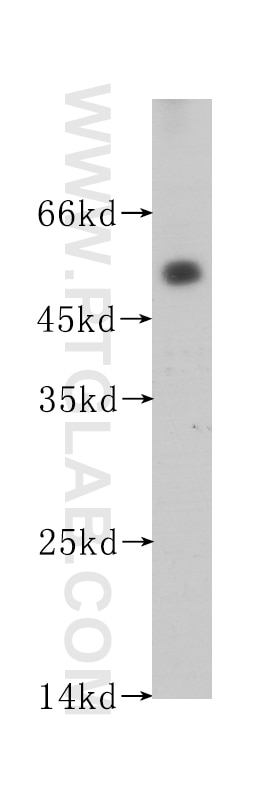
| Positive WB detected in | K-562 cells, human testis tissue |
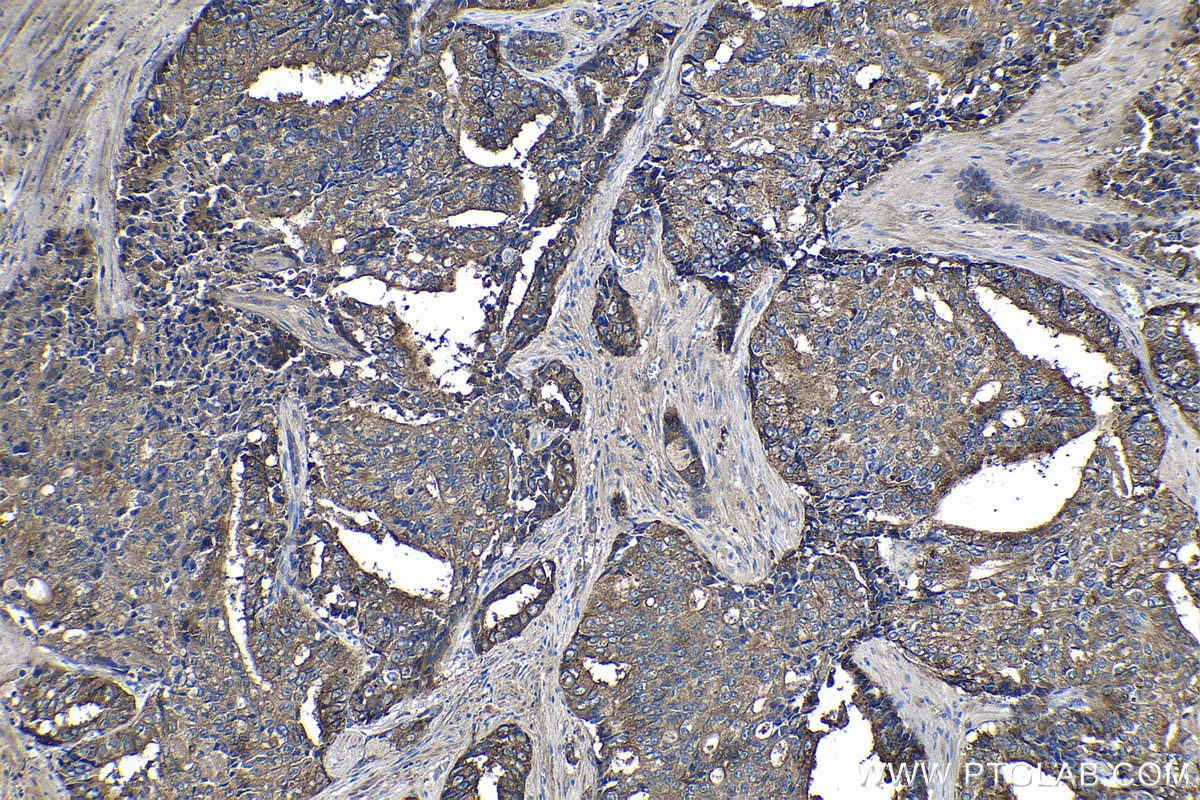
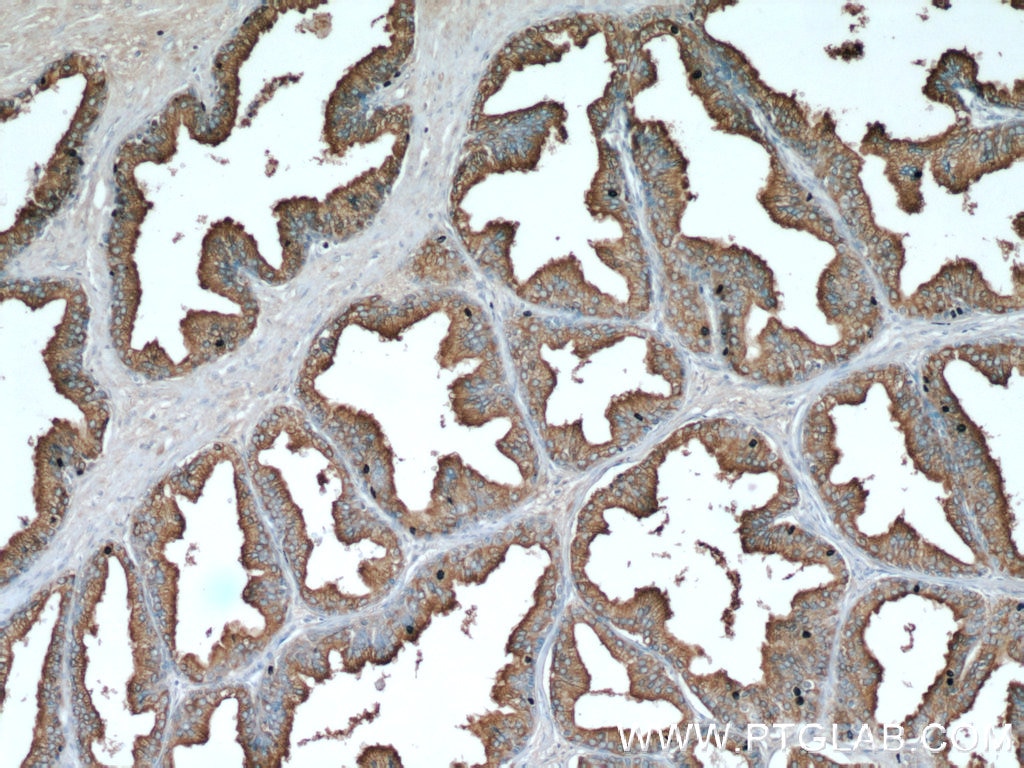
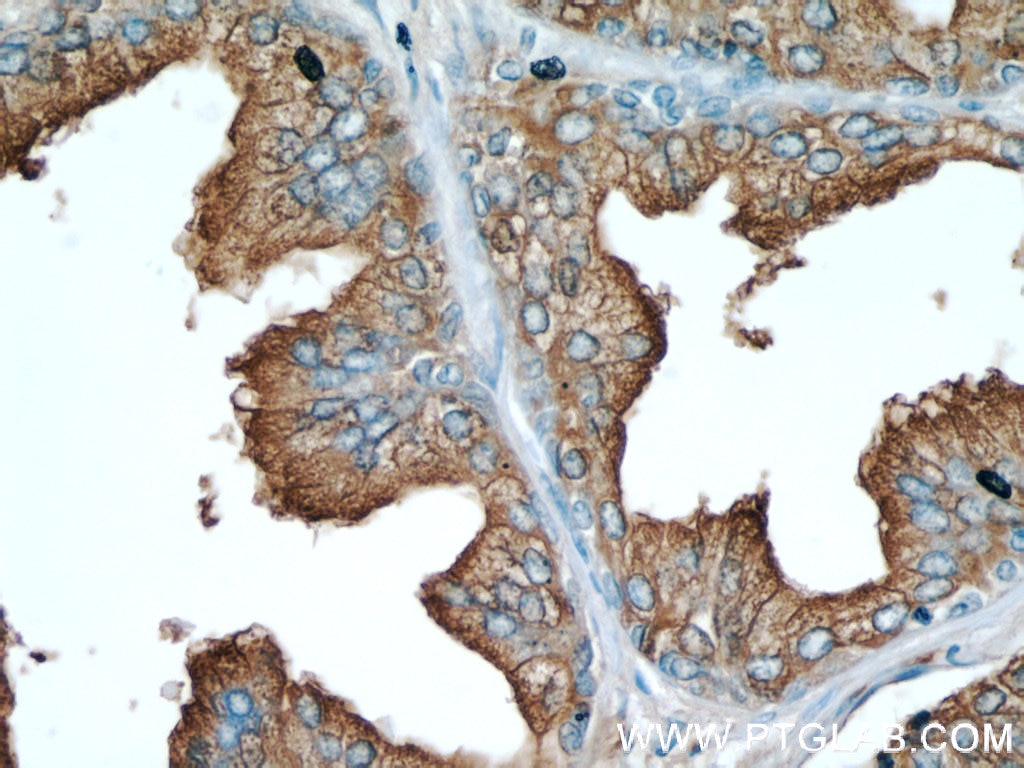
| Positive IHC detected in | human prostate hyperplasia tissue Note: suggested antigen retrieval with TE buffer pH 9.0; (*) Alternatively, antigen retrieval may be performed with citrate buffer pH 6.0 |
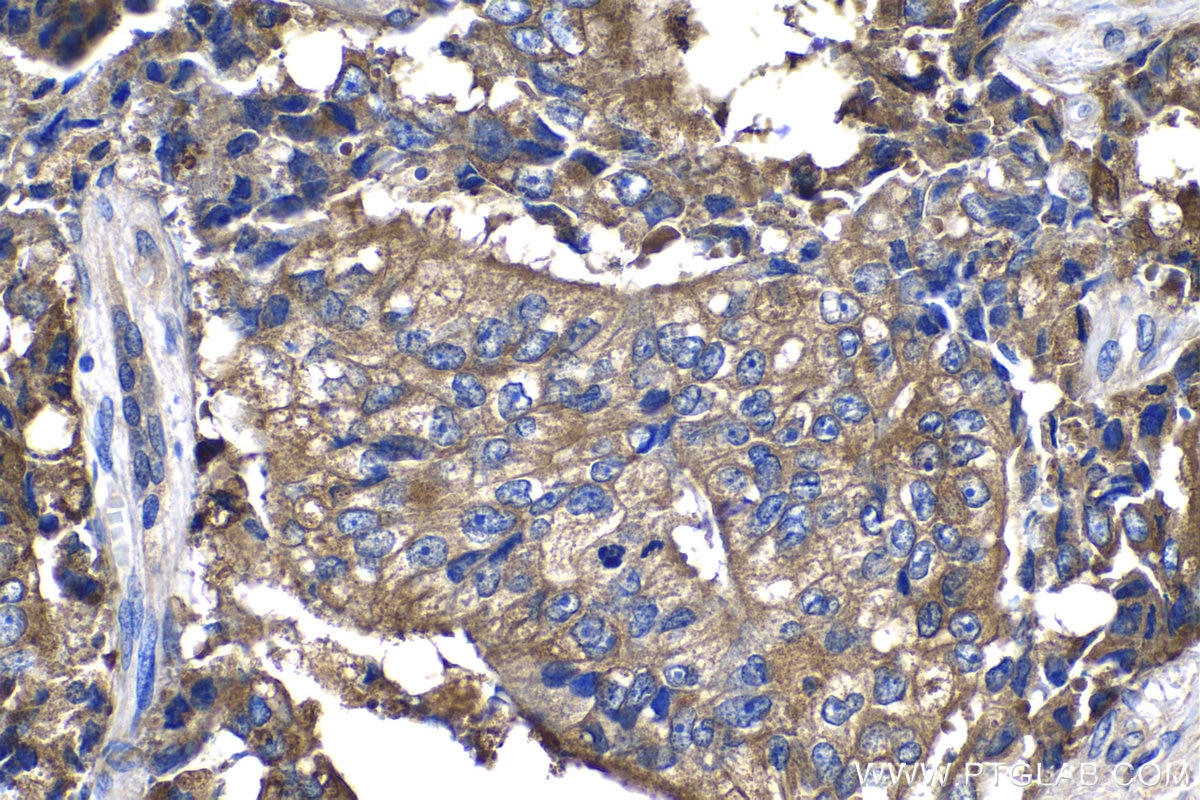
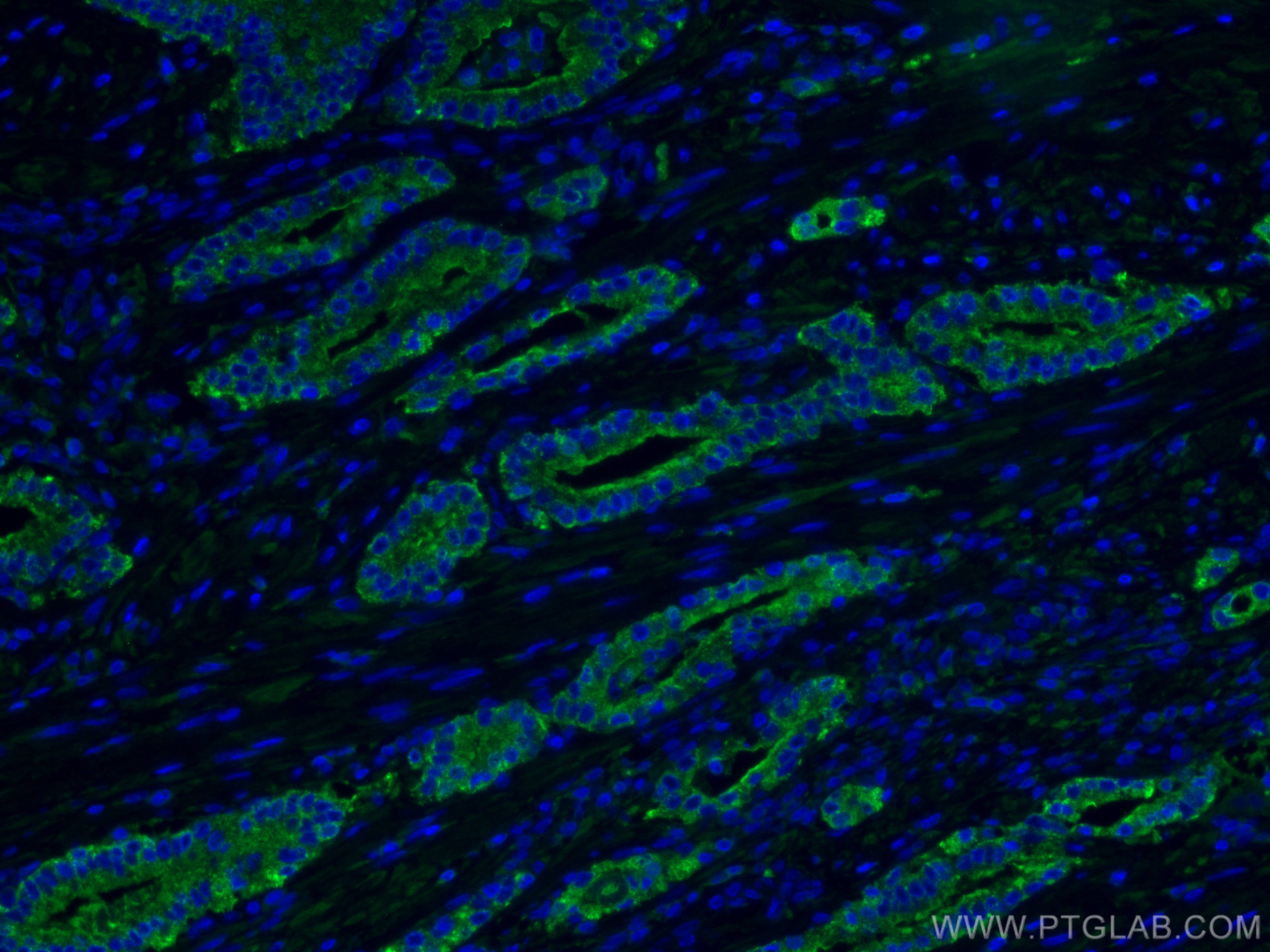
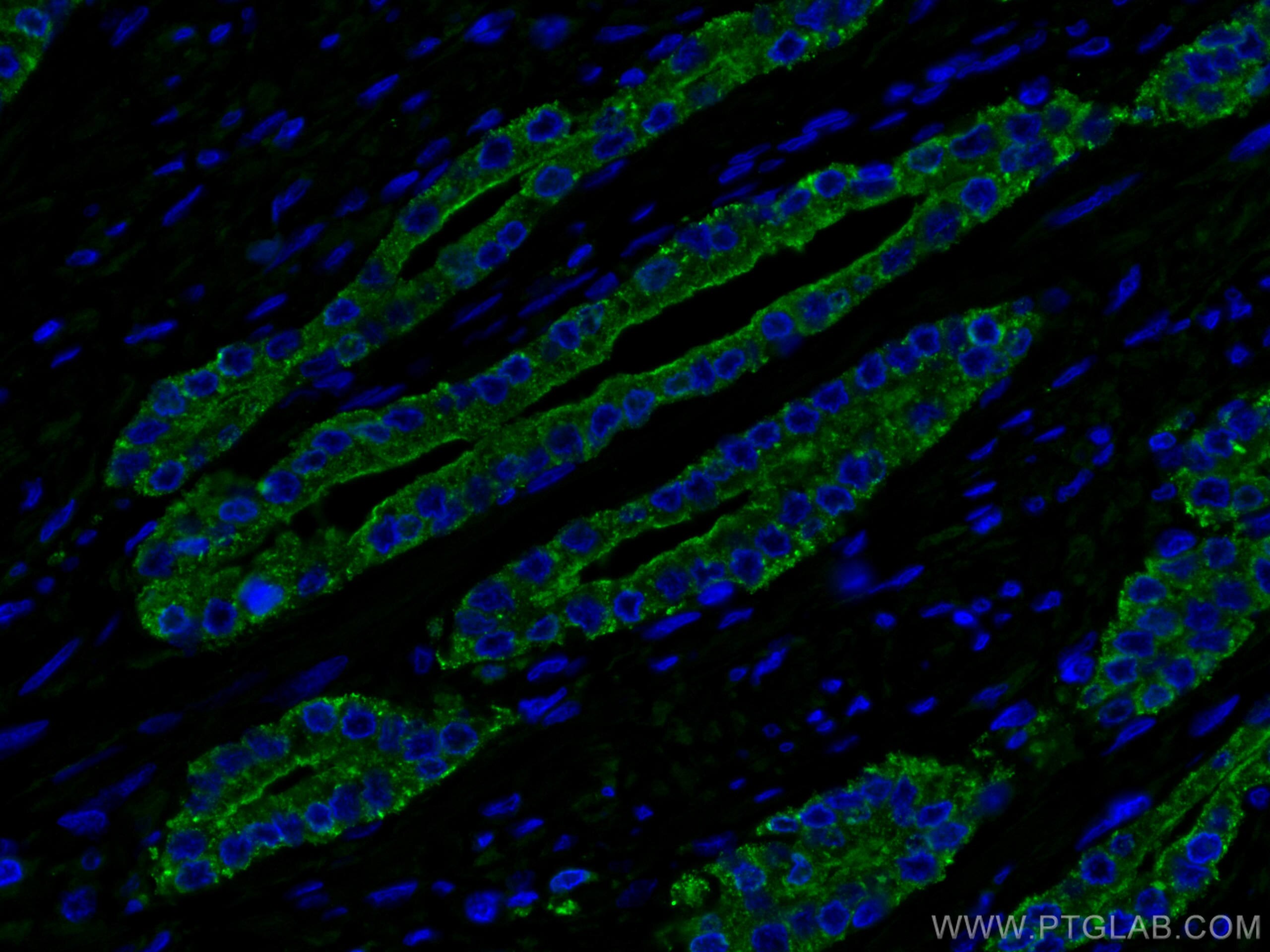
| Positive IF-P detected in | human prostate cancer tissue |
Recommended dilution
| Application | Dilution |
|---|---|
| Western Blot (WB) | WB : 1:1000-1:6000 |
| Immunohistochemistry (IHC) | IHC : 1:500-1:2000 |
| Immunofluorescence (IF)-P | IF-P : 1:200-1:800 |
| It is recommended that this reagent should be titrated in each testing system to obtain optimal results. | |
| Sample-dependent, Check data in validation data gallery. | |
Product Information
60176-1-Ig targets ACPP in WB, IHC, IF-P, ELISA applications and shows reactivity with human, rat samples.
| Tested Reactivity | human, rat |
| Cited Reactivity | human |
| Host / Isotype | Mouse / IgG2a |
| Class | Monoclonal |
| Type | Antibody |
| Immunogen |
CatNo: Ag8578 Product name: Recombinant human ACPP protein Source: e coli.-derived, PET28a Tag: 6*His Domain: 27-373 aa of BC007460 Sequence: DRSVLAKELKFVTLVFRHGDRSPIDTFPTDPIKESSWPQGFGQLTQLGMEQHYELGEYIRKRYRKFLNESYKHEQVYIRSTDVDRTLMSAMTNLAALFPPEGVSIWNPILLWQPIPVHTVPLSEDQLLYLPFRNCPRFQELESETLKSEEFQKRLHPYKDFIATLGKLSGLHGQDLFGIWSKVYDPLYCESVHNFTLPSWATEDTMTKLRELSELSLLSLYGIHKQKEKSRLQGGVLVNEILNHMKRATQIPSYKKLIMYSAHDTTVSGLQMALDVYNGLLPPYASCHLTELYFEKGEYFVEMYYRNETQHEPYPLMLPGCSPSCPLERFAELAGPVIPQDWSTECM Predict reactive species |
| Full Name | acid phosphatase, prostate |
| Calculated Molecular Weight | 418 aa, 48 kDa |
| Observed Molecular Weight | 45-50 kDa |
| GenBank Accession Number | BC007460 |
| Gene Symbol | ACPP |
| Gene ID (NCBI) | 55 |
| RRID | AB_10733336 |
| Conjugate | Unconjugated |
| Form | Liquid |
| Purification Method | Protein A purification |
| UNIPROT ID | P15309 |
| Storage Buffer | PBS with 0.02% sodium azide and 50% glycerol, pH 7.3. |
| Storage Conditions | Store at -20°C. Stable for one year after shipment. Aliquoting is unnecessary for -20oC storage. 20ul sizes contain 0.1% BSA. |
Background Information
ACPP is also named as PAP(prostatic acid phosphatase),5'-nucleotidase,thiamine monophosphatas and Belongs to the histidine acid phosphatase family.This enzyme is a homodimeric glycoprotein with a subunit molecular mass of 50 kDa and is an androgen-stimulated secretory product of the human prostate gland(PMID:8132635).It is also a non-specific phosphatase and has been implicated in the progression of prostate cancer, which inactivates LPA in human seminal plasma(PMID:15280042). This protein has three glycosylation sites(PMID:10639192;12525165).
Protocols
| Product Specific Protocols | |
|---|---|
| IF protocol for ACPP antibody 60176-1-Ig | Download protocol |
| IHC protocol for ACPP antibody 60176-1-Ig | Download protocol |
| WB protocol for ACPP antibody 60176-1-Ig | Download protocol |
| Standard Protocols | |
|---|---|
| Click here to view our Standard Protocols |
Publications
What published studies show
The ACPP Monoclonal antibody (1G2C9), catalog number 60176-1-Ig, has 2 total citations. These appear in Nature Communications (2025) and Frontiers in Endocrinology (2022). The cited research spans glycoproteomics of extracellular vesicles from biofluids and proteomic analysis of follicular fluid proteins during human oocyte maturation, reflecting applications in glycobiology and reproductive endocrinology.
| Species | Application | Title |
|---|---|---|
Nat Commun A functionally tunable magnetic nanochains platform for N-glycoproteomic analysis of extracellular vesicles from ultratrace biofluids | ||
Front Endocrinol (Lausanne) Proteomic Analysis of the Alterations in Follicular Fluid Proteins During Oocyte Maturation in Humans. |









