


Tested Applications
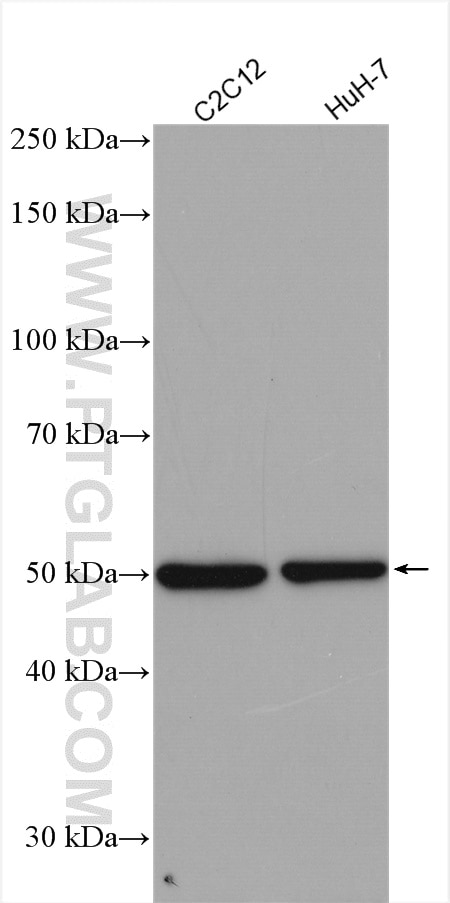
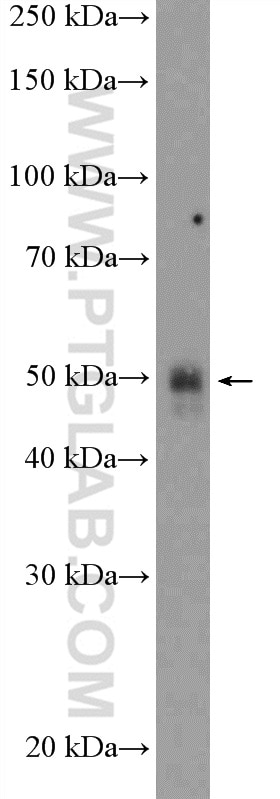
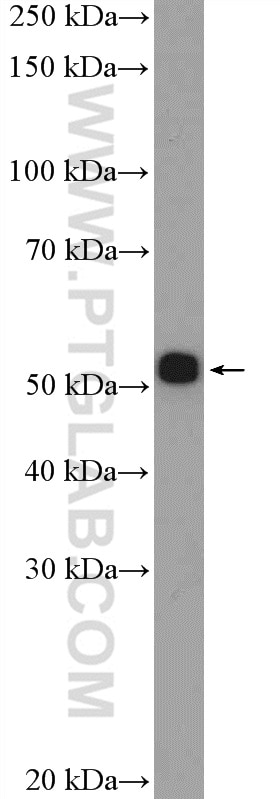
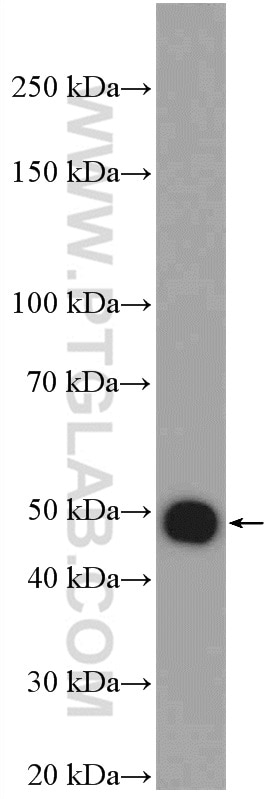
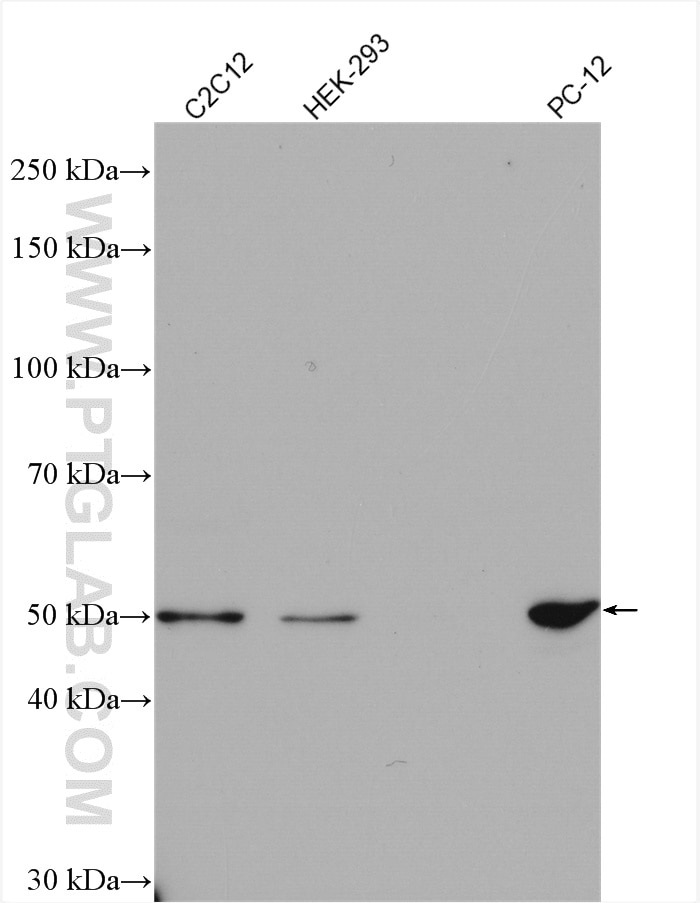
| Positive WB detected in | C2C12 cells, HT-1080 cells, mouse heart tissue, mouse kidney tissue, PC-12 cells, HEK-293 cells, HuH-7 cells |
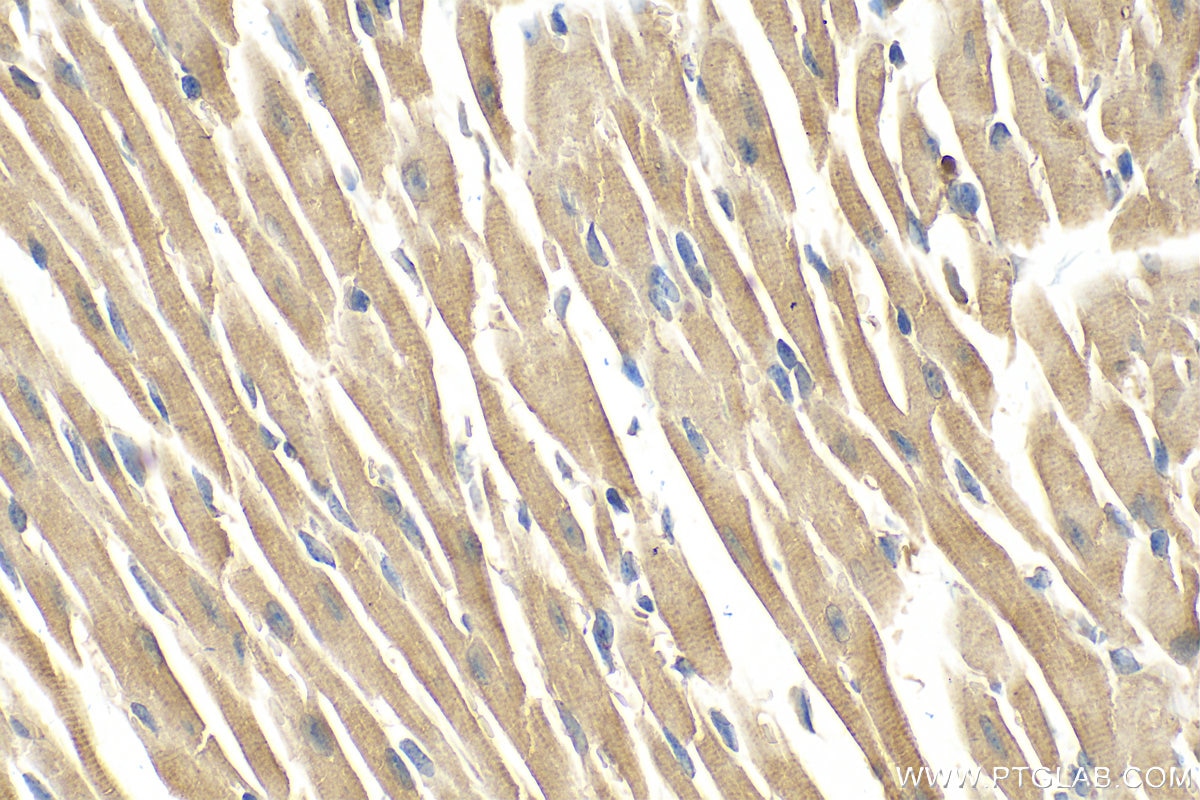
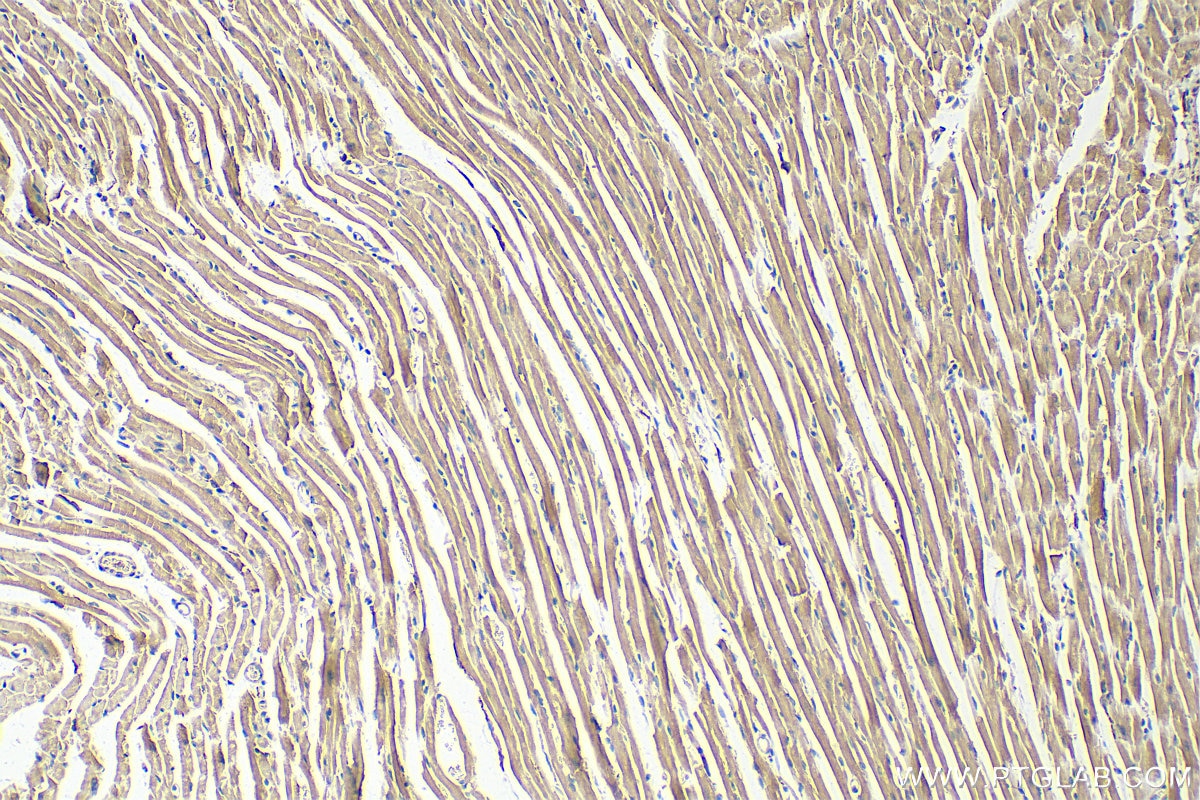
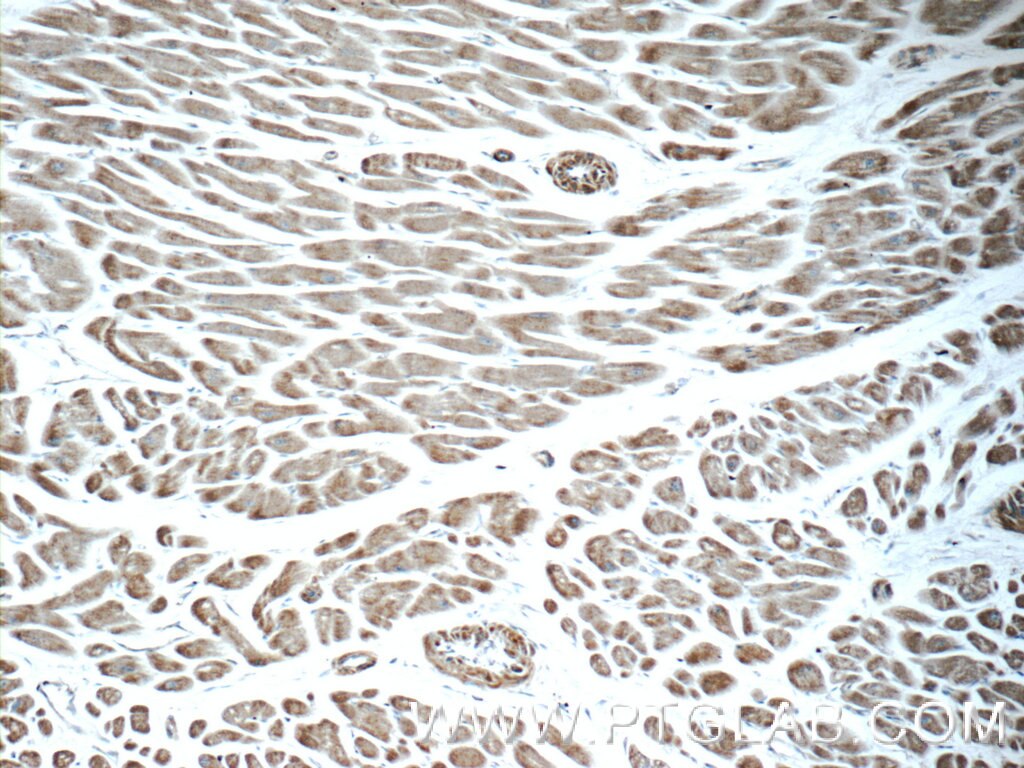
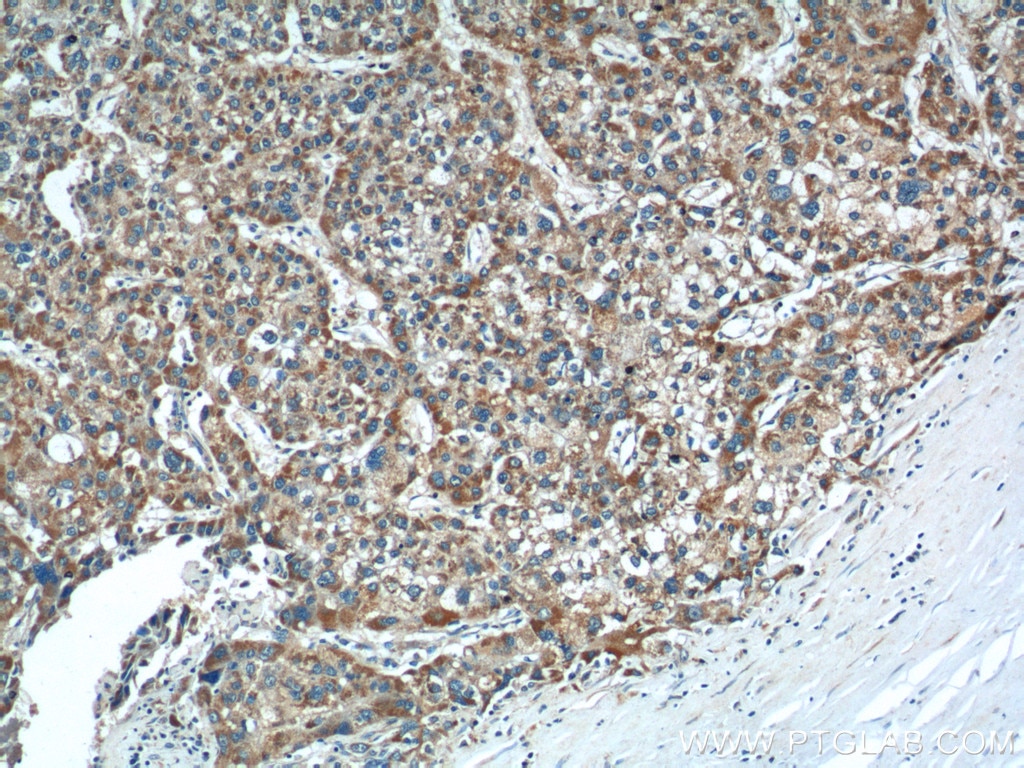
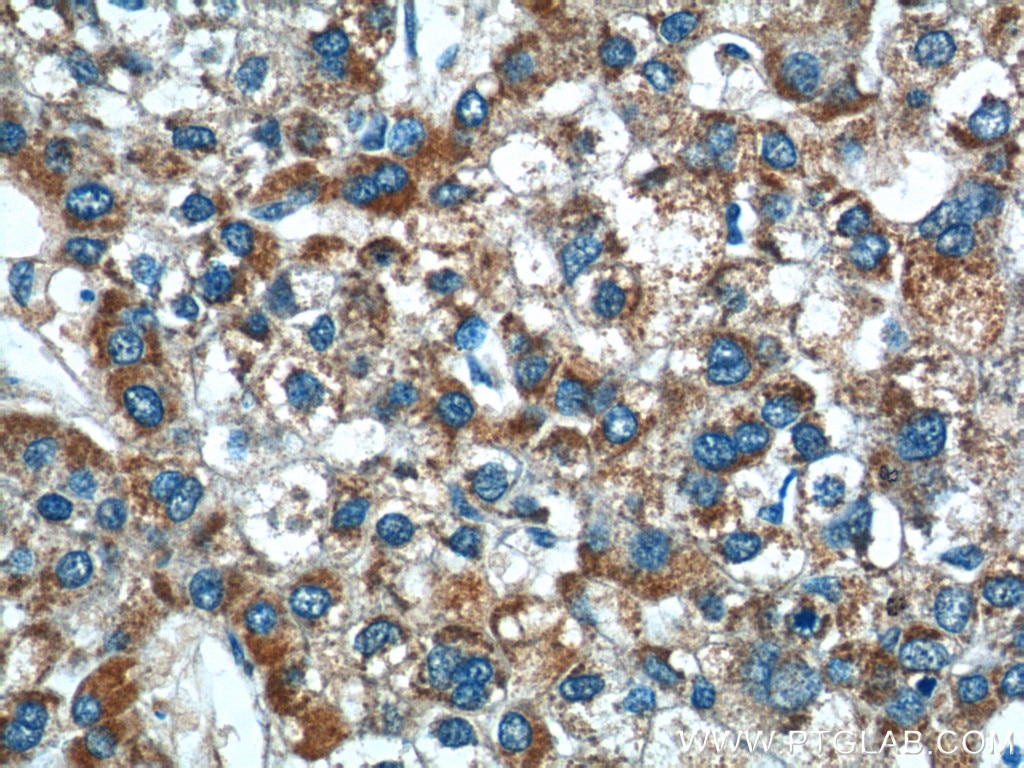
| Positive IHC detected in | mouse heart tissue, human liver cancer tissue, human heart tissue Note: suggested antigen retrieval with TE buffer pH 9.0; (*) Alternatively, antigen retrieval may be performed with citrate buffer pH 6.0 |
Recommended dilution
| Application | Dilution |
|---|---|
| Western Blot (WB) | WB : 1:500-1:1000 |
| Immunohistochemistry (IHC) | IHC : 1:50-1:500 |
| It is recommended that this reagent should be titrated in each testing system to obtain optimal results. | |
| Sample-dependent, Check data in validation data gallery. | |
Product Information
25343-1-AP targets AGTR1 in WB, IHC, IF, IP, CoIP, ELISA applications and shows reactivity with human, mouse, rat samples.
| Tested Reactivity | human, mouse, rat |
| Cited Reactivity | human, mouse, rat, rabbit, zebrafish |
| Host / Isotype | Rabbit / IgG |
| Class | Polyclonal |
| Type | Antibody |
| Immunogen |
CatNo: Ag14461 Product name: Recombinant human AGTR1 protein Source: e coli.-derived, PET28a Tag: 6*His Domain: 290-359 aa of BC022447 Sequence: IAYFNNCLNPLFYGFLGKKFKRYFLQLLKYIPPKAKSHSNLSTKMSTLSYRHSDNVSSSTKKPAPCFEVE Predict reactive species |
| Full Name | angiotensin II receptor, type 1 |
| Calculated Molecular Weight | 359 aa, 41 kDa |
| Observed Molecular Weight | 50 kDa |
| GenBank Accession Number | BC022447 |
| Gene Symbol | AGTR1 |
| Gene ID (NCBI) | 185 |
| RRID | AB_2880037 |
| Conjugate | Unconjugated |
| Form | Liquid |
| Purification Method | Antigen affinity purification |
| UNIPROT ID | P30556 |
| Storage Buffer | PBS with 0.02% sodium azide and 50% glycerol, pH 7.3. |
| Storage Conditions | Store at -20°C. Stable for one year after shipment. Aliquoting is unnecessary for -20oC storage. 20ul sizes contain 0.1% BSA. |
Background Information
Angiotensin II (Ang II), the main effector molecule of the renin-angiotensin system, exerts its actions mainly via interaction with type-1 angiotensin II receptor (AGTR1, also named AT1R), thereby contributing to blood pressure regulation. AGTR1 mediates its action by association with G proteins that activate a phosphatidylinositol-calcium second messenger system. By regulating vascular tone, cardiovascular function, and salt and water homeostasis, AGTR1 exerts an indispensable physiological role (PMID: 21600887). AGTR1 has been implicated in diverse aspects of human disease, from the regulation of blood pressure and cardiovascular homeostasis to cancer progression (PMID: 26975580).
Protocols
| Product Specific Protocols | |
|---|---|
| IHC protocol for AGTR1 antibody 25343-1-AP | Download protocol |
| WB protocol for AGTR1 antibody 25343-1-AP | Download protocol |
| Standard Protocols | |
|---|---|
| Click here to view our Standard Protocols |
Publications
What published studies show
AGTR1 Polyclonal antibody (Cat# 25343-1-AP) has 96 citations published in journals including Cell Research, Nature Communications, Cell Stem Cell, ACS Nano, Hypertension, Advanced Science, Biomaterials, Free Radical Biology and Medicine, Journal of Ethnopharmacology, and others. Research fields span cardiovascular disease and hypertension, oncology, neurology, renal and pulmonary fibrosis, inflammation, traditional Chinese medicine pharmacology, environmental toxicology, and bone biology.
| Species | Application | Title |
|---|---|---|
Cell Res Cartilage oligomeric matrix protein is an endogenous β-arrestin-2-selective allosteric modulator of AT1 receptor counteracting vascular injury. | ||
Cell Stem Cell Parasympathetic neurons derived from human pluripotent stem cells model human diseases and development | ||
Nat Commun Cardiomyocyte Cyclin-dependent kinase 9 directly binds to and phosphorylates NF-κB p65 subunit to drive cardiac inflammation and remodeling. | ||
J Adv Res Novel function of macrophage migration inhibitory factor in regulating post-infarct inflammation and the therapeutic significance | ||
Redox Biol Vitamin D receptor activation regulates microglia polarization and oxidative stress in spontaneously hypertensive rats and angiotensin II-exposed microglial cells: Role of renin-angiotensin system. |
Reviews
What customers say
Both reviews rated the antibody 5 out of 5 stars. One user reported successful immunofluorescence staining on mouse optic nerve sections at a 1:100 dilution. The other confirmed good performance in an immunohistochemistry assay on glandular lumen tissue. Overall, users found the antibody reliable and effective for its intended applications.
The reviews below have been submitted by verified Proteintech customers who received an incentive for providing their feedback.
Kazu (Verified Customer) (12-14-2022) | This antibody worked well on mouse optic nerve sections at optimized dilution of 1:100.
|
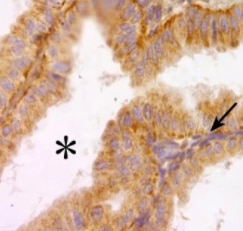
Wu (Verified Customer) (07-16-2021) | Works good for IHC assay
 |












