

Tested Applications
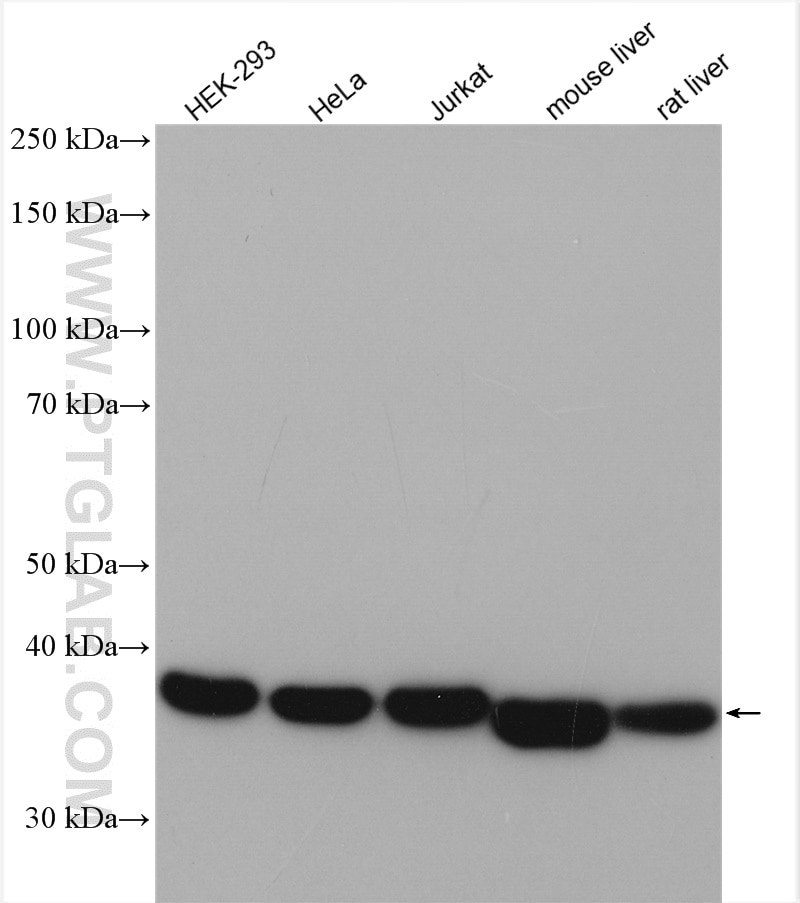
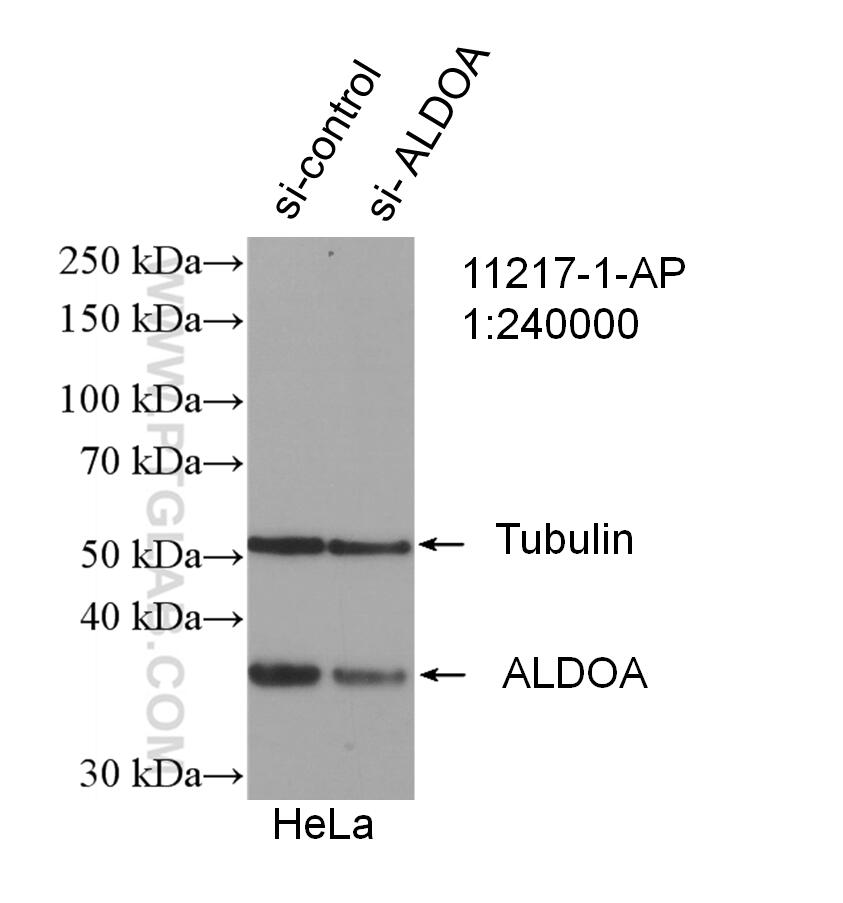
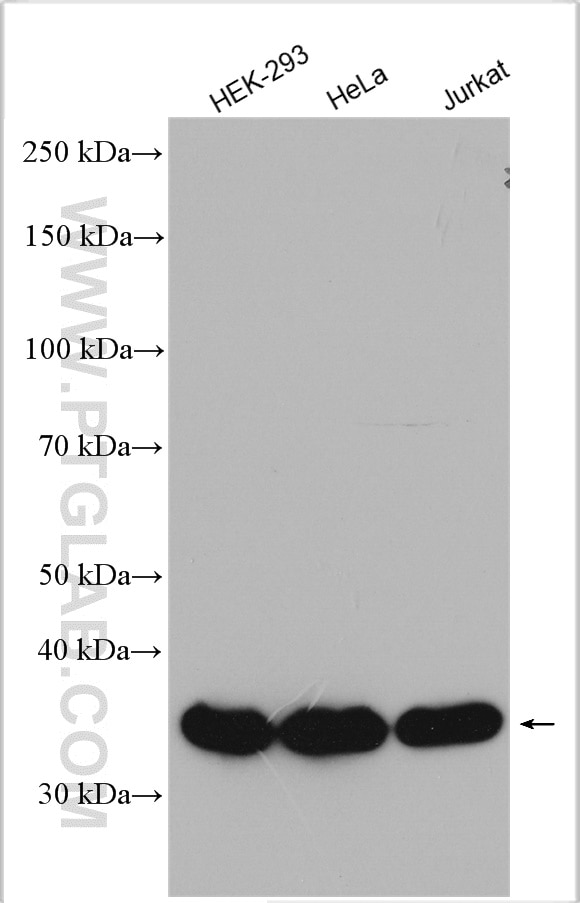
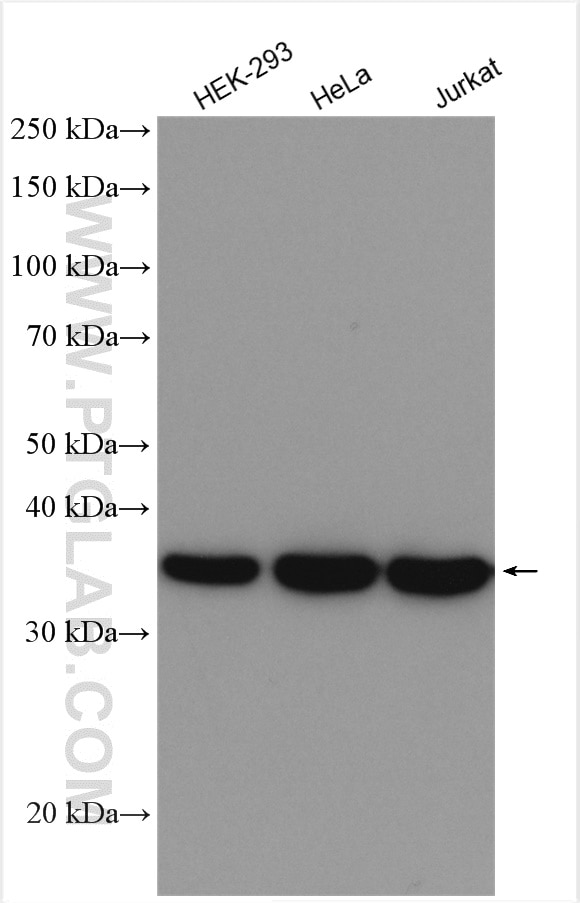
| Positive WB detected in | HEK-293 cells, HeLa cells, A549 cells, Jurkat cells, mouse liver tissue, rat liver tissue, HepG2 cells, MCF-7 cells, NIH/3T3 cells |
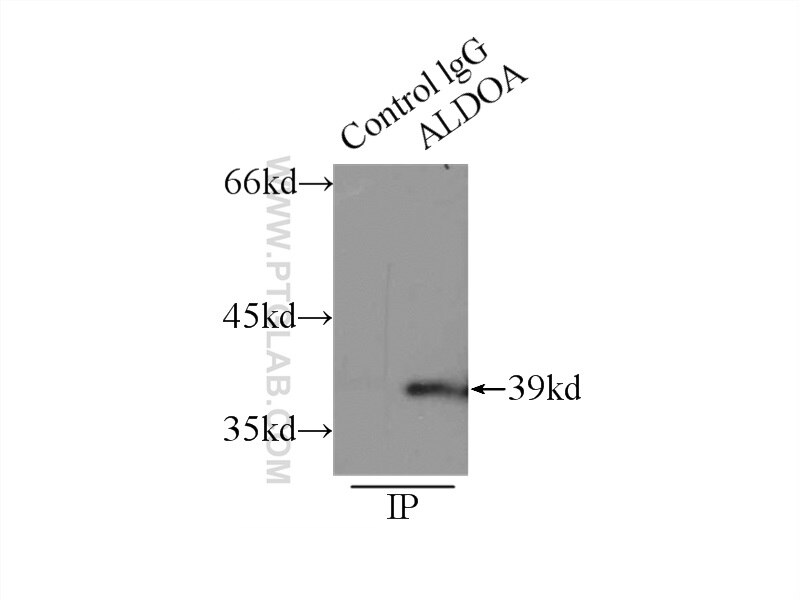
| Positive IP detected in | HepG2 cells |
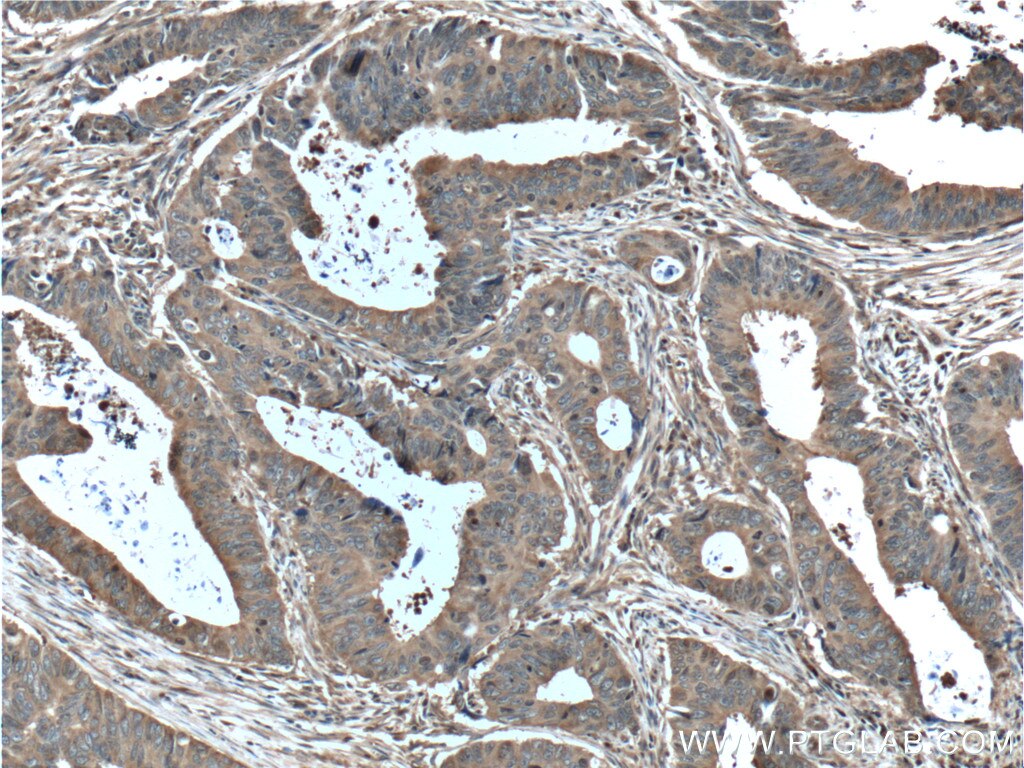
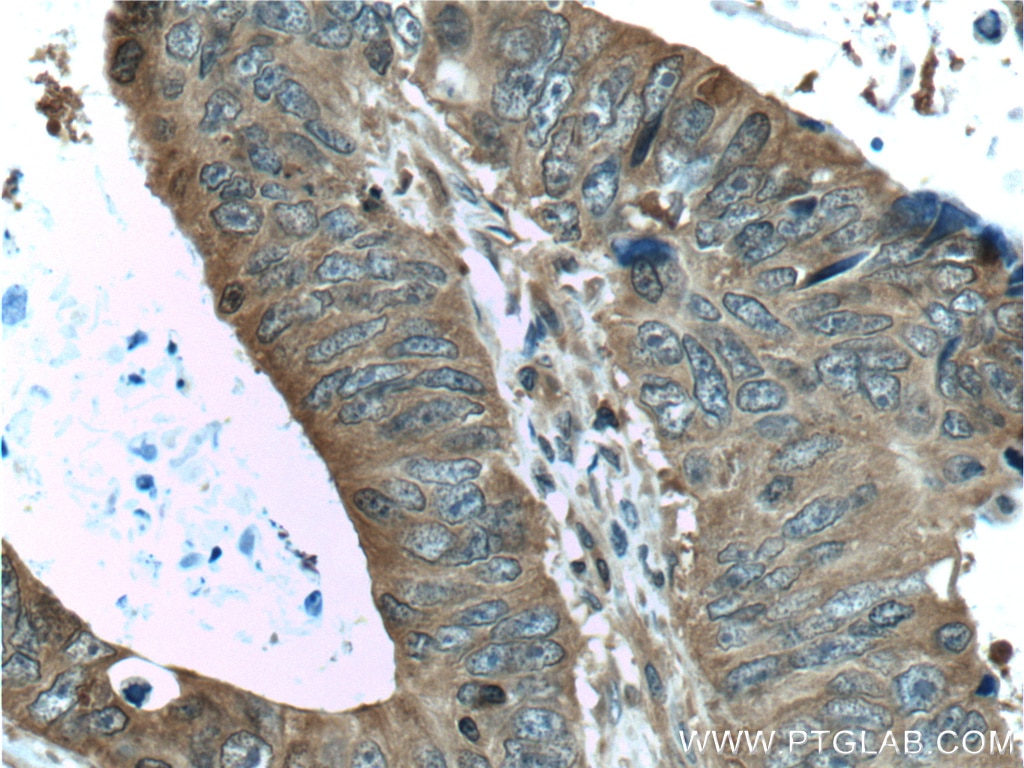
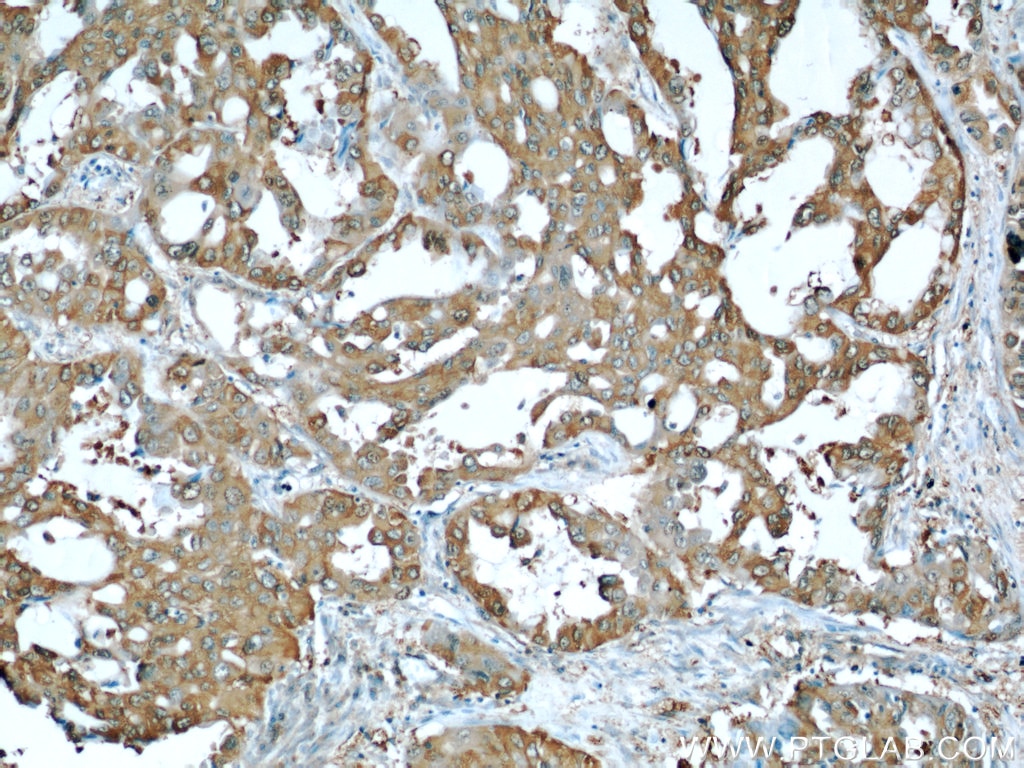
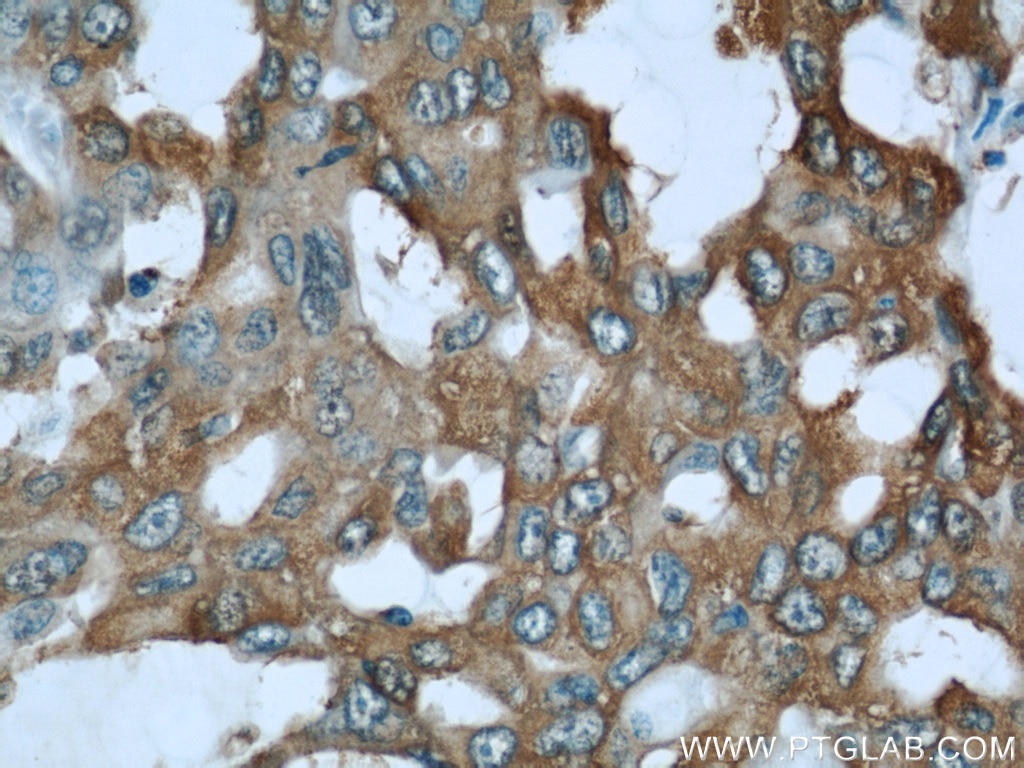
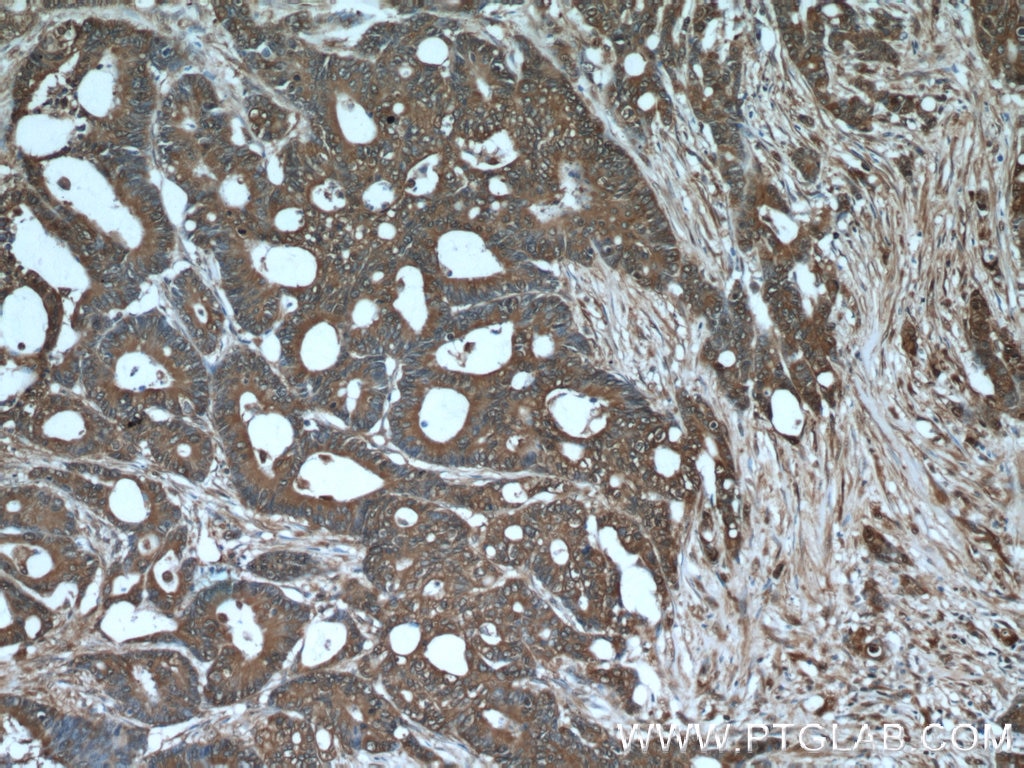
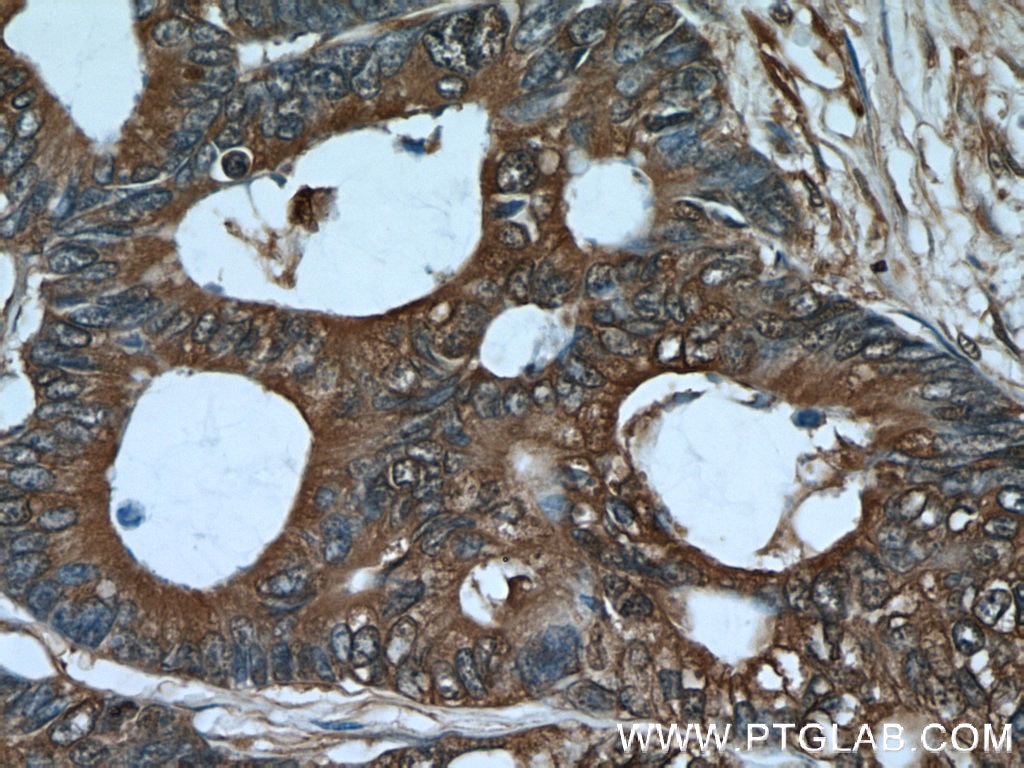
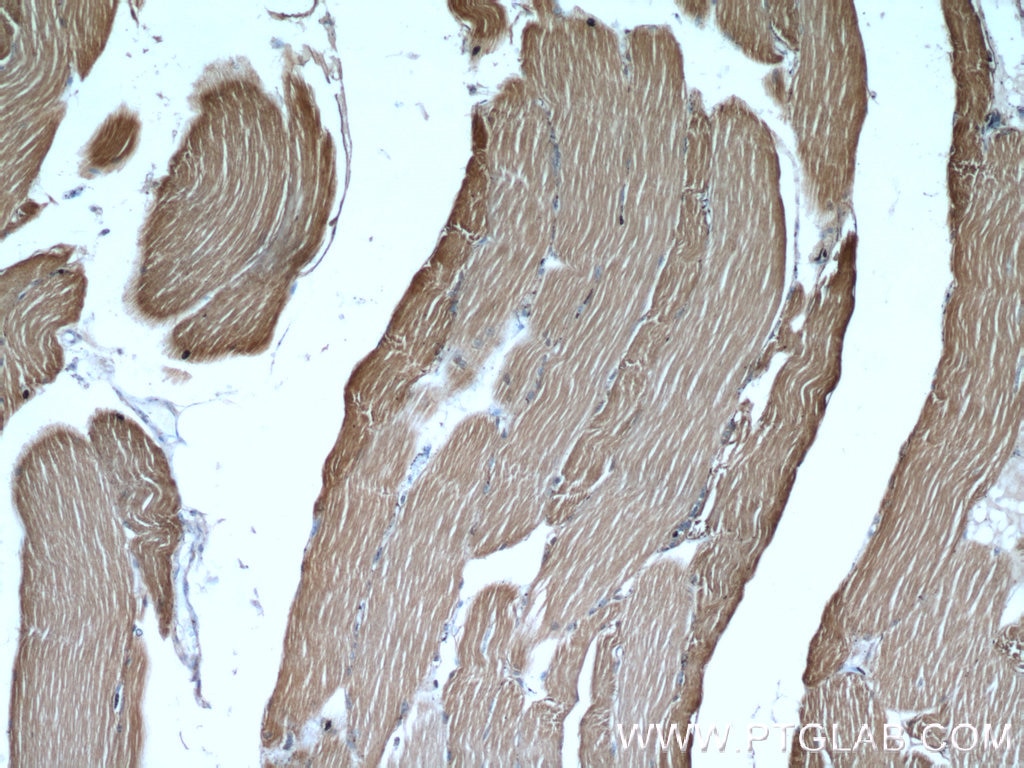
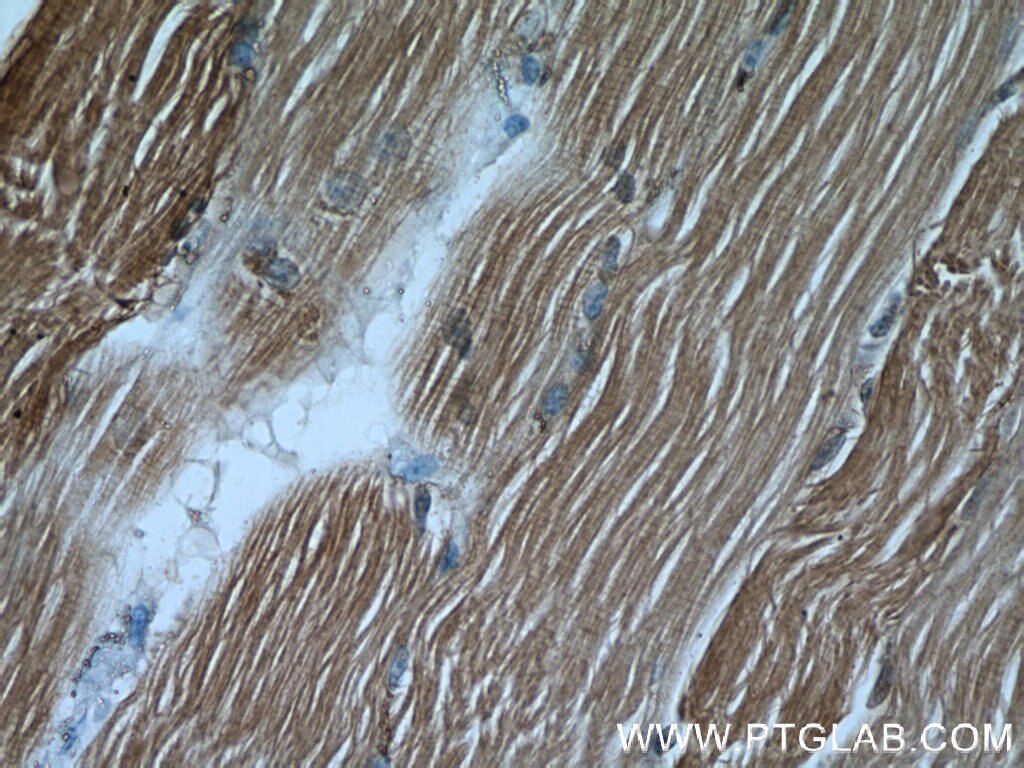
| Positive IHC detected in | human colon cancer tissue, human lung cancer tissue, human skeletal muscle tissue Note: suggested antigen retrieval with TE buffer pH 9.0; (*) Alternatively, antigen retrieval may be performed with citrate buffer pH 6.0 |
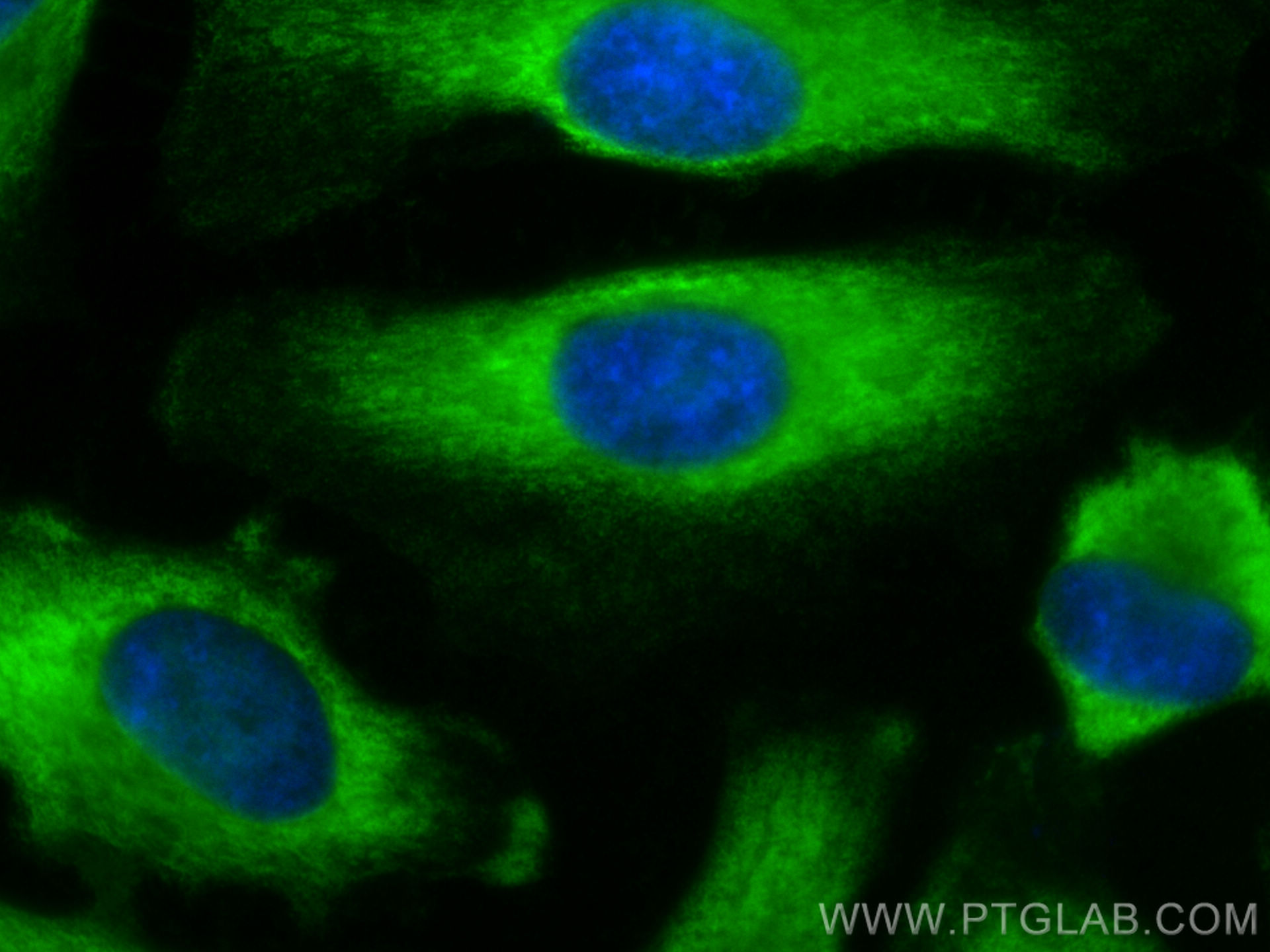
| Positive IF/ICC detected in | HeLa cells |
Recommended dilution
| Application | Dilution |
|---|---|
| Western Blot (WB) | WB : 1:5000-1:50000 |
| Immunoprecipitation (IP) | IP : 0.5-4.0 ug for 1.0-3.0 mg of total protein lysate |
| Immunohistochemistry (IHC) | IHC : 1:100-1:400 |
| Immunofluorescence (IF)/ICC | IF/ICC : 1:50-1:500 |
| It is recommended that this reagent should be titrated in each testing system to obtain optimal results. | |
| Sample-dependent, Check data in validation data gallery. | |
Product Information
11217-1-AP targets ALDOA in WB, IHC, IF/ICC, IP, CoIP, RIP, ELISA applications and shows reactivity with human, mouse, rat samples.
| Tested Reactivity | human, mouse, rat |
| Cited Reactivity | human, mouse, rat, pig, sheep |
| Host / Isotype | Rabbit / IgG |
| Class | Polyclonal |
| Type | Antibody |
| Immunogen |
CatNo: Ag1726 Product name: Recombinant human ALDOA protein Source: e coli.-derived, PGEX-4T Tag: GST Domain: 2-364 aa of BC016800 Sequence: PYQYPALTPEQKKELSDIAHRIVAPGKGILAADESTGSIAKRLQSIGTENTEENRRFYRQLLLTADDRVNPCIGGVILFHETLYQKADDGRPFPQVIKSKGGVVGIKVDKGVVPLAGTNGETTTQGLDGLSERCAQYKKDGADFAKWRCVLKIGEHTPSALAIMENANVLARYASICQQNGIVPIVEPEILPDGDHDLKRCQYVTEKVLAAVYKALSDHHIYLEGTLLKPNMVTPGHACTQKFSHEEIAMATVTALRRTVPPAVTGITFLSGGQSEEEASINLNAINKCPLLKPWALTFSYGRALQASALKAWGGKKENLKAAQEEYVKRALANSLACQGKYTPSGQAGAAASESLFVSNHAY Predict reactive species |
| Full Name | aldolase A, fructose-bisphosphate |
| Calculated Molecular Weight | 39 kDa |
| Observed Molecular Weight | 35-40 kDa |
| GenBank Accession Number | BC016800 |
| Gene Symbol | ALDOA |
| Gene ID (NCBI) | 226 |
| RRID | AB_2224626 |
| Conjugate | Unconjugated |
| Form | Liquid |
| Purification Method | Antigen affinity purification |
| UNIPROT ID | P04075 |
| Storage Buffer | PBS with 0.02% sodium azide and 50% glycerol, pH 7.3. |
| Storage Conditions | Store at -20°C. Stable for one year after shipment. Aliquoting is unnecessary for -20oC storage. 20ul sizes contain 0.1% BSA. |
Background Information
ALDOA(Fructose-bisphosphate aldolase A) is also named as lung cancer antigen NY-LU-1,muscle-type aldolase,ALDA and belongs to the class I fructose-bisphosphate aldolase family.The ALDOA gene encodes a homotetrameric protein(PMID:14615364).It is found in skeletal muscle and red blood cells, and functions in glycolysis, promoting the reversible cleavage of FBP to triose phosphate, G-3-P and DHAP. ALDOA is upregulated in various cancers, including human lung squamous and renal cell carcinomas(PMID:19937139).
Protocols
| Product Specific Protocols | |
|---|---|
| IF protocol for ALDOA antibody 11217-1-AP | Download protocol |
| IHC protocol for ALDOA antibody 11217-1-AP | Download protocol |
| IP protocol for ALDOA antibody 11217-1-AP | Download protocol |
| WB protocol for ALDOA antibody 11217-1-AP | Download protocol |
| Standard Protocols | |
|---|---|
| Click here to view our Standard Protocols |
Publications
What published studies show
| Species | Application | Title |
|---|---|---|
Signal Transduct Target Ther Focal adhesion kinase/Src family kinase axis-mediated tyrosine phosphorylation of metabolic enzymes facilitates tumor metastasis | ||
Cell Metab The diapause-like colorectal cancer cells induced by SMC4 attenuation are characterized by low proliferation and chemotherapy insensitivity | ||
Cell Metab Arachidonic acid triggers spermidine synthase secretion from primary tumor to induce skeletal muscle weakness upon irradiation | ||
Cell Res Glucose starvation mimetic aldometanib removes immune barriers permitting mice with hepatocellular carcinoma to live to normal ages. | ||
Immunity Virus-induced deconjugation of ISG15 dysregulates innate immunity and cellular metabolism. |
Reviews
What customers say
The reviews below have been submitted by verified Proteintech customers who received an incentive for providing their feedback.
K (Verified Customer) (12-20-2020) | Worked well for IHC at 1:200 dilution
|
















