

Tested Applications
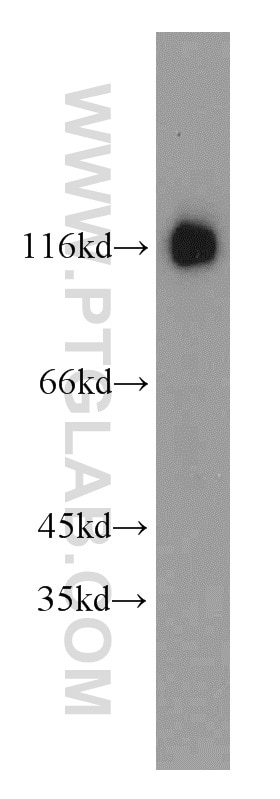
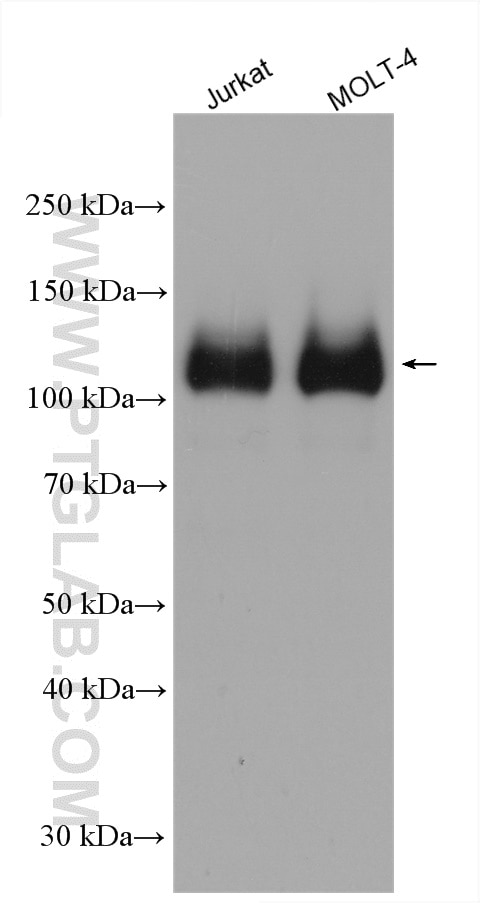
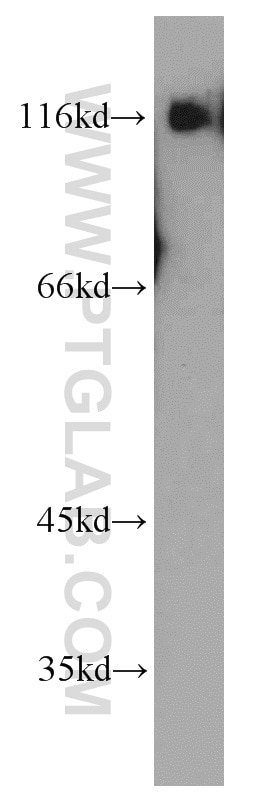
| Positive WB detected in | Jurkat cells, mouse thymus tissue, MOLT-4 cells |
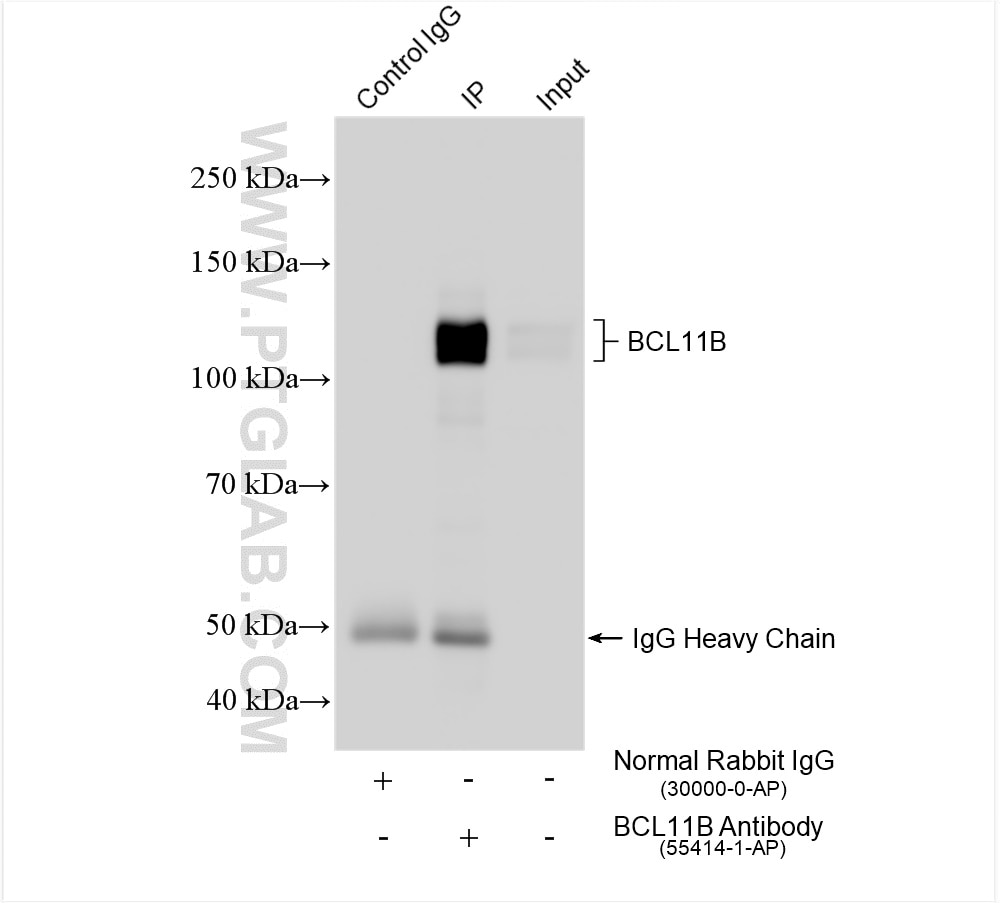
| Positive IP detected in | Jurkat cells |
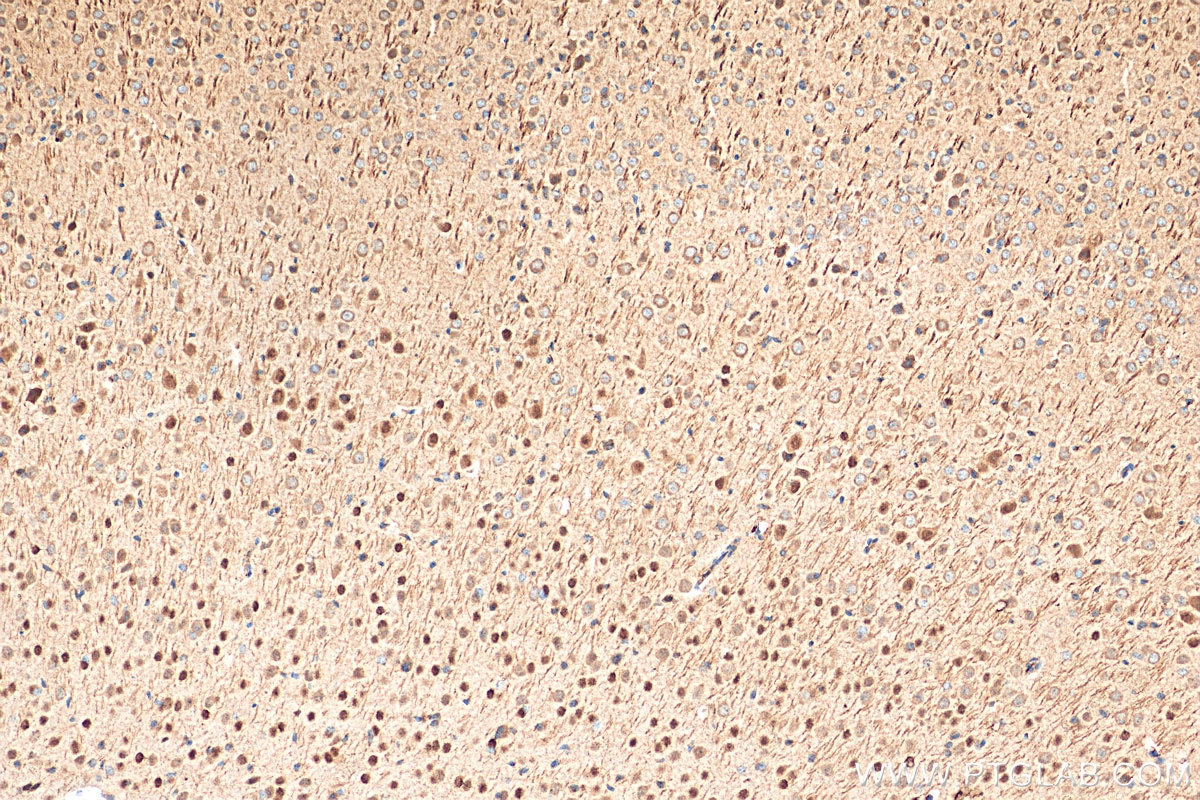
| Positive IHC detected in | mouse brain tissue Note: suggested antigen retrieval with TE buffer pH 9.0; (*) Alternatively, antigen retrieval may be performed with citrate buffer pH 6.0 |
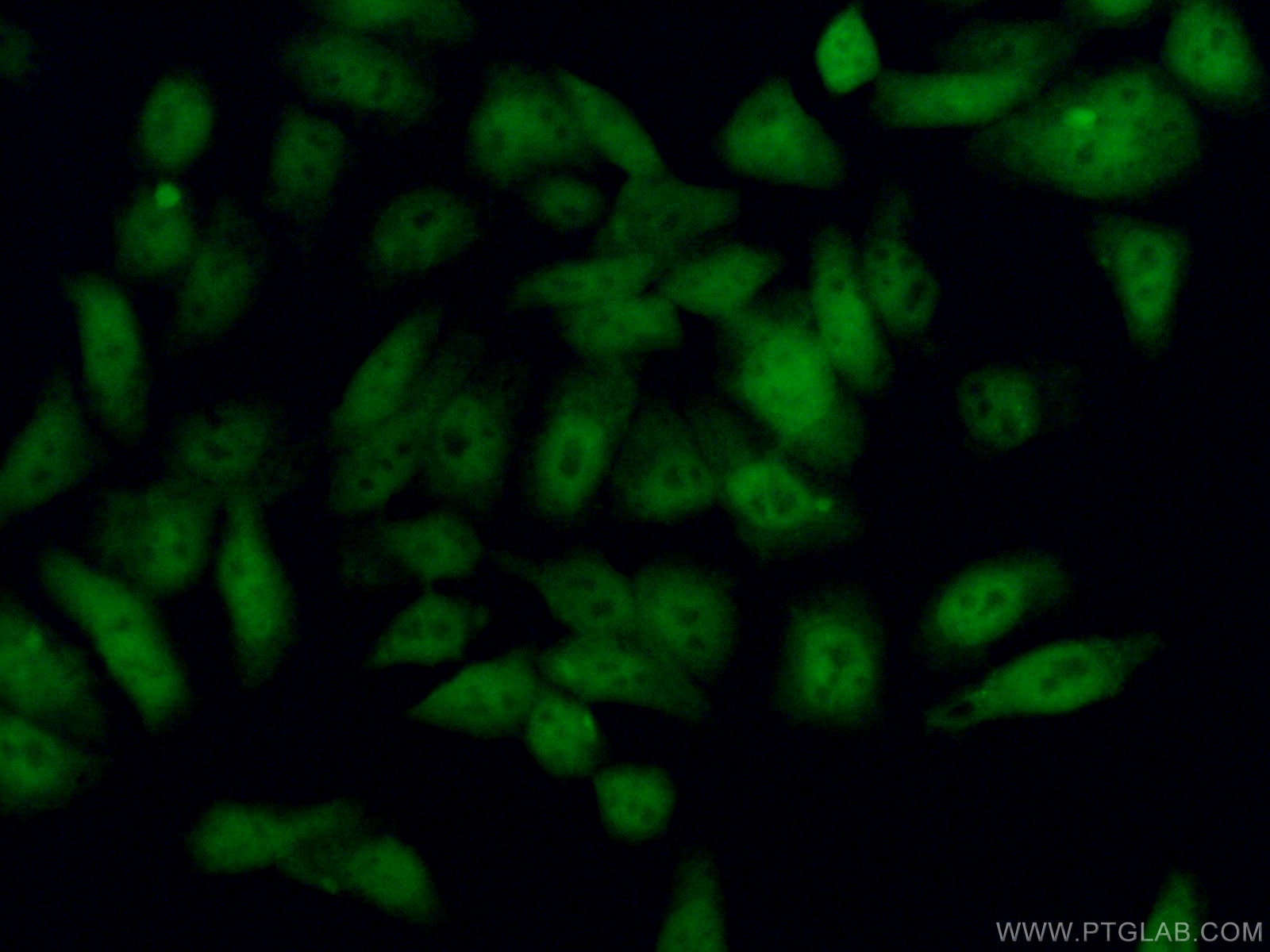
| Positive IF/ICC detected in | HepG2 cells |
Recommended dilution
| Application | Dilution |
|---|---|
| Western Blot (WB) | WB : 1:1000-1:8000 |
| Immunoprecipitation (IP) | IP : 0.5-4.0 ug for 1.0-3.0 mg of total protein lysate |
| Immunohistochemistry (IHC) | IHC : 1:200-1:800 |
| Immunofluorescence (IF)/ICC | IF/ICC : 1:50-1:500 |
| It is recommended that this reagent should be titrated in each testing system to obtain optimal results. | |
| Sample-dependent, Check data in validation data gallery. | |
Product Information
55414-1-AP targets BCL11B in WB, IHC, IF/ICC, IP, ELISA applications and shows reactivity with human, mouse samples.
| Tested Reactivity | human, mouse |
| Cited Reactivity | human, mouse |
| Host / Isotype | Rabbit / IgG |
| Class | Polyclonal |
| Type | Antibody |
| Immunogen |
Peptide Predict reactive species |
| Full Name | B-cell CLL/lymphoma 11B (zinc finger protein) |
| Calculated Molecular Weight | 96 kDa |
| Observed Molecular Weight | 116 kDa |
| GenBank Accession Number | NM_022898 |
| Gene Symbol | BCL11B |
| Gene ID (NCBI) | 64919 |
| RRID | AB_11182609 |
| Conjugate | Unconjugated |
| Form | Liquid |
| Purification Method | Antigen affinity purification |
| UNIPROT ID | Q9C0K0 |
| Storage Buffer | PBS with 0.02% sodium azide and 50% glycerol, pH 7.3. |
| Storage Conditions | Store at -20°C. Stable for one year after shipment. Aliquoting is unnecessary for -20oC storage. 20ul sizes contain 0.1% BSA. |
Background Information
BCL11B, also named CTIP2, RIT1, CTIP-2, ZNF856B, and hRIT1-alpha, is a tumor-suppressor protein involved in T-cell lymphomas. It may function on the P53-signaling pathway. BCL11B is a key regulator of both differentiation and survival during thymocyte development. It depresses transcription through direct, TFCOUP2-independent binding to a GC-rich response element. This antibody is specific to BCL11B. The calculated molecular weight of BCL11B is 95 kDa but the modified BCL11B protein is about 116 kDa.
Protocols
| Product Specific Protocols | |
|---|---|
| IF protocol for BCL11B antibody 55414-1-AP | Download protocol |
| IHC protocol for BCL11B antibody 55414-1-AP | Download protocol |
| IP protocol for BCL11B antibody 55414-1-AP | Download protocol |
| WB protocol for BCL11B antibody 55414-1-AP | Download protocol |
| Standard Protocols | |
|---|---|
| Click here to view our Standard Protocols |
Publications
What published studies show
The BCL11B Polyclonal antibody (Cat# 55414-1-AP) has 9 total citations. These appear in journals including Nature Communications, Molecular Psychiatry, EMBO Journal, Cell Reports, EMBO Reports, Journal of Inflammation Research, Archives of Virology, Cell Oncology, and iScience. Associated research fields span genomics and chromatin structure, psychiatry and antidepressant mechanisms, intestinal stem cell signaling, brain development, ribosomal biogenesis, sepsis-induced lung injury, HIV transcription, small cell lung cancer immune escape, and Parkinson's disease. Applications cited include WB and IF.
| Species | Application | Title |
|---|---|---|
Nat Commun ASO therapy rescues NOTCH2NLC GGC repeat expansion-induced genomic damage, 3D chromatin structural abnormalities, and senescence. | ||
Mol Psychiatry Effects of esketamine on electrophysiology and metabolic reprogramming in brain organoids: insights into antidepressant mechanisms | ||
EMBO J BMP suppresses Wnt signaling via the Bcl11b-regulated NuRD complex to maintain intestinal stem cells | ||
Cell Rep XLF/Cernunnos loss impairs mouse brain development by altering symmetric proliferative divisions of neural progenitors | ||
EMBO Rep Kin17 promotes rDNA transcription, ribosomal biogenesis, and cortical lamination. | ||
J Inflamm Res Plasma Exosomal miR-17-5p Regulates Macrophage Polarization by Targeting Bcl11b in Sepsis-Induced Lung Injury. |
Reviews
What customers say
The product received a 5-star rating. The reviewer used it at a 1:400 dilution for immunofluorescence on subcerebral neurons (ROs), reporting that it performed well for ICC (immunocytochemistry) applications. Overall, the feedback highlights its effectiveness for immunofluorescence-based imaging of neuronal tissue.
The reviews below have been submitted by verified Proteintech customers who received an incentive for providing their feedback.
Alessandro (Verified Customer) (12-09-2023) | Good for ICC on subcerebral neurons
|







