
Product Information
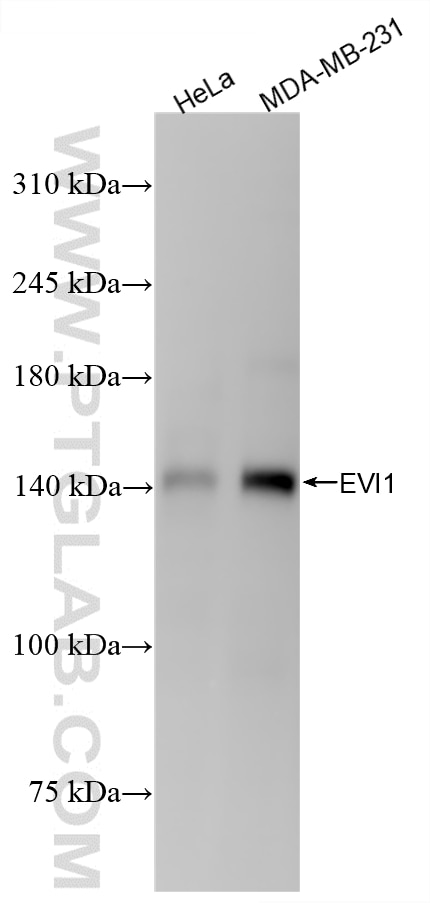
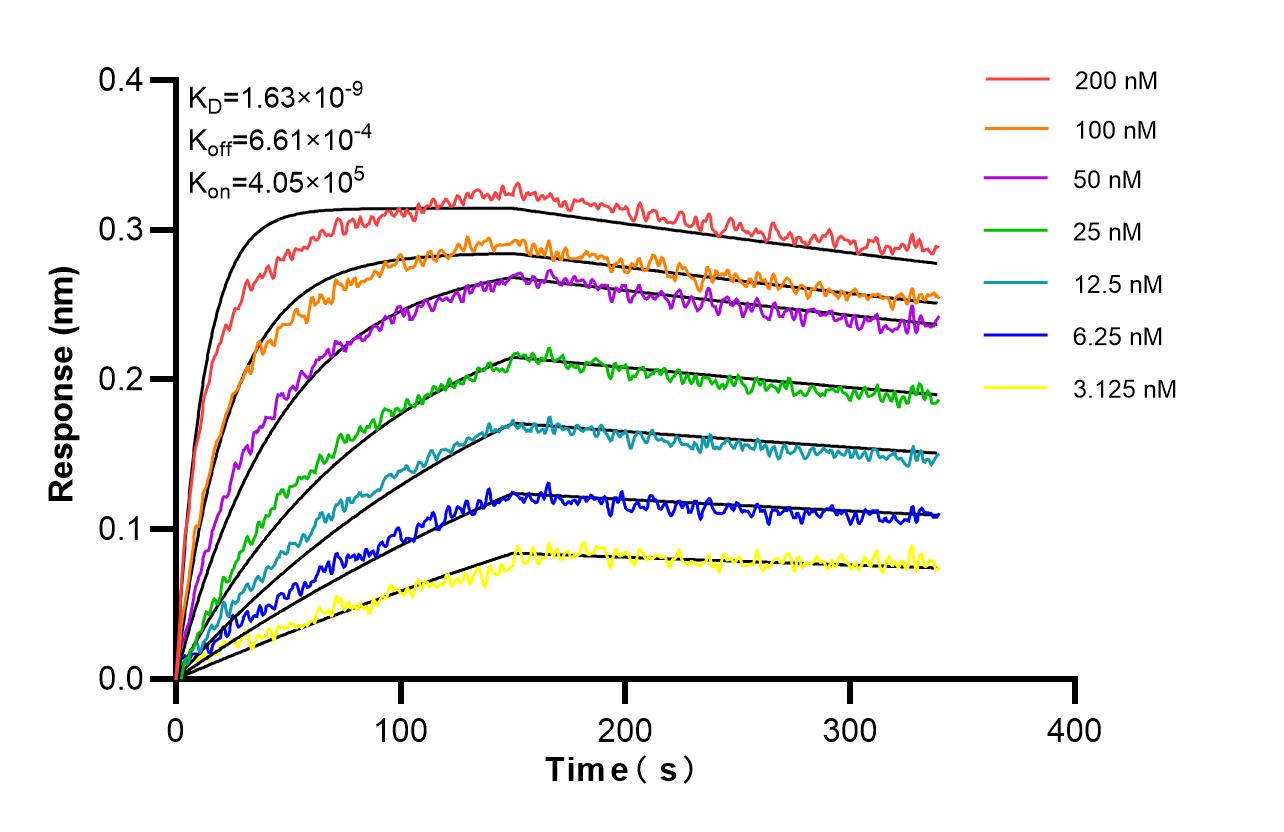
86935-1-PBS targets EVI1 in WB, Indirect ELISA applications and shows reactivity with human samples.
| Tested Reactivity | human |
| Host / Isotype | Rabbit / IgG |
| Class | Recombinant |
| Type | Antibody |
| Immunogen |
CatNo: Ag40447 Product name: Recombinant human EVI1 protein Source: e coli.-derived, PET28a Tag: 6*His Domain: 813-1052 aa of BC130520 Sequence: HENGNMSGTATSSPHSELESTGAILDDKEDAYFTEIRNFIGNSNHGSQSPRNVEERMNGSHFKDEKALVTSQNSDLLDDEEVEDEVLLDEEDEDNDITGKTGKEPVTSNLHEGNPEDDYEETSALEMSCKTSPVRYKEEEYKSGLSALDHIRHFTDSLKMRKMEDNQYSEAELSSFSTSHVPEELKQPLHRKSKSQAYAMMLSLSDKESLHSTSHSSSNVWHSMARAAAESSAIQSISHV Predict reactive species |
| Full Name | ecotropic viral integration site 1 |
| Calculated Molecular Weight | 1239 aa, 139 kDa |
| Observed Molecular Weight | 118 kDa, 140 kDa |
| GenBank Accession Number | BC130520 |
| Gene Symbol | EVI1 |
| Gene ID (NCBI) | 2122 |
| Conjugate | Unconjugated |
| Form | Liquid |
| Purification Method | Protein A purification |
| UNIPROT ID | Q03112 |
| Storage Buffer | PBS only, pH 7.3. |
| Storage Conditions | Store at -80°C. |
Background Information
Evi1 (ecotropic viral integration site 1) gene is an important proto-oncogene, which encodes a transcription factor with zinc finger structure, and this protein regulates the expression of other genes by binding to specific DNA sequences. EVI1 is highly expressed in hematopoietic stem cells (HSC) of human embryo and adult bone marrow, and rapidly down-regulated during differentiation. EVI1 knockout will lead to proliferation and regeneration defects of mouse HSC, accompanied by low expression of GATA2. Rebuilding the expression of EVI1 can restore the ability of proliferation and differentiation of mouse HSC by up-regulating GATA2. The two zinc finger domains of EVI1 can independently bind DNA and regulate different target genes, and they cooperate with FOS protein to jointly regulate cell adhesion, proliferation, colony formation and other processes. In advanced ovarian cancer, EVI1 and AP1 (activator protein 1, FOS is one of its main members) are both expressed abundantly.



