

Tested Applications
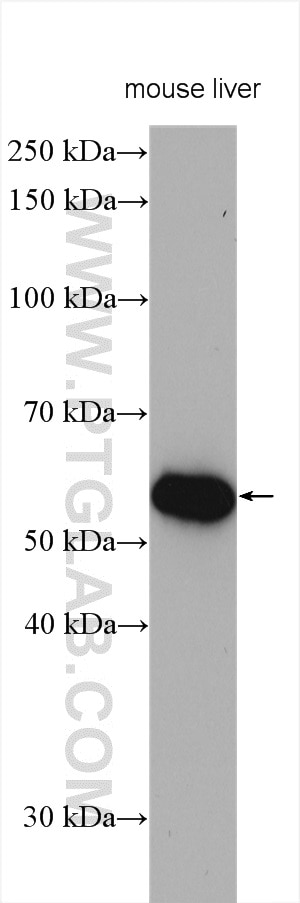
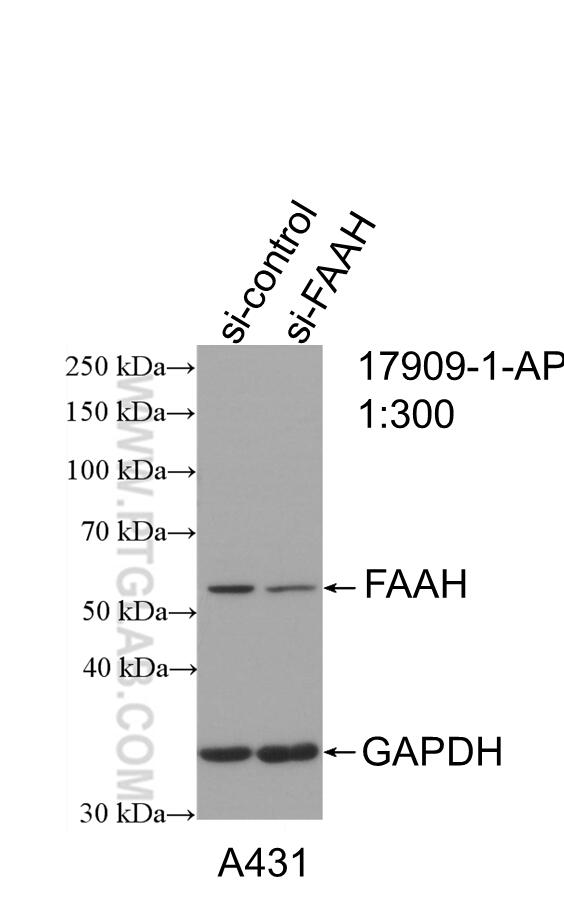
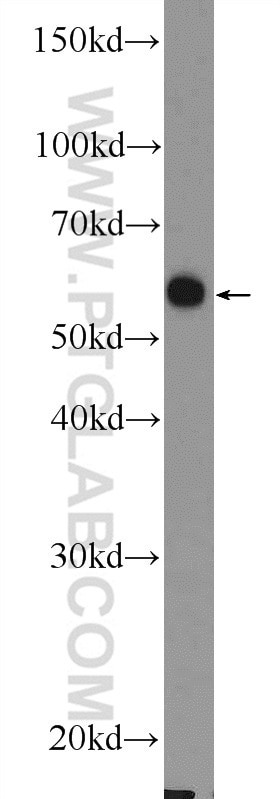
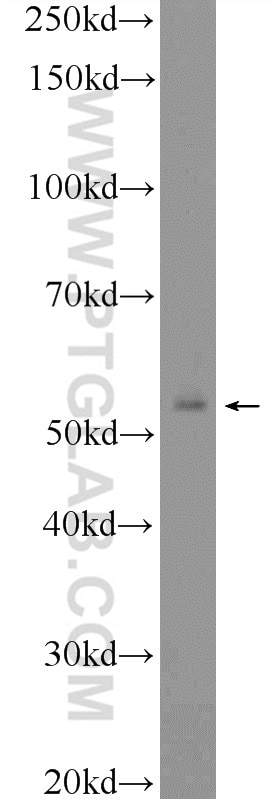
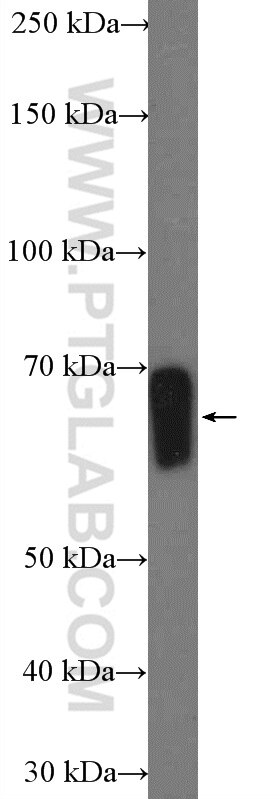
| Positive WB detected in | mouse liver tissue, rat testis tissue, A431 cells |
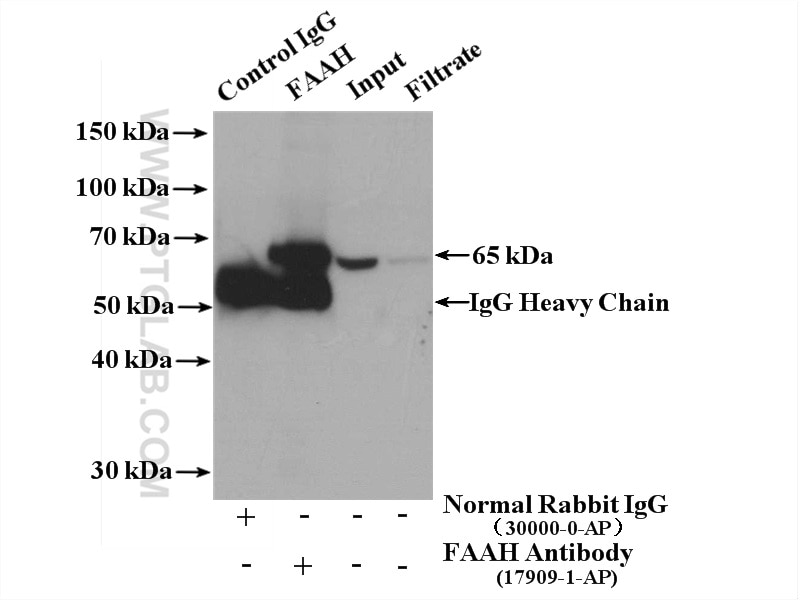
| Positive IP detected in | mouse liver tissue |
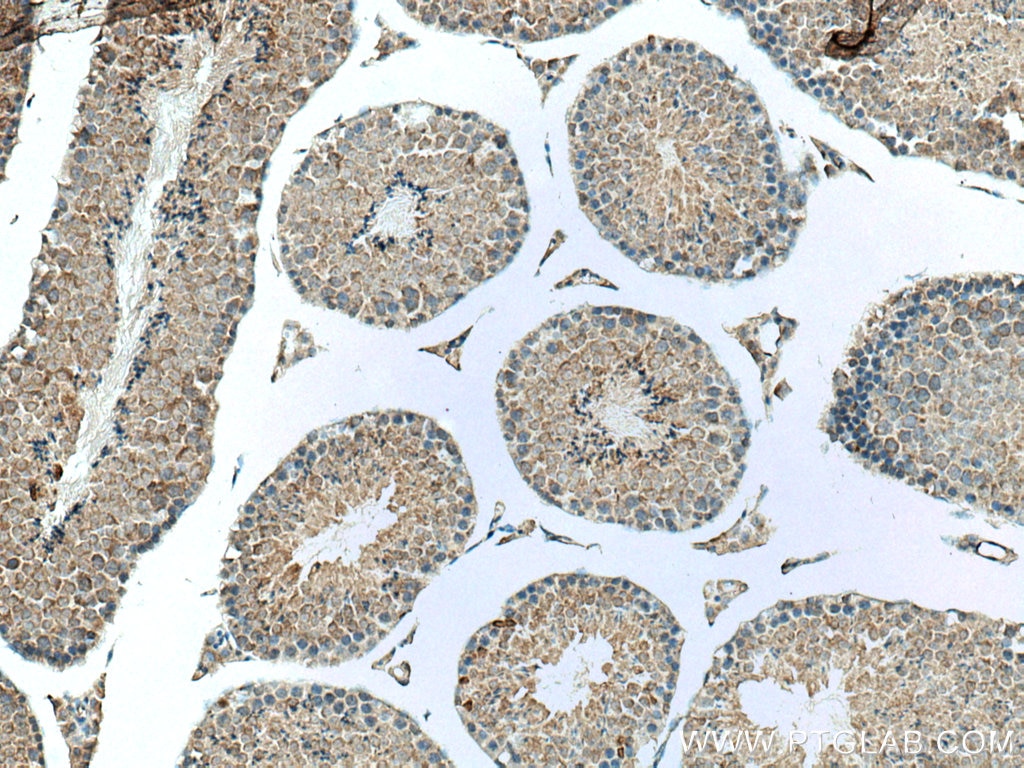
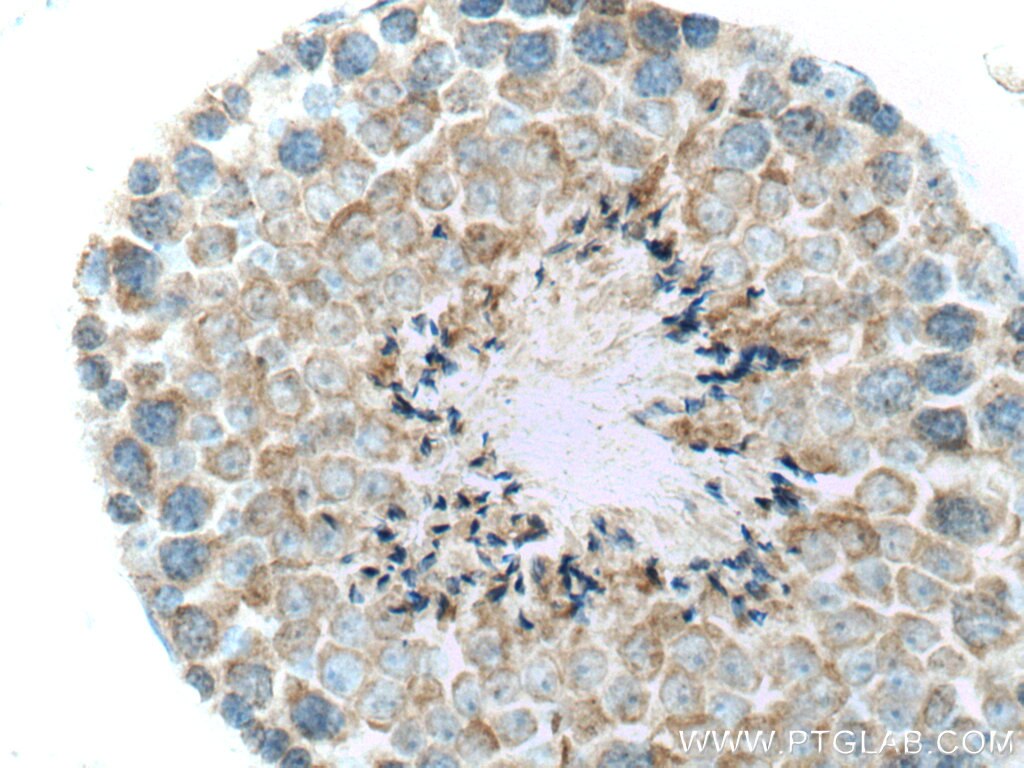
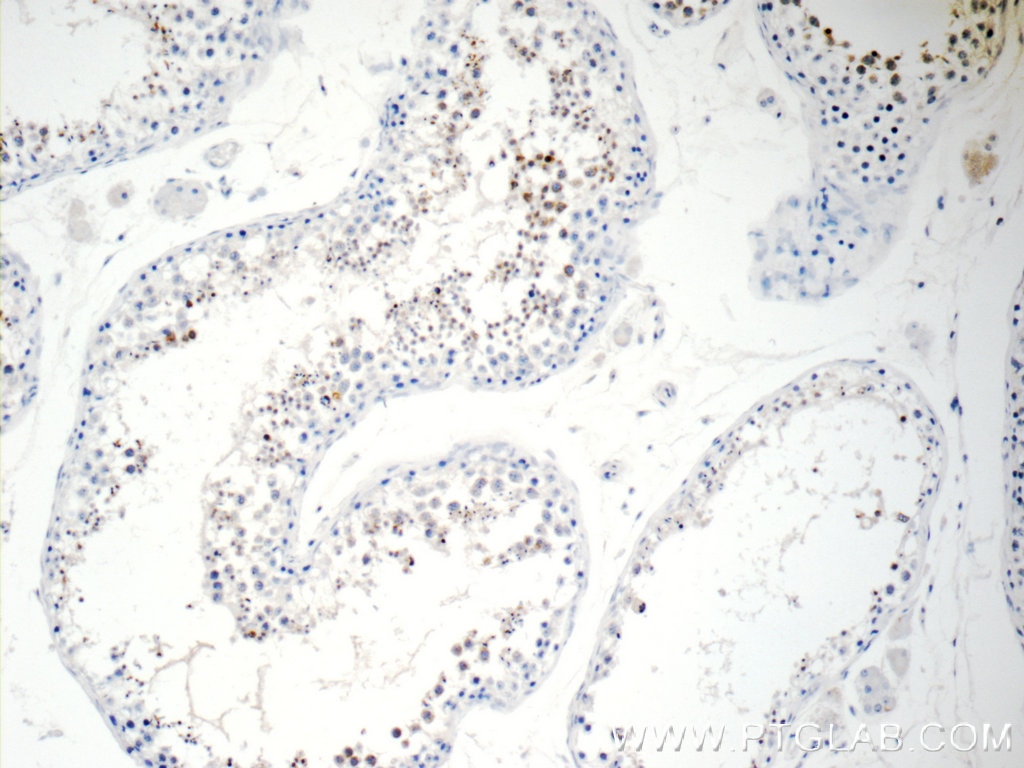
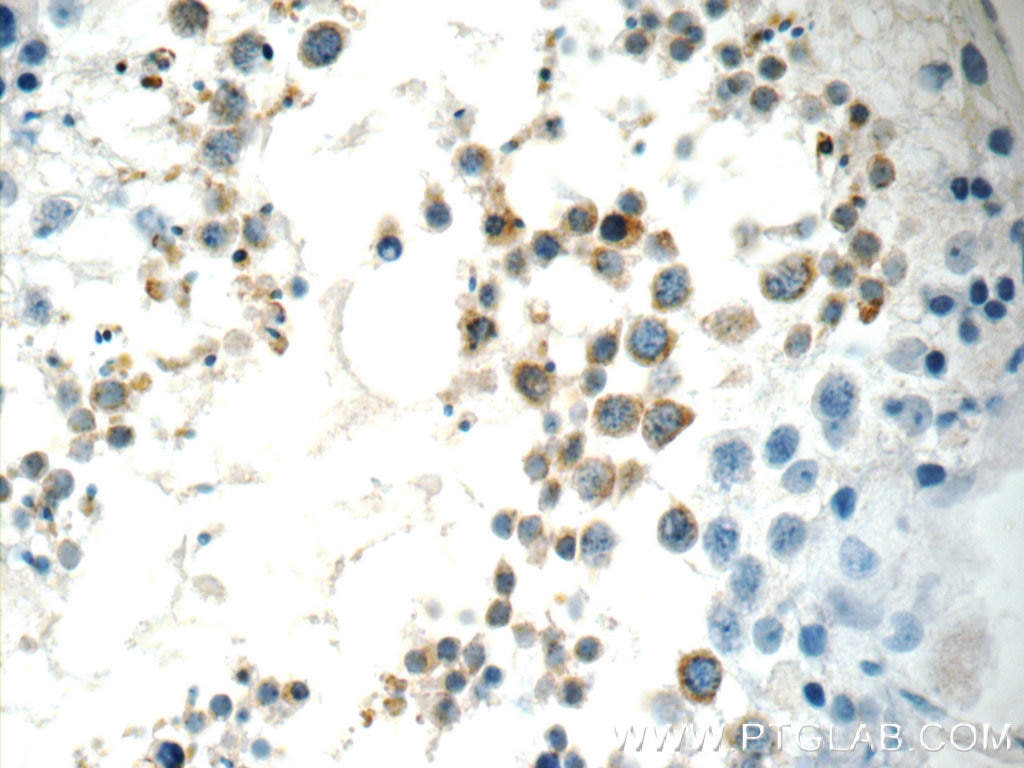
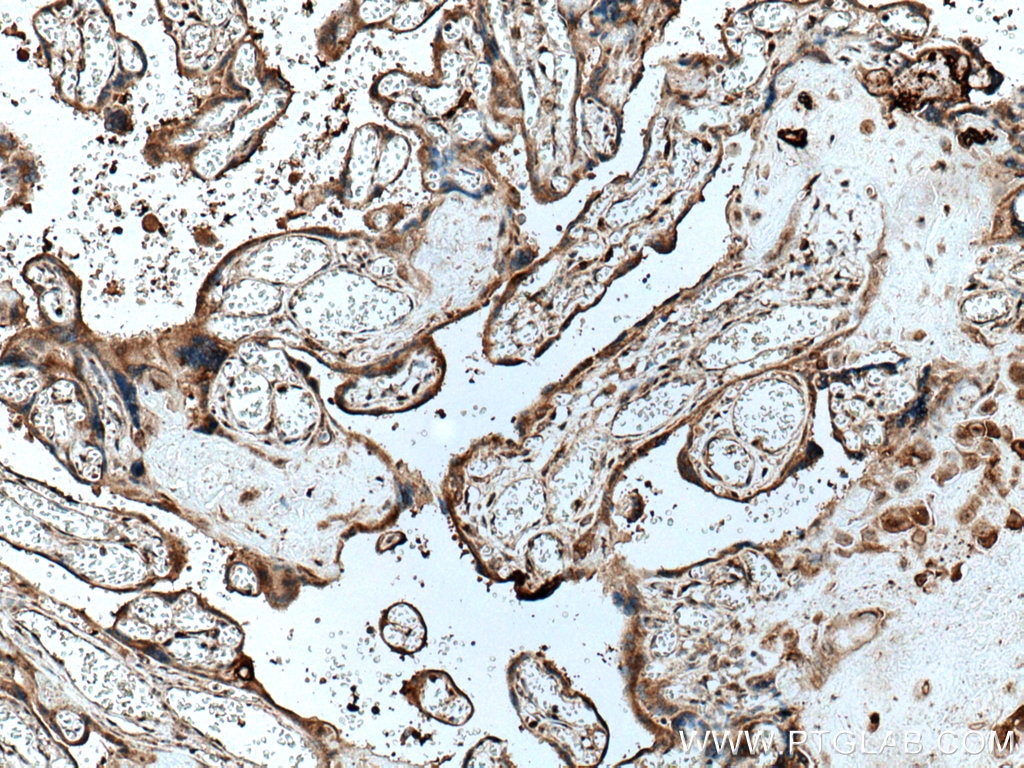
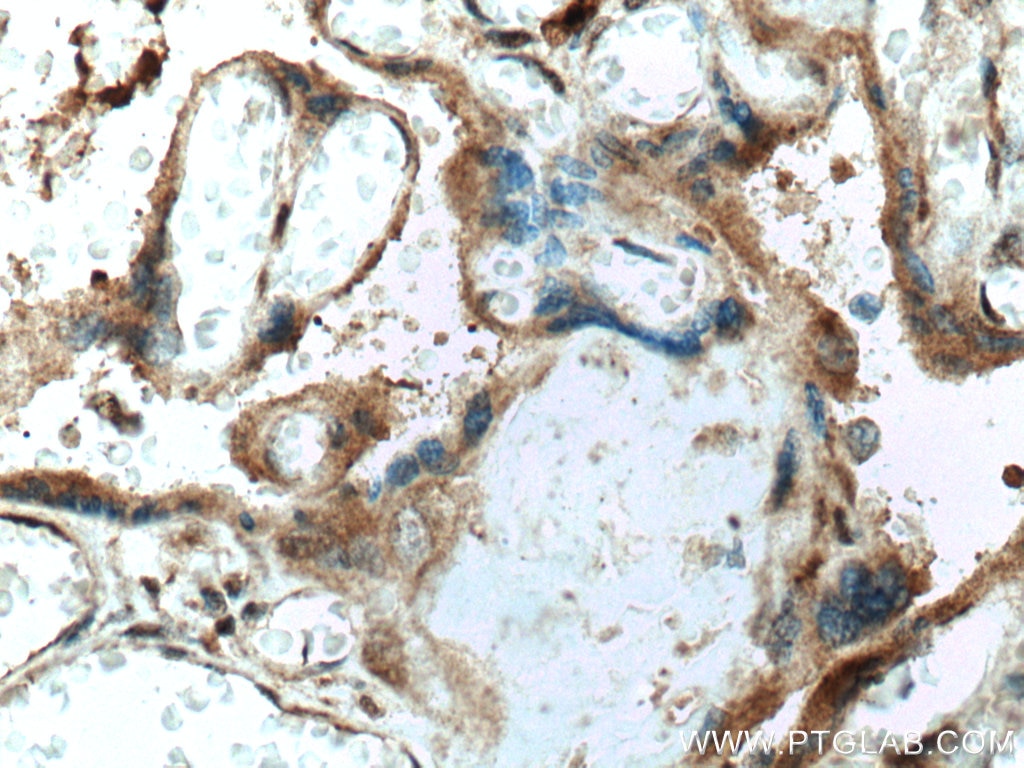
| Positive IHC detected in | mouse testis tissue, human placenta tissue, human testis tissue Note: suggested antigen retrieval with TE buffer pH 9.0; (*) Alternatively, antigen retrieval may be performed with citrate buffer pH 6.0 |
Recommended dilution
| Application | Dilution |
|---|---|
| Western Blot (WB) | WB : 1:1000-1:5000 |
| Immunoprecipitation (IP) | IP : 0.5-4.0 ug for 1.0-3.0 mg of total protein lysate |
| Immunohistochemistry (IHC) | IHC : 1:50-1:300 |
| It is recommended that this reagent should be titrated in each testing system to obtain optimal results. | |
| Sample-dependent, Check data in validation data gallery. | |
Product Information
17909-1-AP targets FAAH in WB, IHC, IP, ELISA applications and shows reactivity with human, mouse, rat samples.
| Tested Reactivity | human, mouse, rat |
| Cited Reactivity | human, mouse, rat |
| Host / Isotype | Rabbit / IgG |
| Class | Polyclonal |
| Type | Antibody |
| Immunogen |
CatNo: Ag12304 Product name: Recombinant human FAAH protein Source: e coli.-derived, PGEX-4T Tag: GST Domain: 236-579 aa of BC093632 Sequence: TDIGGSIRFPSSFCGICGLKPTGNRLSKSGLKGCVYGQEAVRLSVGPMARDVESLALCLRALLCEDMFRLDPTVPPLPFREEVYTSSQPLRVGYYETDNYTMPSPAMRRAVLETKQSLEAAGHTLVPFLPSNIPHALETLSTGGLFSDGGHTFLQNFKGDFVDPCLGDLVSILKLPQWLKGLLAFLVKPLLPRLSAFLSNMKSRSAGKLWELQHEIEVYRKTVIAQWRALDLDVVLTPMLAPALDLNAPGRATGAVSYTMLYNCLDFPAGVVPVTTVTAEDEAQMEHYRGYFGDIWDKMLQKGMKKSVGLPVAVQCVALPWQEELCLRFMREVERLMTPEKQSS Predict reactive species |
| Full Name | fatty acid amide hydrolase |
| Calculated Molecular Weight | 579 aa, 63 kDa |
| Observed Molecular Weight | 55-65 kDa |
| GenBank Accession Number | BC093632 |
| Gene Symbol | FAAH |
| Gene ID (NCBI) | 2166 |
| RRID | AB_2878465 |
| Conjugate | Unconjugated |
| Form | Liquid |
| Purification Method | Antigen affinity purification |
| UNIPROT ID | O00519 |
| Storage Buffer | PBS with 0.02% sodium azide and 50% glycerol, pH 7.3. |
| Storage Conditions | Store at -20°C. Stable for one year after shipment. Aliquoting is unnecessary for -20oC storage. 20ul sizes contain 0.1% BSA. |
Background Information
Fatty acid amide hydrolase (FAAH) is a membrane-bound homodimeric enzyme that in vivo controls content and biological activity of N-arachidonoylethanolamine (AEA) and other relevant bioactive lipids termed endocannabinoids. (PMID: 32041998) This antibody is specific for FAAH protein.
Protocols
| Product Specific Protocols | |
|---|---|
| IHC protocol for FAAH antibody 17909-1-AP | Download protocol |
| IP protocol for FAAH antibody 17909-1-AP | Download protocol |
| WB protocol for FAAH antibody 17909-1-AP | Download protocol |
| Standard Protocols | |
|---|---|
| Click here to view our Standard Protocols |
Publications
What published studies show
Anti-FAAH (catalog #17909-1-AP) has 10 total citations published in journals including Cell Death Differentiation, Cell Death & Disease, eLife, Phytomedicine, Journal of Ethnopharmacology, Frontiers in Nutrition, BBA Molecular Basis of Disease, Journal of Proteome Research, and Neuroscience. Research fields span the endocannabinoid system, ferroptosis, renal fibrosis, neural impairment, platelet activation, arthritis metabolomics, steroidogenesis, and sleep-related memory deficits.
| Species | Application | Title |
|---|---|---|
Cell Death Differ FAAH served a key membrane-anchoring and stabilizing role for NLRP3 protein independently of the endocannabinoid system
| ||
Cell Death Dis Combination treatment with FAAH inhibitors/URB597 and ferroptosis inducers significantly decreases the growth and metastasis of renal cell carcinoma cells via the PI3K-AKT signaling pathway | ||
Phytomedicine Schisandra chinensis lignans regulate and cooperate with endogenous cannabinoid systems to ameliorate intestinal barrier injury associated with depression | ||
J Ethnopharmacol Qihuang Zhuyu Formula Modulates Mitochondrial Function to Inhibit Platelet Activation via Endocannabinoid Signaling Mediated by the SIRT1/PPARα Pathway | ||
Front Nutr Neonatal supplementation of oleamide during suckling ameliorates maternal postpartum sleep interruption-induced neural impairment and endocannabinoid dysfunction in early adolescent offspring rats | ||
Biochim Biophys Acta Mol Basis Dis Inactivation of fatty acid amide hydrolase protects against ischemic reperfusion injury-induced renal fibrogenesis |













