

Tested Applications
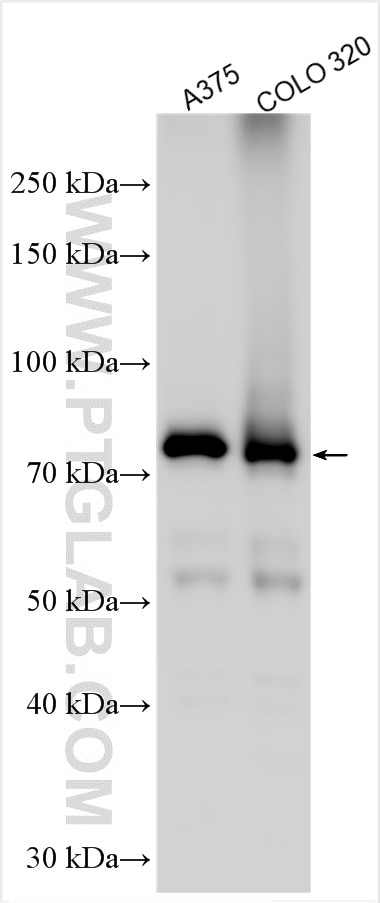
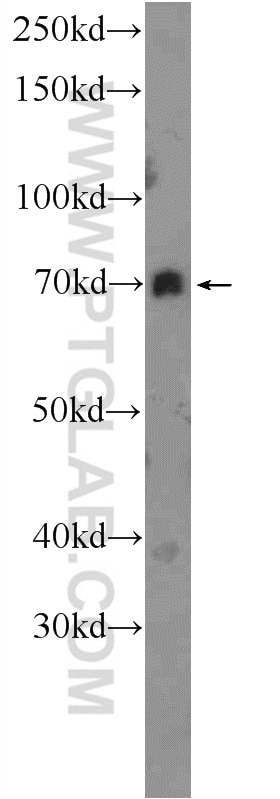
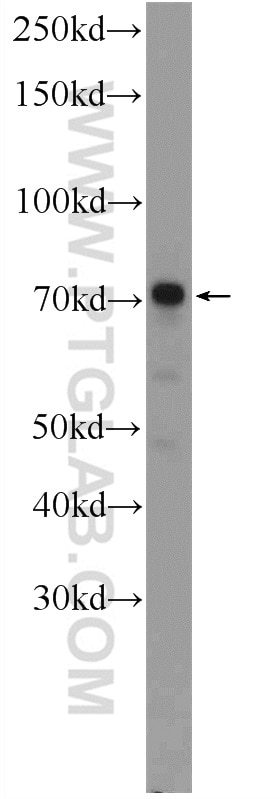
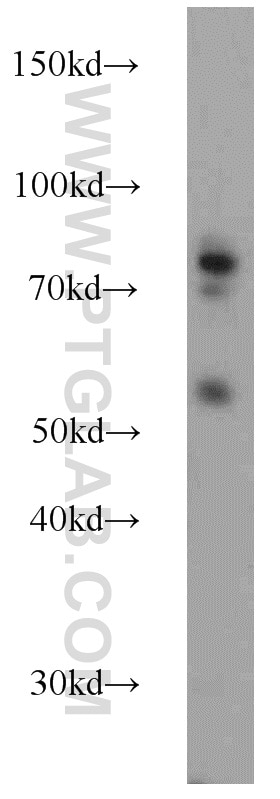
| Positive WB detected in | mouse kidney tissue, COLO 320 cells, HEK-293 cells |
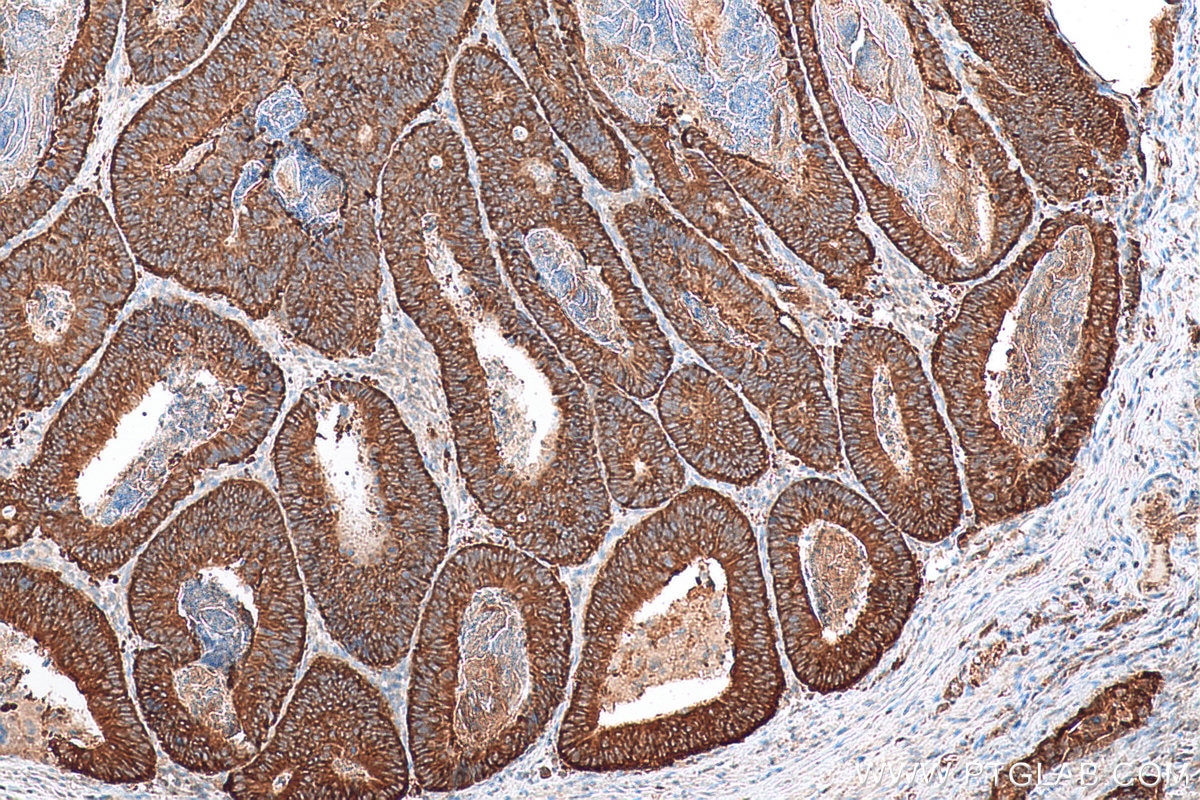
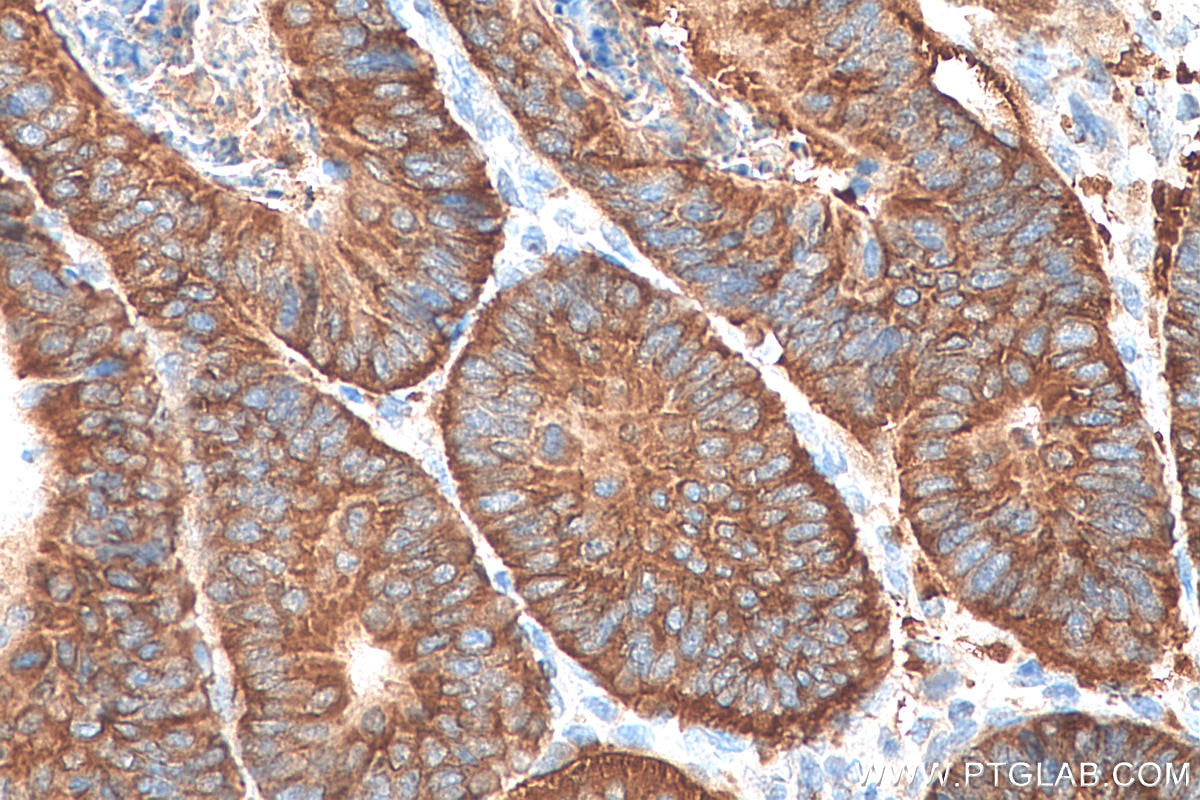
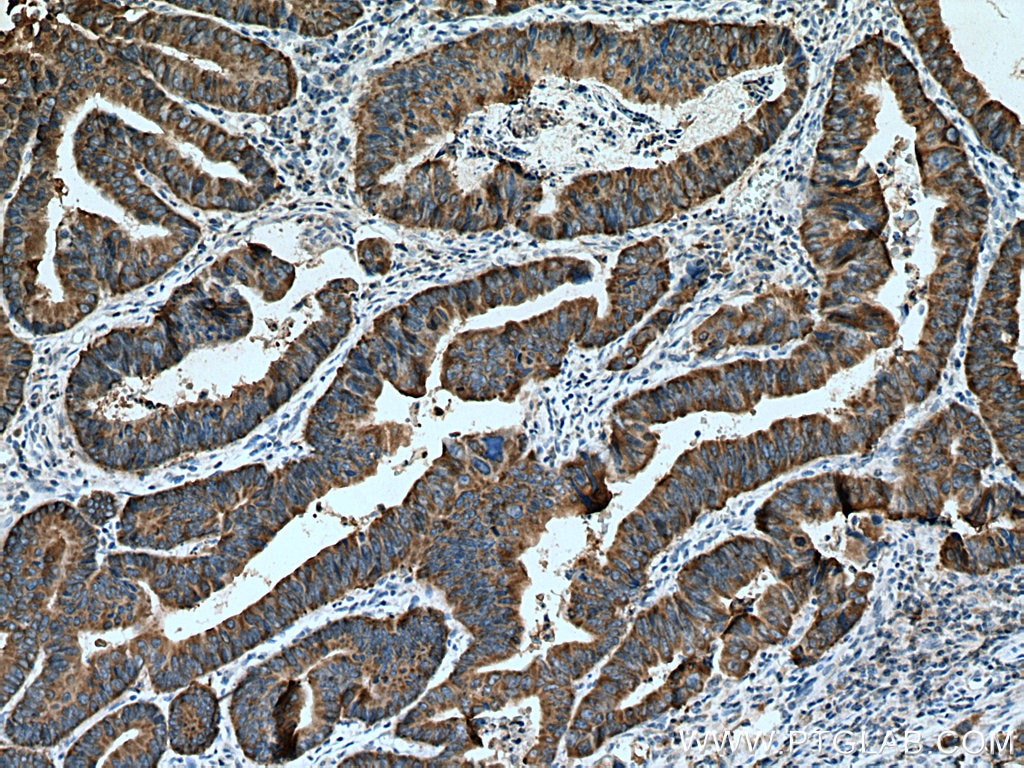
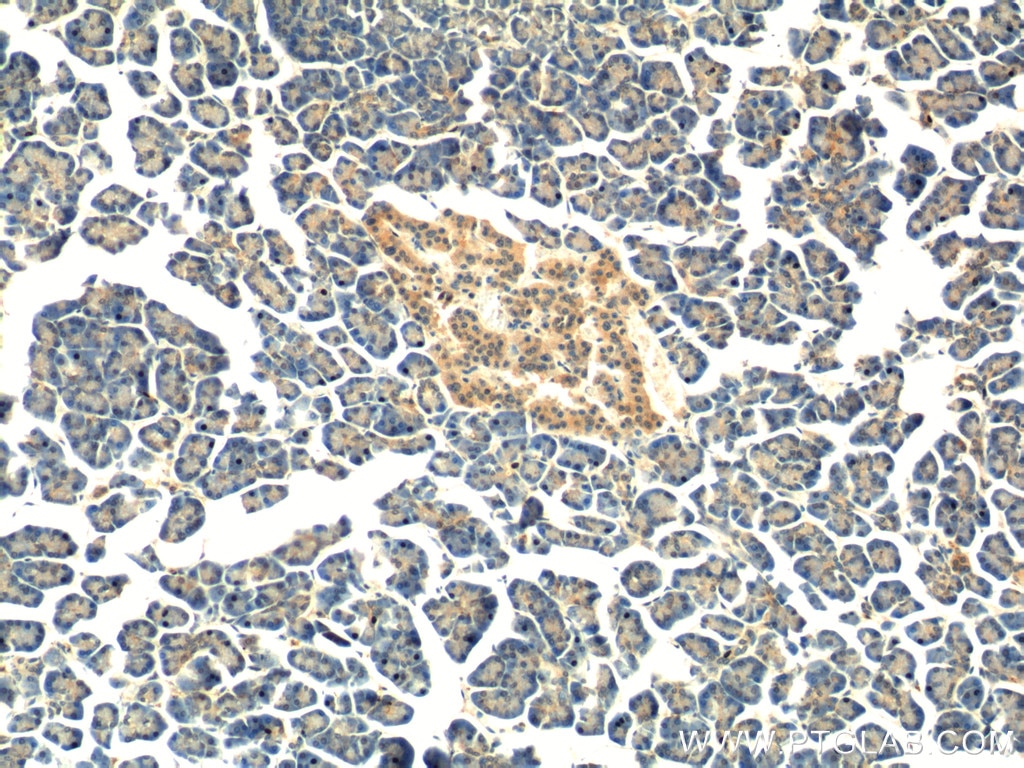
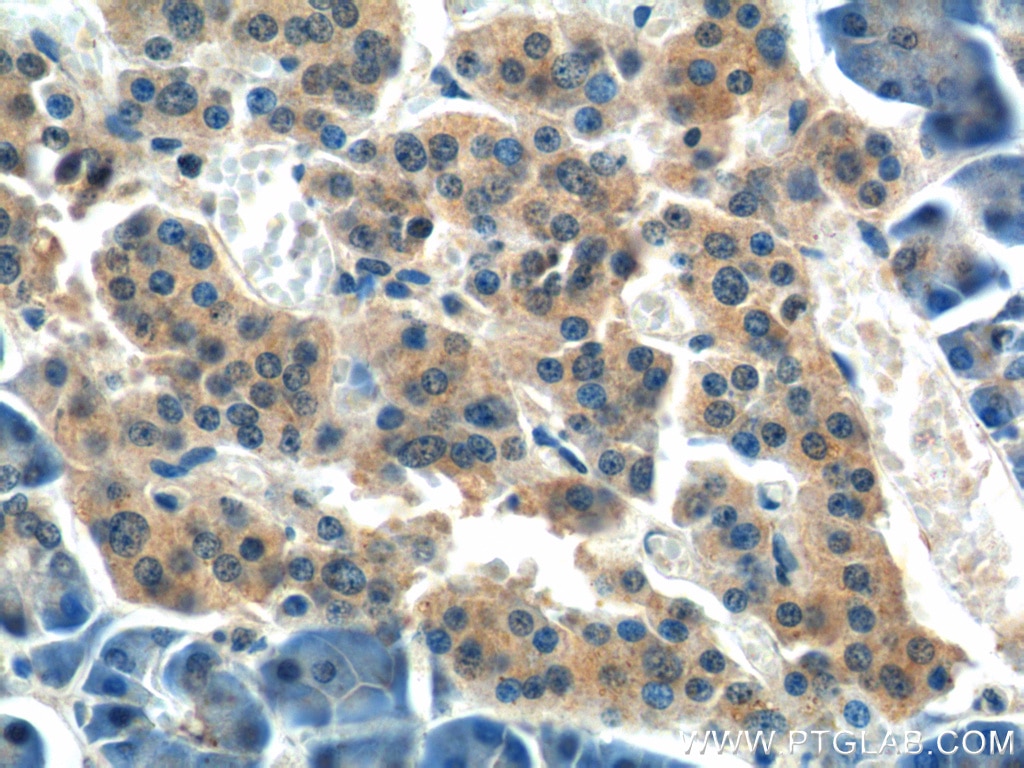
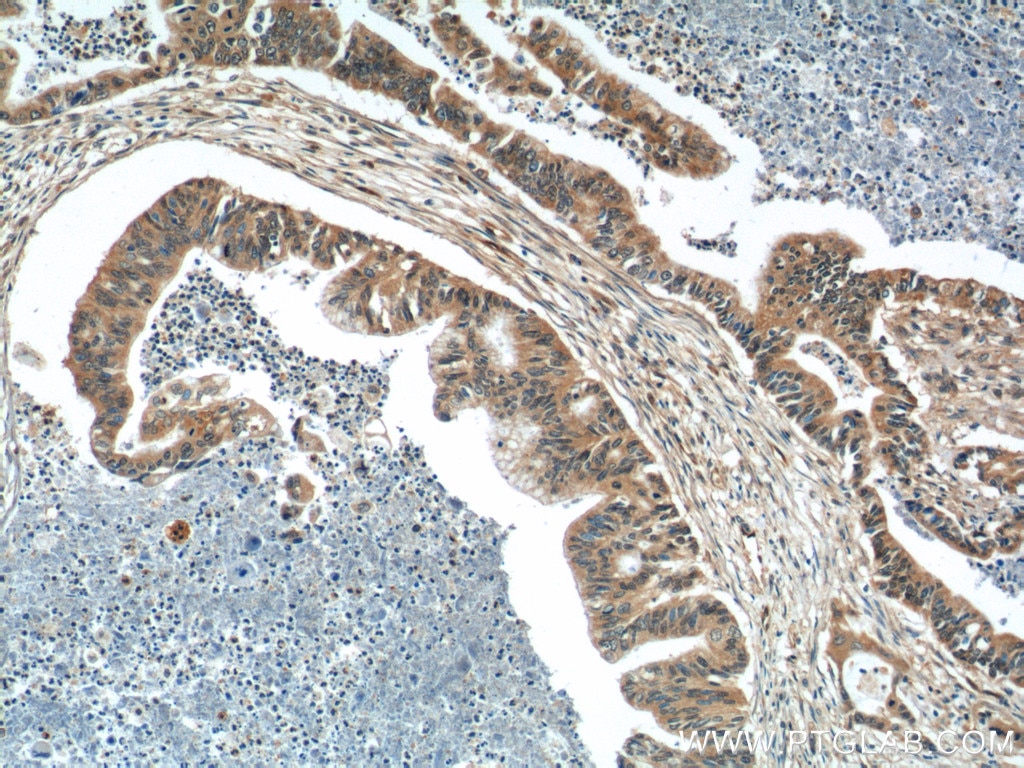
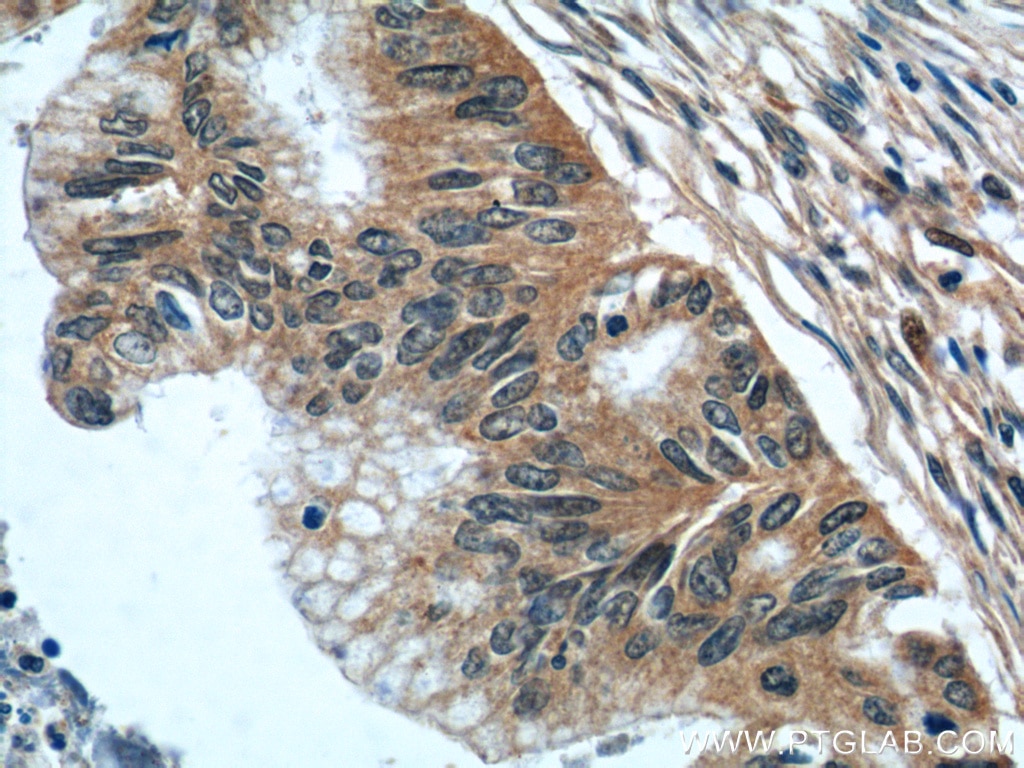
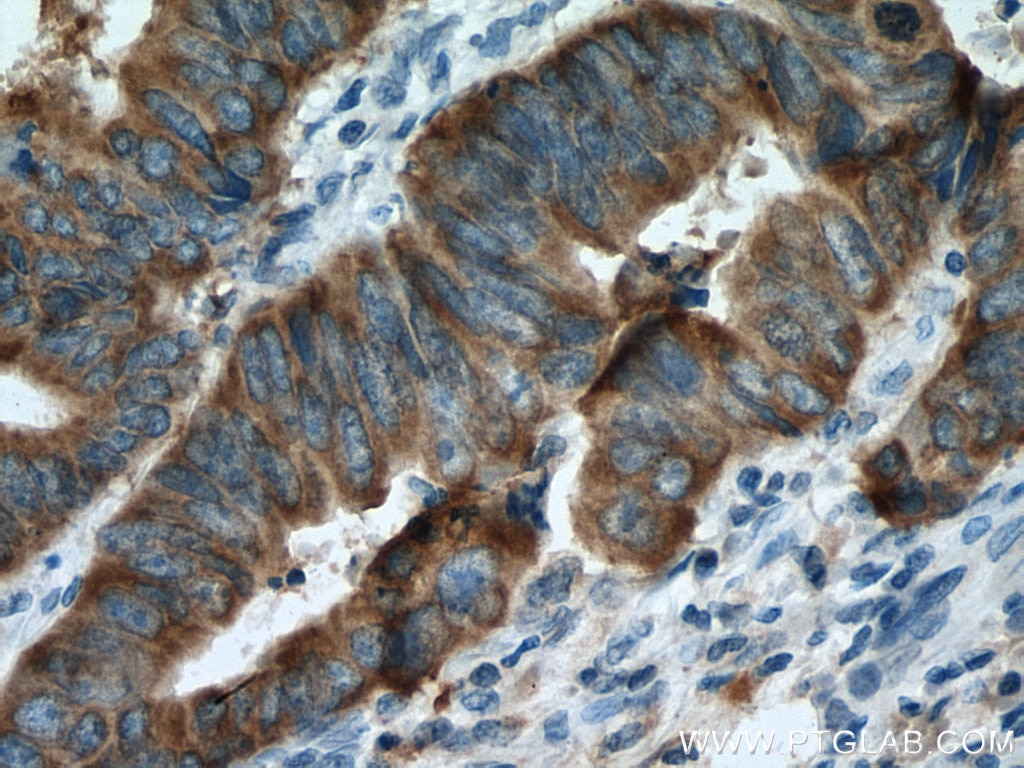
| Positive IHC detected in | human colon cancer tissue, human pancreas tissue, human pancreas cancer tissue Note: suggested antigen retrieval with TE buffer pH 9.0; (*) Alternatively, antigen retrieval may be performed with citrate buffer pH 6.0 |
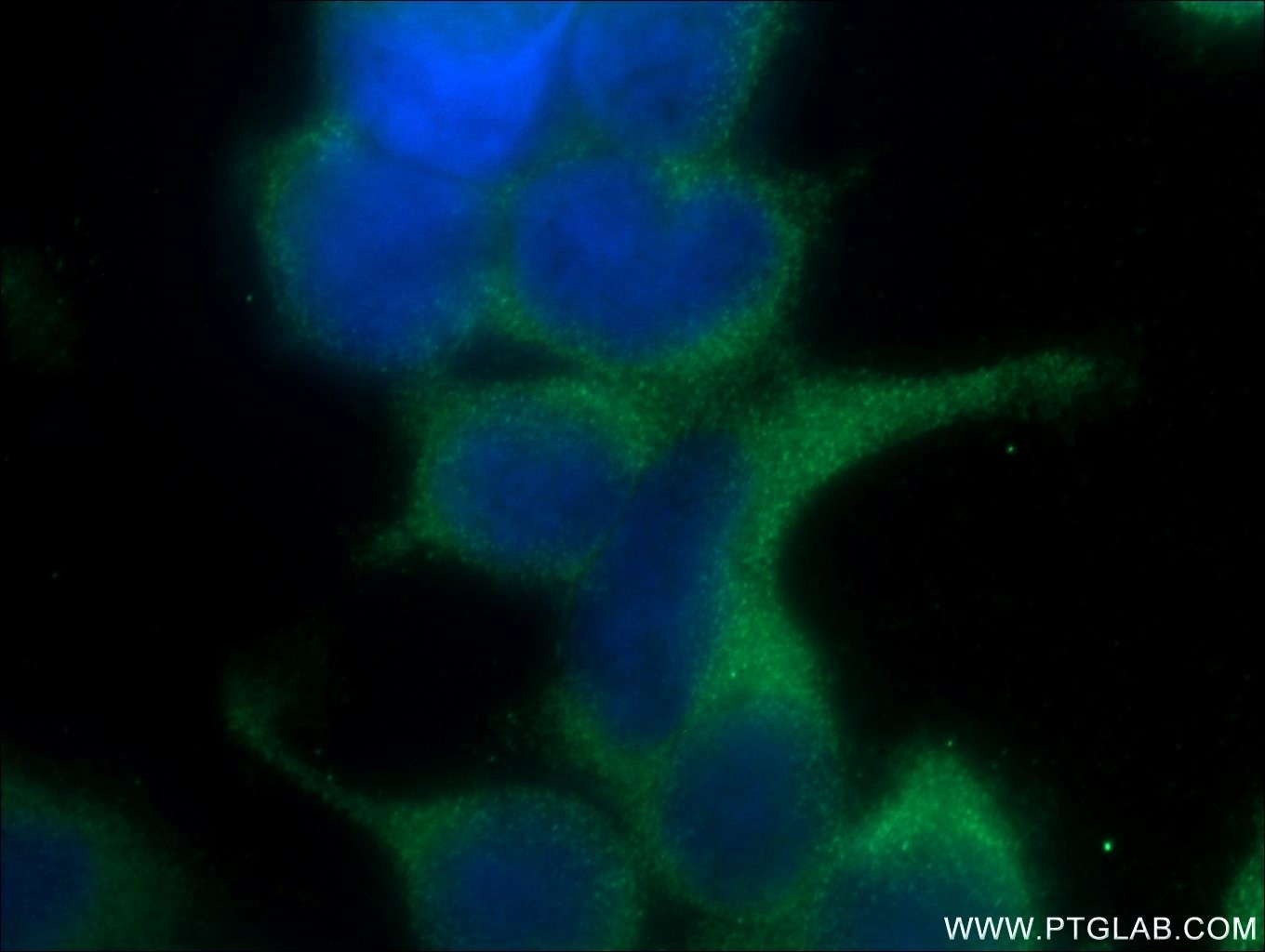
| Positive IF/ICC detected in | HEK-293 cells |
Recommended dilution
| Application | Dilution |
|---|---|
| Western Blot (WB) | WB : 1:300-1:1000 |
| Immunohistochemistry (IHC) | IHC : 1:50-1:500 |
| Immunofluorescence (IF)/ICC | IF/ICC : 1:10-1:100 |
| It is recommended that this reagent should be titrated in each testing system to obtain optimal results. | |
| Sample-dependent, Check data in validation data gallery. | |
Product Information
22215-1-AP targets Kindlin 1 in WB, IHC, IF/ICC, ELISA applications and shows reactivity with human, mouse samples.
| Tested Reactivity | human, mouse |
| Cited Reactivity | human, mouse, rat |
| Host / Isotype | Rabbit / IgG |
| Class | Polyclonal |
| Type | Antibody |
| Immunogen |
CatNo: Ag17543 Product name: Recombinant human Kindlin 1 protein Source: e coli.-derived, PGEX-4T Tag: GST Domain: 321-420 aa of BC035882 Sequence: HISKLSLSAETQDFAGESEVDEIEAALSNLEVTLEGGKADSLLEDITDIPKLADNLKLFRPKKLLPKAFKQYWFIFKDTSIAYFKNKELEQGEPLEKLNL Predict reactive species |
| Full Name | fermitin family homolog 1 (Drosophila) |
| Calculated Molecular Weight | 677 aa, 77 kDa |
| Observed Molecular Weight | 70-77 kDa |
| GenBank Accession Number | BC035882 |
| Gene Symbol | Kindlin 1 |
| Gene ID (NCBI) | 55612 |
| RRID | AB_2879033 |
| Conjugate | Unconjugated |
| Form | Liquid |
| Purification Method | Antigen affinity purification |
| UNIPROT ID | Q9BQL6 |
| Storage Buffer | PBS with 0.02% sodium azide and 50% glycerol, pH 7.3. |
| Storage Conditions | Store at -20°C. Stable for one year after shipment. Aliquoting is unnecessary for -20oC storage. 20ul sizes contain 0.1% BSA. |
Background Information
Kindlin-1 is a FERM domain containing adaptor protein that is found predominantly at cell-extracellular matrix adhesions where it binds to β-integrin subunits and is required for integrin activation. Loss of function mutations in the FERMT1 gene which encodes Kindlin-1 leads to the development of Kindler Syndrome (KS) an autosomal recessive skin disorder characterized by skin blistering, photosensitivity, and predisposition to aggressive squamous cell carcinoma (SCC).
Protocols
| Product Specific Protocols | |
|---|---|
| IF protocol for Kindlin 1 antibody 22215-1-AP | Download protocol |
| IHC protocol for Kindlin 1 antibody 22215-1-AP | Download protocol |
| WB protocol for Kindlin 1 antibody 22215-1-AP | Download protocol |
| Standard Protocols | |
|---|---|
| Click here to view our Standard Protocols |
Publications
What published studies show
The Kindlin 1 Polyclonal antibody (catalog number 22215-1-AP) has 11 total citations. These appear in journals including Signal Transduction and Targeted Therapy, Advanced Science, International Journal of Molecular Medicine, Cell Reports, Cancer Cell International, International Immunopharmacology, Cell Signaling, Experimental Cell Research, Journal of Cancer Research and Clinical Oncology, European Journal of Neuroscience, and Experimental Animals. Research fields span nasopharyngeal carcinoma, integrin signaling, wound healing, T-cell biology, epithelial-mesenchymal transition, hepatocellular carcinoma, glioma, ferroptosis, astrocyte activation, and intracerebral hemorrhage.
| Species | Application | Title |
|---|---|---|
Signal Transduct Target Ther Large-scale and high-resolution mass spectrometry-based proteomics defines molecular subtypes of nasopharyngeal carcinoma for therapeutic targeting. | ||
Adv Sci (Weinh) Kindlin Regulates Mechanosensitive Activation and Adhesion Assembly of Integrin beta6 | ||
Int J Mol Med Kindlin-1 contributes to EGF-induced re-epithelialization in skin wound healing. | ||
Cell Rep Distinct bidirectional regulation of LFA1 and α4β7 by Rap1 and integrin adaptors in T cells under shear flow | ||
Cancer Cell Int FERMT1 contributes to the migration and invasion of nasopharyngeal carcinoma through epithelial-mesenchymal transition and cell cycle arrest.
| ||
Int Immunopharmacol FERMT1 contributes to the epithelial-mesenchymal transition of chronic rhinosinusitis with nasal polyps via PI3K/Akt signaling |














