

Tested Applications
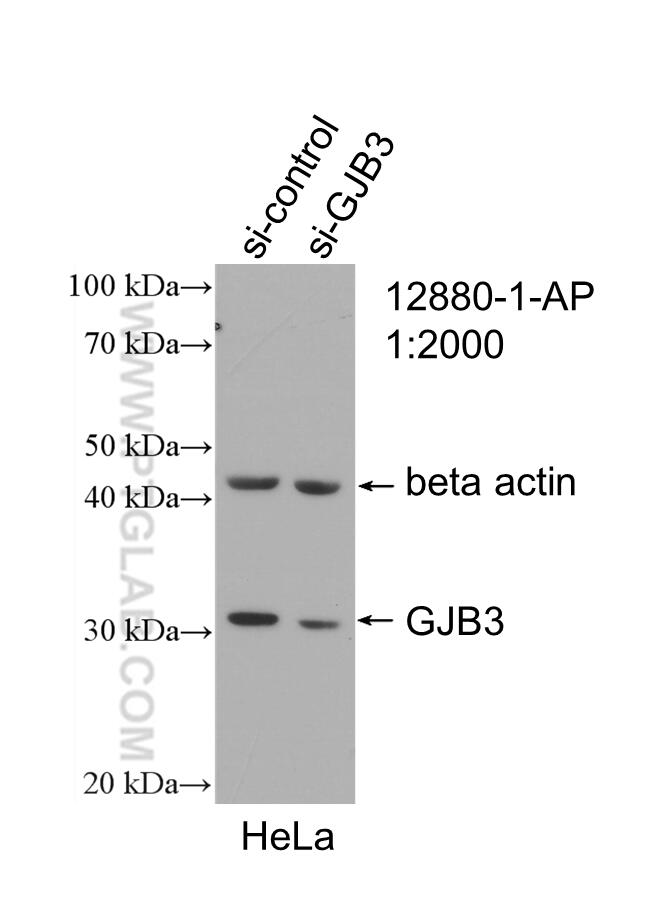
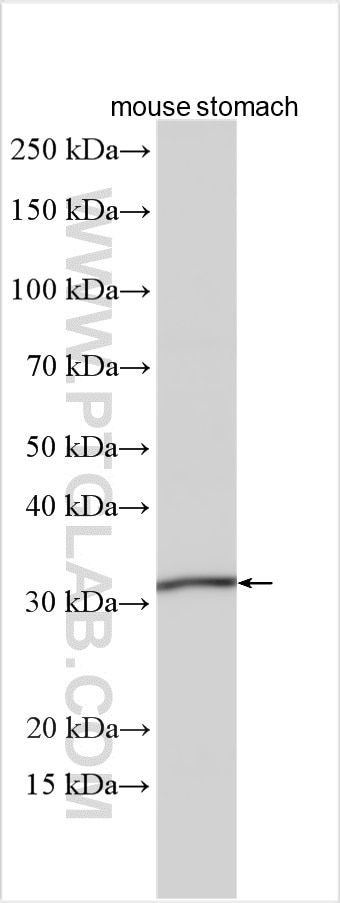
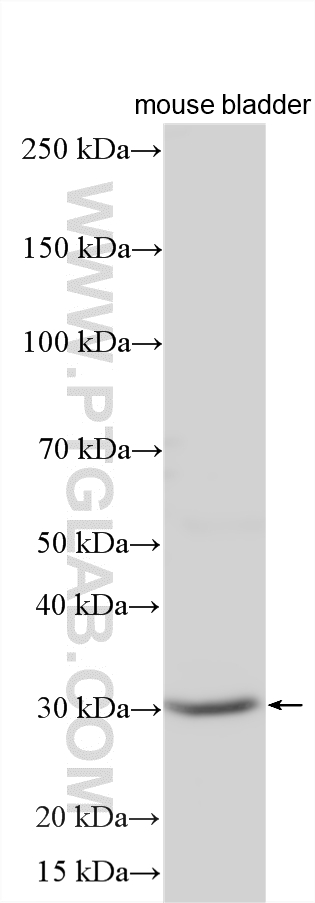
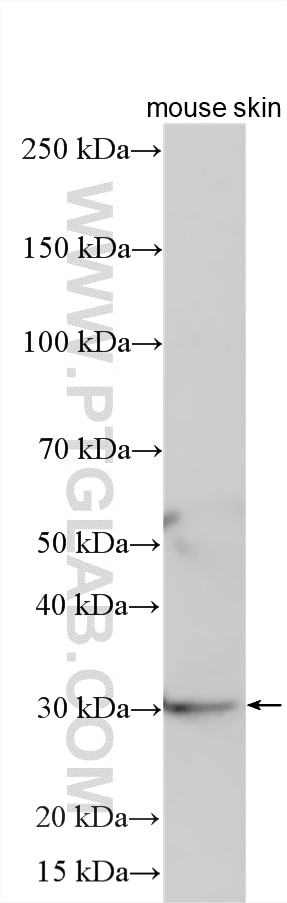
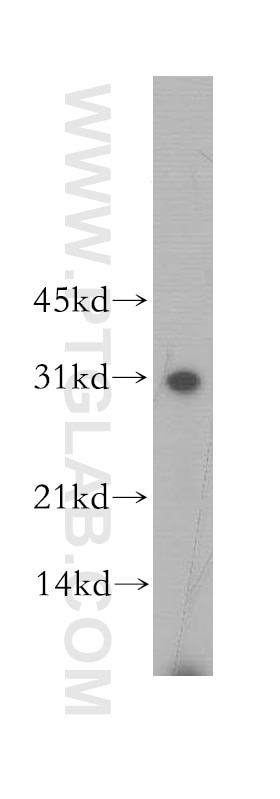
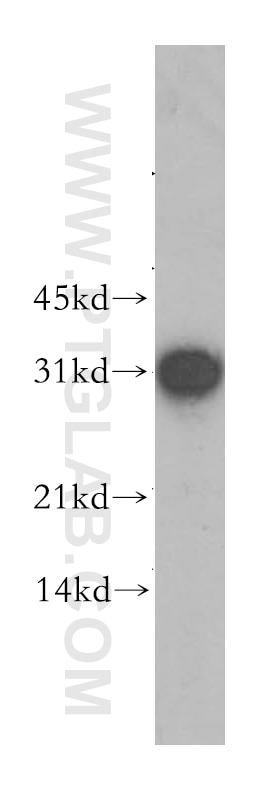
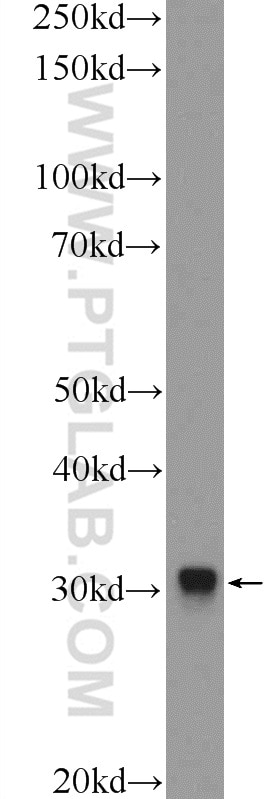
| Positive WB detected in | mouse stomach tissue, HeLa cells, mouse bladder tissue, mouse ovary tissue, mouse skin tissue |
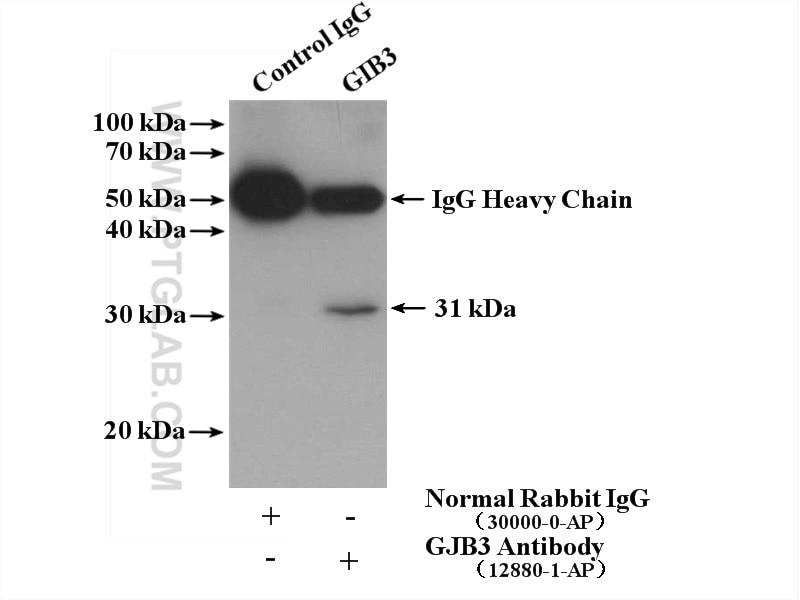
| Positive IP detected in | HeLa cells |
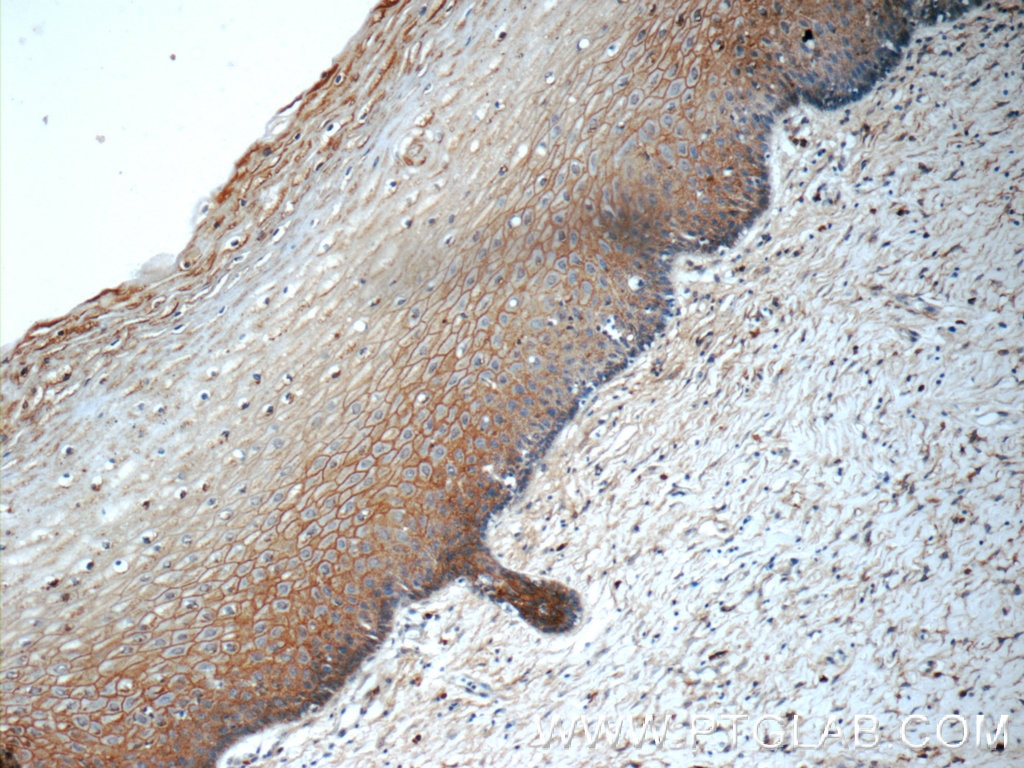
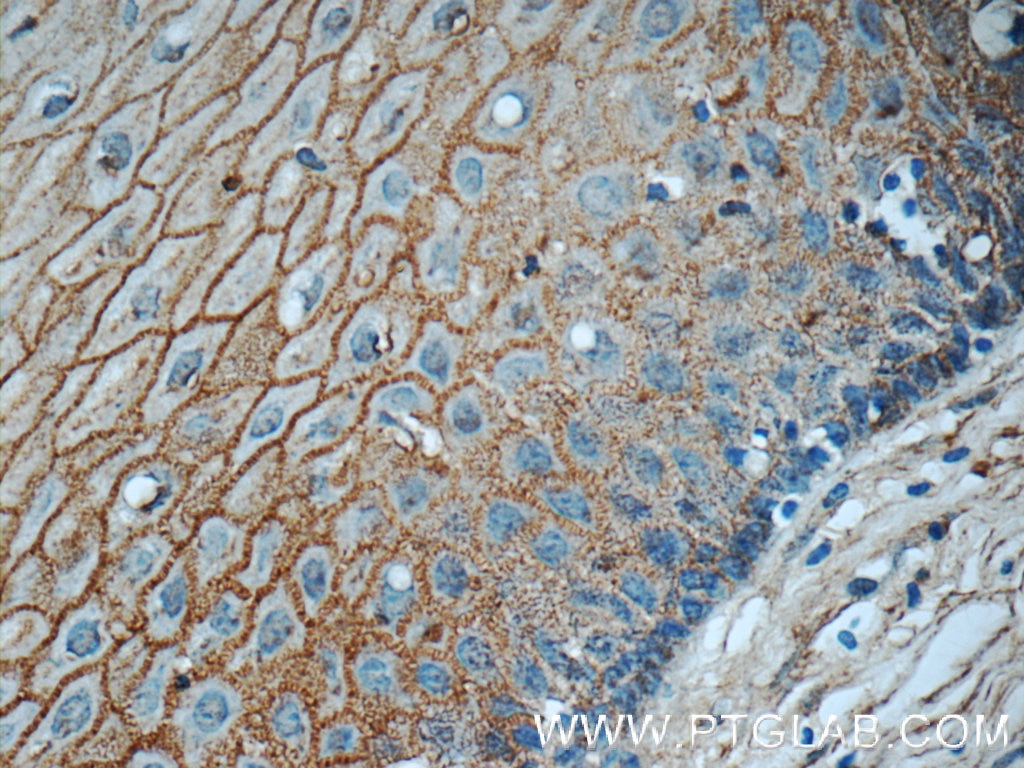
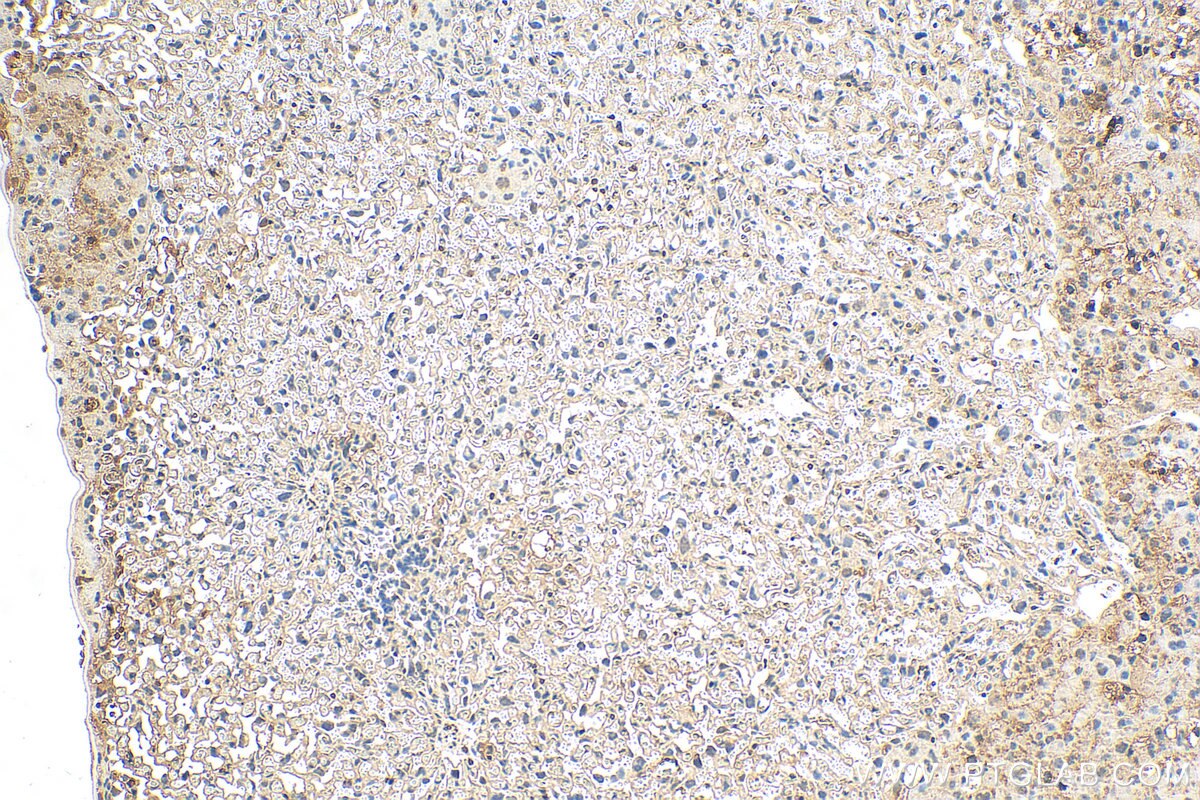
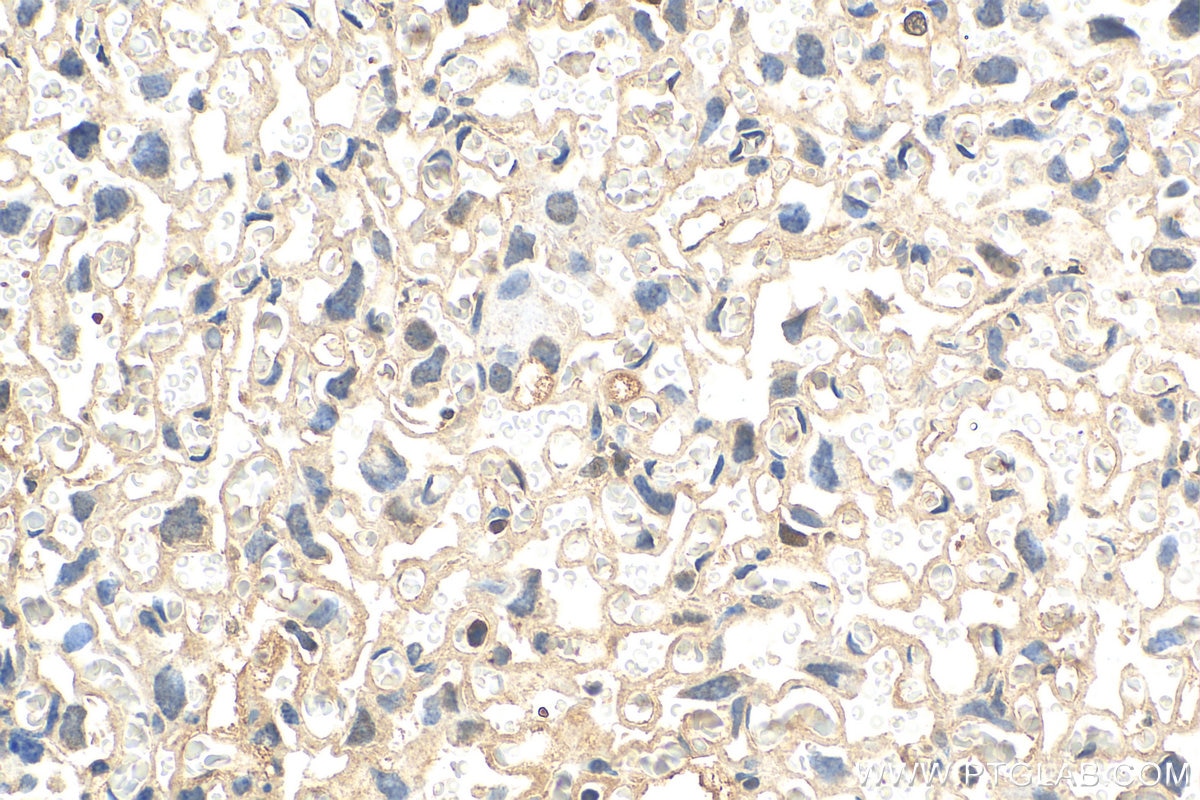
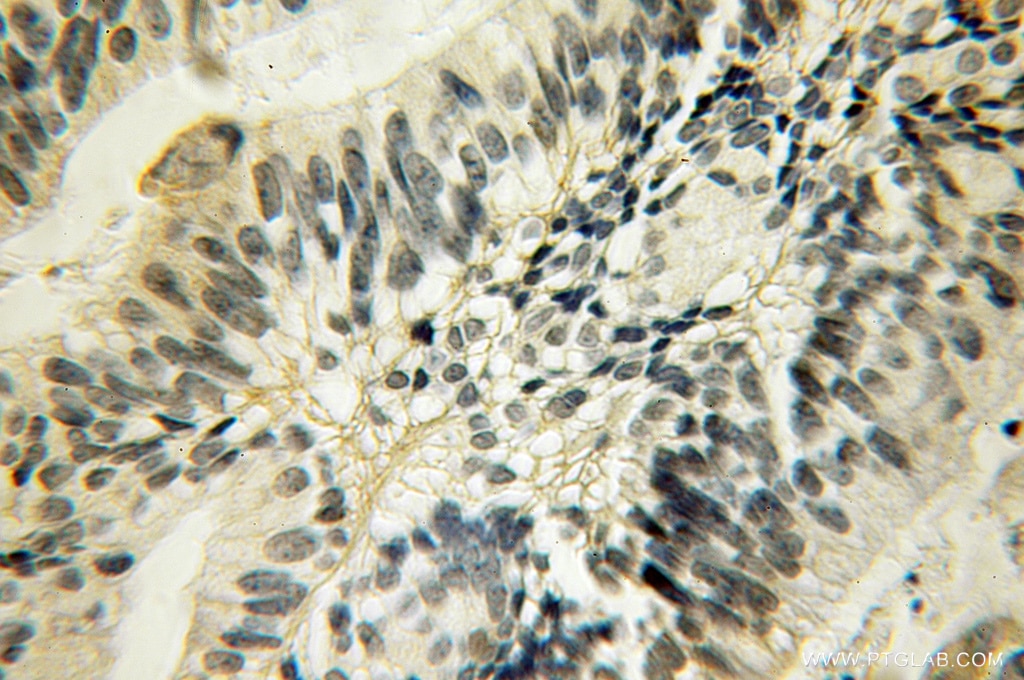
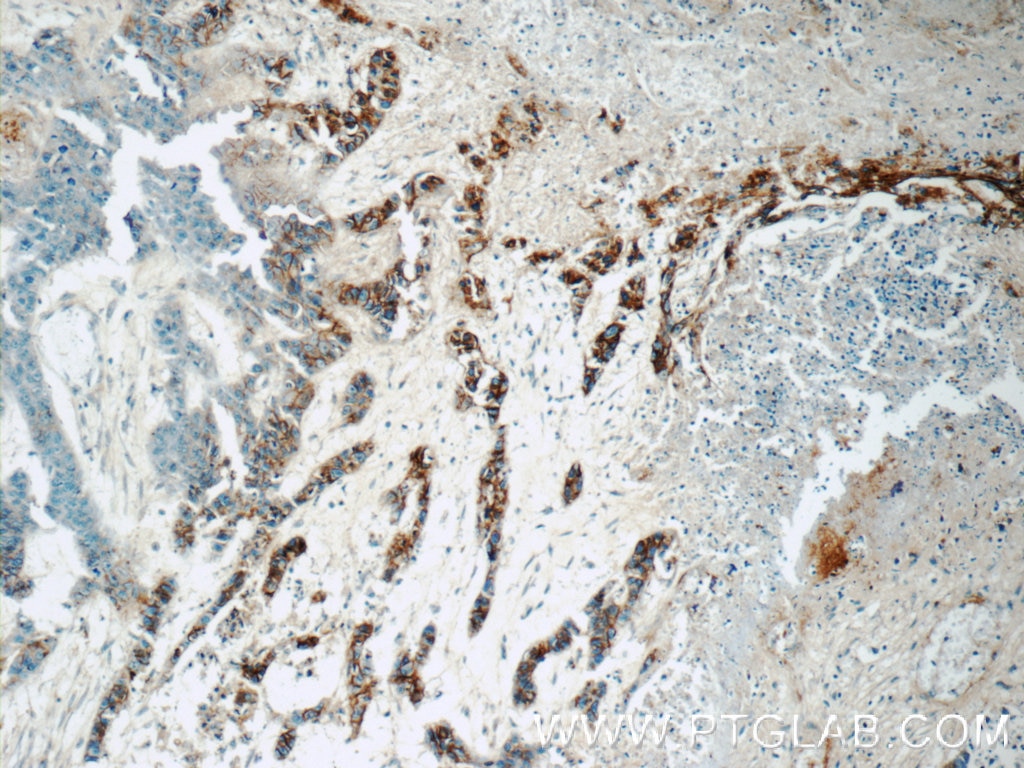
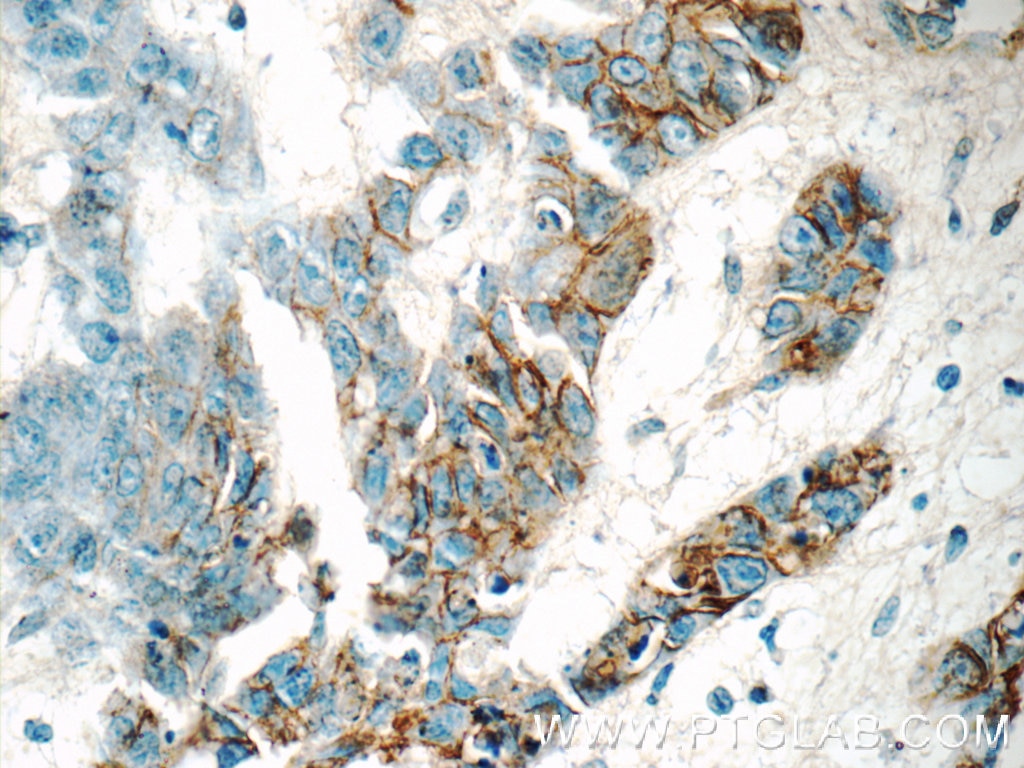
| Positive IHC detected in | mouse placenta tissue, human ovary tumor tissue, human cervix tissue, human skin cancer tissue Note: suggested antigen retrieval with TE buffer pH 9.0; (*) Alternatively, antigen retrieval may be performed with citrate buffer pH 6.0 |
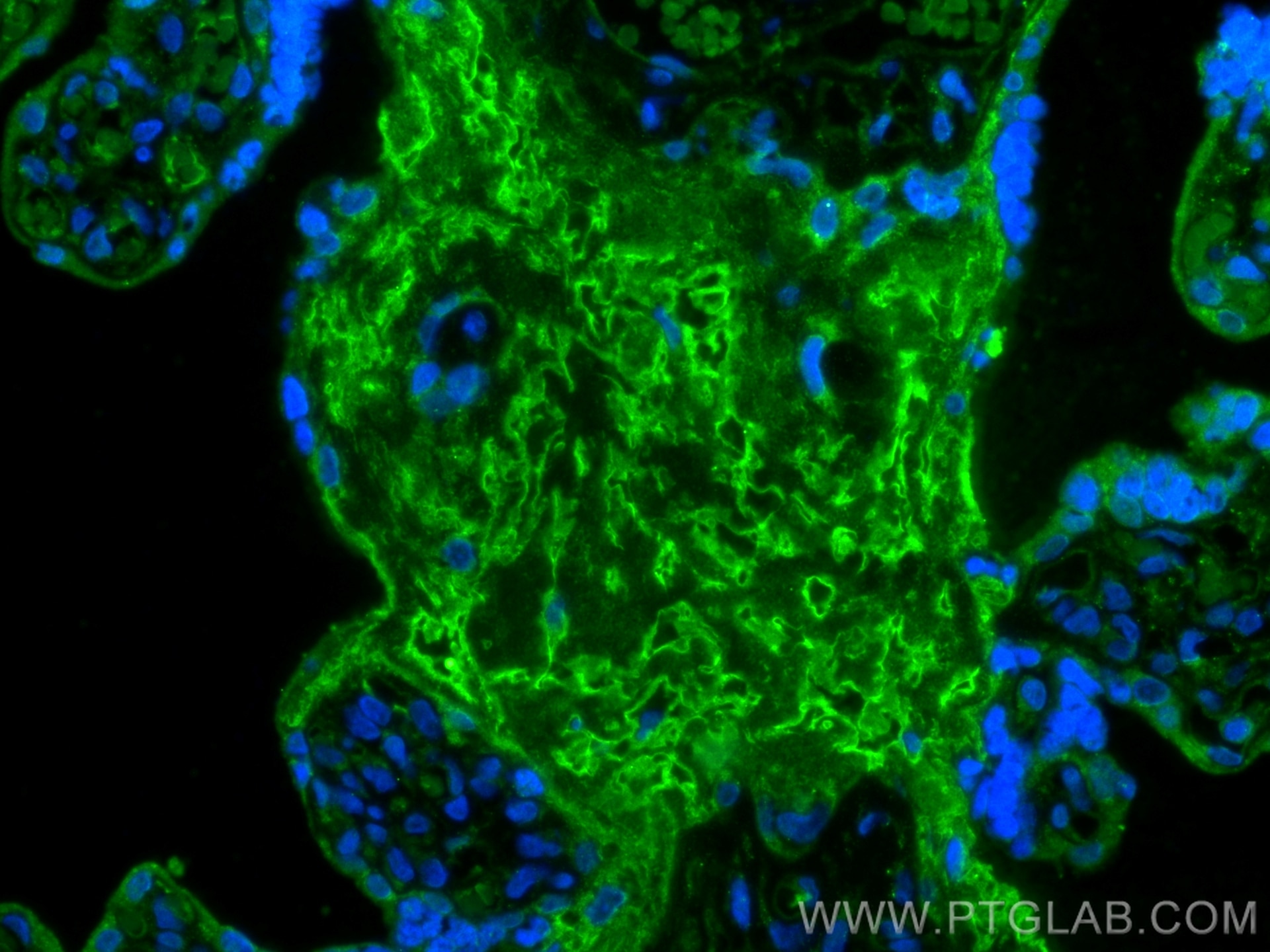
| Positive IF-P detected in | human placenta tissue |
Recommended dilution
| Application | Dilution |
|---|---|
| Western Blot (WB) | WB : 1:1000-1:4000 |
| Immunoprecipitation (IP) | IP : 0.5-4.0 ug for 1.0-3.0 mg of total protein lysate |
| Immunohistochemistry (IHC) | IHC : 1:50-1:500 |
| Immunofluorescence (IF)-P | IF-P : 1:50-1:500 |
| It is recommended that this reagent should be titrated in each testing system to obtain optimal results. | |
| Sample-dependent, Check data in validation data gallery. | |
Product Information
12880-1-AP targets GJB3 in WB, IHC, IF-P, IP, ELISA applications and shows reactivity with human, mouse samples.
| Tested Reactivity | human, mouse |
| Cited Reactivity | human, mouse, rat, monkey, marmoset |
| Host / Isotype | Rabbit / IgG |
| Class | Polyclonal |
| Type | Antibody |
| Immunogen |
CatNo: Ag3839 Product name: Recombinant human GJB3 protein Source: e coli.-derived, T-HIS Tag: 6*His Domain: 101-270 aa of BC012918 Sequence: RERRHRQKHGDQCAKLYDNAGKKHGGLWWTYLFSLIFKLIIEFLFLYLLHTLWHGFNMPRLVQCANVAPCPNIVDCYIARPTEKKIFTYFMVGASAVCIVLTICELCYLICHRVLRGLHKDKPRGGCSPSSSASRASTCRCHHKLVEAGEVDPDPGNNKLQASAPNLTPI Predict reactive species |
| Full Name | gap junction protein, beta 3, 31kDa |
| Calculated Molecular Weight | 270 aa, 31 kDa |
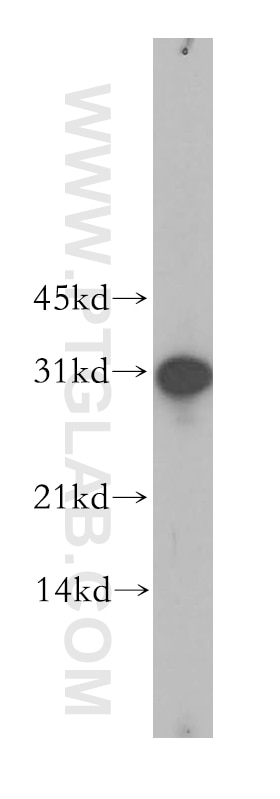
| Observed Molecular Weight | 31 kDa |
| GenBank Accession Number | BC012918 |
| Gene Symbol | GJB3 |
| Gene ID (NCBI) | 2707 |
| RRID | AB_2110907 |
| Conjugate | Unconjugated |
| Form | Liquid |
| Purification Method | Antigen affinity purification |
| UNIPROT ID | O75712 |
| Storage Buffer | PBS with 0.02% sodium azide and 50% glycerol, pH 7.3. |
| Storage Conditions | Store at -20°C. Stable for one year after shipment. Aliquoting is unnecessary for -20oC storage. 20ul sizes contain 0.1% BSA. |
Background Information
GJB3, also known as Connexin-31 (Cx31), belongs to the connexin family. Connexins are membrane-spanning proteins that assemble to form gap junction channels that facilitate the transfer of ions and small molecules between cells. Mutations in the gene of GJB3 have been described in patients with dominant and recessive hearing impairment and in patients with erythrokeratodermia variabilis (EKV).
Protocols
| Product Specific Protocols | |
|---|---|
| IF protocol for GJB3 antibody 12880-1-AP | Download protocol |
| IHC protocol for GJB3 antibody 12880-1-AP | Download protocol |
| IP protocol for GJB3 antibody 12880-1-AP | Download protocol |
| WB protocol for GJB3 antibody 12880-1-AP | Download protocol |
| Standard Protocols | |
|---|---|
| Click here to view our Standard Protocols |
Publications
What published studies show
The GJB3 Polyclonal antibody (Cat# 12880-1-AP) has accumulated 18 citations across journals including Nature Communications, Science Translational Medicine, Cell Reports, Cancer Letters, Frontiers in Immunology, International Journal of Molecular Sciences, Scientific Reports, Stem Cells, Journal of Neuroscience, eLife, and others. Associated research fields include breast, colorectal, pancreatic, and lung cancers; cochlear function and hearing loss; placental development; intervertebral disc degeneration; endometriosis; and gap junction channel biology.
| Species | Application | Title |
|---|---|---|
Nat Commun Tumor cell-adipocyte gap junctions activate lipolysis and contribute to breast tumorigenesis | ||
Sci Transl Med Connexins orchestrate progression of breast cancer metastasis to the brain by promoting FAK activation | ||
J Nanobiotechnology Atosiban-conjugated 3WJ-pRNA nanoparticles delivering GAS1-enhanced extracellular vesicles: targeting the decidua to combat recurrent miscarriage. | ||
Cancer Lett Liver metastasis or peritoneal metastasis: single-cell RNA sequencing reveals the organotropism in colorectal cancer is driven by distinct partial-EMT processes | ||
Cell Rep Cochlear Cell Modeling Using Disease-Specific iPSCs Unveils a Degenerative Phenotype and Suggests Treatments for Congenital Progressive Hearing Loss. | ||
Front Immunol GJB3 promotes pancreatic cancer liver metastasis by enhancing the polarization and survival of neutrophil
|


















