
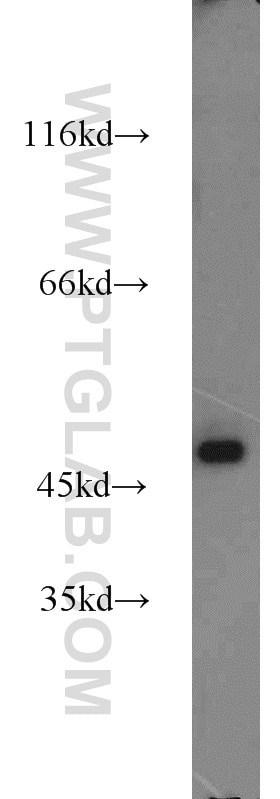
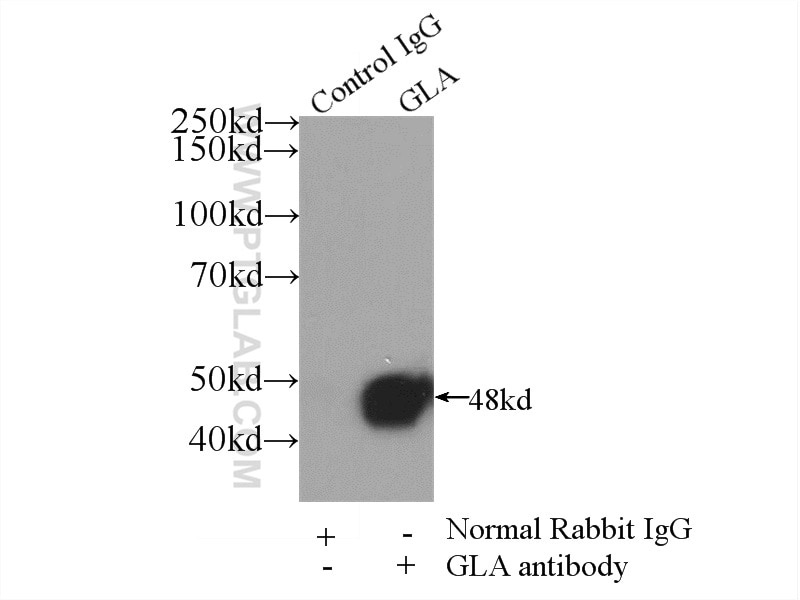
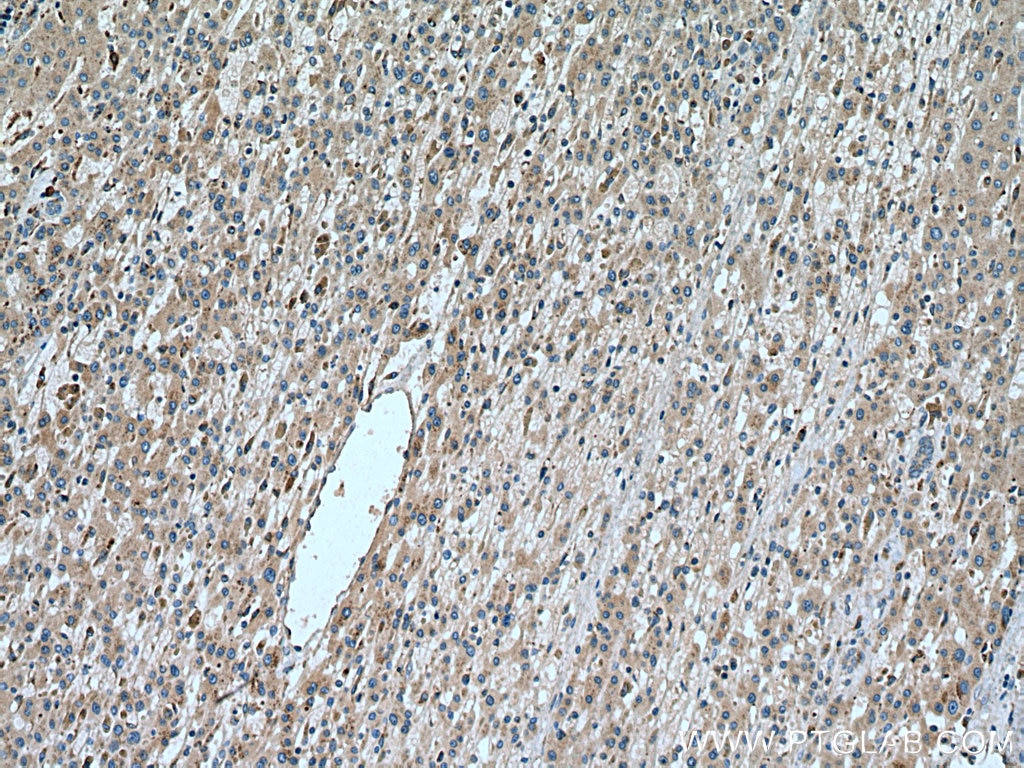
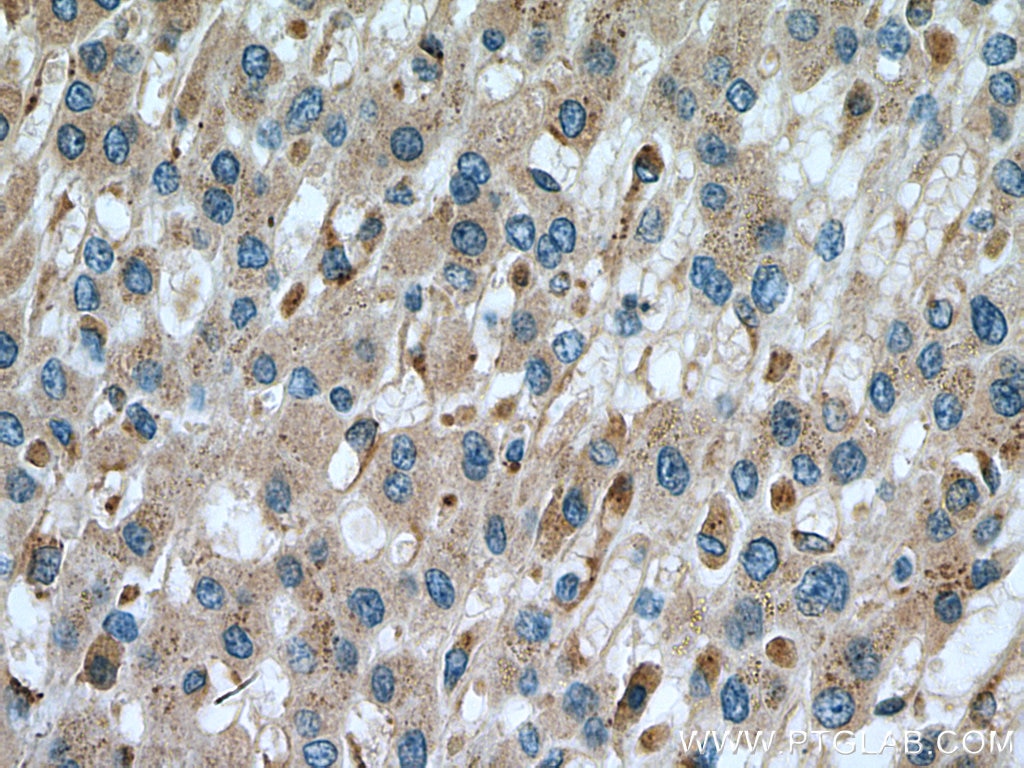

Tested Applications
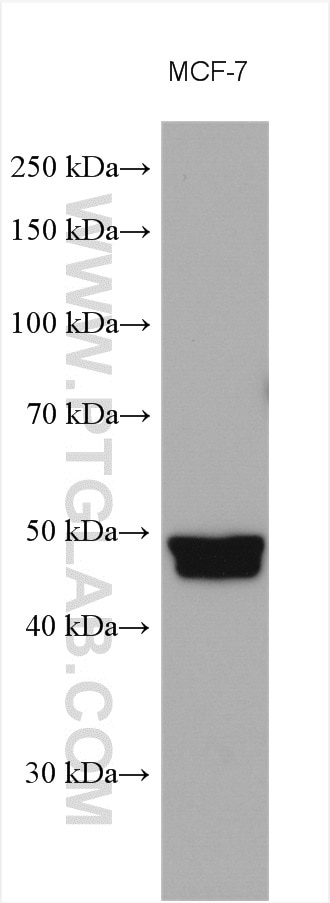
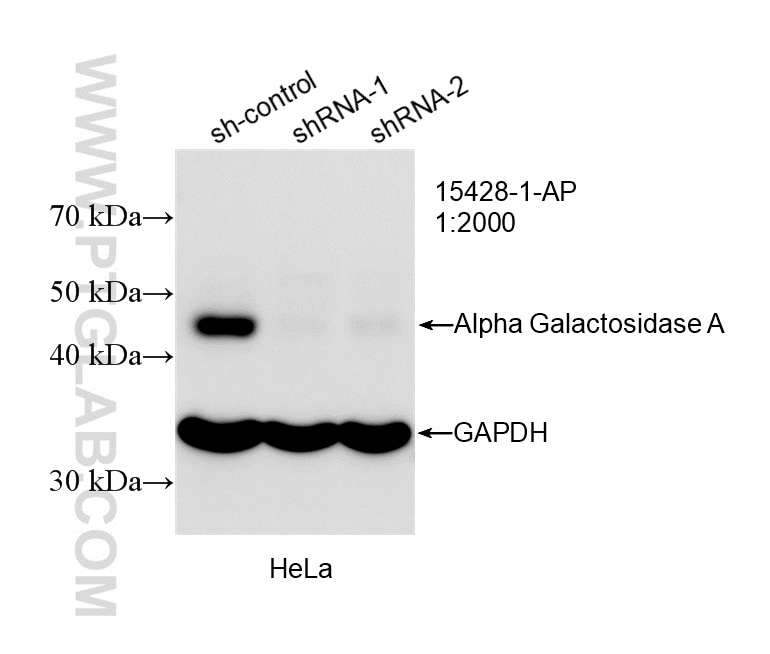
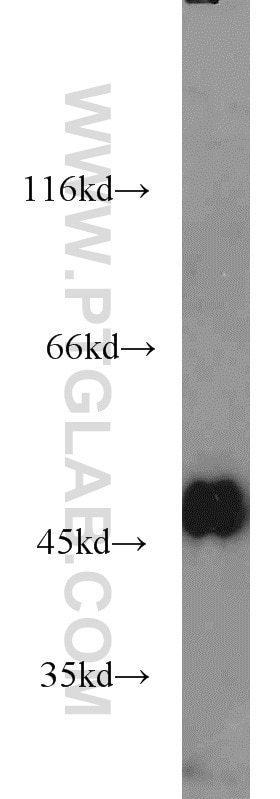
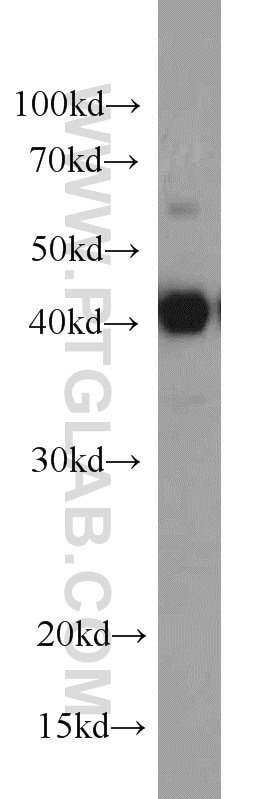
| Positive WB detected in | MCF-7 cells, HEK-293 cells, HeLa cells |
| Positive IP detected in | HEK-293 cells |
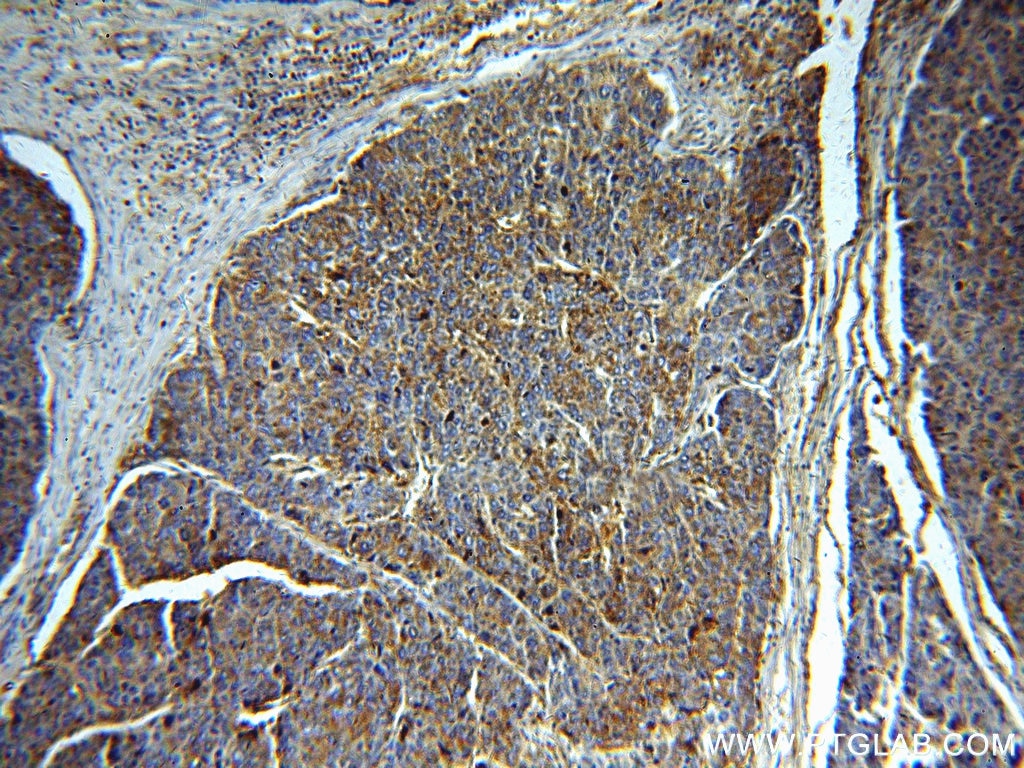
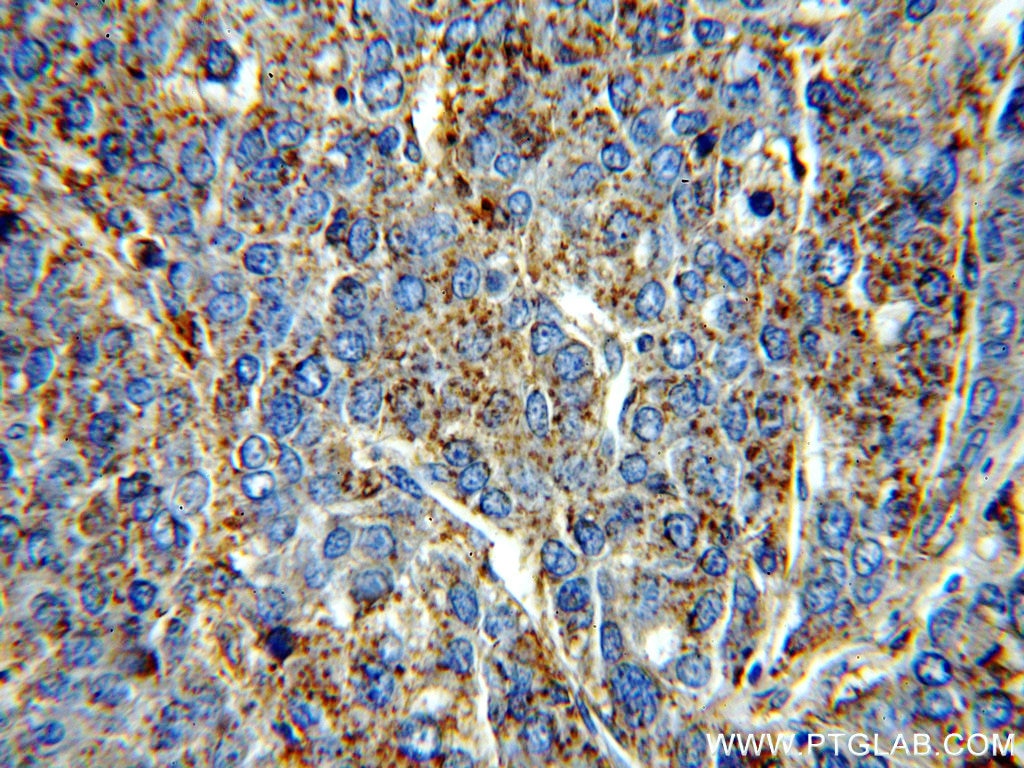
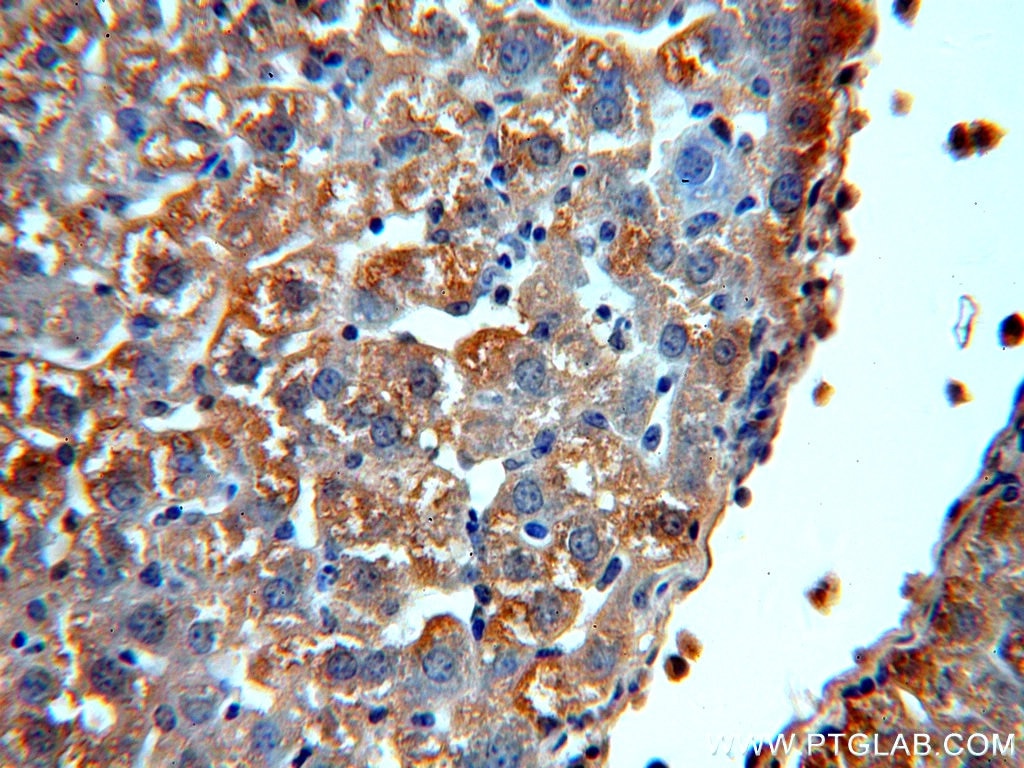
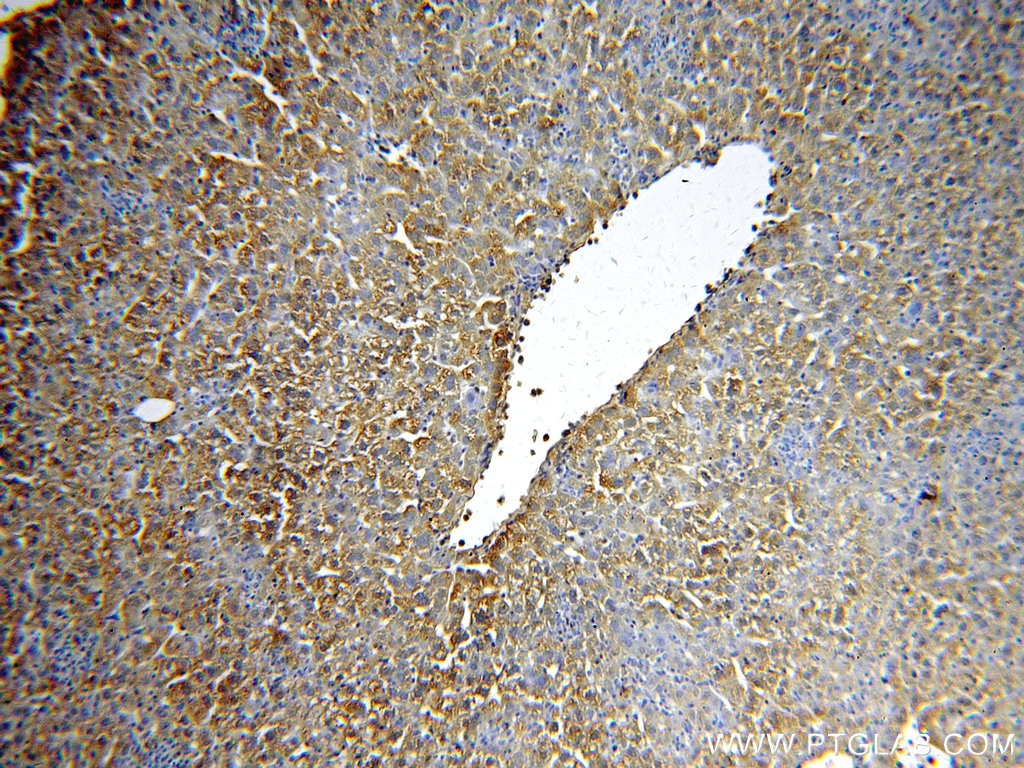
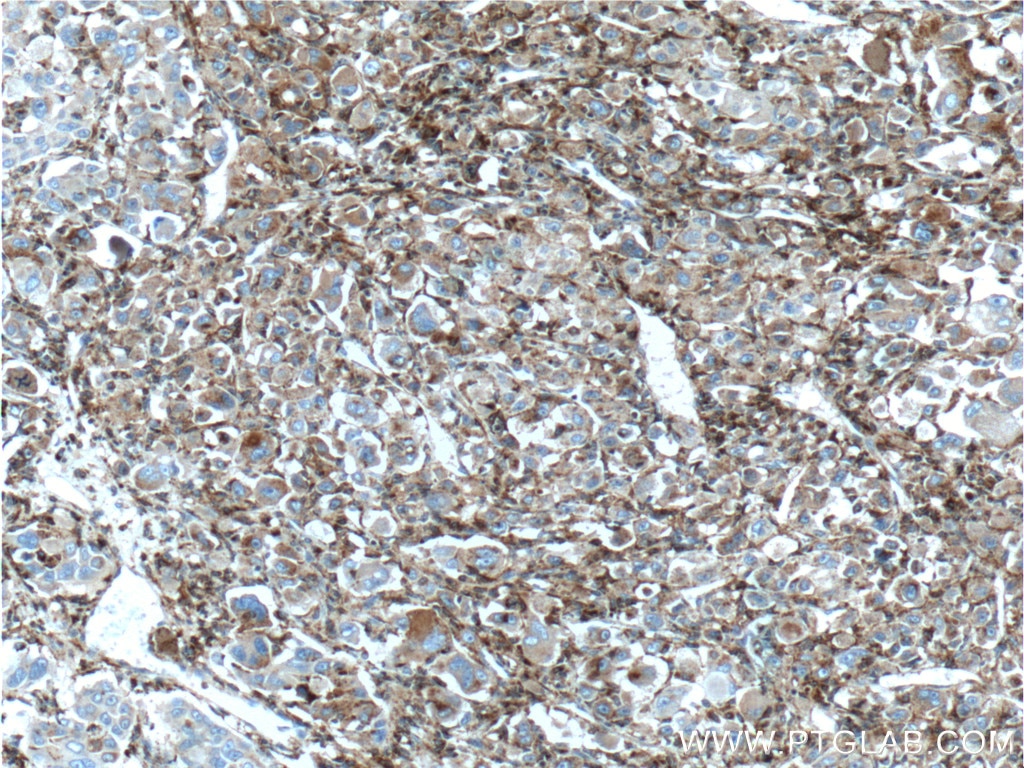
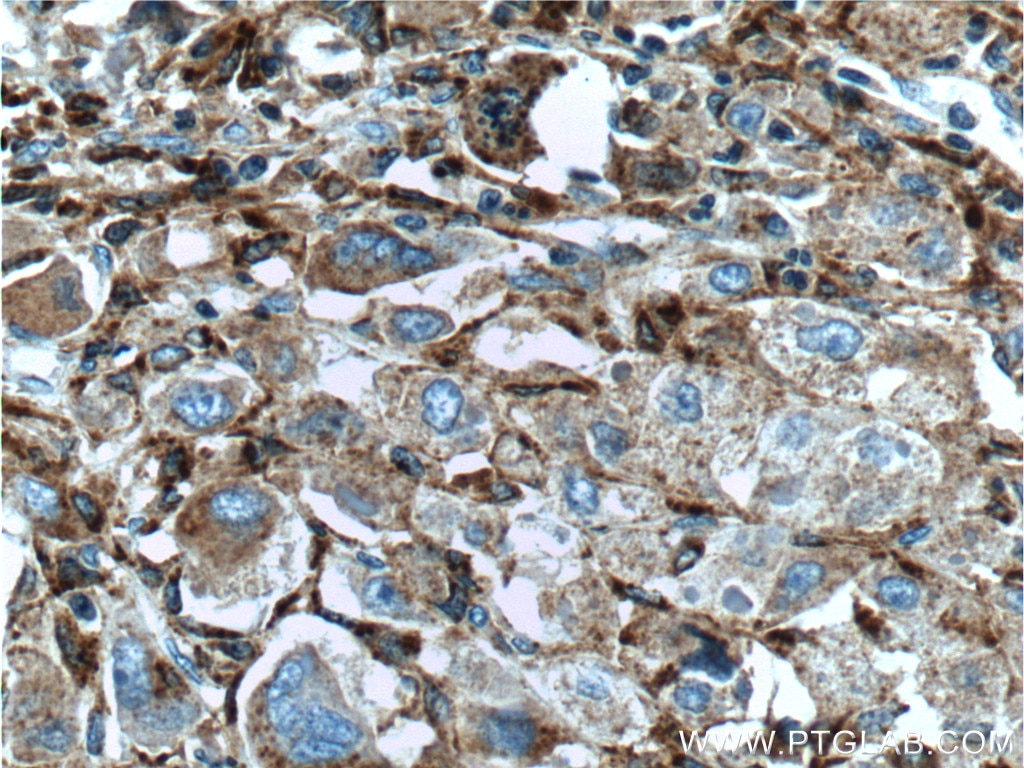
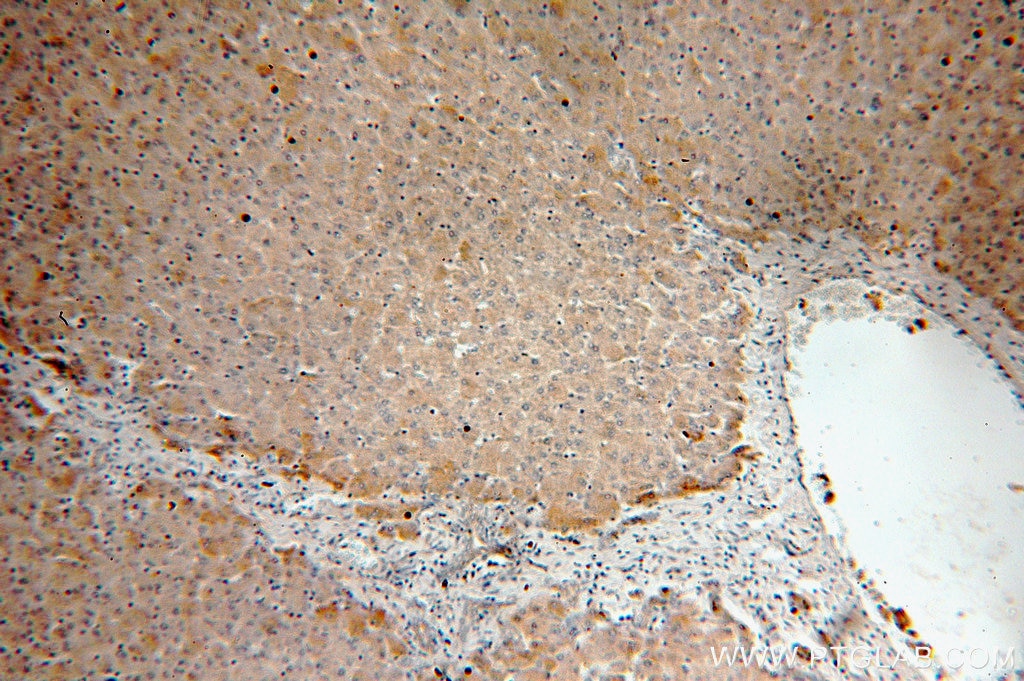
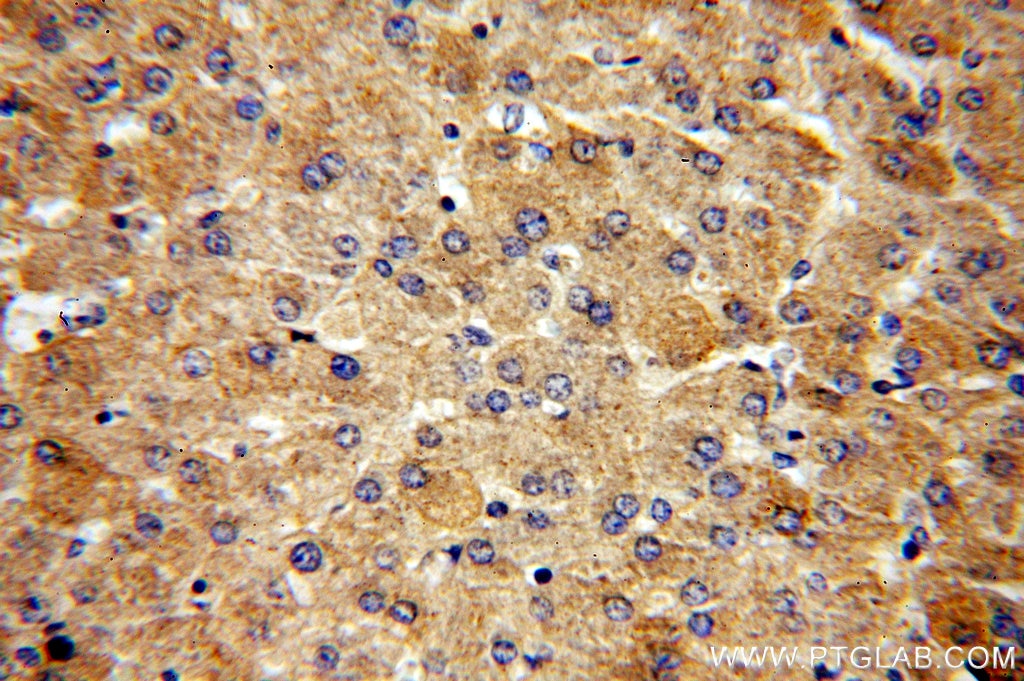
| Positive IHC detected in | human liver cancer tissue, human liver tissue, mouse liver tissue Note: suggested antigen retrieval with TE buffer pH 9.0; (*) Alternatively, antigen retrieval may be performed with citrate buffer pH 6.0 |
Recommended dilution
| Application | Dilution |
|---|---|
| Western Blot (WB) | WB : 1:500-1:3000 |
| Immunoprecipitation (IP) | IP : 0.5-4.0 ug for 1.0-3.0 mg of total protein lysate |
| Immunohistochemistry (IHC) | IHC : 1:250-1:1000 |
| It is recommended that this reagent should be titrated in each testing system to obtain optimal results. | |
| Sample-dependent, Check data in validation data gallery. | |
Product Information
15428-1-AP targets Alpha Galactosidase A in WB, IHC, IF, IP, ELISA applications and shows reactivity with human samples.
| Tested Reactivity | human |
| Cited Reactivity | human, rat |
| Host / Isotype | Rabbit / IgG |
| Class | Polyclonal |
| Type | Antibody |
| Immunogen |
CatNo: Ag7609 Product name: Recombinant human GLA protein Source: e coli.-derived, PGEX-4T Tag: GST Domain: 81-425 aa of BC002689 Sequence: WKDAGYEYLCIDDCWMAPQRDSEGRLQADPQRFPHGIRQLANYVHSKGLKLGIYADVGNKTCAGFPGSFGYYDIDAQTFADWGVDLLKFDGCYCDSLENLADGYKHMSLALNRTGRSIVYSCEWPLYMWPFQKPNYTEIRQYCNHWRNFADIDDSWKSIKSILDWTSFNQERIVDVAGPGGWNDPDMLVIGNFGLSWNQQVTQMALWAIMAAPLFMSNDLRHISPQAKALLQDKDVIAINQDPLGKQGYQLRQGDNFEVWERPLSGLAWAVAMINRQEIGGPRSYTIAVASLGKGVACNPACFITQLLPVKRKLGFYEWTSRLRSHINPTGTVLLQLENTMQMSL Predict reactive species |
| Full Name | galactosidase, alpha |
| Calculated Molecular Weight | 49 kDa |
| Observed Molecular Weight | 46-50 kDa |
| GenBank Accession Number | BC002689 |
| Gene Symbol | GLA |
| Gene ID (NCBI) | 2717 |
| RRID | AB_10638002 |
| Conjugate | Unconjugated |
| Form | Liquid |
| Purification Method | Antigen affinity purification |
| UNIPROT ID | P06280 |
| Storage Buffer | PBS with 0.02% sodium azide and 50% glycerol, pH 7.3. |
| Storage Conditions | Store at -20°C. Stable for one year after shipment. Aliquoting is unnecessary for -20oC storage. 20ul sizes contain 0.1% BSA. |
Background Information
GLA (Alpha-galactosidase A), also named as Melibiase or Agalsidase, belongs to the glycosyl hydrolase 27 family. It catalyzes the hydrolysis of terminal, non-reducing alpha-D-galactose residues in alpha-D-galactosides, including galactose oligosaccharides, galactomannans and galactolipids. The deficient activity of GLA can cause Fabry disease which is an X-linked inborn error of glycosphingolipid metabolis (PMID: 19287194). Enzyme replacement therapy (ERT) with GLA is currently the most effective therapeutic strategy for patients with Fabry disease (PMID: 20398385). In humans, GLA is synthesized as a 50 kDa precursor, which is further processed to a 46 kDa mature form of the protein (PMID: 9883849, 19387866). It also has a homodimer form with the molecular mass of 110 kDa (PMID: 17287429).
Protocols
| Product Specific Protocols | |
|---|---|
| IHC protocol for Alpha Galactosidase A antibody 15428-1-AP | Download protocol |
| IP protocol for Alpha Galactosidase A antibody 15428-1-AP | Download protocol |
| WB protocol for Alpha Galactosidase A antibody 15428-1-AP | Download protocol |
| Standard Protocols | |
|---|---|
| Click here to view our Standard Protocols |
Publications
What published studies show
The Alpha Galactosidase A Polyclonal antibody (catalog number 15428-1-AP) has 4 total citations. These appear in Advanced Materials, Journal of Extracellular Vesicles, Orphanet Journal of Rare Disease, and Frontiers in Oncology. The associated research fields include intervertebral disc degeneration, lysosomal storage disorders, Fabry disease, and esophageal squamous cell carcinoma progression.
| Species | Application | Title |
|---|---|---|
Adv Mater Sequential Targeted Enzyme-Instructed Self-Assembly Supramolecular Nanofibers to Attenuate Intervertebral Disc Degeneration | ||
J Extracell Vesicles Extracellular vesicles from recombinant cell factories improve the activity and efficacy of enzymes defective in lysosomal storage disorders.
| ||
Orphanet J Rare Dis Deep characterization of the anti-drug antibodies developed in Fabry disease patients, a prospective analysis from the French multicenter cohort FFABRY. | ||
Front Oncol GLA is associated with ESCC progression and chemotherapy response via DNA damage repair-related pathways. |

















