

Tested Applications
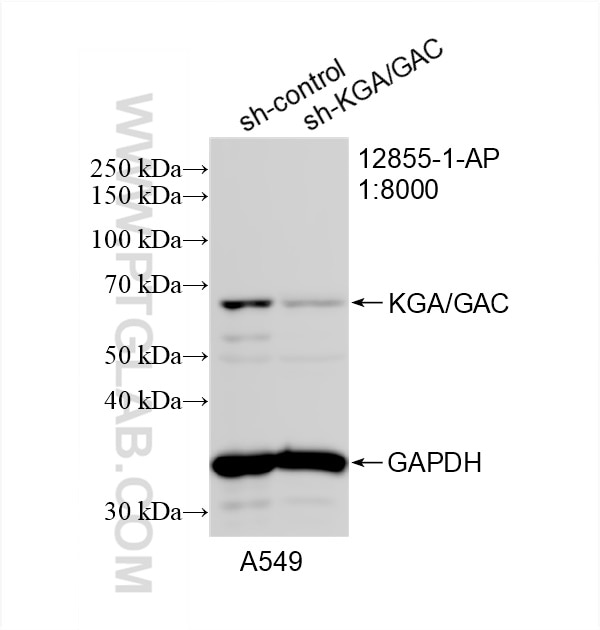
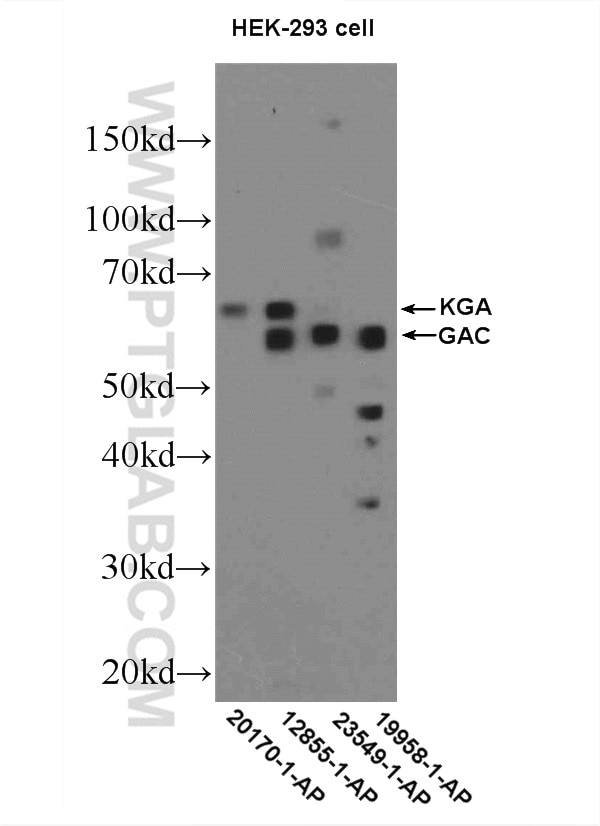
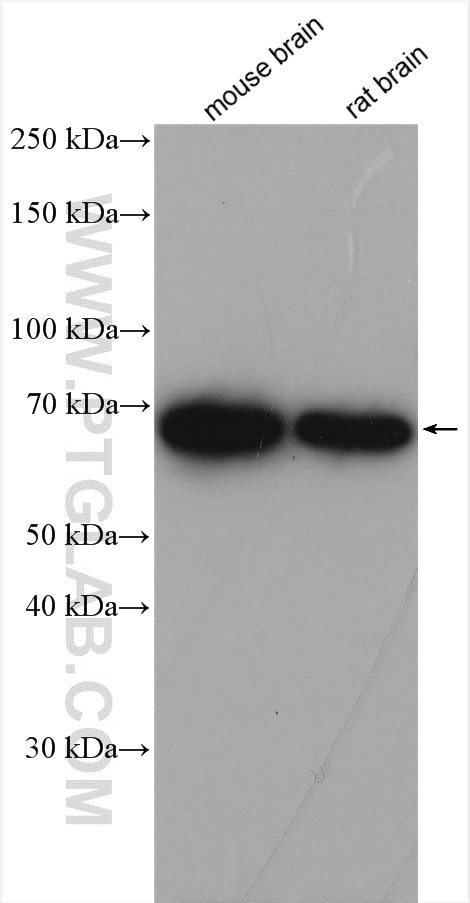
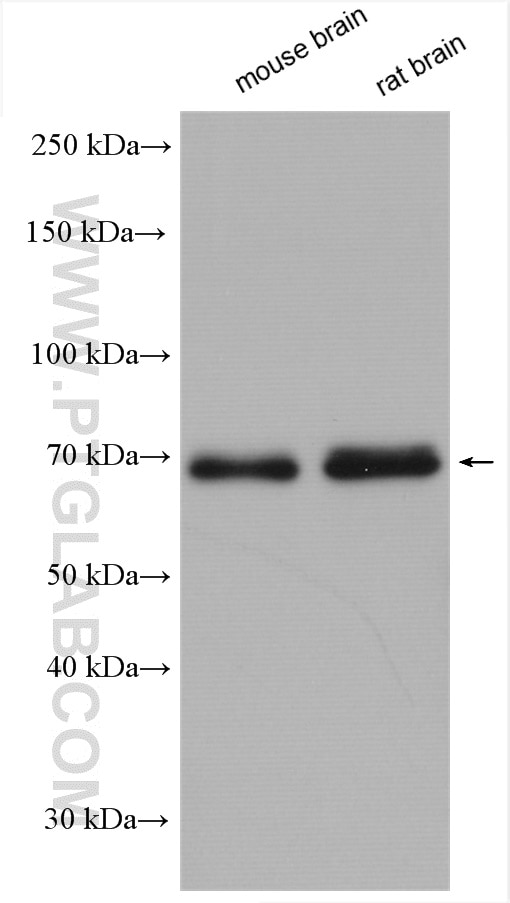
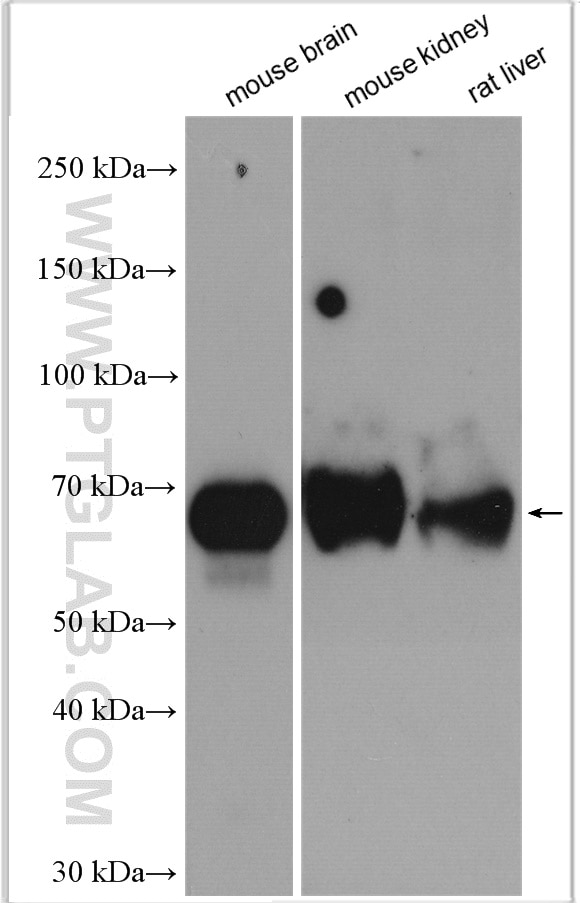
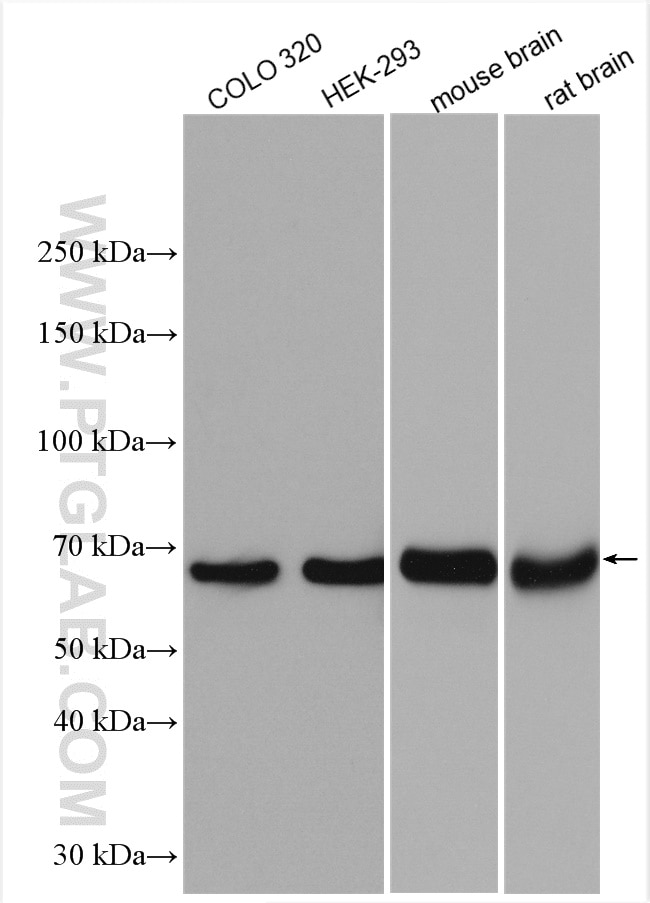
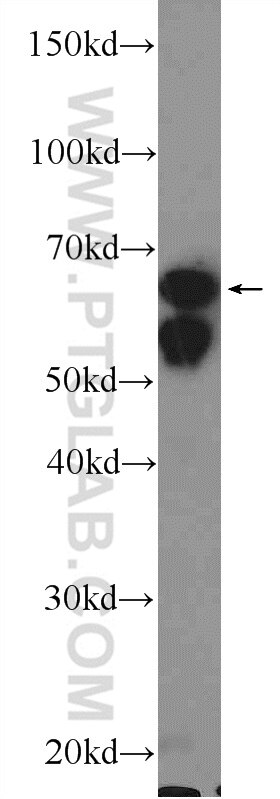
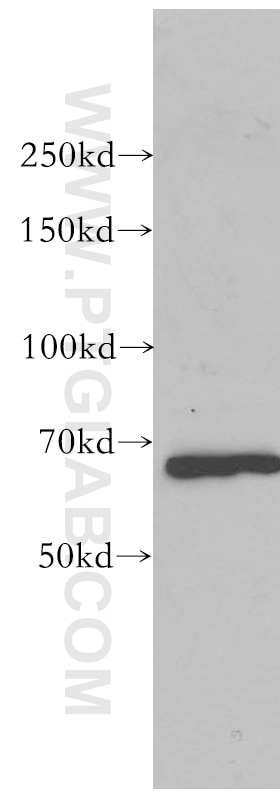
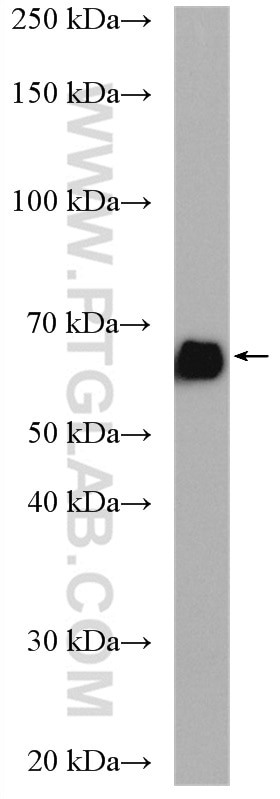
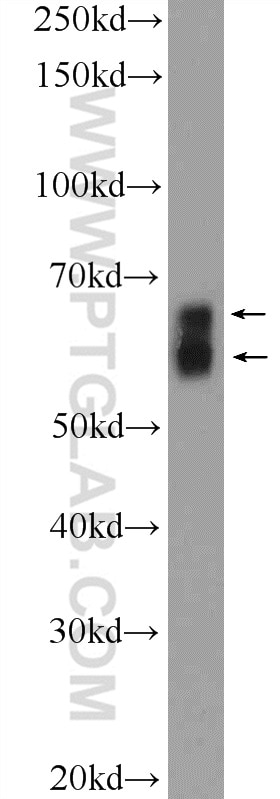
| Positive WB detected in | mouse brain tissue, A549 cells, COLO 320 cells, HEK-293 cells, mouse kidney tissue, rat brain tissue, rat liver tissue |
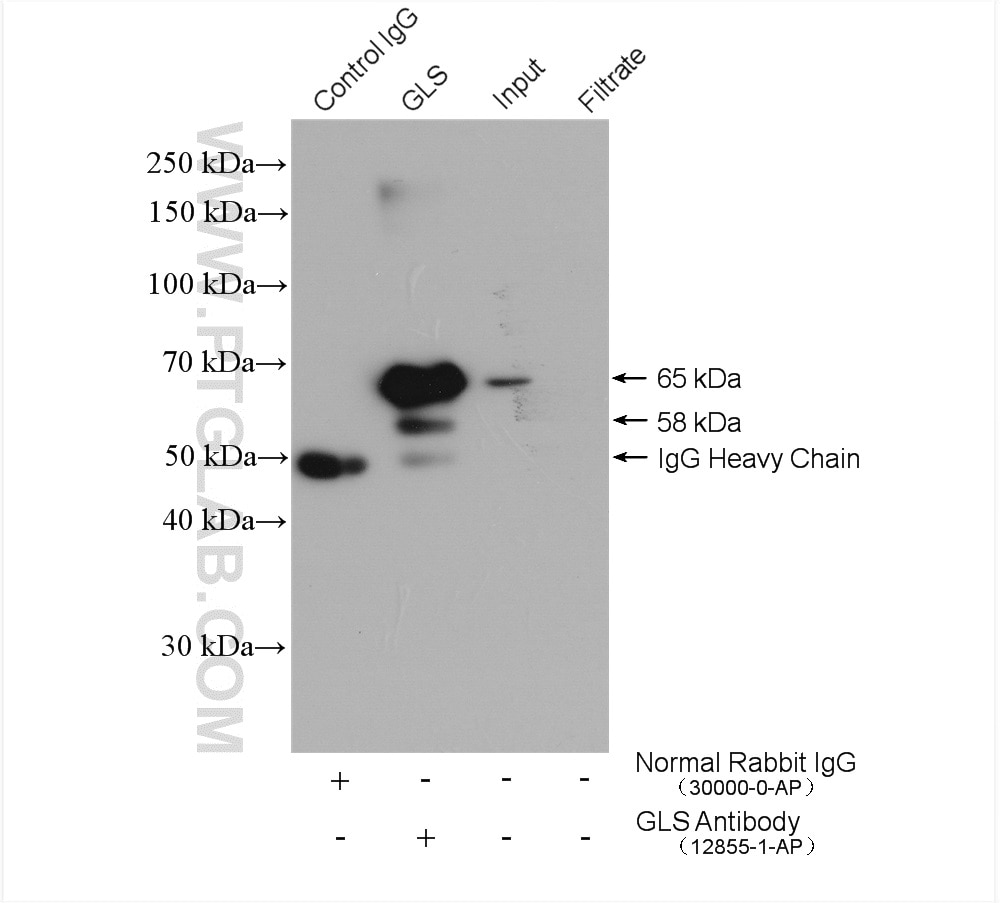
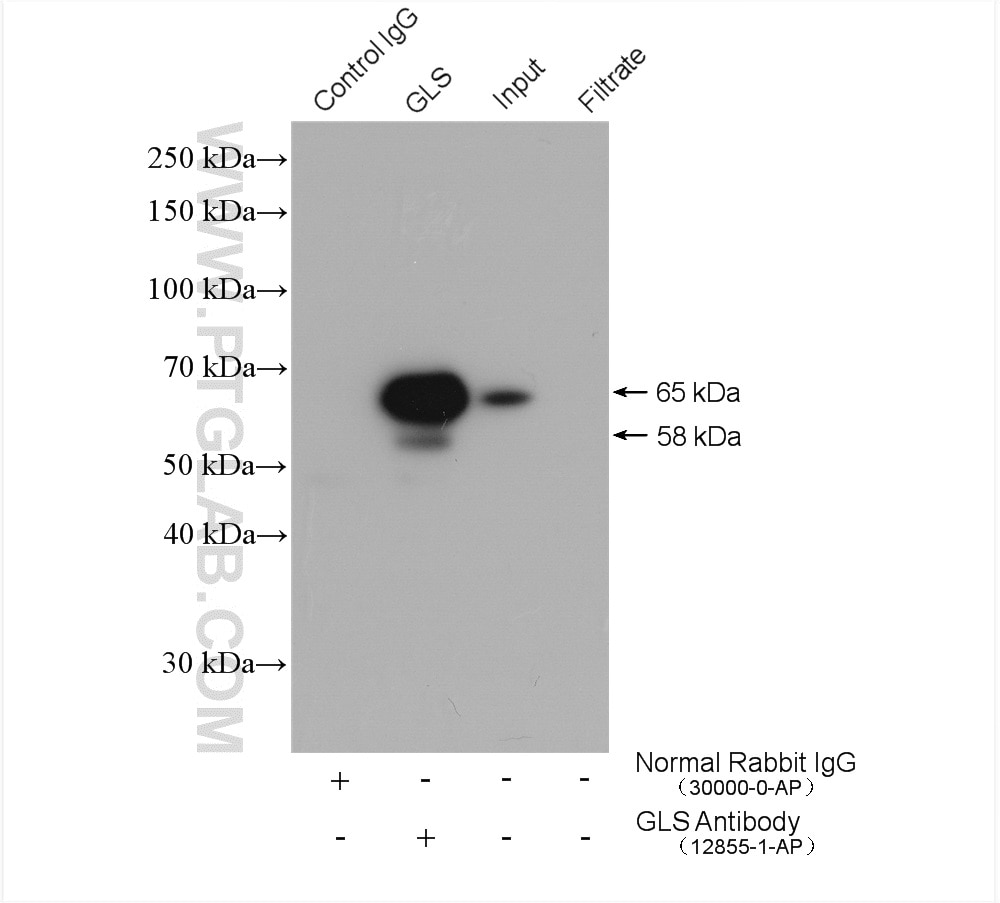
| Positive IP detected in | mouse brain tissue |
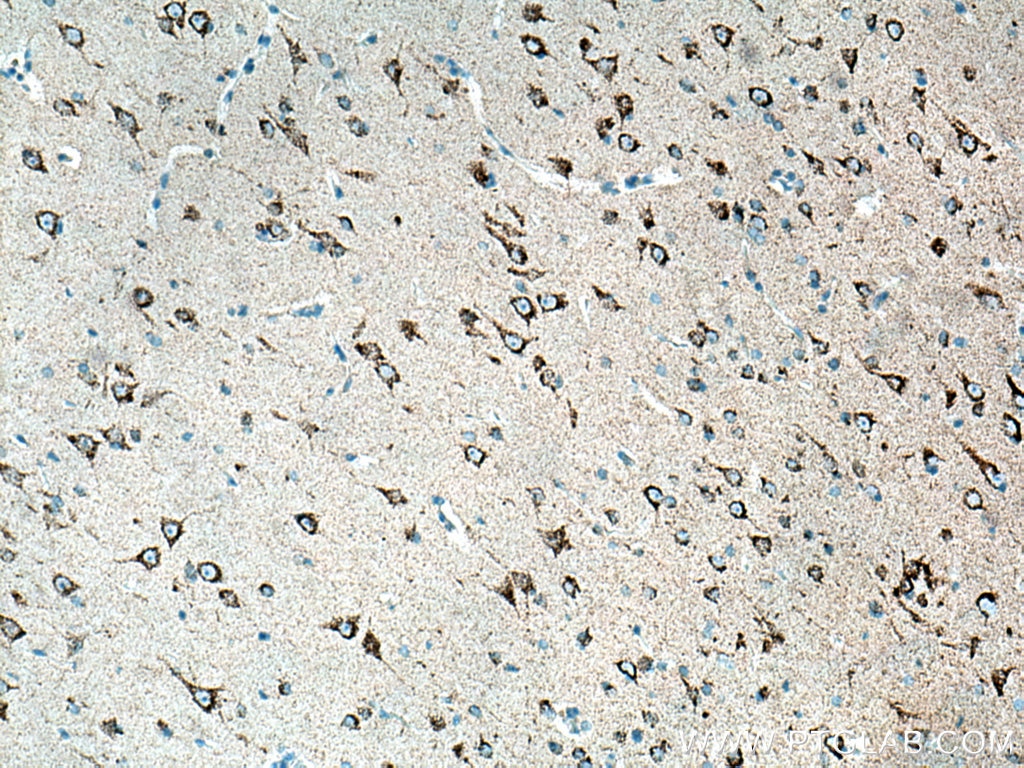
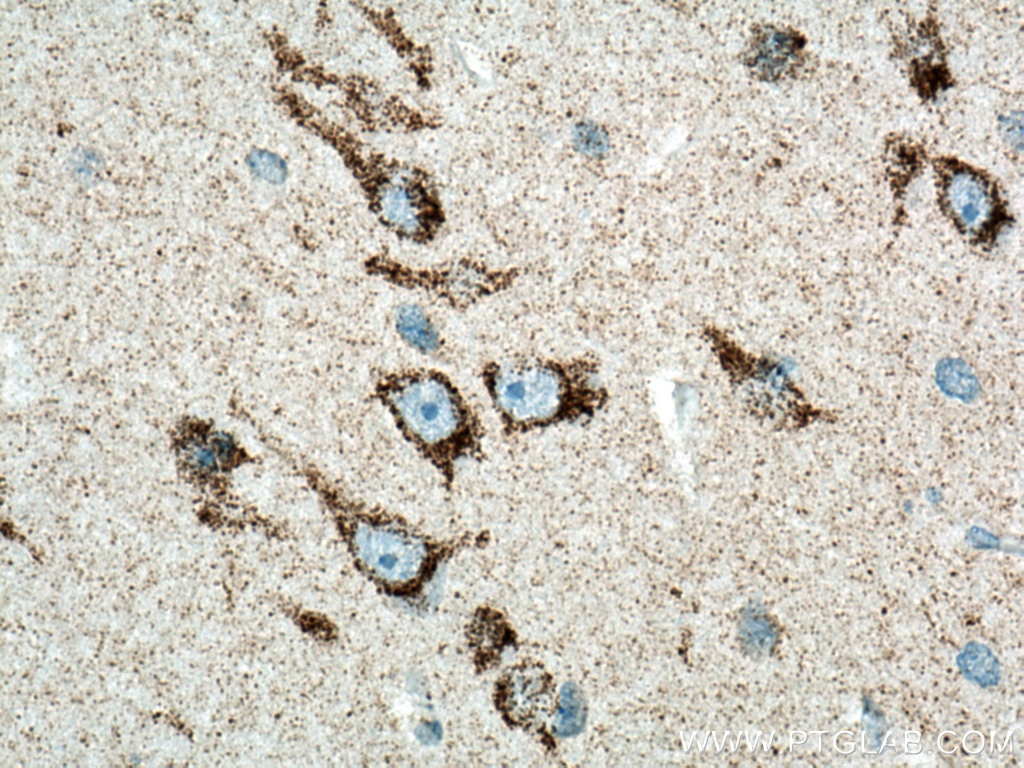
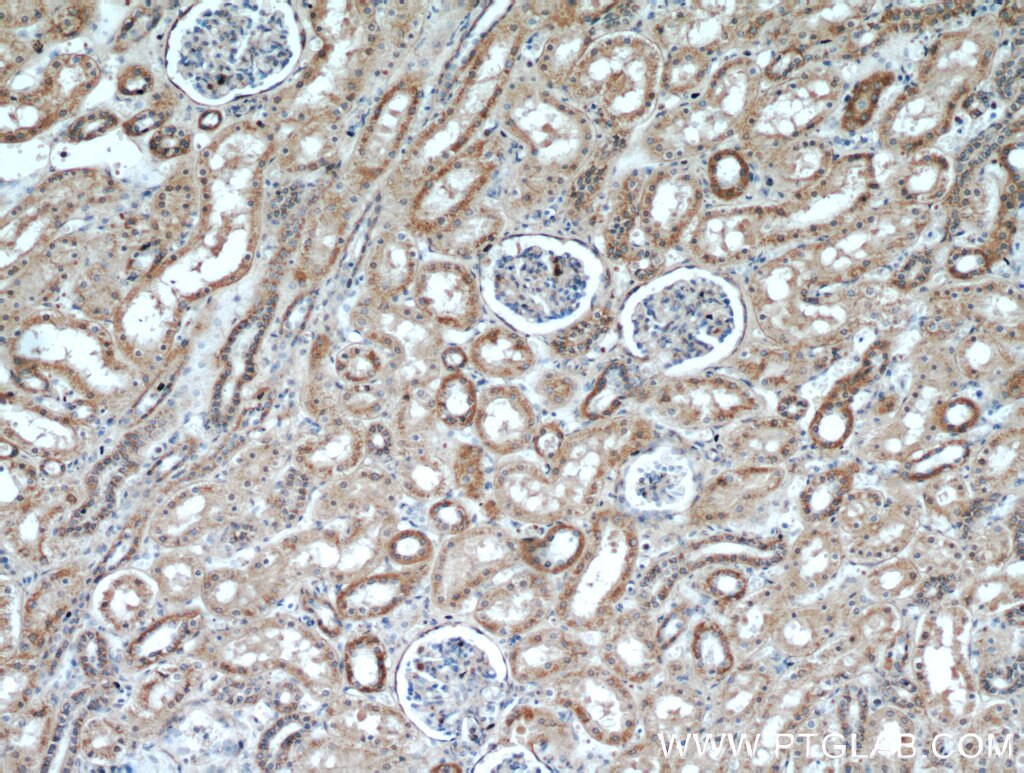
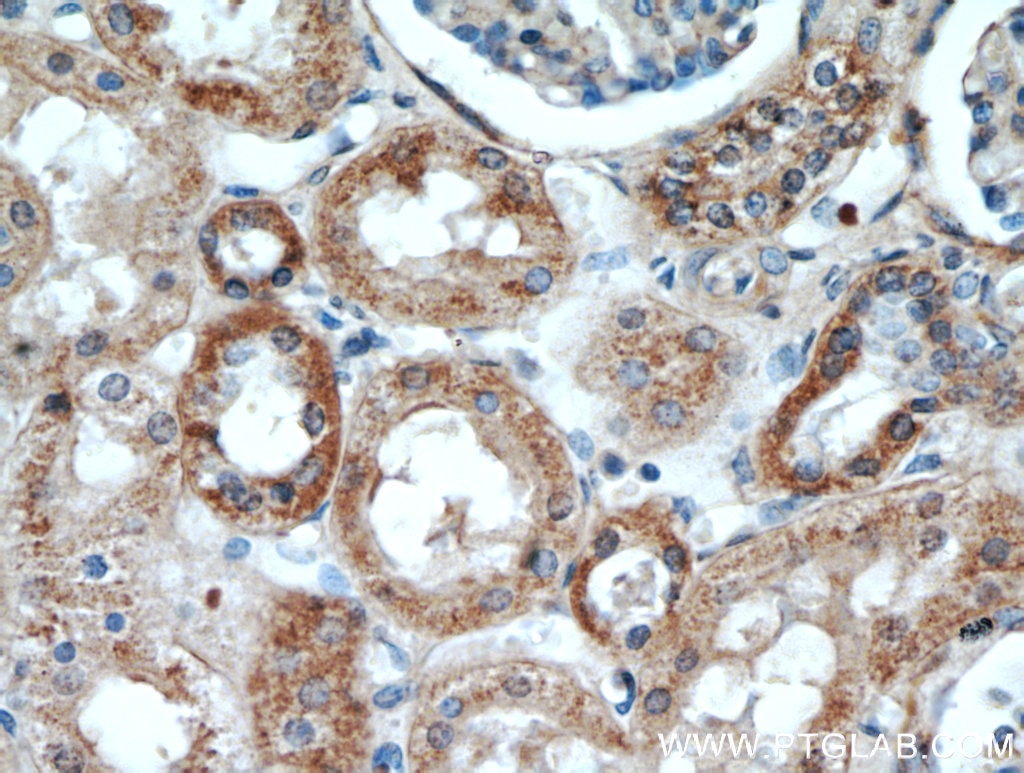
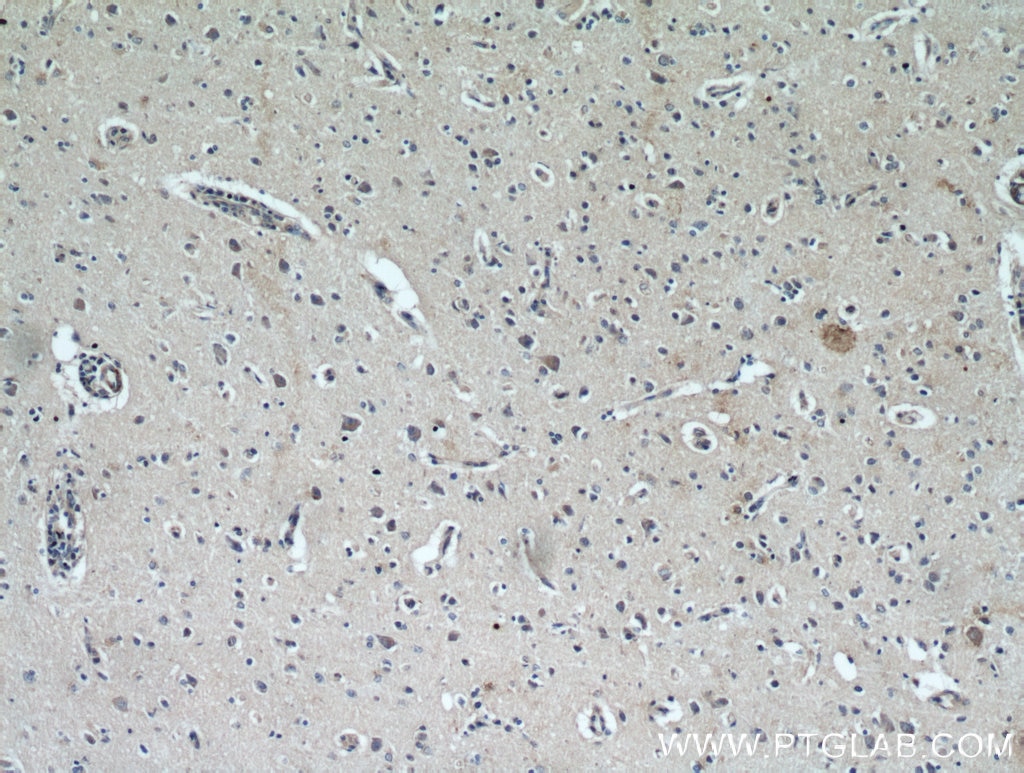
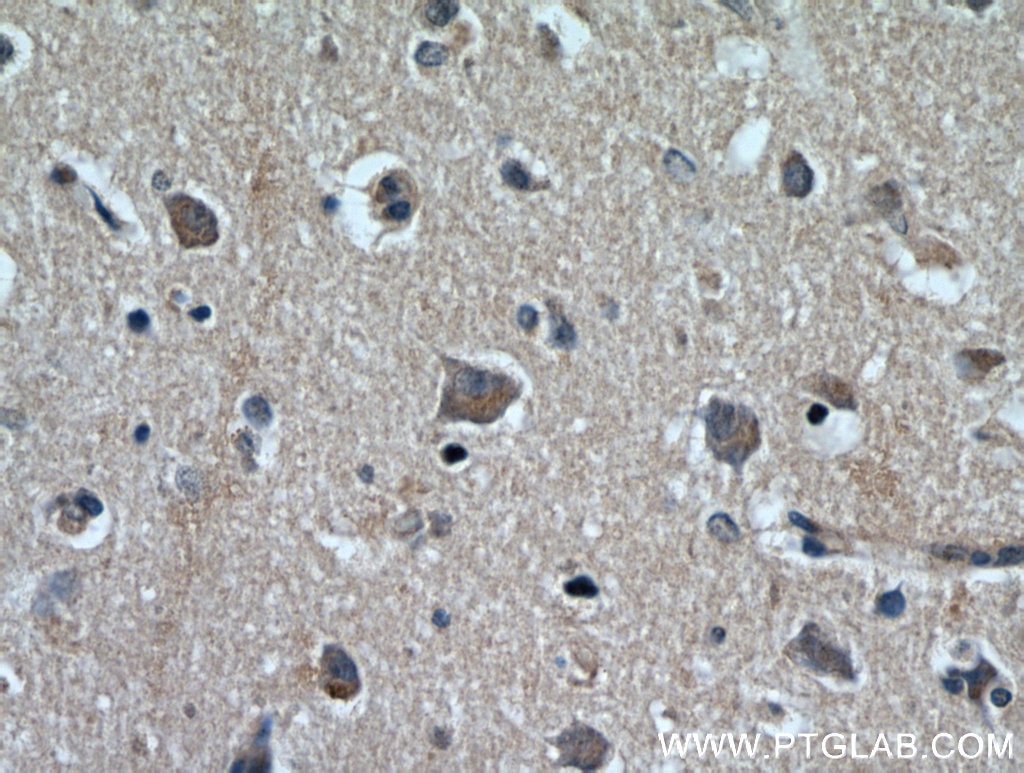
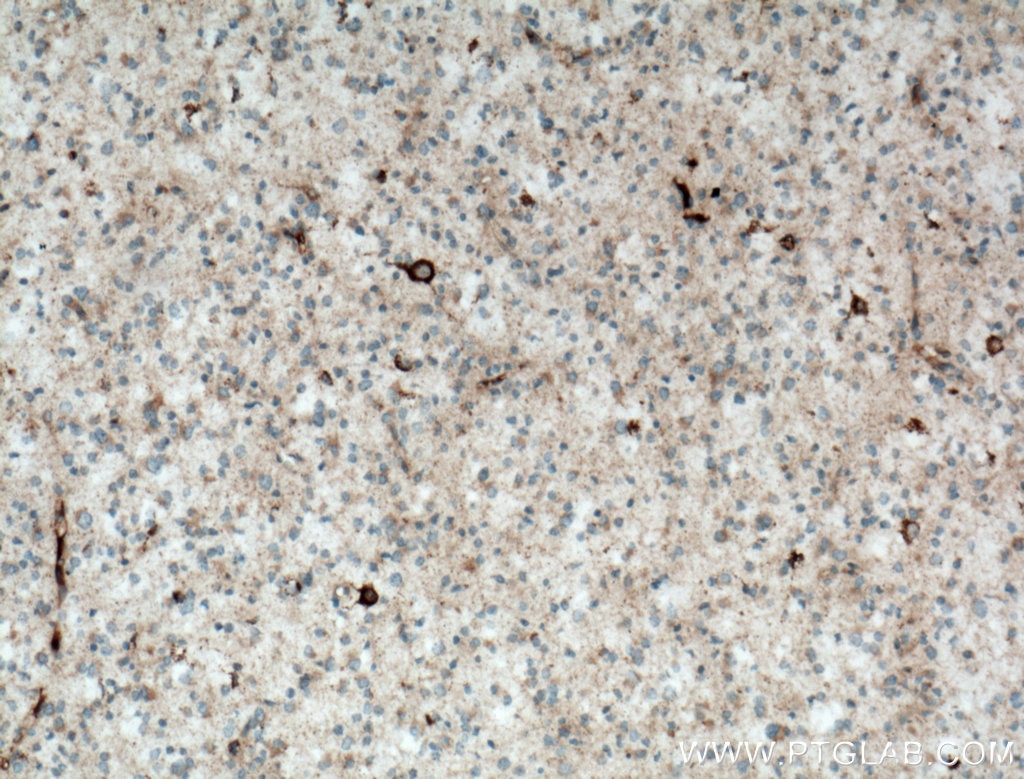
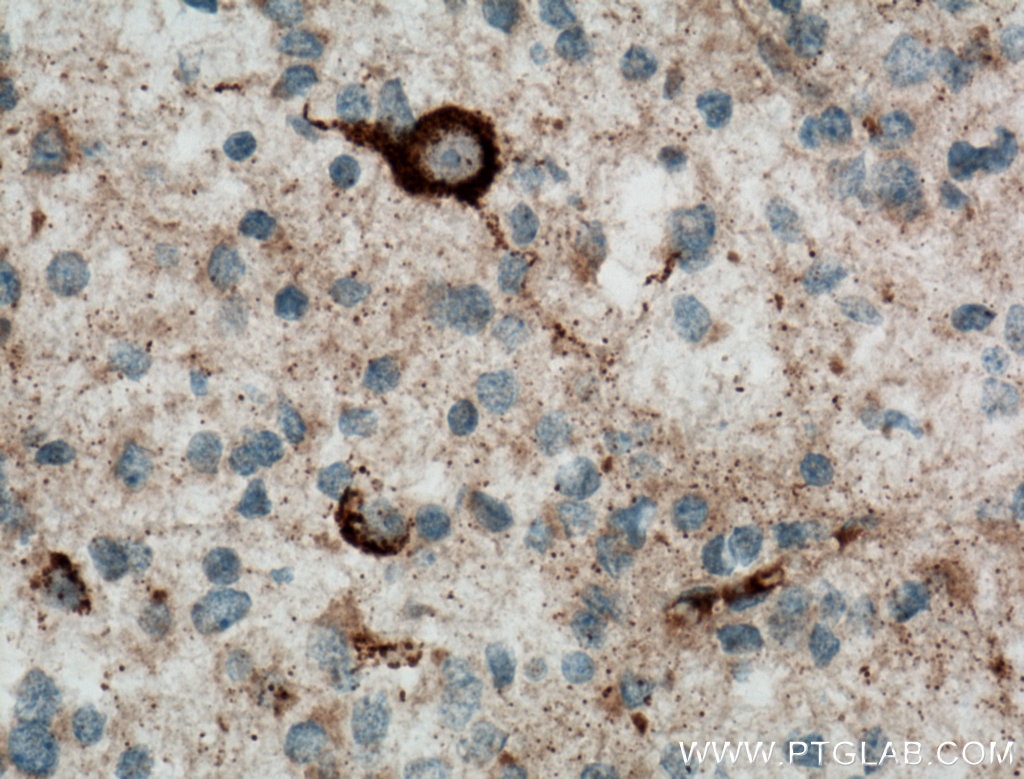
| Positive IHC detected in | human gliomas tissue, human kidney tissue, human brain tissue Note: suggested antigen retrieval with TE buffer pH 9.0; (*) Alternatively, antigen retrieval may be performed with citrate buffer pH 6.0 |
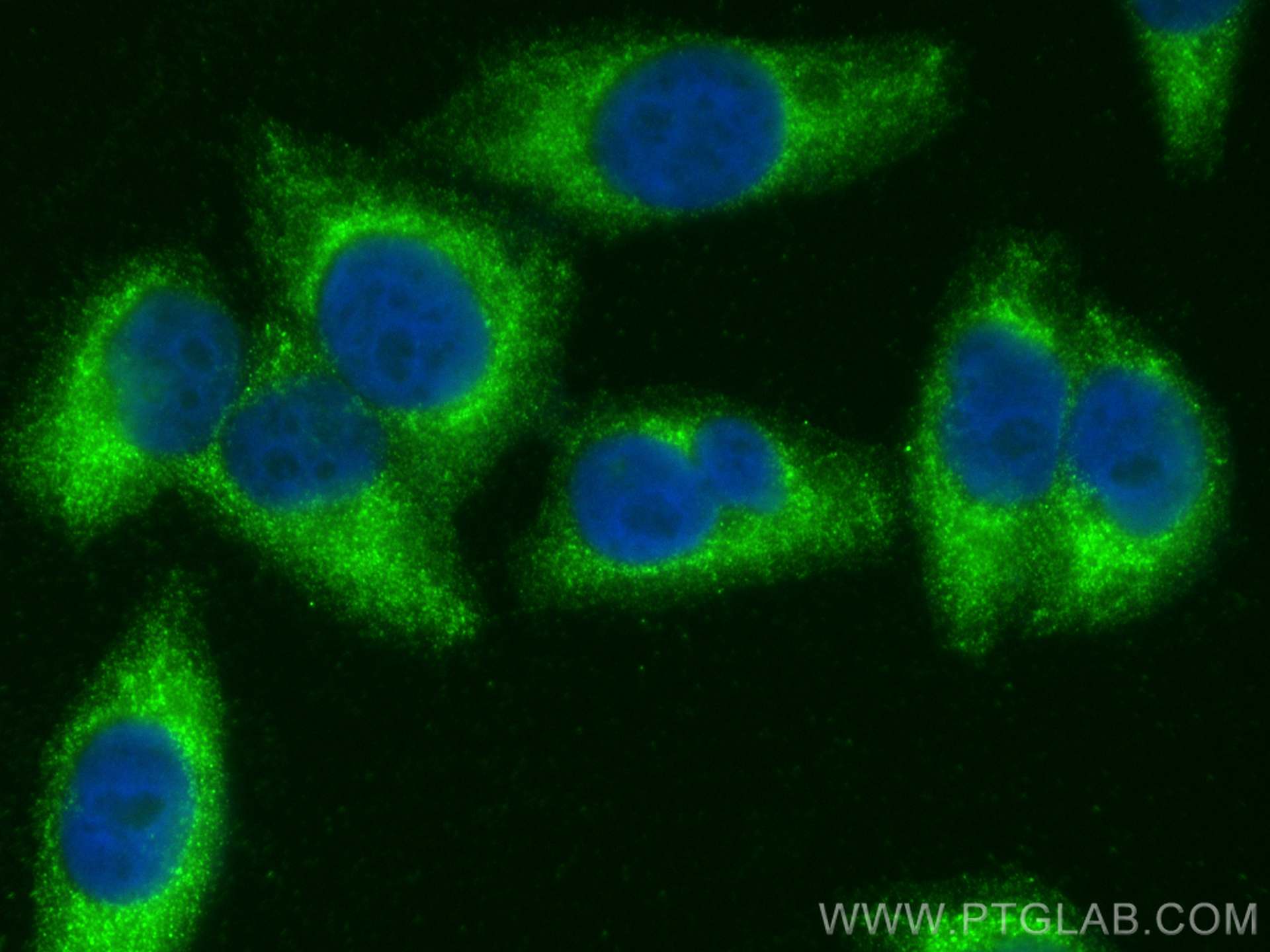
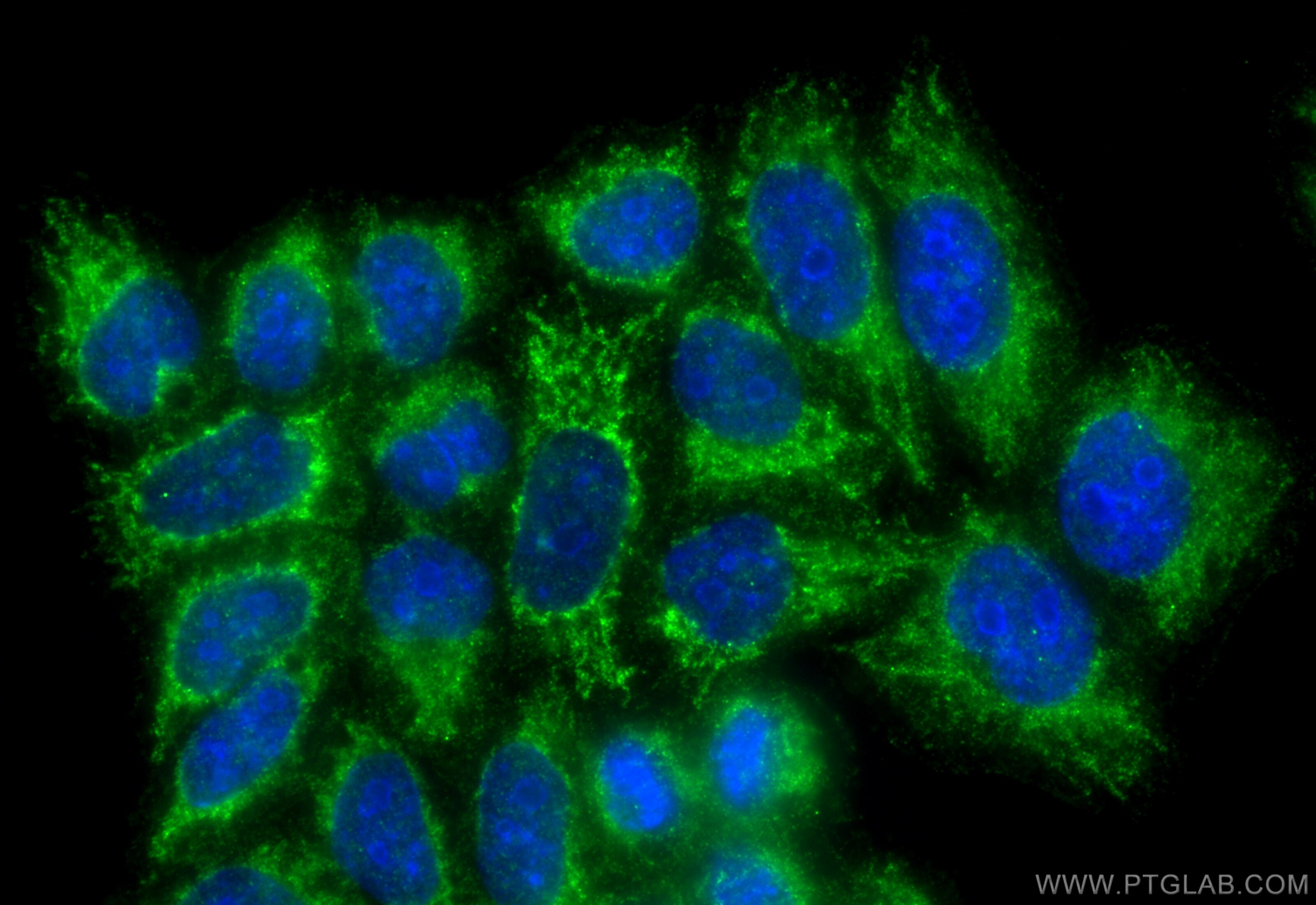
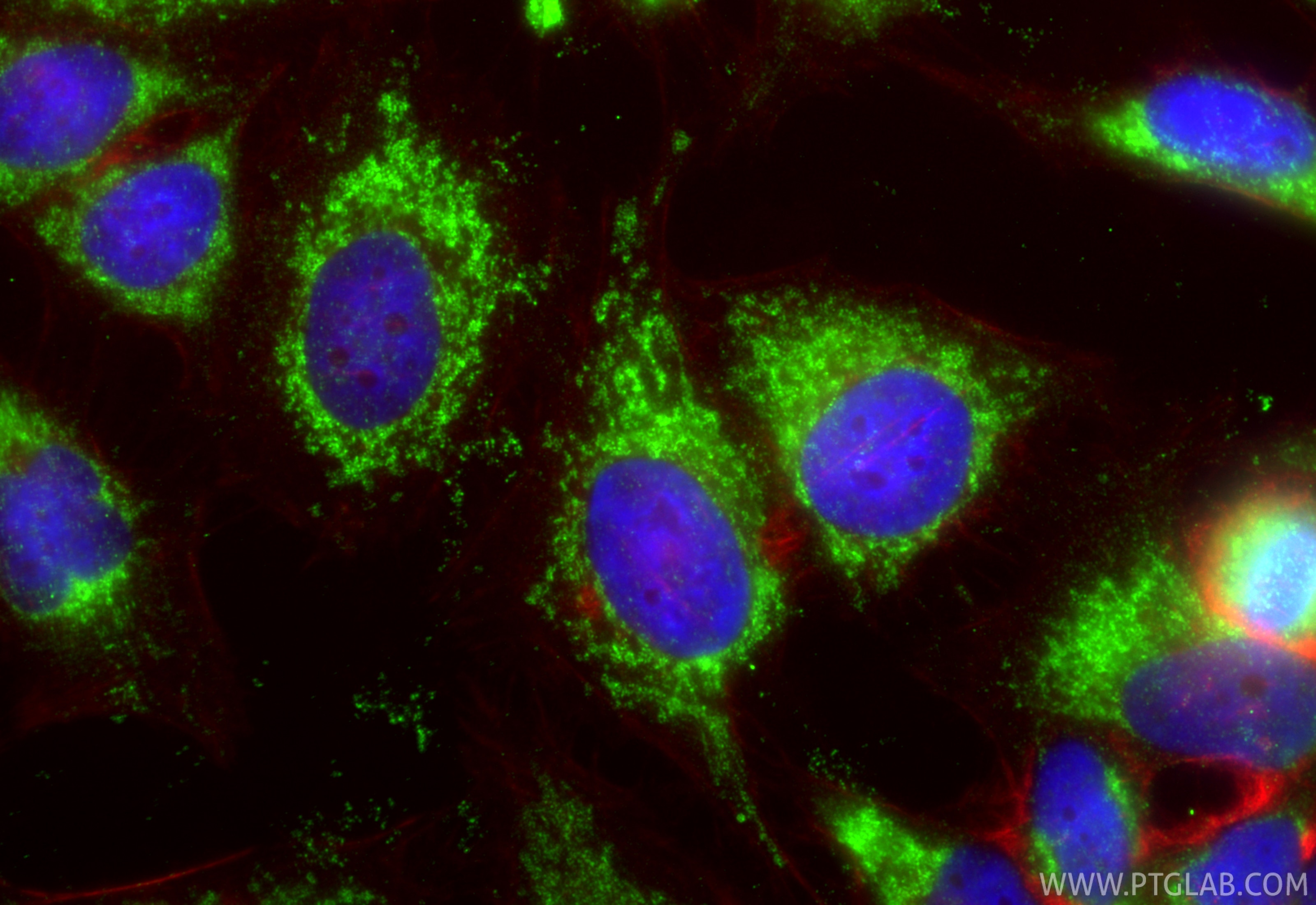
| Positive IF/ICC detected in | L02 cells, HeLa cells |
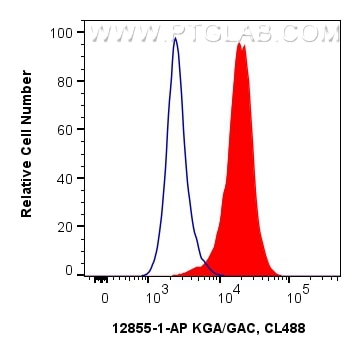
| Positive FC (Intra) detected in | HeLa cells |
Recommended dilution
| Application | Dilution |
|---|---|
| Western Blot (WB) | WB : 1:5000-1:50000 |
| Immunoprecipitation (IP) | IP : 0.5-4.0 ug for 1.0-3.0 mg of total protein lysate |
| Immunohistochemistry (IHC) | IHC : 1:50-1:500 |
| Immunofluorescence (IF)/ICC | IF/ICC : 1:50-1:500 |
| Flow Cytometry (FC) (INTRA) | FC (INTRA) : 0.40 ug per 10^6 cells in a 100 µl suspension |
| It is recommended that this reagent should be titrated in each testing system to obtain optimal results. | |
| Sample-dependent, Check data in validation data gallery. | |
Product Information
12855-1-AP targets KGA/GAC in WB, IHC, IF/ICC, FC (Intra), IP, CoIP, ELISA applications and shows reactivity with human, mouse, rat samples.
| Tested Reactivity | human, mouse, rat |
| Cited Reactivity | human, mouse, rat, bovine, cat |
| Host / Isotype | Rabbit / IgG |
| Class | Polyclonal |
| Type | Antibody |
| Immunogen |
CatNo: Ag3505 Product name: Recombinant human GLS protein Source: e coli.-derived, PGEX-4T Tag: GST Domain: 370-669 aa of BC038507 Sequence: YVGFSNATFQSERESGDRNFAIGYYLKEKKCFPEGTDMVGILDFYFQLCSIEVTCESASVMAATLANGGFCPITGERVLSPEAVRNTLSLMHSCGMYDFSGQFAFHVGLPAKSGVAGGILLVVPNVMGMMCWSPPLDKMGNSVKGIHFCHDLVSLCNFHNYDNLRHFAKKLDPRREGGDQRVKSVINLLFAAYTGDVSALRRFALSAMDMEQRDYDSRTALHVAAAEGHVEVVKFLLEACKVNPFPKDRWNNTPMDEALHFGHHDVFKILQEYQVQYTPQGDSDNGKENQTVHKNLDGLL Predict reactive species |
| Full Name | glutaminase |
| Calculated Molecular Weight | 669 aa, 73 kDa |
| Observed Molecular Weight | 58 kDa, 65 kDa |
| GenBank Accession Number | BC038507 |
| Gene Symbol | GLS |
| Gene ID (NCBI) | 2744 |
| RRID | AB_2110381 |
| Conjugate | Unconjugated |
| Form | Liquid |
| Purification Method | Antigen affinity purification |
| UNIPROT ID | O94925 |
| Storage Buffer | PBS with 0.02% sodium azide and 50% glycerol, pH 7.3. |
| Storage Conditions | Store at -20°C. Stable for one year after shipment. Aliquoting is unnecessary for -20oC storage. 20ul sizes contain 0.1% BSA. |
Background Information
GLS, also named as GLS1 and KIAA0838, belongs to the glutaminase family. It catalyzes the first reaction in the primary pathway for the renal catabolism of glutamine. Glutaminase-, glutamate-, and taurine-immunoreactive neurons develop neurofibrillary tangles in Alzheimer's disease(PMID:1672808).The glutaminase band in AA/C1 cells is more intense than in HT29 cells, in accordance with measurements of glutaminase activity, and had the same molecular mass of approx. 63 kDa. The bands for both cell lines are clearly different in size from both rat liver glutaminase (58 kDa) and rat kidney glutaminase (65 kDa)(PMID:12408749). It also reveals a molecular weight of 83-84 kDa as a phosphate-dependent glutaminase(PMID:447624;7512428). It has 3 isoforms named as KGA, GAM, GAC. This antibody can recognize KGA and GAC.
Protocols
| Product Specific Protocols | |
|---|---|
| FC protocol for KGA/GAC antibody 12855-1-AP | Download protocol |
| IF protocol for KGA/GAC antibody 12855-1-AP | Download protocol |
| IHC protocol for KGA/GAC antibody 12855-1-AP | Download protocol |
| IP protocol for KGA/GAC antibody 12855-1-AP | Download protocol |
| WB protocol for KGA/GAC antibody 12855-1-AP | Download protocol |
| Standard Protocols | |
|---|---|
| Click here to view our Standard Protocols |
Publications
What published studies show
The KGA/GAC Polyclonal antibody (Cat# 12855-1-AP) has accumulated 154 citations published in high-impact journals including Nature, Cell, Cell Metabolism, Cell Research, Nature Communications, PNAS, Molecular Cell, Gastroenterology, and the Journal of Clinical Investigation. Associated research fields encompass glutamine metabolism and metabolic reprogramming, oncology (colorectal, liver, pancreatic, lung, and brain cancers), neuroscience (Alzheimer's disease, stroke, neuroinflammation), immunology, pulmonary fibrosis, bone biology, mitochondrial function, aging, and reproductive biology.
| Species | Application | Title |
|---|---|---|
Cell Glia-to-Neuron Conversion by CRISPR-CasRx Alleviates Symptoms of Neurological Disease in Mice. | ||
Cell Metab Aging-induced tRNAGlu-derived fragment impairs glutamate biosynthesis by targeting mitochondrial translation-dependent cristae organization | ||
Cell Metab Rewiring of Glutamine Metabolism Is a Bioenergetic Adaptation of Human Cells with Mitochondrial DNA Mutations. | ||
Cell Res Glutaminase GLS1 senses glutamine availability in a non-enzymatic manner triggering mitochondrial fusion.
|
Reviews
What customers say
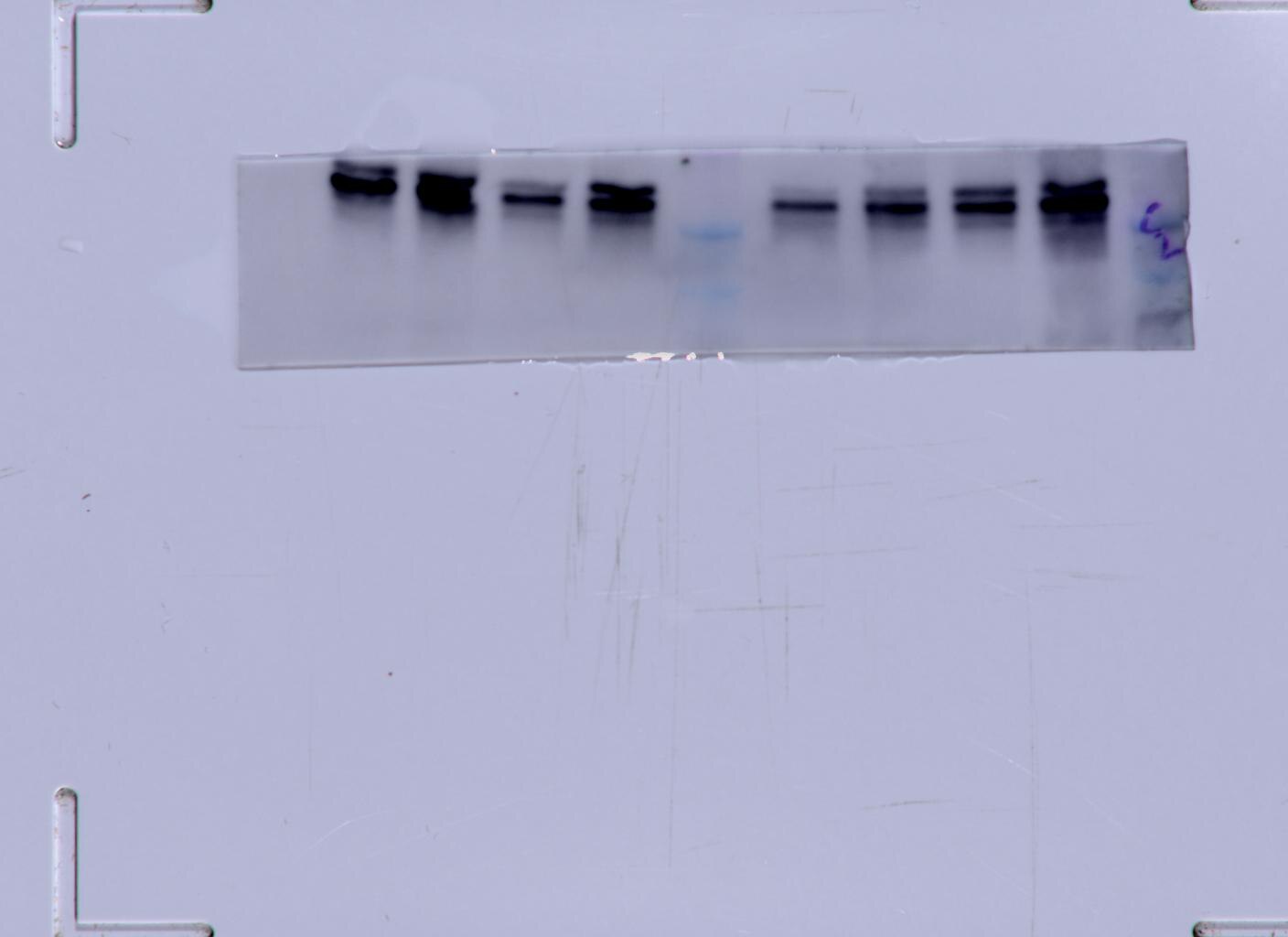
The single available review rates the antibody 4 out of 5 stars. It was used for Western Blot on H69, HUCCT-1 cells and rat liver tissue at a 1:1000 dilution in BSA+TBST. The reviewer reported that the antibody works well for both human and mouse proteins and found the 1:1000 dilution to be effective. Overall, the feedback is positive, highlighting reliable performance across species and ease of use at a standard dilution.
The reviews below have been submitted by verified Proteintech customers who received an incentive for providing their feedback.
Kishor (Verified Customer) (01-13-2020) | Anti body works for human and mouse proteins. 1:1000 dilution in BSA+TBST is good.
 |

























