
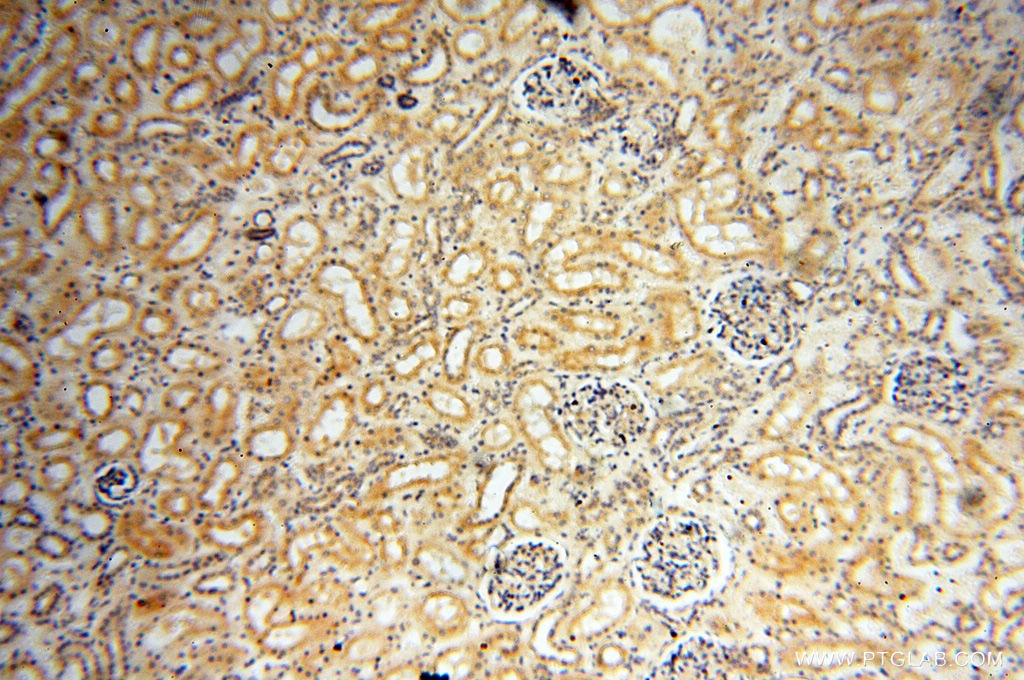
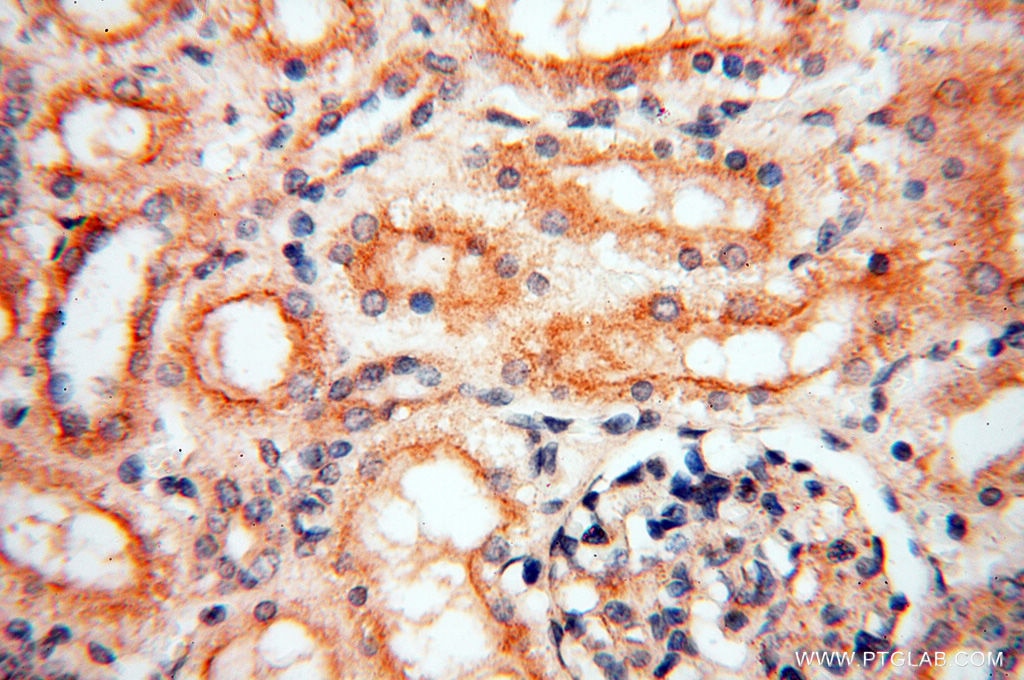
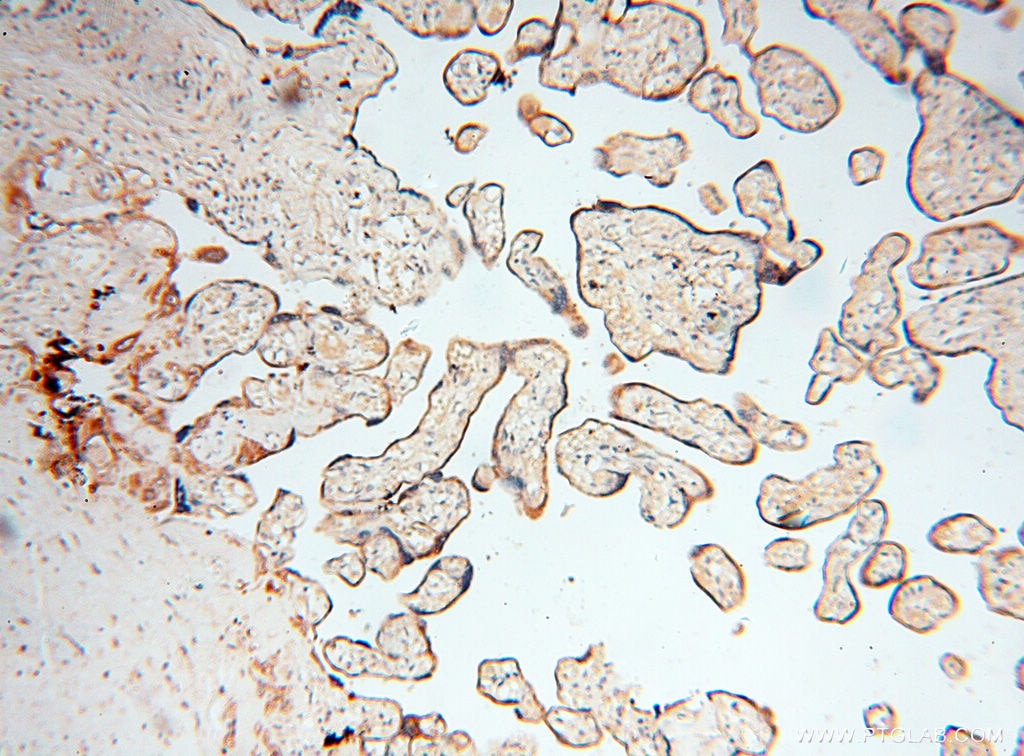
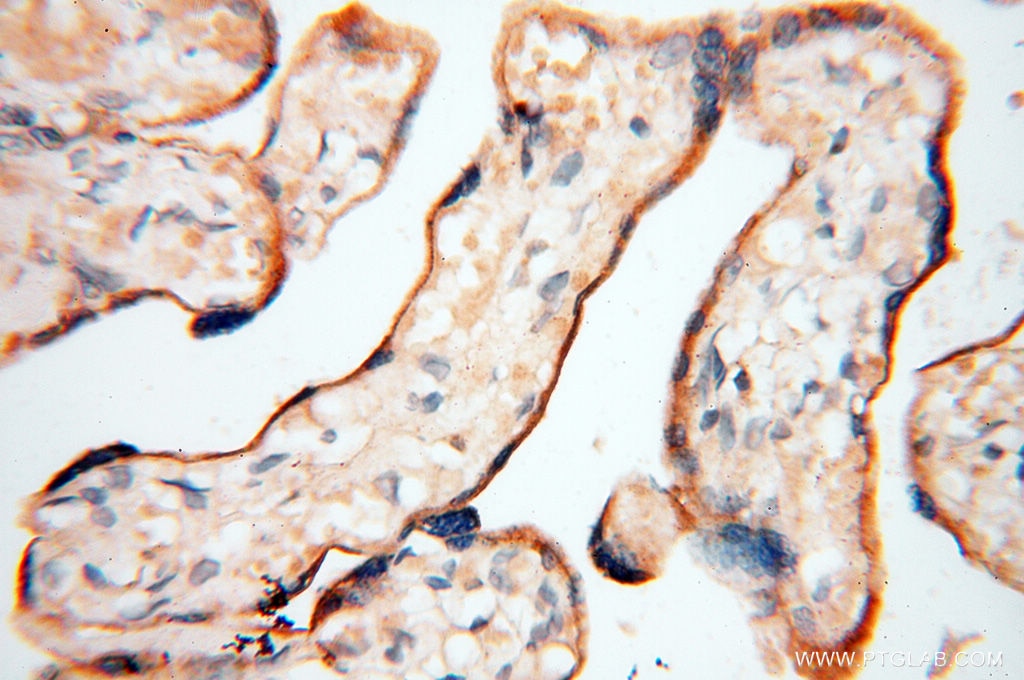


Tested Applications
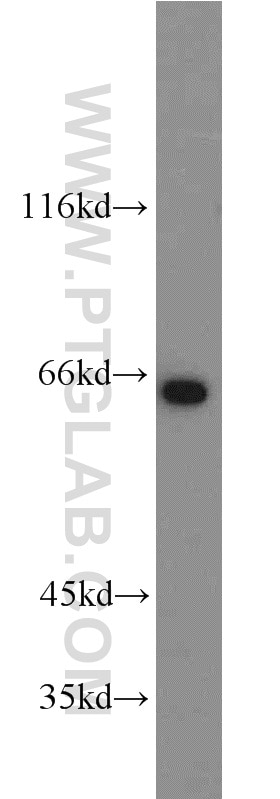
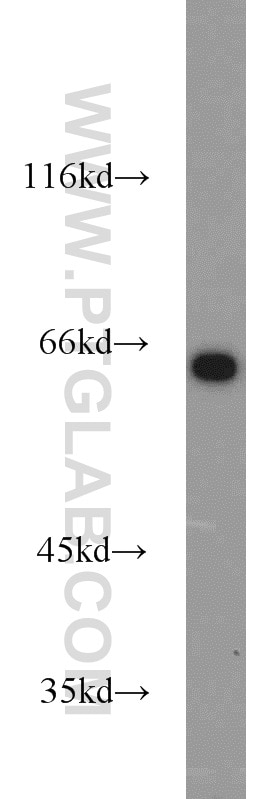
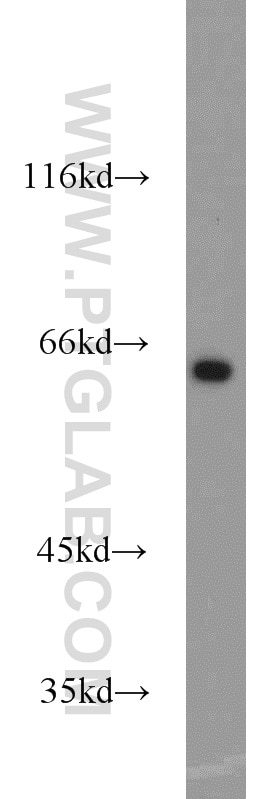
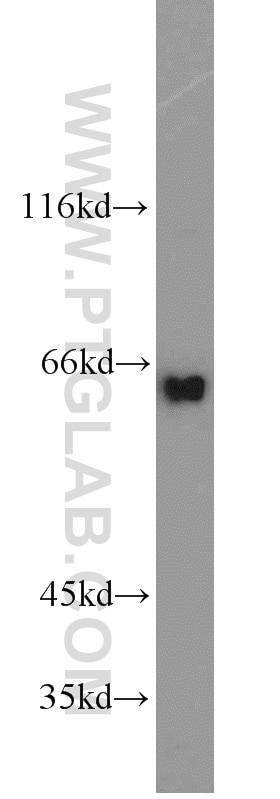
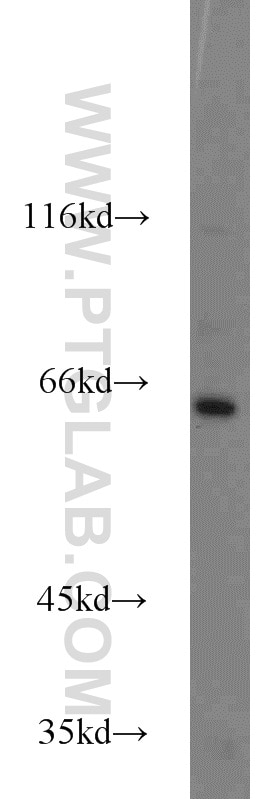
| Positive WB detected in | SH-SY5Y cells, HEK-293 cells, mouse brain tissue, mouse testis tissue |
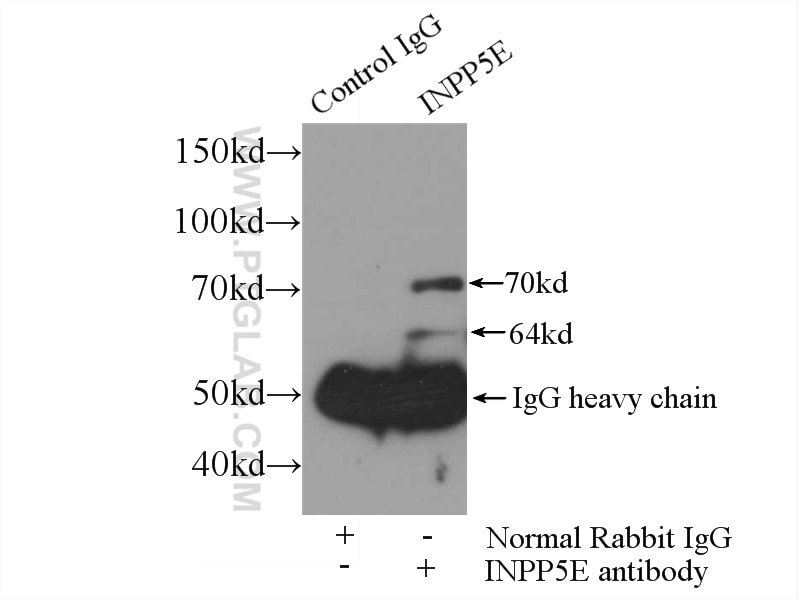
| Positive IP detected in | HEK-293 cells |
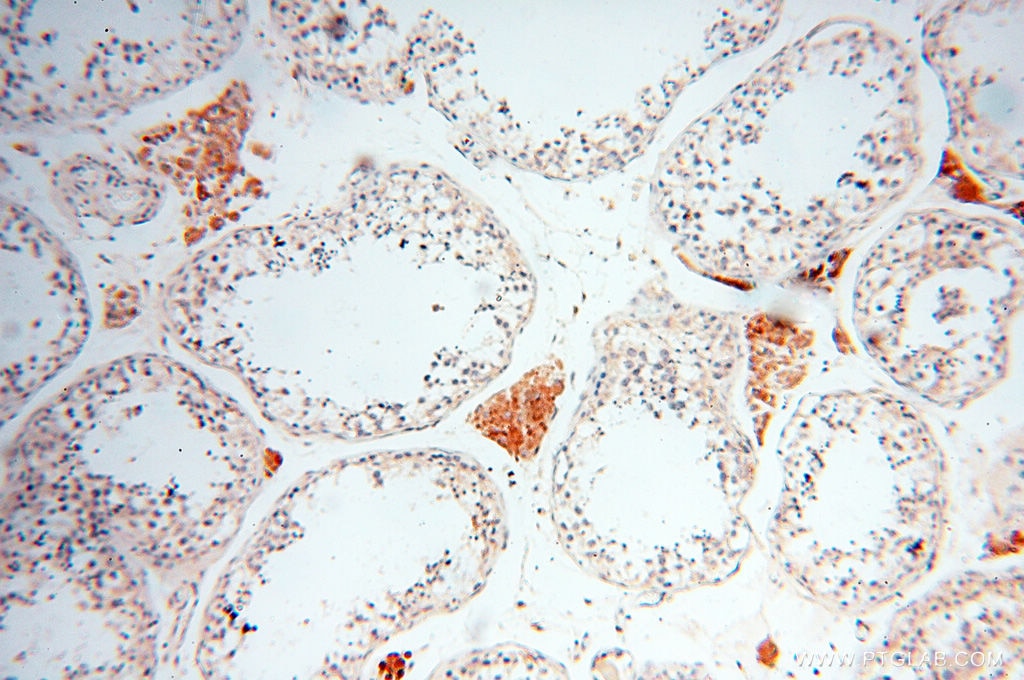
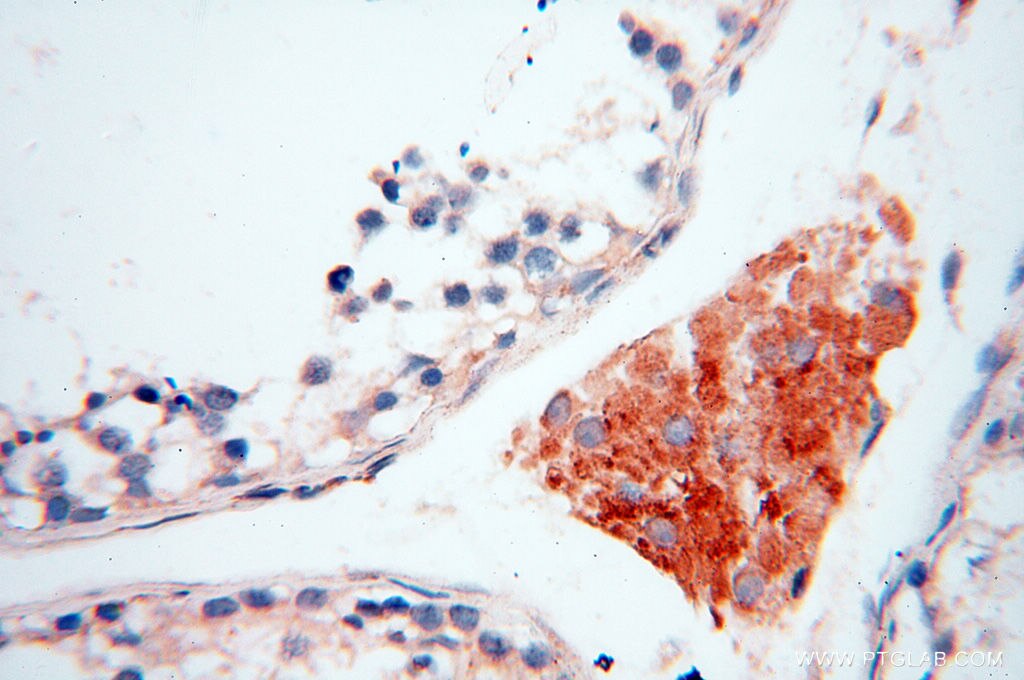
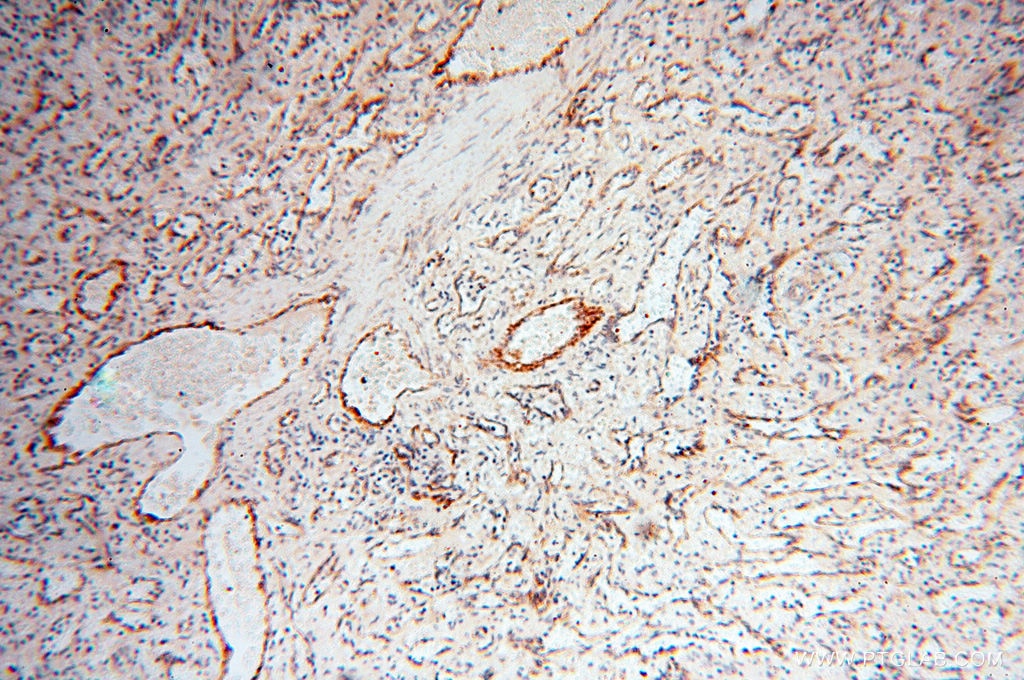
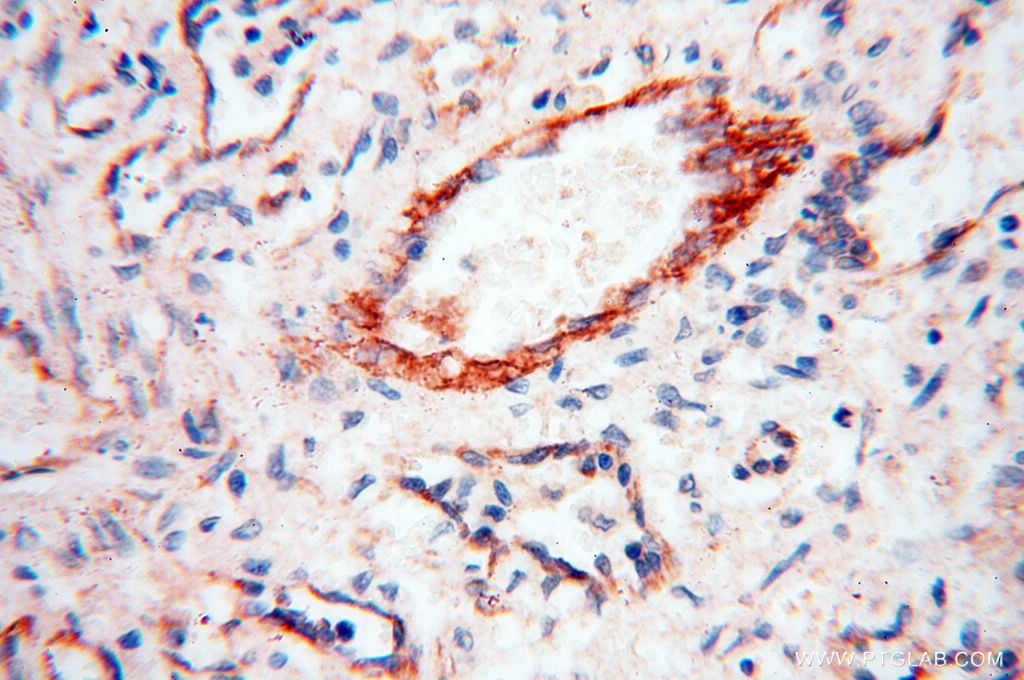
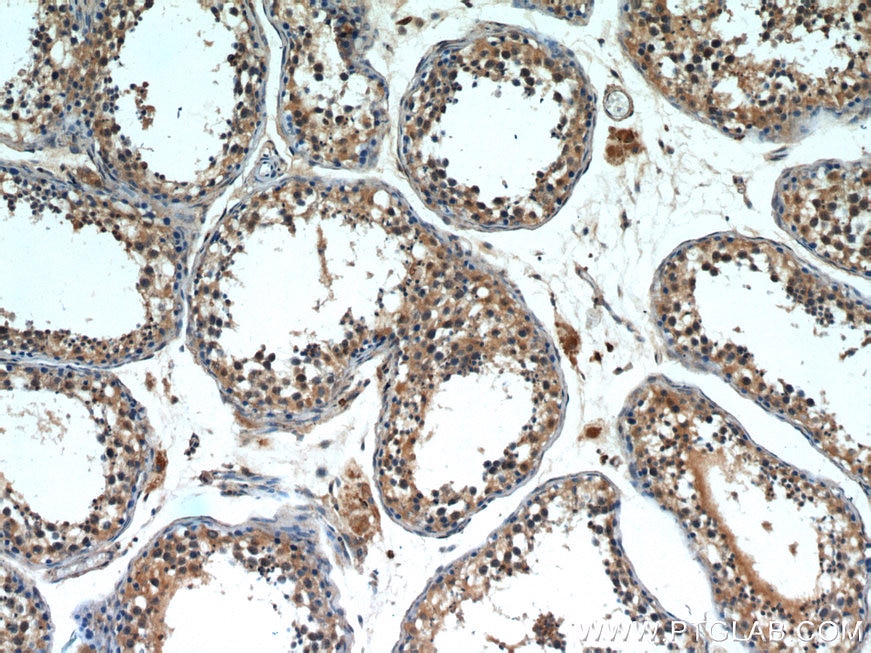
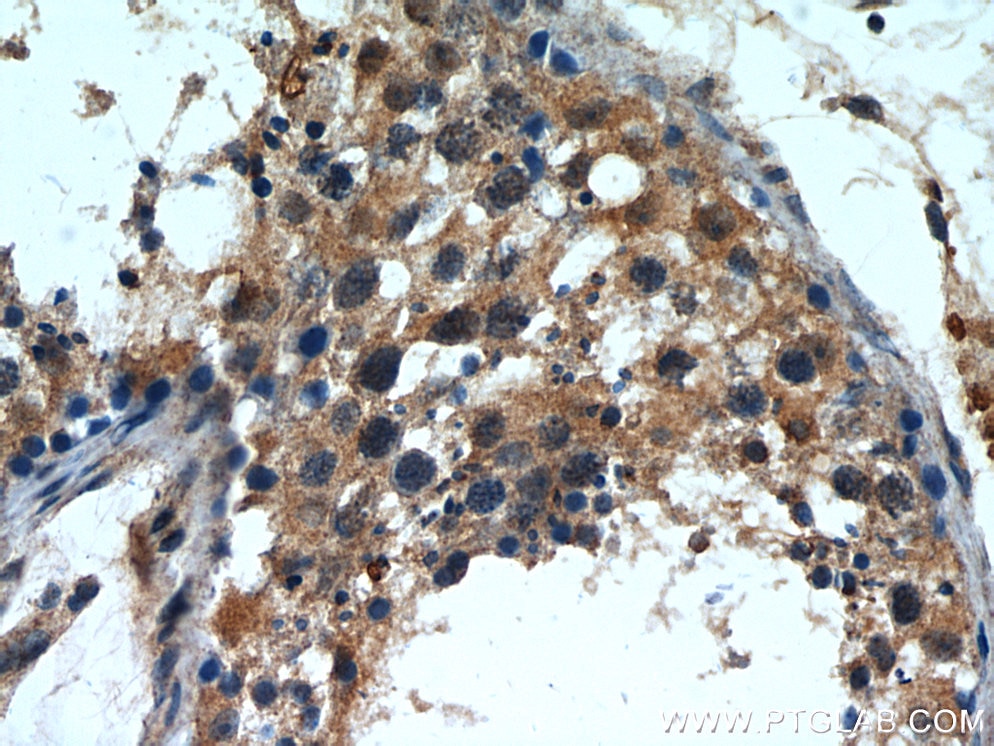
| Positive IHC detected in | human testis tissue, human kidney tissue, human placenta tissue, human spleen tissue Note: suggested antigen retrieval with TE buffer pH 9.0; (*) Alternatively, antigen retrieval may be performed with citrate buffer pH 6.0 |
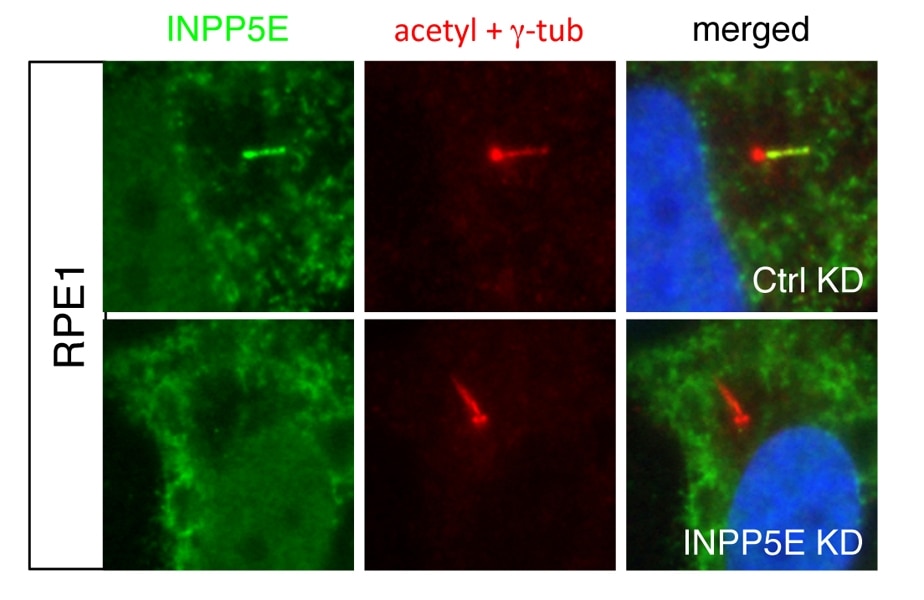
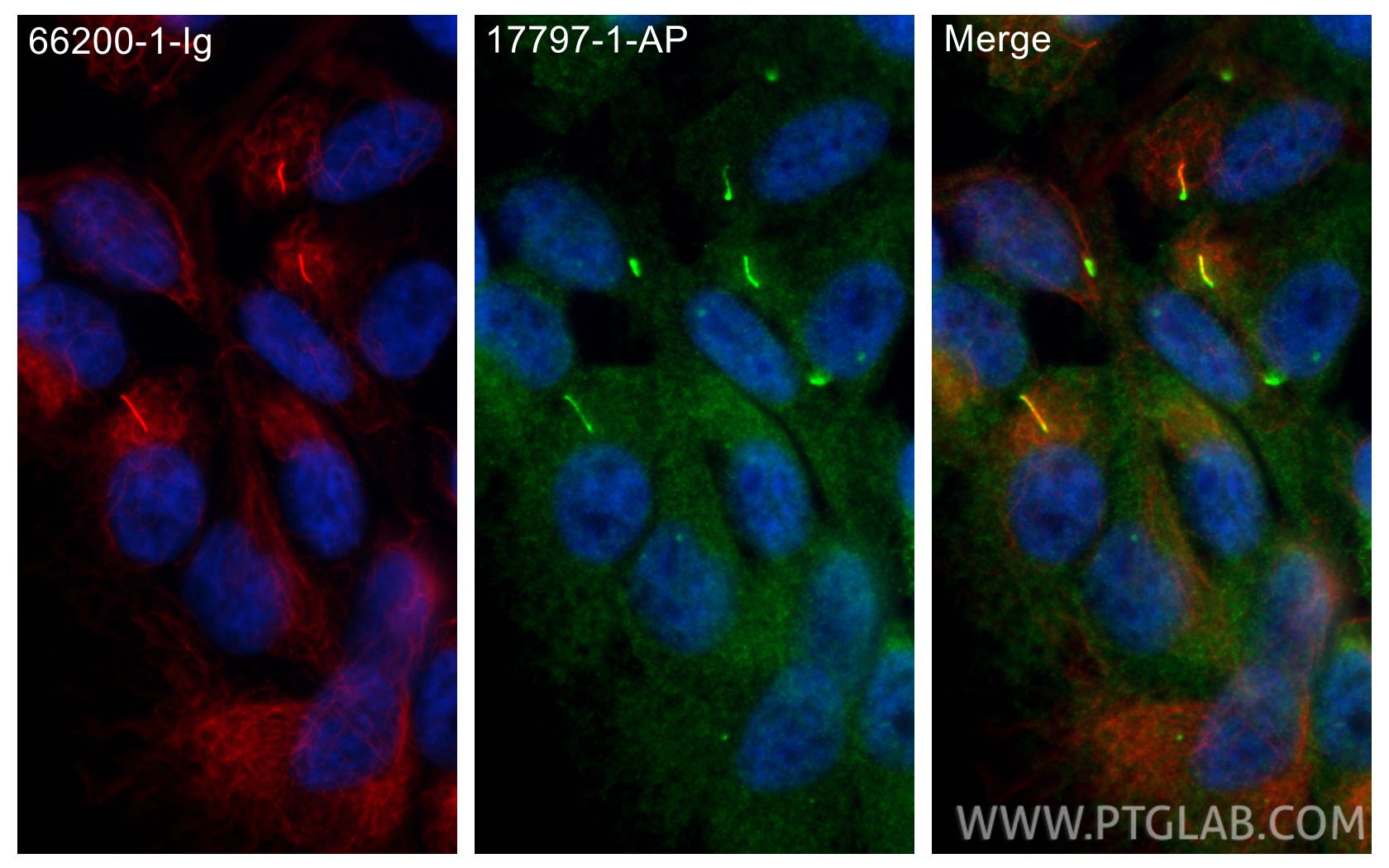
| Positive IF/ICC detected in | hTERT-RPE1 cells |
Recommended dilution
| Application | Dilution |
|---|---|
| Western Blot (WB) | WB : 1:500-1:2000 |
| Immunoprecipitation (IP) | IP : 0.5-4.0 ug for 1.0-3.0 mg of total protein lysate |
| Immunohistochemistry (IHC) | IHC : 1:20-1:200 |
| Immunofluorescence (IF)/ICC | IF/ICC : 1:20-1:200 |
| It is recommended that this reagent should be titrated in each testing system to obtain optimal results. | |
| Sample-dependent, Check data in validation data gallery. | |
Product Information
17797-1-AP targets INPP5E in WB, IHC, IF/ICC, IP, CoIP, ELISA applications and shows reactivity with human, mouse, rat samples.
| Tested Reactivity | human, mouse, rat |
| Cited Reactivity | human, mouse, zebrafish |
| Host / Isotype | Rabbit / IgG |
| Class | Polyclonal |
| Type | Antibody |
| Immunogen |
CatNo: Ag11959 Product name: Recombinant human INPP5E protein Source: e coli.-derived, PET28a Tag: 6*His Domain: 1-350 aa of BC028032 Sequence: MPSKAENLRPSEPAPQPPEGRTLQGQLPGAPPAQRAGSPPDAPGSESPALACSTPATPSGEDPPARAAPIAPRPPARPRLERALSLDDKGWRRRRFRGSQEDLEARNGTSPSRGSVQSEGPGAPAHSCSPPCLSTSLQEIPKSRGVLSSERGSPSSGGNPLSGVASSSPNLPHRDAAVAGSSPRLPSLLPPRPPPALSLDIASDSLRTANKVDSDLADYKLRAQPLLVRAHSSLGPGRPRSPLACDDCSLRSAKSSFSLLAPIRSKDVRSRSYLEGSLLASGALLGADELARYFPDRNVALFVATWNMQGQKELPPSLDEFLLPAEADYAQDLYVIGVQEGCSDRREWET Predict reactive species |
| Full Name | inositol polyphosphate-5-phosphatase, 72 kDa |
| Calculated Molecular Weight | 644 aa, 70 kDa |
| Observed Molecular Weight | 64-66 kDa |
| GenBank Accession Number | BC028032 |
| Gene Symbol | INPP5E |
| Gene ID (NCBI) | 56623 |
| RRID | AB_2167120 |
| Conjugate | Unconjugated |
| Form | Liquid |
| Purification Method | Antigen affinity purification |
| UNIPROT ID | Q9NRR6 |
| Storage Buffer | PBS with 0.02% sodium azide and 50% glycerol, pH 7.3. |
| Storage Conditions | Store at -20°C. Stable for one year after shipment. Aliquoting is unnecessary for -20oC storage. 20ul sizes contain 0.1% BSA. |
Background Information
INPP5E(72 kDa inositol polyphosphate 5-phosphatase) converts phosphatidylinositol 3,4,5-trisphosphate (PtdIns 3,4,5-P3) to PtdIns-P2.In mouse, highest protein expression was in brain, heart, and testis, with lower expression in thymus and lung, and very little expression in kidney, spleen, and liver(PMID:10764818). Defects in INPP5E are the cause of Joubert syndrome type 1 (JBTS1) and mental retardation-truncal obesity-retinal dystrophy-micropenis (MORMS)(PMID:19668215). It has 2 isoforms with the molecular mass of 66 kDa and 70 kDa.
Protocols
| Product Specific Protocols | |
|---|---|
| IF protocol for INPP5E antibody 17797-1-AP | Download protocol |
| IHC protocol for INPP5E antibody 17797-1-AP | Download protocol |
| IP protocol for INPP5E antibody 17797-1-AP | Download protocol |
| WB protocol for INPP5E antibody 17797-1-AP | Download protocol |
| Standard Protocols | |
|---|---|
| Click here to view our Standard Protocols |
Publications
What published studies show
The INPP5E Polyclonal antibody (Cat# 17797-1-AP) has 63 citations across journals including Cell, Nature Communications, PNAS, JCI, Science Advances, Cell Reports, Current Biology, eLife, and Journal of Cell Science. Research fields span ciliogenesis, primary cilia biology, ciliopathies (Joubert syndrome, Meckel syndrome, nephronophthisis, retinitis pigmentosa), Hedgehog signaling, phosphoinositide homeostasis, intraflagellar transport, neurodevelopment, kidney disease, liver fibrosis, photoreceptor biology, and immune synapse regulation.
| Species | Application | Title |
|---|---|---|
Cell Unraveling cellular complexity with transient adapters in highly multiplexed super-resolution imaging | ||
Nat Commun KIF13B establishes a CAV1-enriched microdomain at the ciliary transition zone to promote Sonic hedgehog signalling. | ||
Nat Commun Identification of a component of the tubulin poly-glutamylase complex required for phosphoinositide homeostasis and cilium assembly and maintenance. | ||
Nat Commun Phosphatidylinositol phosphate kinase PIPKIγ and phosphatase INPP5E coordinate initiation of ciliogenesis. | ||
J Clin Invest Ciliopathy-related B9 protein complex regulates ciliary axonemal microtubule posttranslational modifications and initiation of ciliogenesis. | ||
Sci Adv Ciliopathy protein HYLS1 coordinates the biogenesis and signaling of primary cilia by activating the ciliary lipid kinase PIPKIγ.
|
Reviews
What customers say
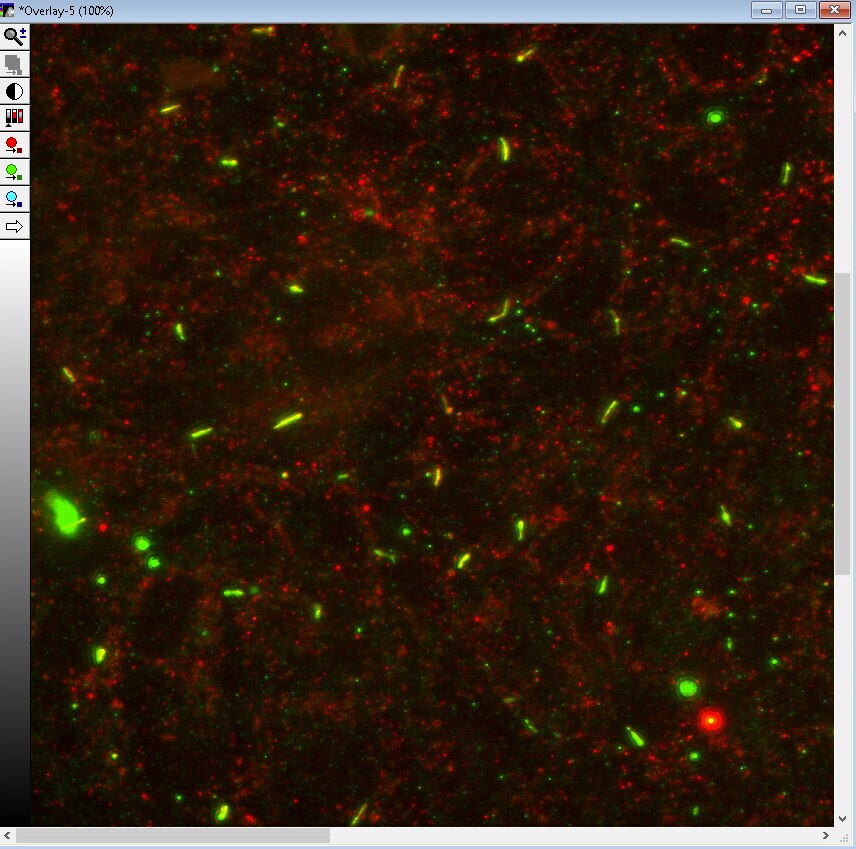
The single review reports using this antibody for immunofluorescence on RPE1 cells at a 1:150 dilution. The user noted that while the staining showed some background noise even with 5% blocking and 2% BSA in the diluent, the signal was strong and consistent with expected results. The antibody performed well in a dual-staining setup, and the overall rating was 4 out of 5.
The reviews below have been submitted by verified Proteintech customers who received an incentive for providing their feedback.
Charlotte (Verified Customer) (07-24-2023) | INPP5E stained in FITC is compared to ARL13b in Cy3. Methanol fixation, Block 1h, incubate 2h with primary ab, and 1h with secondary ab. The antibody is still a bit noisy (despite the blocking at 5% and ab diluted in 2%BSA) but the signal is strong and match what we expect.
 |




















