

Tested Applications
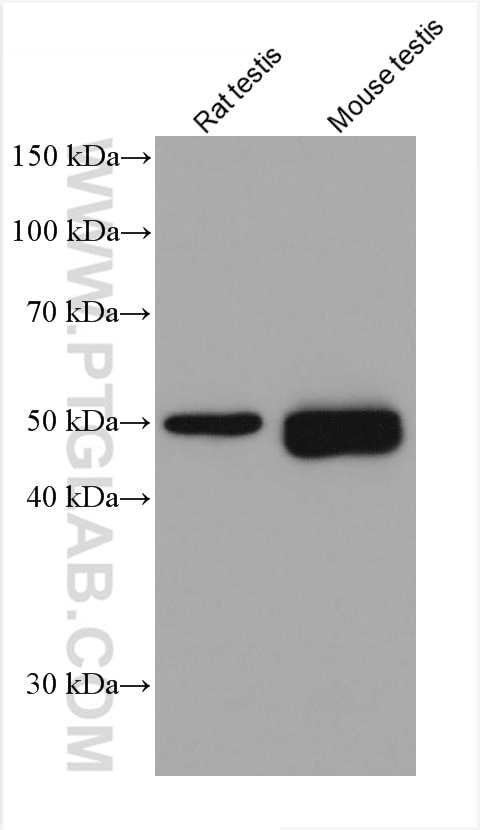
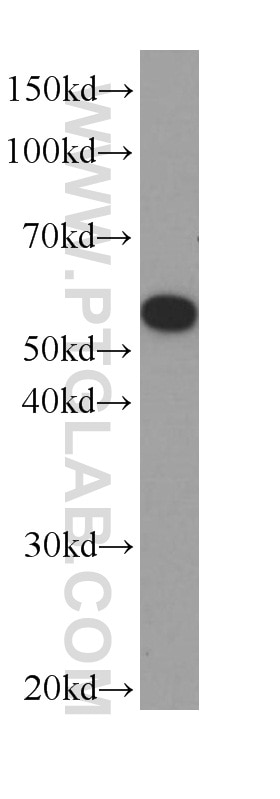
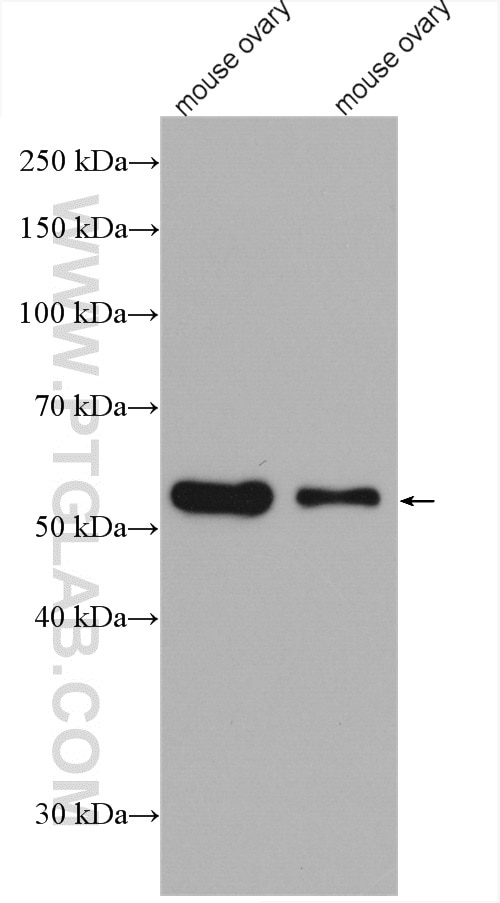
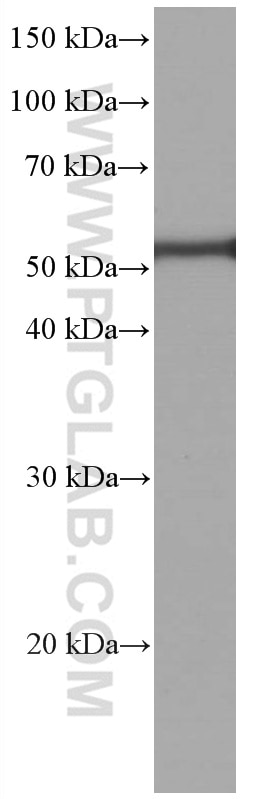
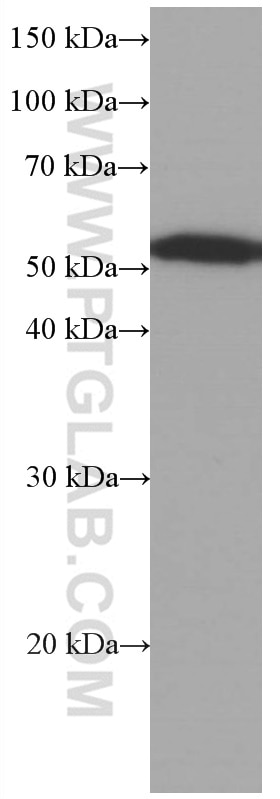
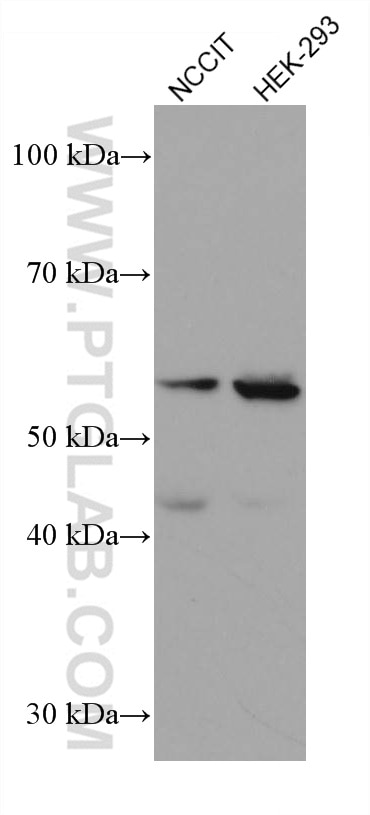
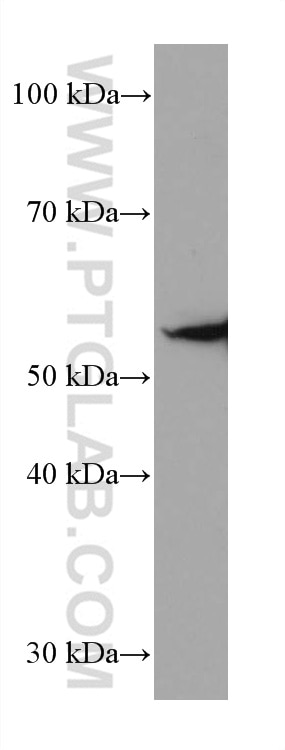
| Positive WB detected in | rat testis tissue, NCCIT cells, Neuro-2a cells, L02 cells, pig cerebellum tissue, rat brain tissue, mouse ovary tissue, HEK-293 cells, mouse testis |
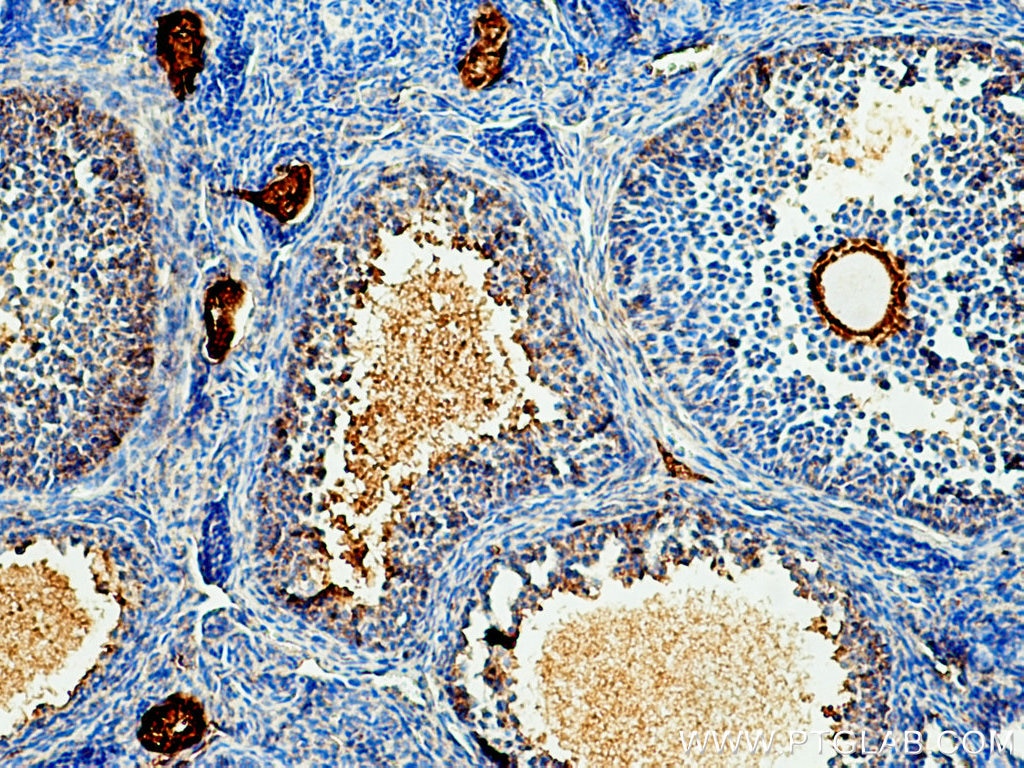
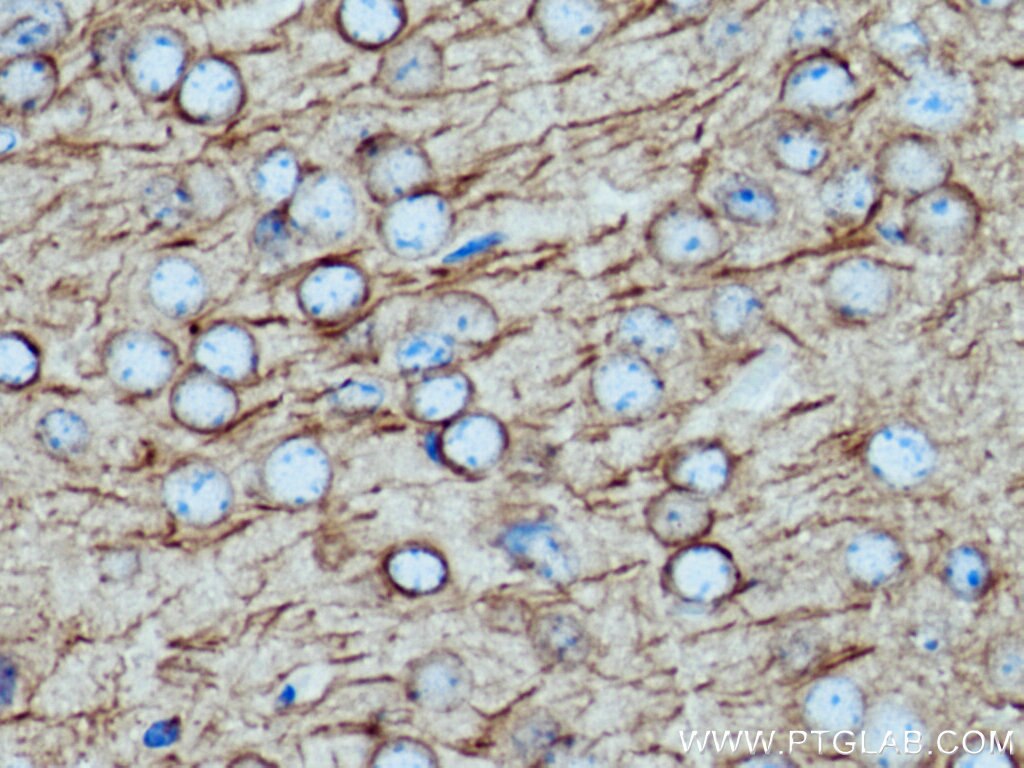
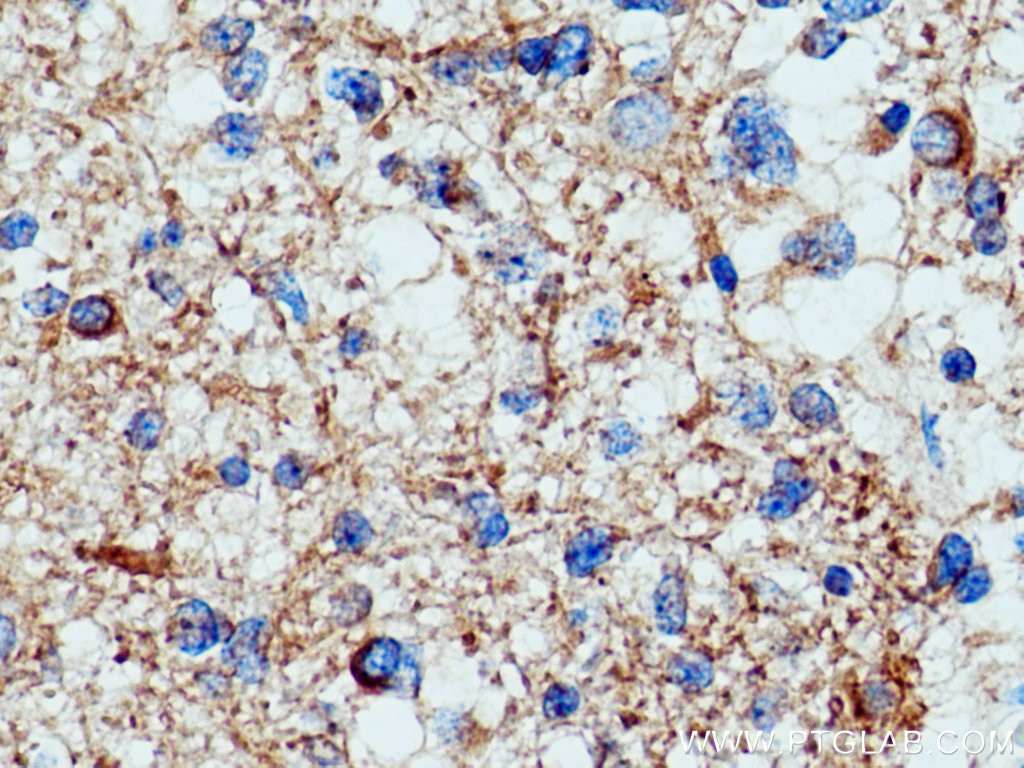
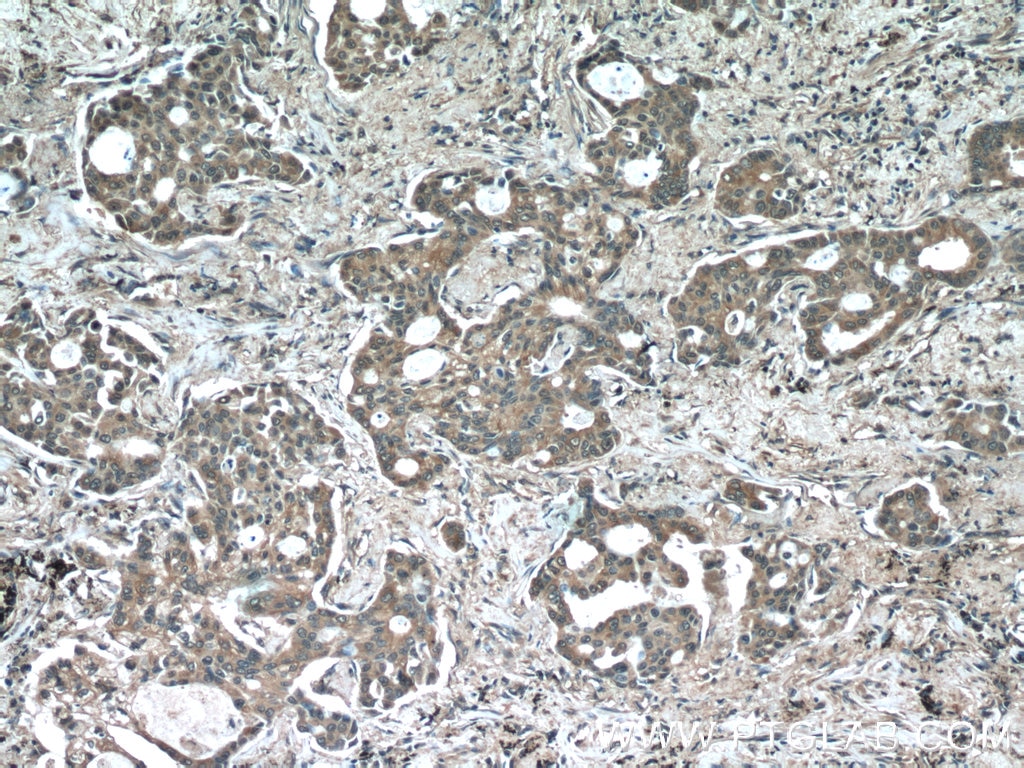
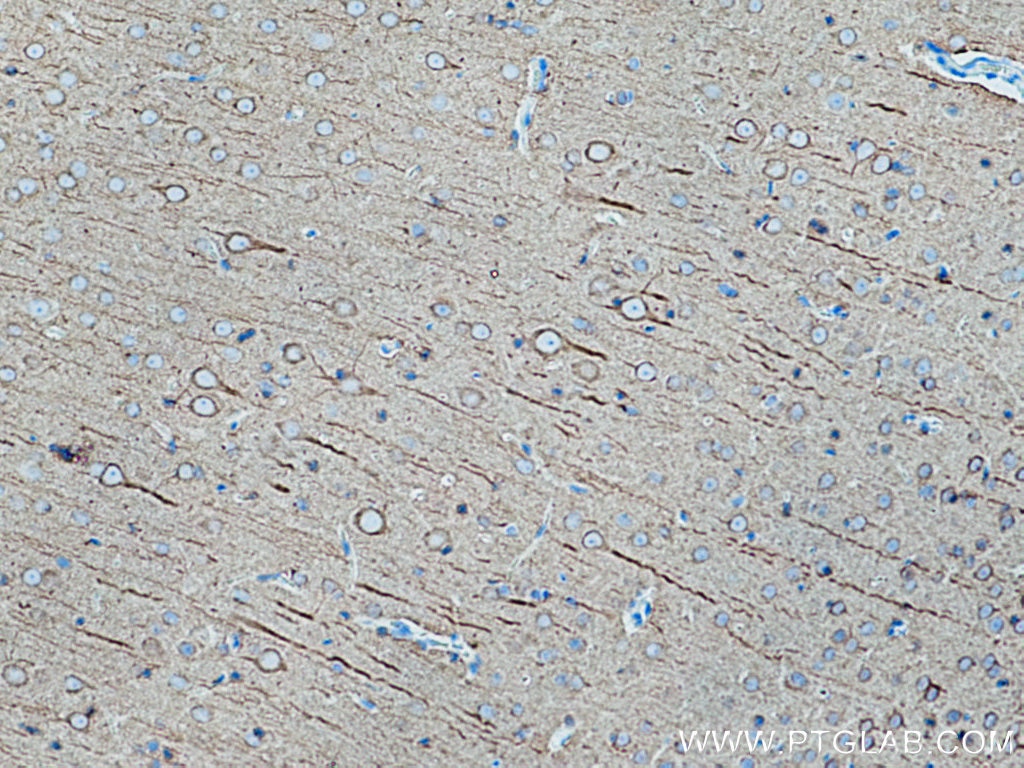
| Positive IHC detected in | mouse ovary tissue, human gliomas tissue, rat brain tissue, mouse brain tissue, human lung cancer tissue Note: suggested antigen retrieval with TE buffer pH 9.0; (*) Alternatively, antigen retrieval may be performed with citrate buffer pH 6.0 |
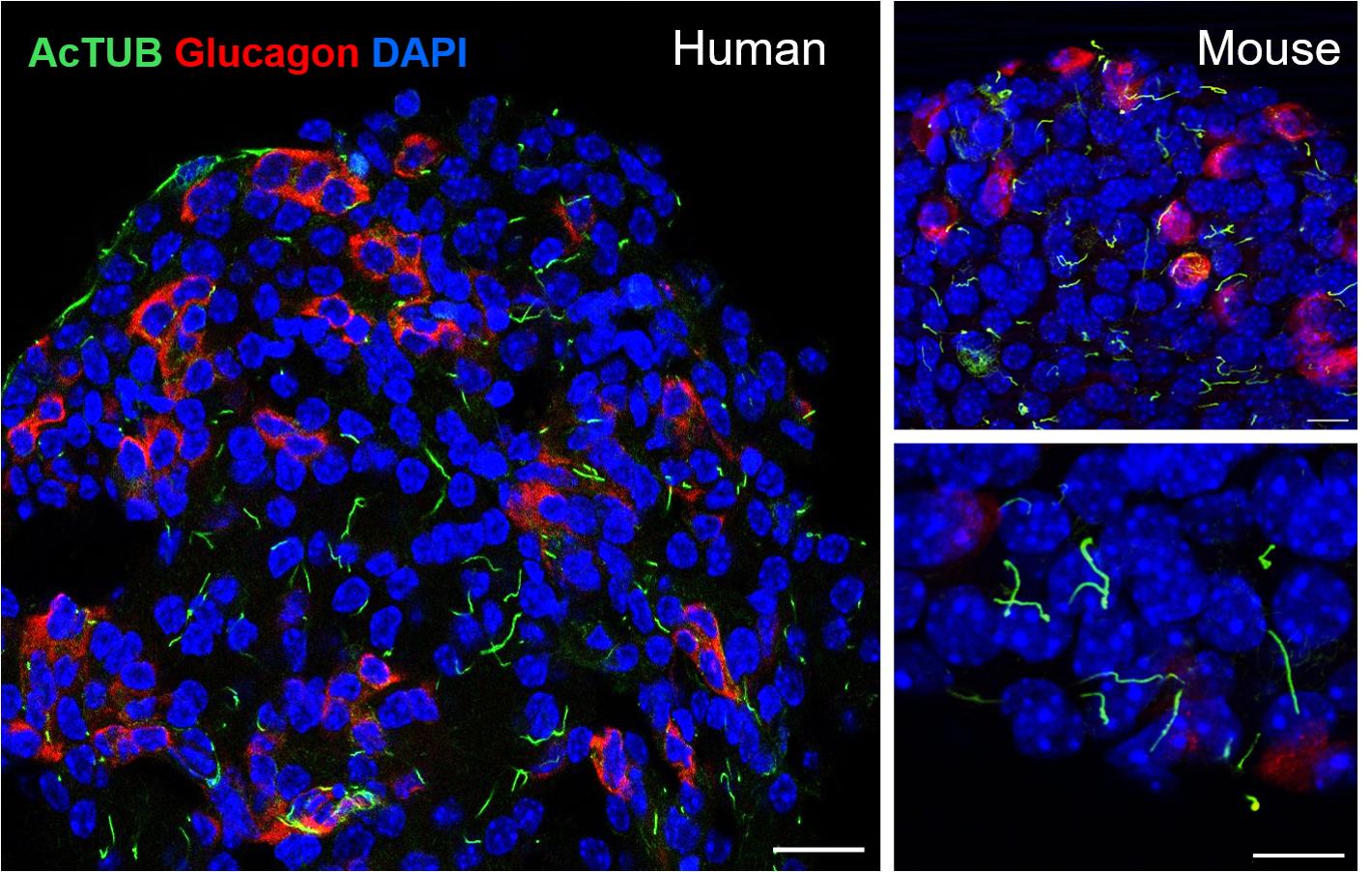
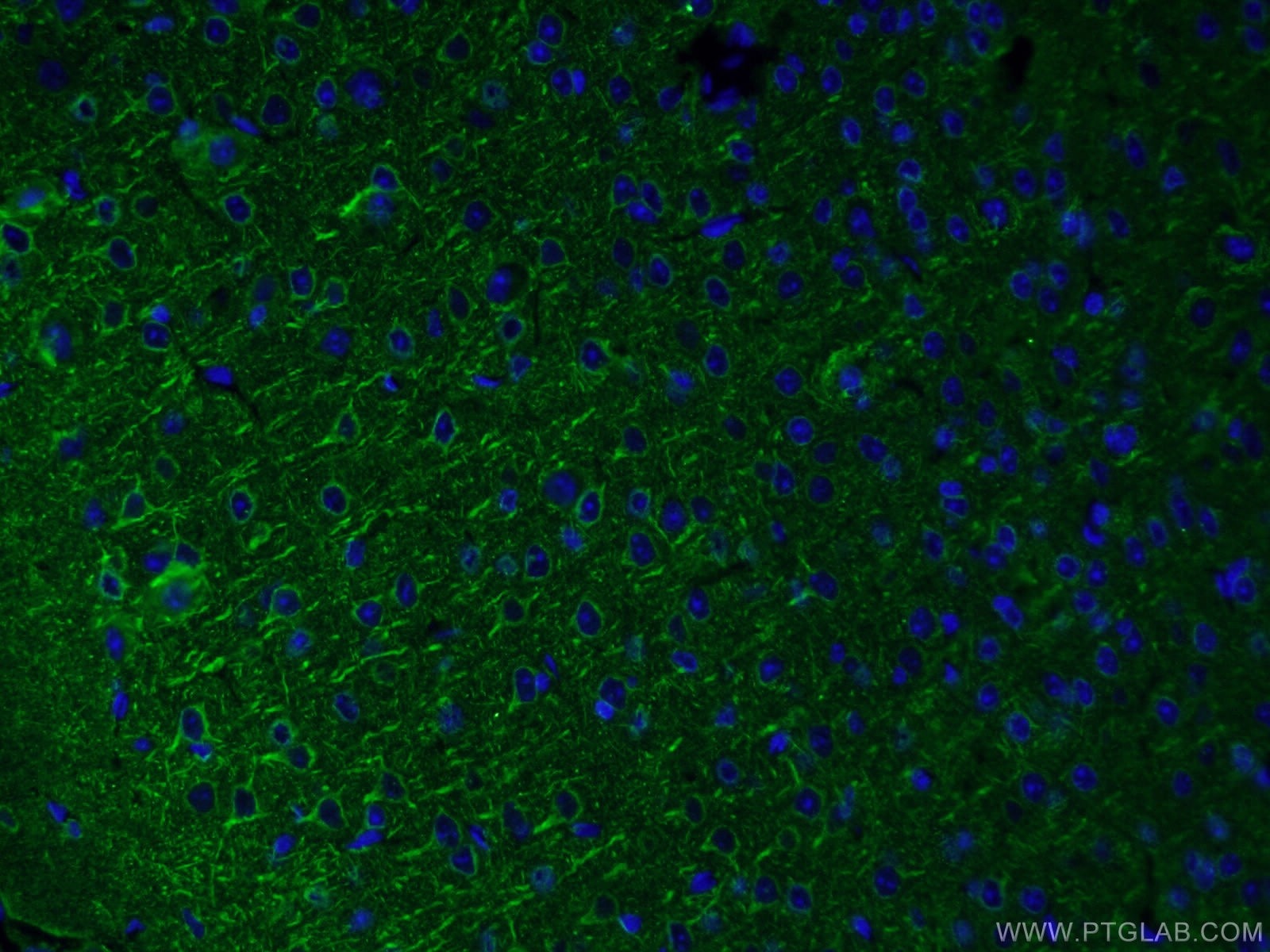
| Positive IF-P detected in | islet, mouse brain tissue |
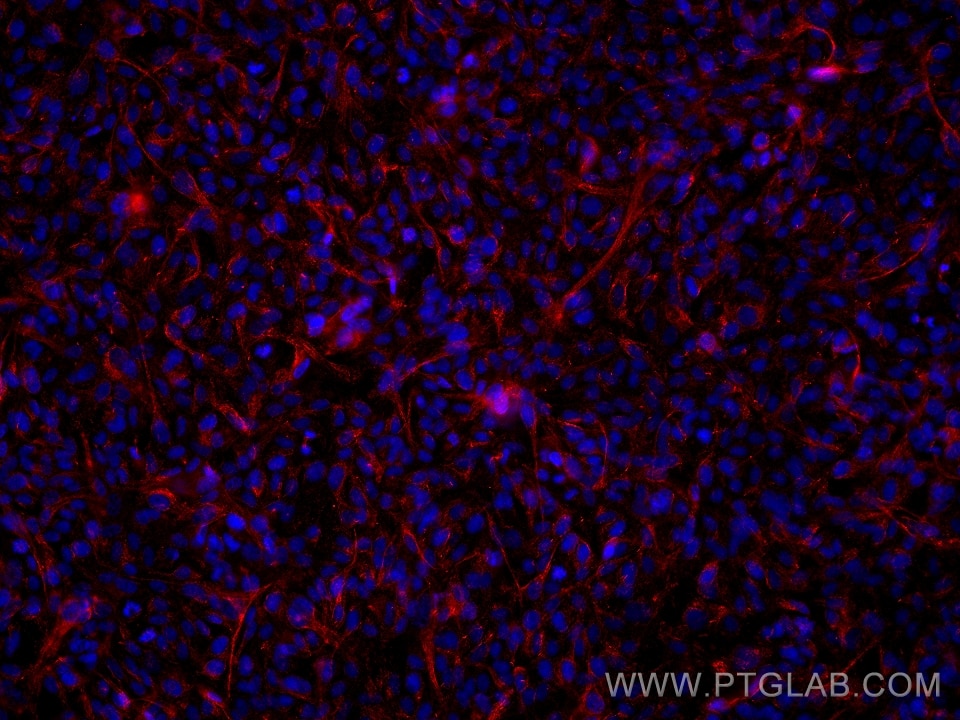
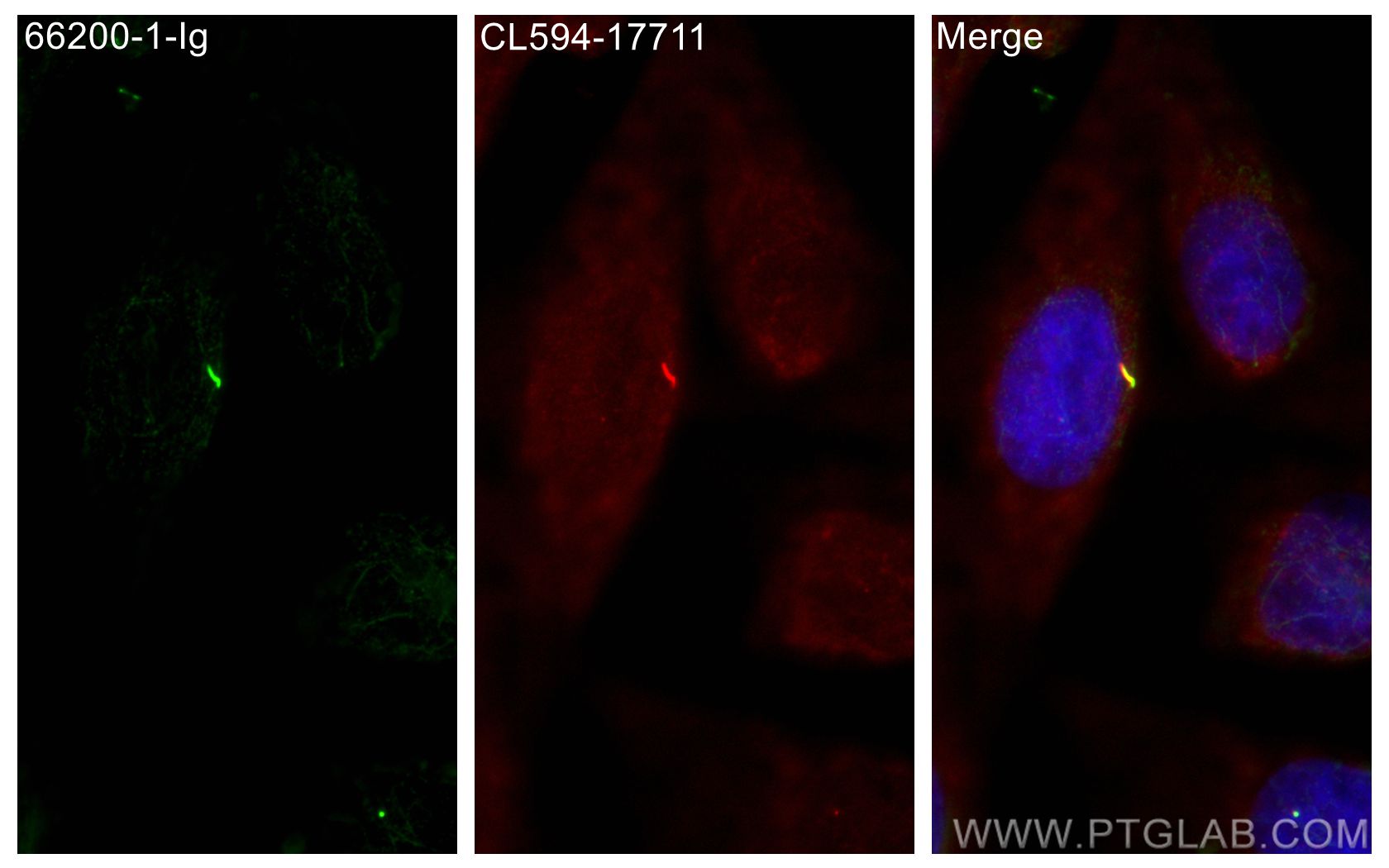
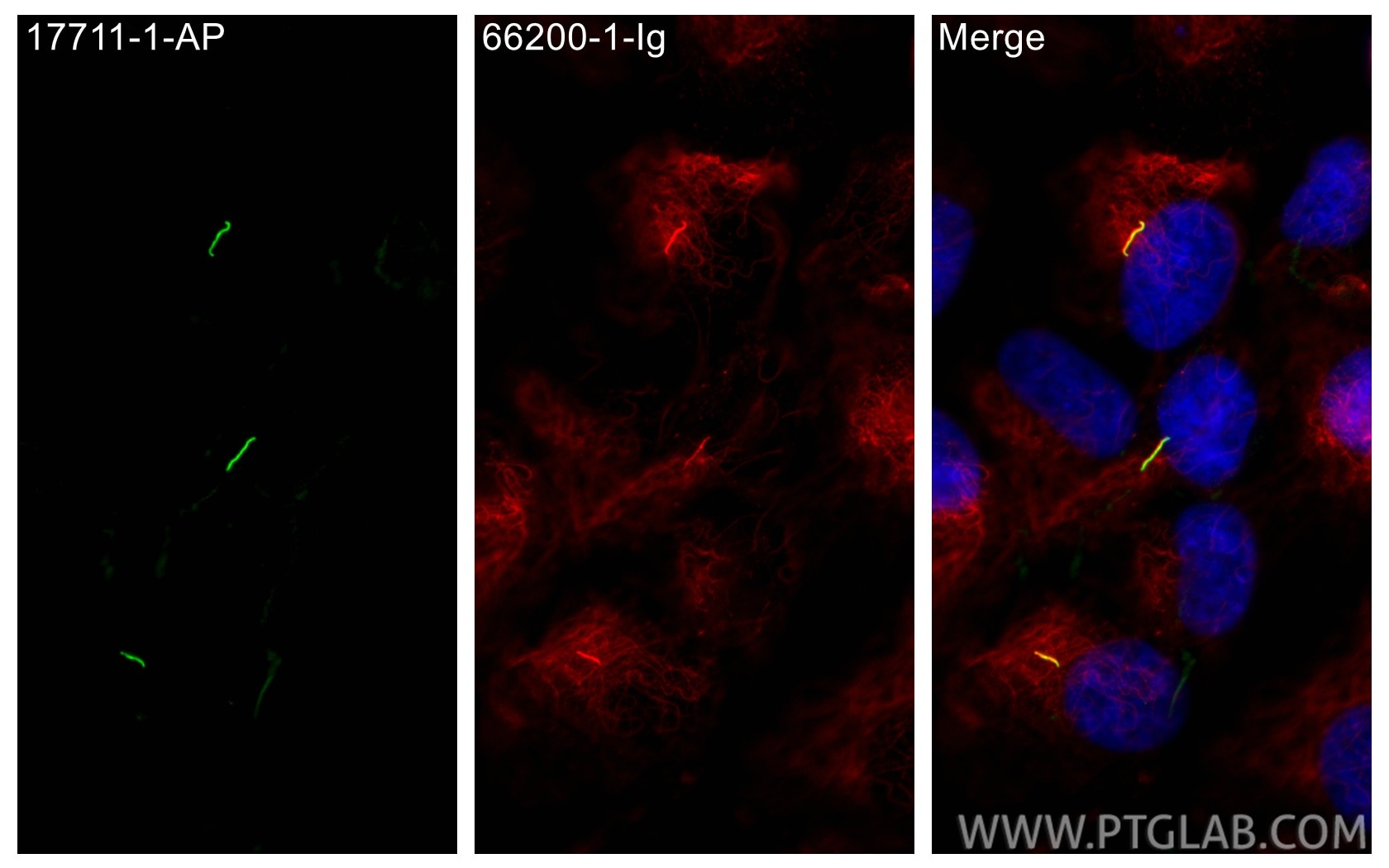
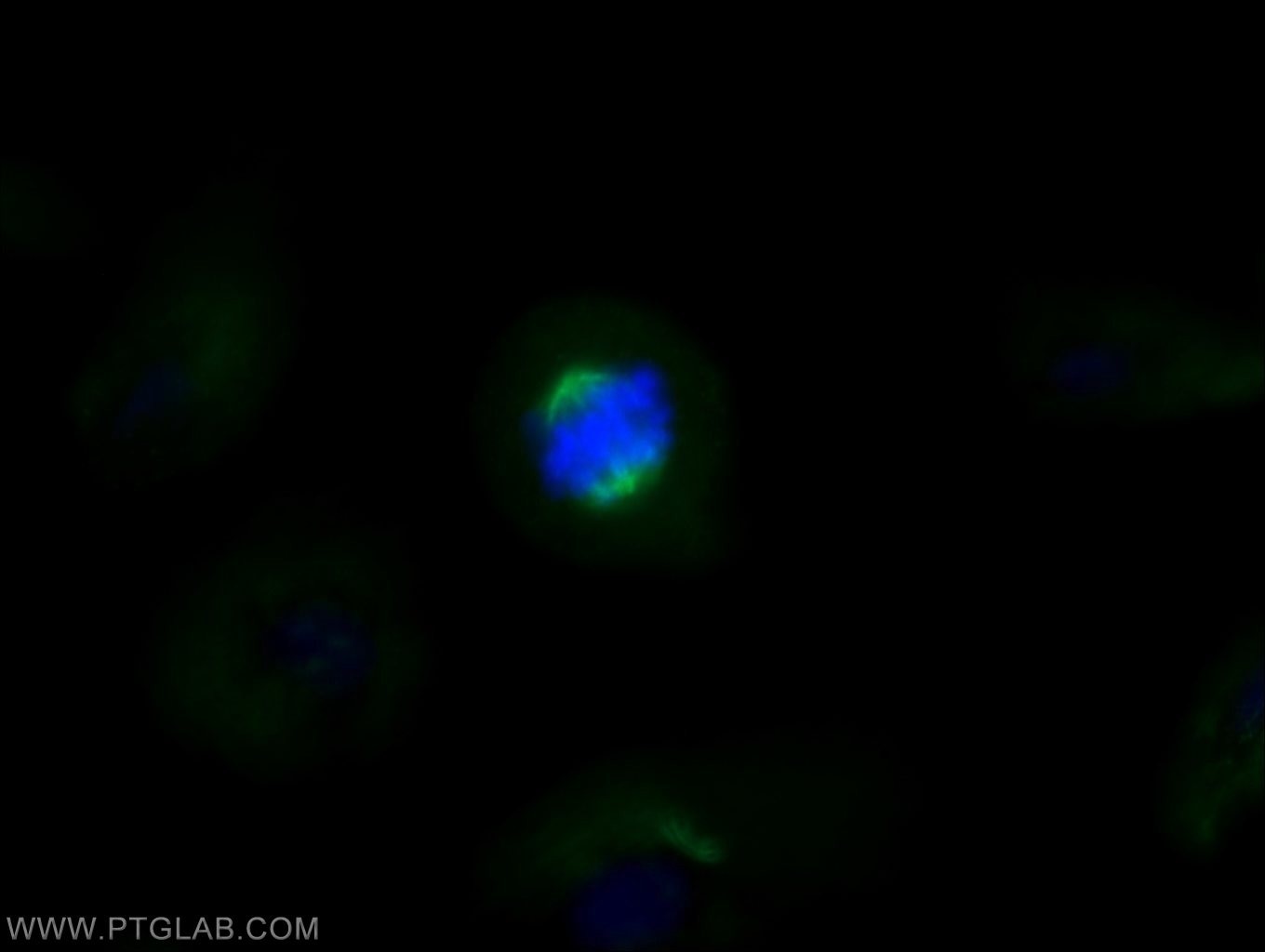
| Positive IF/ICC detected in | MDCK cells, hTERT-RPE1 cells |
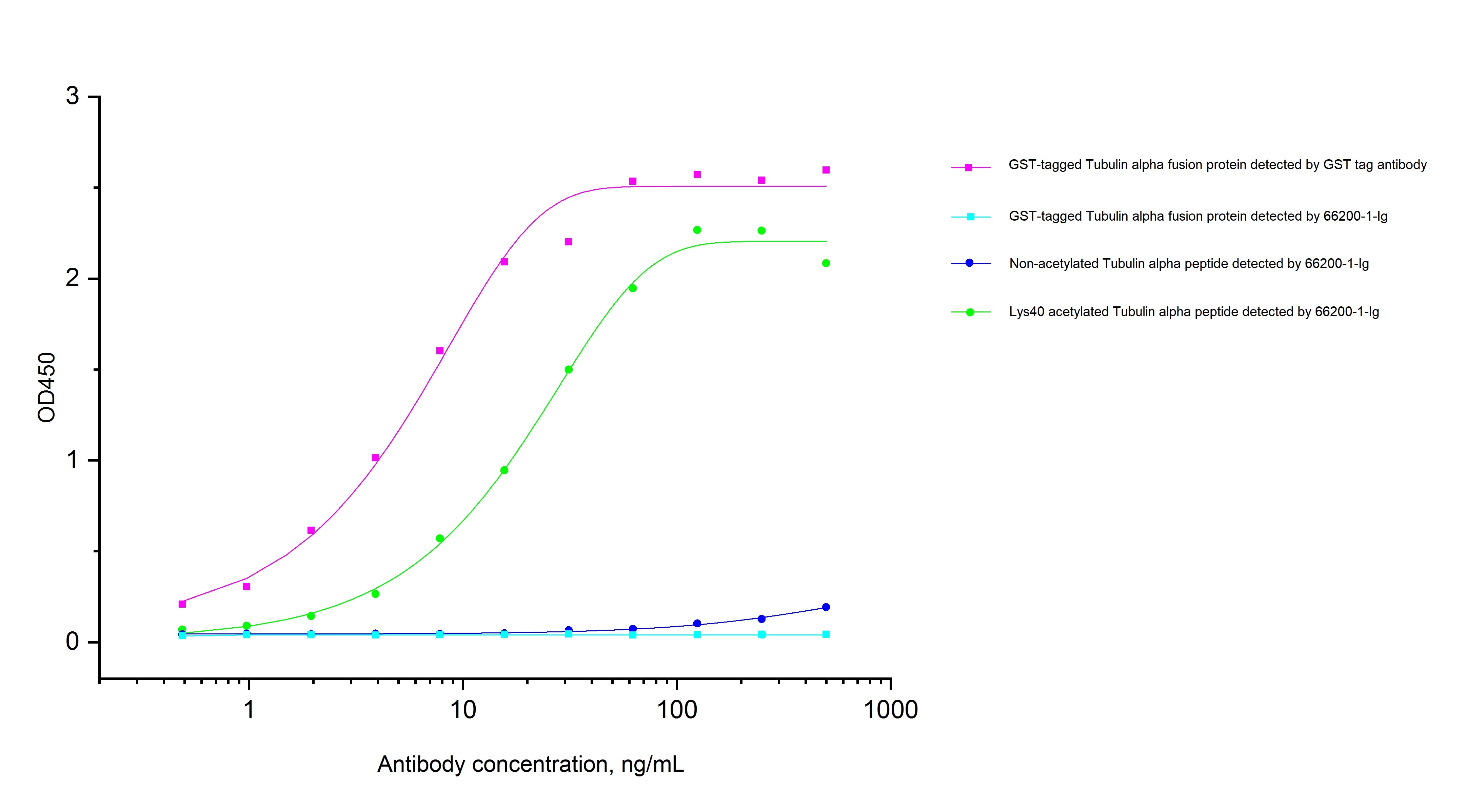
| Positive ELISA detected in | Recombinant protein |
Recommended dilution
| Application | Dilution |
|---|---|
| Western Blot (WB) | WB : 1:2000-1:10000 |
| Immunohistochemistry (IHC) | IHC : 1:1000-1:4000 |
| Immunofluorescence (IF)-P | IF-P : 1:10-1:100 |
| Immunofluorescence (IF)/ICC | IF/ICC : 1:200-1:800 |
| Enzyme-linked Immunosorbent Assay (ELISA) | ELISA : 1:10-1:100 |
| It is recommended that this reagent should be titrated in each testing system to obtain optimal results. | |
| Sample-dependent, Check data in validation data gallery. | |
Product Information
66200-1-Ig targets Acetyl-Tubulin (Lys40) in WB, IHC, IF/ICC, IF-P, ELISA applications and shows reactivity with human, mouse, rat, pig, canine samples.
| Tested Reactivity | human, mouse, rat, pig, canine |
| Cited Reactivity | human, mouse, rat, pig, rabbit, canine, zebrafish, drosophila, xenopus |
| Host / Isotype | Mouse / IgG1 |
| Class | Monoclonal |
| Type | Antibody |
| Immunogen |
Peptide Predict reactive species |
| Full Name | tubulin, alpha 1a |
| Calculated Molecular Weight | 52 kDa |
| Observed Molecular Weight | 50-55 kDa |
| GenBank Accession Number | NM_006009 |
| Gene Symbol | Alpha Tubulin |
| Gene ID (NCBI) | 7846 |
| RRID | AB_2722562 |
| Conjugate | Unconjugated |
| Form | Liquid |
| Purification Method | Protein G purification |
| UNIPROT ID | Q71U36 |
| Storage Buffer | PBS with 0.02% sodium azide and 50% glycerol, pH 7.3. |
| Storage Conditions | Store at -20°C. Stable for one year after shipment. Aliquoting is unnecessary for -20oC storage. 20ul sizes contain 0.1% BSA. |
Background Information
What is the molecular weight of acetyl-α-tubulin?
The molecular weight of acetylated tubulin is 52 kD.
Where does the acetylation of Lys 40 occur?
This acetylation occurs inside the microtubule lumen by the α-tubulin acetyltransferase 1 (αTAT1) (PMID: 29207274).
How can acetylation be reversed?
Acetylation of Lys 40 can be reversed by deacetylase 6 (HDAC6), which is mostly cytoplasmic that also deacetylates Hsp90, and sirtuin 2 (SIRT2), which also mainly cytoplasmic and uses NAD as a coenzyme. Unlike HDAC6, SIRT uses both polymerized and soluble tubulin as substrates. Deacetylases are believed to be more active on soluble tubulin, while acetylases function preferentially on stable polymers (PMIDs: 29207274, 30079247, 19185337).
What is the function of acetylation?
Acetylation is a conserved post-translational modification of alpha tubulin at Lys 40 during tubulin assembly, and it correlates to increased microtubule stability and intracellular transport (PMIDs: 29207274, 30079247, 20940043).
Is acetylation of α-tubulin strictly associated with stable microtubules?
Not necessarily, as acetylation can have other effects on microtubule subpopulations (PMID 20940043).
Is ac-tubulin found only in cilia?
Acetylated-α-tubulin is located in cytoplasmic tubulin as well as in cilia; therefore, it is not strictly region-specific (PMID: 30079247).
What are the cellular effects of tubulin acetylation?
Microtubule acetylation seems to provide a critical role in neuronal development and function, and while its effect on cancer cells remains unclear, it has been shown that decreased acetylated α-tubulin impairs neuronal cell line migration. The post-translational modification may also help regulate organelle-independent signalling throughout the cell, supporting the notion of a microtubule network serving as a coordinator of cellular signaling (PMIDs: 29207274, 25503560, 20940043, 19185337).
Protocols
| Product Specific Protocols | |
|---|---|
| IF protocol for Acetyl-Tubulin (Lys40) antibody 66200-1-Ig | Download protocol |
| IHC protocol for Acetyl-Tubulin (Lys40) antibody 66200-1-Ig | Download protocol |
| WB protocol for Acetyl-Tubulin (Lys40) antibody 66200-1-Ig | Download protocol |
| Standard Protocols | |
|---|---|
| Click here to view our Standard Protocols |
Publications
What published studies show
The Acetylated α-Tubulin antibody (Cat# 66200-1-Ig) has been cited in 154 publications spanning top-tier journals such as Nature, Cell Research, Nature Communications, Nature Aging, Cell Stem Cell, Journal of Clinical Investigation, Science Advances, eLife, EMBO Journal, Cancer Research, and Autophagy. Associated research fields include microtubule dynamics and acetylation, primary cilia biology, HDAC6-mediated regulation, cancer biology, neurodegeneration, male infertility and sperm flagellar defects, autophagy, drug discovery, inflammatory diseases, and developmental biology.
| Species | Application | Title |
|---|---|---|
Cell Res Compression-induced metabolic adaptation drives confined tumor cell migration and distant metastasis via malate-dependent microtubule reinforcement. | ||
Exploration (Beijing) ASPM Induces Radiotherapy Resistance by Disrupting Microtubule Stability Leading to Chromosome Malsegregation in Non-Small Cell Lung Cancer. | ||
Nat Aging Single-cell and spatial RNA sequencing identify divergent microenvironments and progression signatures in early- versus late-onset prostate cancer | ||
Bioact Mater Spatiotemporally engineered microneedle for microenvironment remodeling propels mucosal regeneration after tracheal mucosal injury. | ||
Cell Stem Cell Myoepithelial Cells of Submucosal Glands Can Function as Reserve Stem Cells to Regenerate Airways after Injury. |
Reviews
What customers say
All four reviewers gave this antibody a perfect 5-star rating across multiple applications. Two users reported excellent results in Western Blot at 1:1000 dilution, one in mouse tissue and another in human lung cancer cells. A third user found it worked well for immunofluorescence in human white adipocytes at 1:500. The fourth user praised its specificity and sensitivity for IHC on paraffin-embedded cell blocks at 1:1000. Overall, customers consistently highlight reliable performance and strong signal quality across WB, IF, and IHC applications.
The reviews below have been submitted by verified Proteintech customers who received an incentive for providing their feedback.
MALLIKARJUNA (Verified Customer) (10-24-2025) | best for western blot
|
Jianhua (Verified Customer) (01-31-2025) | excellent for western blot
|
Mi (Verified Customer) (05-29-2023) | Excellent antibody, it works pretty well in human white adipocytes!
|
Sonia (Verified Customer) (04-08-2022) | Very good specificity and sensitivity. I used for IHC in different paraffin-embedded cell blocks for different cell lines, previously analyzed by WB.
|




















