

Tested Applications
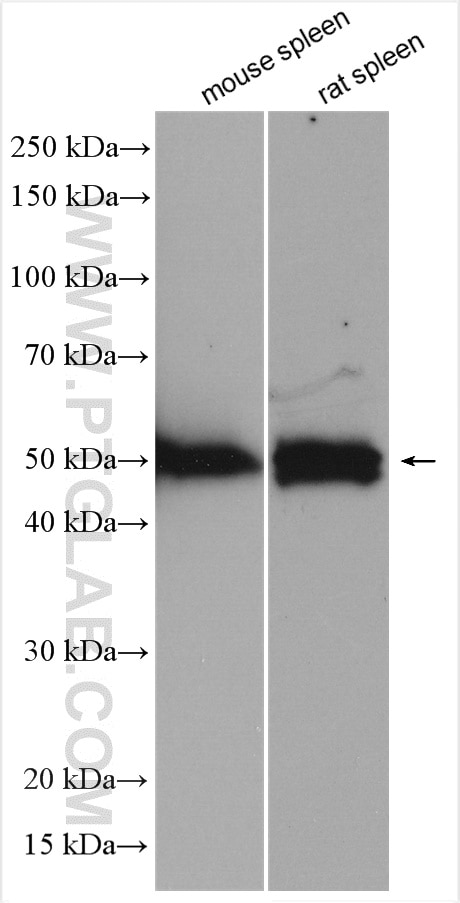
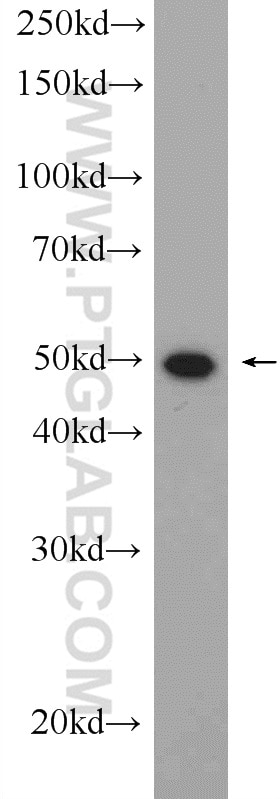
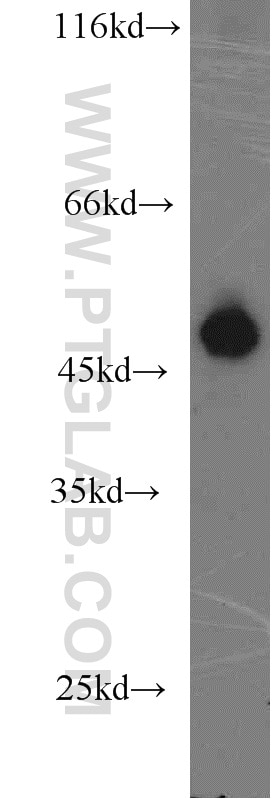
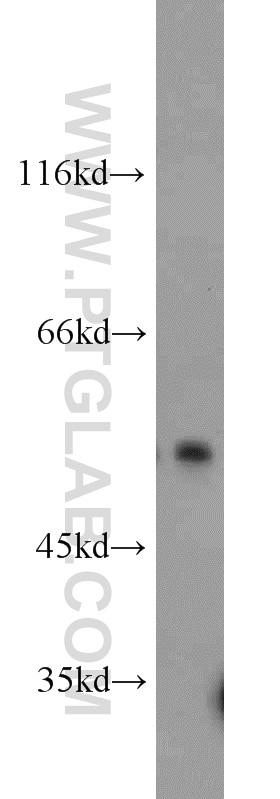
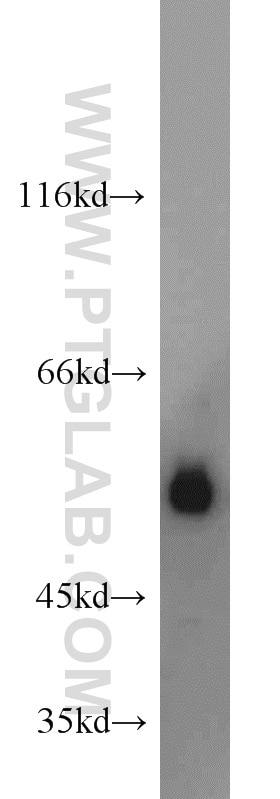
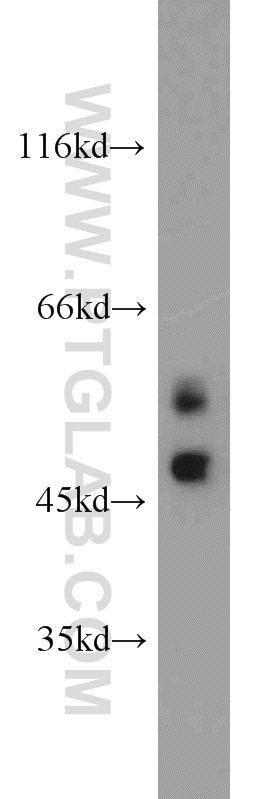
| Positive WB detected in | mouse spleen tissue, mouse lung tissue, mouse thymus tissue, Raji cells, RAW264.7, rat spleen tissue |
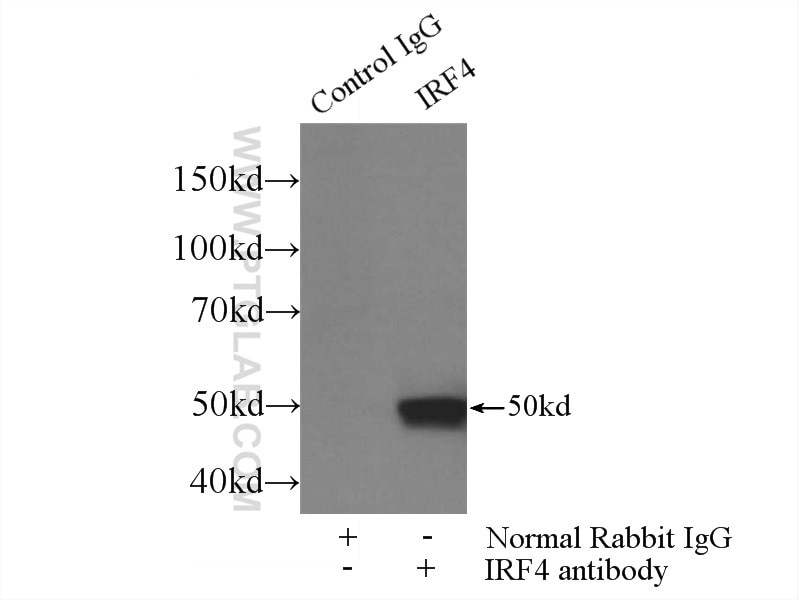
| Positive IP detected in | mouse spleen tissue |
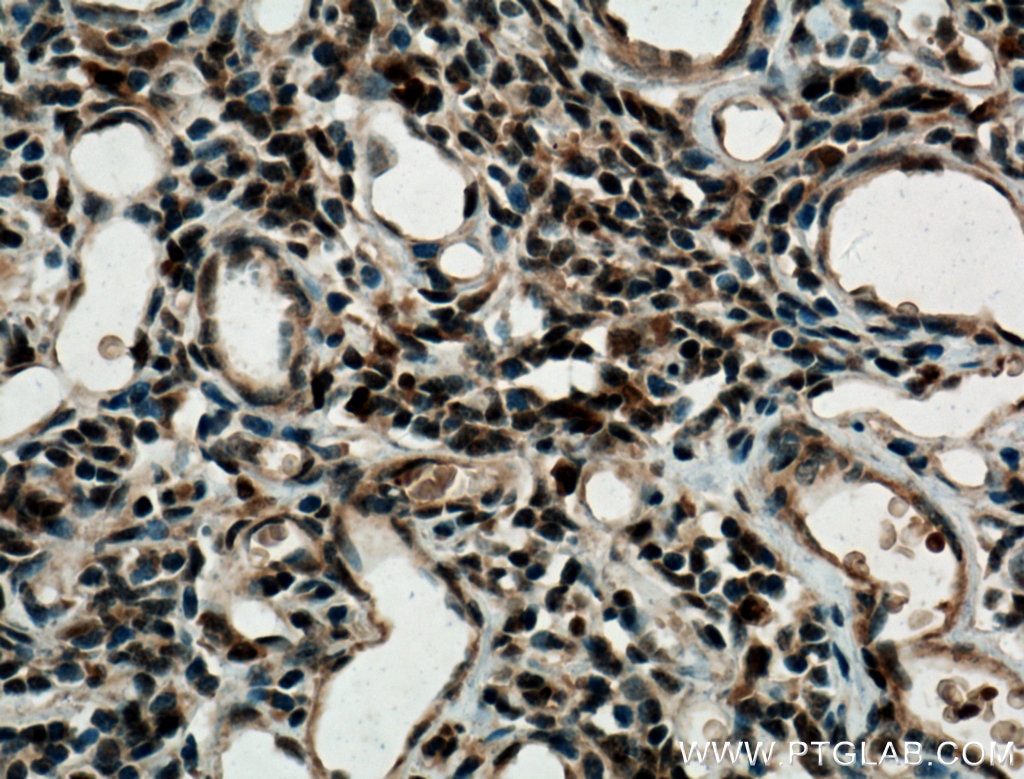
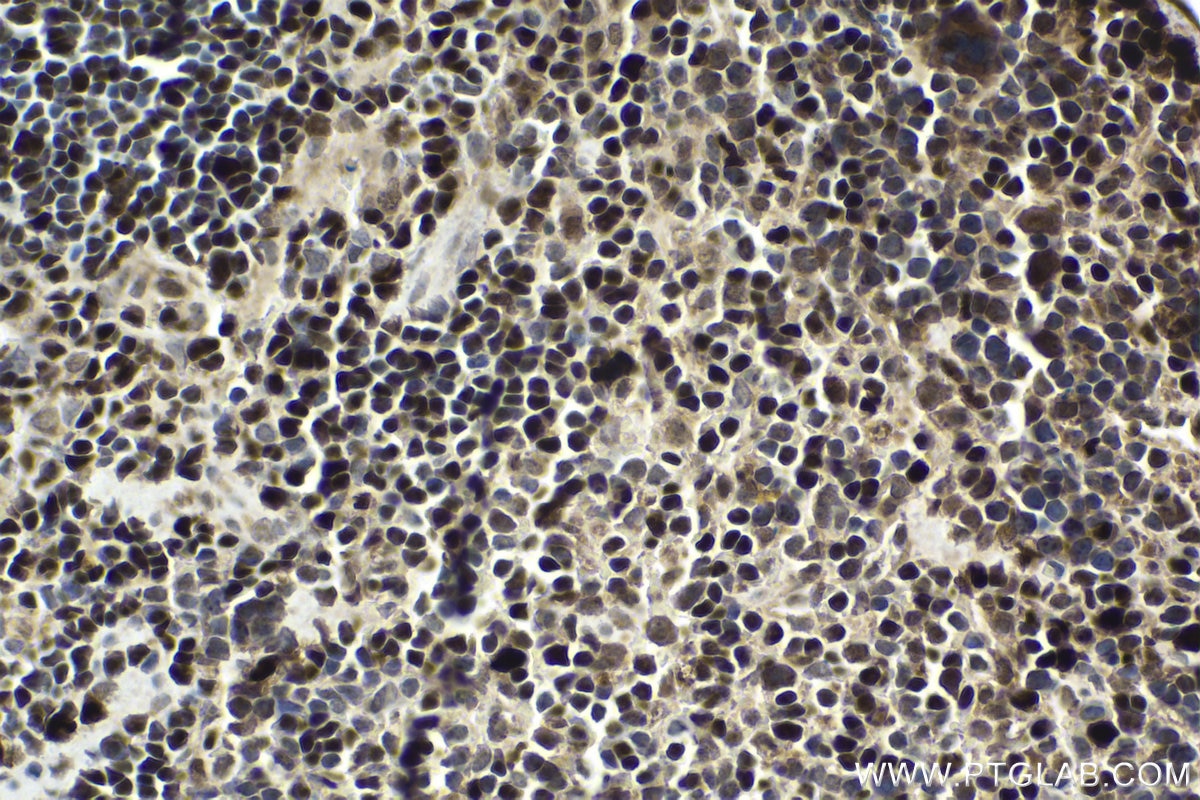
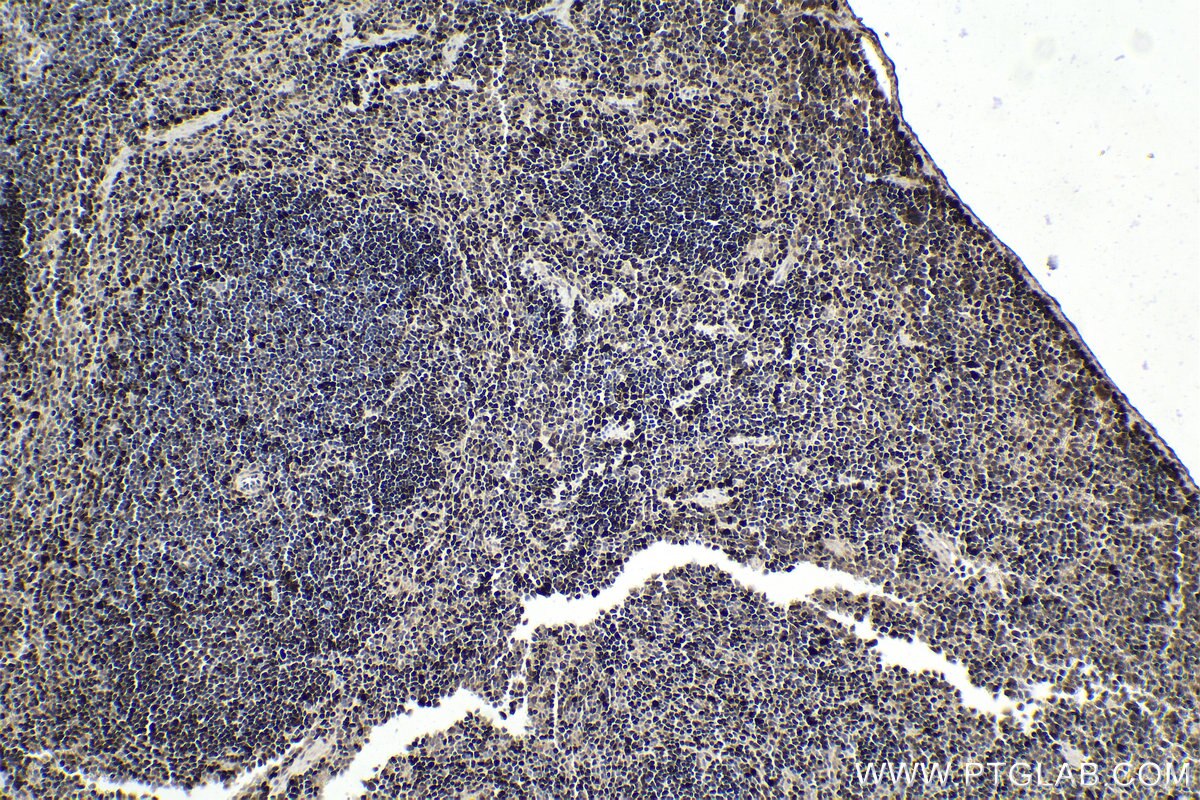
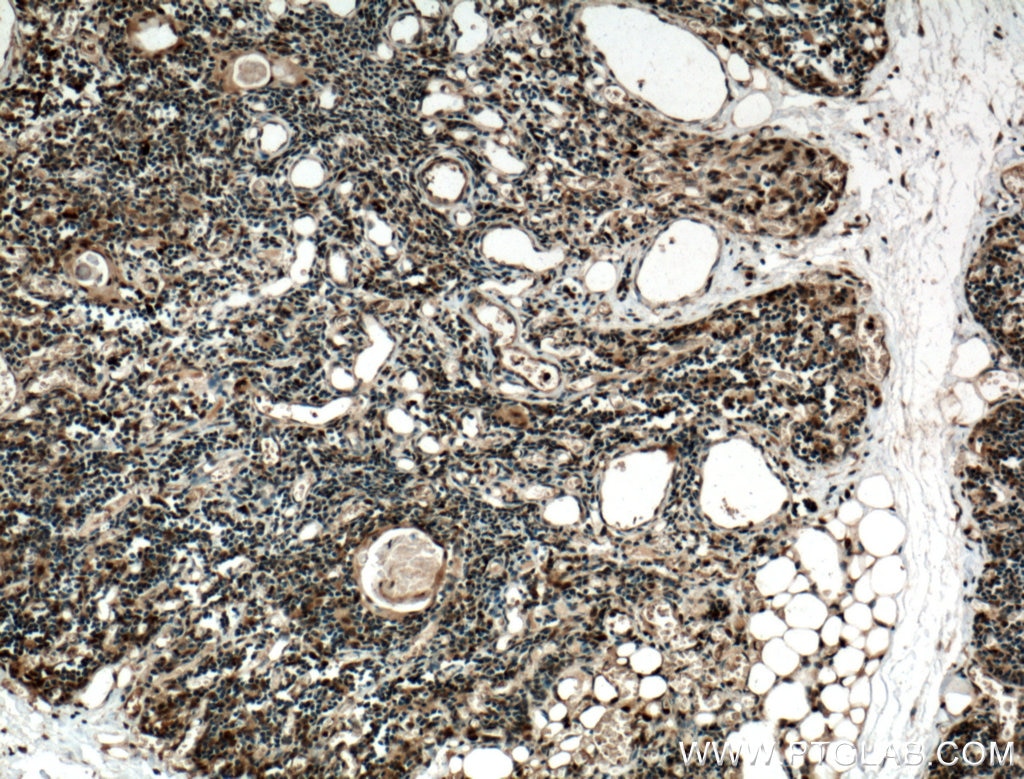
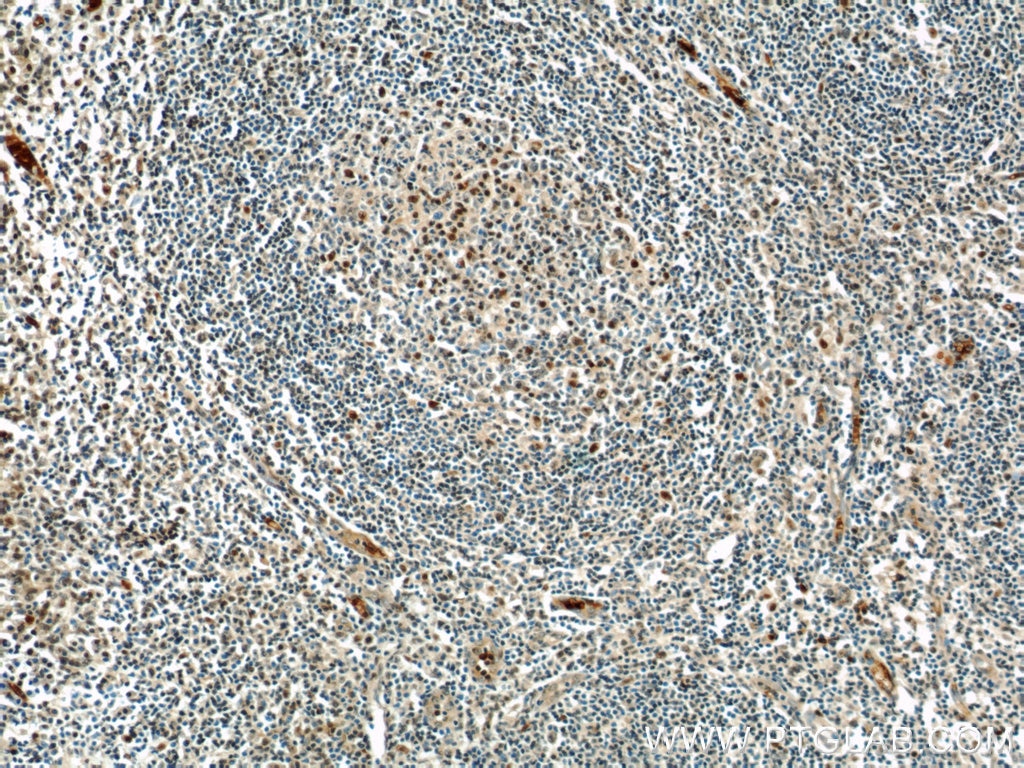
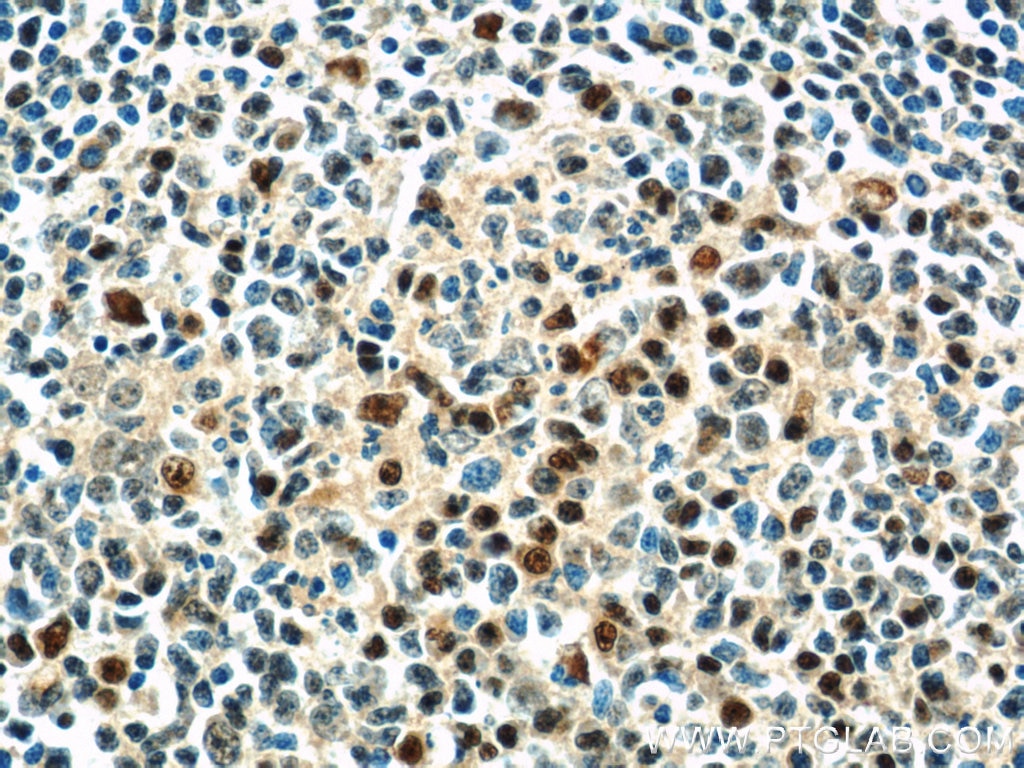
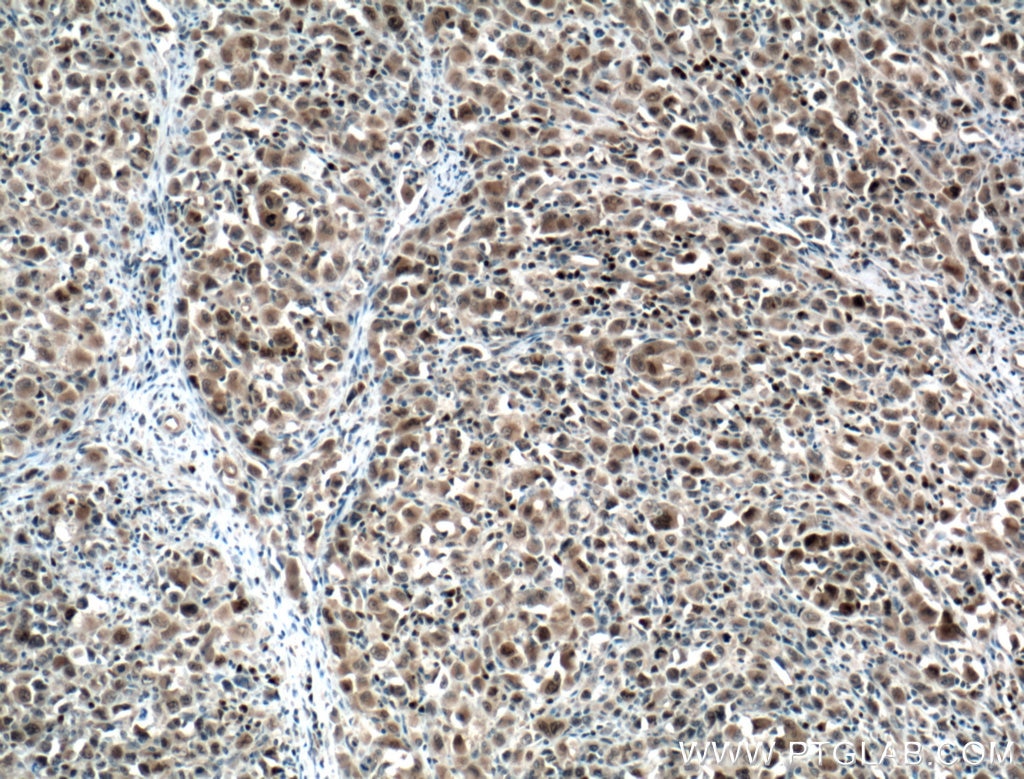
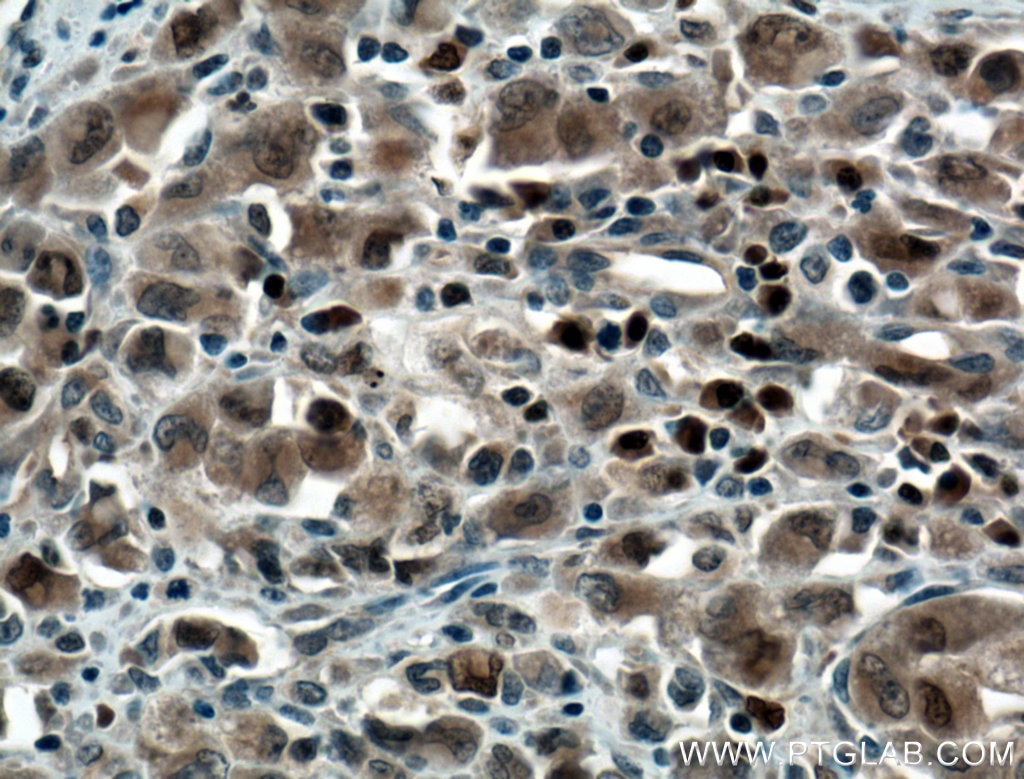
| Positive IHC detected in | human thymus tissue, human lymphoma tissue, human tonsillitis tissue, mouse spleen tissue Note: suggested antigen retrieval with TE buffer pH 9.0; (*) Alternatively, antigen retrieval may be performed with citrate buffer pH 6.0 |
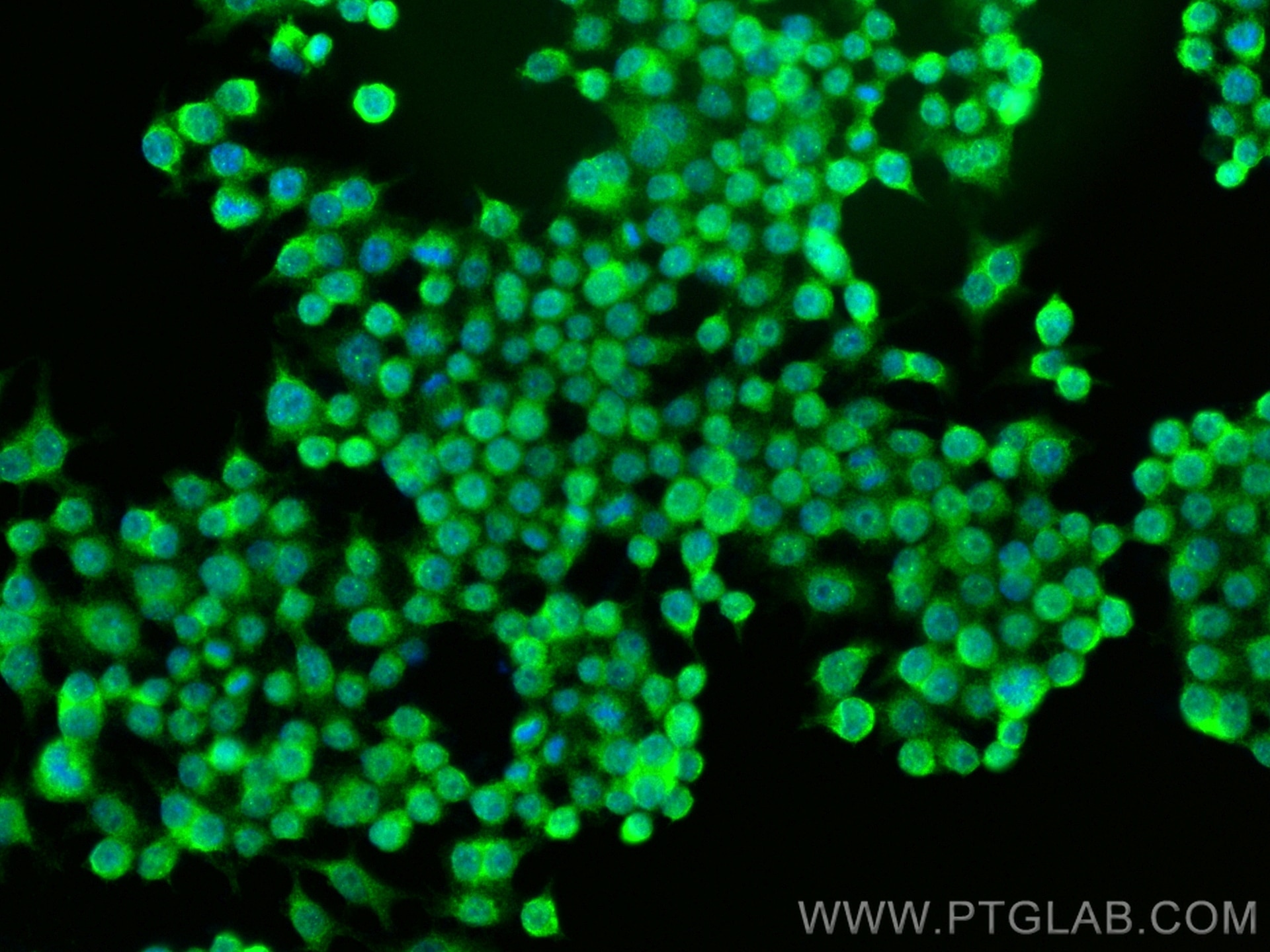
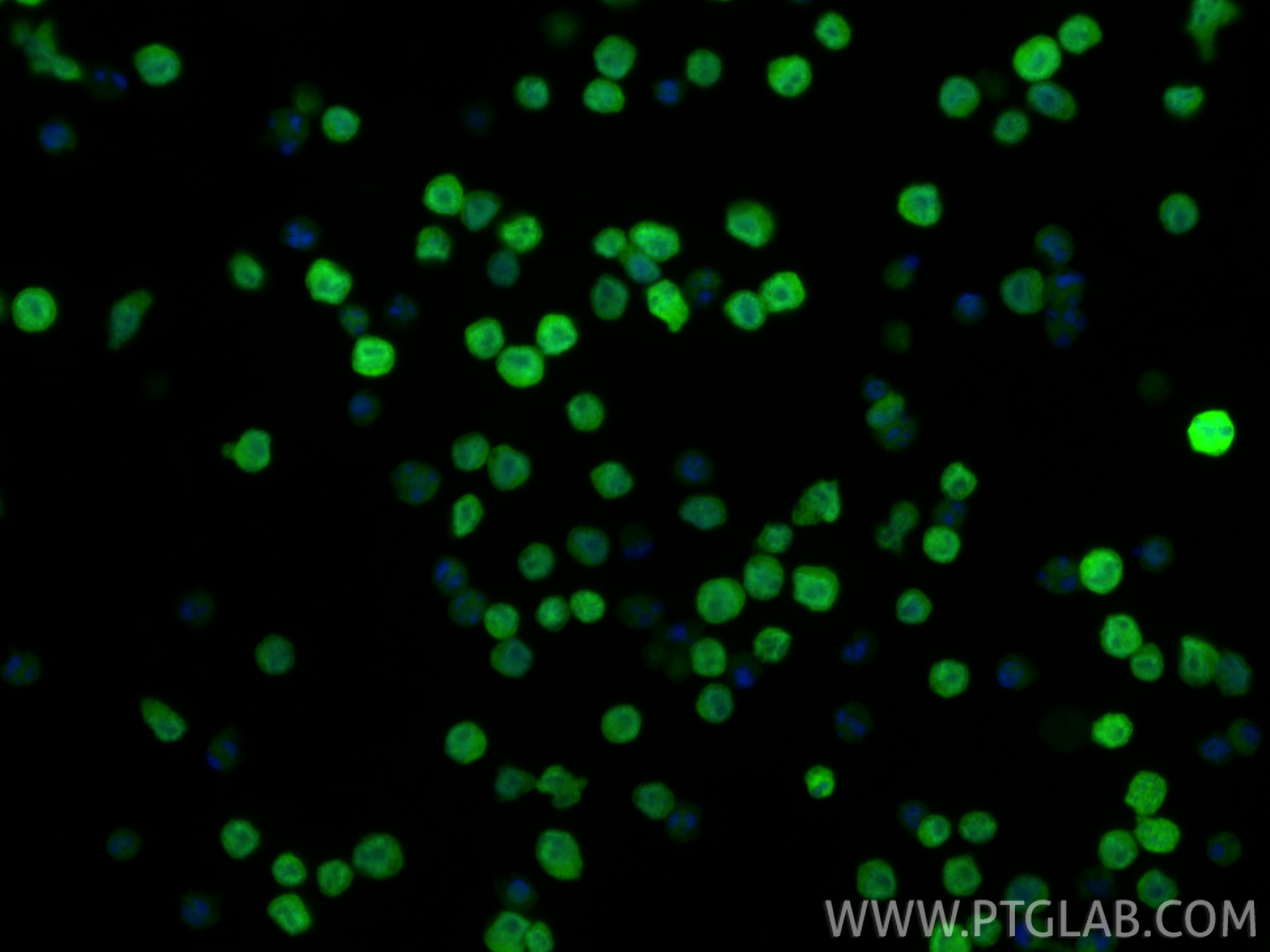
| Positive IF/ICC detected in | RAW 264.7 cells, Ramos cells |
Recommended dilution
| Application | Dilution |
|---|---|
| Western Blot (WB) | WB : 1:5000-1:50000 |
| Immunoprecipitation (IP) | IP : 0.5-4.0 ug for 1.0-3.0 mg of total protein lysate |
| Immunohistochemistry (IHC) | IHC : 1:50-1:500 |
| Immunofluorescence (IF)/ICC | IF/ICC : 1:50-1:500 |
| It is recommended that this reagent should be titrated in each testing system to obtain optimal results. | |
| Sample-dependent, Check data in validation data gallery. | |
Product Information
11247-2-AP targets IRF4 in WB, IHC, IF/ICC, IP, ELISA applications and shows reactivity with human, mouse, rat samples.
| Tested Reactivity | human, mouse, rat |
| Cited Reactivity | human, mouse, rat |
| Host / Isotype | Rabbit / IgG |
| Class | Polyclonal |
| Type | Antibody |
| Immunogen |
CatNo: Ag1762 Product name: Recombinant human IRF4 protein Source: e coli.-derived, PGEX-4T Tag: GST Domain: 1-451 aa of BC015752 Sequence: MNLEGGGRGGEFGMSAVSCGNGKLRQWLIDQIDSGKYPGLVWENEEKSIFRIPWKHAGKQDYNREEDAALFKAWALFKGKFREGIDKPDPPTWKTRLRCALNKSNDFEELVERSQLDISDPYKVYRIVPEGAKKGAKQLTLEDPQMSMSHPYTMTTPYPSLPAQQVHNYMMPPLDRSWRDYVPDQPHPEIPYQCPMTFGPRGHHWQGPACENGCQVTGTFYACAPPESQAPGVPTEPSIRSAEALAFSDCRLHICLYYREILVKELTTSSPEGCRISHGHTYDASNLDQVLFPYPEDNGQRKNIEKLLSHLERGVVLWMAPDGLYAKRLCQSRIYWDGPLALCNDRPNKLERDQTCKLFDTQQFLSELQAFAHHGRSLPRFQVTLCFGEEFPDPQRQRKLITAHVEPLLARQLYYFAQQNSGHFLRGYDLPEHISNPEDYHRSIRHSSIQE Predict reactive species |
| Full Name | IRF 4 |
| Calculated Molecular Weight | 52 kDa |
| Observed Molecular Weight | 52 kDa |
| GenBank Accession Number | BC015752 |
| Gene Symbol | IRF4 |
| Gene ID (NCBI) | 3662 |
| ENSEMBL Gene ID | ENSG00000137265 |
| RRID | AB_2264940 |
| Conjugate | Unconjugated |
| Form | Liquid |
| Purification Method | Antigen affinity purification |
| UNIPROT ID | Q15306 |
| Storage Buffer | PBS with 0.02% sodium azide and 50% glycerol, pH 7.3. |
| Storage Conditions | Store at -20°C. Stable for one year after shipment. Aliquoting is unnecessary for -20oC storage. 20ul sizes contain 0.1% BSA. |
Background Information
IRF4 is a member of the IRF family of transcription factors, expressed in most cell types of the immune system. IRF4 is a transcription factor essential for the development of T helper-2 (Th2) cells, IL17-producing Th17 cells, and IL9-producing Th9 cells, as well as dendritic cell (DC). It binds to and activates the ISRE of the MHC class I promoter, and may have a role in ISRE-targeted signal transduction mechanisms specific to lymphoid cells.
Protocols
| Product Specific Protocols | |
|---|---|
| IF protocol for IRF4 antibody 11247-2-AP | Download protocol |
| IHC protocol for IRF4 antibody 11247-2-AP | Download protocol |
| IP protocol for IRF4 antibody 11247-2-AP | Download protocol |
| WB protocol for IRF4 antibody 11247-2-AP | Download protocol |
| Standard Protocols | |
|---|---|
| Click here to view our Standard Protocols |
Publications
What published studies show
The anti-IRF4 antibody (Cat# 11247-2-AP) has 36 total citations spanning journals including Cell, Nature Communications, Science Translational Medicine, EMBO Journal, Cancer Cell, Diabetes, FASEB Journal, and Scientific Reports. Research fields covered include B cell malignancies and multiple myeloma, plasma cell differentiation, macrophage polarization, metabolic regulation in skeletal muscle and obesity, NASH, sepsis-associated kidney injury, asthma, systemic lupus erythematosus, rheumatoid arthritis, intestinal inflammation, cardiac repair, wound healing, and EBV transformation.
| Species | Application | Title |
|---|---|---|
Cancer Commun (Lond) Targeting autophagy overcomes cancer-intrinsic resistance to CAR-T immunotherapy in B-cell malignancies | ||
Nat Commun Metabolic crosstalk between skeletal muscle cells and liver through IRF4-FSTL1 in nonalcoholic steatohepatitis | ||
Sci Transl Med Targeting the origins of multiple myeloma along hematopoietic stem cell lymphoid lineage differentiation | ||
Adv Sci (Weinh) IRF4 in Skeletal Muscle Regulates Exercise Capacity via PTG/Glycogen Pathway. |
Reviews
What customers say
Both reviewers gave 5-star ratings for Western Blot applications. One user reported a single clean band at 1:1000 dilution in B cells, noting the result matched their omics data and worked well with a Blotting accelerator using 15-minute incubation. The other user called it one of the best antibodies they have used for Western blotting, achieving a single specific band at 1:10,000 dilution in B/T cell lines. Overall, users highlight strong specificity, single-band performance, and reliable results across different dilutions and cell types.
The reviews below have been submitted by verified Proteintech customers who received an incentive for providing their feedback.
Annabel (Verified Customer) (12-18-2025) | Works well, single band and matches our omics results. Used with the Blotting accelerator, 15 minute incubation time.
 |
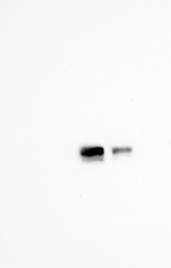
Shunbin (Verified Customer) (05-01-2023) | One of the best antibody we have used for western blotting. 1:10,000 produces a single specific band. original concentration: 440 ug/ml
 |


















