

Tested Applications
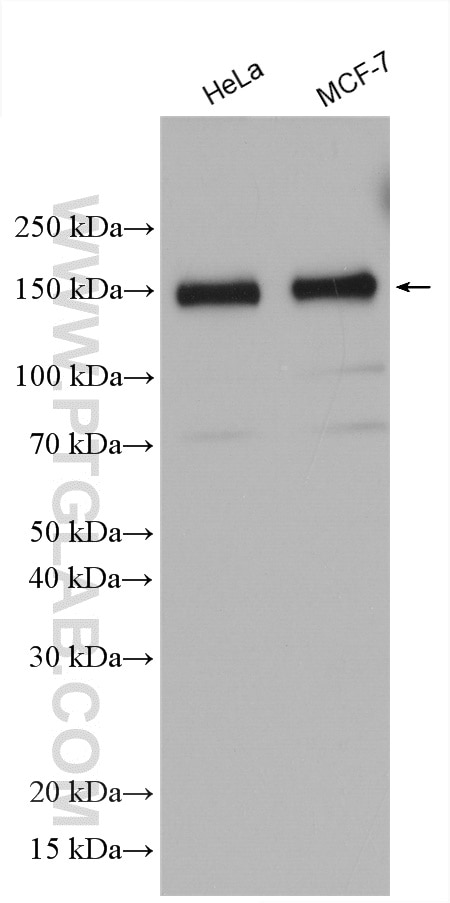
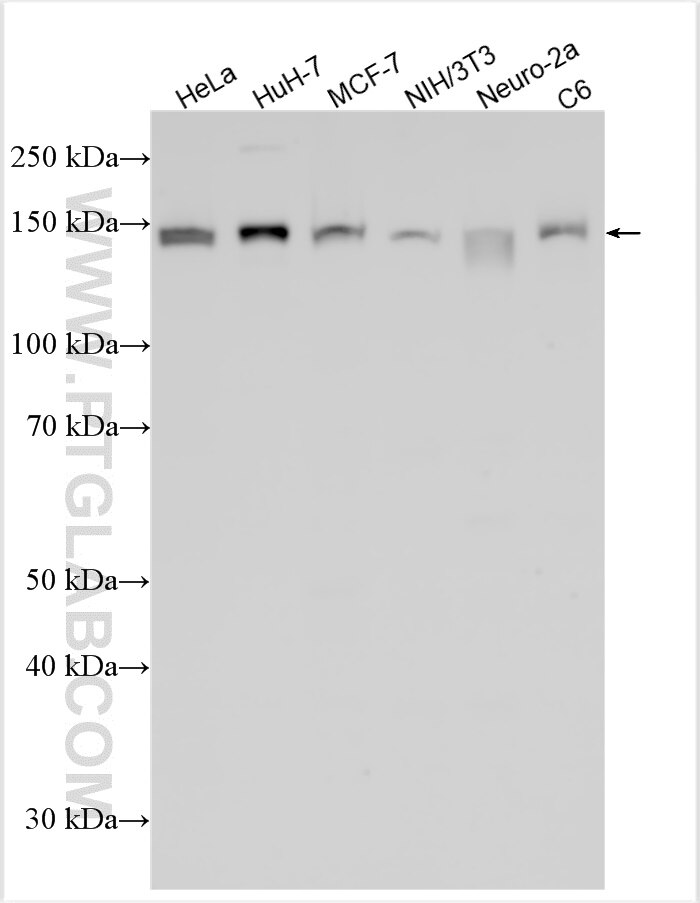
| Positive WB detected in | HeLa cells, HuH-7 cells, MCF-7 cells, NIH/3T3 cells, Neuro-2a cells, C6 cells |
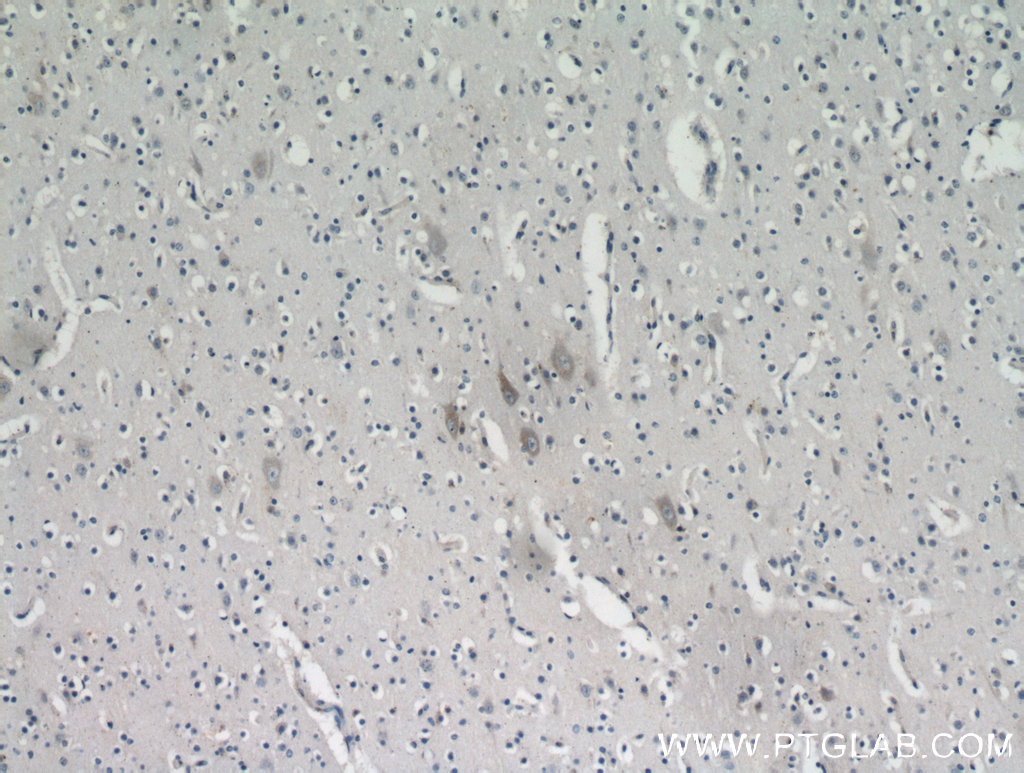
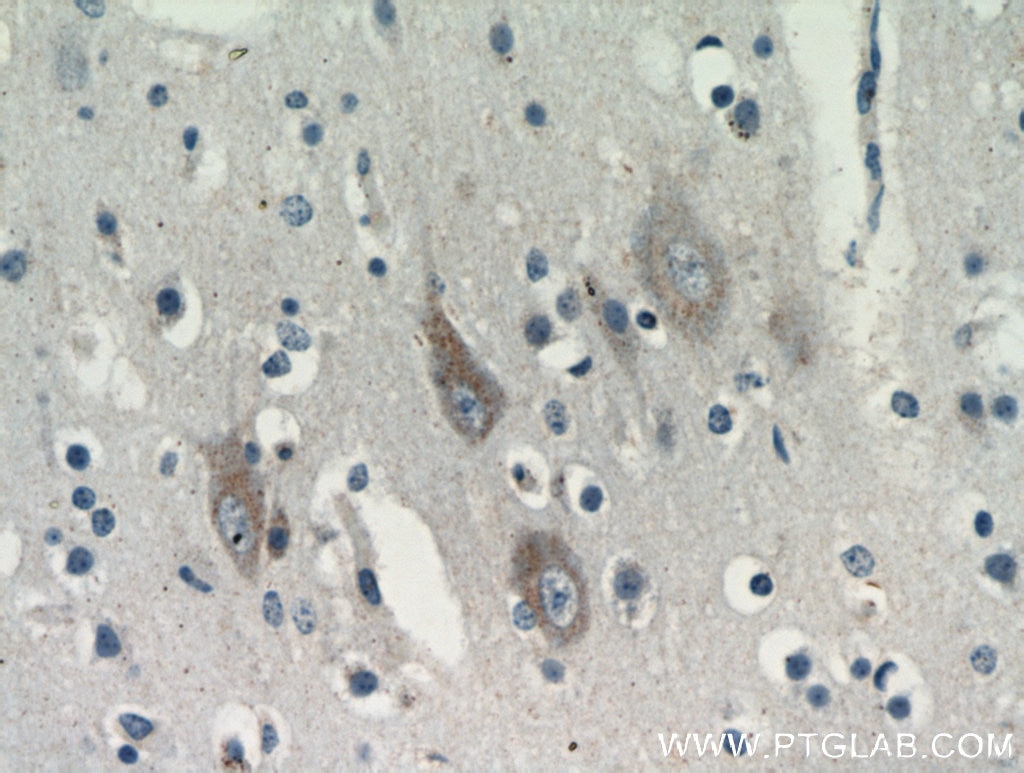
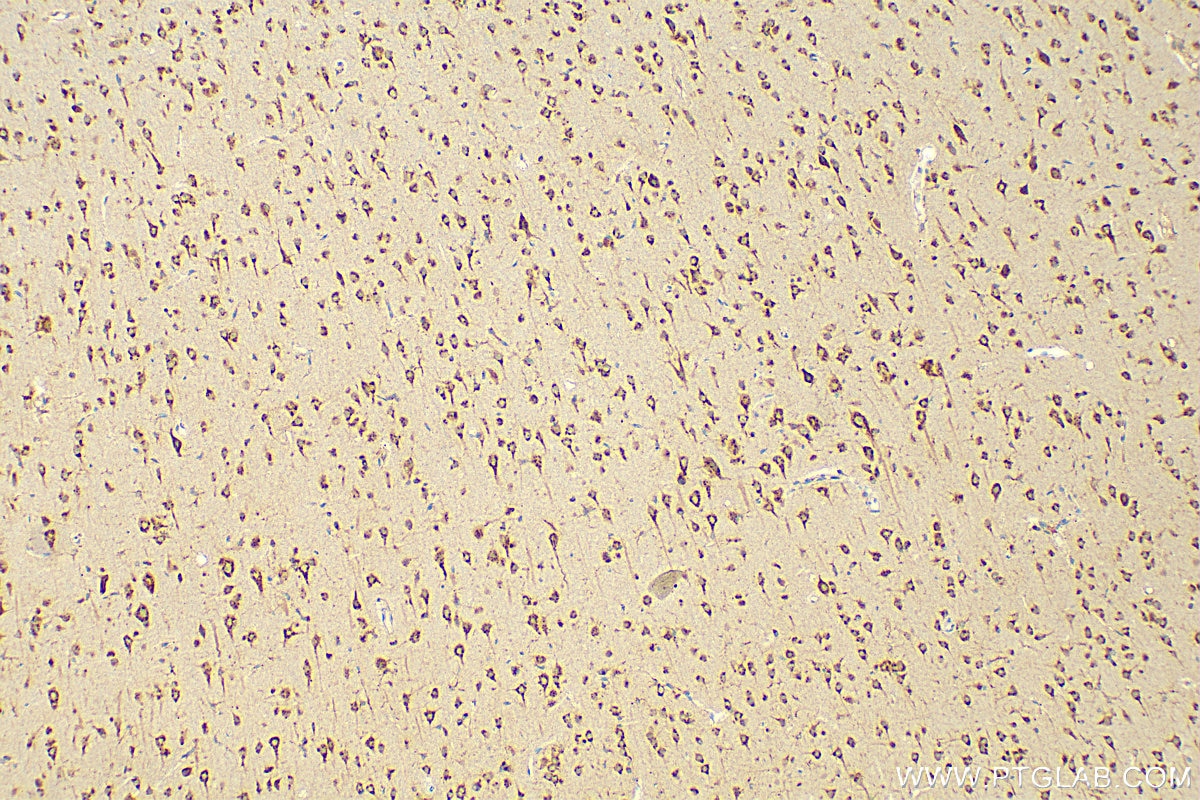
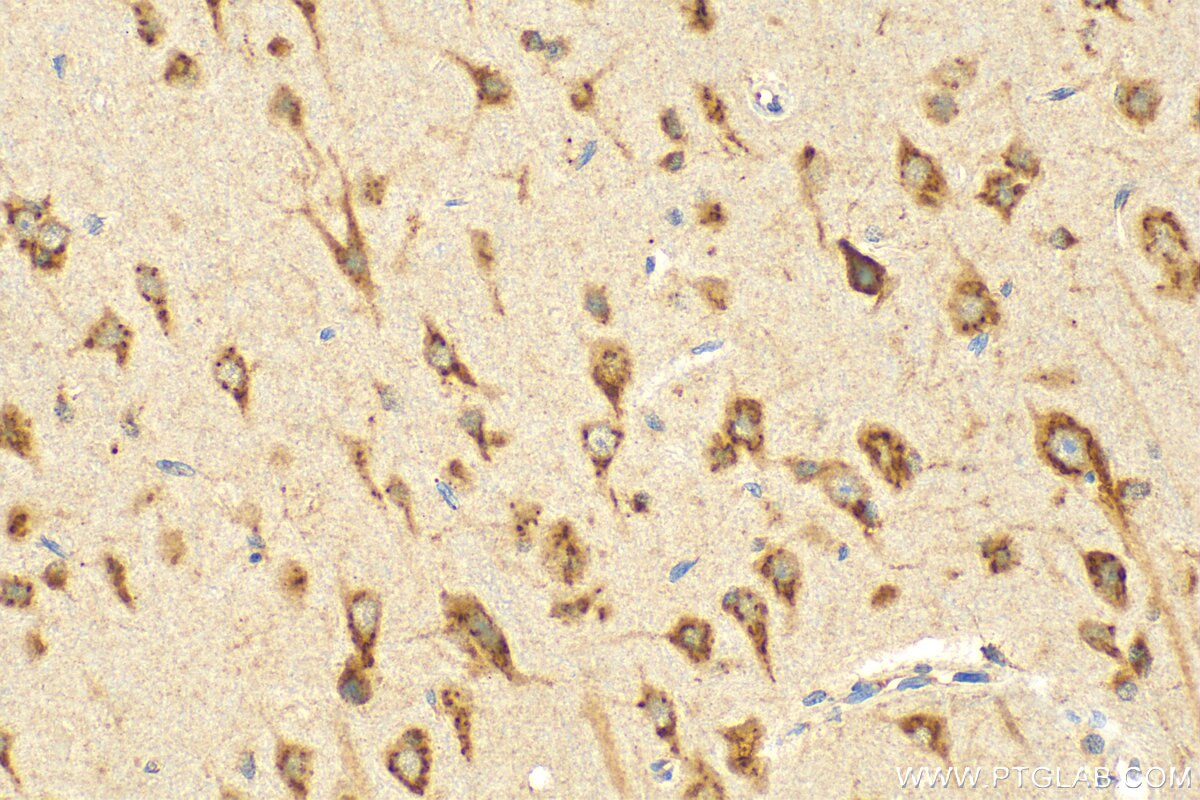
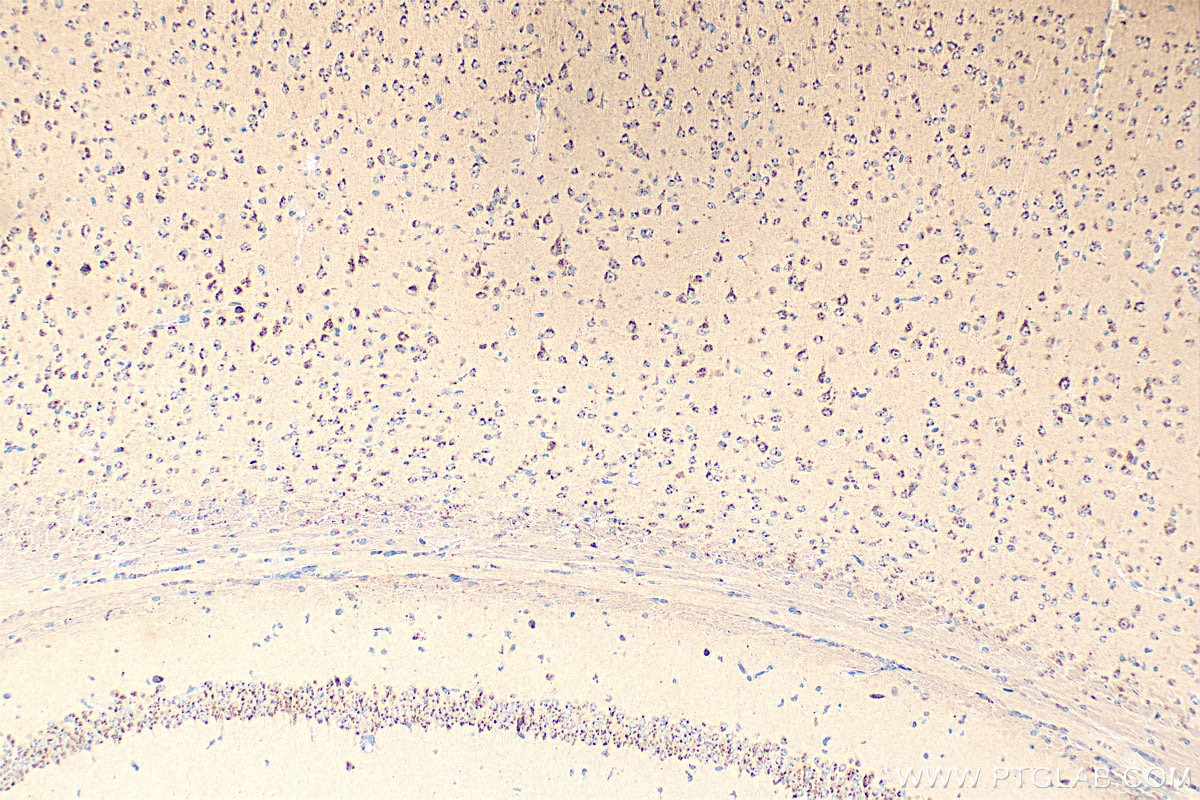
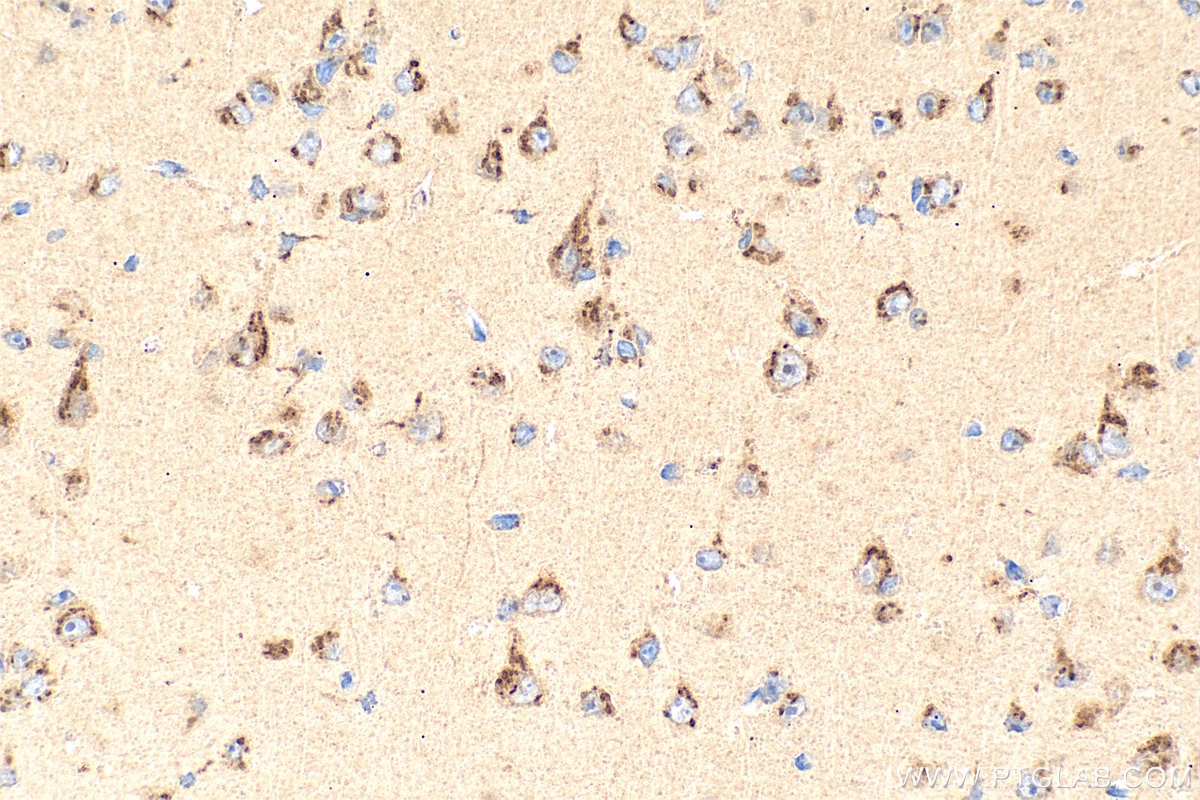
| Positive IHC detected in | mouse brain tissue, human brain tissue, rat brain tissue Note: suggested antigen retrieval with TE buffer pH 9.0; (*) Alternatively, antigen retrieval may be performed with citrate buffer pH 6.0 |
Recommended dilution
| Application | Dilution |
|---|---|
| Western Blot (WB) | WB : 1:2000-1:16000 |
| Immunohistochemistry (IHC) | IHC : 1:400-1:1600 |
| It is recommended that this reagent should be titrated in each testing system to obtain optimal results. | |
| Sample-dependent, Check data in validation data gallery. | |
Product Information
21016-1-AP targets KIAA0319L in WB, IHC, IF, IP, ELISA applications and shows reactivity with human, mouse, rat samples.
| Tested Reactivity | human, mouse, rat |
| Cited Reactivity | human, mouse |
| Host / Isotype | Rabbit / IgG |
| Class | Polyclonal |
| Type | Antibody |
| Immunogen |
CatNo: Ag15263 Product name: Recombinant human KIAA0319L protein Source: e coli.-derived, PET28a Tag: 6*His Domain: 233-582 aa of BC031672 Sequence: ATAQVTVIVQPENNKPPQADAGPDKELTLPVDSTTLDGSKSSDDQKIISYLWEKTQGPDGVQLENANSSVATVTGLQVGTYVFTLTVKDERNLQSQSSVNVIVKEEINKPPIAKITGNVVITLPTSTAELDGSKSSDDKGIVSYLWTRDEGSPAAGEVLNHSDHHPILFLSNLVEGTYTFHLKVTDAKGESDTDRTTVEVKPDPRKNNLVEIILDINVSQLTERLKGMFIRQIGVLLGVLDSDIIVQKIQPYTEQSTKMVFFVQNEPPHQIFKGHEVAAMLKSELRKQKADFLIFRALEVNTVTCQLNCSDHGHCDSFTKRCICDPFWMENFIKVQLRDGDSNCEWSVLY Predict reactive species |
| Full Name | KIAA0319-like |
| Calculated Molecular Weight | 1049 aa, 116 kDa |
| Observed Molecular Weight | ~150 kDa |
| GenBank Accession Number | BC031672 |
| Gene Symbol | KIAA0319L |
| Gene ID (NCBI) | 79932 |
| RRID | AB_10733523 |
| Conjugate | Unconjugated |
| Form | Liquid |
| Purification Method | Antigen affinity purification |
| UNIPROT ID | Q8IZA0 |
| Storage Buffer | PBS with 0.02% sodium azide and 50% glycerol, pH 7.3. |
| Storage Conditions | Store at -20°C. Stable for one year after shipment. Aliquoting is unnecessary for -20oC storage. 20ul sizes contain 0.1% BSA. |
Background Information
KIAA0319L (also known as AAVR) is a type-I transmembrane protein that acts as a receptor for adeno-associated virus (AAV) and is involved in adeno-associated virus infection through endocytosis system (PMID: 26814968). It has been shown that KIAA0319L is highly-glycosylated and can localise to the plasma membrane, endosomes, Golgi and trans-Golgi network (TGN) (PMID: 29991750). KIAA0319L gene has been associated with susceptibility to developmental dyslexia or reading disabilities (PMID: 19085271). The predicted molecular mass of KIAA0319L is 116 kDa, but western blot detected protein at 150 kDa in lysate from HeLa cells, likely due to glycosidic linkages (PMID: 28679762; 30962536).
Protocols
| Product Specific Protocols | |
|---|---|
| IHC protocol for KIAA0319L antibody 21016-1-AP | Download protocol |
| WB protocol for KIAA0319L antibody 21016-1-AP | Download protocol |
| Standard Protocols | |
|---|---|
| Click here to view our Standard Protocols |
Publications
What published studies show
The KIAA0319L (AAVR) Polyclonal Antibody (Cat# 21016-1-AP) has 13 citations published in journals including Nature Biotechnology, Nature Methods, Science Advances, Biomaterials, Gene Therapy, mBio, Scientific Reports, Structure, Analytical Bioanalytical Chemistry, and Molecular Therapy Advances. Research fields span AAV gene therapy and transduction mechanisms, capsid engineering, glycoproteomics, endosomal trafficking, retinal and liver-directed gene delivery, nanocarrier imaging, and acrosome biogenesis.
| Species | Application | Title |
|---|---|---|
Nat Biotechnol Nanocarrier imaging at single-cell resolution across entire mouse bodies with deep learning | ||
Nat Methods Hardwiring tissue-specific AAV transduction in mice through engineered receptor expression | ||
Sci Adv Enhancement of liver-directed transgene expression at initial and repeat doses of AAV vectors admixed with ImmTOR nanoparticles.
| ||
Biomaterials Precision glycoengineered AAV capsids enhance hepatocyte targeting and attenuated immune activation for liver-directed gene therapy. | ||
mBio Identification of SLC35A1 as an essential host factor for the transduction of multi-serotype recombinant adeno-associated virus (AAV) vectors
|









