

Tested Applications
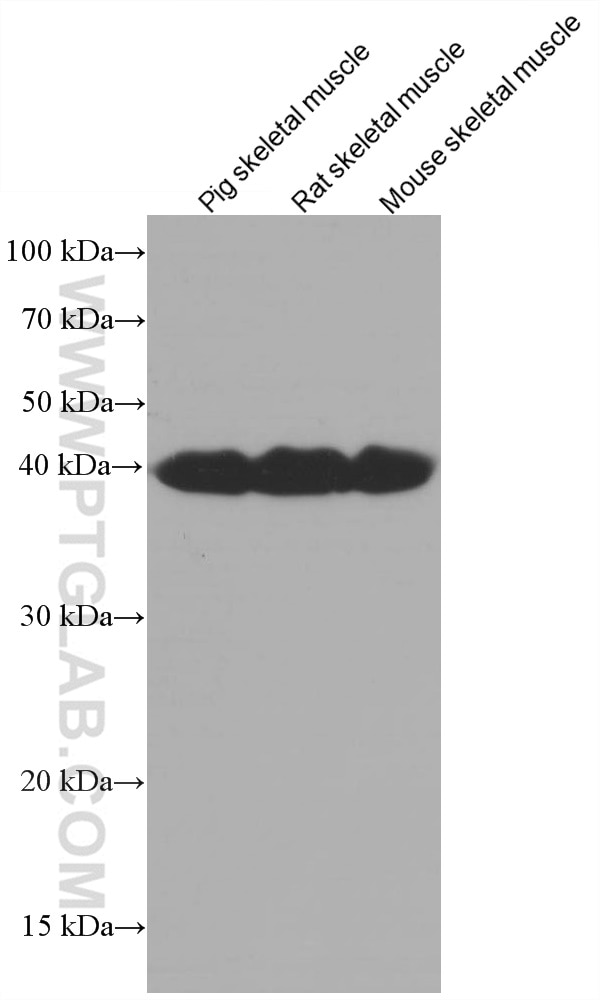
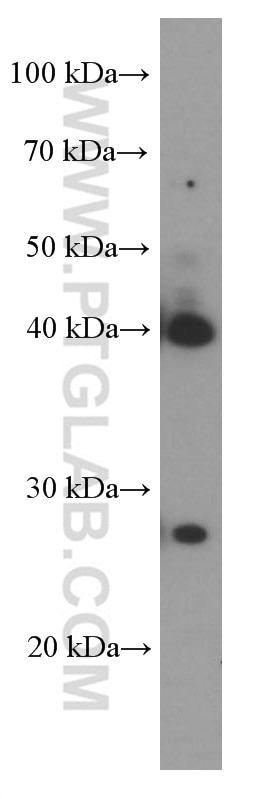
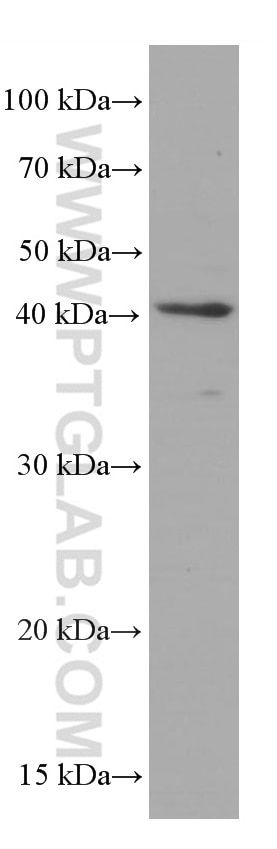
| Positive WB detected in | pig liver tissue, pig skeletal muscle tissue, A431 cells, rat skeletal muscle, mouse skeletal muscle |
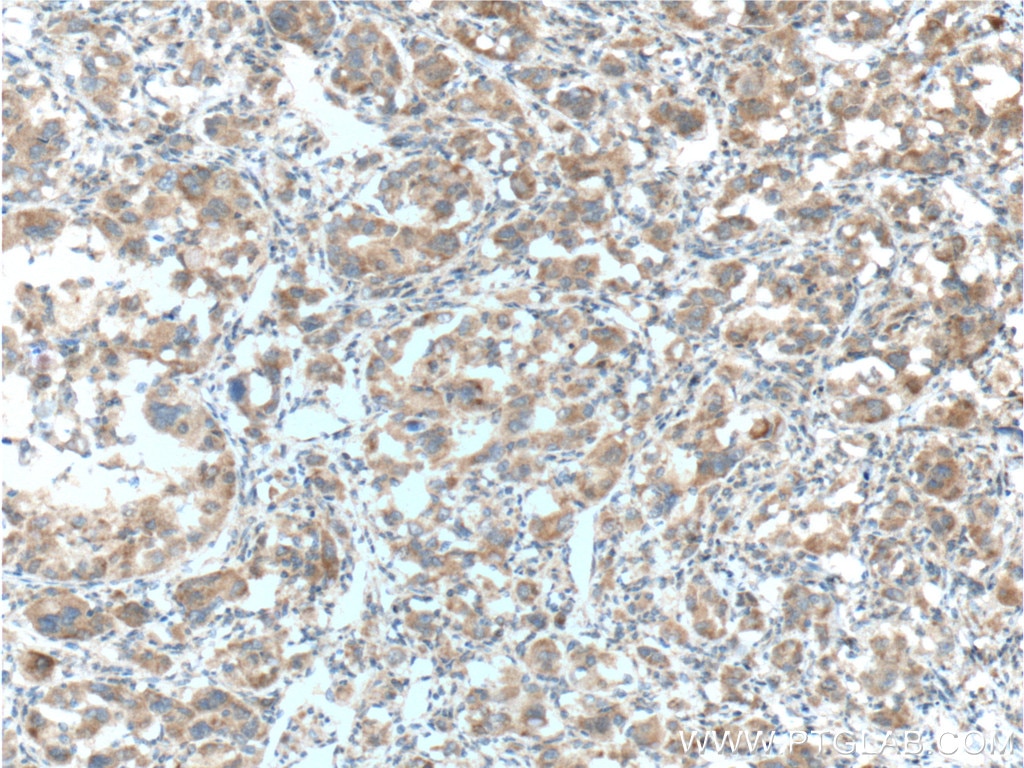
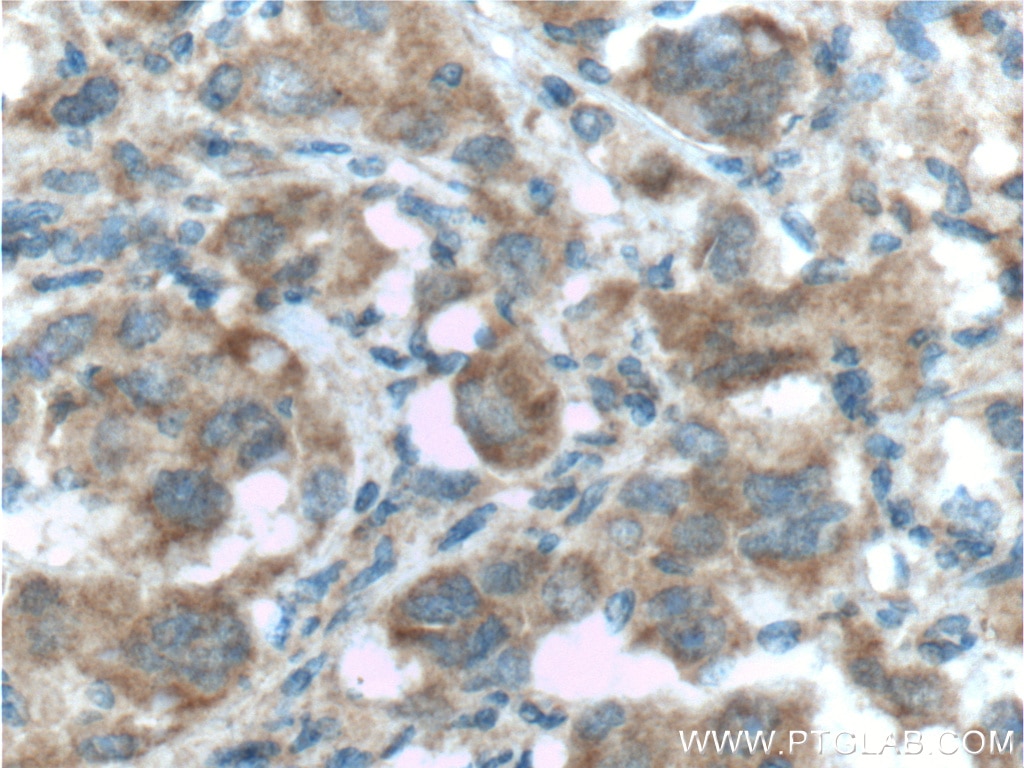
| Positive IHC detected in | human liver cancer tissue Note: suggested antigen retrieval with TE buffer pH 9.0; (*) Alternatively, antigen retrieval may be performed with citrate buffer pH 6.0 |
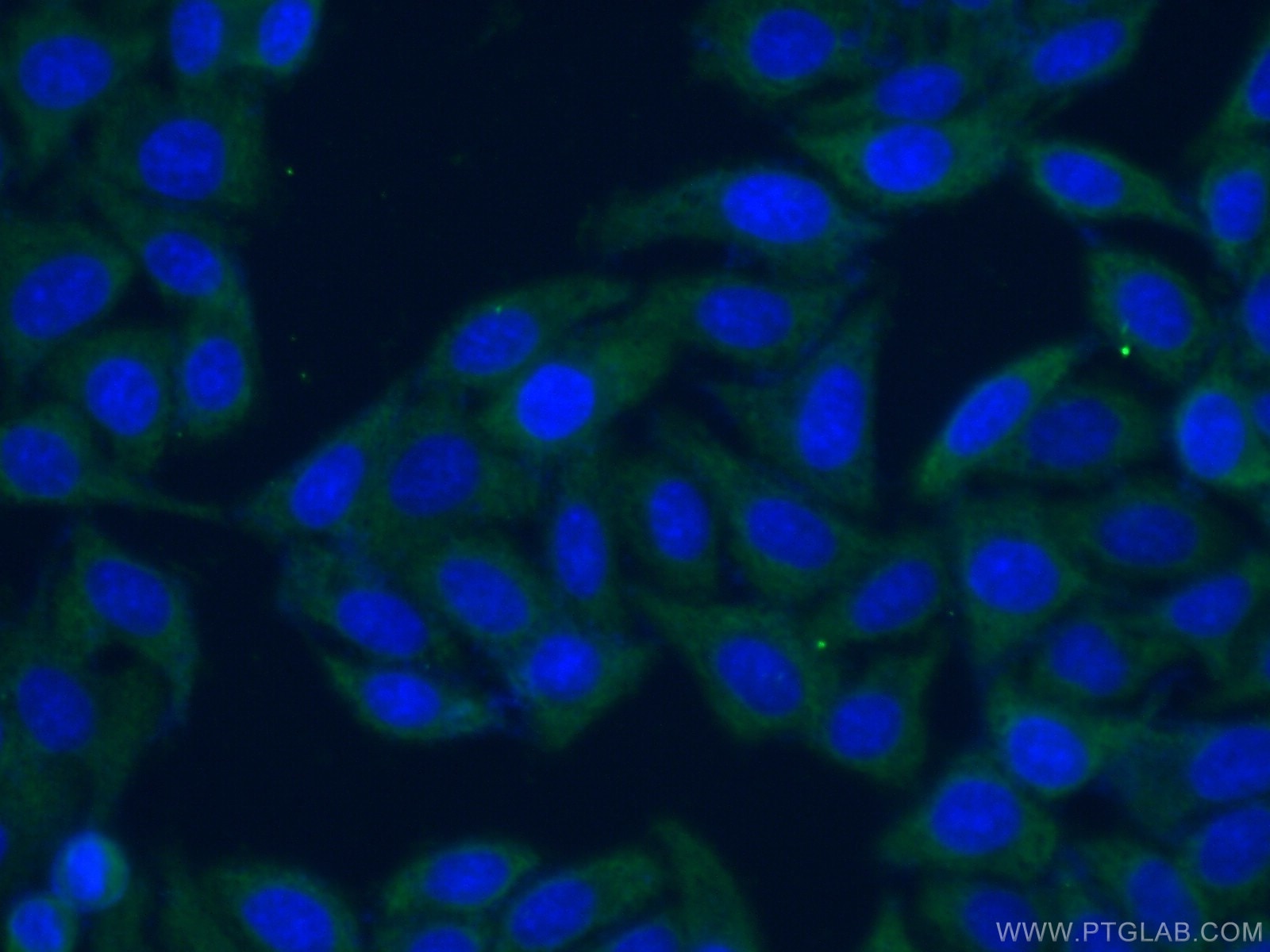
| Positive IF/ICC detected in | HepG2 cells |
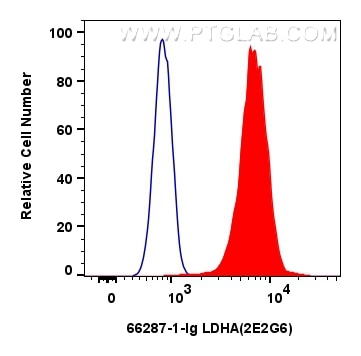
| Positive FC (Intra) detected in | HepG2 cells |
Recommended dilution
| Application | Dilution |
|---|---|
| Western Blot (WB) | WB : 1:500-1:3000 |
| Immunohistochemistry (IHC) | IHC : 1:100-1:400 |
| Immunofluorescence (IF)/ICC | IF/ICC : 1:50-1:500 |
| Flow Cytometry (FC) (INTRA) | FC (INTRA) : 0.25 ug per 10^6 cells in a 100 µl suspension |
| It is recommended that this reagent should be titrated in each testing system to obtain optimal results. | |
| Sample-dependent, Check data in validation data gallery. | |
Product Information
66287-1-Ig targets LDHA in WB, IHC, IF/ICC, FC (Intra), IP, ELISA applications and shows reactivity with human, mouse, rat, pig samples.
| Tested Reactivity | human, mouse, rat, pig |
| Cited Reactivity | human, mouse, rat |
| Host / Isotype | Mouse / IgG2b |
| Class | Monoclonal |
| Type | Antibody |
| Immunogen |
CatNo: Ag21417 Product name: Recombinant human LDHA protein Source: e coli.-derived, PET30a Tag: 6*His Domain: 283-332 aa of BC067223 Sequence: IKDDVFLSVPCILGQNGISDLVKVTLTSEEEARLKKSADTLWGIQKELQF Predict reactive species |
| Full Name | lactate dehydrogenase A |
| Calculated Molecular Weight | 332 aa, 37 kDa |
| Observed Molecular Weight | 32-40 kDa |
| GenBank Accession Number | BC067223 |
| Gene Symbol | LDHA |
| Gene ID (NCBI) | 3939 |
| RRID | AB_2881670 |
| Conjugate | Unconjugated |
| Form | Liquid |
| Purification Method | Protein A purification |
| UNIPROT ID | P00338 |
| Storage Buffer | PBS with 0.02% sodium azide and 50% glycerol, pH 7.3. |
| Storage Conditions | Store at -20°C. Stable for one year after shipment. Aliquoting is unnecessary for -20oC storage. 20ul sizes contain 0.1% BSA. |
Background Information
LDHA, also named as LDH-M and NY-REN-59, is an enzyme which catalyzes the inter-conversion of pyruvate and L-lactate with concomitant inter-conversion of NADH and NAD+. LDHA is found in most somatic tissues, though predominantly in muscle tissue and tumours, and belongs to the lactate dehydrogenase family. It has long been known that many human cancers have higher LDHA levels compared to normal tissues. It has also been shown that LDHA plays an important role in the development, invasion and metastasis of malignancies. Mutations in LDHA have been linked to exertional myoglobinuria. LDHA has some isoforms with MW 26-40 kDa.
Publications
What published studies show
66287-1-Ig is a polyclonal antibody targeting LDHA (Lactate Dehydrogenase A), with 43 total citations. Citations appear in journals including Cell Metabolism, Science Advances, ACS Nano, Developmental Cell, Oncogene, Cell Reports, iScience, Frontiers in Oncology, and others with impact factors ranging from 2.1 to 37. Research fields encompass glycolysis, lactate metabolism, cancer biology (breast, lung, pancreatic, colorectal, liver), immune response, mitochondrial function, histone lactylation, cardiovascular disease, and neurodegeneration.
| Species | Application | Title |
|---|---|---|
Cell Metab Augmentation of scleral glycolysis promotes myopia through histone lactylation | ||
Cell Metab Dual impacts of serine/glycine-free diet in enhancing antitumor immunity and promoting evasion via PD-L1 lactylation | ||
Drug Resist Updat Lactate-driven H3K18 lactylation promotes cisplatin resistance in bladder cancer via HNRNPF-Parkin mediated mitophagy. | ||
ACS Nano Copper-Oxamate Coordination Polymers Reverse Cuproptosis Resistance in Nonsmall Cell Lung Cancer via Glycolysis Reprogramming. | ||
J Nanobiotechnology Lacc1-engineered extracellular vesicles reprogram mitochondrial metabolism to alleviate inflammation and cartilage degeneration in TMJ osteoarthritis | ||
Sci Adv Chronic stress hinders sensory axon regeneration via impairing mitochondrial cristae and OXPHOS |








