
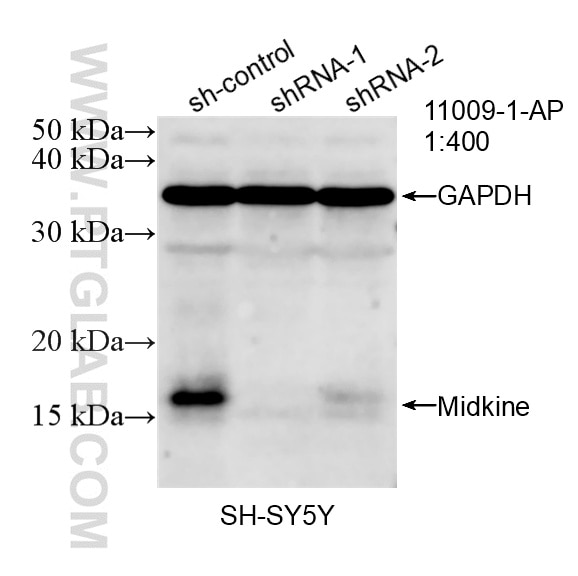
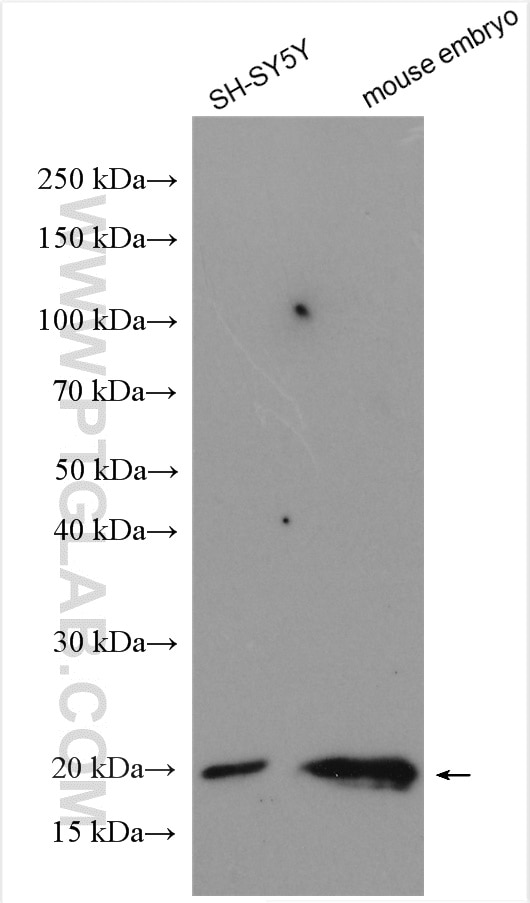
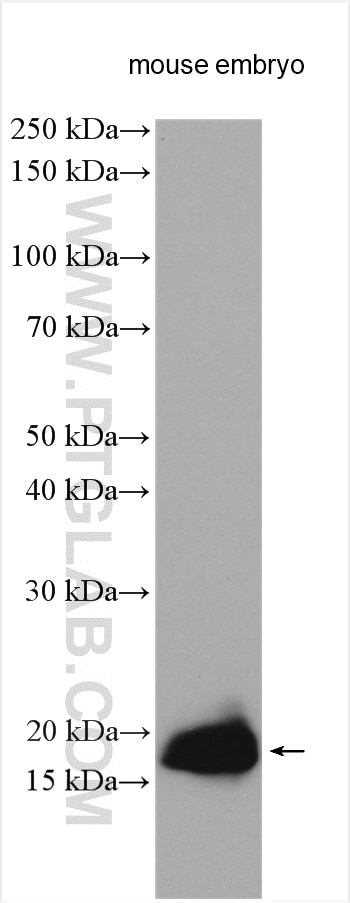
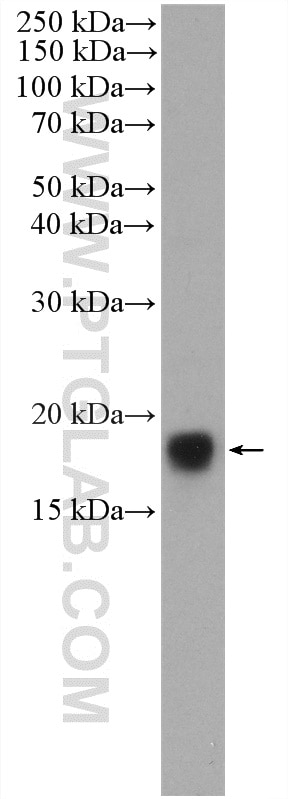

Tested Applications
| Positive WB detected in | SH-SY5Y cells, COLO 320 cells, mouse embryo tissue |
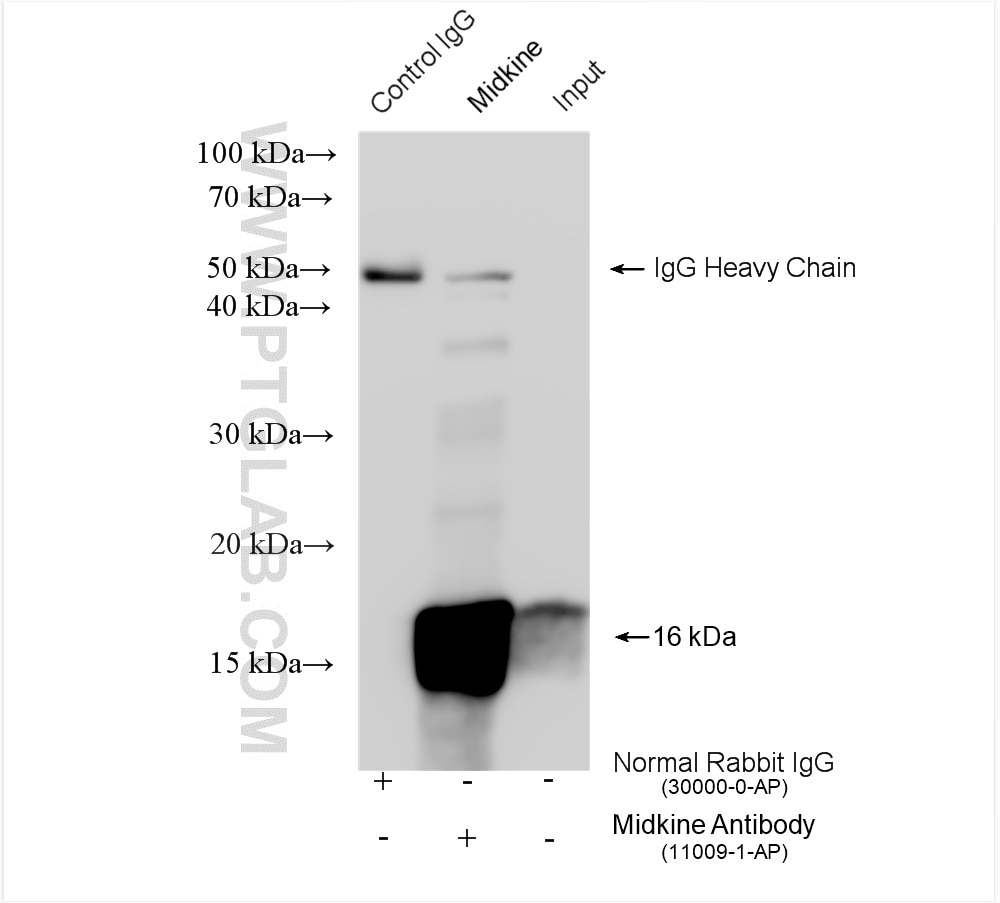
| Positive IP detected in | mouse embryo tissue |
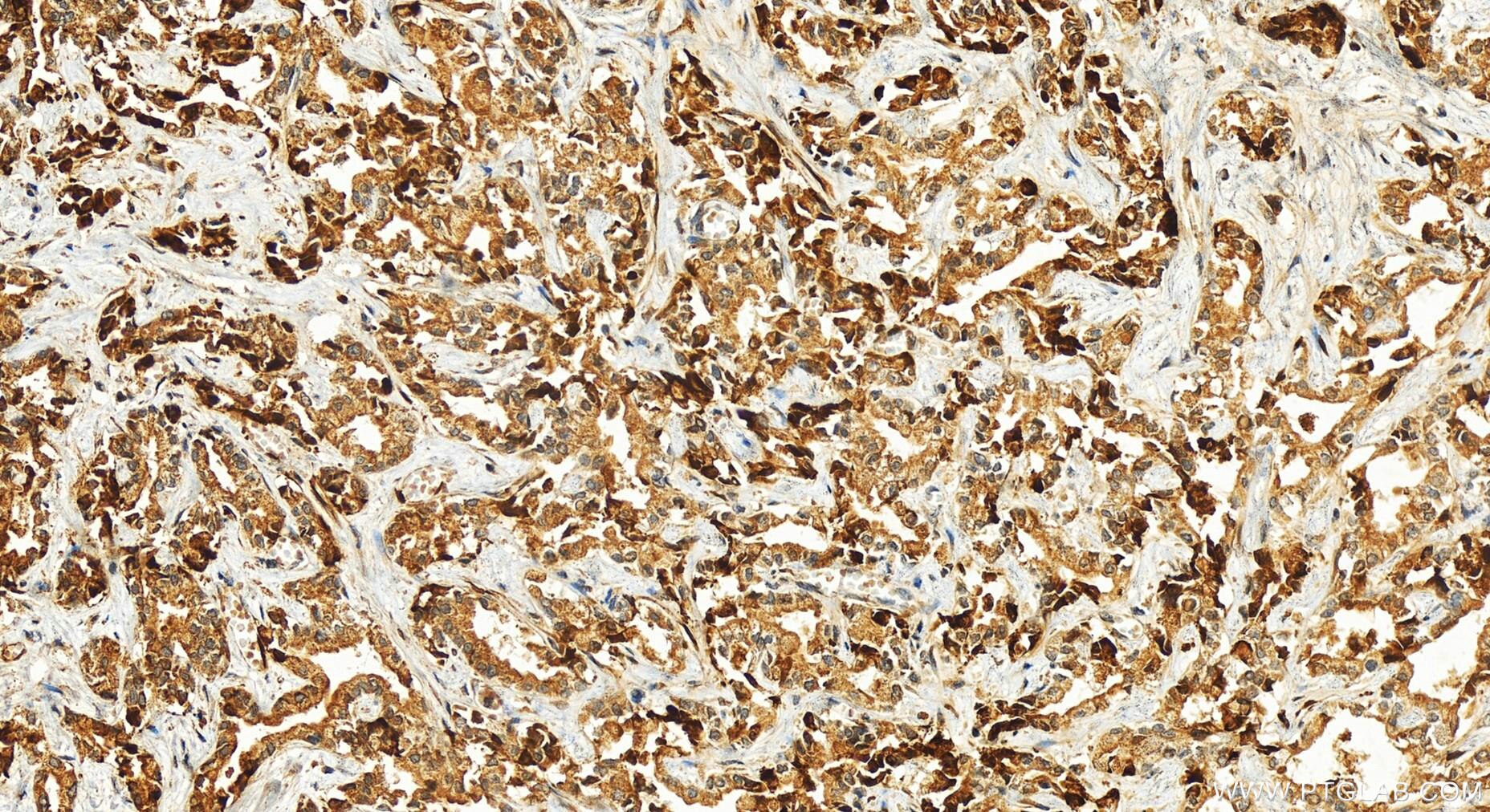
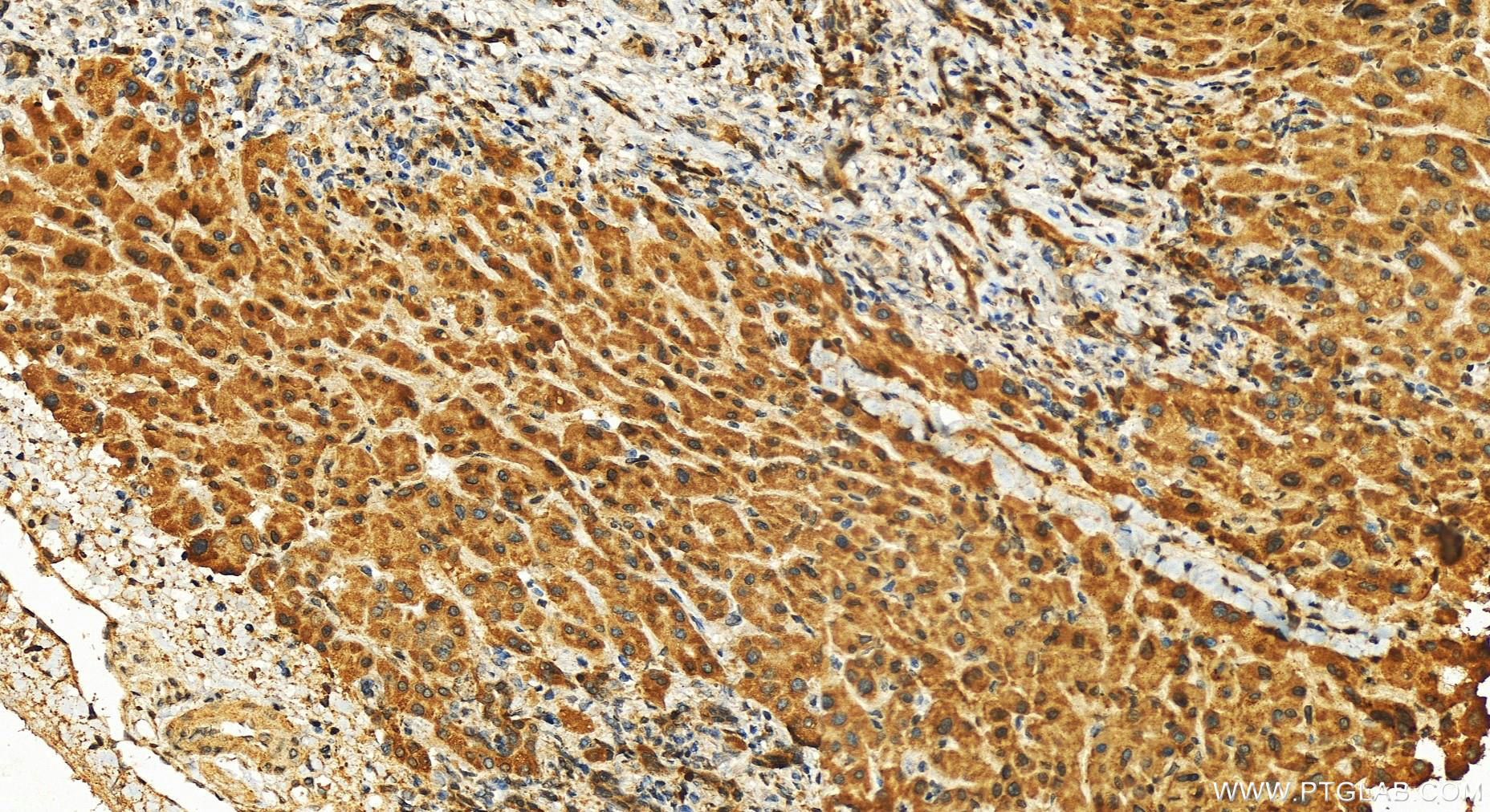
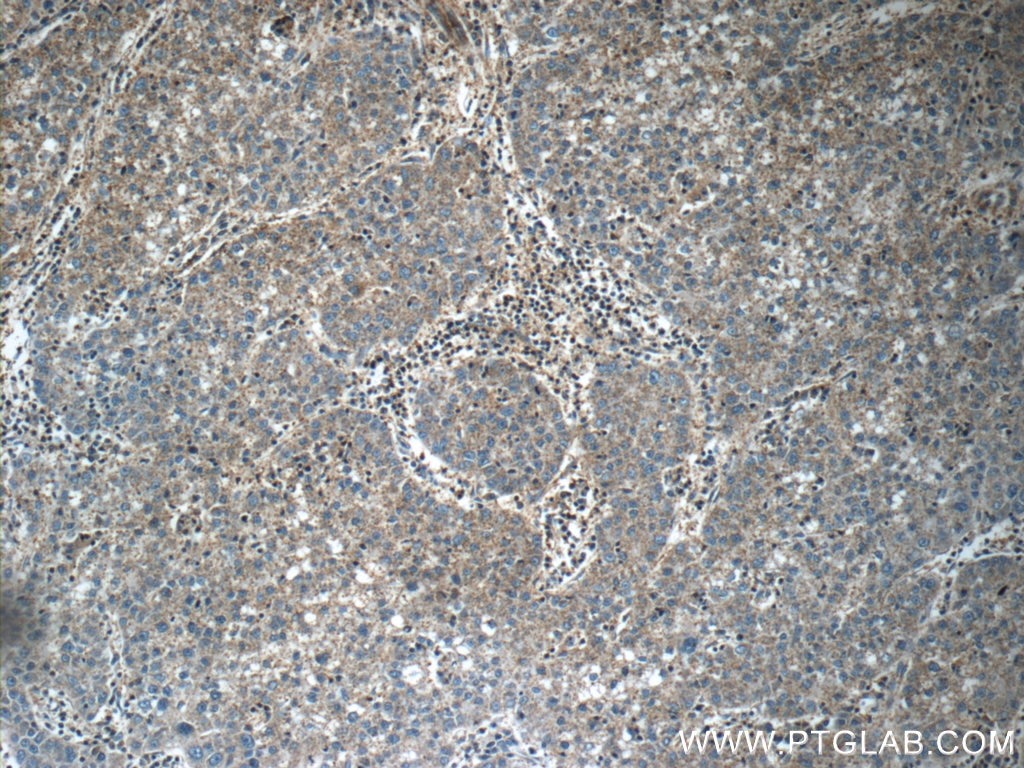
| Positive IHC detected in | human intrahepatic cholangiocarcinoma tissue, human liver cancer tissue Note: suggested antigen retrieval with TE buffer pH 9.0; (*) Alternatively, antigen retrieval may be performed with citrate buffer pH 6.0 |
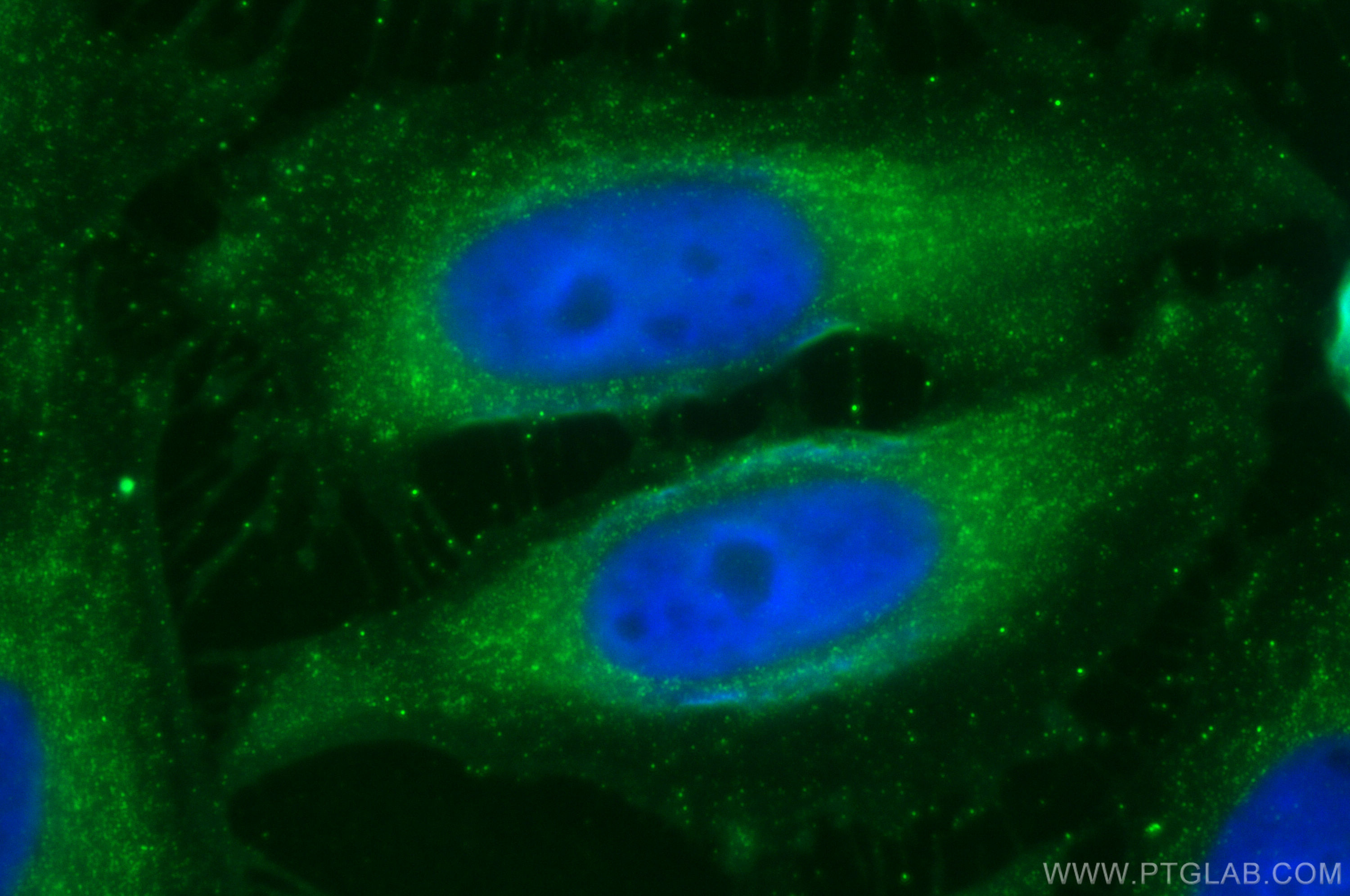
| Positive IF/ICC detected in | HeLa cells |
Recommended dilution
| Application | Dilution |
|---|---|
| Western Blot (WB) | WB : 1:1000-1:4000 |
| Immunoprecipitation (IP) | IP : 0.5-4.0 ug for 1.0-3.0 mg of total protein lysate |
| Immunohistochemistry (IHC) | IHC : 1:50-1:500 |
| Immunofluorescence (IF)/ICC | IF/ICC : 1:50-1:500 |
| It is recommended that this reagent should be titrated in each testing system to obtain optimal results. | |
| Sample-dependent, Check data in validation data gallery. | |
Product Information
11009-1-AP targets Midkine in WB, IHC, IF/ICC, IP, ELISA applications and shows reactivity with human, mouse samples.
| Tested Reactivity | human, mouse |
| Cited Reactivity | human, mouse, rat |
| Host / Isotype | Rabbit / IgG |
| Class | Polyclonal |
| Type | Antibody |
| Immunogen |
CatNo: Ag1465 Product name: Recombinant human MDK protein Source: e coli.-derived, PGEX-4T Tag: GST Domain: 1-143 aa of BC011704 Sequence: MQHRGFLLLTLLALLALTSAVAKKKDKVKKGGPGSECAEWAWGPCTPSSKDCGVGFREGTCGAQTQRIRCRVPCNWKKEFGADCKYKFENWGACDGGTGTKVRQGTLKKARYNAQCQETIRVTKPCTPKTKAKAKAKKGKGKD Predict reactive species |
| Full Name | midkine (neurite growth-promoting factor 2) |
| Calculated Molecular Weight | 16 kDa |
| Observed Molecular Weight | 16 kDa |
| GenBank Accession Number | BC011704 |
| Gene Symbol | Midkine |
| Gene ID (NCBI) | 4192 |
| RRID | AB_2250619 |
| Conjugate | Unconjugated |
| Form | Liquid |
| Purification Method | Antigen affinity purification |
| UNIPROT ID | P21741 |
| Storage Buffer | PBS with 0.02% sodium azide and 50% glycerol, pH 7.3. |
| Storage Conditions | Store at -20°C. Stable for one year after shipment. Aliquoting is unnecessary for -20oC storage. 20ul sizes contain 0.1% BSA. |
Background Information
Midkine is a heparin-binding growth factor identified over 20 years ago and enhances the survival, migration and many other activities of target cells. Midkine is rich in both basic amino acids and cysteine, and is not related to most other growth factors/cytokines. It is strongly expressed during embryonic periods, especially at the midgestation stage, and plays important roles in development, especially in neurogenesis. Midkine expression in adult tissue is generally weak or undetectable, and it is induced upon injury and exerts many activities related to tissue repair. The biological activities of midkine in malignant tumors include proliferation, angiogenesis, invasion and metastasis. Various cancers express significantly higher levels of the midkine protein in early stage tumor tissues than in adjacent normal tissue.
Protocols
| Product Specific Protocols | |
|---|---|
| IF protocol for Midkine antibody 11009-1-AP | Download protocol |
| IHC protocol for Midkine antibody 11009-1-AP | Download protocol |
| IP protocol for Midkine antibody 11009-1-AP | Download protocol |
| WB protocol for Midkine antibody 11009-1-AP | Download protocol |
| Standard Protocols | |
|---|---|
| Click here to view our Standard Protocols |
Publications
What published studies show
The anti-Midkine (MDK) antibody (Cat# 11009-1-AP) has 29 citations spanning journals including Cancer Cell, Nature Cell Biology, Nucleic Acids Research, Theranostics, Advanced Science, Cancer Letters, and Frontiers in Immunology. Research fields cover oncology (breast, colorectal, glioma, pancreatic, prostate, ovarian, gastric, and lung cancers), fibrosis, neurodegeneration, cardiovascular disease, diabetes, and inflammatory disorders. Applications primarily include WB, IF, and IHC in human, mouse, and rat samples.
| Species | Application | Title |
|---|---|---|
Cancer Cell Midkine as a driver of age-related changes and increase in mammary tumorigenesis | ||
Nat Cell Biol Peritumoural adipose tissue drives immune evasion in colorectal cancer via adipose-mesenchymal transformation | ||
Nucleic Acids Res Characterization of gRNA-dependent and gRNA-independent off-target binding sites of PspCas13b and RfxCas13d in mammalian cells. | ||
Adv Sci (Weinh) Unraveling the Role of MDK-SDC4 Interaction in Pancreatic Cancer-Associated New-Onset Diabetes by Single-Cell Transcriptomic Analysis
| ||
Adv Sci (Weinh) Cancer Cell-Intrinsic Cholesterol Induces Lipid-Associated Macrophage Differentiation via SP1 Palmitoylation to Promote Prostate Cancer Progression |










