

Tested Applications
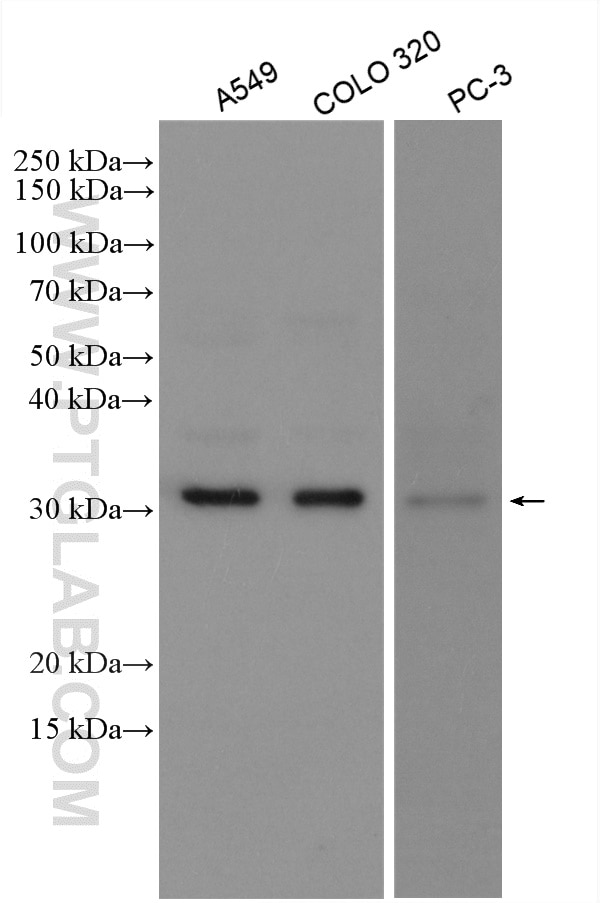
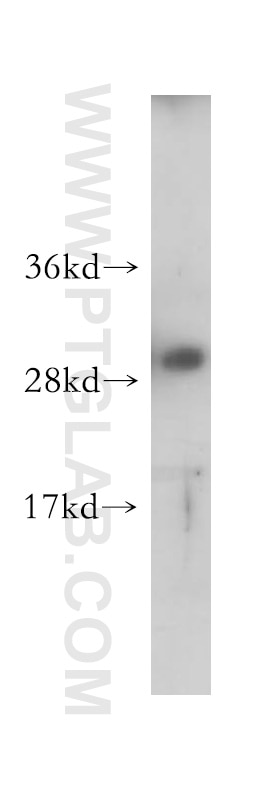
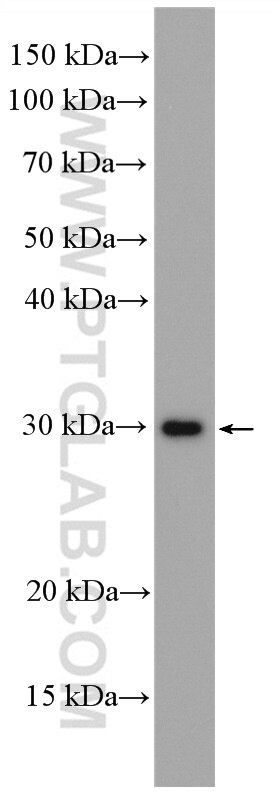
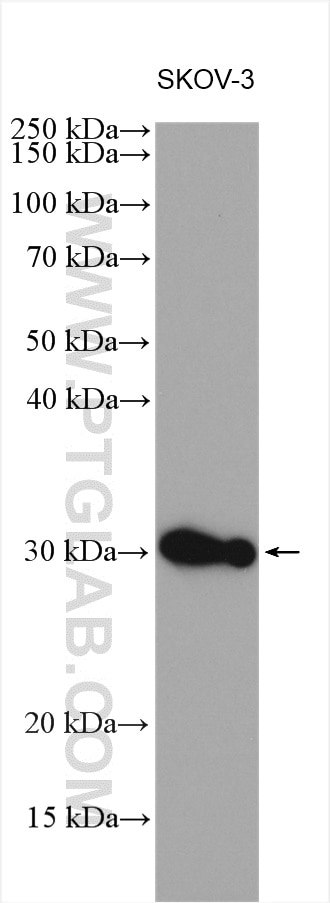
| Positive WB detected in | A549 cells, human placenta tissue, SKOV-3 cells, NIH/3T3 cells, COLO 320 cells, PC-3 cells |
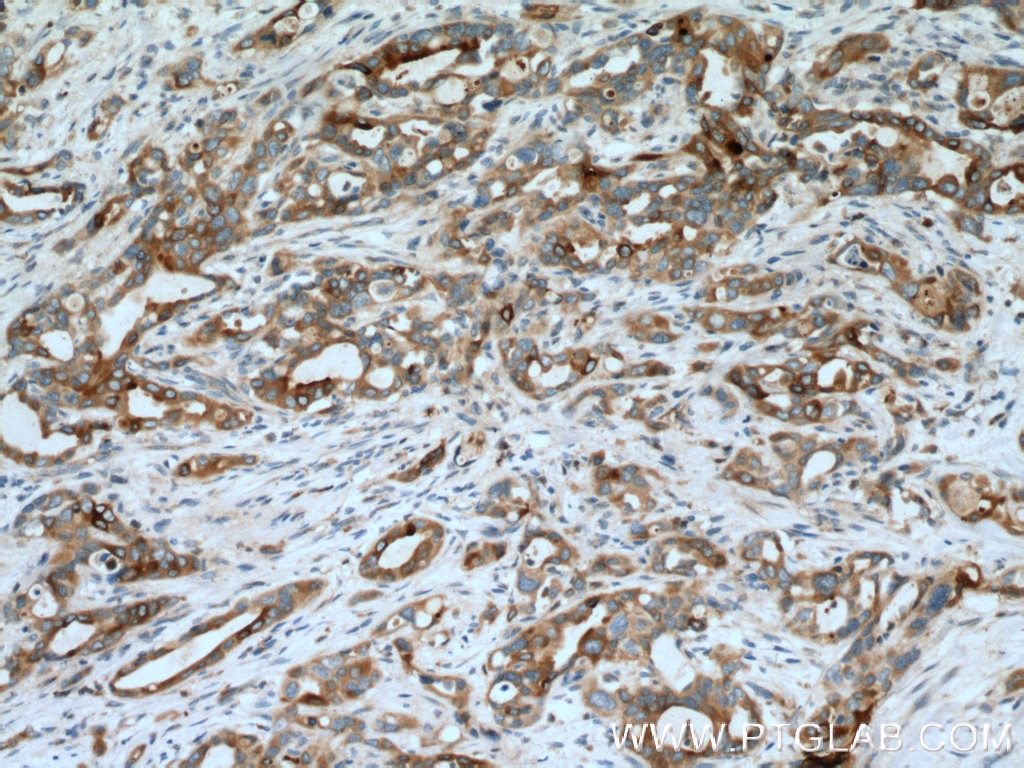
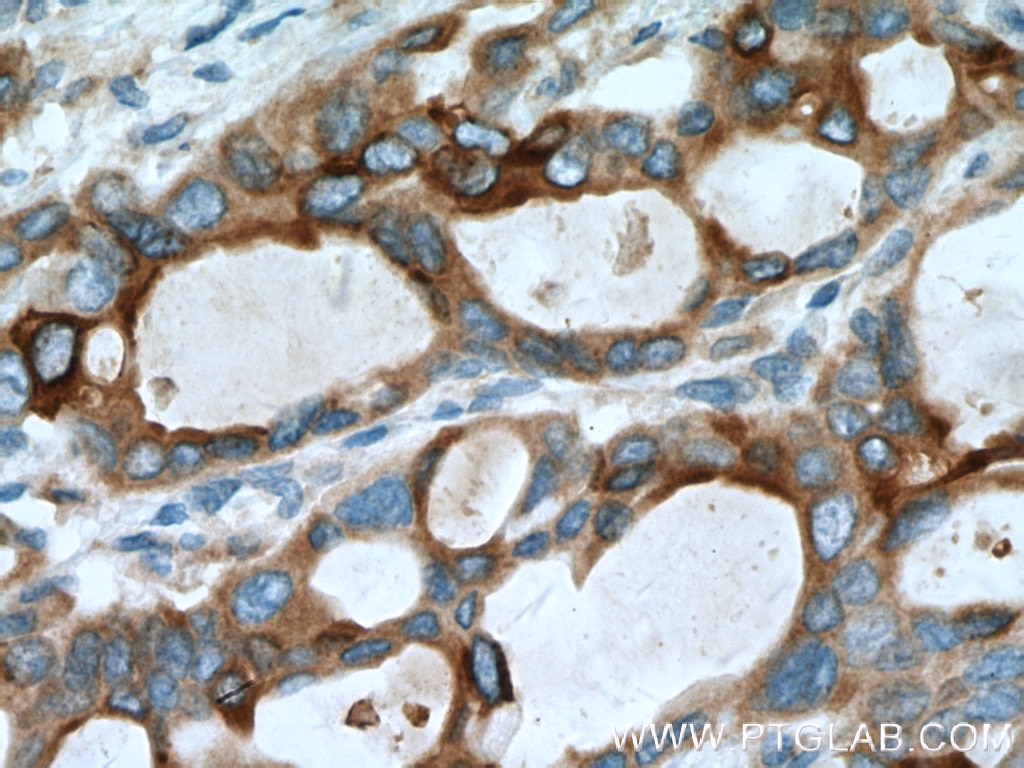
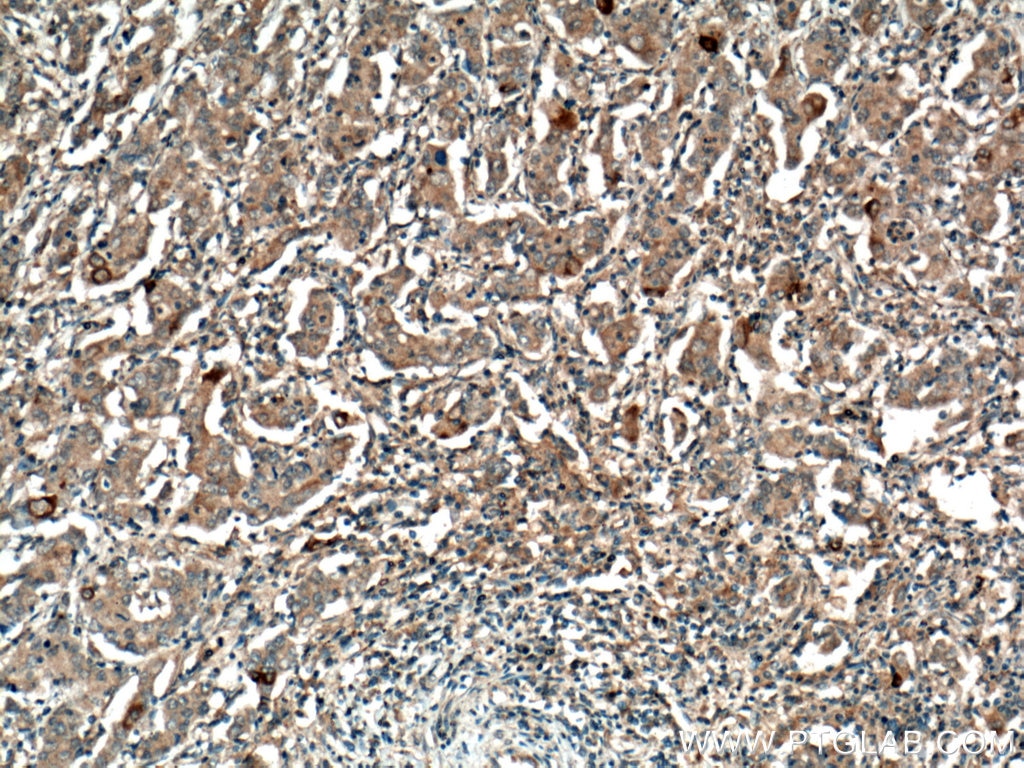
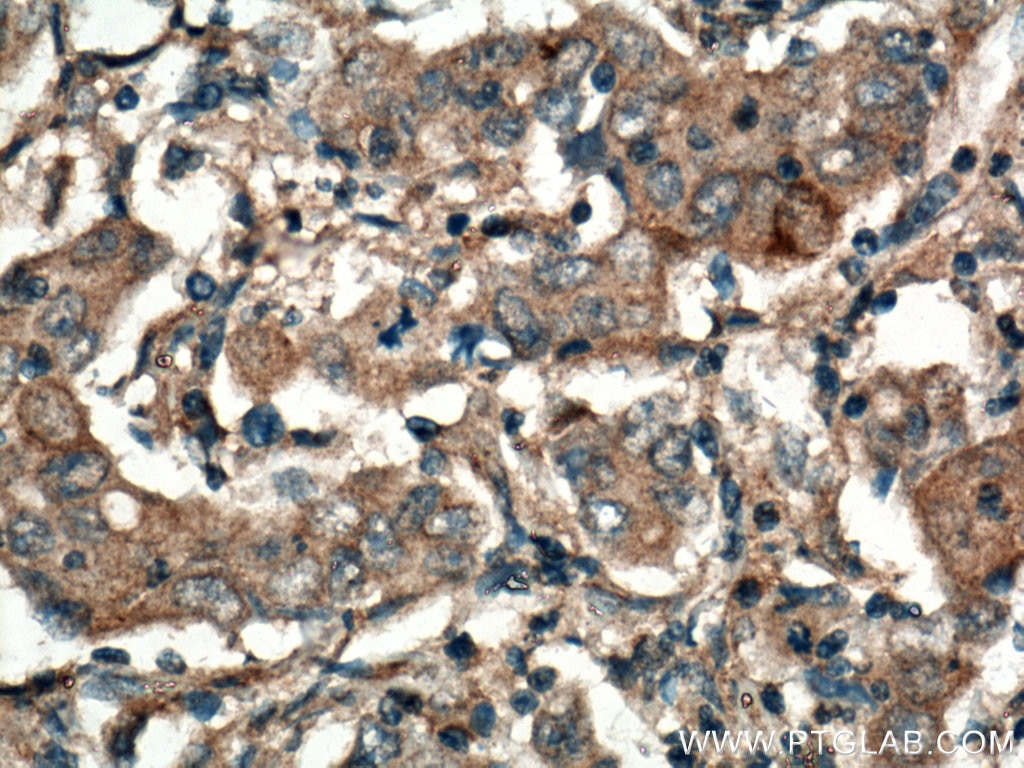
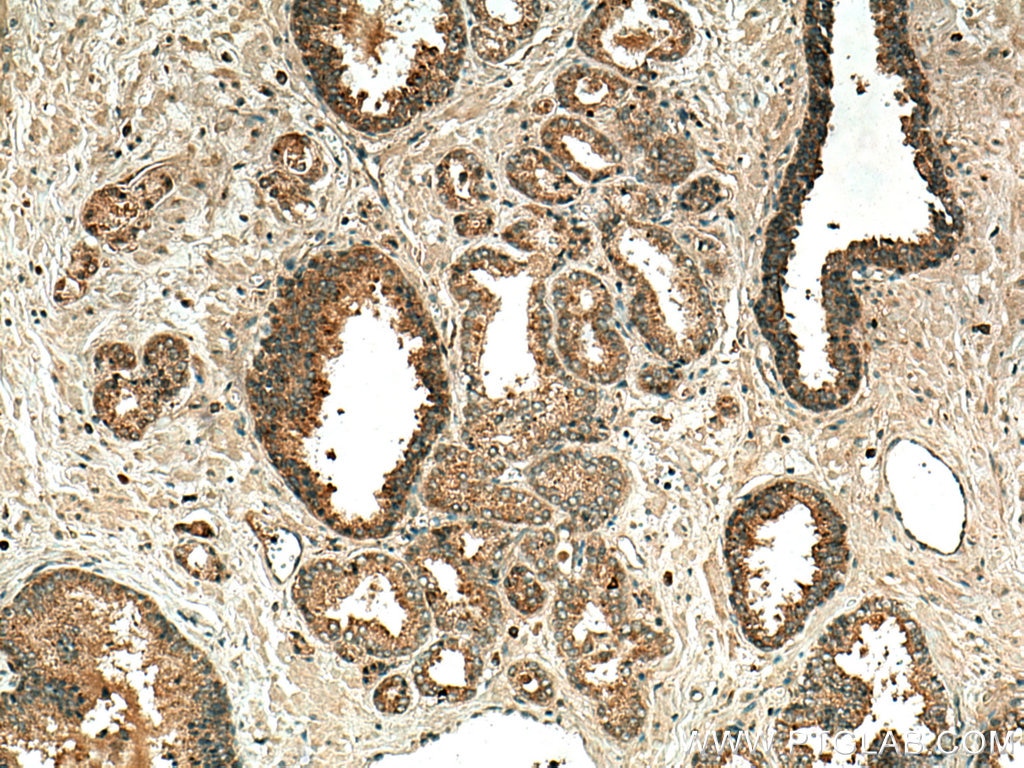
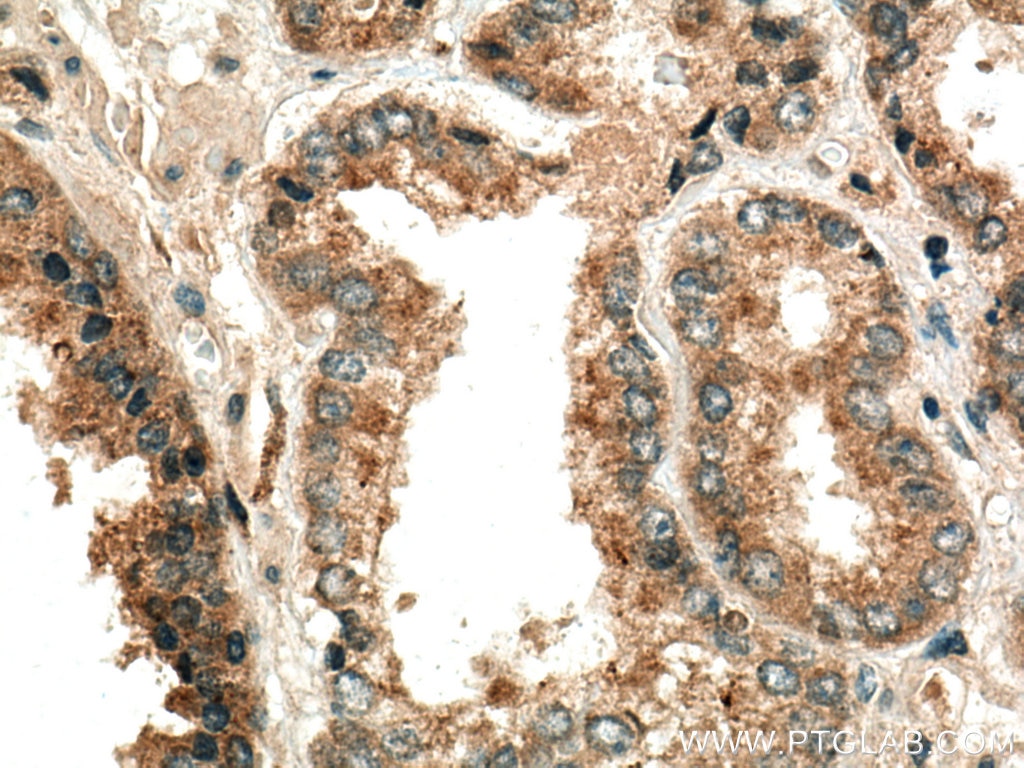
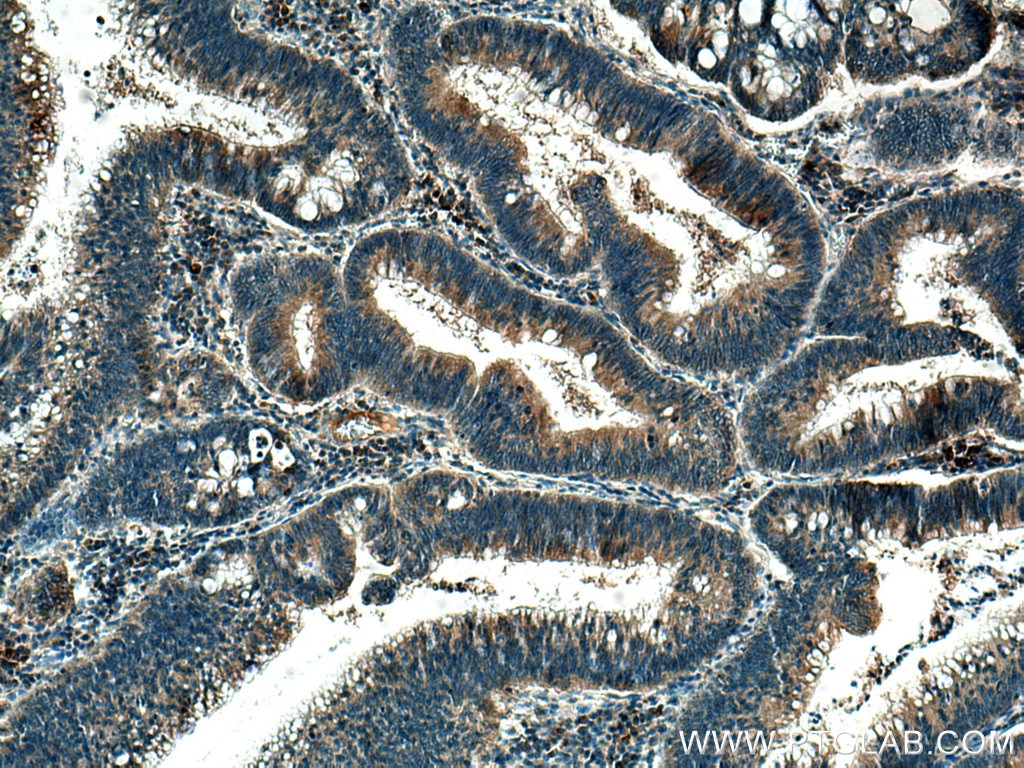
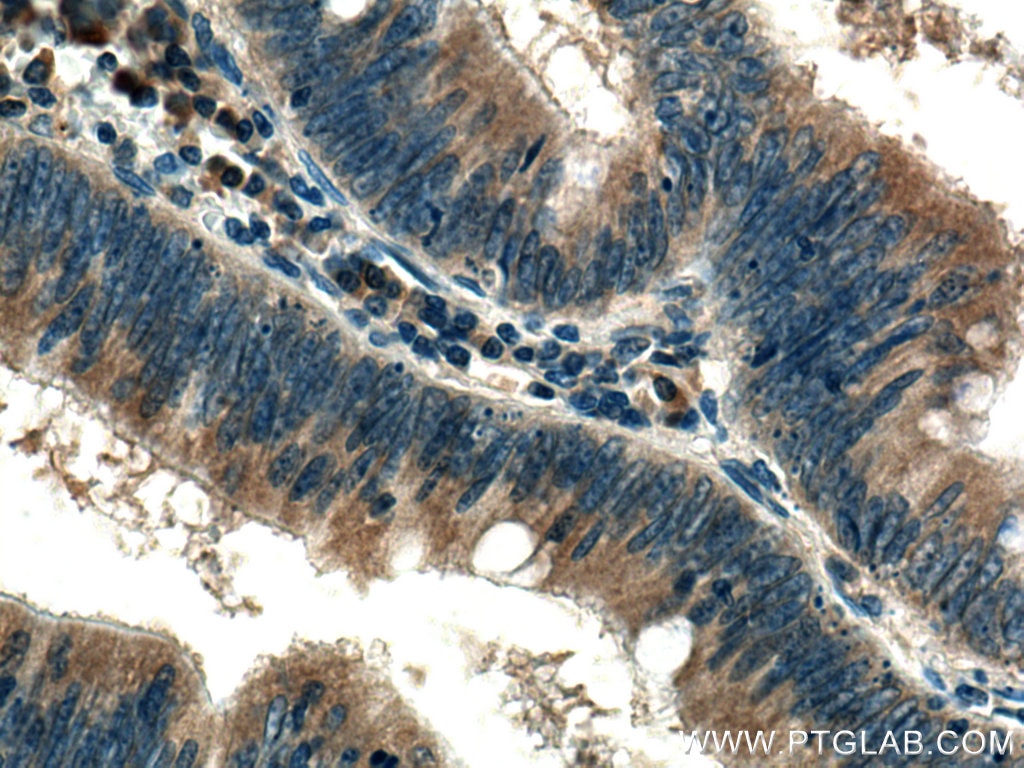
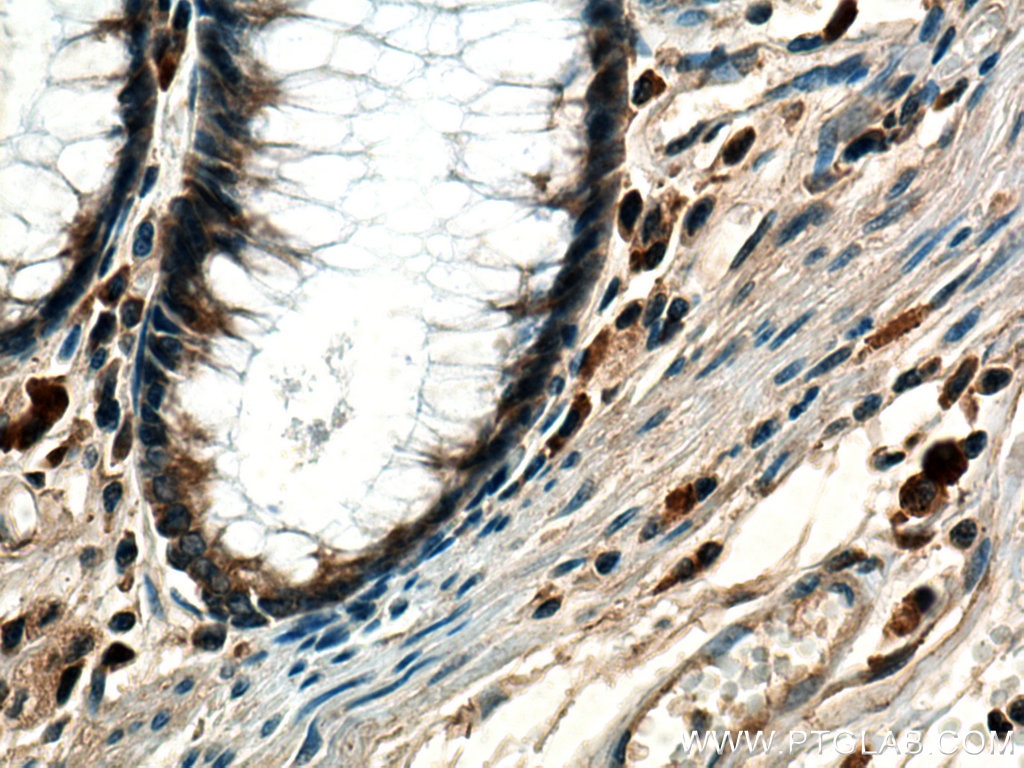
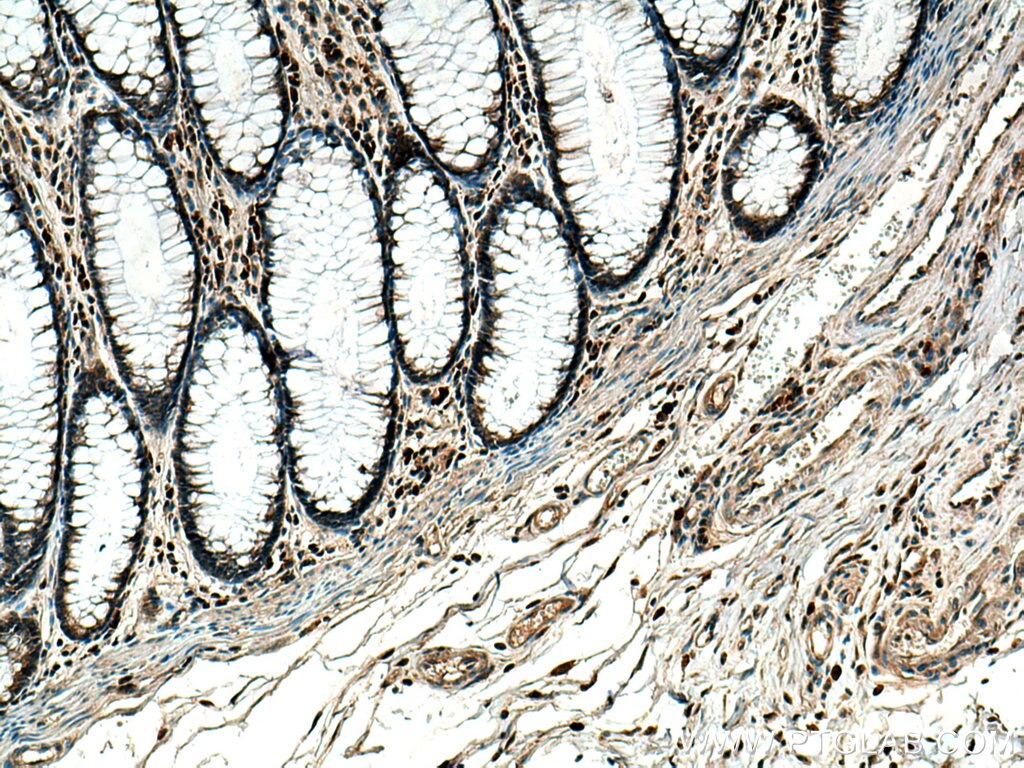
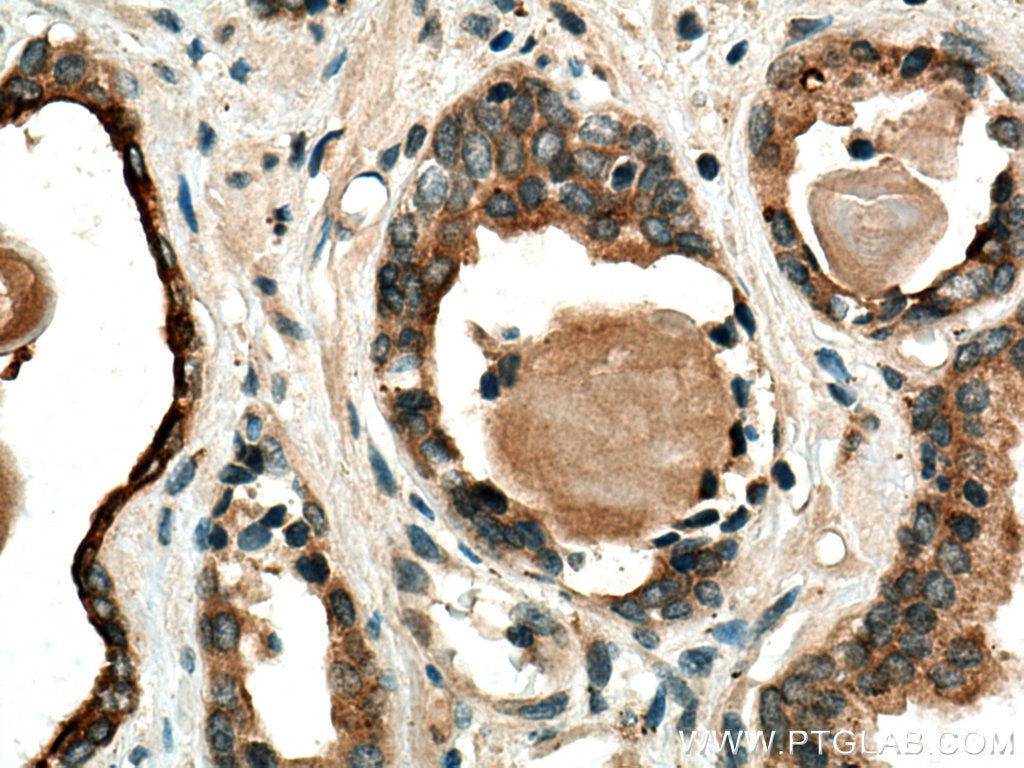
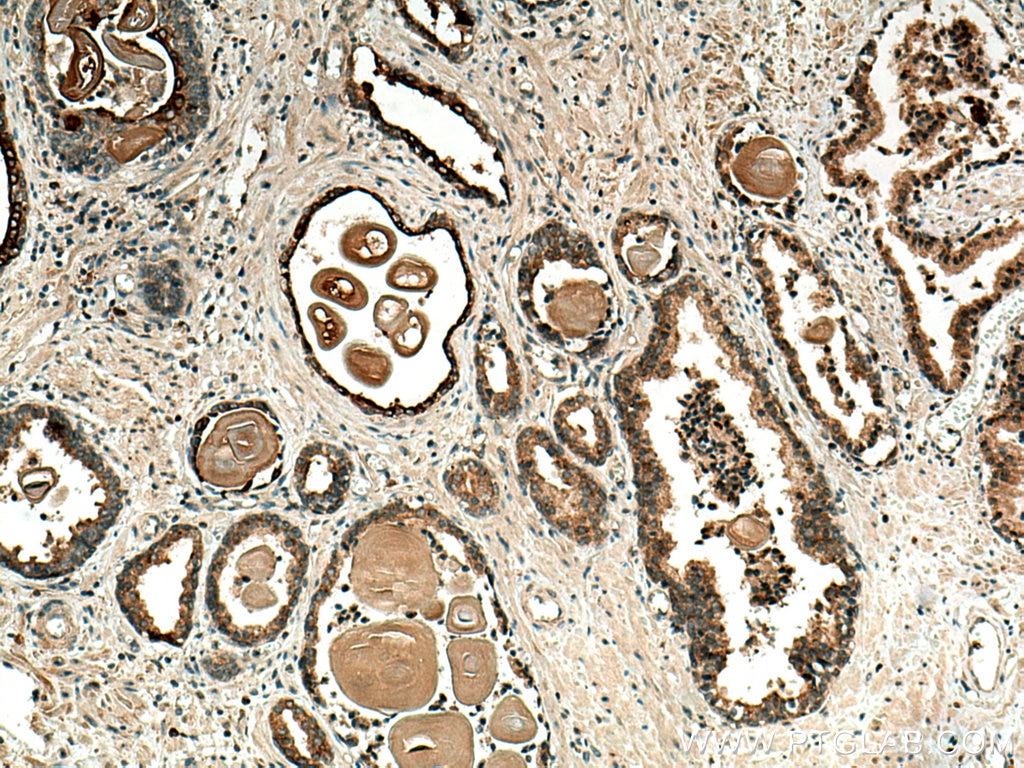
| Positive IHC detected in | human pancreas cancer tissue, human prostate cancer tissue, human colon cancer tissue, human stomach cancer tissue Note: suggested antigen retrieval with TE buffer pH 9.0; (*) Alternatively, antigen retrieval may be performed with citrate buffer pH 6.0 |
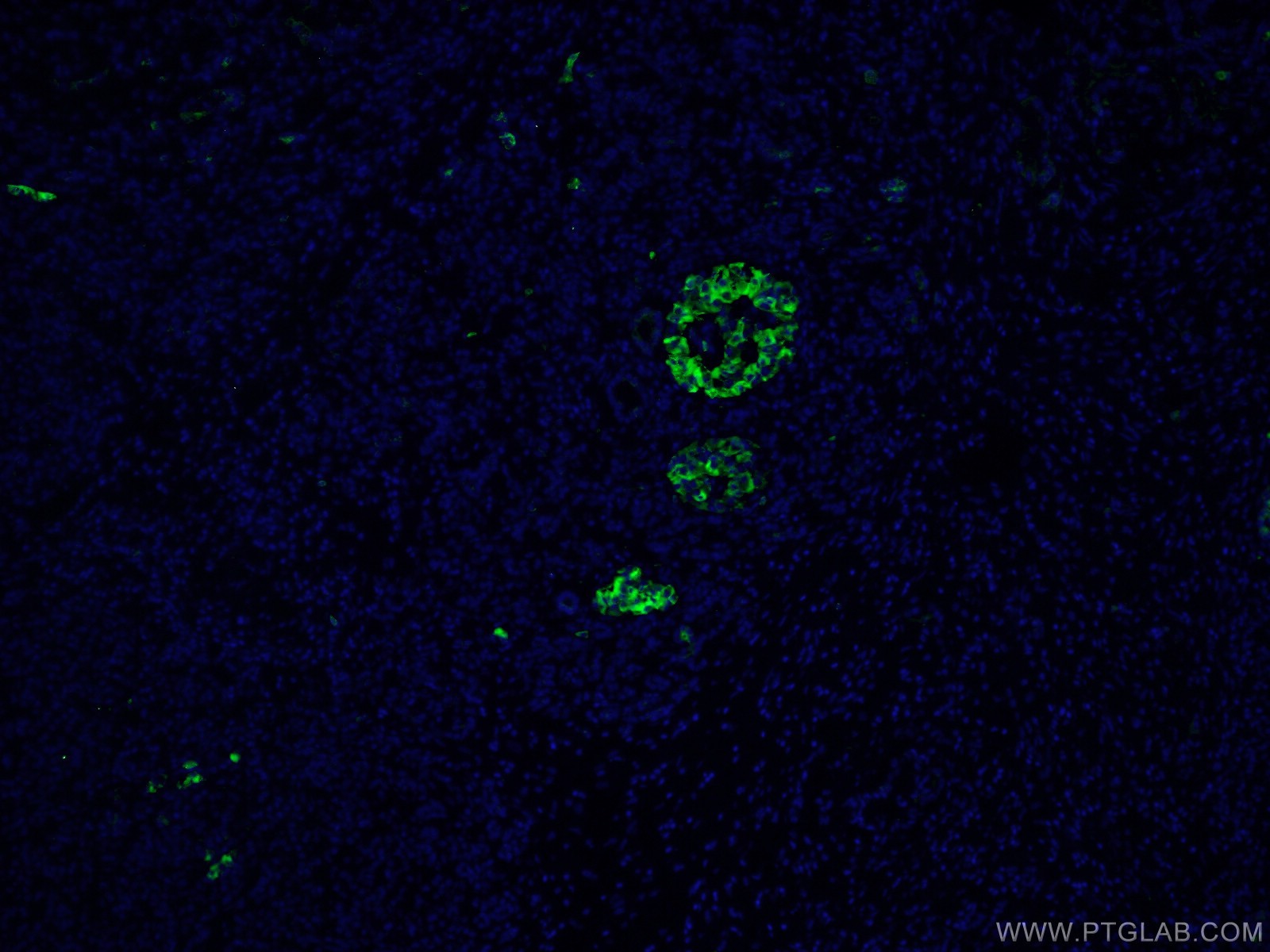
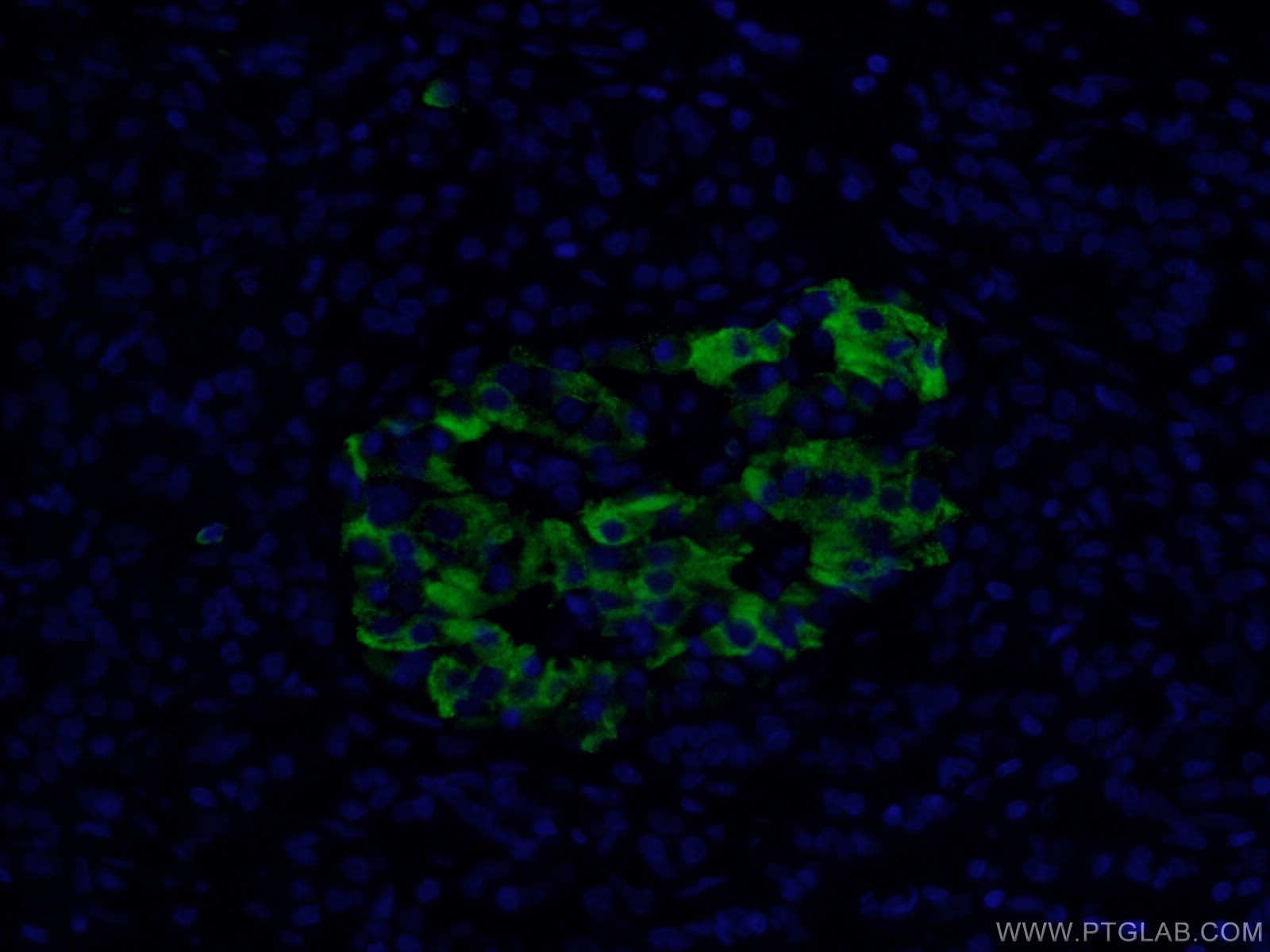
| Positive IF-P detected in | human pancreas cancer tissue |
Recommended dilution
| Application | Dilution |
|---|---|
| Western Blot (WB) | WB : 1:1000-1:4000 |
| Immunohistochemistry (IHC) | IHC : 1:50-1:500 |
| Immunofluorescence (IF)-P | IF-P : 1:50-1:500 |
| It is recommended that this reagent should be titrated in each testing system to obtain optimal results. | |
| Sample-dependent, Check data in validation data gallery. | |
Product Information
10374-2-AP targets MMP7 in WB, IHC, IF-P, ELISA applications and shows reactivity with human, mouse samples.
| Tested Reactivity | human, mouse |
| Cited Reactivity | human, mouse, rat, pig |
| Host / Isotype | Rabbit / IgG |
| Class | Polyclonal |
| Type | Antibody |
| Immunogen |
CatNo: Ag0550 Product name: Recombinant human MMP7 protein Source: e coli.-derived, PGEX-4T Tag: GST Domain: 1-100 aa of BC003635 Sequence: MRLTVLCAVCLLPGSLALPLPQEAGGMSELQWEQAQDYLKRFYLYDSETKNANSLEAKLKEMQKFFGLPITGMLNSHVIEIMQKPRCGVPDVAEYSLFPN Predict reactive species |
| Full Name | matrix metallopeptidase 7 (matrilysin, uterine) |
| Calculated Molecular Weight | 29 kDa |
| Observed Molecular Weight | 28-30 kDa |
| GenBank Accession Number | BC003635 |
| Gene Symbol | MMP7 |
| Gene ID (NCBI) | 4316 |
| RRID | AB_2144452 |
| Conjugate | Unconjugated |
| Form | Liquid |
| Purification Method | Antigen affinity purification |
| UNIPROT ID | P09237 |
| Storage Buffer | PBS with 0.02% sodium azide and 50% glycerol, pH 7.3. |
| Storage Conditions | Store at -20°C. Stable for one year after shipment. Aliquoting is unnecessary for -20oC storage. 20ul sizes contain 0.1% BSA. |
Background Information
Matrix metalloproteinase-7 (MMP-7)/ matrilysin is a member of the MMP family, but is structurally different from the other MMPs by virtue of the absence of a conserved COOH-terminal protein domain. MMPs are involved in the breakdown of extracellular matrix in normal physiological processes, such as embryonic development reproduction, and tissue remodeling, as well as in disease processes, such as arthritis and cancer metastasis. Most MMP's are secreted as inactive proproteins which are activated when cleaved by extracellular proteinases. MMP-7 degrades proteoglycans, fibronectin, elastin and casein, and is involved in wound healing, tumor progression, pulmonary fibrosis, and development of choroidal neovascularization in age-related macular degeneration. The expression of MMP-7 is increased in most tumors. This antibody can only recognize the full-length of MMP7.
Protocols
| Product Specific Protocols | |
|---|---|
| IF protocol for MMP7 antibody 10374-2-AP | Download protocol |
| IHC protocol for MMP7 antibody 10374-2-AP | Download protocol |
| WB protocol for MMP7 antibody 10374-2-AP | Download protocol |
| Standard Protocols | |
|---|---|
| Click here to view our Standard Protocols |
Publications
What published studies show
MMP7 Polyclonal antibody (Cat# 10374-2-AP) has accumulated 126 citations published in journals including Nature Aging, Nature Communications, Cell Metabolism, Cancer Research, Cell Death & Disease, Oncogene, Clinical Cancer Research, British Journal of Cancer, and others. Associated research fields primarily span oncology (colorectal, liver, lung, gastric, prostate, breast, and pancreatic cancers), Wnt/β-catenin signaling, epithelial-mesenchymal transition, tumor metastasis, fibrosis (pulmonary, renal, and hepatic), cardiovascular disease, and skin photodamage.
| Species | Application | Title |
|---|---|---|
Cell Metab Targeting microbiota-generated acetaldehyde to prevent progression of metabolic dysfunction-associated steatotic liver disease. | ||
Nat Aging Single-cell and spatial RNA sequencing identify divergent microenvironments and progression signatures in early- versus late-onset prostate cancer | ||
Cancer Res Hypoxic tumor-derived exosomal miR-301a mediates M2 macrophage polarization via PTEN/PI3Kγ to promote pancreatic cancer metastasis. | ||
Cancer Res Ubiquitin-like protein FAT10 promotes the invasion and metastasis of hepatocellular carcinoma by modifying β-catenin degradation. | ||
Nat Commun Injured epithelial cell states impact kidney allograft survival after T-cell-mediated rejection. |



















