

Tested Applications
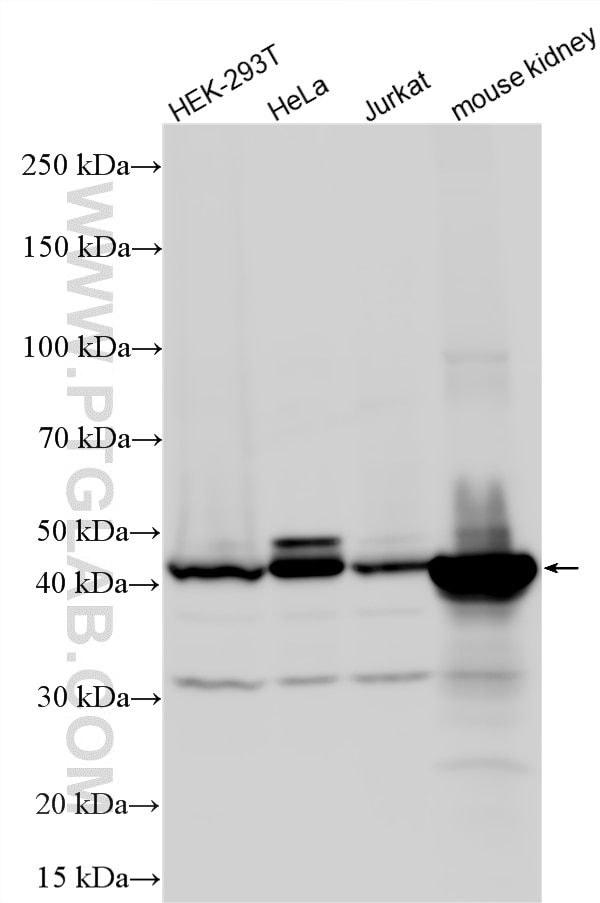
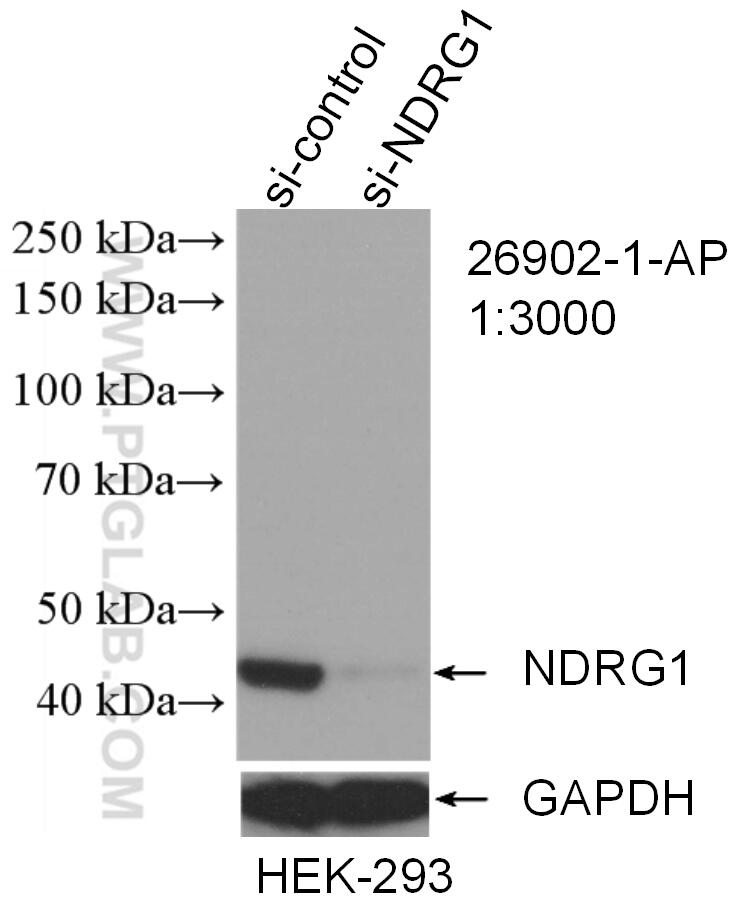
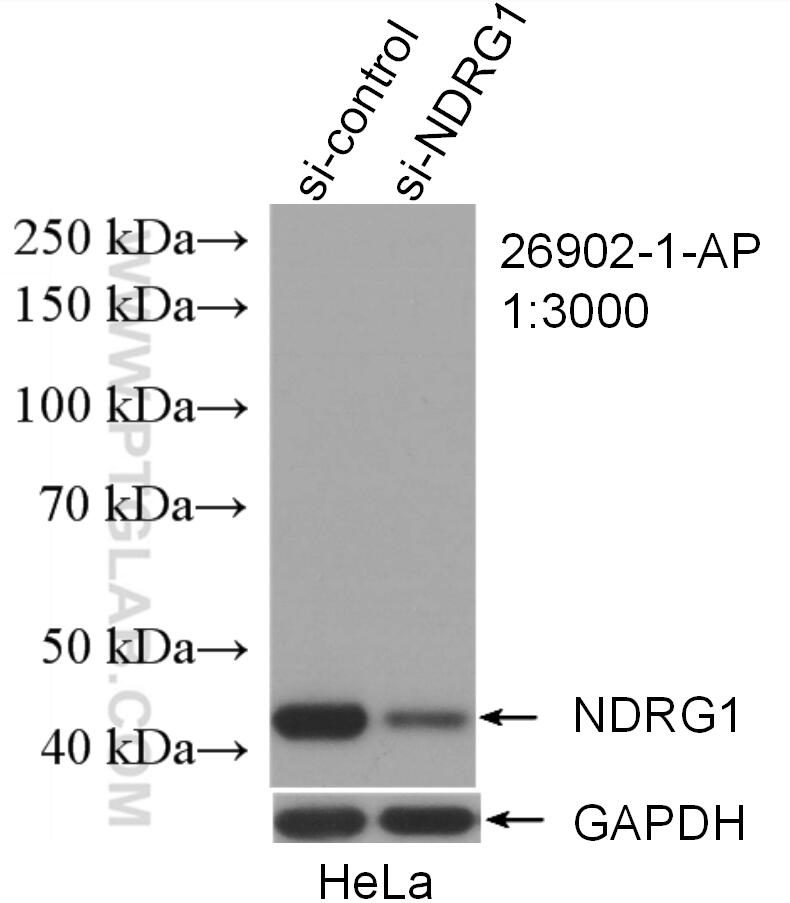
| Positive WB detected in | HEK-293T cells, HEK-293 cells, HeLa cells, Jurkat cells, mouse kidney tissue |
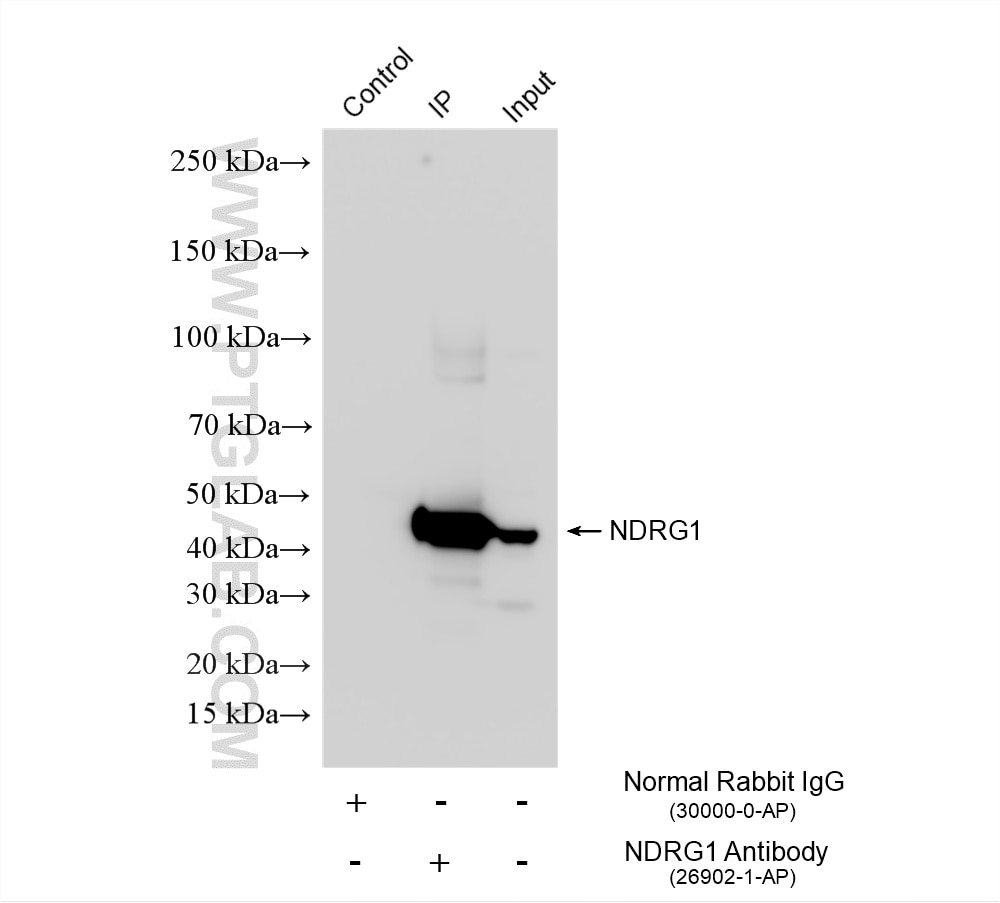
| Positive IP detected in | HEK-293 cells |
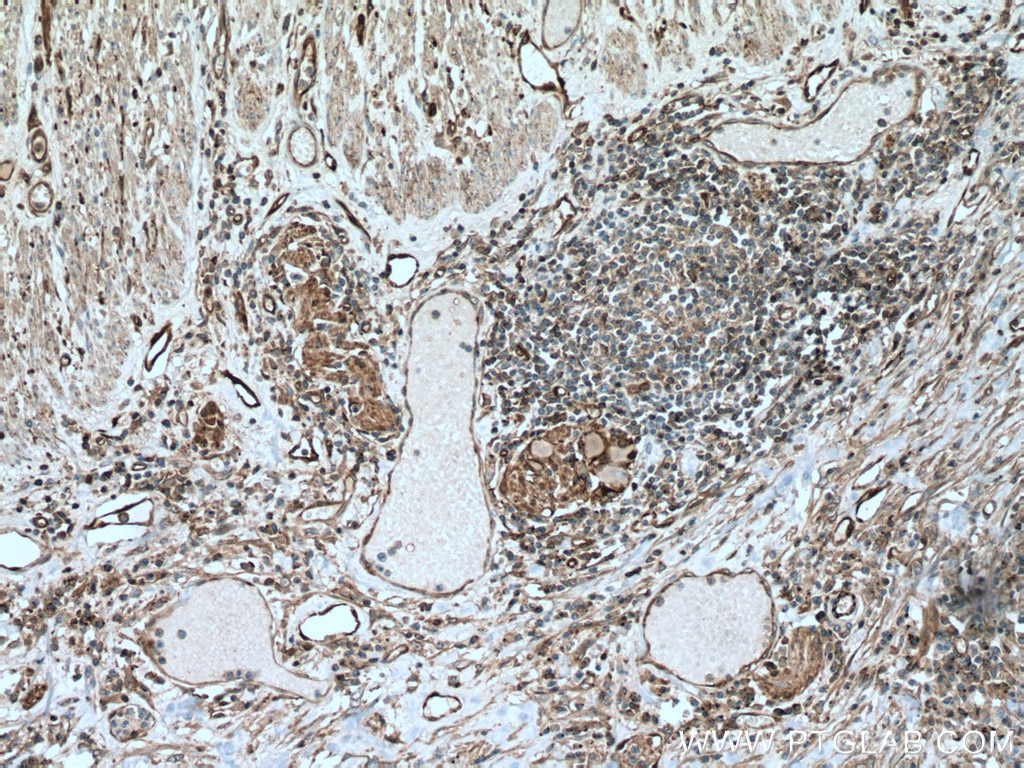
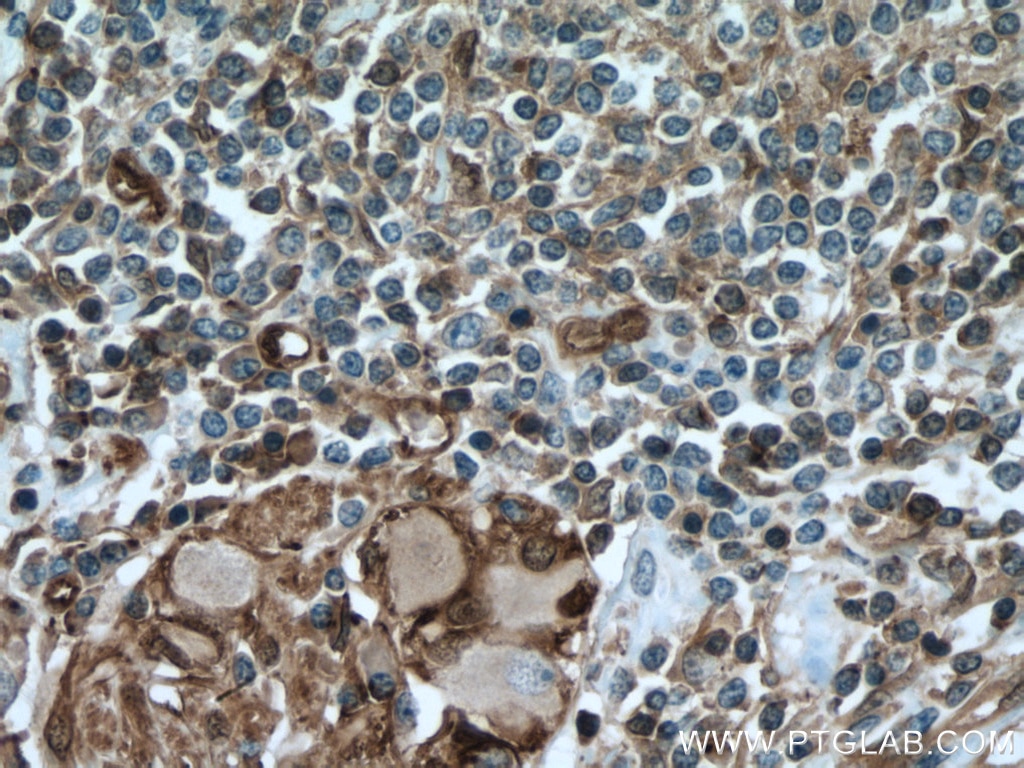
| Positive IHC detected in | human colon cancer tissue Note: suggested antigen retrieval with TE buffer pH 9.0; (*) Alternatively, antigen retrieval may be performed with citrate buffer pH 6.0 |
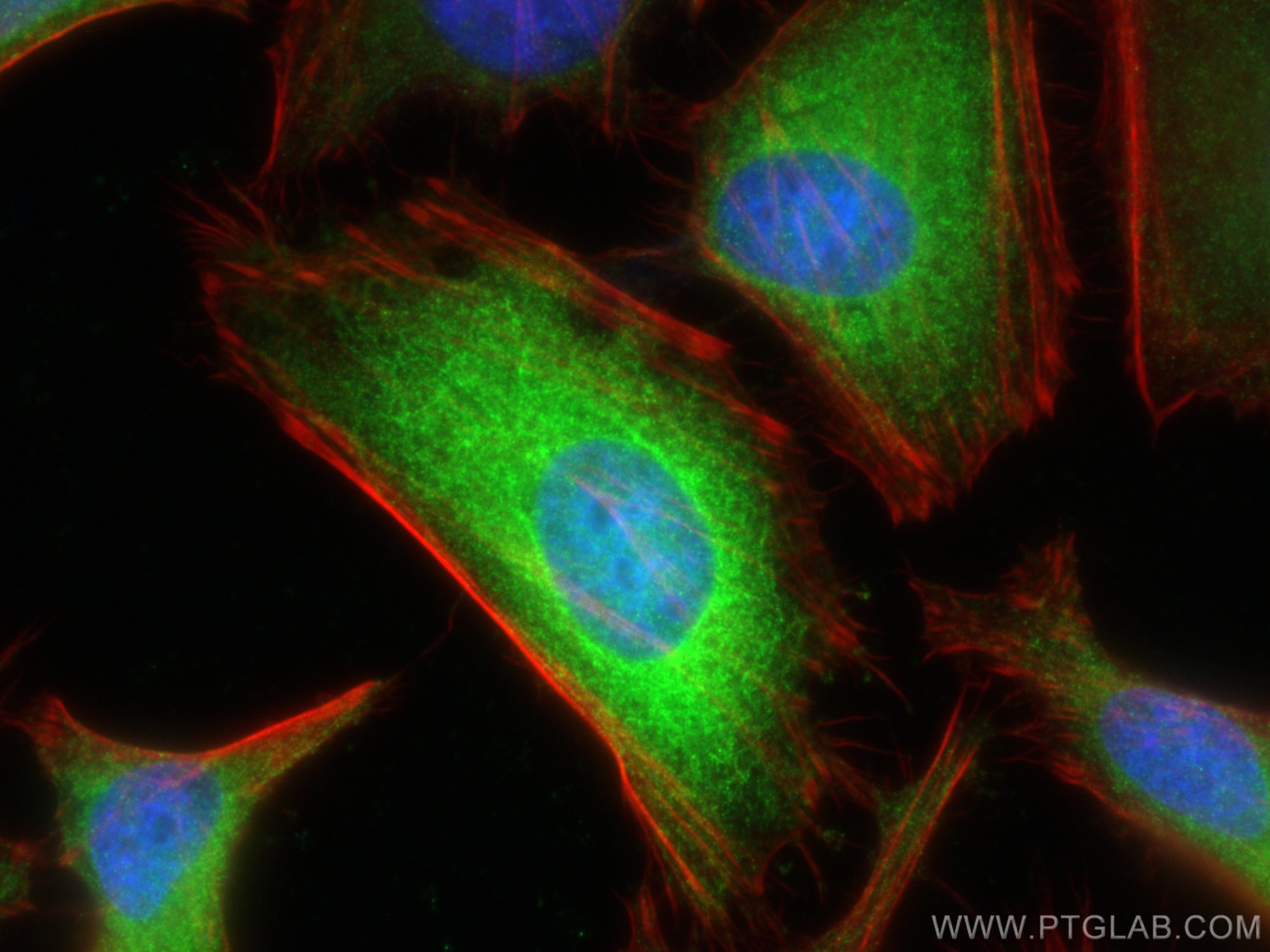
| Positive IF/ICC detected in | HeLa cells |
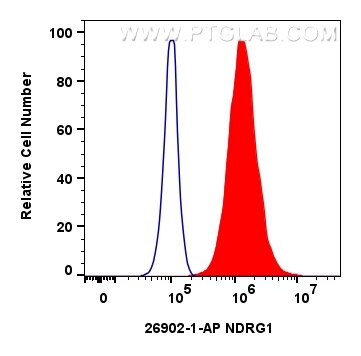
| Positive FC (Intra) detected in | HeLa cells |
Recommended dilution
| Application | Dilution |
|---|---|
| Western Blot (WB) | WB : 1:500-1:2000 |
| Immunoprecipitation (IP) | IP : 0.5-4.0 ug for 1.0-3.0 mg of total protein lysate |
| Immunohistochemistry (IHC) | IHC : 1:400-1:1600 |
| Immunofluorescence (IF)/ICC | IF/ICC : 1:50-1:500 |
| Flow Cytometry (FC) (INTRA) | FC (INTRA) : 0.40 ug per 10^6 cells in a 100 µl suspension |
| It is recommended that this reagent should be titrated in each testing system to obtain optimal results. | |
| Sample-dependent, Check data in validation data gallery. | |
Product Information
26902-1-AP targets NDRG1 in WB, IHC, IF/ICC, FC (Intra), IP, CoIP, ELISA applications and shows reactivity with human, mouse samples.
| Tested Reactivity | human, mouse |
| Cited Reactivity | human, mouse |
| Host / Isotype | Rabbit / IgG |
| Class | Polyclonal |
| Type | Antibody |
| Immunogen |
CatNo: Ag25424 Product name: Recombinant human NDRG1 protein Source: e coli.-derived, PGEX-4T Tag: GST Domain: 45-109 aa of BC006260 Sequence: SGSSVTSLDGTRSRSHTSEGTRSRSHTSEGTRSRSHTSEGAHLDITPNSGAAGNSAGPKSMEVSC Predict reactive species |
| Full Name | N-myc downstream regulated 1 |
| Calculated Molecular Weight | 43 kDa |
| Observed Molecular Weight | 43 kDa |
| GenBank Accession Number | BC006260 |
| Gene Symbol | NDRG1 |
| Gene ID (NCBI) | 10397 |
| RRID | AB_2880676 |
| Conjugate | Unconjugated |
| Form | Liquid |
| Purification Method | Antigen affinity purification |
| UNIPROT ID | Q92597 |
| Storage Buffer | PBS with 0.02% sodium azide and 50% glycerol, pH 7.3. |
| Storage Conditions | Store at -20°C. Stable for one year after shipment. Aliquoting is unnecessary for -20oC storage. 20ul sizes contain 0.1% BSA. |
Background Information
NDRG1 is a member of the N-myc down-regulated gene family which belongs to the alpha/beta hydrolase superfamily. NDRG1 is a highly conserved cytoplasmic protein involved in cell growth arrest and proliferation, cell differentiation, DNA damage response, heavy metal response, the hypoxia response, tumorigenesis, and metastasis. NDRG1 is a potent metastasis suppressor in multiple tumor-types. NDRG1 appears to serve as a putative tumor suppressor and is down-regulated in colorectal, gastric, cervical, ovarian and prostate cancers.
Protocols
| Product Specific Protocols | |
|---|---|
| FC protocol for NDRG1 antibody 26902-1-AP | Download protocol |
| IF protocol for NDRG1 antibody 26902-1-AP | Download protocol |
| IHC protocol for NDRG1 antibody 26902-1-AP | Download protocol |
| IP protocol for NDRG1 antibody 26902-1-AP | Download protocol |
| WB protocol for NDRG1 antibody 26902-1-AP | Download protocol |
| Standard Protocols | |
|---|---|
| Click here to view our Standard Protocols |
Publications
What published studies show
The NDRG1 Polyclonal antibody (Cat# 26902-1-AP) has 35 citations. Journals include Cancer Cell, Molecular Cancer, Nature Aging, Cell Host & Microbe, Molecular Cell, Nature Chemical Biology, Nucleic Acids Research, Journal of Experimental & Clinical Cancer Research, Cancer Letters, Phytomedicine, Biomedical Pharmacotherapy, Life Sciences, Cell Oncology, International Journal of Molecular Sciences, American Journal of Respiratory Cell and Molecular Biology, Toxicology, Cancers, Cell Signaling, Gynecologic Oncology, Journal of Biological Chemistry, Journal of Medical Virology, Experimental Cell Research, Molecular Biology Reports, PeerJ, Gene, Journal of Oncology, Journal of Thrombosis and Thrombolysis, bioRxiv, and Aging. Research fields span oncology (pancreatic, liver, cervical, colorectal, gastric, ovarian, prostate cancers), epigenetics, mTOR signaling, ferroptosis, virology, and metabolism.
| Species | Application | Title |
|---|---|---|
Cancer Cell Mapping cell type-resolved transcriptomic profiles to patient survival in pancreatic cancer. | ||
Mol Cancer NSUN6-mediated 5-methylcytosine modification of NDRG1 mRNA promotes radioresistance in cervical cancer
| ||
Nat Aging Single-cell and spatial RNA sequencing identify divergent microenvironments and progression signatures in early- versus late-onset prostate cancer | ||
Cell Host Microbe Lactate production by tumor-resident Staphylococcus promotes metastatic colonization in lung adenocarcinoma
| ||
Mol Cell mTORC1 stimulates cell growth through SAM synthesis and m6A mRNA-dependent control of protein synthesis. |









