
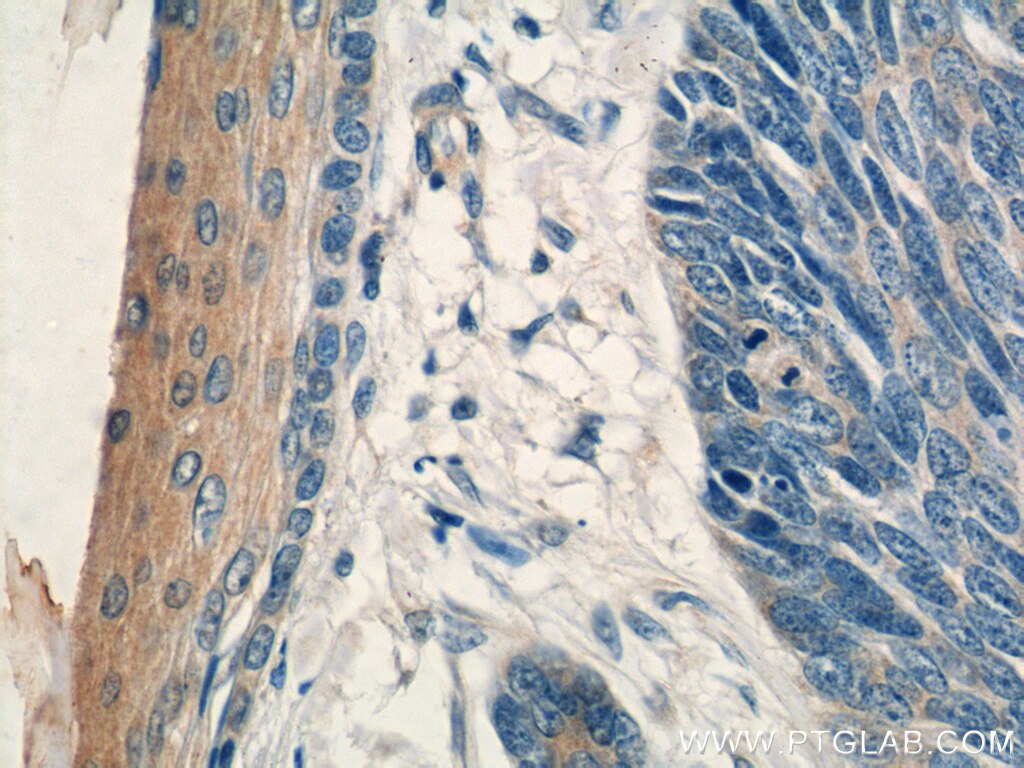

Tested Applications
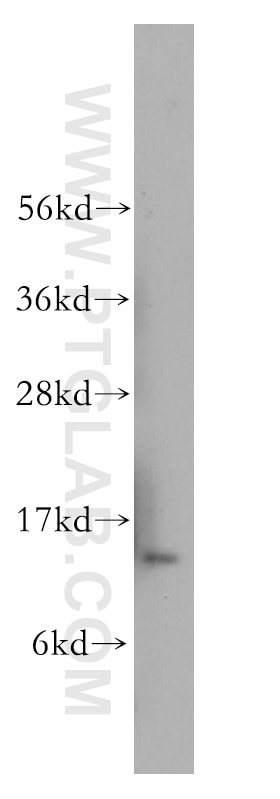
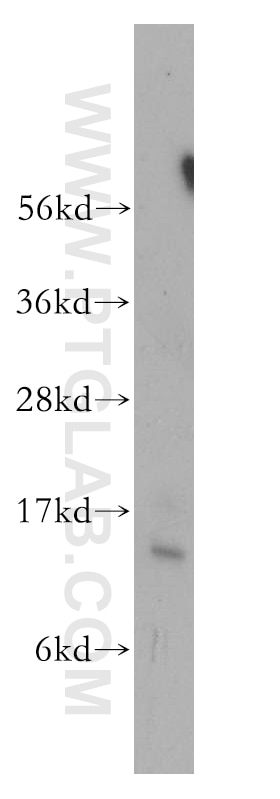
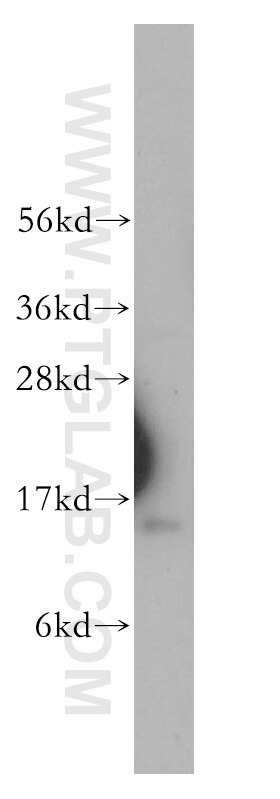
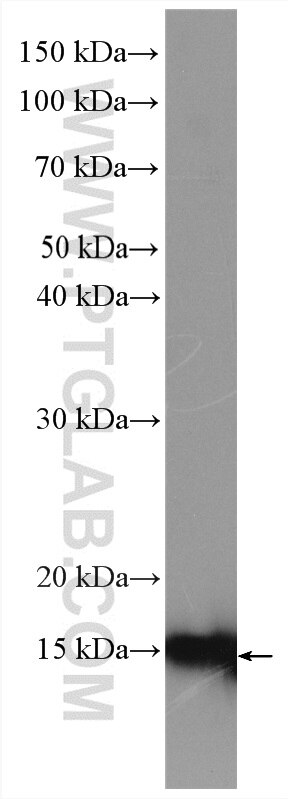
| Positive WB detected in | human heart tissue, PC-3 cells, human brain tissue, A549 cells |
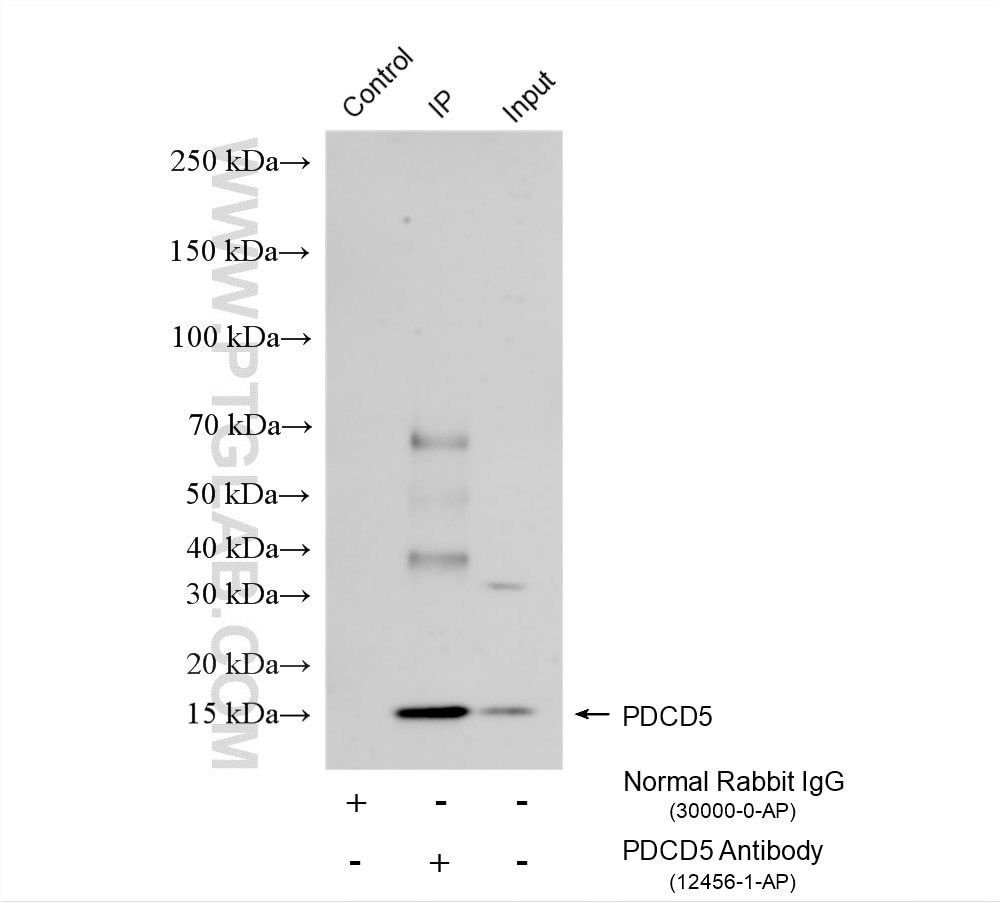
| Positive IP detected in | A549 cells |
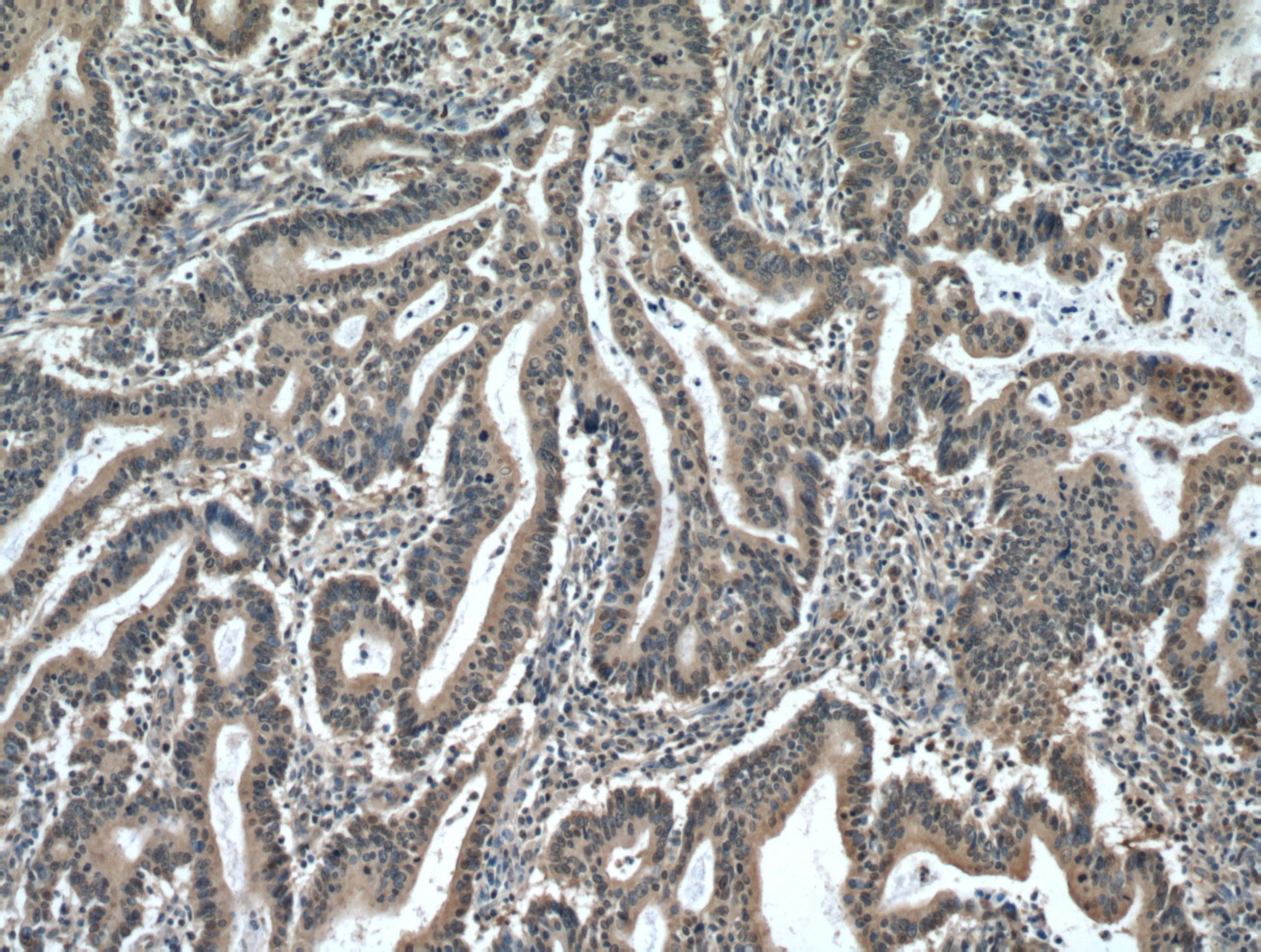
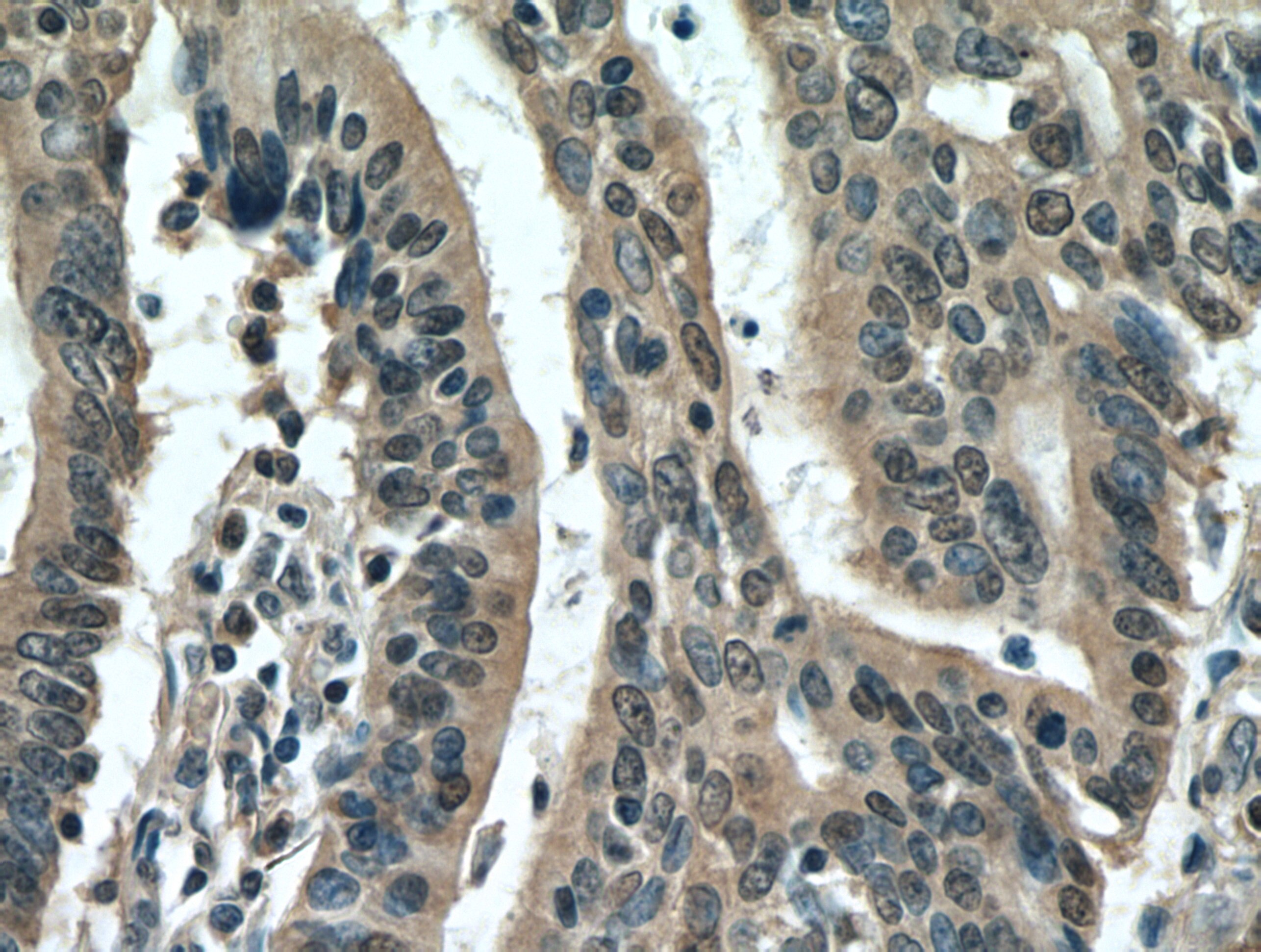
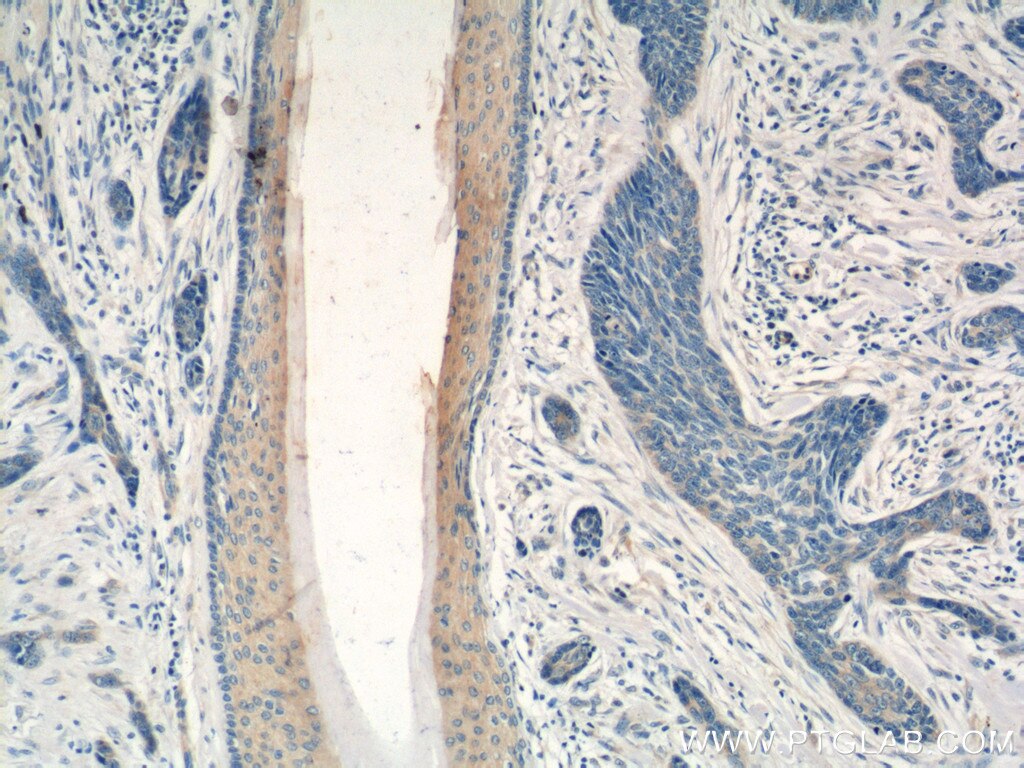
| Positive IHC detected in | human endometrial cancer tissue, human skin cancer tissue Note: suggested antigen retrieval with TE buffer pH 9.0; (*) Alternatively, antigen retrieval may be performed with citrate buffer pH 6.0 |
Recommended dilution
| Application | Dilution |
|---|---|
| Western Blot (WB) | WB : 1:500-1:1000 |
| Immunoprecipitation (IP) | IP : 0.5-4.0 ug for 1.0-3.0 mg of total protein lysate |
| Immunohistochemistry (IHC) | IHC : 1:50-1:500 |
| It is recommended that this reagent should be titrated in each testing system to obtain optimal results. | |
| Sample-dependent, Check data in validation data gallery. | |
Product Information
12456-1-AP targets PDCD5 in WB, IHC, IF, IP, ELISA applications and shows reactivity with human samples.
| Tested Reactivity | human |
| Cited Reactivity | human |
| Host / Isotype | Rabbit / IgG |
| Class | Polyclonal |
| Type | Antibody |
| Immunogen |
CatNo: Ag3122 Product name: Recombinant human PDCD5 protein Source: e coli.-derived, PGEX-4T Tag: GST Domain: 1-125 aa of BC015519 Sequence: MADEELEALRRQRLAELQAKHGDPGDAAQQEAKHREAEMRNSILAQVLDQSARARLSNLALVKPEKTKAVENYLIQMARYGQLSEKVSEQGLIEILKKVSQQTEKTTTVKFNRRKVMDSDEDDDY Predict reactive species |
| Full Name | programmed cell death 5 |
| Calculated Molecular Weight | 125 aa, 14 kDa |
| Observed Molecular Weight | 14 kDa |
| GenBank Accession Number | BC015519 |
| Gene Symbol | PDCD5 |
| Gene ID (NCBI) | 9141 |
| RRID | AB_2162450 |
| Conjugate | Unconjugated |
| Form | Liquid |
| Purification Method | Antigen affinity purification |
| UNIPROT ID | O14737 |
| Storage Buffer | PBS with 0.02% sodium azide and 50% glycerol, pH 7.3. |
| Storage Conditions | Store at -20°C. Stable for one year after shipment. Aliquoting is unnecessary for -20oC storage. 20ul sizes contain 0.1% BSA. |
Background Information
PDCD5, also called TFAR19 (TF1 cell apoptosis-related gene 19), was first identified as a gene up-regulated in TF-1 cells under-going apoptosis (PMID: 9920759). PDCD5 can promote pro-grammed cell death in different cell types in response to various stimuli and also enhance TAJ/TROY-induced paraptosis-like cell death (PMID: 15020679). During apoptosis, PDCD5 is rapidly upregulated and translocates from the cytoplasm to nucleus (PMID: 11741587). PDCD5 is a positive regulator of Tip60 and also has a potential ability to interact with p53 (PMID: 22914926, PMID: 19308289). Recent studies have also revealed that PDCD5 may be a suppressor gene and expressed at lower levels in many cancers, including hepatocellular carcinoma, breast cancer, gastric cancer, cervical cancer, lung cancer, astrocytic gliomas, and in leukemia.
Protocols
| Product Specific Protocols | |
|---|---|
| IHC protocol for PDCD5 antibody 12456-1-AP | Download protocol |
| IP protocol for PDCD5 antibody 12456-1-AP | Download protocol |
| WB protocol for PDCD5 antibody 12456-1-AP | Download protocol |
| Standard Protocols | |
|---|---|
| Click here to view our Standard Protocols |
Publications
What published studies show
The PDCD5 antibody (Cat# 12456-1-AP) has 17 citations across journals including Nature, Nature Communications, Science Advances, Cancer Letters, Scientific Reports, Journal of Cellular Physiology, and others. Research fields span apoptosis, genotoxic stress response, protein chaperone function (TRiC), pulmonary fibrosis, and multiple cancers (lung, nasopharyngeal, colon, breast), as well as diabetic retinopathy, brain ischemia, autophagy, and viral infection.
| Species | Application | Title |
|---|---|---|
Nature In situ analysis reveals the TRiC duty cycle and PDCD5 as an open-state cofactor
| ||
Nat Commun Programmed cell death 5 mediates HDAC3 decay to promote genotoxic stress response.
| ||
J Nanobiotechnology Multifunctional photodynamic/photothermal nano-agents for the treatment of oral leukoplakia. | ||
Sci Adv TRiC-assisted folding of class I HDAC family proteins regulated by distinct co-chaperone and cofactor networks. | ||










