
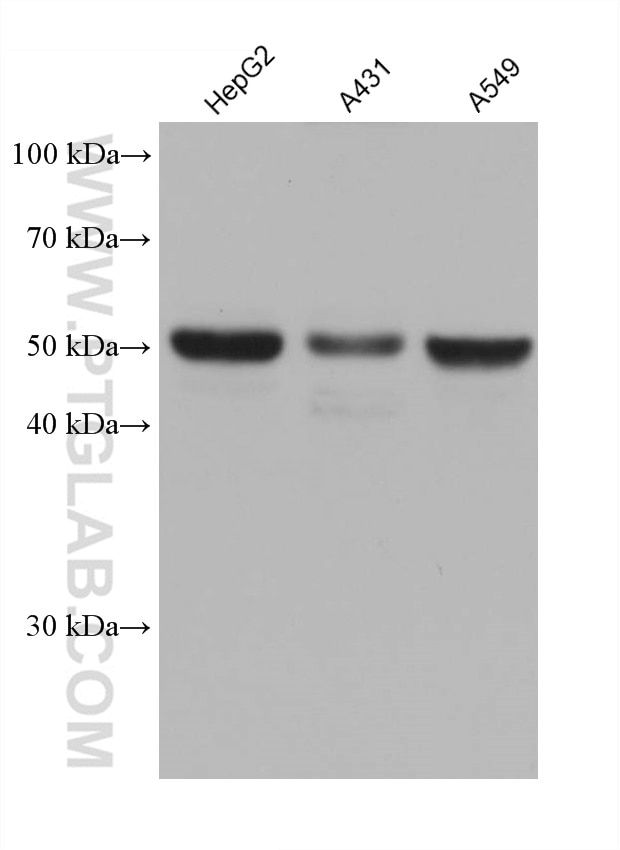
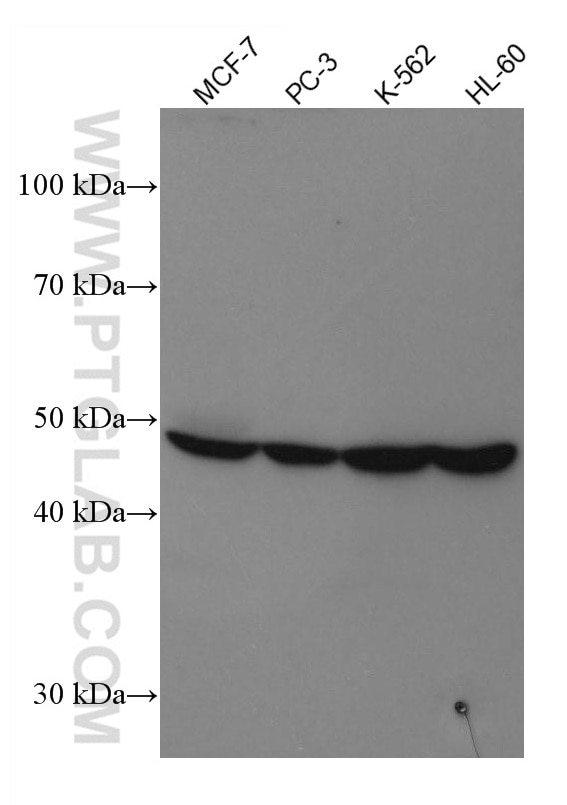
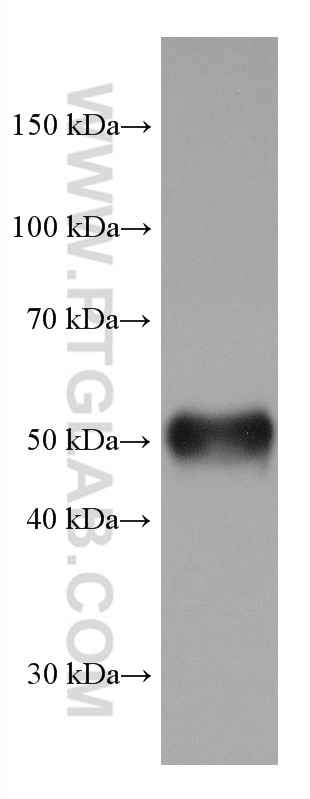
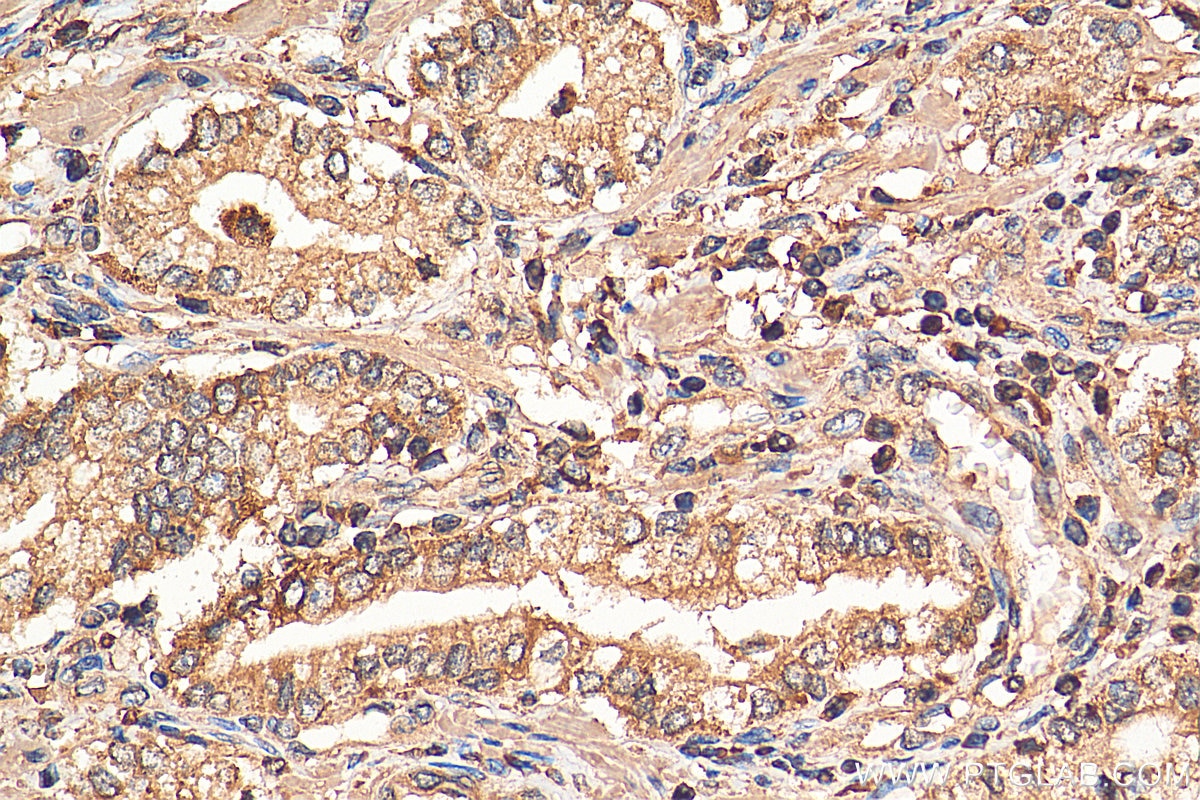

Tested Applications
| Positive WB detected in | HepG2 cells, MCF-7 cells, mouse adipose tissue, A431 cells, A549 cells, PC-3 cells, K-562 cells, HL-60 cells |
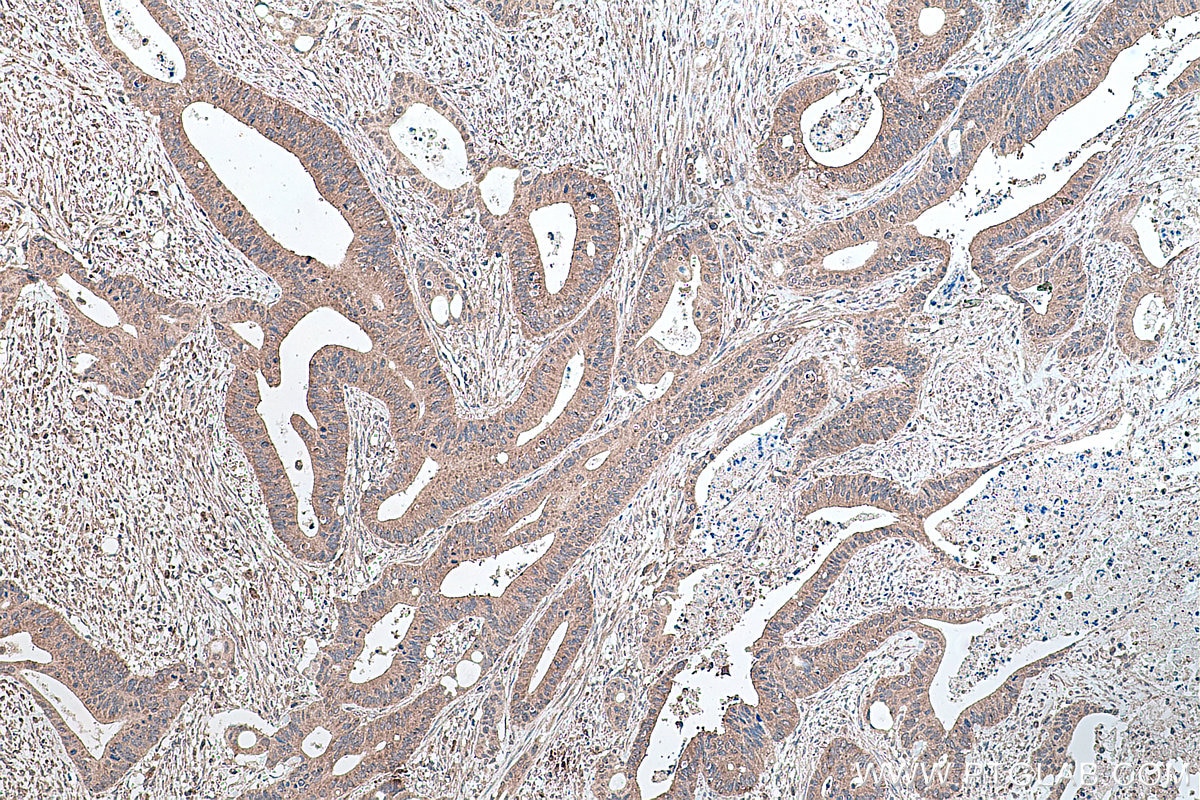
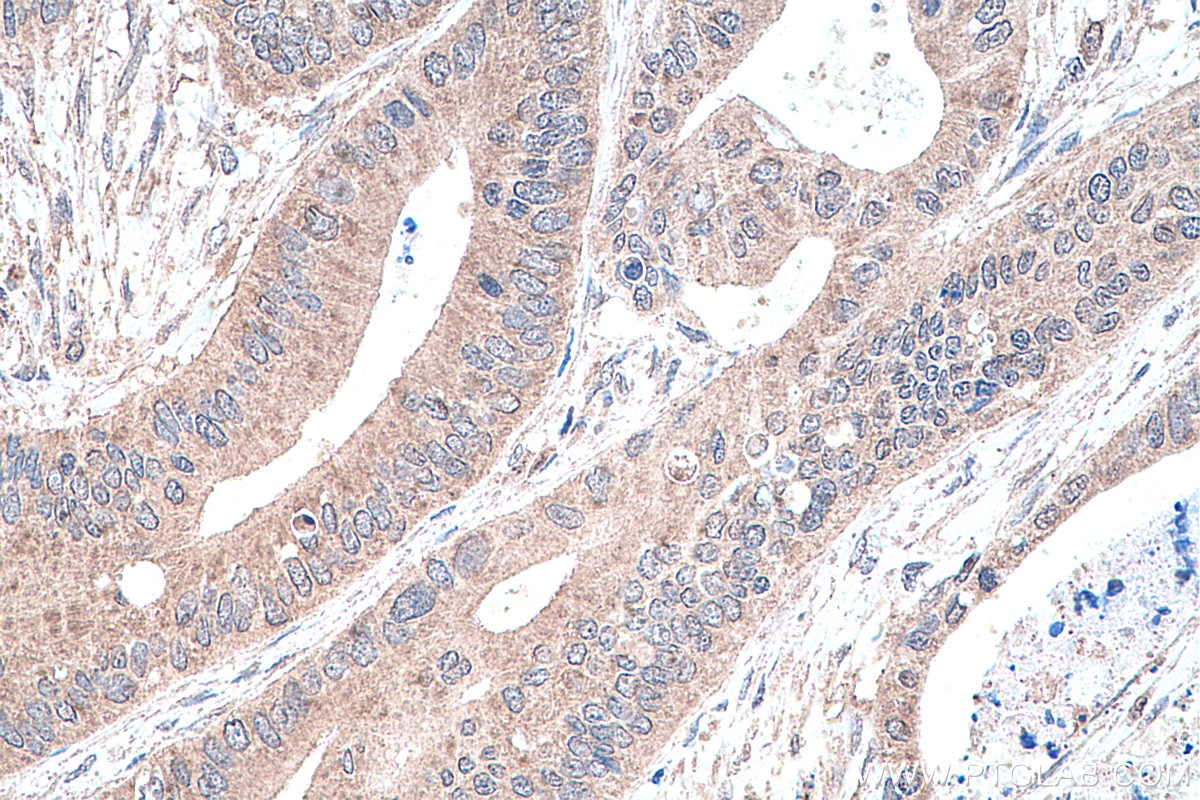
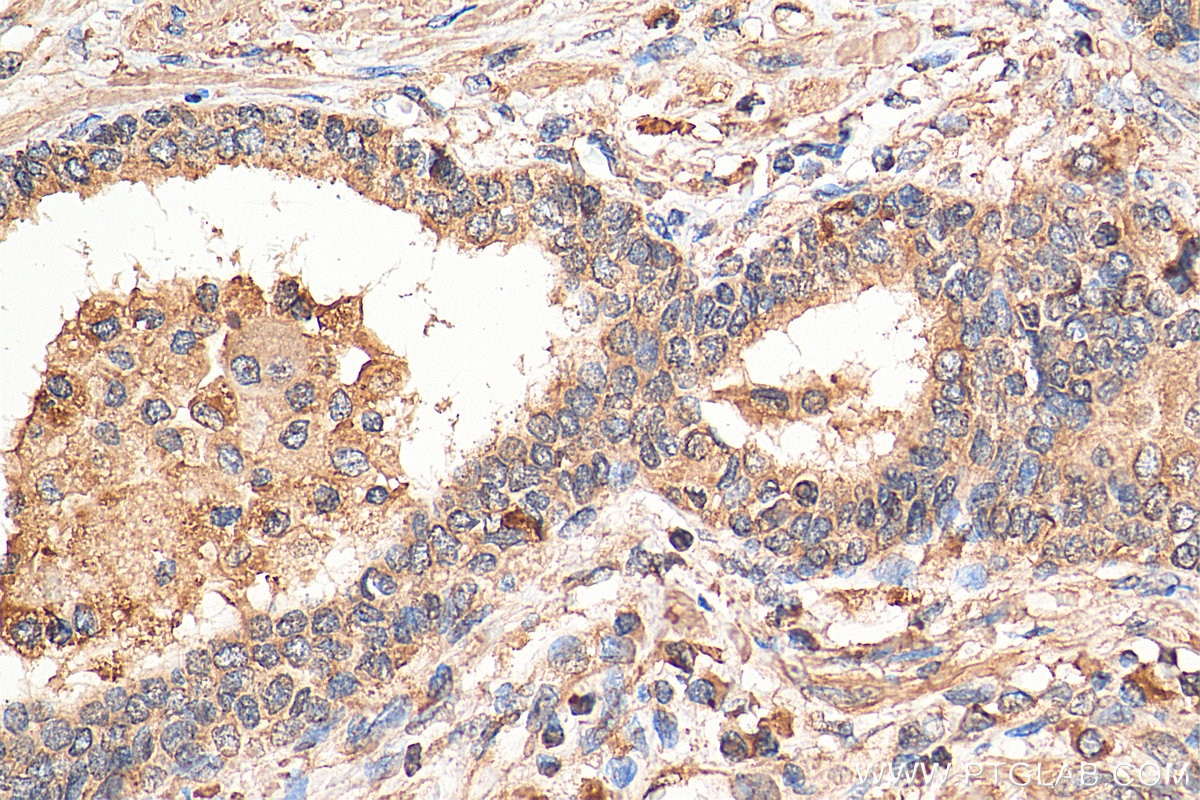
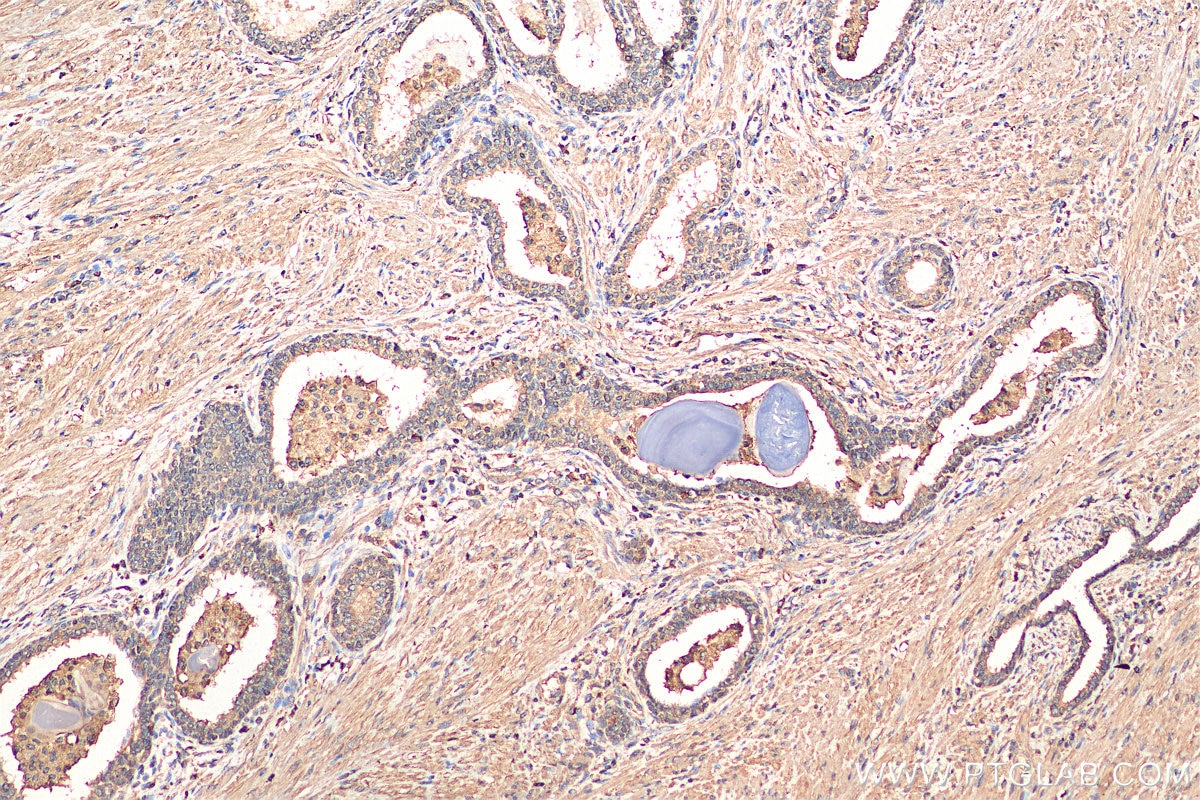
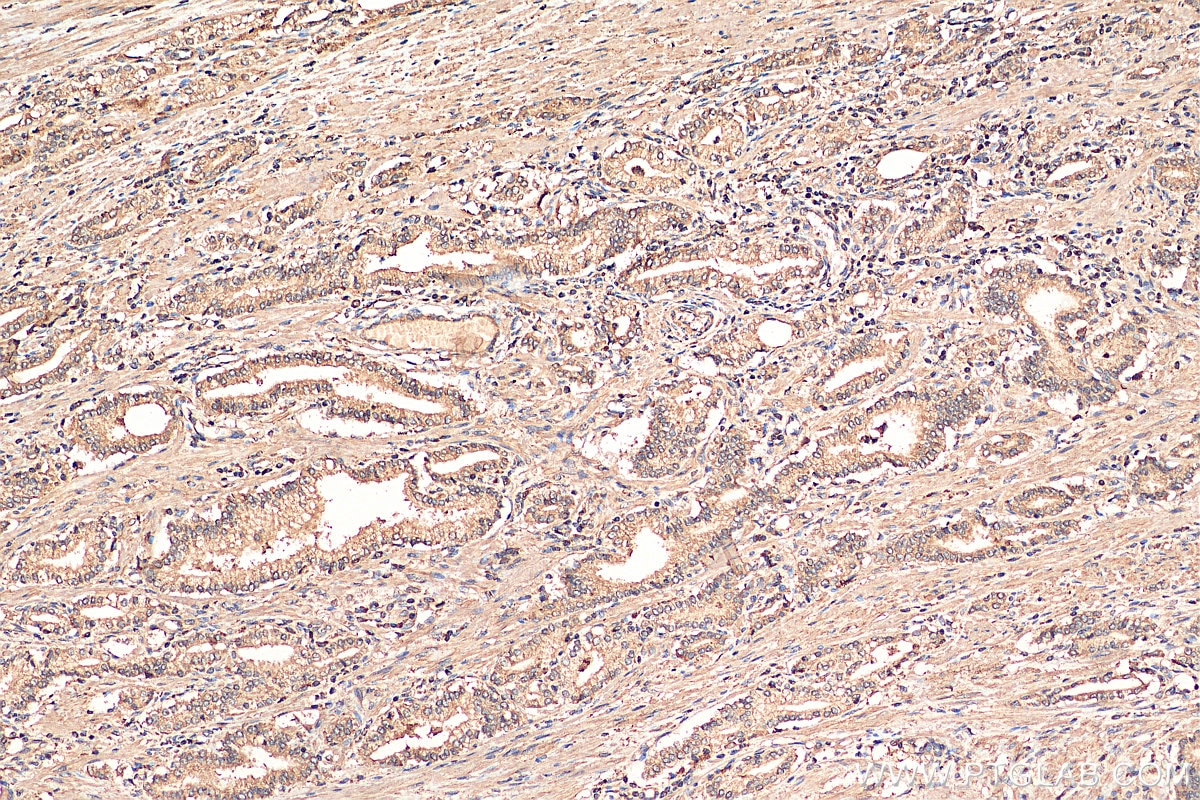
| Positive IHC detected in | human prostate cancer tissue, human colon cancer tissue Note: suggested antigen retrieval with TE buffer pH 9.0; (*) Alternatively, antigen retrieval may be performed with citrate buffer pH 6.0 |
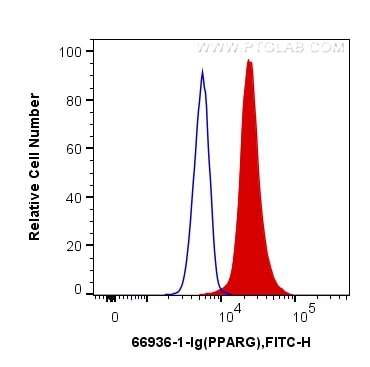
| Positive FC (Intra) detected in | HeLa cells |
Recommended dilution
| Application | Dilution |
|---|---|
| Western Blot (WB) | WB : 1:5000-1:50000 |
| Immunohistochemistry (IHC) | IHC : 1:250-1:1000 |
| Flow Cytometry (FC) (INTRA) | FC (INTRA) : 0.40 ug per 10^6 cells in a 100 µl suspension |
| It is recommended that this reagent should be titrated in each testing system to obtain optimal results. | |
| Sample-dependent, Check data in validation data gallery. | |
Product Information
66936-1-Ig targets PPAR Gamma in WB, IHC, IF, FC (Intra), CoIP, ChIP, ELISA applications and shows reactivity with human, mouse samples.
| Tested Reactivity | human, mouse |
| Cited Reactivity | human, mouse, rat, chicken, bovine |
| Host / Isotype | Mouse / IgG1 |
| Class | Monoclonal |
| Type | Antibody |
| Immunogen |
CatNo: Ag16657 Product name: Recombinant human PPARG protein Source: e coli.-derived, PET28a Tag: 6*His Domain: 161-477 aa of BC006811 Sequence: KCQYCRFQKCLAVGMSHNAIRFGRMPQAEKEKLLAEISSDIDQLNPESADLRALAKHLYDSYIKSFPLTKAKARAILTGKTTDKSPFVIYDMNSLMMGEDKIKFKHITPLQEQSKEVAIRIFQGCQFRSVEAVQEITEYAKSIPGFVNLDLNDQVTLLKYGVHEIIYTMLASLMNKDGVLISEGQGFMTREFLKSLRKPFGDFMEPKFEFAVKFNALELDDSDLAIFIAVIILSGDRPGLLNVKPIEDIQDNLLQALELQLKLNHPESSQLFAKLLQKMTDLRQIVTEHVQLLQVIKKTETDMSLHPLLQEIYKDLY Predict reactive species |
| Full Name | peroxisome proliferator-activated receptor gamma |
| Calculated Molecular Weight | 58 kDa |
| Observed Molecular Weight | 50 kDa |
| GenBank Accession Number | BC006811 |
| Gene Symbol | PPARG |
| Gene ID (NCBI) | 5468 |
| RRID | AB_2882260 |
| Conjugate | Unconjugated |
| Form | Liquid |
| Purification Method | Protein G purification |
| UNIPROT ID | P37231 |
| Storage Buffer | PBS with 0.02% sodium azide and 50% glycerol, pH 7.3. |
| Storage Conditions | Store at -20°C. Stable for one year after shipment. Aliquoting is unnecessary for -20oC storage. 20ul sizes contain 0.1% BSA. |
Background Information
Peroxisome Proliferator-Activated Receptors (PPARs) are ligand-activated intracellular transcription factors, members of the nuclear hormone receptor superfamily (NR), that includes estrogen, thyroid hormone receptors, retinoic acid, Vitamin D3 as well as retinoid X receptors (RXRs). The PPAR subfamily consists of three subtypes encoded by distinct genes denoted PPARα (NR1C1), PPARβ/δ (NR1C2) and PPARγ (NR1C3), which are activated by selective ligands. PPARγ, also named as PPARG, contains one nuclear receptor DNA-binding domain and is a receptor that binds peroxisome proliferators such as hypolipidemic drugs and fatty acids. It plays an important role in the regulation of lipid homeostasis, adipogenesis, INS resistance, and development of various organs. Defects in PPARG are the cause of familial partial lipodystrophy type 3 (FPLD3) and may be associated with susceptibility to obesity. Defects in PPARG can lead to type 2 INS-resistant diabetes and hypertension. PPARG mutations may be associated with colon cancer. Genetic variations in PPARG are associated with susceptibility to glioma type 1 (GLM1). PPARG has two isoforms with molecular weight 57 kDa and 54 kDa (PMID: 9831621), but modified PPARG is about 67 KDa (PMID: 16809887). PPARG2 is a splice variant and has an additional 30 amino acids at the N-terminus (PMID: 15689403). Experimental data indicate that a 45 kDa protein displaying three different sequences immunologically related to the nuclear receptor PPARG2 is located in mitochondria (mt-PPAR). However, the molecular weight of this protein is clearly less when compared to that of PPARG2 (57 kDa) (PMID: 10922459). PPARG has been reported to be localized mainly (but not always) in the nucleus. PPARG can also be detected in the cytoplasm and was reported to possess extra-nuclear/non-genomic actions (PMID: 17611413; 19432669; 14681322).
Protocols
| Product Specific Protocols | |
|---|---|
| FC protocol for PPAR Gamma antibody 66936-1-Ig | Download protocol |
| IHC protocol for PPAR Gamma antibody 66936-1-Ig | Download protocol |
| WB protocol for PPAR Gamma antibody 66936-1-Ig | Download protocol |
| Standard Protocols | |
|---|---|
| Click here to view our Standard Protocols |
Publications
What published studies show
The PPARγ antibody (catalog no. 66936-1-Ig) has 60 total citations. Publications appear in high-impact journals including Nature Communications, Cell Metabolism, Nature Microbiology, Redox Biology, Theranostics, Journal for ImmunoTherapy of Cancer, FASEB Journal, iScience, Clinical and Translational Medicine, and Phytomedicine, among others. Research fields span lipid metabolism, adipogenesis, obesity, diabetes, inflammation, immunology, cancer, cardiovascular disease, liver disease, ferroptosis, and neurology.
| Species | Application | Title |
|---|---|---|
Cell Metab Macrophage PD-1 regulates energy expenditure and metabolic dysfunction under immune checkpoint blockade. | ||
Bioact Mater A foam cell-targeted lipophagy restoration strategy stabilizes vulnerable atherosclerotic plaques. | ||
Nat Microbiol All-trans retinoic acid suppresses systemic inflammation induced by severe fever with thrombocytopenia syndrome virus in mice. | ||
Nat Commun Gα(q) activation of free fatty acid receptor 4 suppresses metabolic dysfunction by disrupting Nr1h3-PPARγ axis. | ||
Nat Commun Mycobacterium tuberculosis IDH-PPARγ interaction suppresses GPX4 to drive macrophage ferroptosis and sustain persistent infection. | ||











