
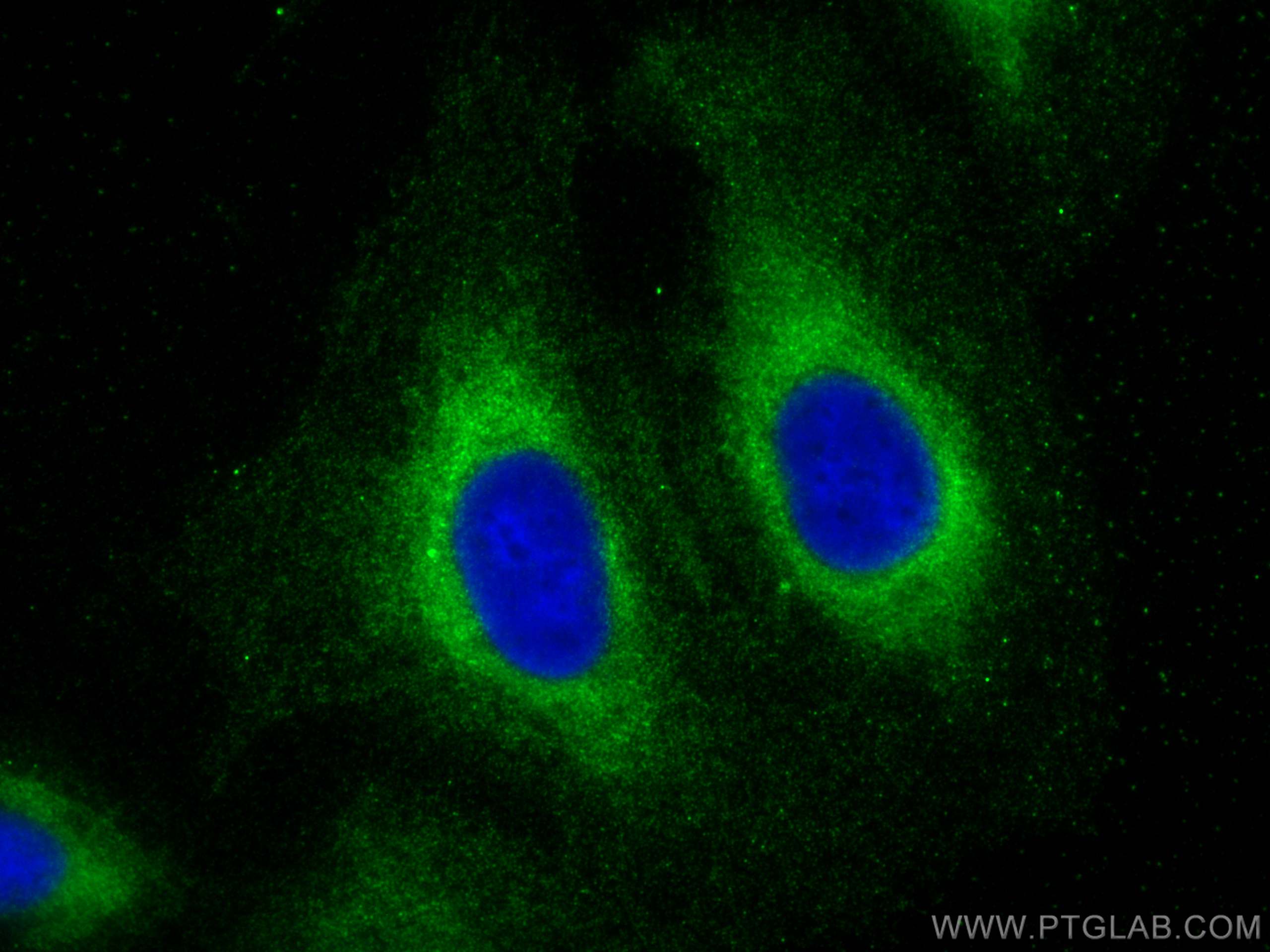
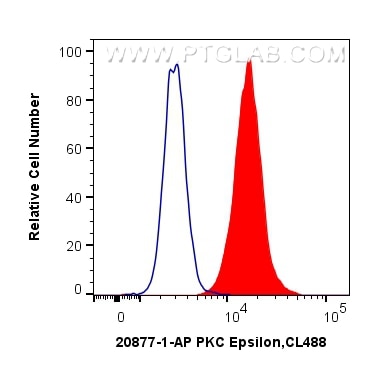

Tested Applications
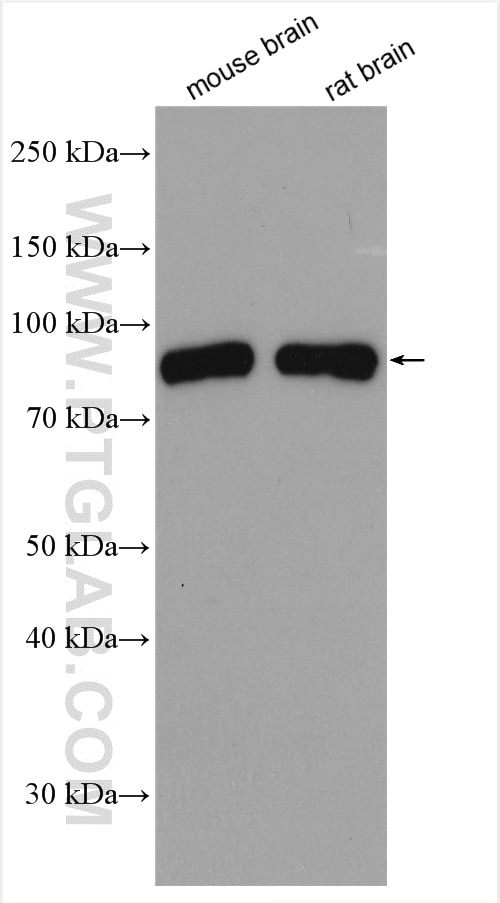
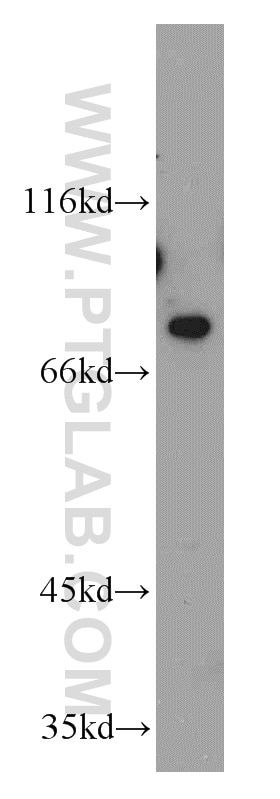
| Positive WB detected in | mouse brain tissue, SH-SY5Y cells, rat brain tissue |
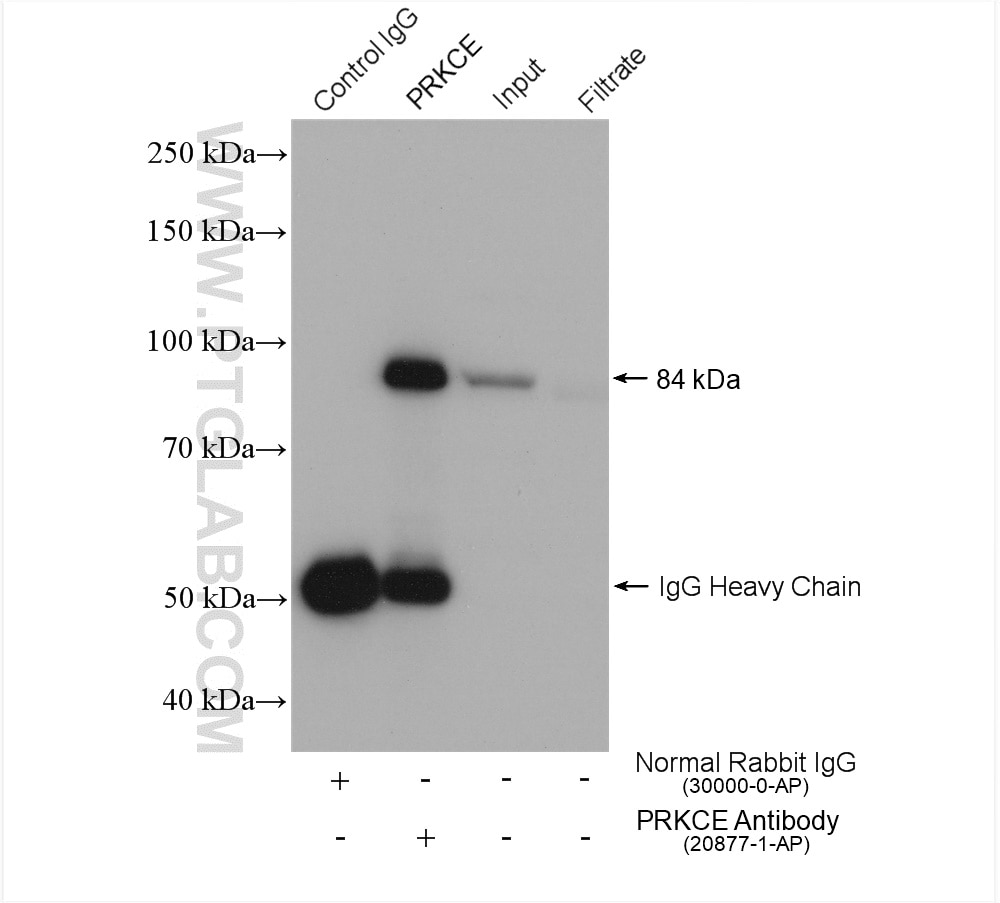
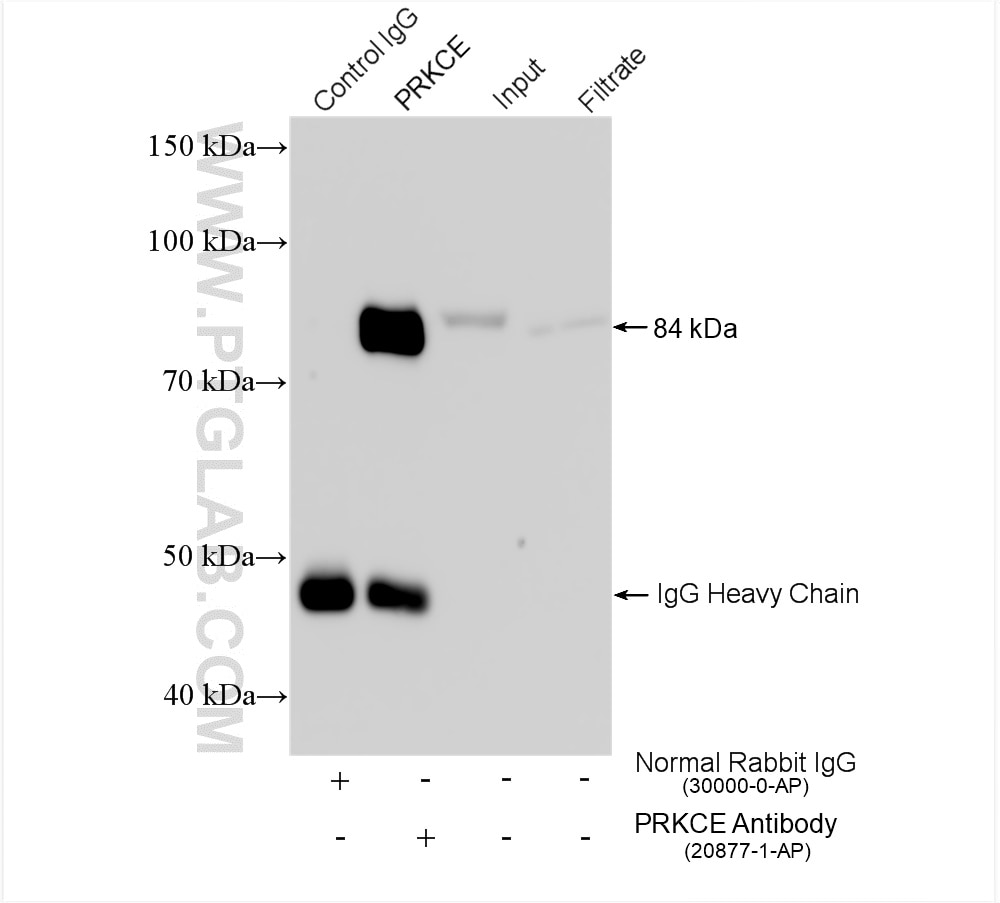
| Positive IP detected in | SH-SY5Y cells |
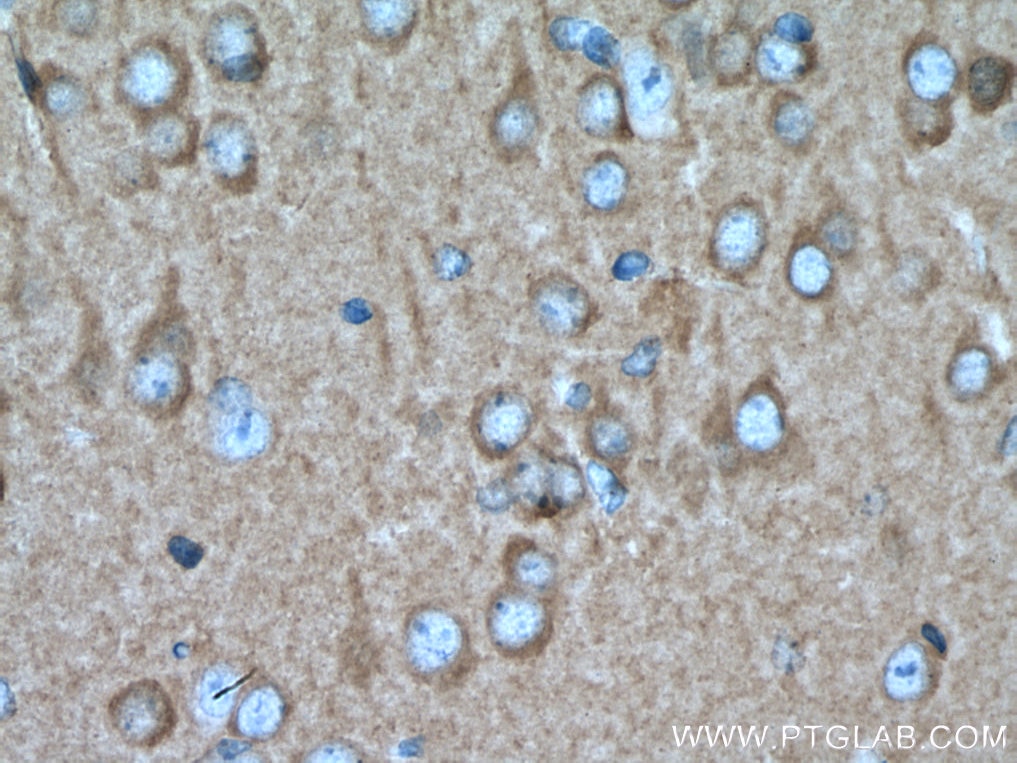
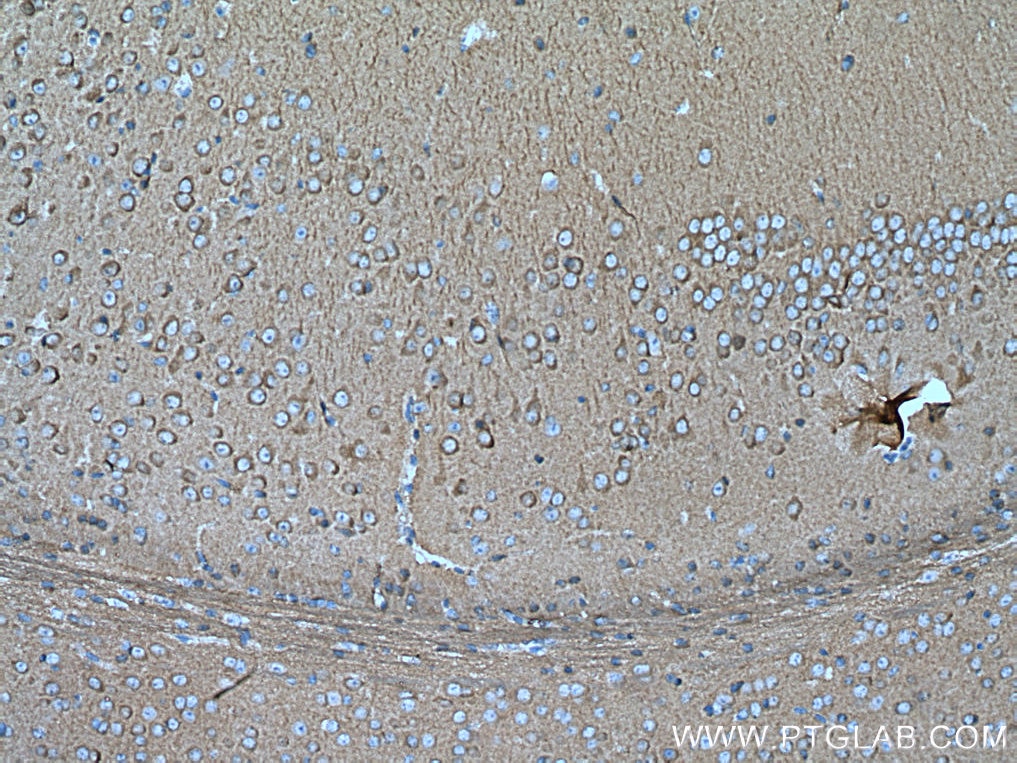
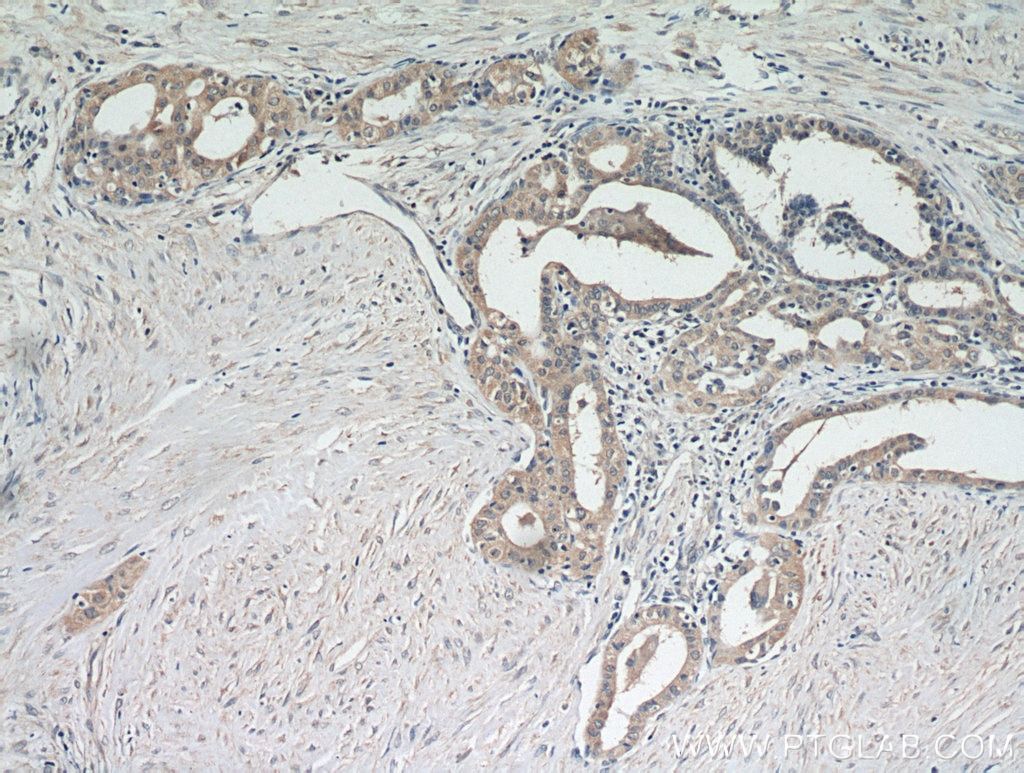
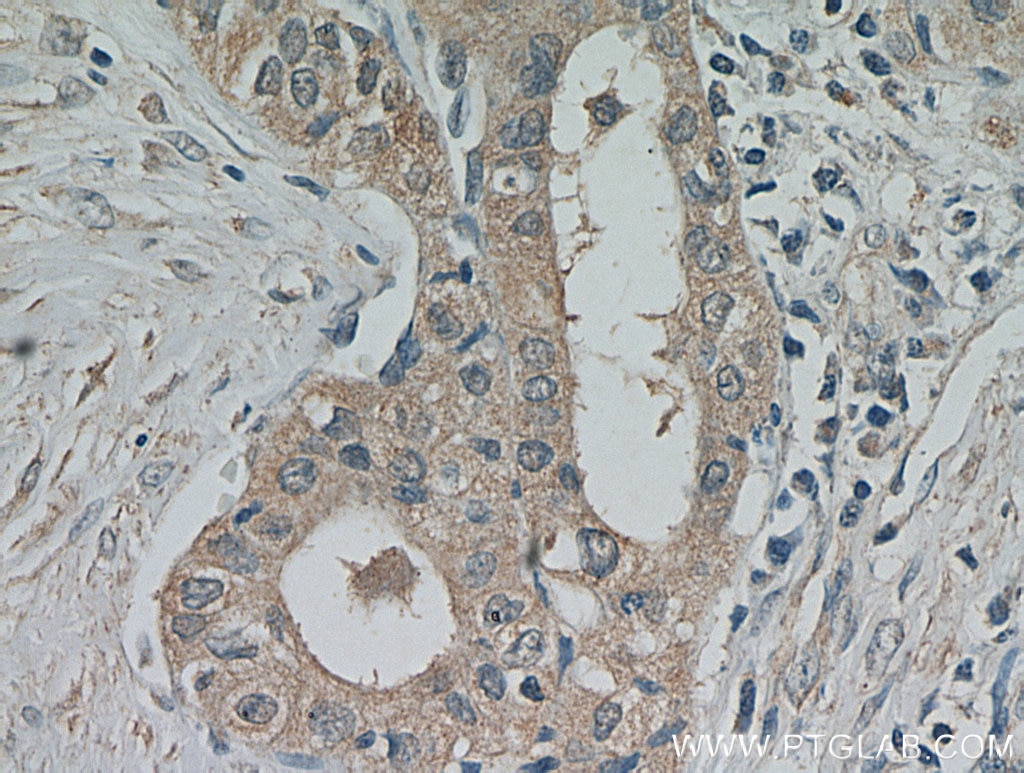
| Positive IHC detected in | mouse brain tissue, human thyroid cancer tissue Note: suggested antigen retrieval with TE buffer pH 9.0; (*) Alternatively, antigen retrieval may be performed with citrate buffer pH 6.0 |
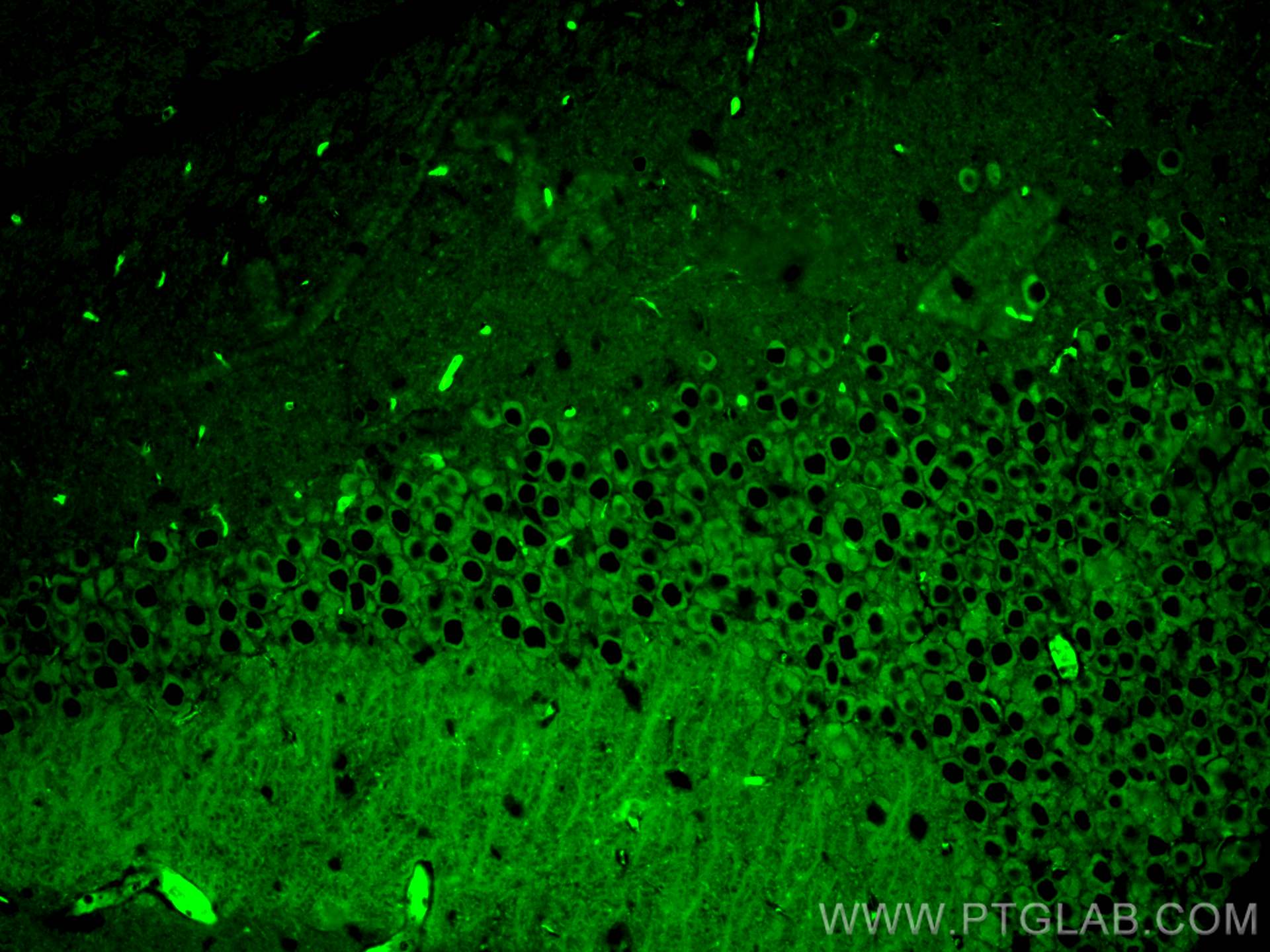
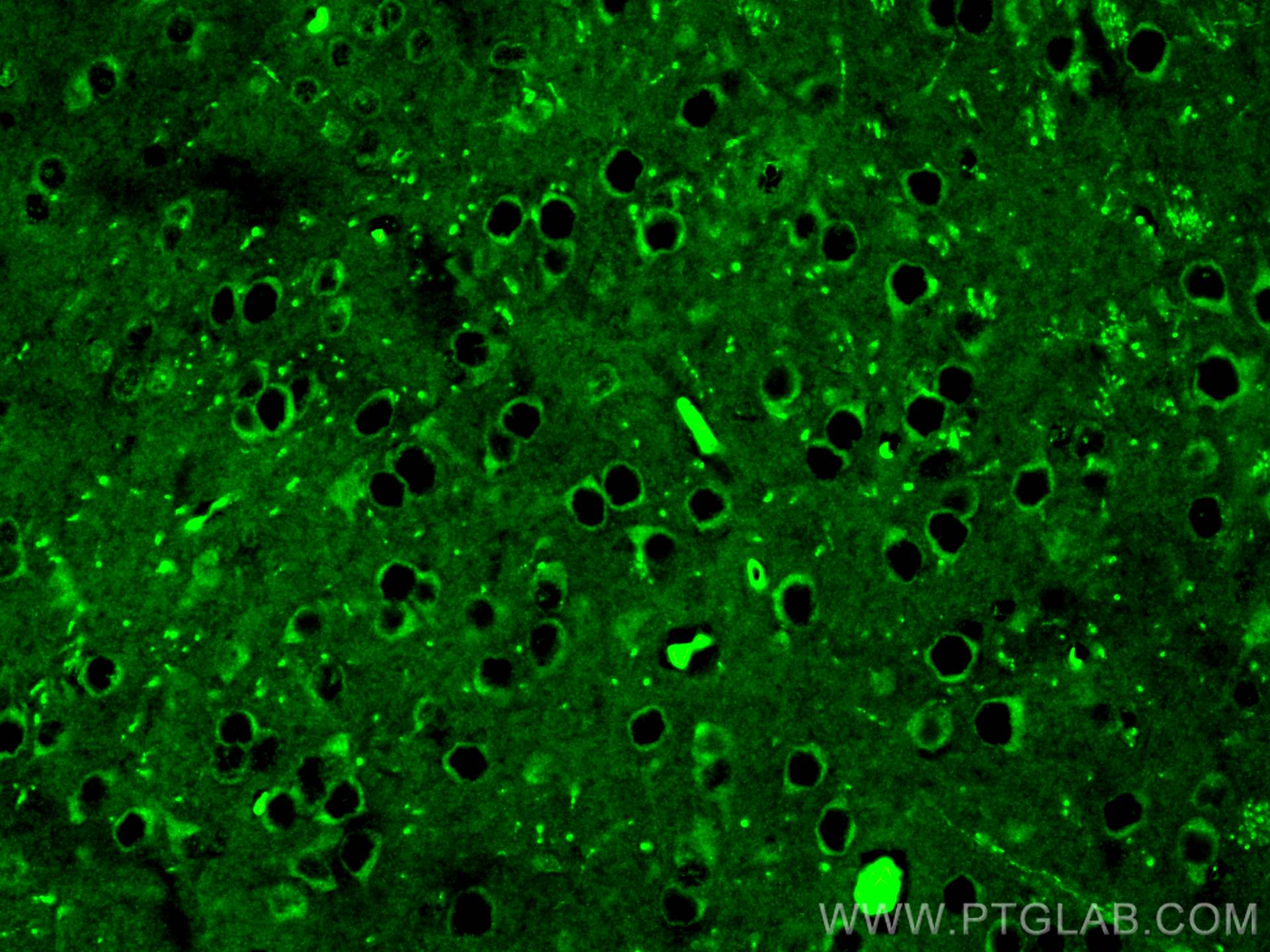
| Positive IF-P detected in | mouse brain tissue |
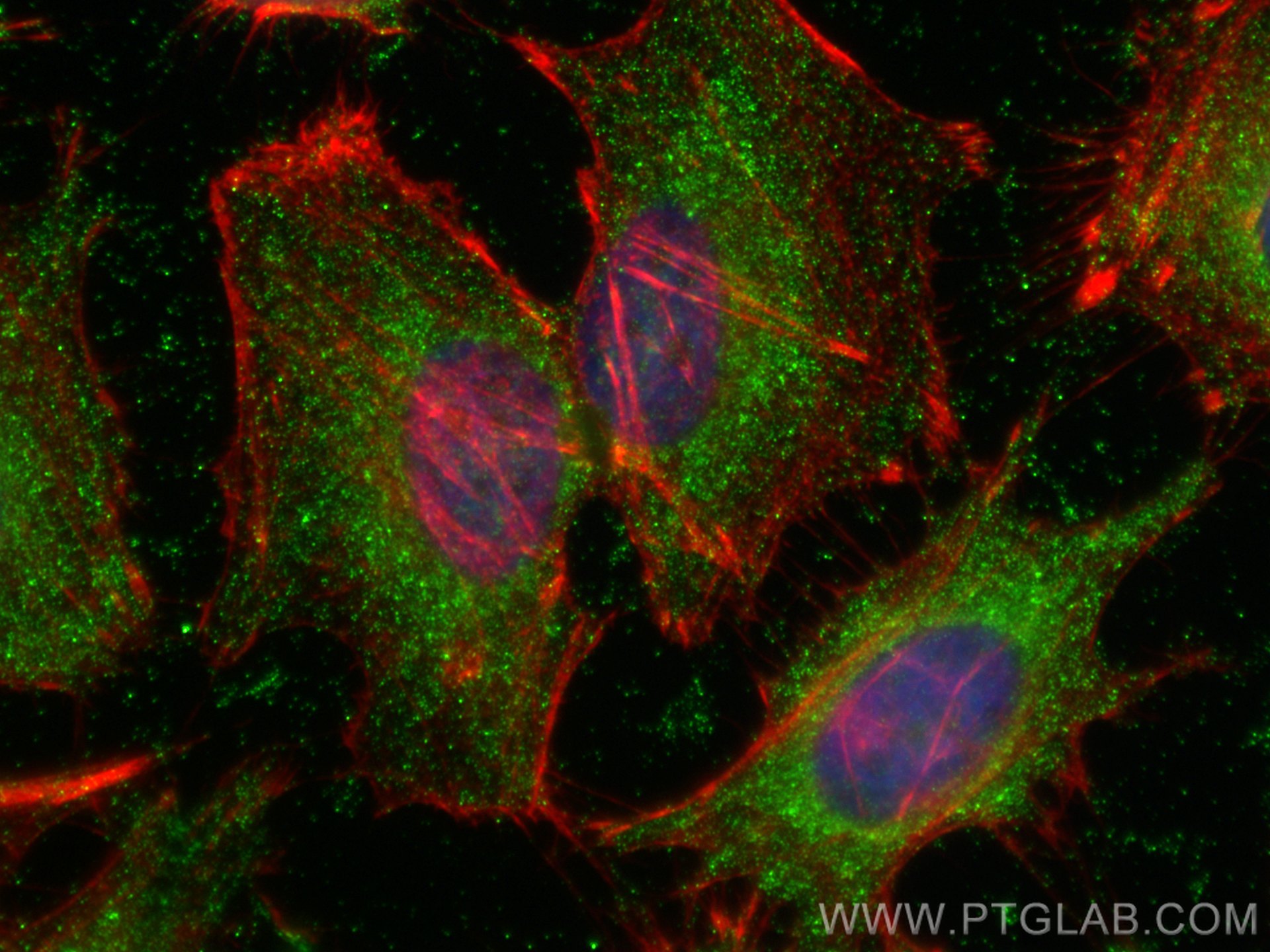
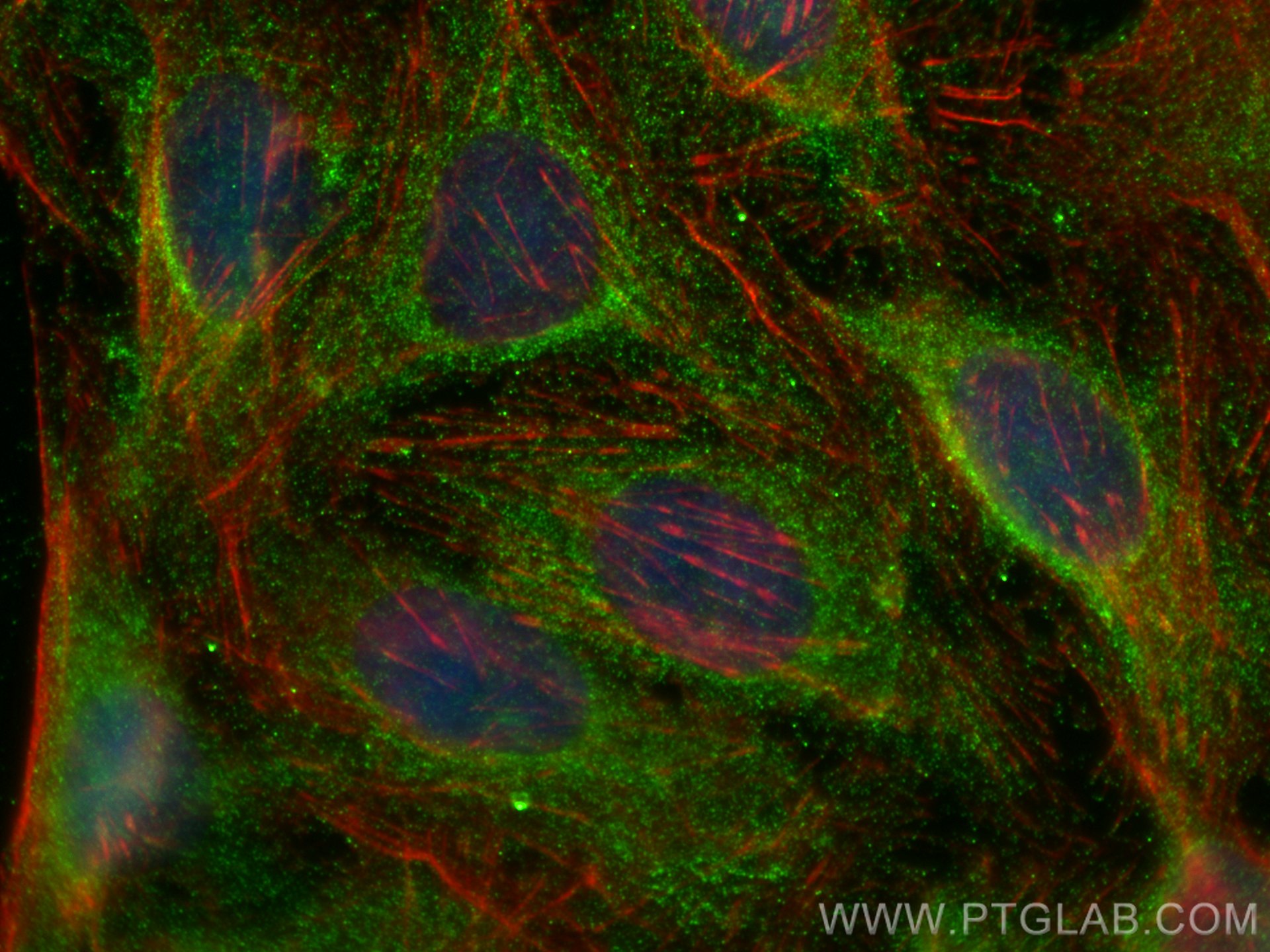
| Positive IF/ICC detected in | HeLa cells, U2OS cells |
| Positive FC (Intra) detected in | Jurkat cells |
Recommended dilution
| Application | Dilution |
|---|---|
| Western Blot (WB) | WB : 1:5000-1:50000 |
| Immunoprecipitation (IP) | IP : 0.5-4.0 ug for 1.0-3.0 mg of total protein lysate |
| Immunohistochemistry (IHC) | IHC : 1:50-1:500 |
| Immunofluorescence (IF)-P | IF-P : 1:50-1:500 |
| Immunofluorescence (IF)/ICC | IF/ICC : 1:50-1:500 |
| Flow Cytometry (FC) (INTRA) | FC (INTRA) : 0.40 ug per 10^6 cells in a 100 ul suspension |
| It is recommended that this reagent should be titrated in each testing system to obtain optimal results. | |
| Sample-dependent, Check data in validation data gallery. | |
Product Information
20877-1-AP targets PKC Epsilon in WB, IHC, IF/ICC, IF-P, FC (Intra), IP, ELISA applications and shows reactivity with human, mouse, rat samples.
| Tested Reactivity | human, mouse, rat |
| Cited Reactivity | human, mouse, rat, hamster |
| Host / Isotype | Rabbit / IgG |
| Class | Polyclonal |
| Type | Antibody |
| Immunogen |
CatNo: Ag14976 Product name: Recombinant human PRKCE protein Source: e coli.-derived, PGEX-4T Tag: GST Domain: 294-413 aa of BC109033 Sequence: VDARGIAKVLADLGVTPDKITNSGQRRKKLIAGAESPQPASGSSPSEEDRSKSAPTSPCDQEIKELENNIRKALSFDNRGEEHRAASSPDGQLMSPGENGEVRQGQAKRLGLDEFNFIKV Predict reactive species |
| Full Name | protein kinase C, epsilon |
| Calculated Molecular Weight | 737 aa, 84 kDa |
| Observed Molecular Weight | 84 kDa |
| GenBank Accession Number | BC109033 |
| Gene Symbol | PKC Epsilon |
| Gene ID (NCBI) | 5581 |
| RRID | AB_10697812 |
| Conjugate | Unconjugated |
| Form | Liquid |
| Purification Method | Antigen affinity purification |
| UNIPROT ID | Q02156 |
| Storage Buffer | PBS with 0.02% sodium azide and 50% glycerol, pH 7.3. |
| Storage Conditions | Store at -20°C. Stable for one year after shipment. Aliquoting is unnecessary for -20oC storage. 20ul sizes contain 0.1% BSA. |
Background Information
PKC Epsilon (Protein kinase C epsilon type) is also named as PKC-ε, PRKCE and PKCE. It belongs to the protein kinase superfamily, AGC Ser/Thr protein kinase family and PKC subfamily. PKC-ε, one of the novel isoforms, as a critical player in membrane mobilization during phagocytosis (PMID: 9069266). KC-ε is tethered to the Golgi through binding of its pseudosubstrate domain to phosphatidylinositol-4-phosphate (PI4P) (PMID: 28539432). PKC-ε traffics on microtubule-associated vesicles from the Golgi to the forming phagosome. As the majority of macrophage PKC-ε is cytosolic, and PKCs translocate from the cytosol to their sites of activity, it predicted that cytosolic PKC-ε concentrated at phagosomes to facilitate membrane addition (PMID: 34622926). Two PKC isozymes of the novel group, PKCε and PKCδ, have different and sometimes opposite effects. PKCε stimulates cell growth and differentiation while PKCδ is apoptotic (PMID: 21810427).
Protocols
| Product Specific Protocols | |
|---|---|
| FC protocol for PKC Epsilon antibody 20877-1-AP | Download protocol |
| IF protocol for PKC Epsilon antibody 20877-1-AP | Download protocol |
| IHC protocol for PKC Epsilon antibody 20877-1-AP | Download protocol |
| IP protocol for PKC Epsilon antibody 20877-1-AP | Download protocol |
| WB protocol for PKC Epsilon antibody 20877-1-AP | Download protocol |
| Standard Protocols | |
|---|---|
| Click here to view our Standard Protocols |
Publications
What published studies show
The PKC Epsilon Polyclonal antibody (Cat# 20877-1-AP) has 28 citations published in journals including Nature Communications, Cell Reports, Biological Psychiatry, eLife, iScience, International Journal of Molecular Sciences, and others. Research fields span neuroscience (pain signaling, synaptic plasticity, stroke), cardiovascular biology (cardiac hypertrophy, cardiomyocyte function), oncology (breast, bladder, colorectal, and lung cancers), metabolic disorders (obesity, insulin resistance, hepatic lipid accumulation), and inflammation/immunology (gut barrier, macrophage polarization). Applications are predominantly Western blot, with some IF, IP, and IHC.
| Species | Application | Title |
|---|---|---|
Nat Commun Circulating extracellular vesicle microRNAs mediate immune modulation of social behavior in male mice. | ||
Biol Psychiatry Adaptations in Nucleus Accumbens Neuron Subtypes Mediate Negative Affective Behaviors in Fentanyl Abstinence | ||
Neural Regen Res Chronic stress causes protein kinase C epsilon-aldehyde dehydrogenase 2 signaling pathway perturbation in the rat hippocampus and prefrontal cortex, but not in the myocardium. | ||
Cell Rep PKCε SUMOylation Is Required for Mediating the Nociceptive Signaling of Inflammatory Pain.
| ||
Neurosci Bull Deletion of the SHORT Syndrome Gene Prkce Results in Brain Atrophy and Cognitive and Motor Behavior Deficits in Mice | ||
Biochem Pharmacol Thromboxane A2-TP axis promotes adipose tissue macrophages M1 polarization leading to insulin resistance in obesity |
Reviews
What customers say
Able is busy answering your previous question. Please try again later.
The reviews below have been submitted by verified Proteintech customers who received an incentive for providing their feedback.
Asan (Verified Customer) (10-31-2025) | Good quality
|















