

Tested Applications
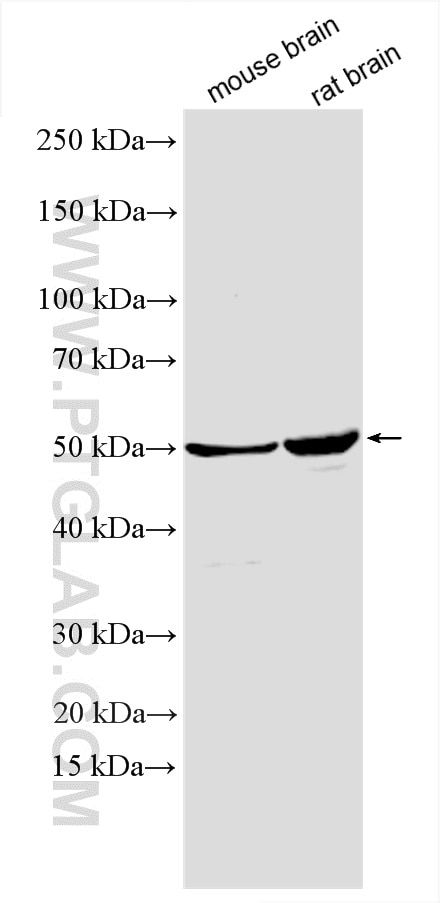
| Positive WB detected in | mouse brain tissue, rat brain tissue |
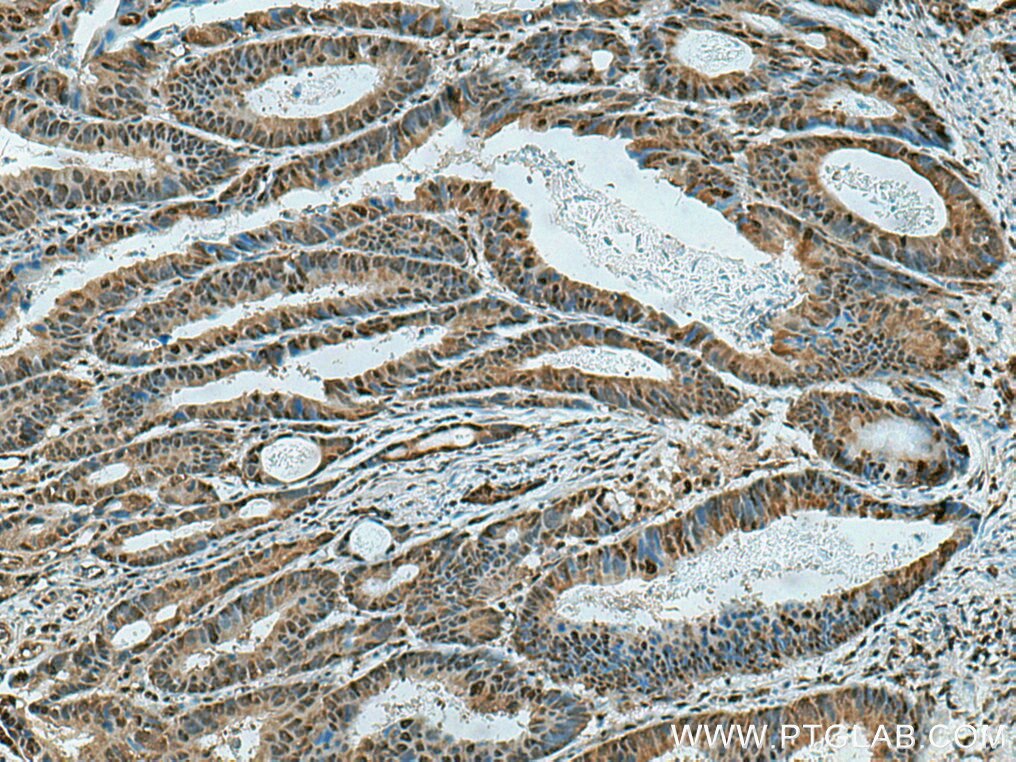
| Positive IHC detected in | human colon cancer tissue Note: suggested antigen retrieval with TE buffer pH 9.0; (*) Alternatively, antigen retrieval may be performed with citrate buffer pH 6.0 |
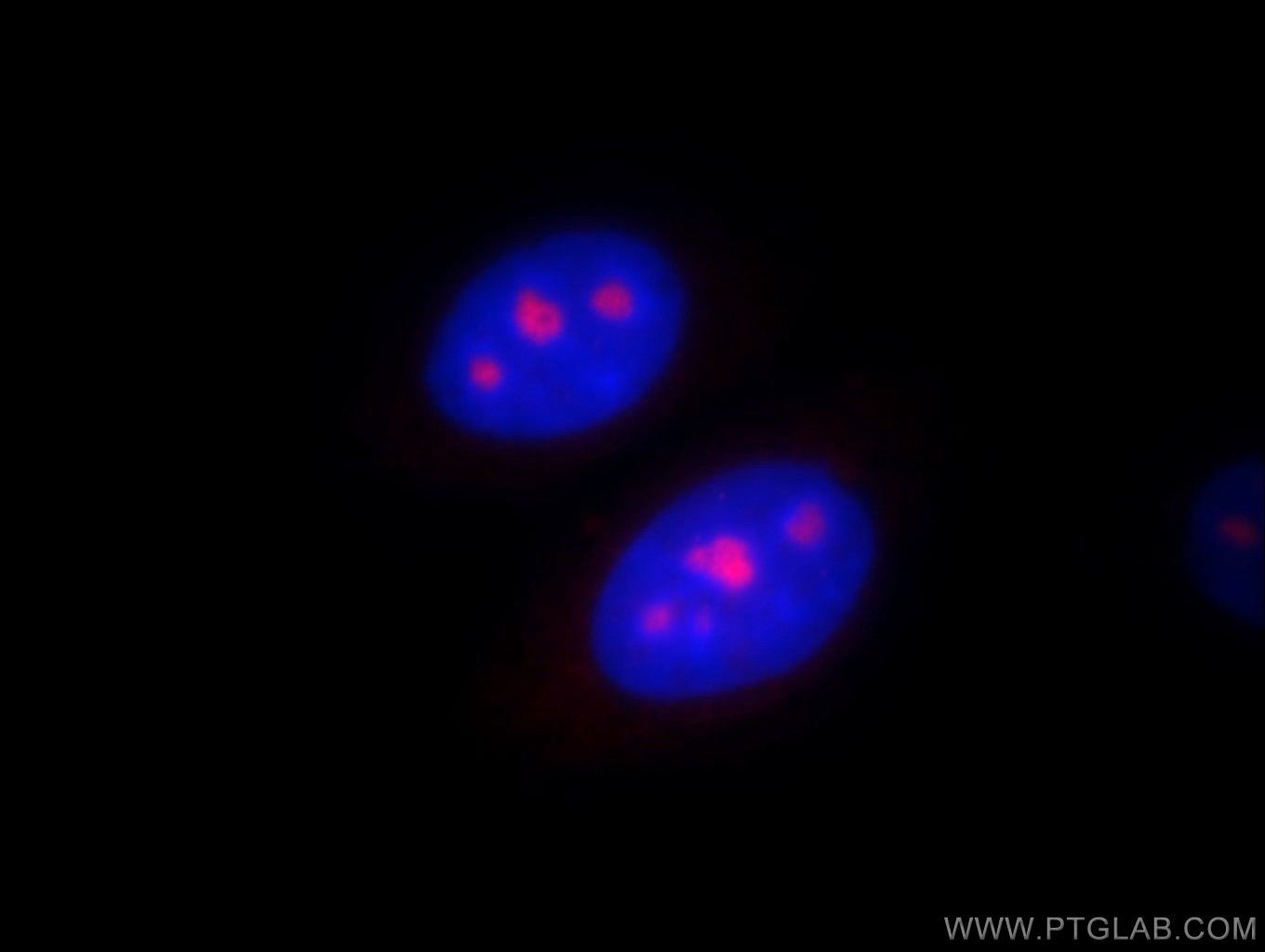
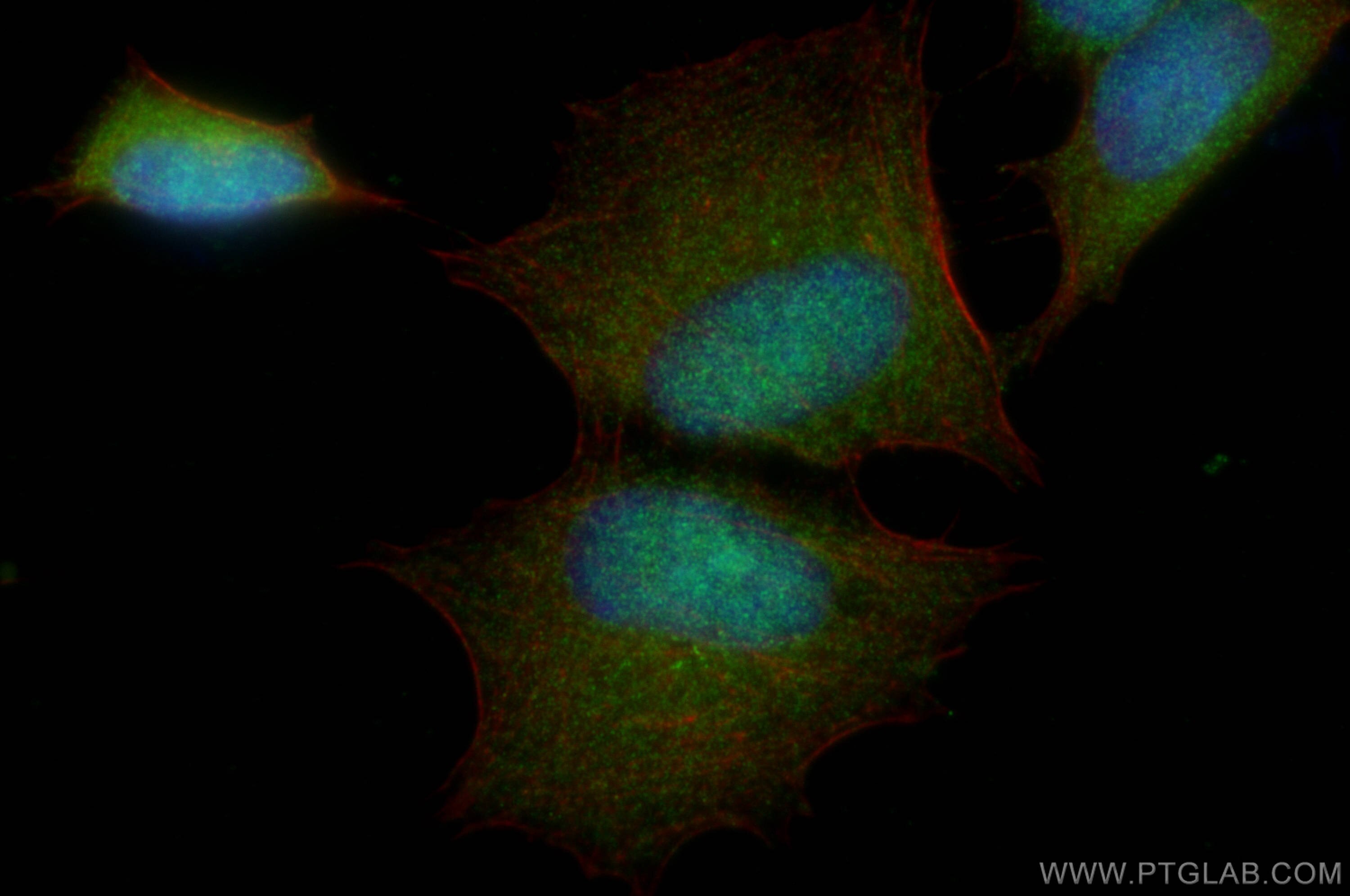
| Positive IF/ICC detected in | SH-SY5Y cells, HepG2 cells |
Recommended dilution
| Application | Dilution |
|---|---|
| Western Blot (WB) | WB : 1:500-1:2000 |
| Immunohistochemistry (IHC) | IHC : 1:50-1:500 |
| Immunofluorescence (IF)/ICC | IF/ICC : 1:200-1:800 |
| It is recommended that this reagent should be titrated in each testing system to obtain optimal results. | |
| Sample-dependent, Check data in validation data gallery. | |
Product Information
11389-1-AP targets PSMC4 in WB, IHC, IF/ICC, ELISA applications and shows reactivity with human, mouse, rat samples.
| Tested Reactivity | human, mouse, rat |
| Cited Reactivity | human, mouse, rat |
| Host / Isotype | Rabbit / IgG |
| Class | Polyclonal |
| Type | Antibody |
| Immunogen |
CatNo: Ag1943 Product name: Recombinant human PSMC4 protein Source: e coli.-derived, PGEX-4T Tag: GST Domain: 1-418 aa of BC014488 Sequence: MEEIGILVEKAQDEIPALSVSRPQTGLSFLGPEPEDLEDLYSRYKKLQQELEFLEVQEEYIKDEQKNLKKEFLHAQEEVKRIQSIPLVIGQFLEAVDQNTAIVGSTTGSNYYVRILSTIDRELLKPNASVALHKHSNALVDVLPPEADSSIMMLTSDQKPDVMYADIGGMDIQKQEVREAVELPLTHFELYKQIGIDPPRGVLMYGPPGCGKTMLAKAVAHHTTAAFIRVVGSEFVQKYLGEGPRMVRDVFRLAKENAPAIIFIDEIDAIATKRFDAQTGADREVQRILLELLNQMDGFDQNVNVKVIMATNRADTLDPALLRPGRLDRKIEFPLPDRRQKRLIFSTITSKMNLSEEVDLEDYVARPDKISGADINSICQESGMLAVRENRYIVLAKDFEKAYKTVIKKDEQEHEFYK Predict reactive species |
| Full Name | proteasome (prosome, macropain) 26S subunit, ATPase, 4 |
| Calculated Molecular Weight | 418 aa, 47 kDa |
| Observed Molecular Weight | 43-50 kDa |
| GenBank Accession Number | BC014488 |
| Gene Symbol | PSMC4 |
| Gene ID (NCBI) | 5704 |
| RRID | AB_2300373 |
| Conjugate | Unconjugated |
| Form | Liquid |
| Purification Method | Antigen affinity purification |
| UNIPROT ID | P43686 |
| Storage Buffer | PBS with 0.02% sodium azide and 50% glycerol, pH 7.3. |
| Storage Conditions | Store at -20°C. Stable for one year after shipment. Aliquoting is unnecessary for -20oC storage. 20ul sizes contain 0.1% BSA. |
Background Information
PSMC4(proteasome (prosome, macropain) 26S subunit, ATPase, 4) is also named as TBP7, S6, TBP7, MIP224 and belongs to the AAA ATPase family. The 26S protease is involved in the ATP-dependent degradation of ubiquitinated proteins. The predicted 458-amino acid TBP7 protein is 57% identical to TBP1 and they can form heterodimers(PMID:8419915).
Protocols
| Product Specific Protocols | |
|---|---|
| IF protocol for PSMC4 antibody 11389-1-AP | Download protocol |
| IHC protocol for PSMC4 antibody 11389-1-AP | Download protocol |
| WB protocol for PSMC4 antibody 11389-1-AP | Download protocol |
| Standard Protocols | |
|---|---|
| Click here to view our Standard Protocols |
Publications
What published studies show
The PSMC4 Polyclonal antibody (Cat# 11389-1-AP) has 11 citations published in journals including Nature Cell Biology, Nature Communications, Neuron, Advanced Science, Carbohydrate Polymers, Cells, Nutrients, Cell Signaling, Neuropharmacology, Bioscience Reports, and Frontiers in Oncology. Associated research fields span proteasome biology, aggrephagy, neurodegeneration (ALS/FTD), glioblastoma, vascular hyperplasia, metabolism, wound healing, cochlear damage, and lung cancer.
| Species | Application | Title |
|---|---|---|
Nat Cell Biol A chaperone-proteasome-based fragmentation machinery is essential for aggrephagy | ||
Neuron Antibody Therapy Targeting RAN Proteins Rescues C9 ALS/FTD Phenotypes in C9orf72 Mouse Model. | ||
Adv Sci (Weinh) Structural Polymorphism of polyG Inclusions Revealed by In Situ Cryo-Electron Tomography. | ||
Carbohydr Polym Multifunctional bupivacaine-loaded electrospun PVA-TCN-polydopamine membranes for enhanced wound healing and analgesia. | ||
Cells The Prostaglandin E2 Receptor EP4 Promotes Vascular Neointimal Hyperplasia through Translational Control of Tenascin C via the cAPM/PKA/mTORC1/rpS6 Pathway |
Reviews
What customers say
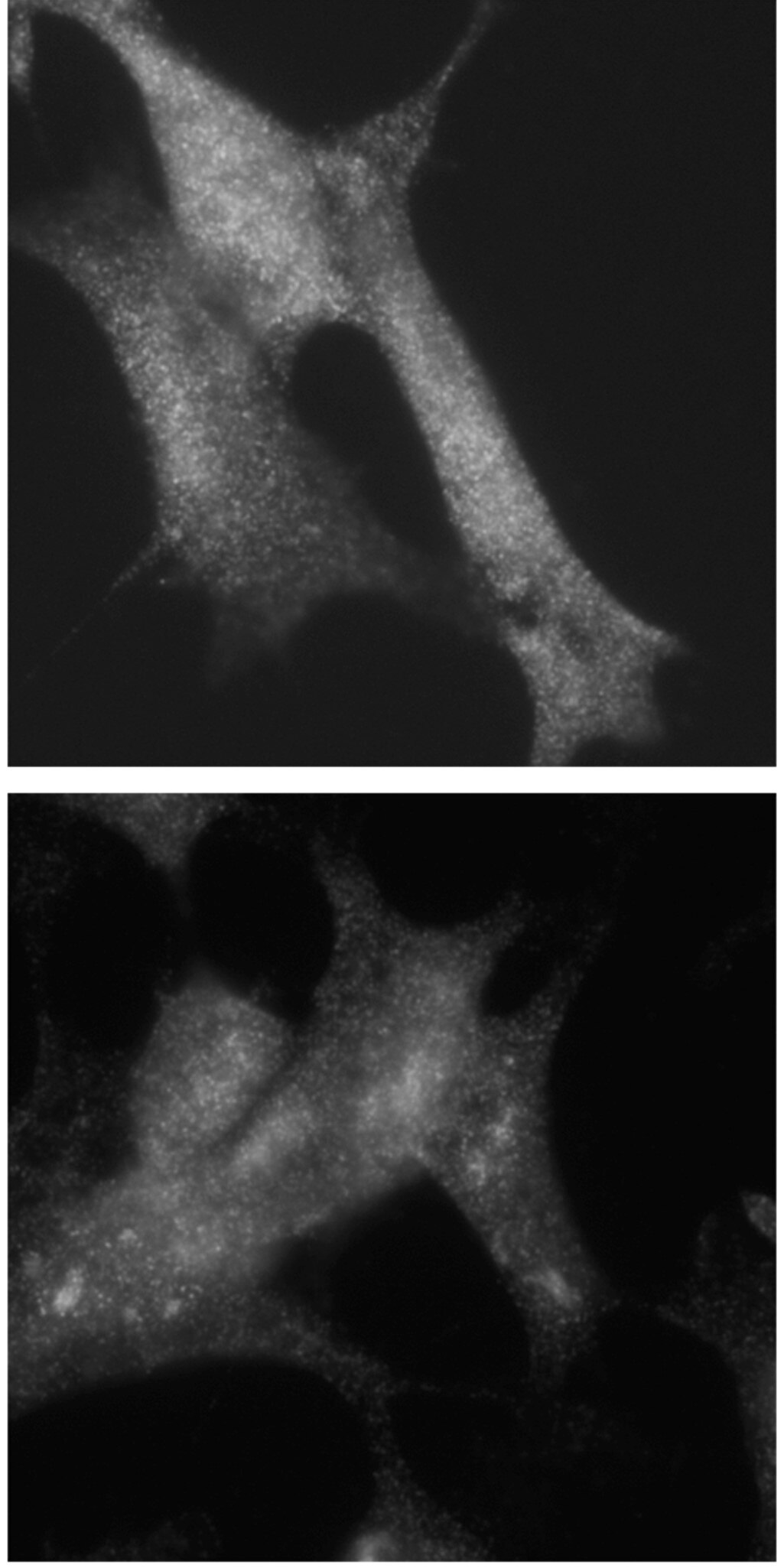
The single review reports successful use of this antibody in immunofluorescence on PFA-fixed human SH-SY5Y cells. At a 1:1000 dilution, it produced a specific signal compared to a no-primary control. The protocol used 4% PFA fixation followed by methanol permeabilization, with the antibody diluted in 5% goat serum in PBST and incubated overnight without a separate blocking step. The reviewer rated the product 5 out of 5.
The reviews below have been submitted by verified Proteintech customers who received an incentive for providing their feedback.
Tatyana (Verified Customer) (03-11-2023) | Was tested in ICC on PFA-fixed human cells. Provides a signal that looks specific (as compared to no primary control). 4% PFA followed by methanol permebealisation; antibody prepared in 5% goat serum in PBST, overnight incubation (no blocking step).
 |





