

Tested Applications
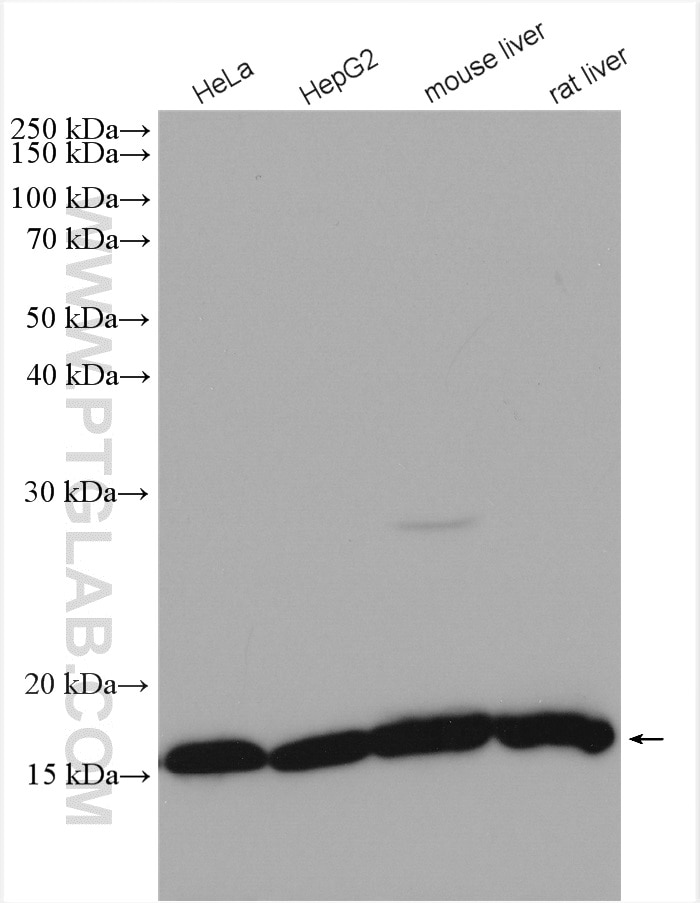
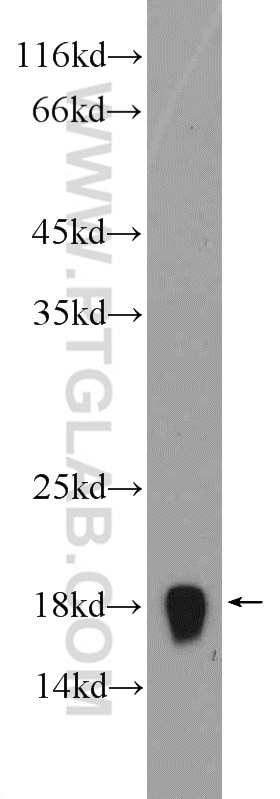
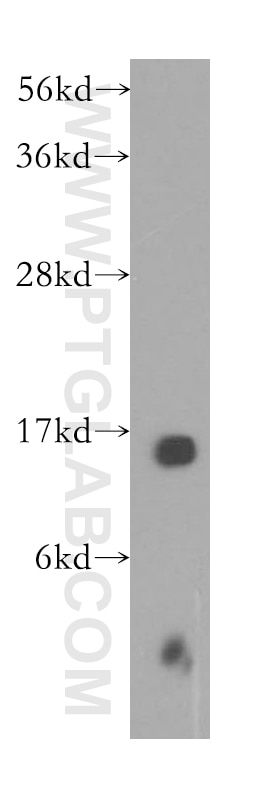
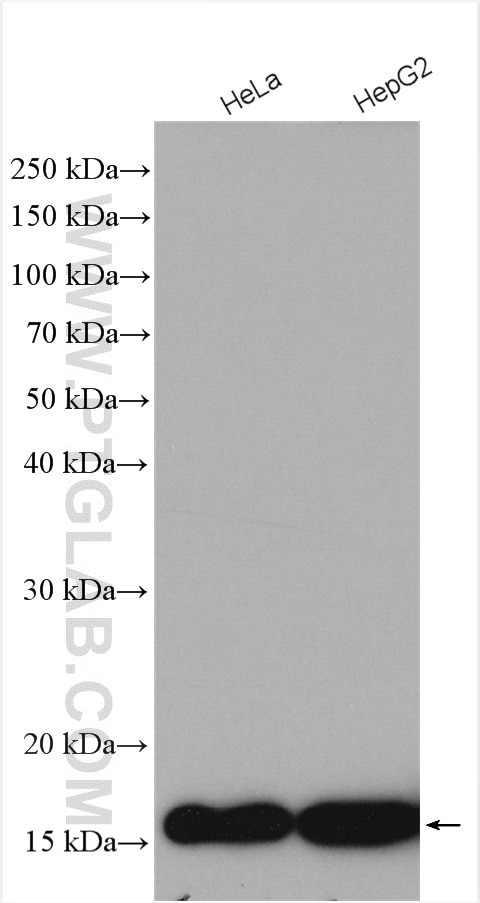
| Positive WB detected in | HeLa cells, mouse liver tissue, HepG2 cells, rat liver tissue |
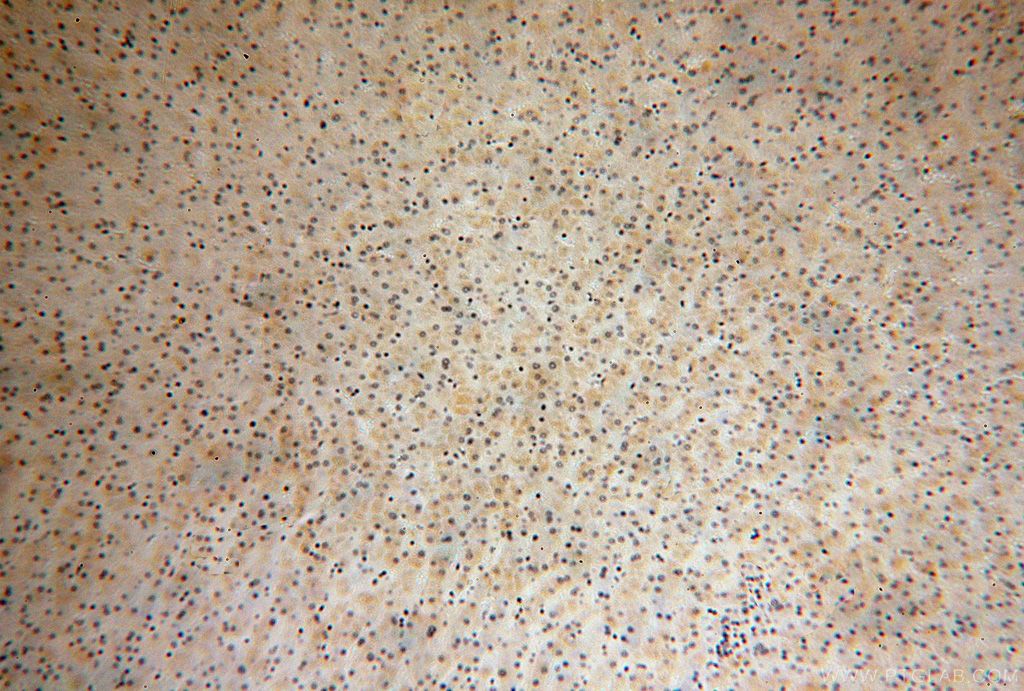
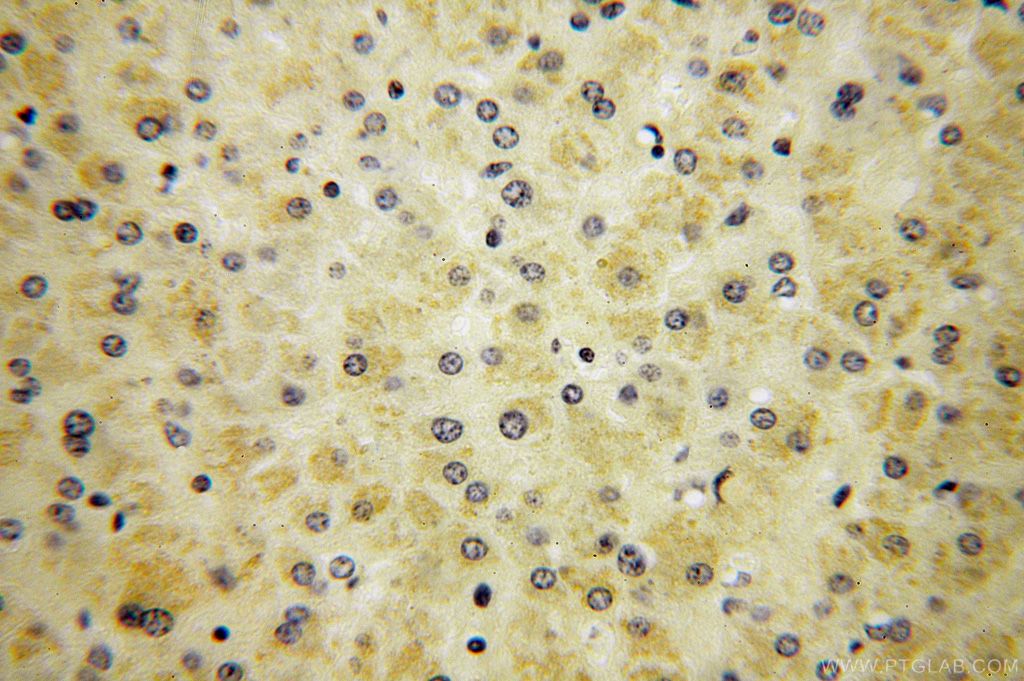
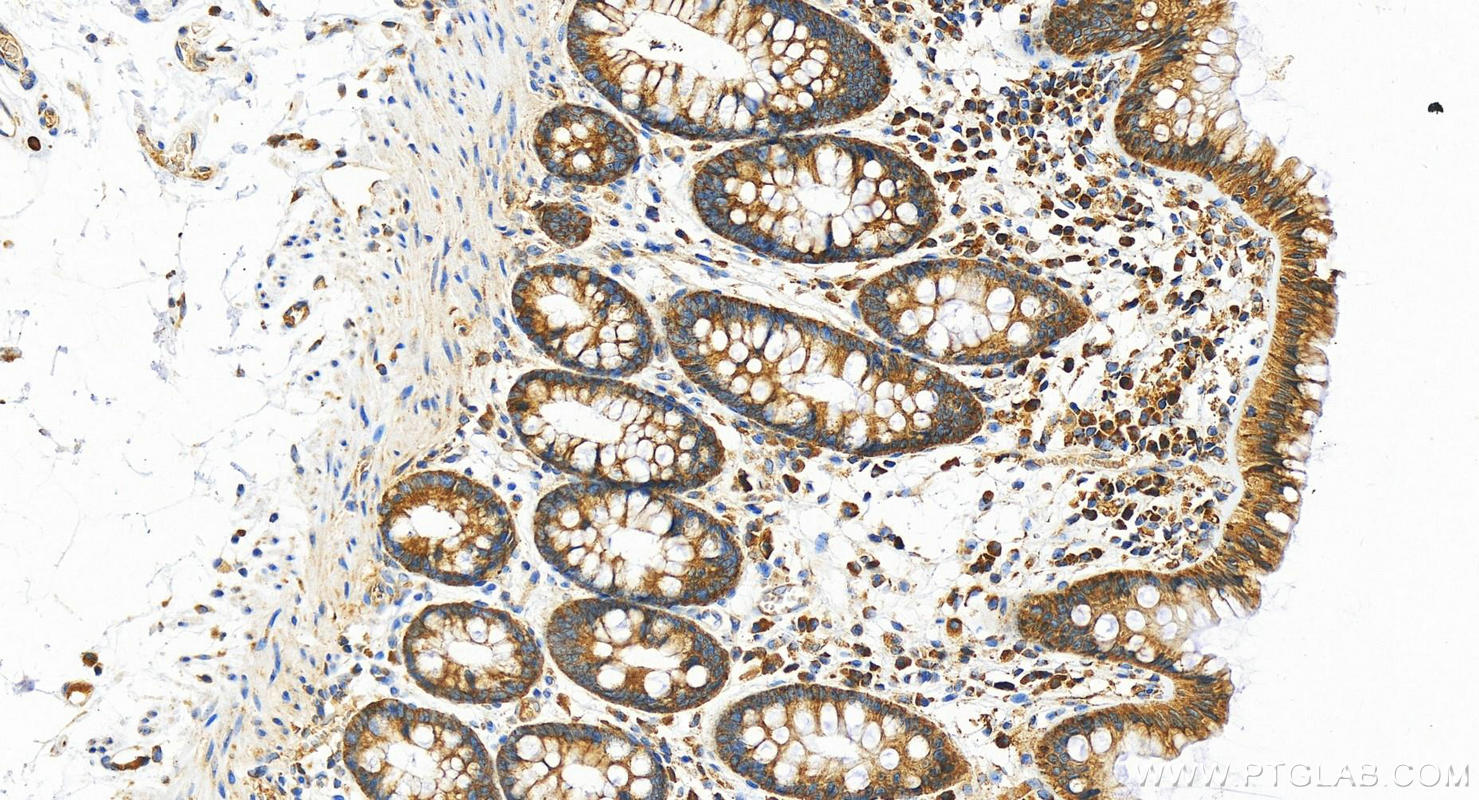
| Positive IHC detected in | human liver tissue, human colon Note: suggested antigen retrieval with TE buffer pH 9.0; (*) Alternatively, antigen retrieval may be performed with citrate buffer pH 6.0 |
Recommended dilution
| Application | Dilution |
|---|---|
| Western Blot (WB) | WB : 1:1000-1:4000 |
| Immunohistochemistry (IHC) | IHC : 1:200-1:800 |
| It is recommended that this reagent should be titrated in each testing system to obtain optimal results. | |
| Sample-dependent, Check data in validation data gallery. | |
Product Information
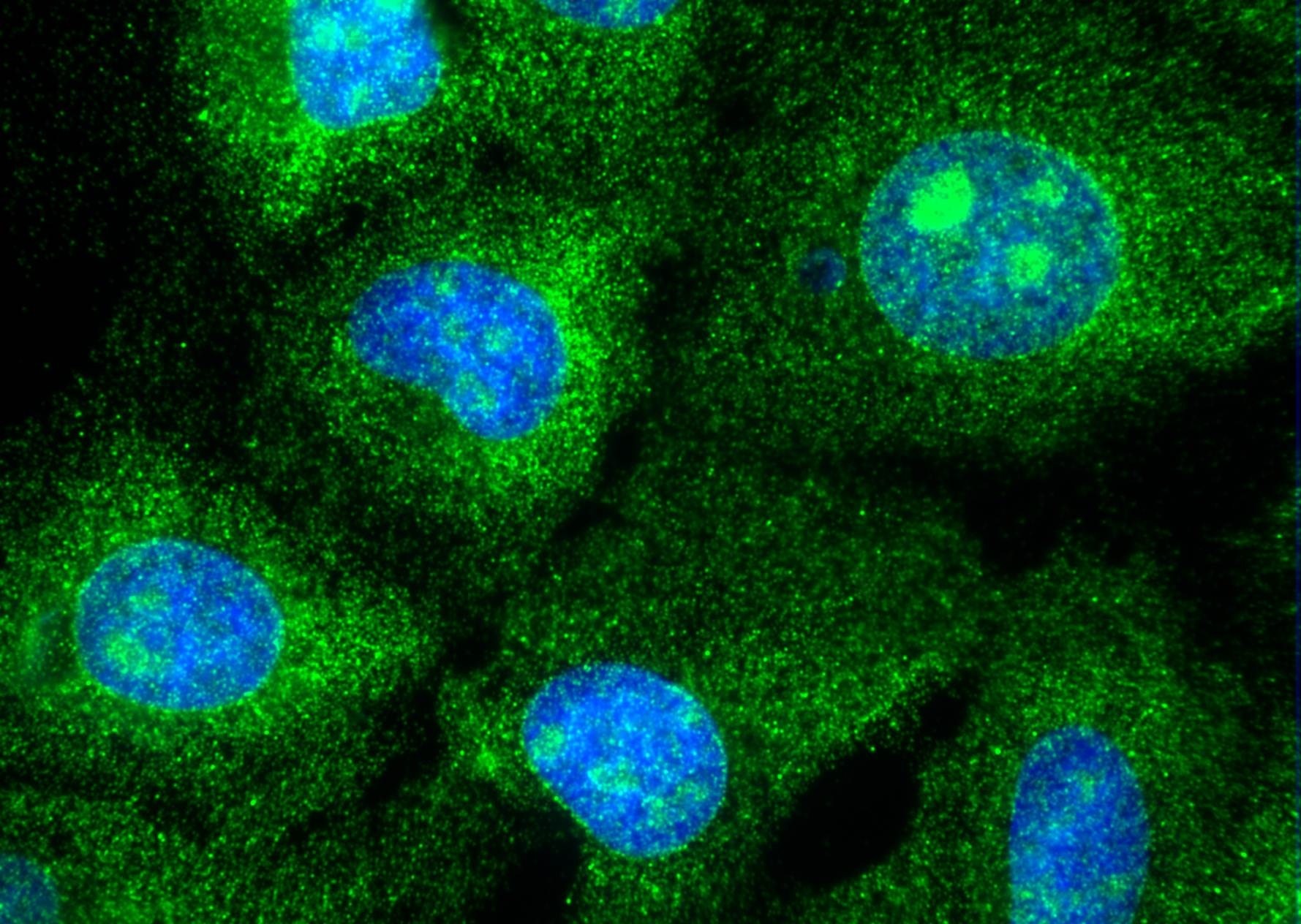
16683-1-AP targets RPS14 in WB, IHC, IF, IP, ELISA applications and shows reactivity with human, mouse, rat samples.
| Tested Reactivity | human, mouse, rat |
| Cited Reactivity | human, mouse, rat, zebrafish, arabidopsis |
| Host / Isotype | Rabbit / IgG |
| Class | Polyclonal |
| Type | Antibody |
| Immunogen |
CatNo: Ag10012 Product name: Recombinant human RPS14 protein Source: e coli.-derived, PGEX-4T Tag: GST Domain: 1-151 aa of BC006784 Sequence: MAPRKGKEKKEEQVISLGPQVAEGENVFGVCHIFASFNDTFVHVTDLSGKETICRVTGGMKVKADRDESSPYAAMLAAQDVAQRCKELGITALHIKLRATGGNRTKTPGPGAQSALRALARSGMKIGRIEDVTPIPSDSTRRKGGRRGRRL Predict reactive species |
| Full Name | ribosomal protein S14 |
| Calculated Molecular Weight | 16 kDa |
| Observed Molecular Weight | 16 kDa |
| GenBank Accession Number | BC006784 |
| Gene Symbol | RPS14 |
| Gene ID (NCBI) | 6208 |
| RRID | AB_2180158 |
| Conjugate | Unconjugated |
| Form | Liquid |
| Purification Method | Antigen affinity purification |
| UNIPROT ID | P62263 |
| Storage Buffer | PBS with 0.02% sodium azide and 50% glycerol, pH 7.3. |
| Storage Conditions | Store at -20°C. Stable for one year after shipment. Aliquoting is unnecessary for -20oC storage. 20ul sizes contain 0.1% BSA. |
Background Information
The mammalian ribosome consists of 4 RNA species and approximately 80 different proteins. The ribosomal proteins are encoded by complex gene families that include at least 1 active intron-containing gene and multiple processed pseudogenes[ PMID 3785212]. The RPS14 gene, encoding a ribosomal protein that belongs to the 40S ribosome, and mapping to the commonly deleted region (CDR) of the 5q- syndrome, shows haploinsufficiency in the CD34+ cells of patients with this disorder[PMID:22430631].
Protocols
| Product Specific Protocols | |
|---|---|
| IHC protocol for RPS14 antibody 16683-1-AP | Download protocol |
| WB protocol for RPS14 antibody 16683-1-AP | Download protocol |
| Standard Protocols | |
|---|---|
| Click here to view our Standard Protocols |
Publications
What published studies show
RPS14 Polyclonal antibody (Cat# 16683-1-AP) has 21 citations across journals including Nature Cell Biology, Nature Communications, Molecular Cell, Nucleic Acids Research, Developmental Cell, EMBO Reports, Cell Reports, and others. Research fields span ribophagy, ribosome biogenesis, mRNA translation, oocyte development, muscle biology, erythroid genome integrity, tumor progression, cardiac repair, mitochondrial dysfunction, neuromuscular function, hematopoiesis, plant development, neurodegeneration, and myelodysplastic syndromes.
| Species | Application | Title |
|---|---|---|
Nat Commun DDX41 resolves G-quadruplexes to maintain erythroid genome integrity and prevent cGAS-mediated cell death | ||
Nat Commun An oocyte meiotic midbody cap is required for developmental competence in mice | ||
Nat Commun Muscle fiber Myc is dispensable for muscle growth and its forced expression severely perturbs homeostasis | ||
Mol Cell Excess intracellular lactate represses mRNA translation and tumor progression through lactate-tRNA charging. | ||
Nucleic Acids Res Selenite targets eIF4E-binding protein-1 to inhibit translation initiation and induce the assembly of non-canonical stress granules. |









