

Tested Applications
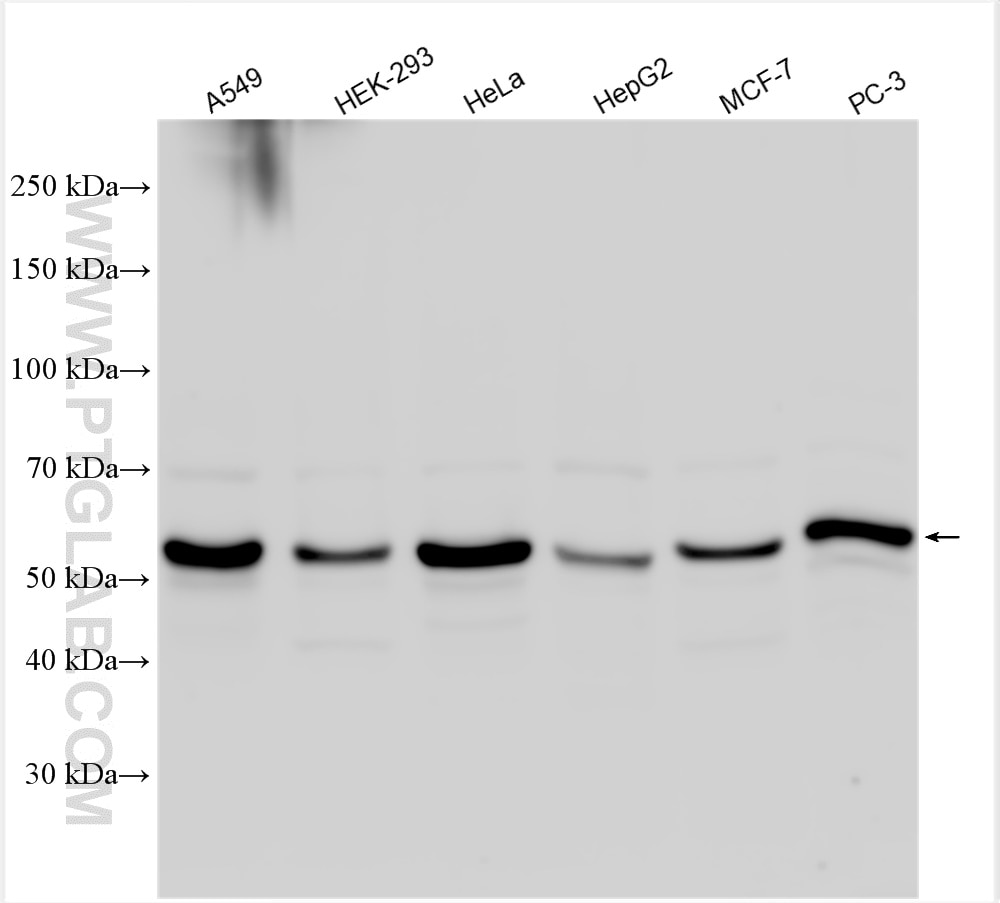
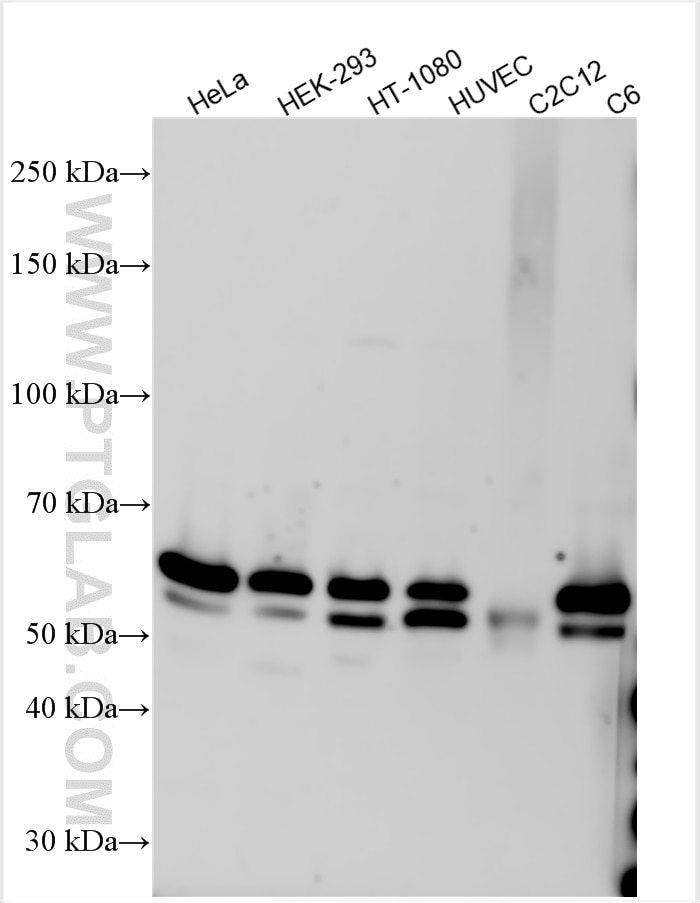
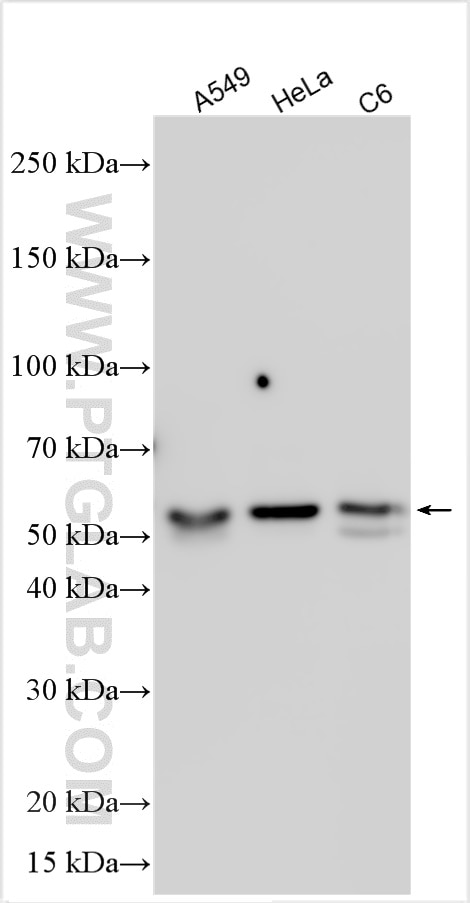
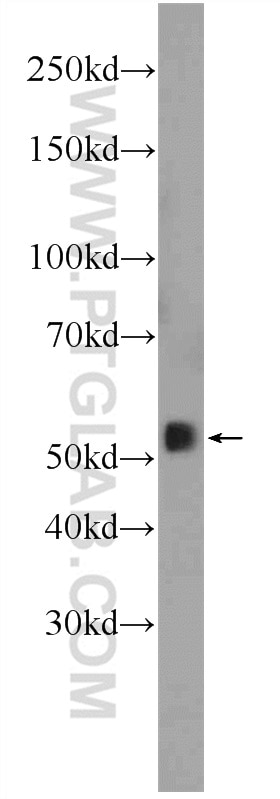
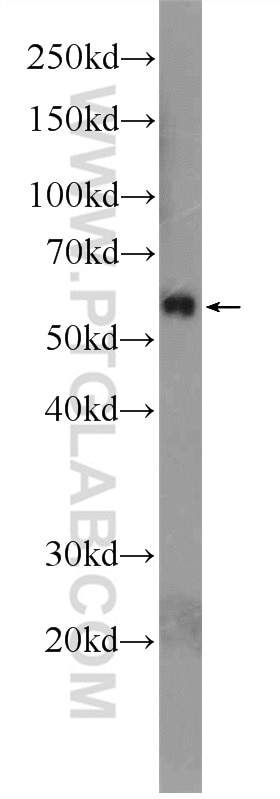
| Positive WB detected in | A549 cells, HeLa cells, mouse skeletal muscle tissue, rat skeletal muscle tissue, HEK-293, HepG2 cells, MCF-7 cells, PC-3 cells, C6 cells, HEK-293 cells, HT-1080 cells, HUVEC cells, C2C12 cells |
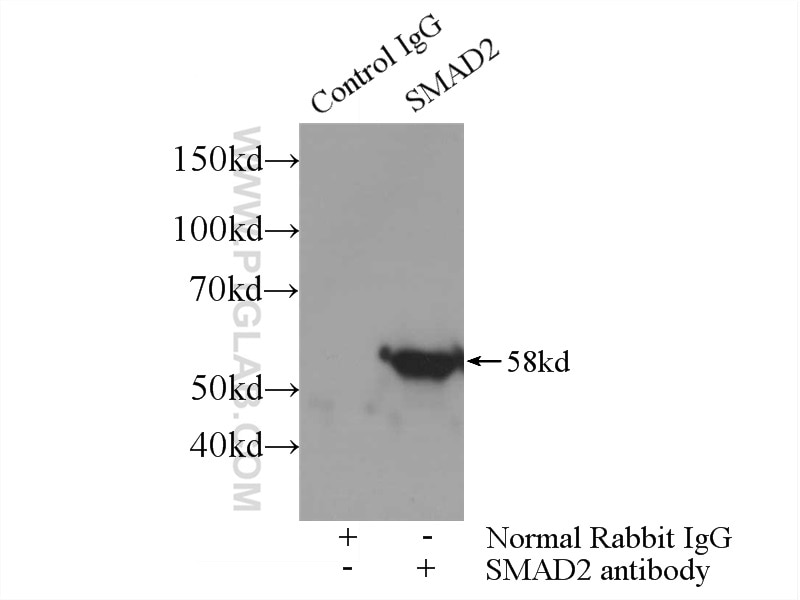
| Positive IP detected in | HepG2 cells |
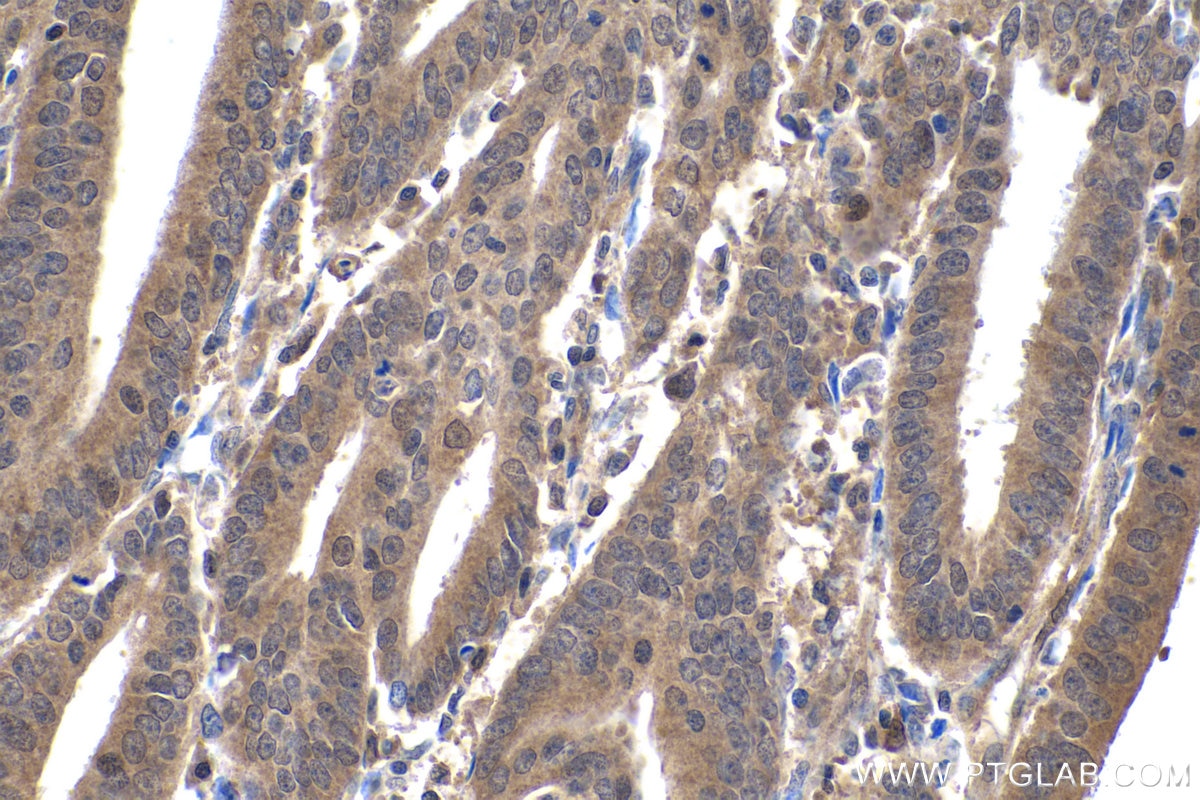
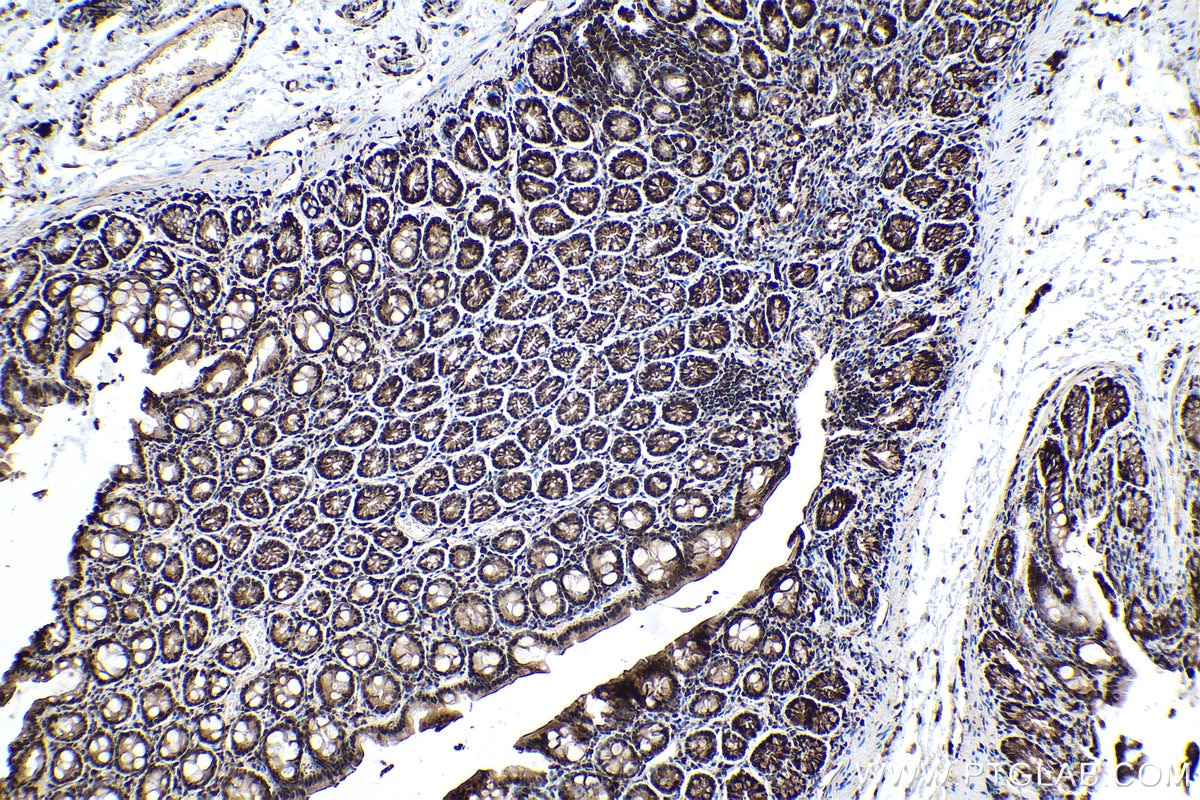
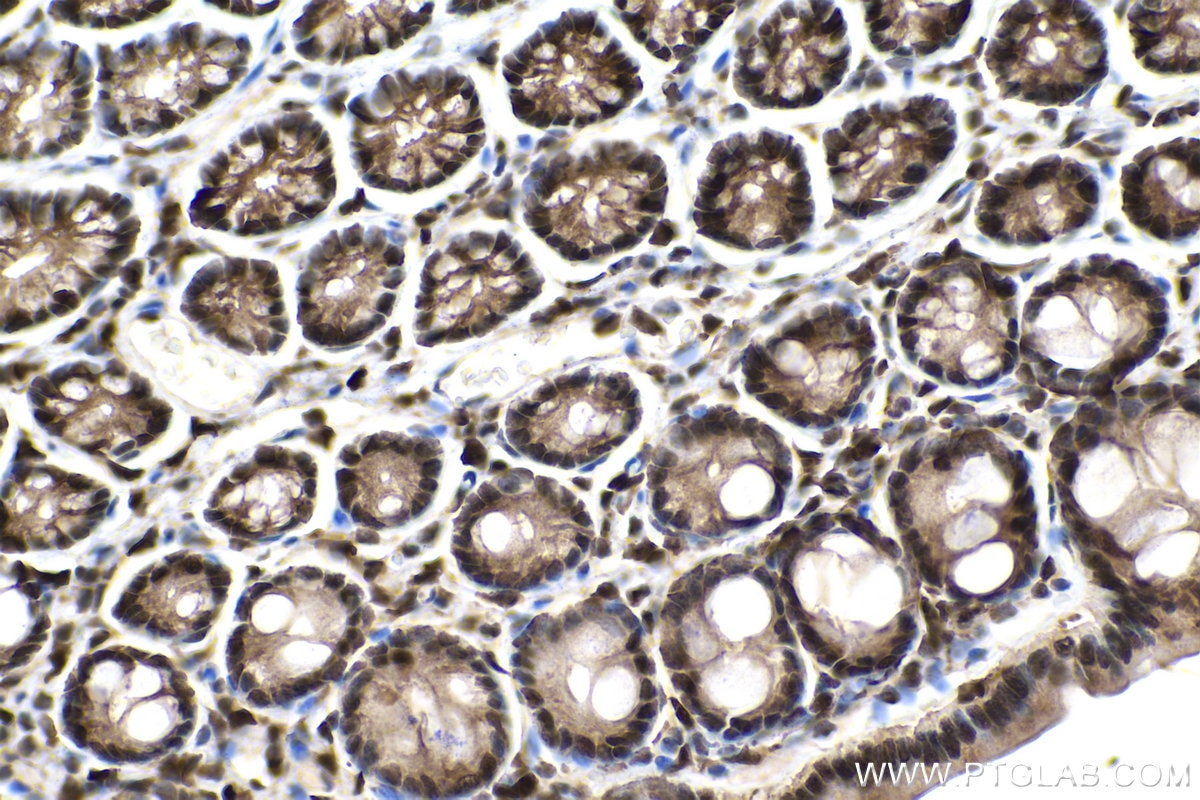
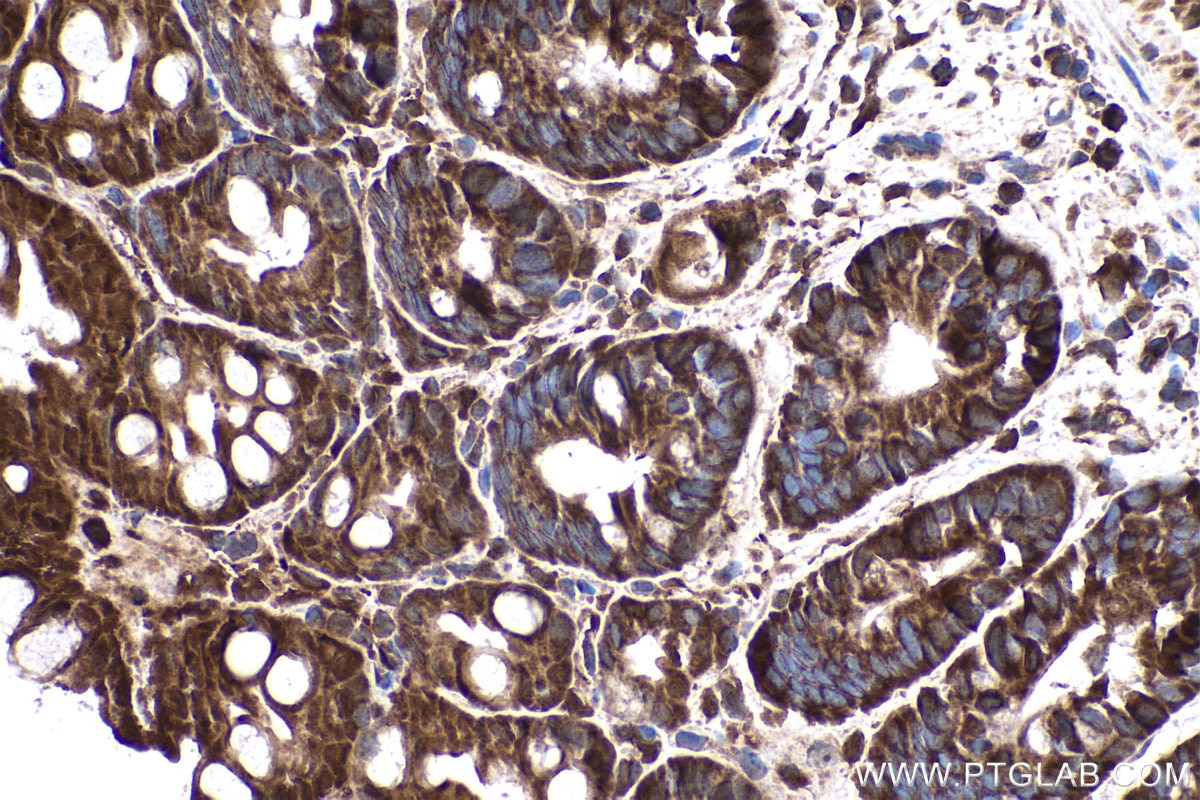
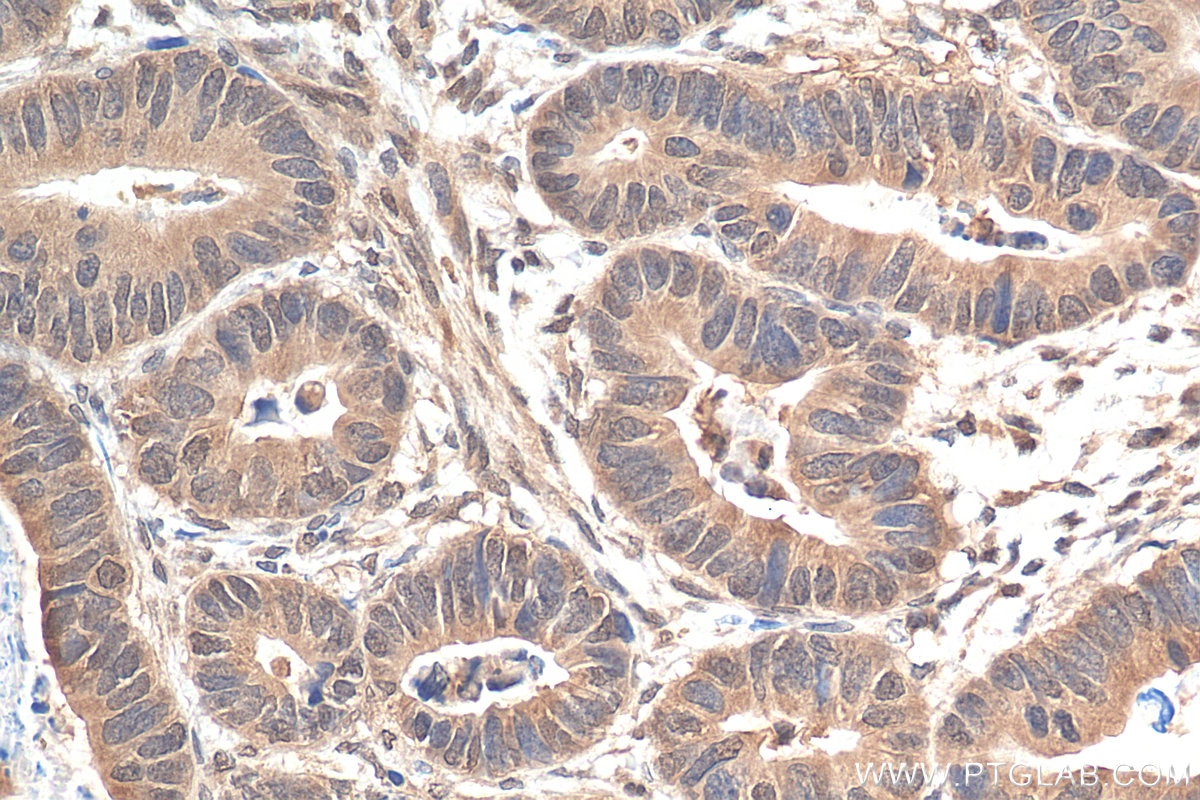
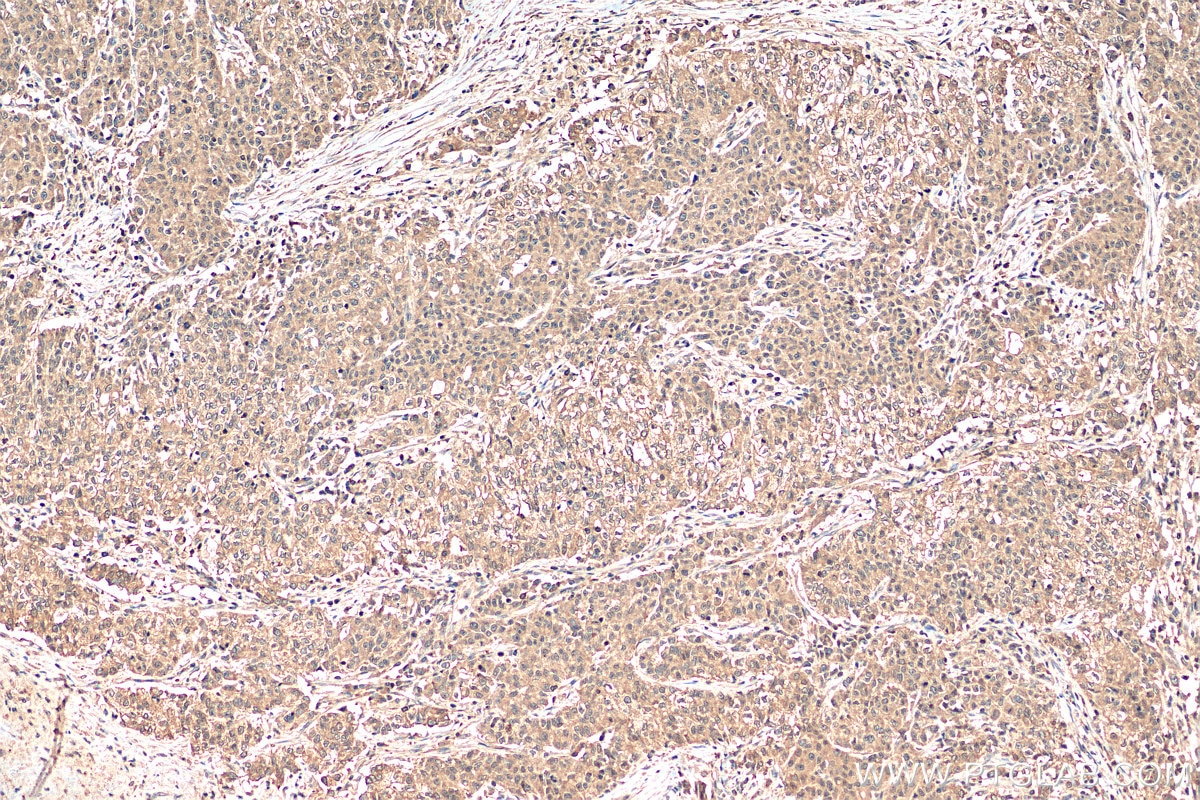
| Positive IHC detected in | human colon cancer tissue, human stomach cancer tissue, human endometrial cancer tissue, mouse colon tissue, rat colon tissue Note: suggested antigen retrieval with TE buffer pH 9.0; (*) Alternatively, antigen retrieval may be performed with citrate buffer pH 6.0 |
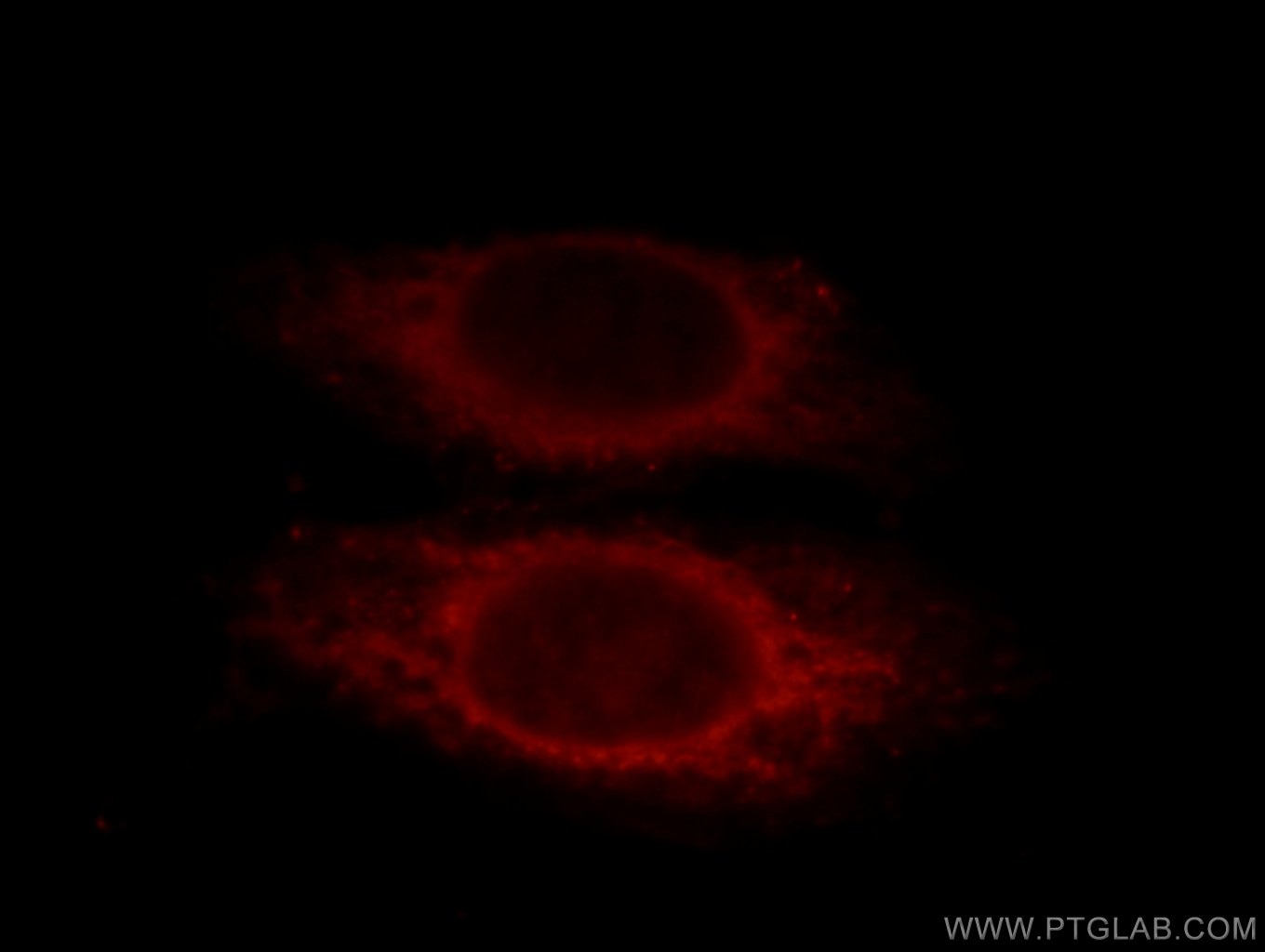
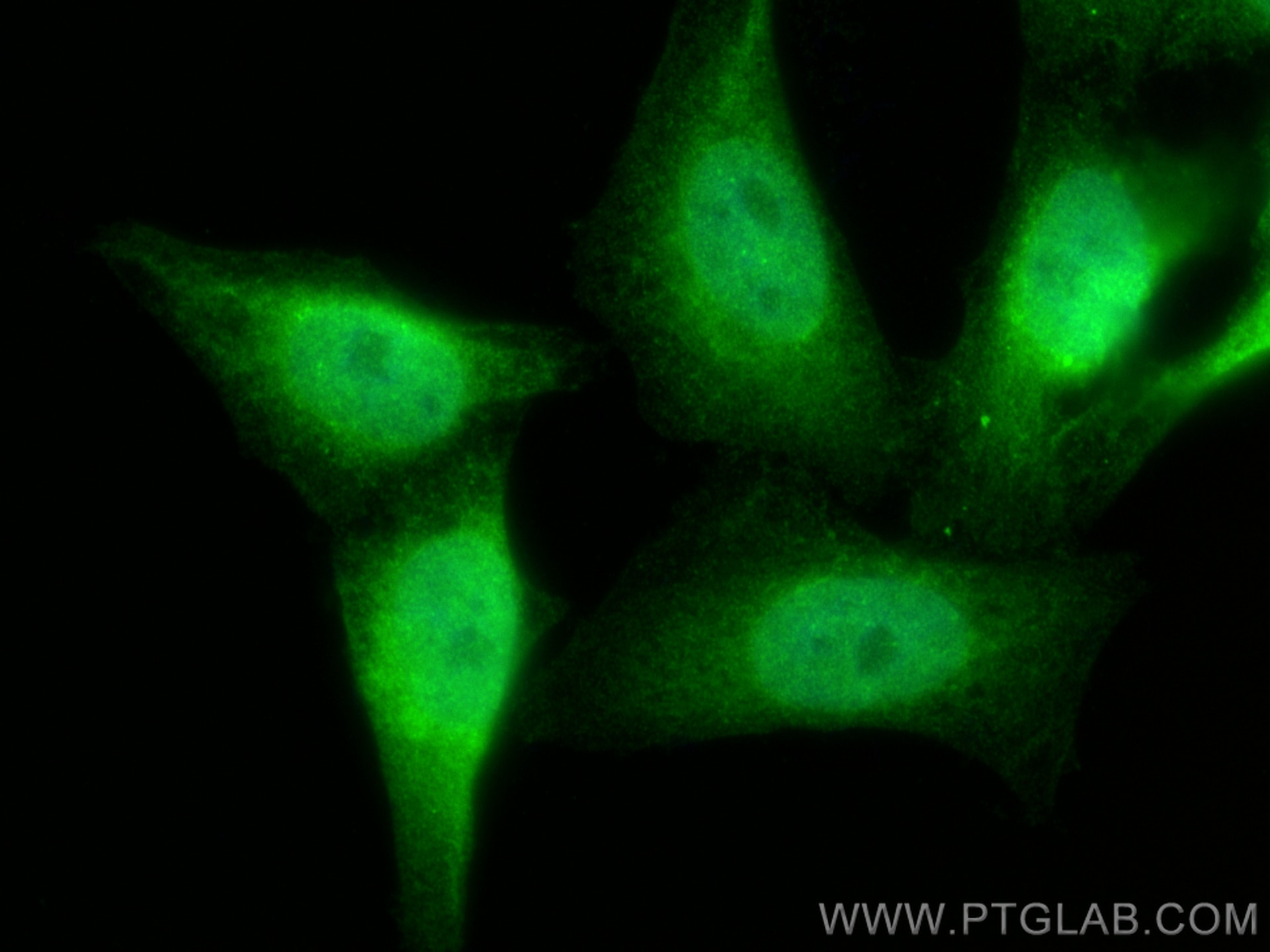
| Positive IF/ICC detected in | HepG2 cells |
Recommended dilution
| Application | Dilution |
|---|---|
| Western Blot (WB) | WB : 1:2000-1:10000 |
| Immunoprecipitation (IP) | IP : 0.5-4.0 ug for 1.0-3.0 mg of total protein lysate |
| Immunohistochemistry (IHC) | IHC : 1:50-1:500 |
| Immunofluorescence (IF)/ICC | IF/ICC : 1:200-1:800 |
| It is recommended that this reagent should be titrated in each testing system to obtain optimal results. | |
| Sample-dependent, Check data in validation data gallery. | |
Product Information
12570-1-AP targets SMAD2/3 in WB, IHC, IF/ICC, IP, CoIP, ChIP, ELISA applications and shows reactivity with human, mouse, rat samples.
| Tested Reactivity | human, mouse, rat |
| Cited Reactivity | human, mouse, rat, chicken, sheep |
| Host / Isotype | Rabbit / IgG |
| Class | Polyclonal |
| Type | Antibody |
| Immunogen |
CatNo: Ag3237 Product name: Recombinant human SMAD2 protein Source: e coli.-derived, PGEX-4T Tag: GST Domain: 1-355 aa of BC014840 Sequence: MSSILPFTPPVVKRLLGWKKSAGGSGGAGGGEQNGQEEKWCEKAVKSLVKKLKKTGRLDELEKAITTQNCNTKCVTIPSTCSEIWGLSTPNTIDQWDTTGLYSFSEQTRSLDGRLQVSHRKGLPHVIYCRLWRWPDLHSHHELKAIENCEYAFNLKKDEVCVNPYHYQRVETPVLPPVLVPRHTEILTELPPLDDYTHSIPENTNFPAGIEPQSNYIPETPPPGYISEDGETSDQQLNQSMDTGSPAELSPTTLSPVNHSLDLQPVTYSEPAFWCSIAYYELNQRVGETFHASQPSLTVDGFTDPSNSERFCLGLLSNVNRNATVEMTRRHIGRGVRLYYIGGEVFAECLSDSAI Predict reactive species |
| Full Name | SMAD family member 2 |
| Calculated Molecular Weight | 467 aa, 52 kDa |
| Observed Molecular Weight | 52-70 kDa |
| GenBank Accession Number | BC014840 |
| Gene Symbol | SMAD2 |
| Gene ID (NCBI) | 4087 |
| RRID | AB_2193037 |
| Conjugate | Unconjugated |
| Form | Liquid |
| Purification Method | Antigen affinity purification |
| UNIPROT ID | Q15796 |
| Storage Buffer | PBS with 0.02% sodium azide and 50% glycerol, pH 7.3. |
| Storage Conditions | Store at -20°C. Stable for one year after shipment. Aliquoting is unnecessary for -20oC storage. 20ul sizes contain 0.1% BSA. |
Background Information
SMAD2, also named as MADH2 and MADR2, belongs to the dwarfin/SMAD family, contains 1 MH1 (MAD homology 1) domain and 1 MH2 (MAD homology 2) domain. SMAD2 is a receptor-regulated SMAD(R-SMAD) that is an intracellular signal transducer and transcriptional modulator activated by TGF-beta (transforming growth factor) and activin type 1 receptor kinases. This protein may act as a tumor suppressor in colorectal carcinoma. It is phosphorylated on one or several of Thr-220, Ser-245, Ser-250, and Ser-255. In response to TGF-beta, It is phosphorylated on Ser-465/467 by TGF-beta and activin type 1 receptor kinases, and then able to interact with SMURF2, recruiting other proteins, such as SNON, for degradation. In response to decorin, the naturally occurring inhibitor of TGF-beta signaling, it is phosphorylated on Ser-240 by CaMK2. It is phosphorylated by MAPK3 upon EGF stimulation; which increases transcriptional activity and stability, and is blocked by calmodulin. In response to TGF-beta, it is ubiquitinated by NEDD4L, which promotes its degradation. In response to TGF-beta signaling, it is acetylated on Lys-19 by coactivators, which increases transcriptional activity. This antibody is a rabbit polyclonal antibody raised against residues near the N terminus of human SMAD2. The molecular weight of unphosphorylated forms of Smad2 is 52 kDa and phosphorylated forms of Smad2 is 58 kDa. (PMID: 9006934). The ubiquitination form of Smad2 is ~70 kDa (PMID: 25998442).
Protocols
| Product Specific Protocols | |
|---|---|
| IF protocol for SMAD2/3 antibody 12570-1-AP | Download protocol |
| IHC protocol for SMAD2/3 antibody 12570-1-AP | Download protocol |
| IP protocol for SMAD2/3 antibody 12570-1-AP | Download protocol |
| WB protocol for SMAD2/3 antibody 12570-1-AP | Download protocol |
| Standard Protocols | |
|---|---|
| Click here to view our Standard Protocols |
Publications
What published studies show
I'll search for citations for the SMAD2/3 antibody 12570-1-AP.The SMAD2/3 Polyclonal Antibody (12570-1-AP) has 259 total citations. It appears in prestigious journals including Molecular Cancer, Nature Communications, Cancer Research, Theranostics, Cell Death & Disease, Journal of Experimental & Clinical Cancer Research, Advanced Science, Biomaterials, Phytomedicine, International Journal of Biological Sciences, Journal of Ethnopharmacology, Oncogene, and British Journal of Cancer. The research spans cancer biology (hepatocellular, gastric, pancreatic, lung, colorectal, breast, osteosarcoma), organ fibrosis (pulmonary, cardiac, renal, hepatic), TGF-β/Smad signaling, EMT, diabetic nephropathy, pulmonary hypertension, and neuroinflammation. Applications include WB, IHC, IF, IP, and ChIP.
| Species | Application | Title |
|---|---|---|
Mol Cancer HDAC6 orchestrates metastatic and immunosuppressive programs in small cell lung cancer through S100A2-TGF-β/SMAD and CSF1R signaling. | ||
Cancer Res A feedback loop between hypoxia and matrix stress relaxation increases oxygen-axis migration and metastasis in sarcoma. | ||
Nat Commun Phosphorylation of FOXN3 by NEK6 promotes pulmonary fibrosis through Smad signaling | ||
Nat Commun The CCL20-integrin α5β1 interaction enhances TGF-β/Smad signaling to promote fibroblast activation in pulmonary fibrosis. | ||
Exp Hematol Oncol SEPHS1 promotes SMAD2/3/4 expression and hepatocellular carcinoma cells invasion. | ||















