

Tested Applications
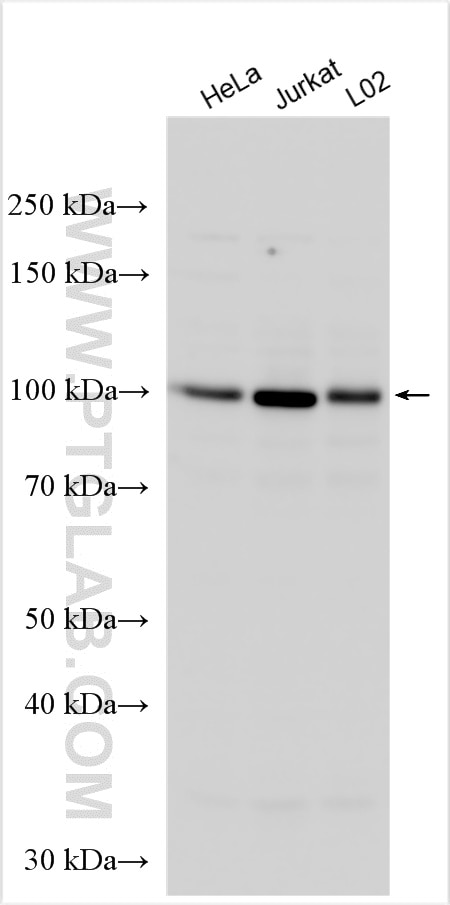
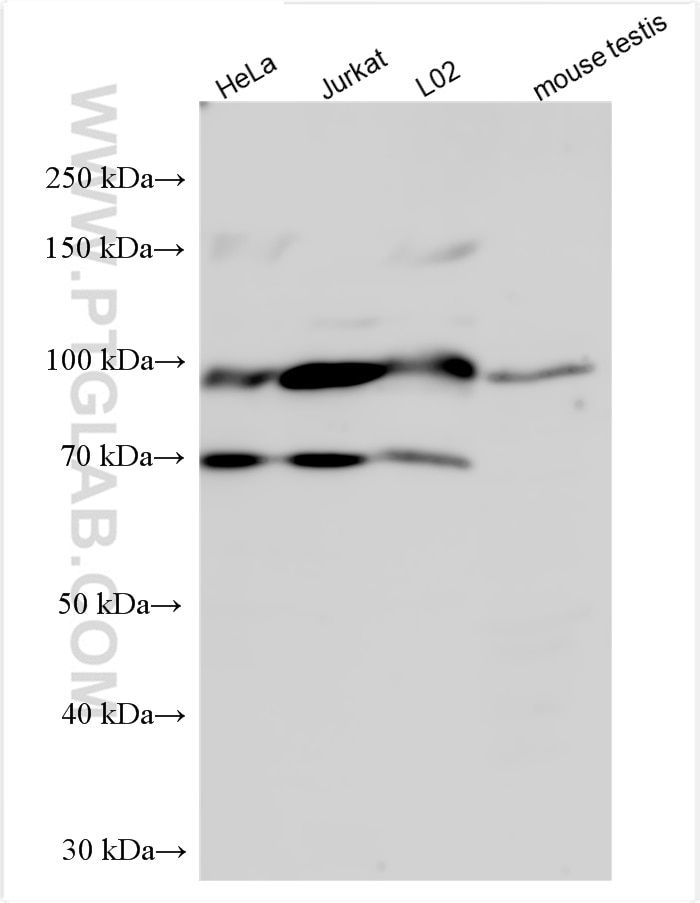
| Positive WB detected in | HeLa cells, Jurkat cells, L02 cells, mouse testis tissue |
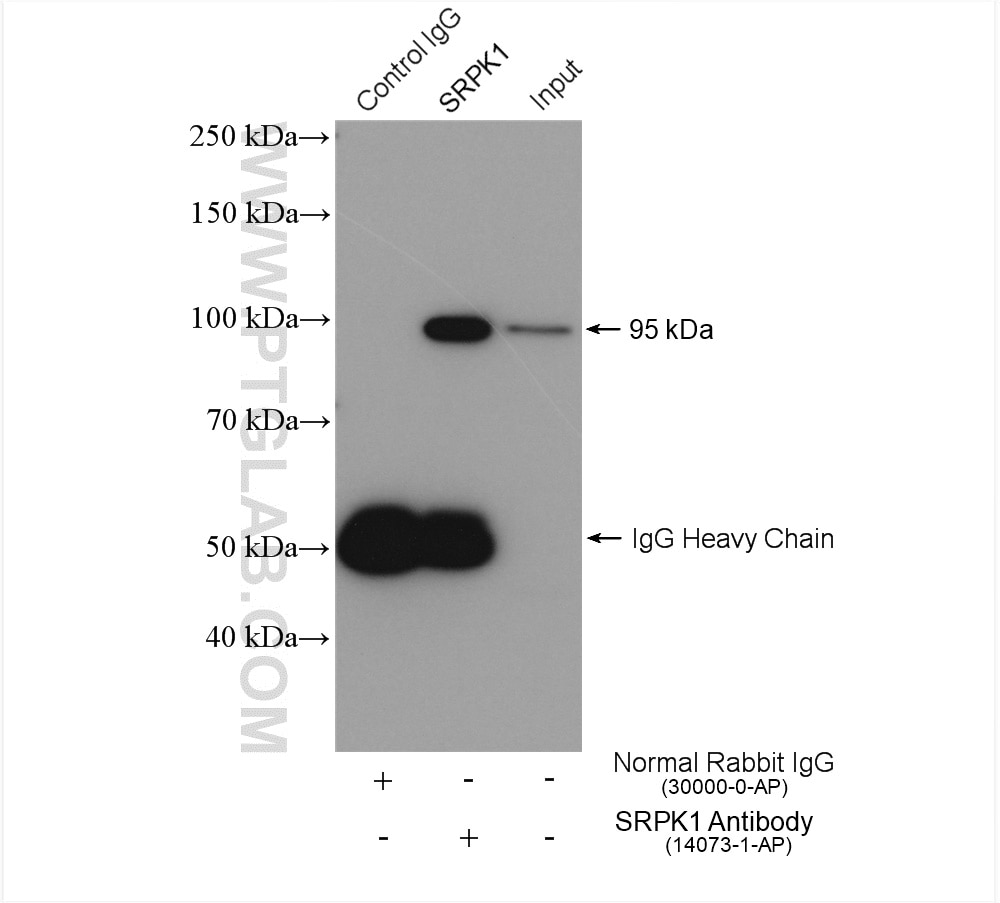
| Positive IP detected in | mouse testis tissue |
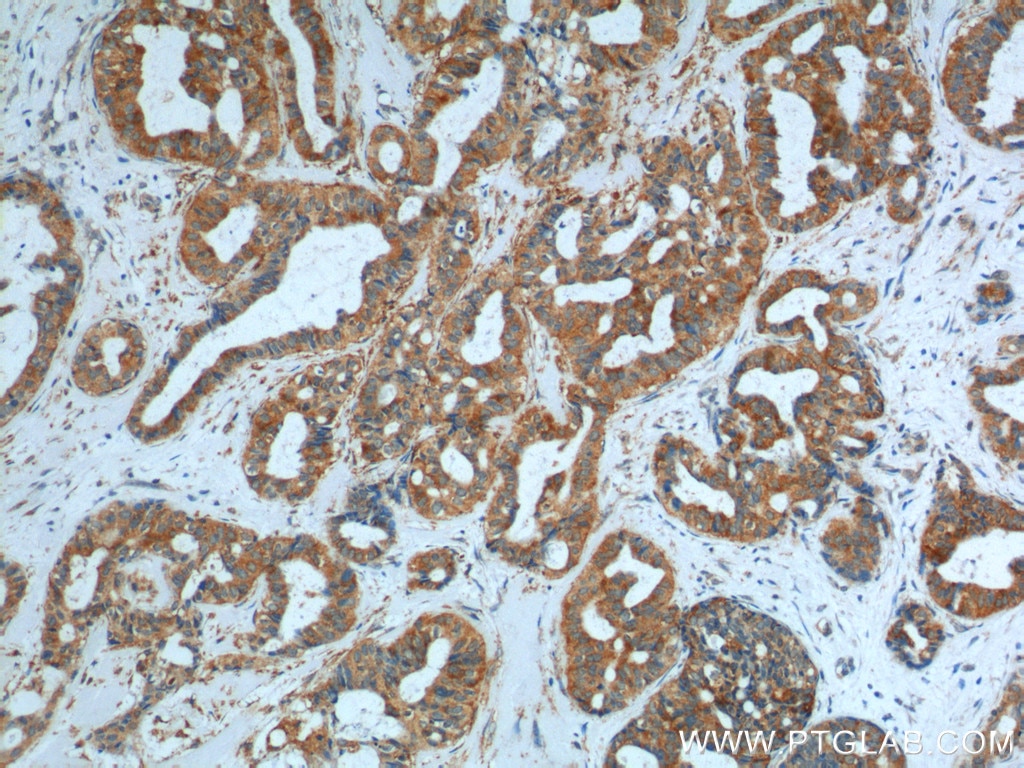
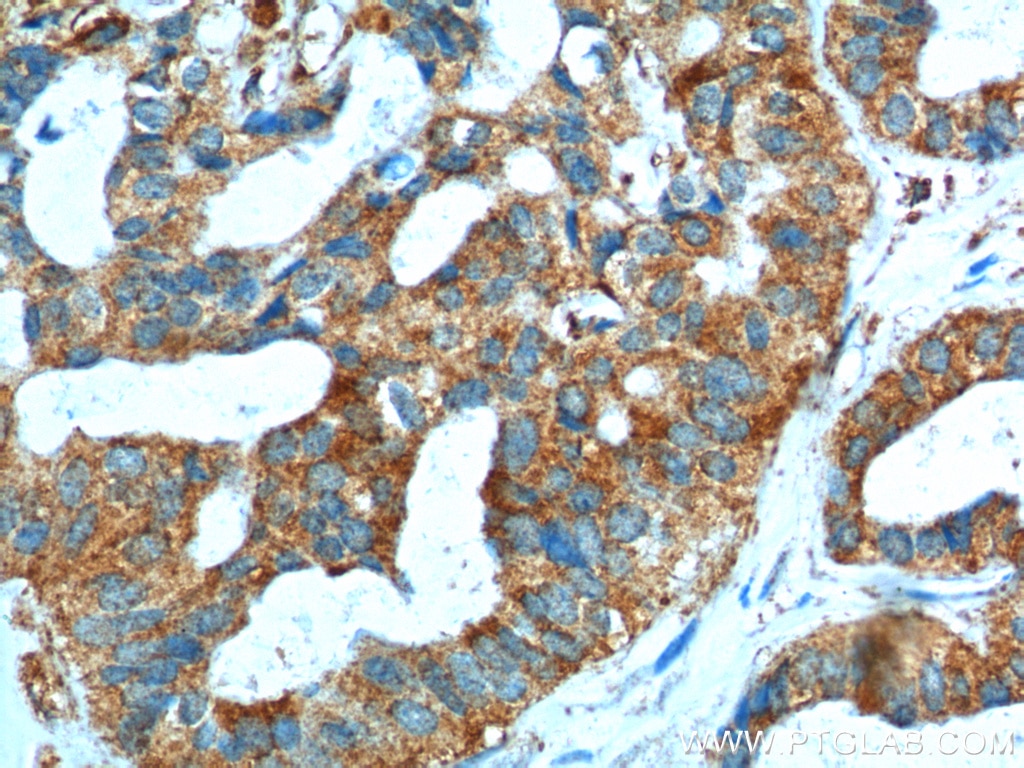
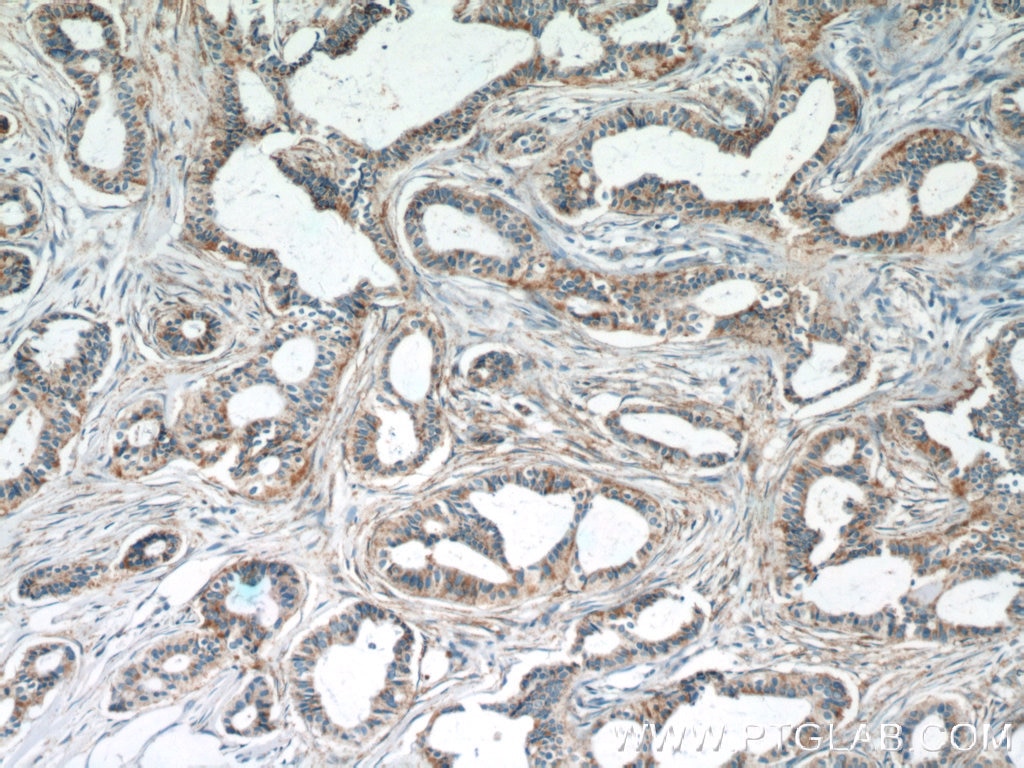
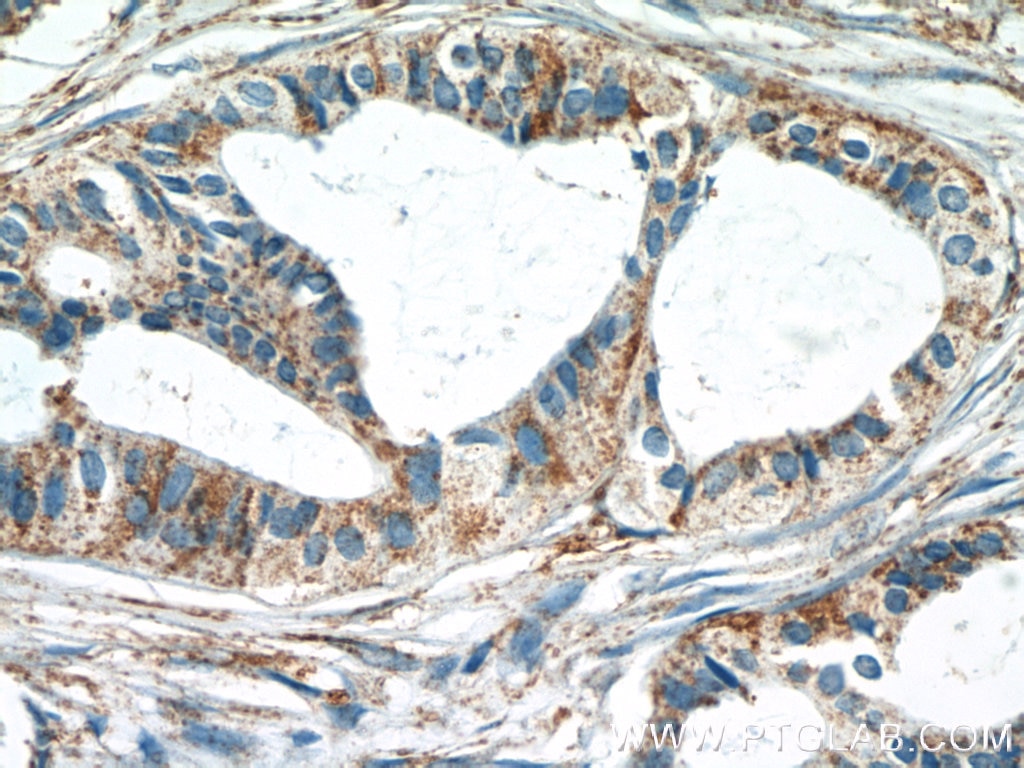
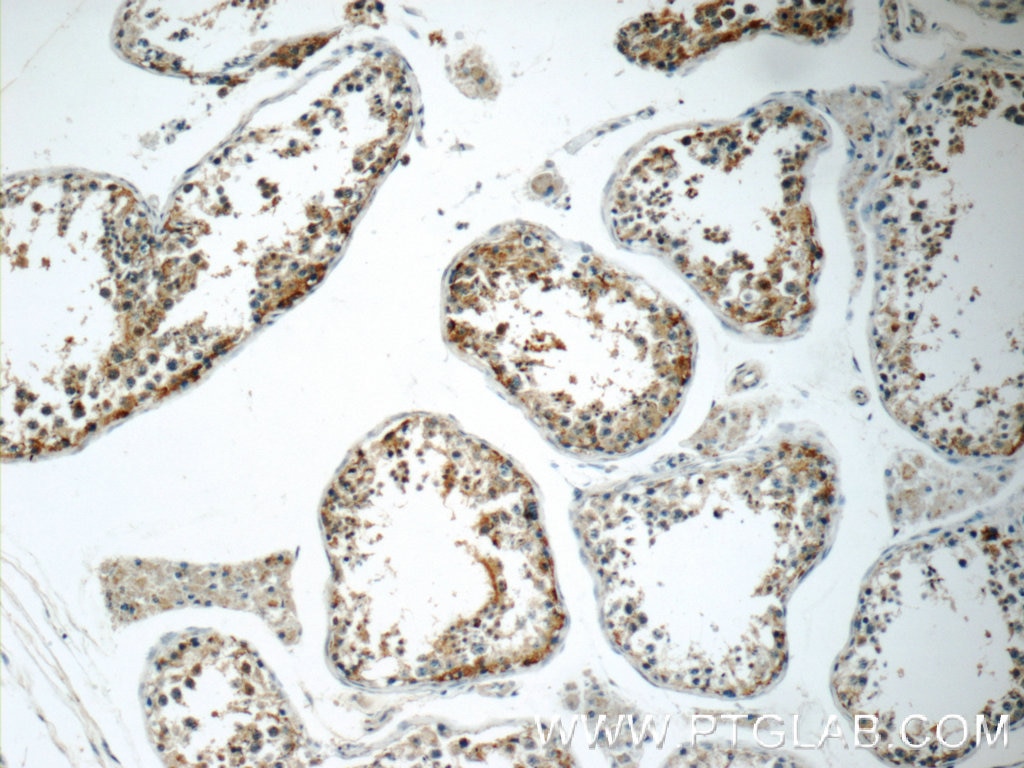
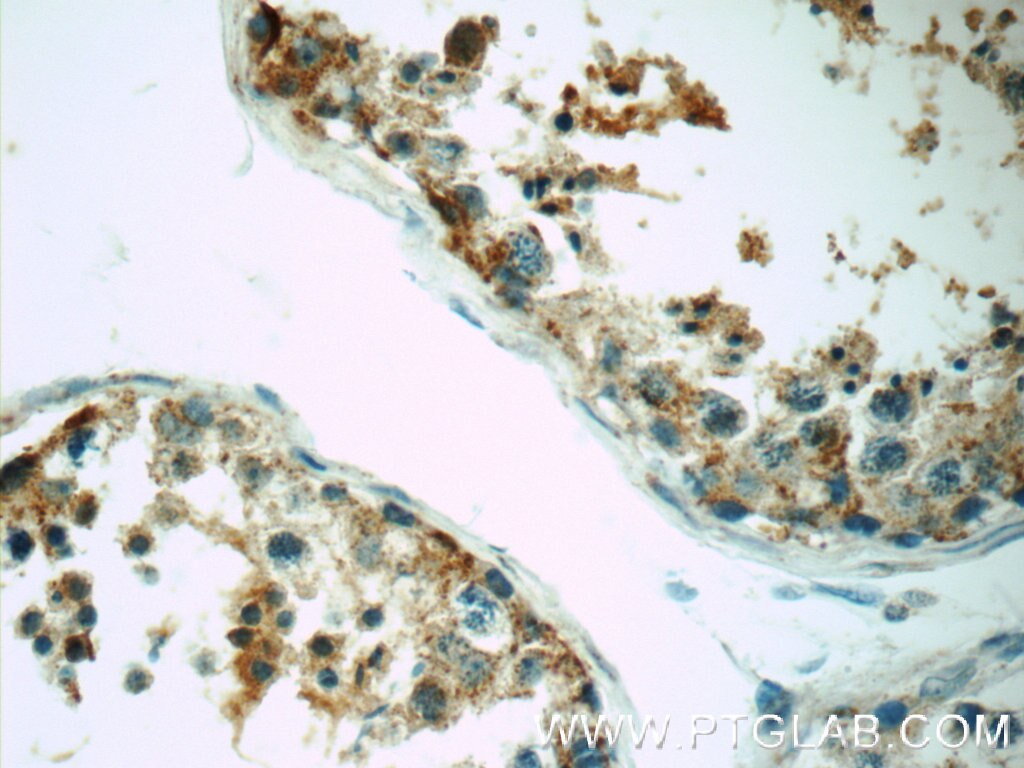
| Positive IHC detected in | human breast cancer tissue, human testis tissue Note: suggested antigen retrieval with TE buffer pH 9.0; (*) Alternatively, antigen retrieval may be performed with citrate buffer pH 6.0 |
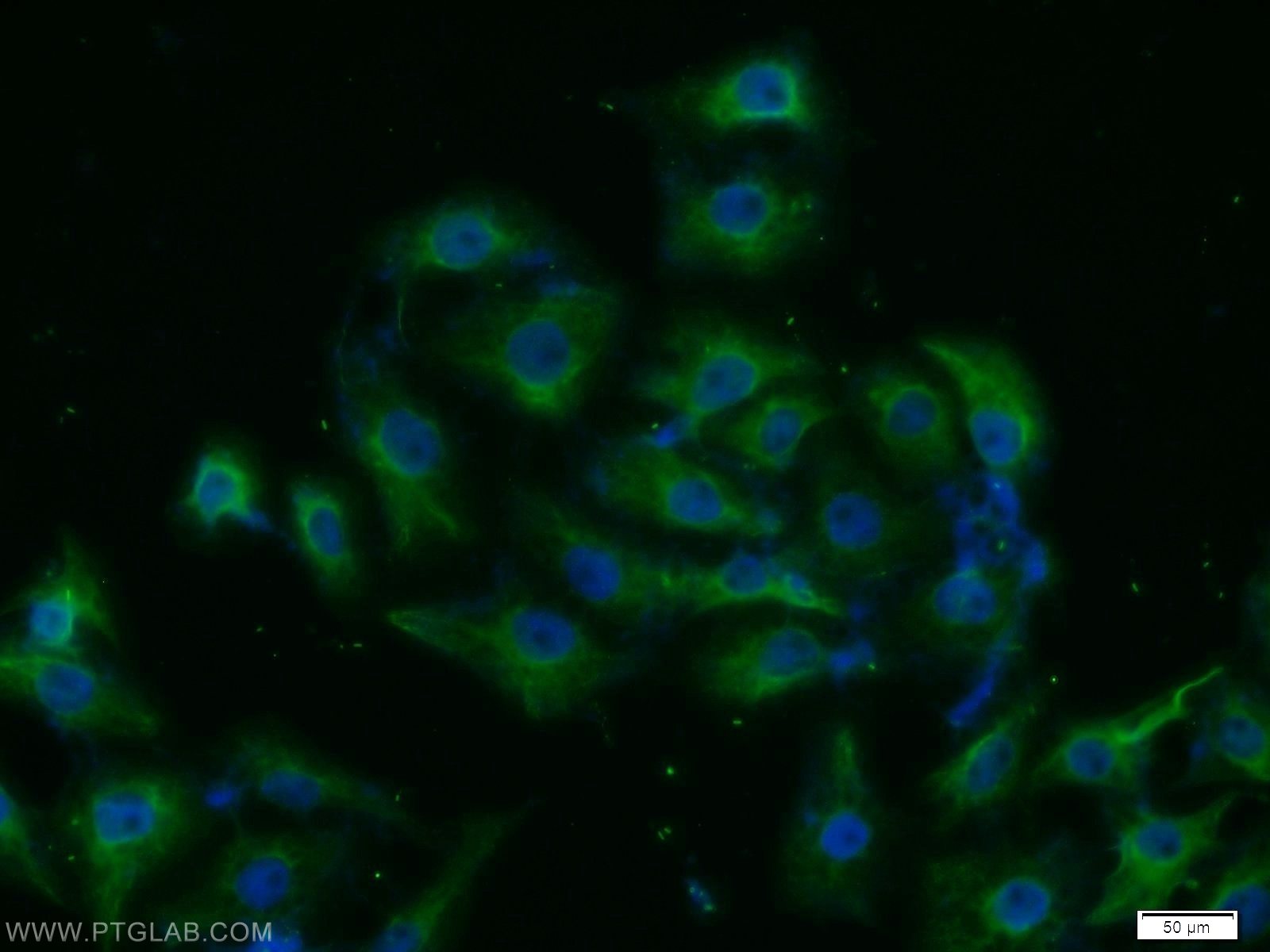
| Positive IF/ICC detected in | SH-SY5Y cells |
Recommended dilution
| Application | Dilution |
|---|---|
| Western Blot (WB) | WB : 1:1000-1:4000 |
| Immunoprecipitation (IP) | IP : 0.5-4.0 ug for 1.0-3.0 mg of total protein lysate |
| Immunohistochemistry (IHC) | IHC : 1:20-1:200 |
| Immunofluorescence (IF)/ICC | IF/ICC : 1:10-1:100 |
| It is recommended that this reagent should be titrated in each testing system to obtain optimal results. | |
| Sample-dependent, Check data in validation data gallery. | |
Product Information
14073-1-AP targets SRPK1 in WB, IHC, IF/ICC, IP, CoIP, ELISA applications and shows reactivity with human, mouse samples.
| Tested Reactivity | human, mouse |
| Cited Reactivity | human, mouse, chicken |
| Host / Isotype | Rabbit / IgG |
| Class | Polyclonal |
| Type | Antibody |
| Immunogen |
CatNo: Ag5149 Product name: Recombinant human SRPK1 protein Source: e coli.-derived, PET28a Tag: 6*His Domain: 306-655 aa of BC038292 Sequence: QEESESPVERPLKENPPNKMTQEKLEESSTIGQDQTLMERDTEGGAAEINCNGVIEVINYTQNSNNETLRHKEDLHNANDCDVQNLNQESSFLSSQNGDSSTSQETDSCTPITSEVSDTMVCQSSSTVGQSFSEQHISQLQESIRAEIPCEDEQEQEHNGPLDNKGKSTAGNFLVNPLEPKNAEKLKVKIADLGNACWVHKHFTEDIQTRQYRSLEVLIGSGYNTPADIWSTACMAFELATGDYLFEPHSGEEYTRDEDHIALIIELLGKVPRKLIVAGKYSKEFFTKKGDLKHITKLKPWGLFEVLVEKYEWSQEEAAGFTDFLLPMLELIPEKRATAAECLRHPWLNS Predict reactive species |
| Full Name | SFRS protein kinase 1 |
| Calculated Molecular Weight | 92.4 kDa |
| Observed Molecular Weight | 72-95 kDa |
| GenBank Accession Number | BC038292 |
| Gene Symbol | SRPK1 |
| Gene ID (NCBI) | 6732 |
| RRID | AB_2194745 |
| Conjugate | Unconjugated |
| Form | Liquid |
| Purification Method | Antigen affinity purification |
| UNIPROT ID | Q96SB4 |
| Storage Buffer | PBS with 0.02% sodium azide and 50% glycerol, pH 7.3. |
| Storage Conditions | Store at -20°C. Stable for one year after shipment. Aliquoting is unnecessary for -20oC storage. 20ul sizes contain 0.1% BSA. |
Background Information
SRPK1 (serine-arginine protein kinase 1) is a protein kinase that specifically phosphorylates proteins containing serine-arginine-rich domains. Its substrates include a family of SR proteins that are key regulators of mRNA AS (alternative splicing). SRPK1 may be localized both in the cytoplasm and nucleus and translocates between these compartments under various conditions (e.g. cell cycle and stress). It is able to phosphorylate SR proteins both in cytoplasm and nucleus (the significance of which remains incompletely understood) and thus regulate the activity of these proteins by affecting their ability to bind other proteins and/or RNA as well as their intracellular localization.(PMID:22817743). This protein has 2 isoforms produced by alternative splicing.
Protocols
| Product Specific Protocols | |
|---|---|
| IF protocol for SRPK1 antibody 14073-1-AP | Download protocol |
| IHC protocol for SRPK1 antibody 14073-1-AP | Download protocol |
| IP protocol for SRPK1 antibody 14073-1-AP | Download protocol |
| WB protocol for SRPK1 antibody 14073-1-AP | Download protocol |
| Standard Protocols | |
|---|---|
| Click here to view our Standard Protocols |
Publications
What published studies show
The SRPK1 antibody (Cat# 14073-1-AP) has 19 citations published in journals including Signal Transduction and Targeted Therapy, Journal of Hepatology, Cell Metabolism, Nature Communications, Science Advances, and iScience. Research fields span hepatocellular carcinoma, nonalcoholic fatty liver disease, cancer stemness and splicing reprogramming, alternative splicing in CML, diabetic kidney fibrosis, bladder cancer metastasis, osteosarcoma, esophageal squamous cell carcinoma, myasthenia gravis, sperm development, viral replication, and RNA processing/export.
| Species | Application | Title |
|---|---|---|
Signal Transduct Target Ther Activation of Nerve Growth Factor signaling limits the response to lenvatinib in hepatocellular carcinoma | ||
J Hepatol eIF3f promotes tumour malignancy by remodelling fatty acid biosynthesis in hepatocellular carcinoma
| ||
Cell Metab DRAK2 aggravates nonalcoholic fatty liver disease progression through SRSF6-associated RNA alternative splicing. | ||
Nat Commun LncRNA-LncDACH1 mediated phenotypic switching of smooth muscle cells during neointimal hyperplasia in male arteriovenous fistulas
| ||
Sci Transl Med A cell-penetrant peptide blocking C9ORF72-repeat RNA nuclear export reduces the neurotoxic effects of dipeptide repeat proteins | ||
J Exp Clin Cancer Res A novel lncRNA-mediated signaling axis governs cancer stemness and splicing reprogramming in hepatocellular carcinoma with therapeutic potential. |











