

Tested Applications
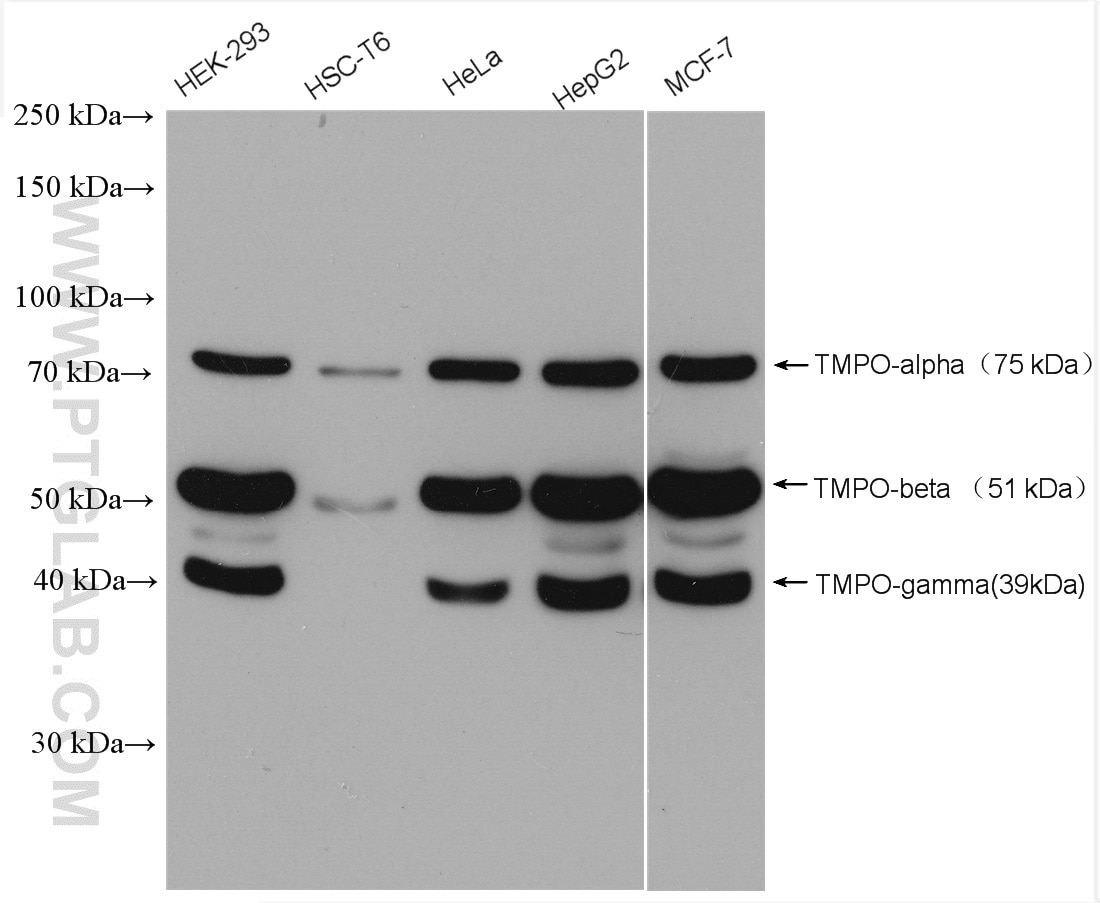
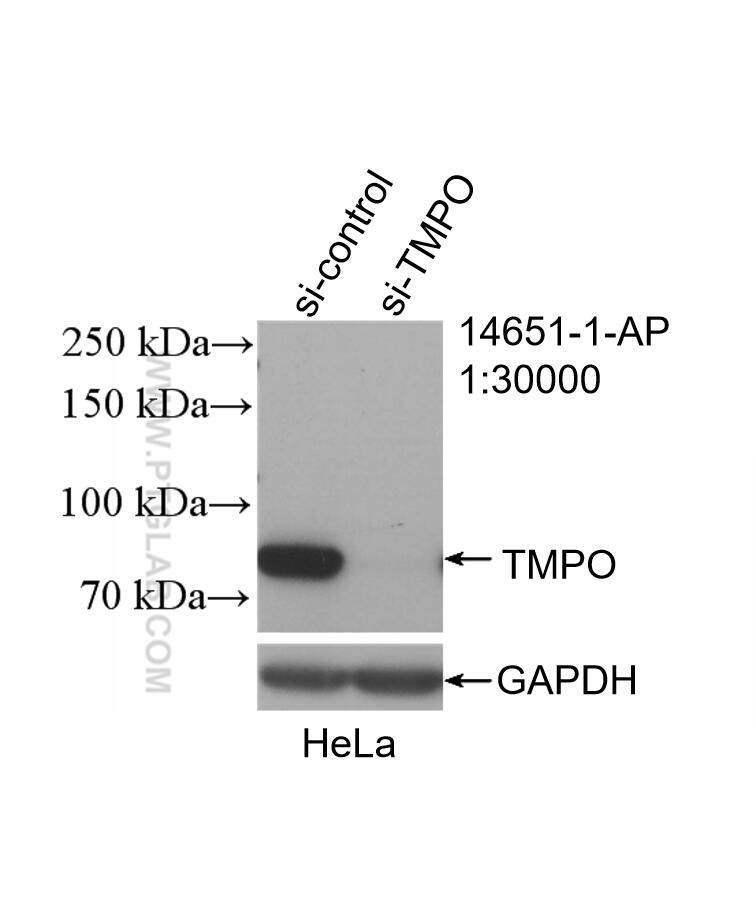
| Positive WB detected in | HEK-293 cells, HSC-T6 cells, HeLa cells, HepG2 cells, MCF-7 cells |
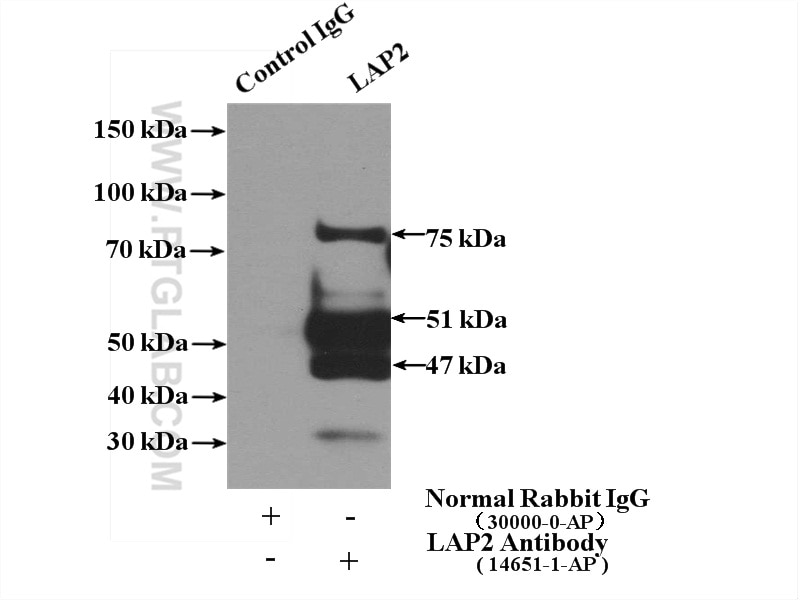
| Positive IP detected in | HeLa cells |
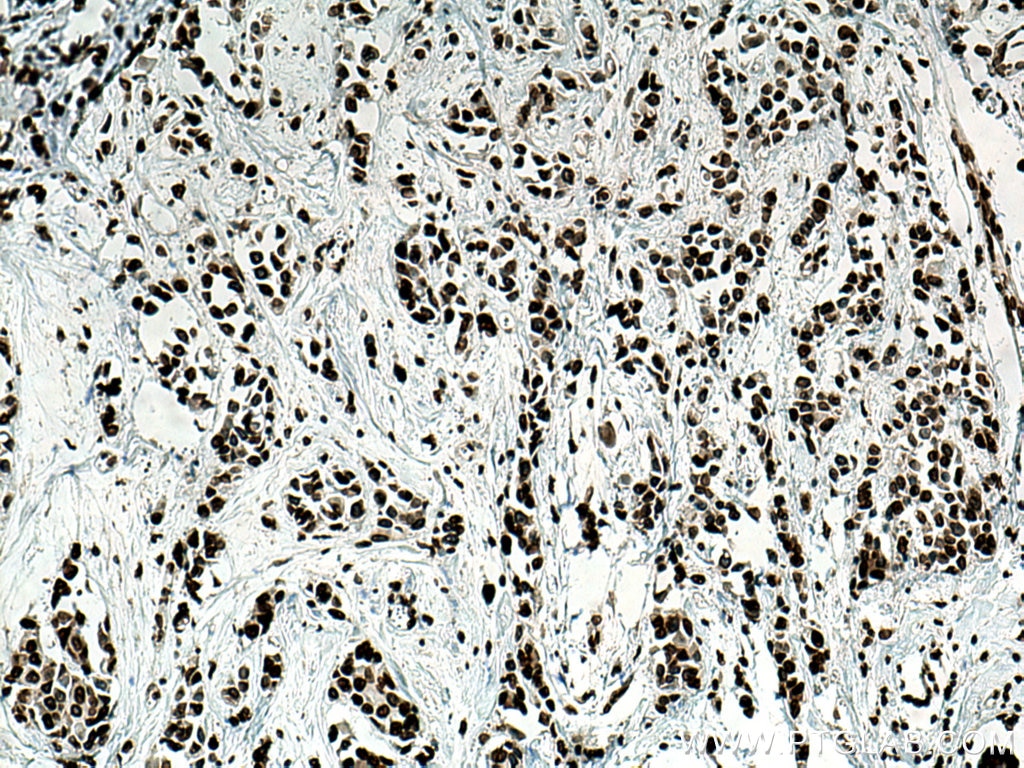
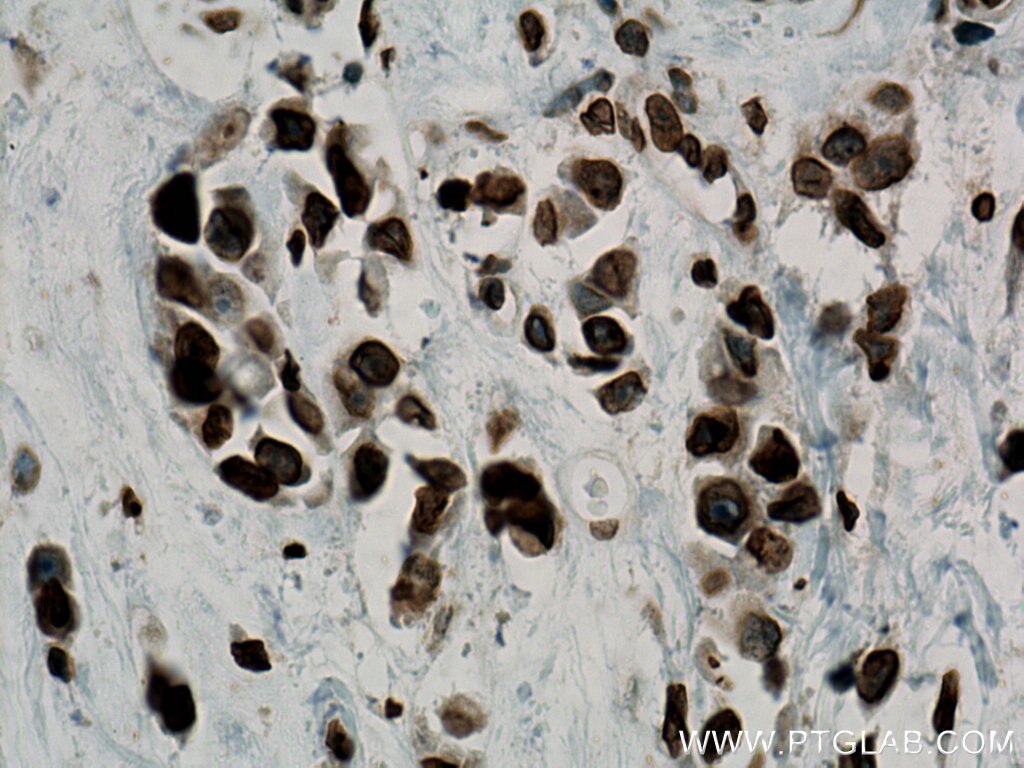
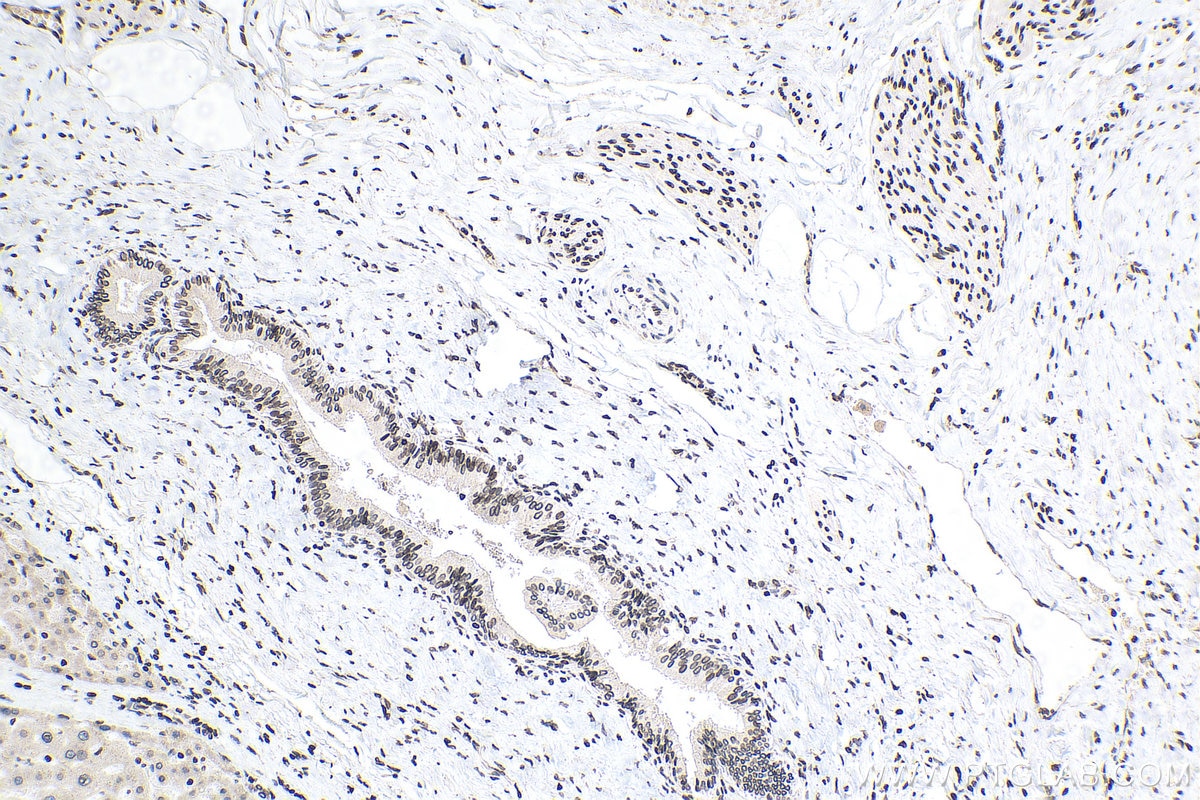
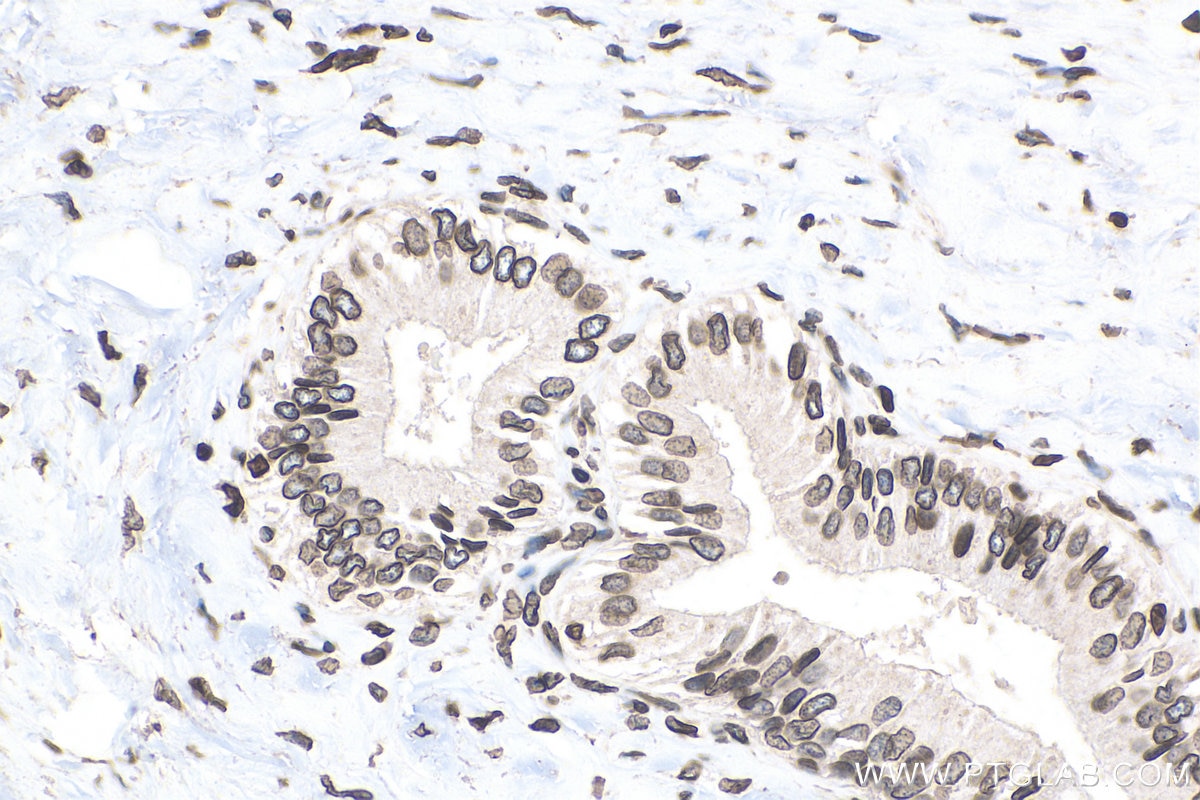
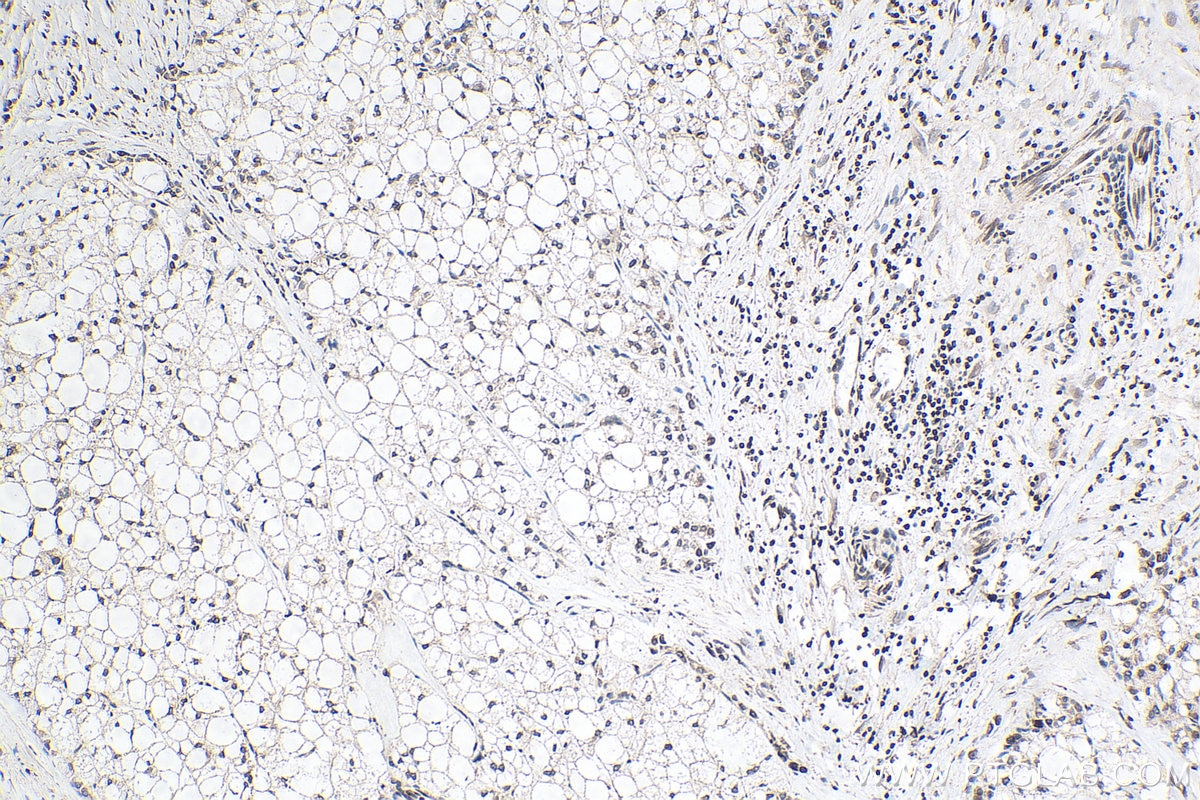
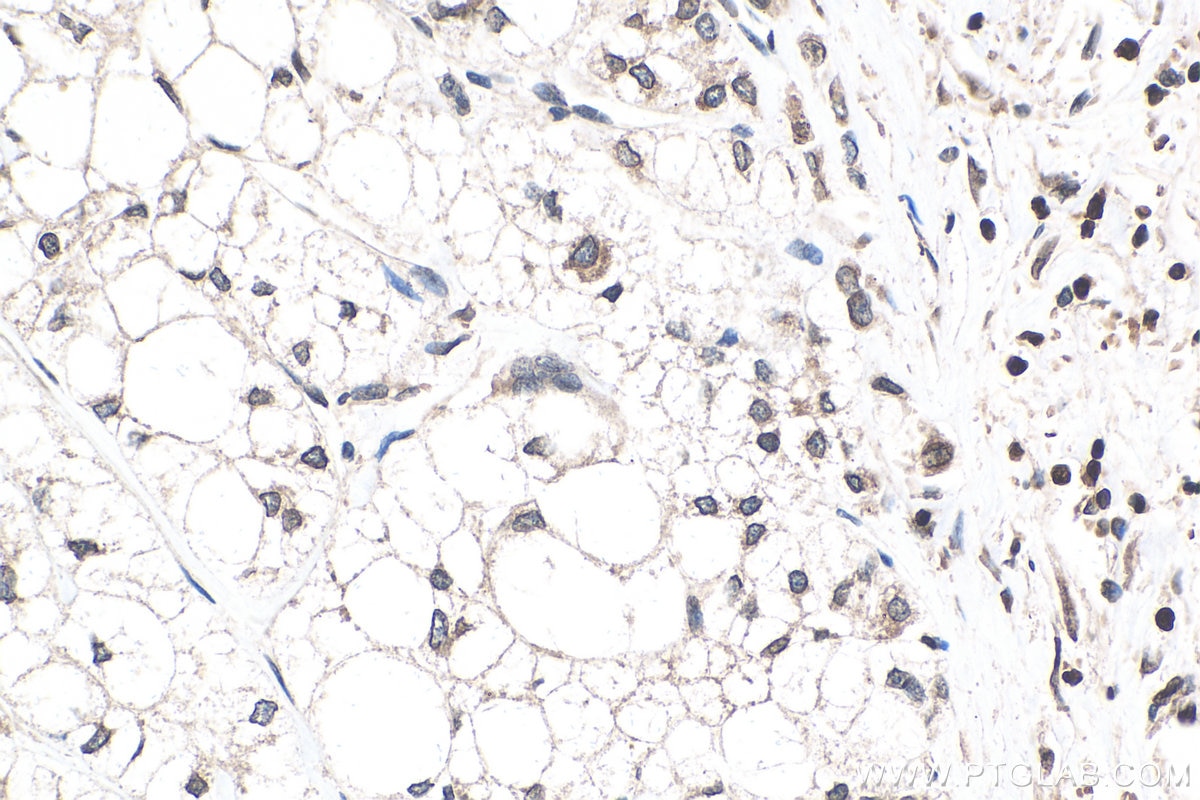
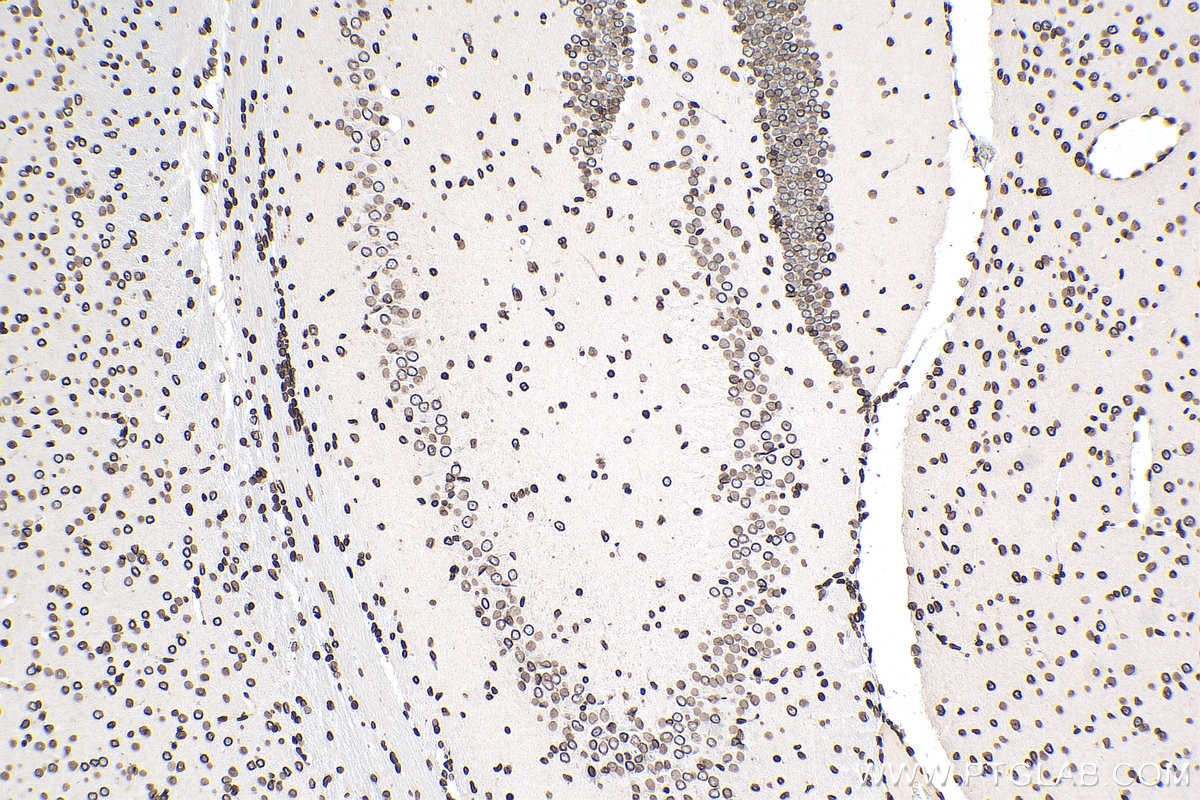
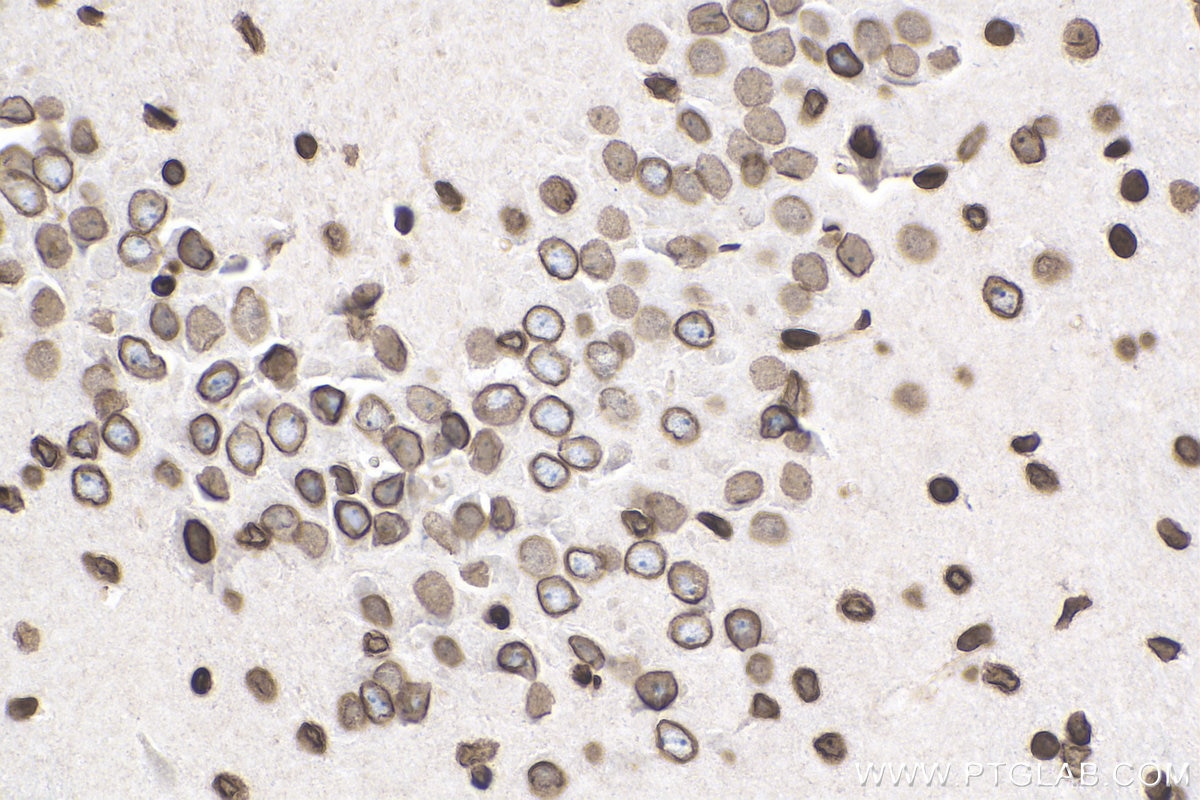
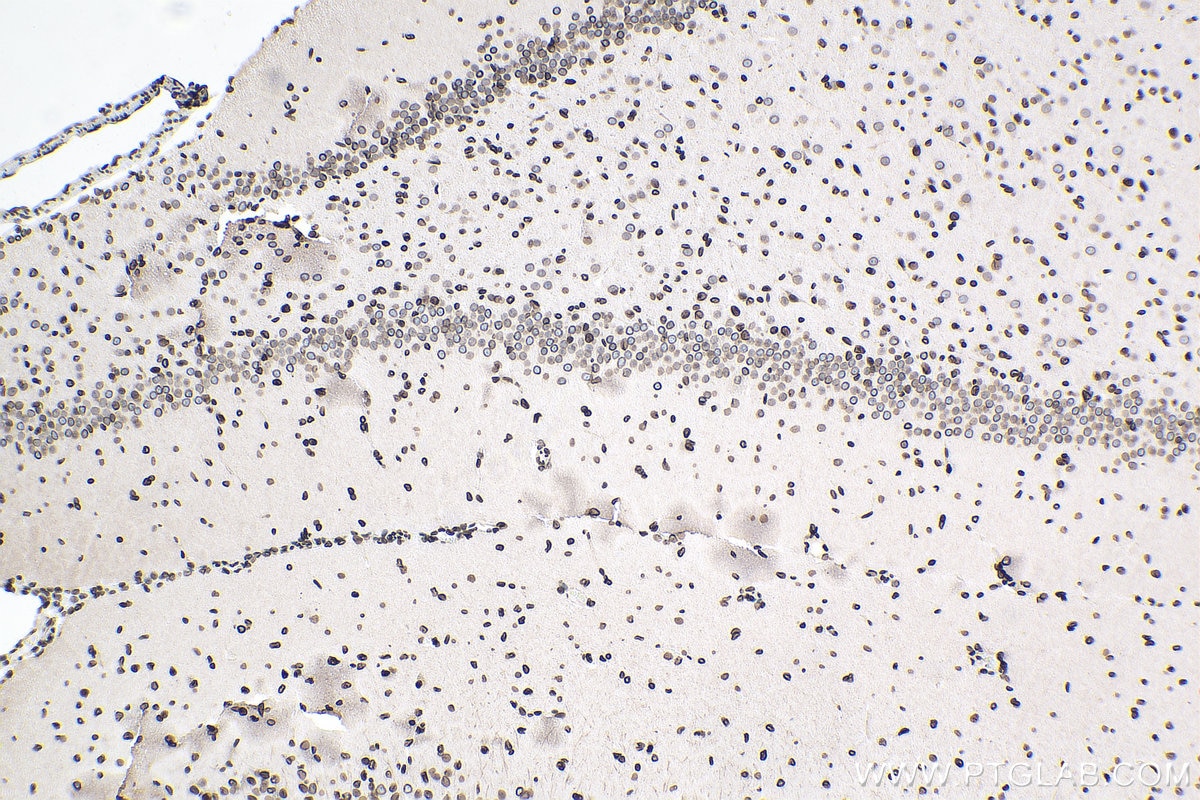
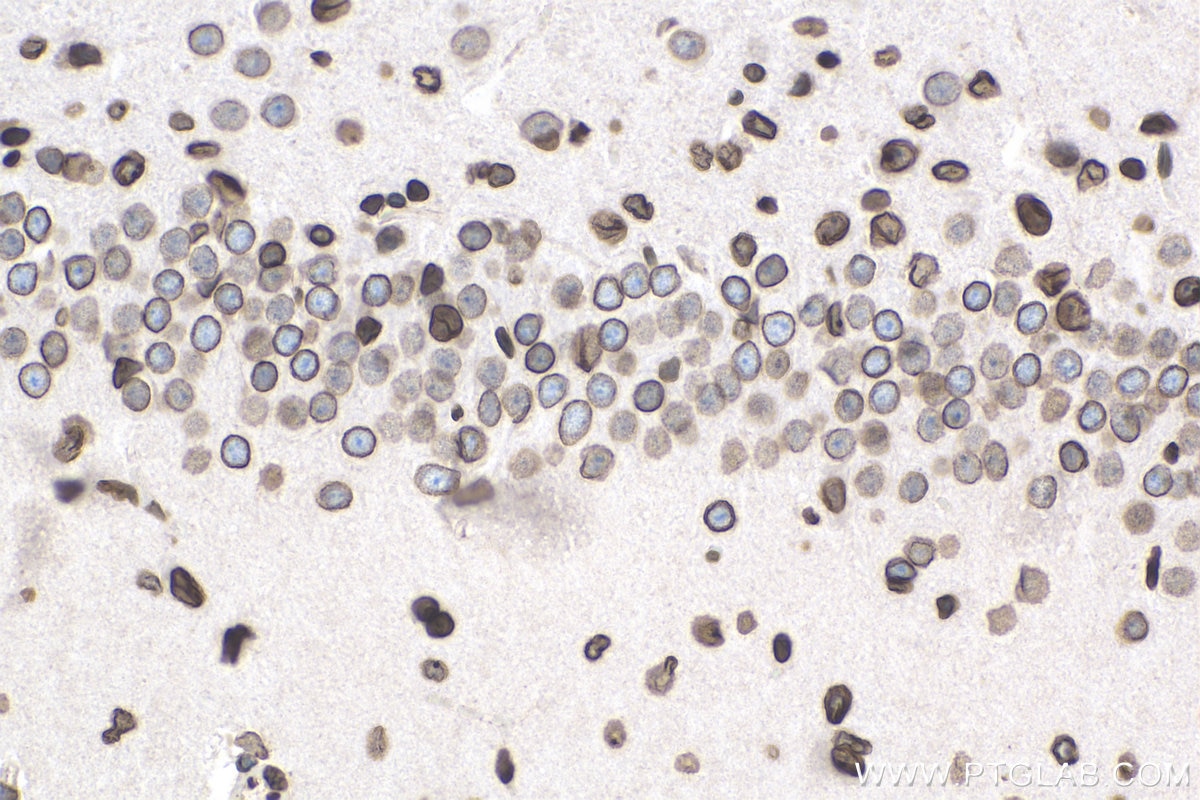
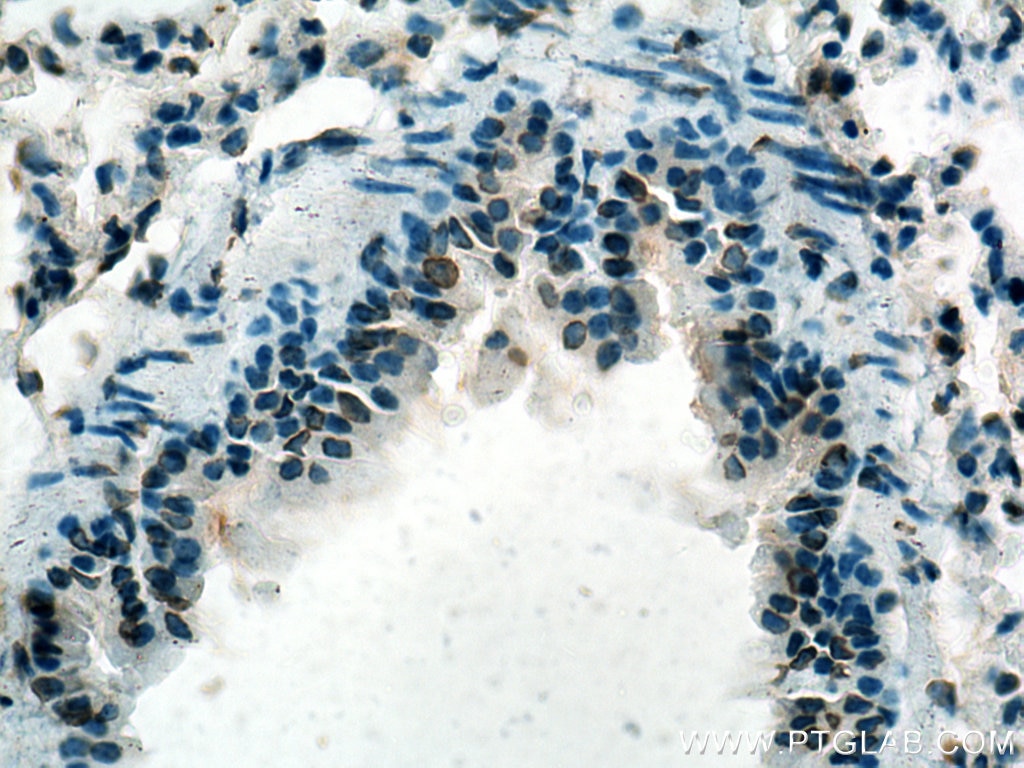
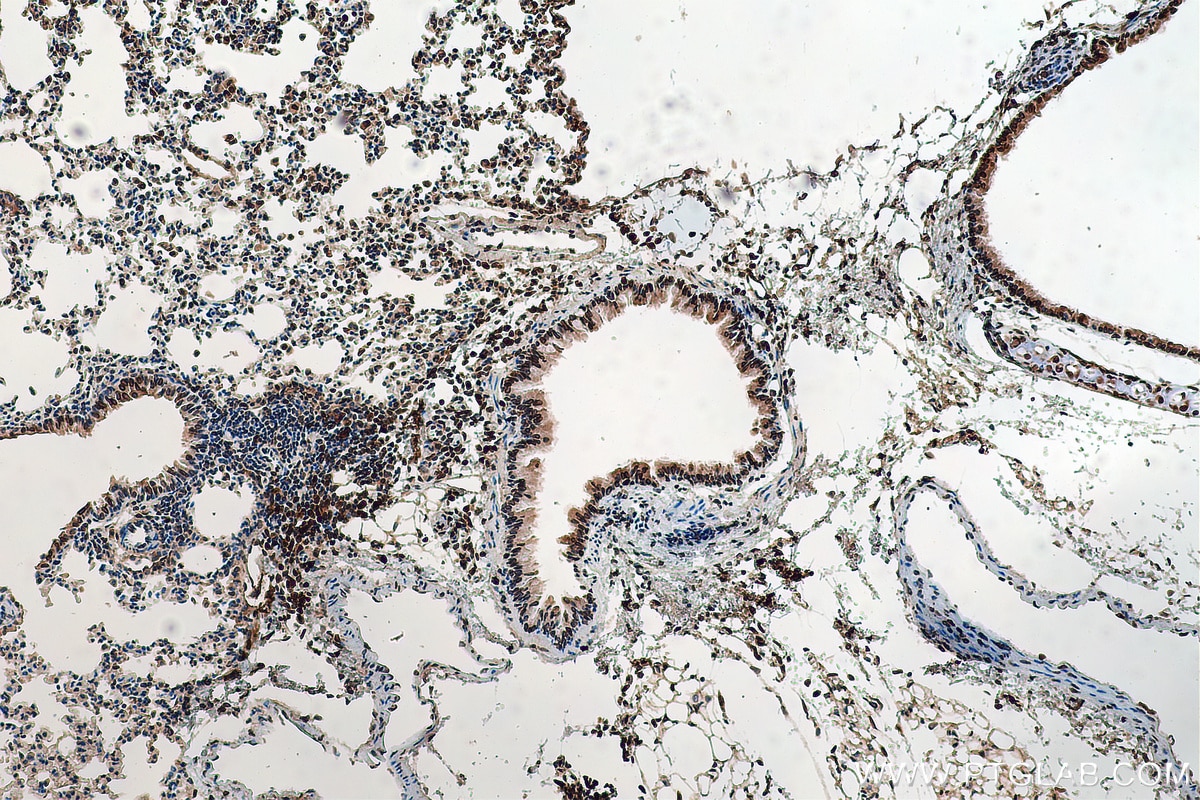
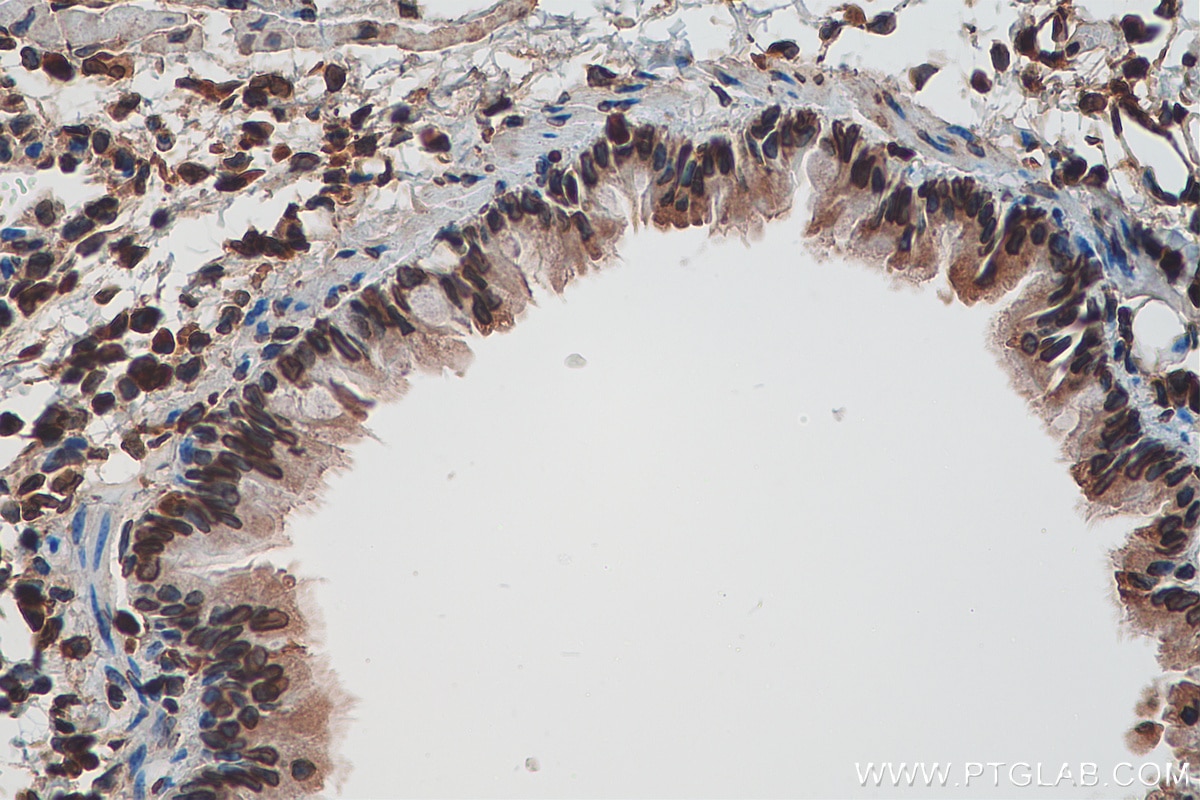
| Positive IHC detected in | human breast cancer tissue, human liver tissue, mouse lung tissue, human liver cancer tissue, mouse brain tissue, rat brain tissue Note: suggested antigen retrieval with TE buffer pH 9.0; (*) Alternatively, antigen retrieval may be performed with citrate buffer pH 6.0 |
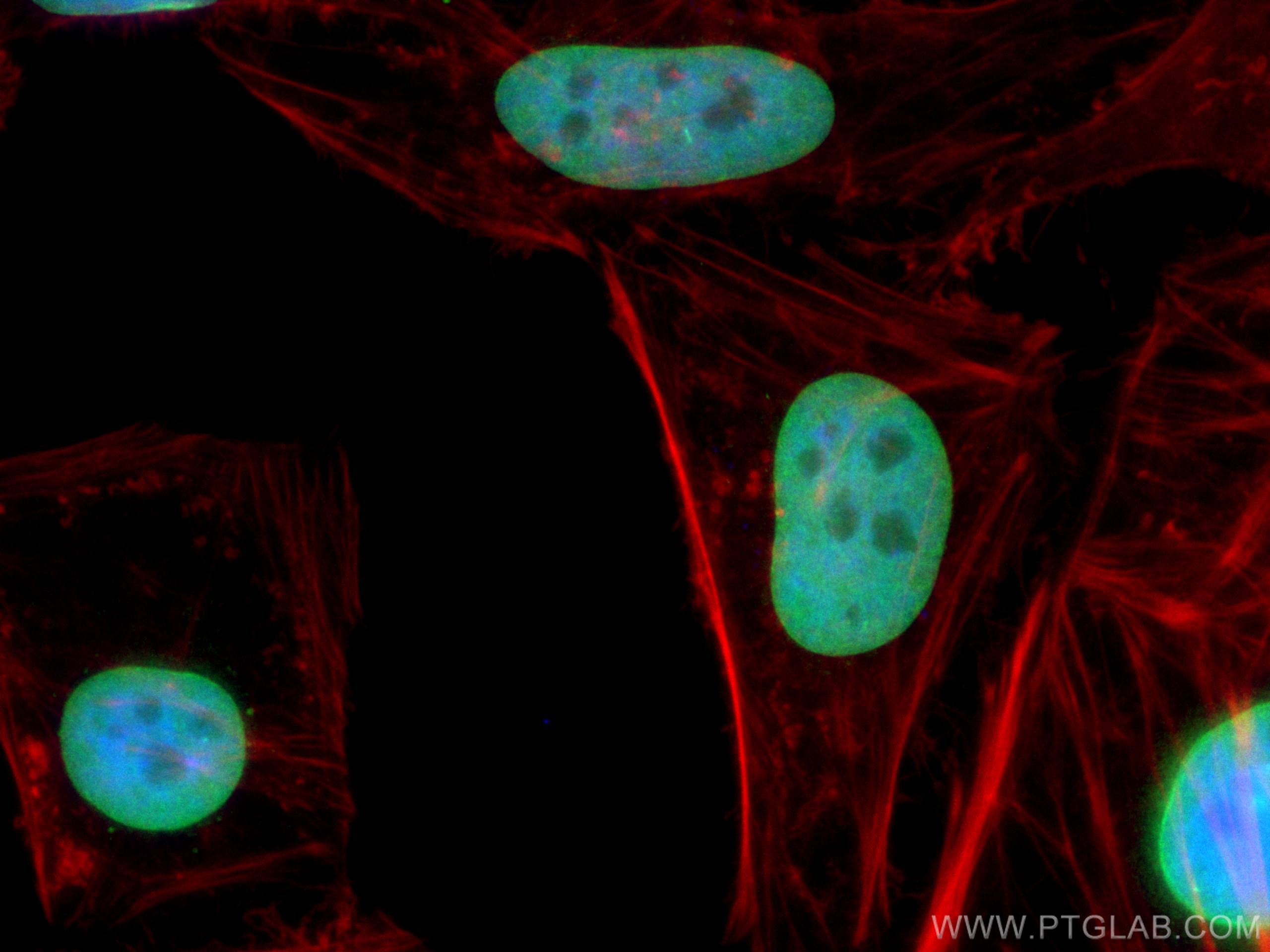
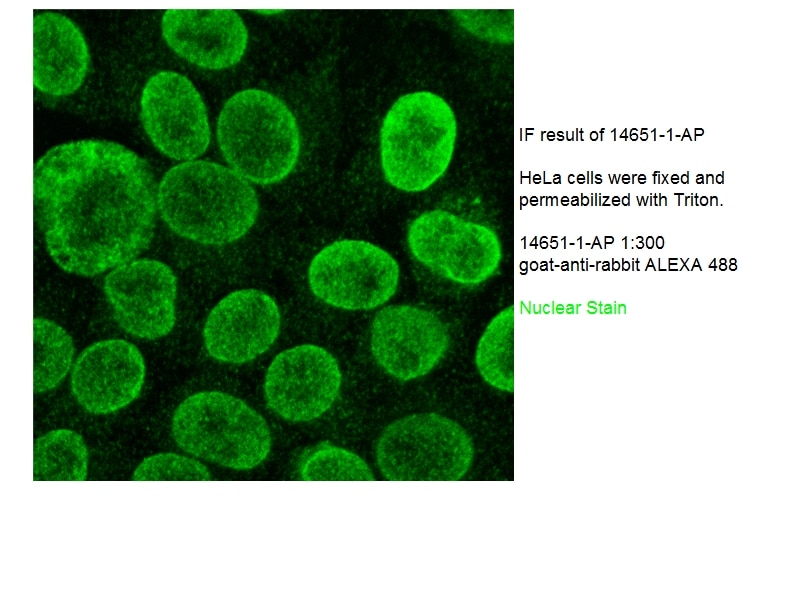
| Positive IF/ICC detected in | HeLa cells |
Recommended dilution
| Application | Dilution |
|---|---|
| Western Blot (WB) | WB : 1:500-1:2000 |
| Immunoprecipitation (IP) | IP : 0.5-4.0 ug for 1.0-3.0 mg of total protein lysate |
| Immunohistochemistry (IHC) | IHC : 1:50-1:500 |
| Immunofluorescence (IF)/ICC | IF/ICC : 1:200-1:800 |
| It is recommended that this reagent should be titrated in each testing system to obtain optimal results. | |
| Sample-dependent, Check data in validation data gallery. | |
Product Information
14651-1-AP targets TMPO/LAP2 in WB, IHC, IF/ICC, IP, ELISA applications and shows reactivity with human, mouse, rat samples.
| Tested Reactivity | human, mouse, rat |
| Cited Reactivity | human, mouse, rat, bovine |
| Host / Isotype | Rabbit / IgG |
| Class | Polyclonal |
| Type | Antibody |
| Immunogen |
CatNo: Ag6247 Product name: Recombinant human TMPO protein Source: e coli.-derived, PGEX-4T Tag: GST Domain: 1-362 aa of BC053675 Sequence: MPEFLEDPSVLTKDKLKSELVANNVTLPAGEQRKDVYVQLYLQHLTARNRPPLPAGTNSKGPPDFSSDEEREPTPVLGSGAAAAGRSRAAVGRKATKKTDKPRQEDKDDLDVTELTNEDLLDQLVKYGVNPGPIVGTTRKLYEKKLLKLREQGTESRSSTPLPTISSSAENTRQNGSNDSDRYSDNEEDSKIELKLEKREPLKGRAKTPVTLKQRRVEHNQSYSQAGITETEWTSGSSKGGPLQALTRESTRGSRRTPRKRVETSEHFRIDGPVISESTPIAETIMASSNESLVVNRVTGNFKHASPILPITEFSDIPRRAPKKPLTRAEVGEKTEERRVERDILKEMFPYEASTPTGISAS Predict reactive species |
| Full Name | thymopoietin |
| Calculated Molecular Weight | 51 kDa |
| Observed Molecular Weight | 75 kDa, 51 kDa and 39 kDa |
| GenBank Accession Number | BC053675 |
| Gene Symbol | TMPO/LAP2 |
| Gene ID (NCBI) | 7112 |
| RRID | AB_2205440 |
| Conjugate | Unconjugated |
| Form | Liquid |
| Purification Method | Antigen affinity purification |
| UNIPROT ID | P42167 |
| Storage Buffer | PBS with 0.02% sodium azide and 50% glycerol, pH 7.3. |
| Storage Conditions | Store at -20°C. Stable for one year after shipment. Aliquoting is unnecessary for -20oC storage. 20ul sizes contain 0.1% BSA. |
Background Information
TMPO resides in the nucleus and may play a role in the assembly of the nuclear lamina, and thus help maintain the structural organization of the nuclear envelope. It may function as a receptor for the attachment of lamin filaments to the inner nuclear membrane. TMPO gene encodes 3 thymopoietins: alpha (75 kD), beta (51 kD), and gamma (39 kD).
Protocols
| Product Specific Protocols | |
|---|---|
| IF protocol for TMPO/LAP2 antibody 14651-1-AP | Download protocol |
| IHC protocol for TMPO/LAP2 antibody 14651-1-AP | Download protocol |
| IP protocol for TMPO/LAP2 antibody 14651-1-AP | Download protocol |
| WB protocol for TMPO/LAP2 antibody 14651-1-AP | Download protocol |
| Standard Protocols | |
|---|---|
| Click here to view our Standard Protocols |
Publications
What published studies show
The TMPO/LAP2 Polyclonal antibody (Cat# 14651-1-AP) has 18 citations. They appear in journals including Nature Cell Biology, Nature Communications, Molecular Cell, Theranostics, Cardiovascular Research, Cell Death & Disease, Cell Reports, Journal of Cell Biology, Scientific Reports, Journal of Dairy Science, International Journal of Medical Sciences, World Journal of Surgical Oncology, International Journal of Ophthalmology, bioRxiv, and Clinical and Experimental Otorhinolaryngology. Research fields span nuclear biology, chromatin/genome stability, cell death, cancer, cardiology, and immunology.
| Species | Application | Title |
|---|---|---|
Nat Cell Biol Nuclear N-glycosylation maintains H3K9me3 heterochromatin and genomic stability.
| ||
Nat Cell Biol LBR and LAP2 mediate heterochromatin tethering to the nuclear periphery to preserve genome homeostasis.
| ||
Nat Cell Biol Defective prelamin A processing promotes unconventional necroptosis driven by nuclear RIPK1 | ||
Nat Commun The missing linker between SUN5 and PMFBP1 in sperm head-tail coupling apparatus. | ||
Nat Commun RanBP2-dependent annulate lamellae drive nuclear pore assembly and nuclear expansion. | ||
Reviews
What customers say
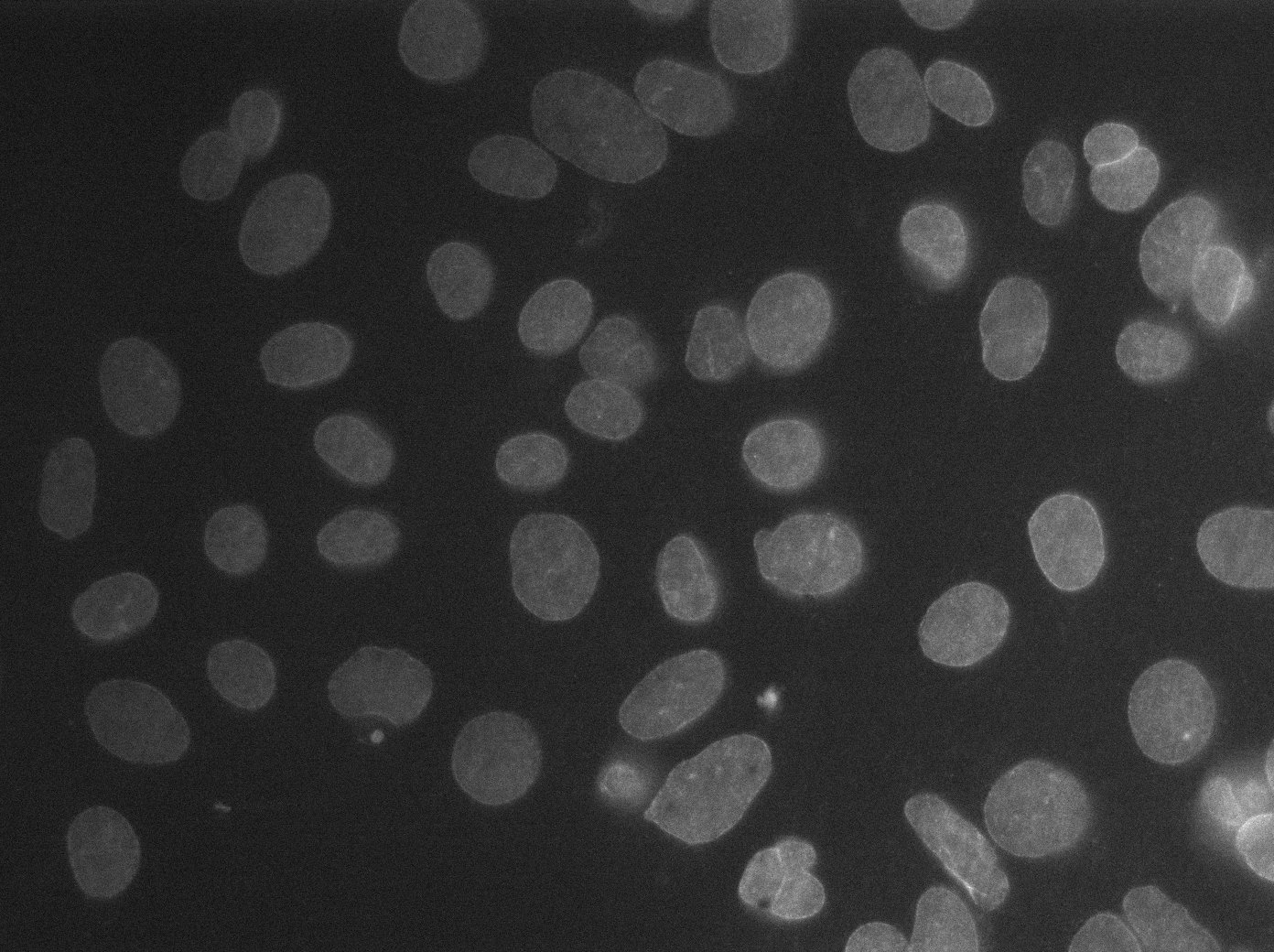
The single review rates the antibody 4 out of 5 stars. The user tested it on mIMCD3 cells for immunofluorescence at a 1:100 dilution. They evaluated three fixation methods: methanol at -20°C for 10 minutes, 2% formaldehyde for 20 minutes, and 4% formaldehyde for 20 minutes. The reviewer reported good signal with all three fixation protocols, indicating the antibody performs reliably across different fixation conditions.
The reviews below have been submitted by verified Proteintech customers who received an incentive for providing their feedback.
Lauren (Verified Customer) (02-20-2020) | Tested fixes include -20'C Methanol for 10 mins, and both 2% and 4% Formaldehyde for 20 mins. We saw a good signal in all three fixes.
 |



















